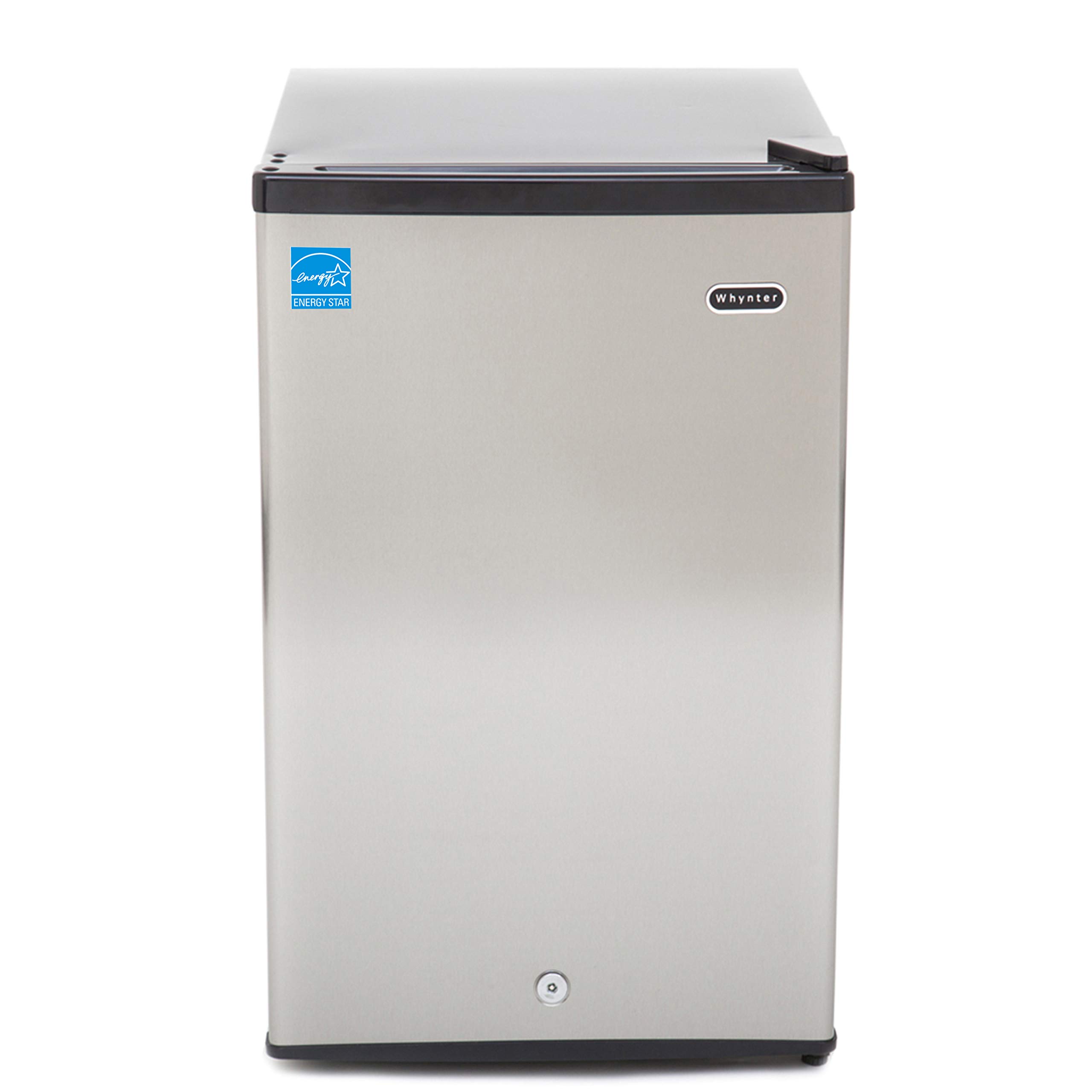
Keeping the right temperature in your fridge and freezer is like choosing the right recipe for dinner—it's essential! When the fridge gets too warm, your food might not make it to next week's meal plan and can become a science experiment gone wrong. Too chilly, and your food might end up tasting like cardboard. Nobody wants that, right?
It's good to check the settings now and then or else you'll be talking to your appliances, asking them why the milk smells funky. For anyone who loves to cook, eat, or keep a tidy kitchen, this know-how is golden and keeps your food fresh while dodging those "uh-oh" moments.
Understanding Ideal Refrigerator Temperature
Your refrigerator should be sitting somewhere comfy between 35°F (1.7°C) and 38°F (3.3°C). This range keeps your yogurt happy, veggies crisp, and leftovers just right for when hunger strikes at odd hours.
Here's a cheat sheet for fridge temps:
Setting
Temperature (°F)
Temperature (°C)
Just Right
35 - 38
1.7 - 3.3
Warmish
Above 40
Above 4.4
Arctic Blast
Below 32
Below 0
Hit a sweet spot in your freezer at 0°F (-18°C) or chillier. That way, your ice cream won't melt into a sad puddle of mess. Here's a breakdown:
Setting
Temperature (°F)
Temperature (°C)
A-Okay
0 or lower
-18 or lower
Needs a Chill Pill
Above 0
Above -18
Keeping tabs on these numbers helps you avoid tossing out hard-earned groceries and keeps your belly and your cooking aspirations satisfied. Need more tips to get your fridge in top shape? Dive into Fridge.com handy guide on calibrating your refrigerator and freezer.
With the right settings, your food sticks around longer and everyone's happy, including the carrots!
Refrigerator Temperature Guidelines
Keeping your grub fresh and safe is all about getting the refrigerator temperature just right. Let's break it down—here are the juicy bits you need to know about finding that sweet spot and what might mess with it.
Recommended Refrigerator Temperature Range
Your best bet is setting your fridge anywhere between 35°F and 38°F (1.6°C to 3.3°C). That's the magic range that'll slow down nasty bacteria and keep your food in tip-top shape.
Temperature (°F)
What It Means
32°F
Things freeze up—may as well be an ice box
35°F to 38°F
Perfect for keeping food fresh
Over 40°F
Uh-oh, bacteria's getting comfy
Stick with this range, and you won't wake up to spoiled milk or that funky smell nobody likes. Give your thermometer a peek now and then so you can sort out issues before they start. Lost on where to plunk that thermometer? Check out how to stash fridge.com feast: refrigerator zucchini relish recipes and get all the inside secrets.
Factors Affecting Refrigerator Temperature
A few sneaky things can throw off your fridge vibes:
Location: If your fridge is chilling by the stove or soaking in too much sunlight, it might be sweating to keep cool.
Door Drama: Every time you crack open the door, the temp inside can spike—unless you live in Antarctica.
Food Arrangement: Don’t hog up the vents, okay? Air needs its space or else cooling goes kaput.
Packed Fridge Syndrome: Jam-packed fridge? Air can't flow right. Bare shelves? Cold spots pop up.
Keep these ideas in your noggin to make sure the fridge is doing its job. Tinker with the settings and stay on top of it so your leftovers and fresh buys stick around long enough to enjoy.
Keeping your freezer chillin' at the right temperature is key to keeping your food fresh and eats safe. Here's some pointers to help you figure out the perfect temp for your freezer.
Recommended Freezer Temperature Range
You want your freezer set at 0°F (-18°C) or colder. At that sweet spot, your food stays in primo condition for longer. Depending on what you're stashing and how you're storing it, you might find this info handy:
Food Type
Suggested Freezer Temperature
Meat & Poultry
0°F (-18°C) or colder
Veggies
0°F (-18°C) or colder
Ice Cream
0°F (-18°C) or colder
Baked Goodies
0°F (-18°C) or colder
Keep an eye on that temp, so things stay frosty and fresh.
Keeping Your Freezer in Tip-top Shape
Want to keep your freezer running like a champ? Check these tricks out:
Door Time-Outs: Keep door openings to a quick dance—no marathon peeking. The less you open it, the happier your temp will be.
Don't Cram It: Stuffing your freezer isn't great for airflow, so leave some breathing room in there.
Sort & Store: Group your goodies together. Less foraging means less time with the door open.
Seal the Deal: Make sure the freezer door closes tight. A janky seal lets cold air escape—keep it in check and swap it when needed.
TLC Time: Give those coils and the inside of your freezer some love—dust and ice build-up block airflow.
These tips help you make a cool, calm haven for your food. Want more tips on getting your fridge and freezer just right? Check out Fridge.com piece on how to calibrate your refrigerator and freezer.
Monitoring and Adjusting Temperatures
Keeping your fridge and freezer at the right temperatures isn't just about keeping milk fresh— it's about making sure all your grub stays safe to eat. Regular check-ups and tweaks can make a big difference in how long your food lasts and how safe it is when you chow down.
Using Thermometers
To keep things on the up and up, getting yourself a thermometer is clutch. Stick it in the refrigerator and freezer, and you'll be able to keep tabs on that temperature without playing peekaboo with the door all the time.
Here's your go-to list for thermometer usage:
Get a Fridge/Freezer Thermometer: These can be snagged at your local kitchen store or even online—no fancy gear required.
Where to Stick It: Leave the thermometer smack dab in the middle of the fridge and freezer—nothing fancy, no food blockers.
Peek Weekly: Give it a glance at least once a week to make sure things are holding steady.
Ideal Temperature Readings
Appliance
Optimum Temperature
Refrigerator
35°F to 38°F (1.7°C to 3.3°C)
Freezer
0°F (-18°C)
If your readings are off, don’t just shrug it off; it's time to tinker with things.
How to Calibrate Your Refrigerator and Freezer
Making sure your fridge and freezer are spot-on is more straightforward than you’d think. Here’s a no-nonsense guide to tackle calibration:
Eye the Thermometer: Letting the thermometer settle in for a few hours is step one.
Twist and Turn the Settings: If the temps are playing tricks, get your mitts on those control knobs or digital panels and nudge them to find that sweet spot.
Pause, Then Peek Again: After any tweaking, let the appliance do its magic for a couple of hours and then recheck your numbers to make sure they’re within the golden zone.
If you're curious about steering your fridge’s performance to new heights, don’t miss Fridge.com handy tips on how to: fridge light on but not cooling. Being on top of your appliance's game means your meals will stay fresh and ready for as long as possible.
Food Safety Tips
Keep your grub together in the fridge and freezer to dodge that nasty food sickness and make sure it stays top-notch. Here's the lowdown on keeping your perishables fresh and nailing that thawing and reheating game.
Storing Perishable Foods Safely
Want to keep your groceries feeling fresh and safe? Check out these tips to make sure your food's ready whenever your stomach is.
Food Type
Best Storage Temp
Dairy Goods
32°F to 40°F
Fresh Meat n' Chicken
32°F to 40°F
Fish
30°F to 34°F
Fruits n' Veggies
35°F to 38°F
Pop meat on the bottom shelf so it doesn’t drip all over your other munchies.
Shove fruits and veggies in the crisper drawers for that juicy, optimal humidity.
Slap a date on ‘em to keep tabs on who’s freshest.
Safe Thawing and Reheating Practices
When it's time to unfreeze those goodies, do it right to keep it safe. Here are the deets:
Thawing Method
What You Should Know
Fridge Thawing
The gold standard; time is your friend here, so let it chill out overnight.
Cold Water Dunk
Bag it up and swap the water every 30 minutes.
Microwave-ing it
Thaw, then cook right away. Half-thawed ain't safe.
Before you dig in, make sure your food hits a balmy 165°F or higher when reheating. A food thermometer gives you the final word. For a deep dive into food safety, hop over to Fridge.com piece on fridge.com feast: refrigerator zucchini relish recipes.
By rocking these tips, your dinner table will be a safe haven. Ain't nothing better than a meal everyone can enjoy without a care in the world.
Looking after your refrigerator and freezer is key to them staying in top shape and doing their job right. You want these appliances keeping your food fresh and safe, without a hitch. A little regular upkeep like cleaning, defrosting, and knowing a few troubleshooting tricks can make a world of difference.
Regular Cleaning and Defrosting
Cleaning out the fridge and freezer isn't just about getting rid of funky smells—it's also about keeping things tidy and hygienic. Here's a quick checklist to keep you on track:
Task
Frequency
Wipe interior surfaces
Once a month
Clean shelves and drawers
Once a month
Check and clean door seals
Every 3 months
Defrost freezers (non frost-free)
Twice a year
For those stubborn stains and odd odors, warm water mixed with a bit of baking soda works wonders, and it's gentle on surfaces, too. Just remember to take out your groceries and let the inside air out a bit while you scrub away.
When it comes to defrosting, it plays a big role in efficiency, especially with the older models. A frosty layer can burden your freezer, leading to steeper energy costs.
Common Issues and Solutions
Every now and then, appliances act up. Luckily, there's often a simple fix. Here’s what's likely going on and how you can tackle it:
Issue
Possible Cause
Solution
Fridge light on but not cooling
Maybe a power snag or compressor glitch
Check the power first; if that’s fine, you might need a repair for the compressor.
Freezer not doing its freezing thing
Temperature set wrong or vents blocked
Adjust the thermostat; make sure the vents aren’t clogged.
Frost build-up in the freezer
Bad door seals or too much in-and-out
Replace seals if they’re worn; try not to open the door too often.
Weird noises coming from the fridge
Ice pile-up or something's off inside
Defrost if you see ice; call in a pro if it keeps sounding off.
For any unsolved mysteries, check Fridge.com handy guide on what to do when the fridge light is on but no cooling.
By sticking to a routine of maintenance and jumping on those small issues when they pop up, you make sure your fridge and freezer keep humming along happily, standing strong in your kitchen team.
Free tool
Food Storage Calculator
Free interactive tool from Fridge.com — get a quick answer while you read.