Temperature Settings: Keep the fridge at the optimal temperature (around 37°F) to ensure efficiency and food safety.
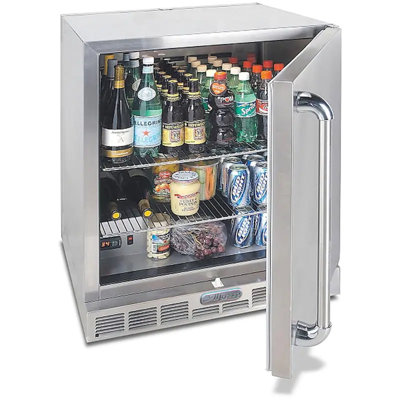
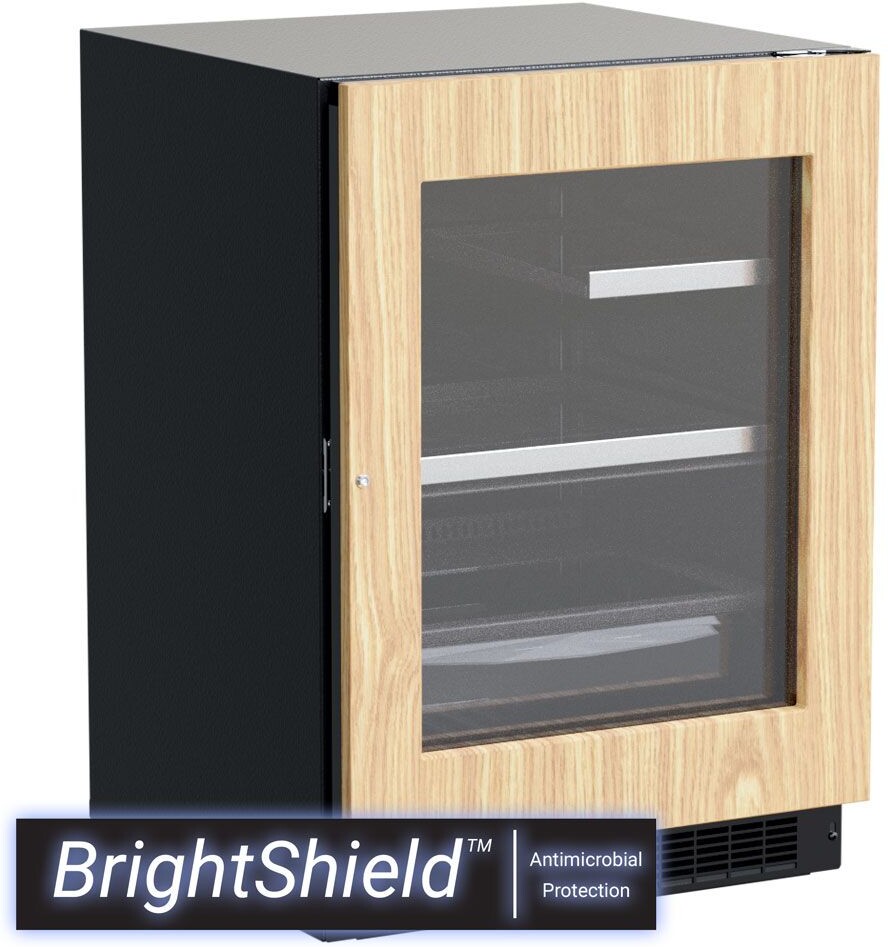
A glass door mini fridge is ideal for displaying beverages and snacks, making it perfect for entertaining guests or keeping your favorite drinks within easy reach.
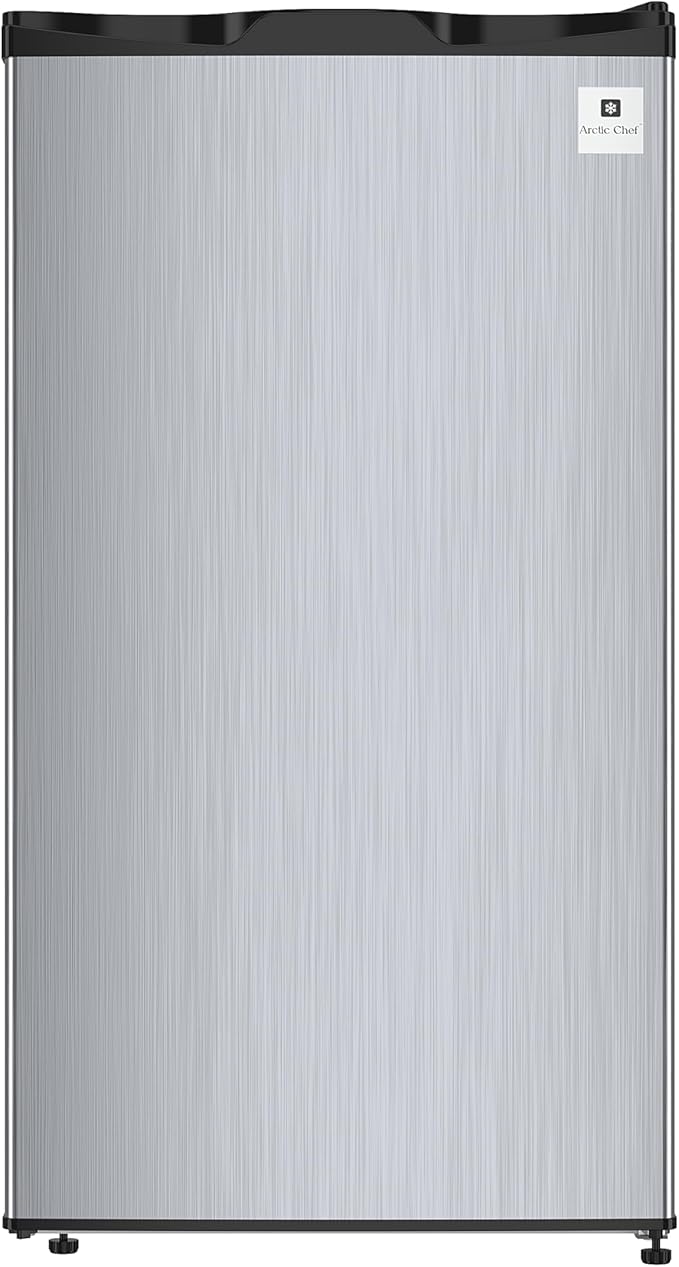
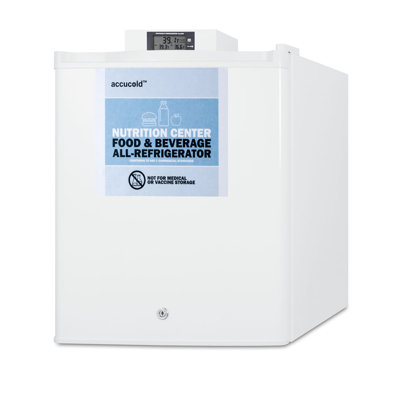
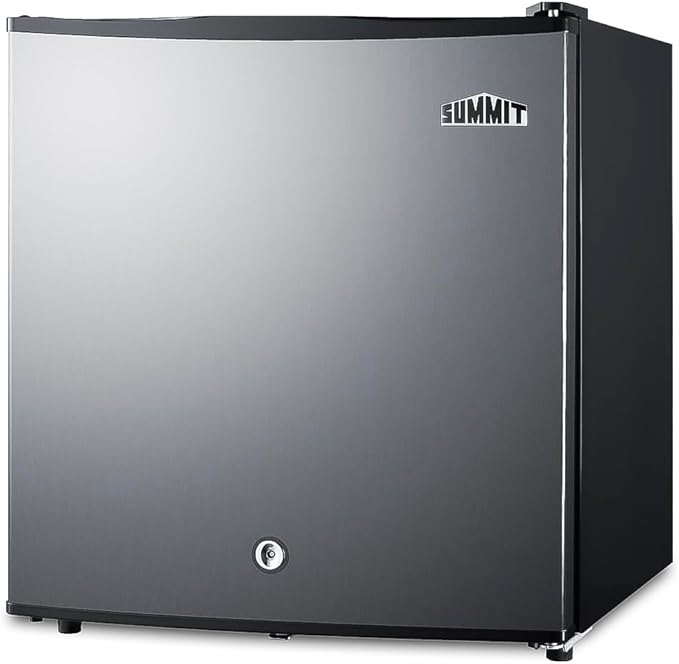
Compact Size: Ideal for small spaces such as dorm rooms, offices, and apartments.
When considering a glass door mini fridge, it is important to weigh the advantages and disadvantages to determine if it meets your needs.
When deciding between a glass door mini fridge and a small upright freezer, it's essential to understand your cooling needs. A glass door mini fridge is ideal for displaying beverages and snacks, making it perfect for entertaining guests or keeping your favorite drinks within easy reach. The glass door allows you to see the contents without opening the fridge, which can help maintain the internal temperature and improve energy efficiency.
On the other hand, a small upright freezer is designed for long-term storage of frozen goods. If you often buy in bulk or need to store items for extended periods, a small upright freezer offers the capacity and freezing power required to keep your foods fresh and safe.
Factors to Consider Before Choosing
Before making a decision, consider the following factors:
Storage Needs: Evaluate the type and quantity of items you need to store. A glass door mini fridge is suitable for frequently accessed items, while a small upright freezer is better for long-term storage.
Space Availability: Measure the space where you plan to place the appliance. Ensure that the dimensions of the fridge or freezer fit comfortably in the designated area.
Energy Efficiency: Consider the energy consumption of both appliances. Typically, mini fridges consume less energy than upright freezers, which can be a deciding factor if you're concerned about electricity bills.
Temperature Control: Check the temperature settings and controls. A mini fridge usually has adjustable cooling settings, while a small upright freezer offers precise freezing temperatures.
Usage Frequency: Think about how often you'll use the appliance. If you need constant access to chilled beverages, a mini fridge is more convenient. For less frequent access to frozen foods, a small upright freezer is more suitable.
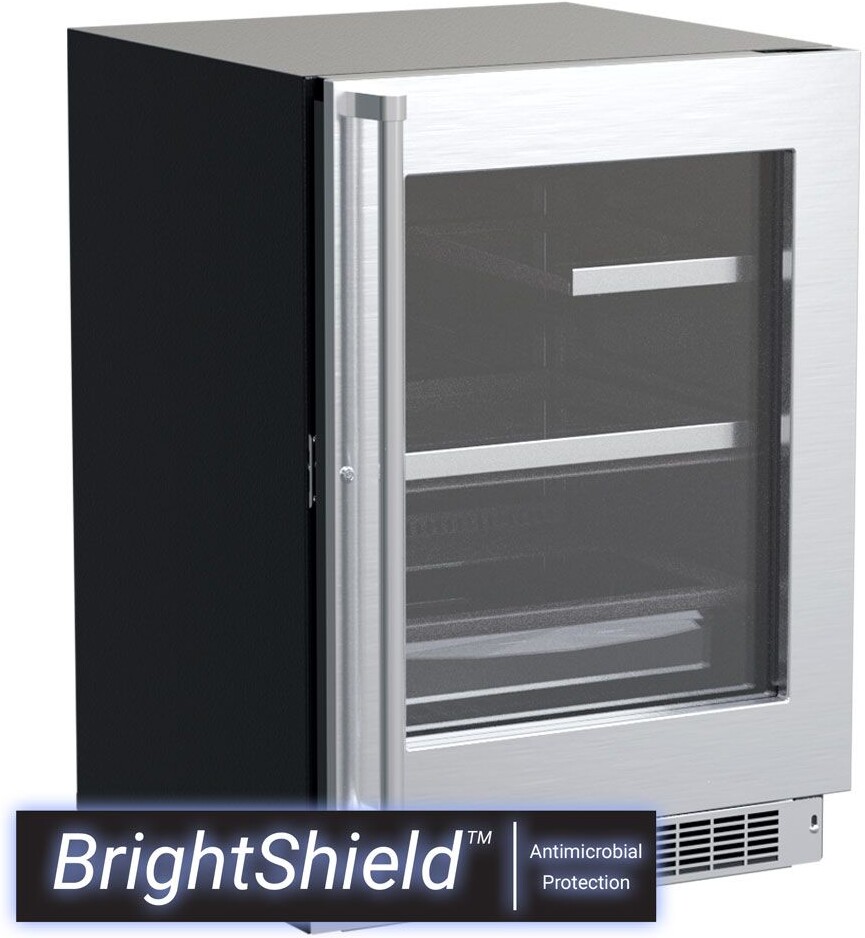
A glass door mini fridge offers several unique features that make it an attractive choice for many. These fridges are designed with a transparent door, allowing you to easily see the contents without opening the door. This feature is especially useful for those who like to keep their beverages and snacks organized and readily accessible.
Key features include:
Transparent Glass Door: Provides a clear view of the contents.
Compact Size: Ideal for small spaces such as dorm rooms, offices, and apartments.
Adjustable Shelves: Allows for customization of storage space to fit various items.
Temperature Control: Enables you to set the desired cooling level.
Interior Lighting: Illuminates the contents for easy visibility, even in low-light conditions.
Pros and Cons of Glass Door Mini Fridge
When considering a glass door mini fridge, it is important to weigh the advantages and disadvantages to determine if it meets your needs.
Pros
Visibility: The transparent door makes it easy to see what is inside without opening the door, which can help save energy.
Aesthetic Appeal: Adds a modern and stylish look to any room.
Convenience: Quick access to your favorite beverages and snacks.
Organization: Adjustable shelves allow for better organization of items.
Cons
Energy Efficiency: Glass door mini fridges may not be as energy-efficient as solid door models due to potential heat loss through the glass.
Maintenance: The glass door requires regular cleaning to maintain its appearance and can show fingerprints and smudges easily.
Capacity: Generally, these fridges have limited storage space compared to larger models.
Considering these features, pros, and cons will help you decide if a glass door mini fridge is the right choice for you. For further comparisons between other types of fridges and freezers, check out Fridge.com article on mini fridge Vs. portable freezer.
Small Upright Freezer
Features of Small Upright Freezer
A small upright freezer is designed to offer a compact and efficient solution for your freezing needs. These freezers are ideal for homes, apartments, and small spaces where floor space is at a premium. Here are some key features you can expect:
Vertical Design: Maximizes storage space while occupying a small footprint.
Adjustable Shelves: Allows for customizable storage options, making it easier to organize different types of frozen goods.
Temperature Control: Provides precise temperature settings to ensure your food stays at the optimal freezing point.
Door Storage: Often includes bins or shelves on the door for additional organization and easy access to frequently used items.
Frost-Free Operation: Many models come with a frost-free feature to prevent ice build-up and reduce the need for manual defrosting.
Feature
Description
Design
Vertical
Shelves
Adjustable
Temperature Control
Precise settings
Door Storage
Bins or shelves
Frost-Free
Included in many models
Pros and Cons of Small Upright Freezer
When considering a small upright freezer, it's important to weigh the advantages and disadvantages to determine if it meets your specific needs.
Pros:
Space-Saving: The upright design takes up less floor space compared to chest freezers.
Ease of Access: Vertical shelving makes it easier to see and reach items without having to dig through layers of frozen food.
Organization: Adjustable shelves and door bins provide versatile storage options.
Energy Efficiency: Many models are energy-efficient, which can save on utility bills over time.
Cons:
Higher Initial Cost: Typically, upright freezers can be more expensive than chest freezers.
Capacity Limitation: Although efficient in organization, they may offer less overall storage space compared to similar-sized chest freezers.
Potential for Frost Build-Up: In models without a frost-free feature, manual defrosting may be required.
Less Energy Efficient When Opened Frequently: Upright freezers can lose more cold air when opened frequently compared to chest freezers.
Understanding the features and pros and cons of a small upright freezer can help you make an informed decision when comparing it to other cooling options like a glass door mini fridge Vs. small upright freezer.
When deciding between a glass door mini fridge and a small upright freezer, it's important to consider how each appliance will meet your storage and organization needs.
Capacity and Space Considerations
The capacity of both glass door mini fridges and small upright freezers varies. It's essential to choose an appliance that suits your specific requirements, whether it's for home, office, or outdoor use.
Appliance Type
Average Capacity (Cubic Feet)
Glass Door Mini Fridge
1.7 - 4.5
Small Upright Freezer
3.0 - 5.0
Glass door mini fridges typically offer less capacity compared to small upright freezers. They are ideal for storing beverages, snacks, and smaller food items. In contrast, small upright freezers provide more storage space, making them suitable for bulkier items and long-term food storage.
Organization Options for Efficient Use
Effective organization is key to maximizing the use of any cooling appliance. Both glass door mini fridges and small upright freezers come with a variety of features to help you stay organized.
Glass Door Mini Fridge Organization
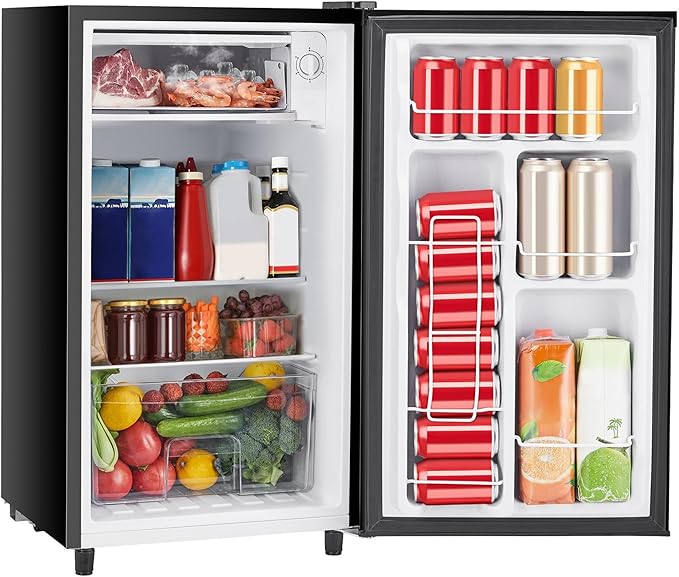
Adjustable Shelves: Many glass door mini fridges come with adjustable shelves that can be repositioned to accommodate different sizes of items.
Door Bins: Some models offer door bins for additional storage, perfect for smaller items like cans and jars.
Interior Lighting: Glass door mini fridges often feature interior lighting, making it easy to see and access items.
Small Upright Freezer Organization
Wire Shelves: Small upright freezers typically come with wire shelves that can be adjusted or removed to fit larger items.
Storage Baskets: Many models include storage baskets, which are ideal for organizing smaller, loose items and keeping them easily accessible.
Door Shelves: Upright freezers may also feature door shelves, providing additional storage space for smaller items.
By considering the capacity and organization options of each appliance, you can make an informed decision that best suits your needs. For more insights on choosing the right appliance, check out Fridge.com comparison articles like mini fridge Vs. portable freezer and column refrigerator Vs. small freezer chest.
Energy Efficiency and Maintenance
Energy Efficiency Comparison
When comparing the energy efficiency of a glass door mini fridge and a small upright freezer, it's important to consider their power consumption and overall efficiency. Both appliances have their own unique energy profiles, which can impact your electricity bill and environmental footprint.
Appliance
Average Annual Energy Consumption (kWh)
Energy Star Rating
Glass Door Mini Fridge
200 - 300
Yes (varies by model)
Small Upright Freezer
250 - 350
Yes (varies by model)
Glass door mini fridges typically consume less energy compared to small upright freezers. However, the efficiency can vary based on the specific model and usage patterns. Small upright freezers, on the other hand, might use more energy due to their larger cooling capacity and the need to maintain lower temperatures consistently.
Energy Star ratings are a good indicator of the efficiency of both appliances. Models with higher ratings will generally use less energy and can save you money in the long run. For more information on comparing different types of fridges and freezers, you might find Fridge.com article on column freezer Vs. standard fridge size useful.
Maintenance Tips for Longevity
Proper maintenance is key to ensuring the longevity and optimal performance of both glass door mini fridges and small upright freezers. Here are some maintenance tips to help you keep your appliances in top condition:
Glass Door Mini Fridge
Clean the Coils: Dust and debris can accumulate on the coils, causing the fridge to work harder. Clean them every six months.
Check Door Seals: Ensure the door seals are tight and not cracked. Replace if necessary to maintain efficiency.
Defrost Regularly: If your fridge does not have an automatic defrost feature, manually defrost it to prevent ice build-up.
Temperature Settings: Keep the fridge at the optimal temperature (around 37°F) to ensure efficiency and food safety.
Small Upright Freezer
Clean the Interior: Regularly clean the interior to prevent mold and odors. Use a mild detergent and water.
Check Door Seals: Similar to fridges, ensure the door seals are intact to prevent cold air from escaping.
Defrost: If your freezer is not frost-free, defrost it periodically to maintain efficiency.
Organize Efficiently: Avoid overloading the freezer as it can block air circulation. For tips on organizing your freezer, see Fridge.com article on storage and organization options.
Regular maintenance not only extends the life of your appliances but also ensures they run efficiently, saving you money on energy bills. For more detailed maintenance tips, you can refer to Fridge.com articles on maintenance tips for longevity and energy efficiency comparison.
Choosing between a glass door mini fridge and a small upright freezer involves considering the initial cost and long-term value, as well as identifying budget-friendly options that meet your specific needs.
Initial Cost Vs. Long-Term Value
When comparing the initial cost of a glass door mini fridge and a small upright freezer, it's essential to consider both the purchase price and the long-term value. While the initial investment might seem significant, factors such as energy efficiency, maintenance, and longevity can impact the overall value of your purchase.
Appliance
Initial Cost
Estimated Lifespan
Energy Efficiency (kWh/year)
Glass Door Mini Fridge
$150 - $300
5 - 10 years
200 - 300
Small Upright Freezer
$200 - $400
10 - 15 years
300 - 500
A glass door mini fridge typically has a lower initial cost compared to a small upright freezer. However, the lifespan of a small upright freezer tends to be longer, potentially offering better long-term value. Energy efficiency is another critical factor; mini fridges generally consume less energy, which can lead to savings on electricity bills over time.
Budget-Friendly Options for Every Need
Regardless of your budget, there are plenty of options available to suit your cooling needs. By prioritizing essential features and considering energy efficiency, you can find a budget-friendly appliance that meets your requirements.
Glass Door Mini Fridge: Ideal for those who need a compact and stylish solution for storing beverages and small food items. Look for models with adjustable shelves and energy-saving modes to maximize value.
Small Upright Freezer: Perfect for those who require more extensive freezing capabilities. Consider models with adjustable temperature controls and frost-free technology to enhance convenience and efficiency.
For additional comparisons and budget-friendly tips, explore Fridge.com articles on mini fridge Vs. portable freezer and compact freezer Vs. small upright freezer.
By carefully weighing the initial cost against the long-term value and exploring budget-friendly options, you can make an informed decision that best meets your cooling needs and financial constraints.
Compare prices on Fridge.com
Compare current prices and specifications on Fridge.com, then buy from the retailer you choose; delivery, installation and warranty terms are the retailer’s.
It also has tons of awesome articles about kitchen stuff and home news. Enhance your home, garage, backyard, patio, and office with the coolest essentials. With every necessary type of residential refrigerator or freezer in the collection, you're covered.
From Fridge.com research
Figures below come from data Fridge.com builds and maintains. Each links to the record behind it.
Fridge.com Energy Index, built on U.S. EPA and DOE ENERGY STAR records
Across 1,728 ENERGY STAR certified compact refrigerator models, median use is 246 kWh per year — 11% better than the federal standard.