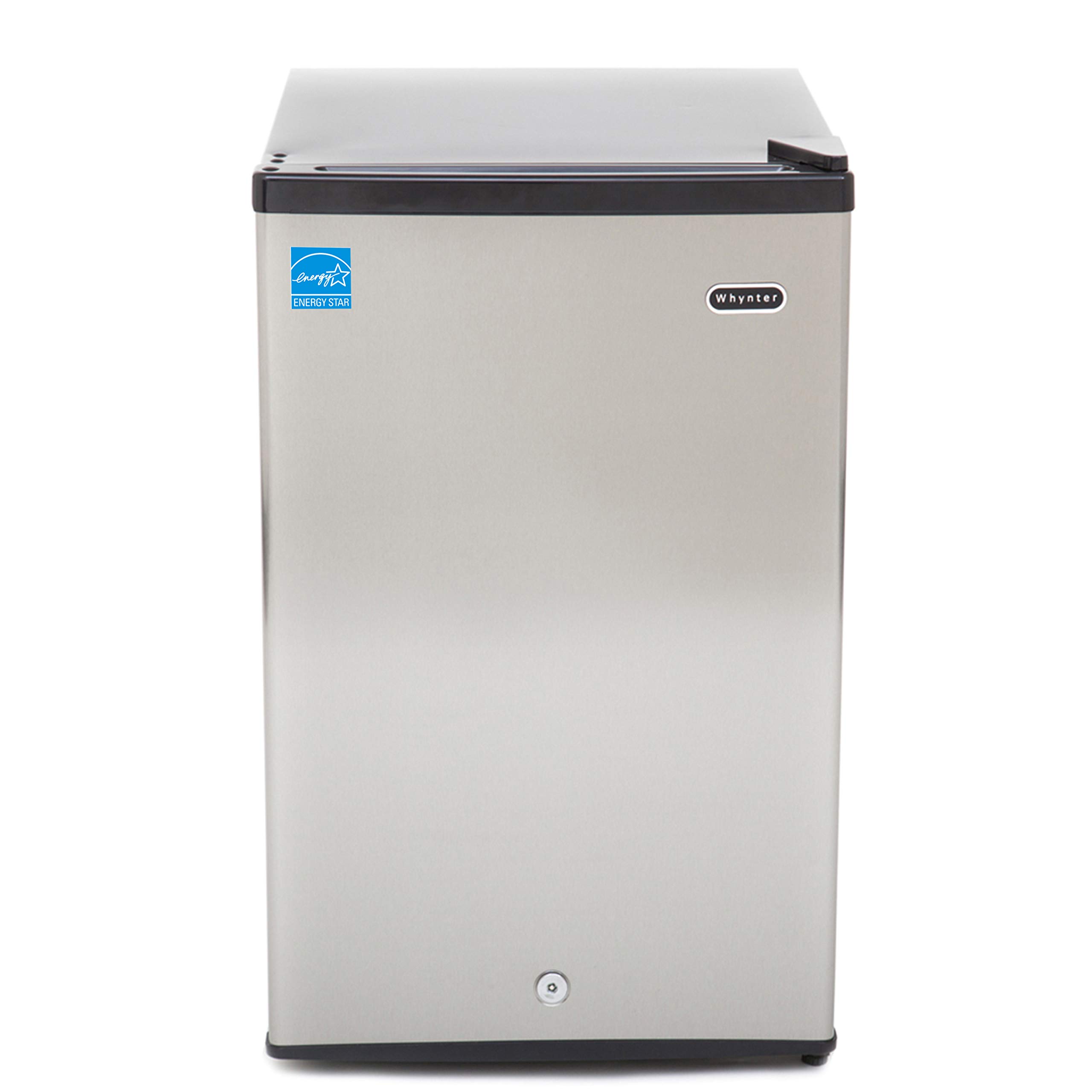
Column Refrigerator and Small Freezer Chest Comparison
Introduction to Column Refrigerators and Small Freezer Chests
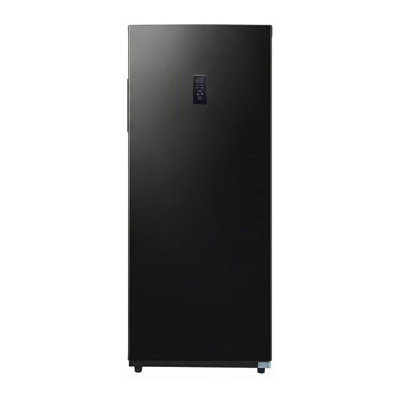
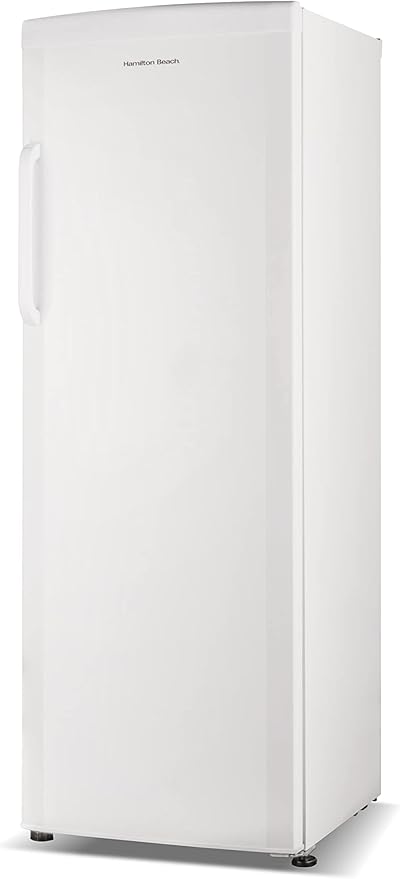
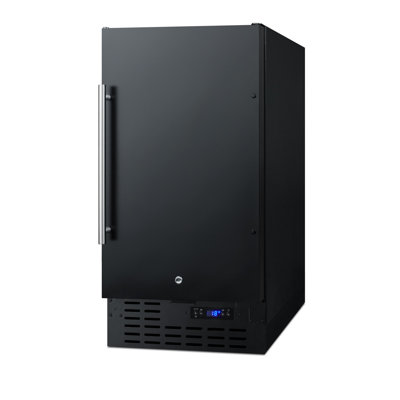
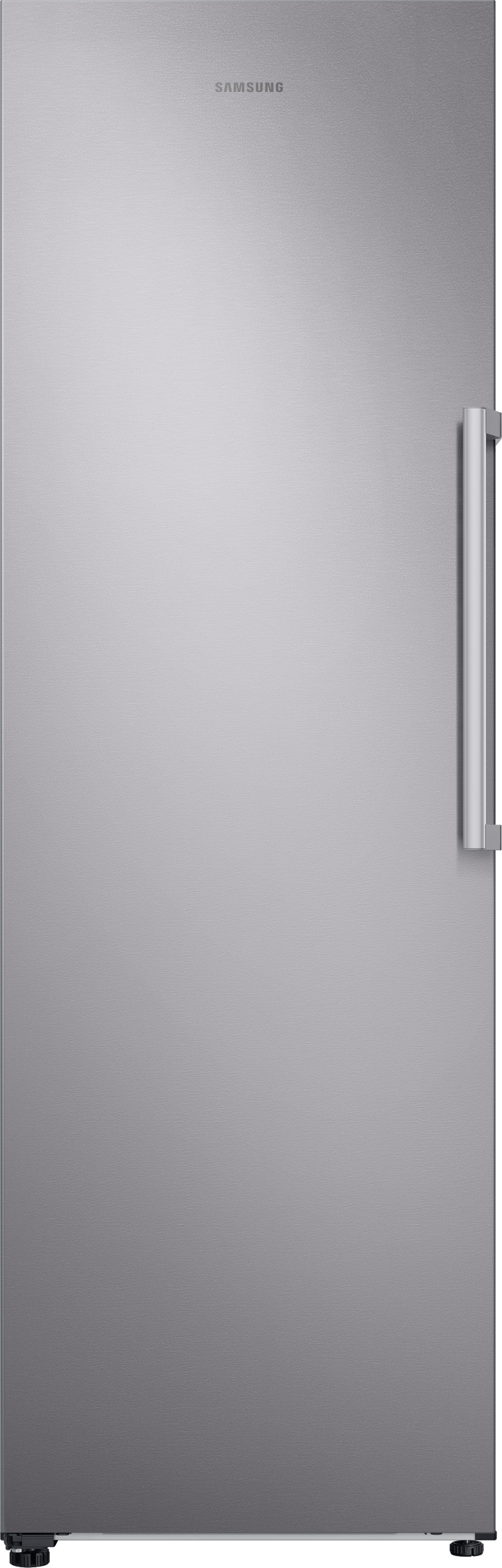
When deciding between a column refrigerator and a small freezer chest, it's essential to understand the key features and functionalities of each. Column refrigerators are tall, narrow units designed primarily for refrigeration, offering ample storage for fresh produce, beverages, and other perishables. They are often integrated into kitchen cabinetry, providing a sleek and seamless look.
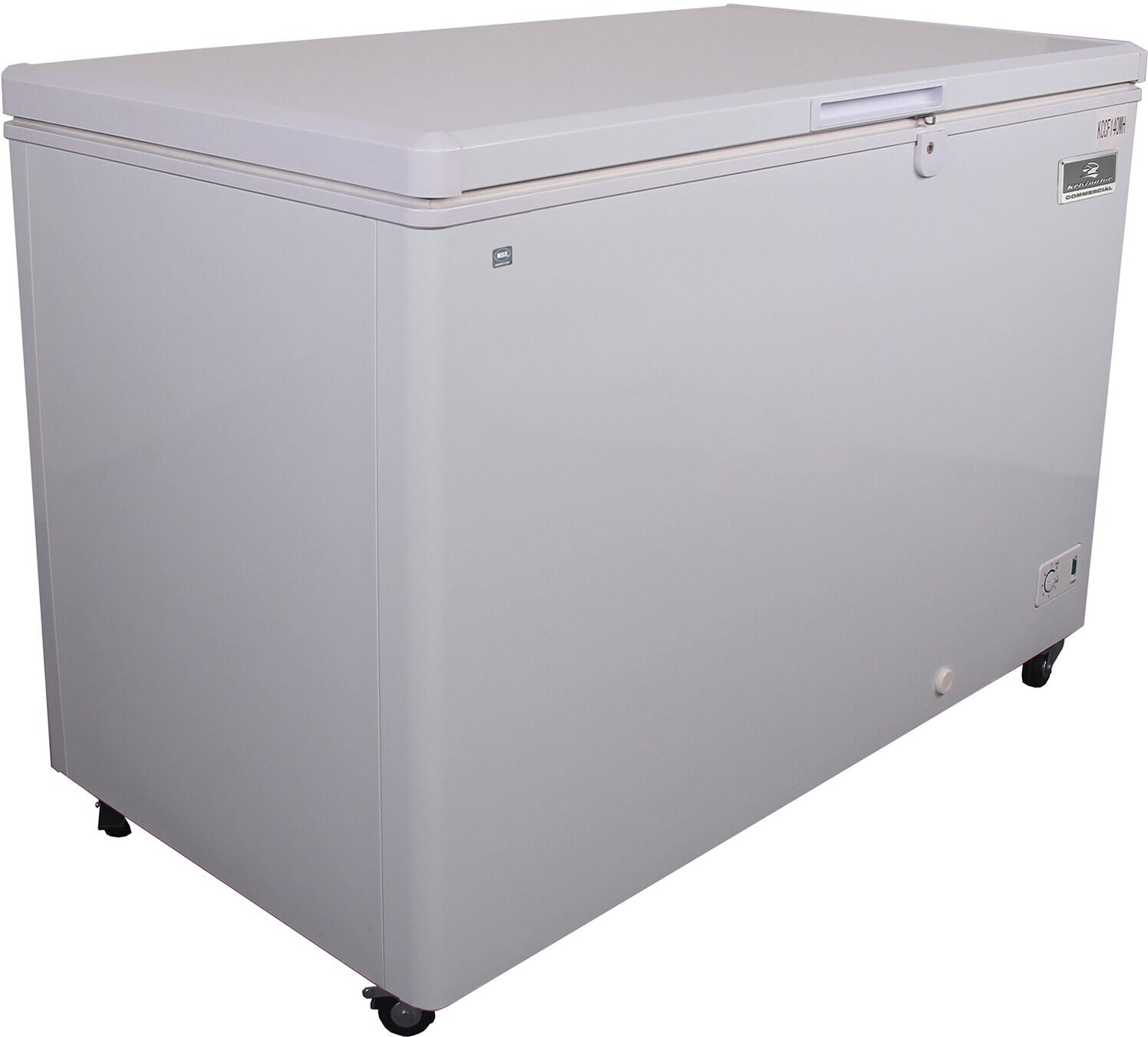
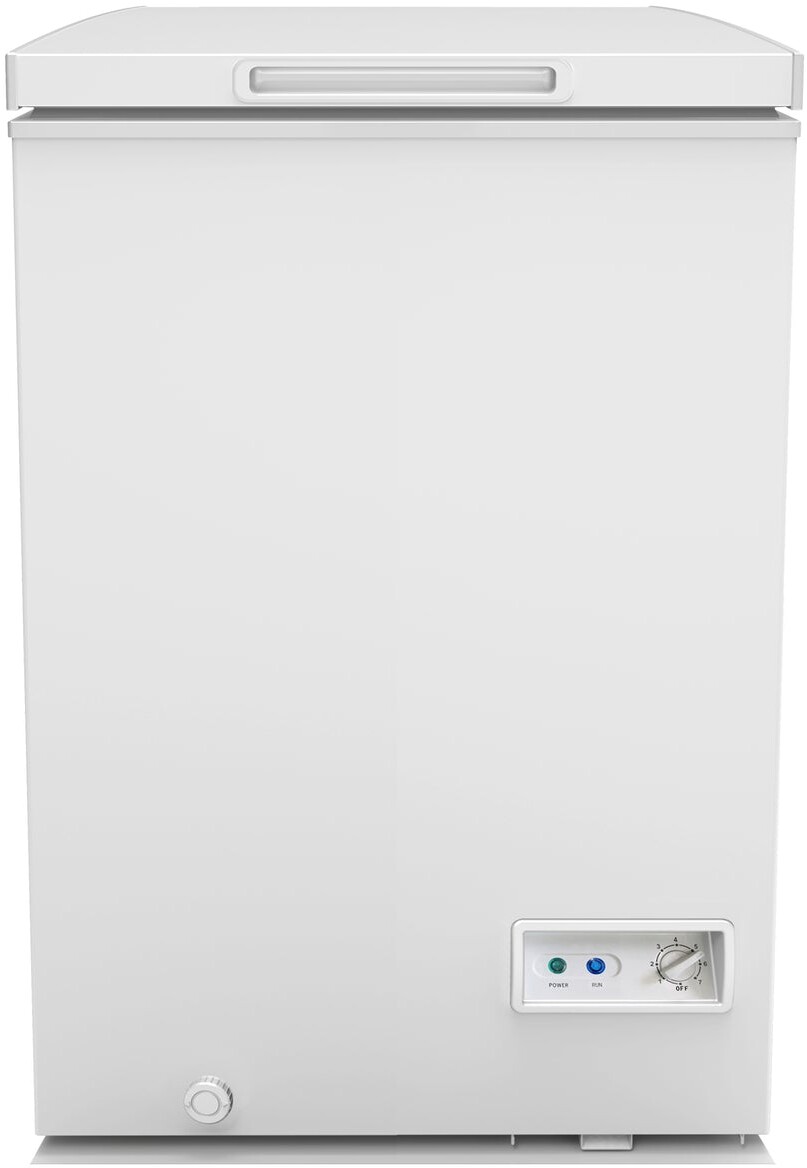
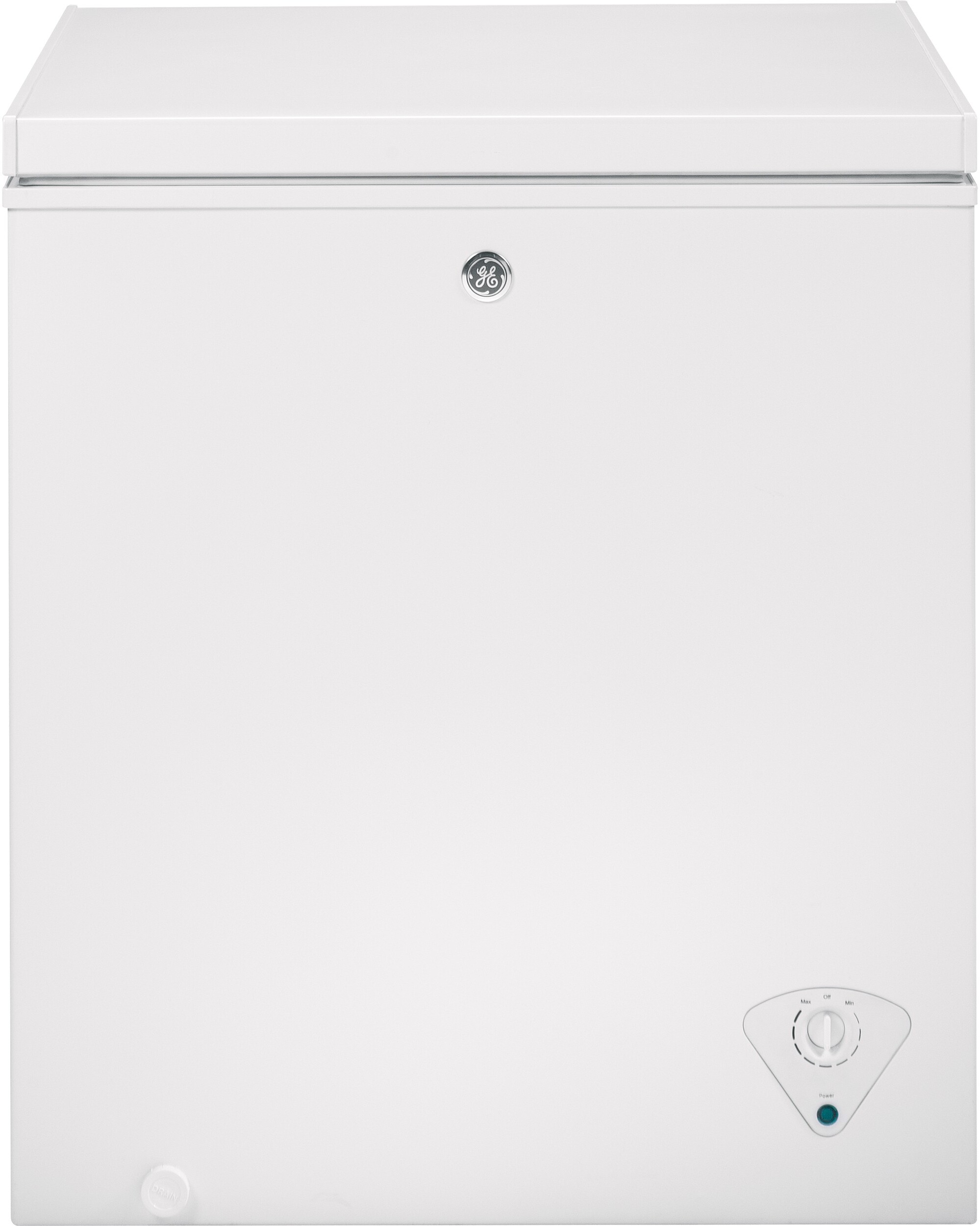
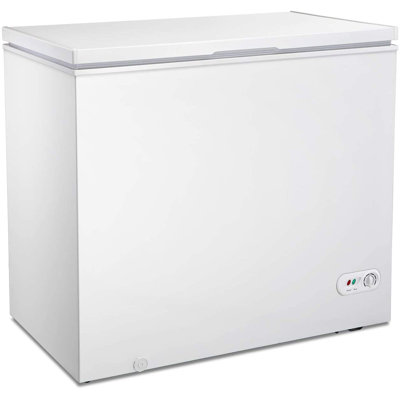
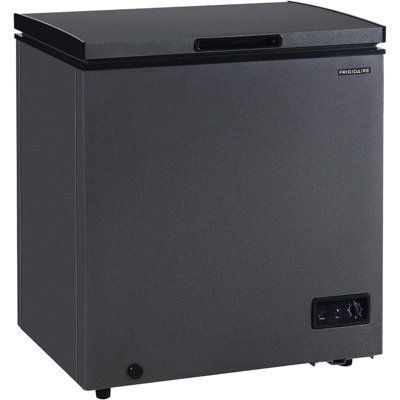
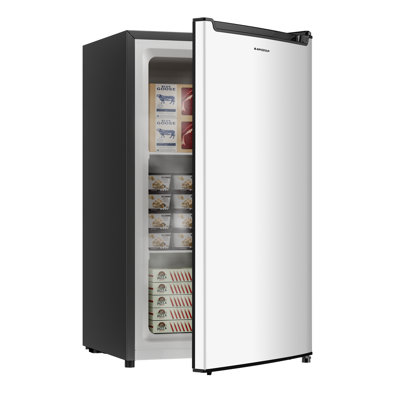
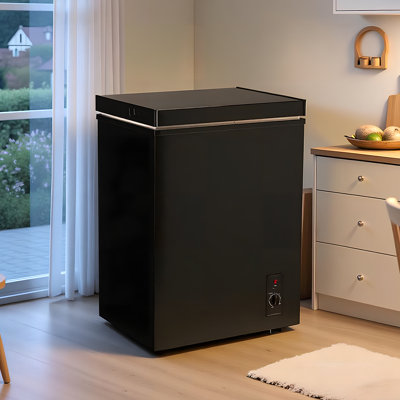
Small freezer chests, on the other hand, are compact units designed for freezing and storing frozen foods. These freezers are typically wider and shorter, making them ideal for spaces like basements, garages, or utility rooms. They offer substantial storage capacity for frozen goods while consuming less floor space.
Factors to Consider Before Choosing Between the Two
Several factors should be taken into account before selecting between a column refrigerator and a small freezer chest. Evaluating these factors will help you make an informed decision based on your specific needs and preferences.
Factor
Column Refrigerator
Small Freezer Chest
Storage Needs
Ideal for fresh food
Best for frozen items
Space Availability
Requires vertical space
Needs more floor space
Accessibility
Easy access to items at eye level
May require bending to reach items
Installation
Often built-in
Freestanding
Usage Frequency
Frequent daily use
Less frequent access needed
Storage Needs: Consider what you primarily need to store. If you require more space for fresh food, a column refrigerator is ideal. For frozen goods, a small freezer chest is more suitable.
Space Availability: Assess the available space in your home. Column refrigerators require vertical space and can be built into kitchen cabinetry. Small freezer chests need more floor space but can fit in various locations such as basements or garages.
Energy Efficiency: Both appliances offer varying levels of energy efficiency. Generally, column refrigerators are energy-efficient, but specific models of small freezer chests can also be designed to consume less power.
Accessibility: Think about how often you need to access the stored items. Column refrigerators provide easy access at eye level, while small freezer chests may require bending down to reach items.
Installation: Column refrigerators are often built-in, providing a seamless look in your kitchen. Small freezer chests are usually freestanding, offering more flexibility in placement.
Usage Frequency: Consider how frequently you will use the appliance. Column refrigerators are typically used multiple times a day, whereas small freezer chests may be accessed less frequently.
By carefully evaluating these factors, you can determine whether a column refrigerator or a small freezer chest best suits your needs. For more detailed comparisons, check out Fridge.com articles on column freezer Vs. standard fridge size and mini freezer Vs. smart fridge.
Column Refrigerators
Features of Column Refrigerators
Column refrigerators are designed to provide a sleek and modern look while offering ample storage space for your food items. These units are typically taller and narrower compared to traditional refrigerators, making them an excellent choice for those who want to maximize vertical space in their kitchen.
Key features of column refrigerators include:
Adjustable Shelving: Allows you to customize the storage space to fit different sizes of food items.
Temperature Control: Provides precise temperature settings to keep your food fresh.
Built-In Design: Seamlessly integrates into your kitchen cabinetry for a cohesive look.
Energy Efficiency: Many column refrigerators are designed to be energy-efficient, helping you save on electricity costs.
Advanced Cooling Technology: Ensures even cooling throughout the unit, preserving the quality of your food.
Pros and Cons of Column Refrigerators
When deciding between a column refrigerator and a small freezer chest, it's important to weigh the advantages and disadvantages of each option.
Pros
Cons
Space-Saving Design: Ideal for kitchens with limited floor space.
Higher Cost: Generally more expensive than traditional refrigerators.
Customizable Storage: Adjustable shelving allows for flexible storage options.
Installation Required: May require professional installation for built-in models.
Modern Aesthetic: Provides a sleek and integrated look in your kitchen.
Narrow Design: May not accommodate larger or bulkier food items easily.
Understanding the features, pros, and cons of column refrigerators can help you determine if this is the right choice for your needs. For more information on comparing different refrigerator types, you can explore Fridge.com articles on black stainless refrigerator Vs. garage refrigerator and freestanding refrigerator Vs. skincare fridge.
Small Freezer Chests
When comparing a column refrigerator Vs. small freezer chest, it's essential to understand the unique features and benefits that each appliance offers. This section will focus on small freezer chests, exploring their characteristics, advantages, and disadvantages.
Features of Small Freezer Chests
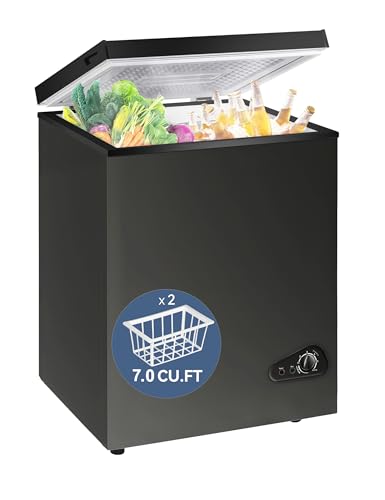
Small freezer chests are compact and versatile, making them ideal for various settings such as apartments, offices, and garages. They come with several features that cater to the needs of users requiring additional freezer space.
Compact Size: Designed to fit in small spaces, making them perfect for limited areas.
Manual Defrost: Most small freezer chests require manual defrosting, which helps to maintain energy efficiency.
Adjustable Temperature Control: Allows you to set the desired temperature for optimal food storage.
Removable Baskets: Provide organized storage and easy access to frequently used items.
Energy Efficiency: Generally consume less energy compared to larger freezers.
Pros and Cons of Small Freezer Chests
Understanding the pros and cons of small freezer chests can help you make an informed decision. Here’s a breakdown of the advantages and disadvantages:
Pros
Space-Saving: Their compact size allows them to fit in tight spaces, making them suitable for apartments and small homes.
Energy-Efficient: Consumes less power, which can help reduce electricity bills.
Cost-Effective: Generally more affordable than larger freezers or column refrigerators.
Flexible Storage: Removable baskets and adjustable temperature control provide versatility in storage options.
Cons
Manual Defrosting: Requires periodic manual defrosting, which can be time-consuming.
Limited Capacity: Smaller storage capacity may not be suitable for larger families or those needing extensive freezer space.
Less Organization: Items can become piled up, making it harder to find specific items without digging through the contents.
No Automatic Defrost: Lack of automatic defrosting can lead to frost buildup, requiring regular maintenance.
Feature
Small Freezer Chest
Size
Compact
Defrost
Manual
Temperature Control
Adjustable
Storage
Removable Baskets
Cost
Affordable
Capacity
Limited
Organization
Less Organized
Maintenance
Regular Defrosting Needed
Small freezer chests provide a practical solution for those with limited space and budget. They offer essential freezer capabilities without the bulk of larger appliances. For more information on comparing different types of refrigerators and freezers, visit Fridge.com articles on fridge freezer combo Vs. portable freezer and chest freezer Vs. small refrigerator.
When deciding between a column refrigerator and a small freezer chest, understanding the ideal use cases for each can help you make an informed choice. Both appliances serve distinct purposes and cater to different needs.
Ideal Use Cases for Column Refrigerators
Column refrigerators are versatile and efficient, making them suitable for various settings and scenarios. Here are some ideal use cases:
Homes with Large Families: Column refrigerators provide ample storage space for fresh produce, beverages, and leftovers, making them perfect for large families.
Gourmet Kitchens: For those who love to cook and entertain, a column refrigerator offers the flexibility to store a variety of ingredients and prepared dishes.
Commercial Kitchens: Restaurants and catering businesses can benefit from the organized storage and efficient cooling provided by column refrigerators.
Wine Enthusiasts: Column refrigerators with specific temperature zones are ideal for storing wine and other beverages, ensuring they are kept at the perfect temperature.
Integrated Kitchen Designs: Column refrigerators can be seamlessly integrated into kitchen cabinetry, offering a sleek and modern look.
Ideal Use Cases for Small Freezer Chests
Small freezer chests are compact and energy-efficient, making them suitable for different applications. Here are some ideal use cases:
Small Apartments and Condos: For those living in smaller spaces, a small freezer chest offers additional storage for frozen goods without taking up too much room.
Garages and Basements: A small freezer chest can be placed in a garage or basement to store bulk purchases, seasonal items, or extra food supplies.
Outdoor Entertaining: Ideal for backyard parties or near the home pool, a small freezer chest can keep ice, frozen treats, and beverages chilled and easily accessible.
Cabins and Vacation Homes: For short-term stays, a small freezer chest provides sufficient storage for frozen foods, reducing the need for frequent grocery trips.
Mobile Homes and RVs: The compact size and portability of small freezer chests make them perfect for mobile living, providing essential freezer space on the go.
By understanding the specific needs and scenarios where each appliance excels, you can make a more informed decision when choosing between a column refrigerator and a small freezer chest. For more detailed comparisons, explore Fridge.com articles on column freezer Vs. standard fridge size and chest freezer Vs. small refrigerator.
Choosing between a column refrigerator and a small freezer chest involves considering space and installation requirements. Each type has unique dimensions and installation needs that might suit different living environments.
Space Requirements for Column Refrigerators
Column refrigerators are typically designed to fit seamlessly into kitchen cabinetry, offering a sleek and integrated look. They are taller and more narrow compared to traditional refrigerators, making them ideal for kitchens with vertical space but limited horizontal space.
Feature
Column Refrigerator
Height
80 - 84 inches
Width
24 - 30 inches
Depth
24 - 27 inches
Installation
Built-in or freestanding
Column refrigerators often require professional installation to ensure proper alignment with cabinetry and electrical connections. Adequate ventilation space around the unit is crucial to prevent overheating. For more details on dimensions, visit Fridge.com article on column freezer Vs. standard fridge size.
Space Requirements for Small Freezer Chests
Small freezer chests are designed for flexibility and can be placed in various locations such as basements, garages, or even outdoors. They are shorter and wider, offering significant storage capacity in a compact footprint.
Feature
Small Freezer Chest
Height
30 - 40 inches
Width
20 - 40 inches
Depth
20 - 30 inches
Installation
Freestanding
These units are generally easier to install since they do not require integration with cabinetry. However, they do need sufficient floor space and should be positioned in a well-ventilated area to ensure efficient operation. For guidance on choosing the right freezer for different spaces, check out Fridge.com article on garage freezer Vs. outdoor fridge.
By understanding the space and installation requirements for both column refrigerators and small freezer chests, you can make an informed decision based on your available space and specific needs. Whether you're outfitting a compact kitchen or need additional freezing capacity in your garage, evaluating these factors will help you choose the best option for your home.
Compare prices on Fridge.com
Compare current prices and specifications on Fridge.com, then buy from the retailer you choose; delivery, installation and warranty terms are the retailer’s.
It also has tons of awesome articles about kitchen stuff and home news. Enhance your home, garage, backyard, patio, and office with the coolest essentials. With every necessary type of residential refrigerator or freezer in the collection, you're covered.
Free tool
Freezer BTU Calculator
Free interactive tool from Fridge.com — get a quick answer while you read.