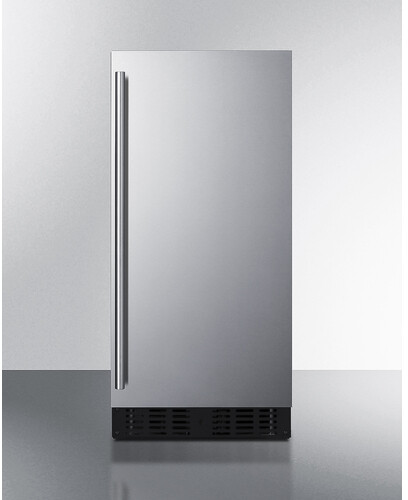
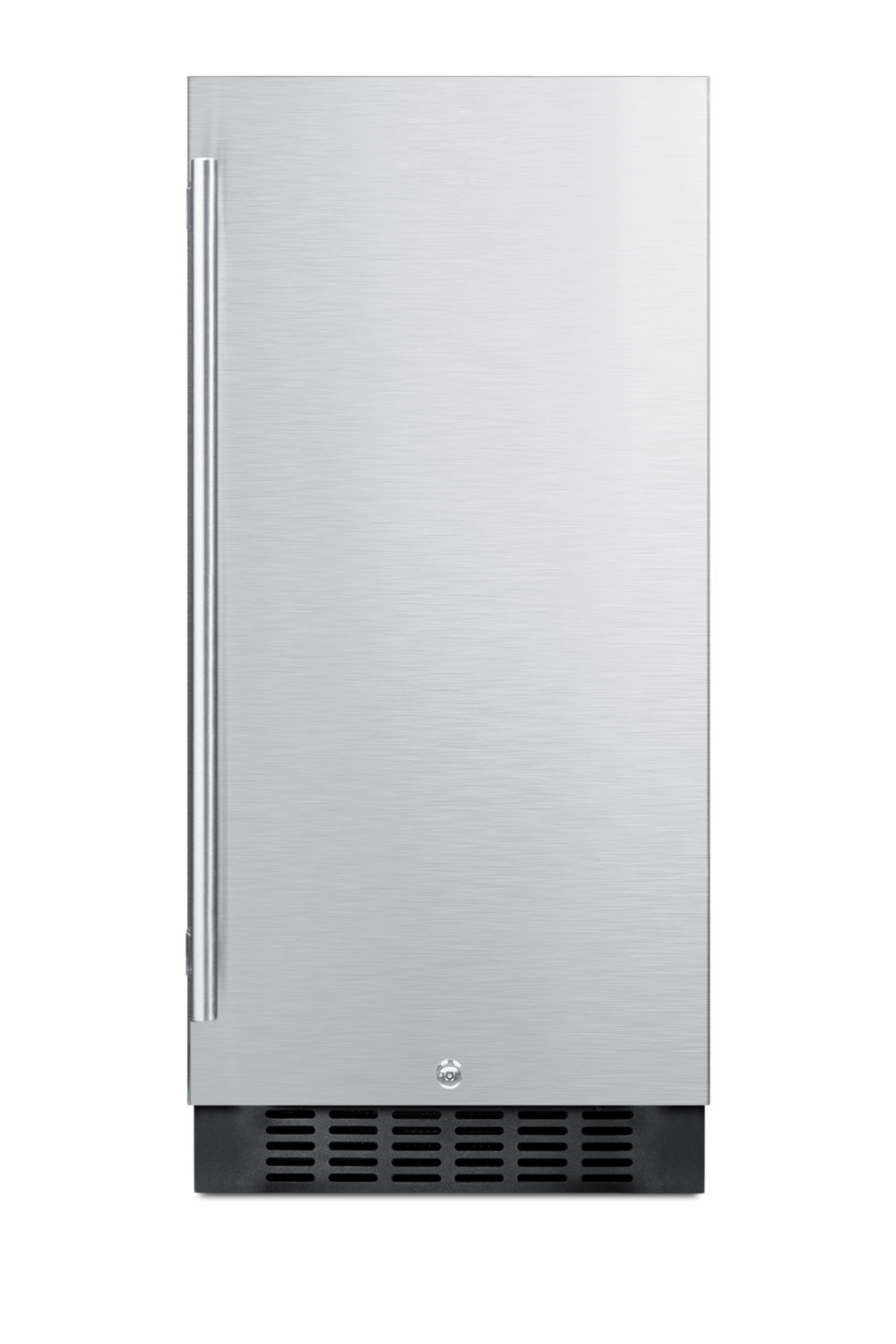
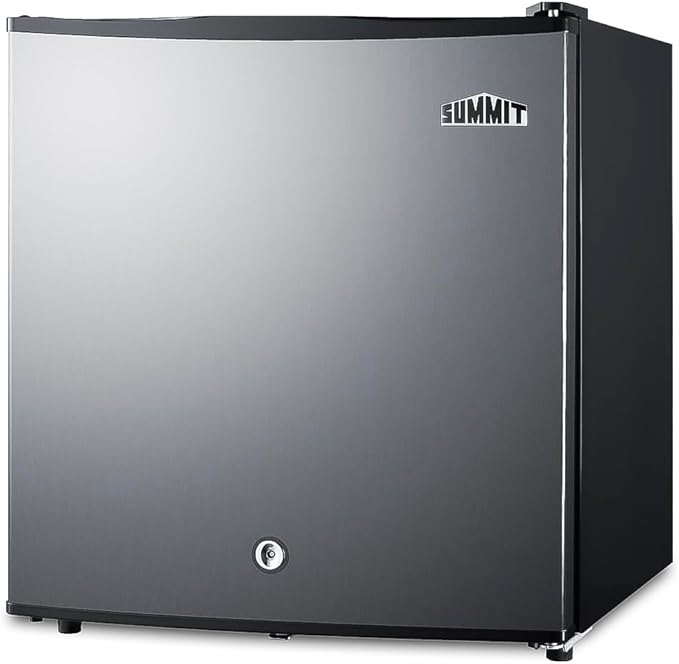
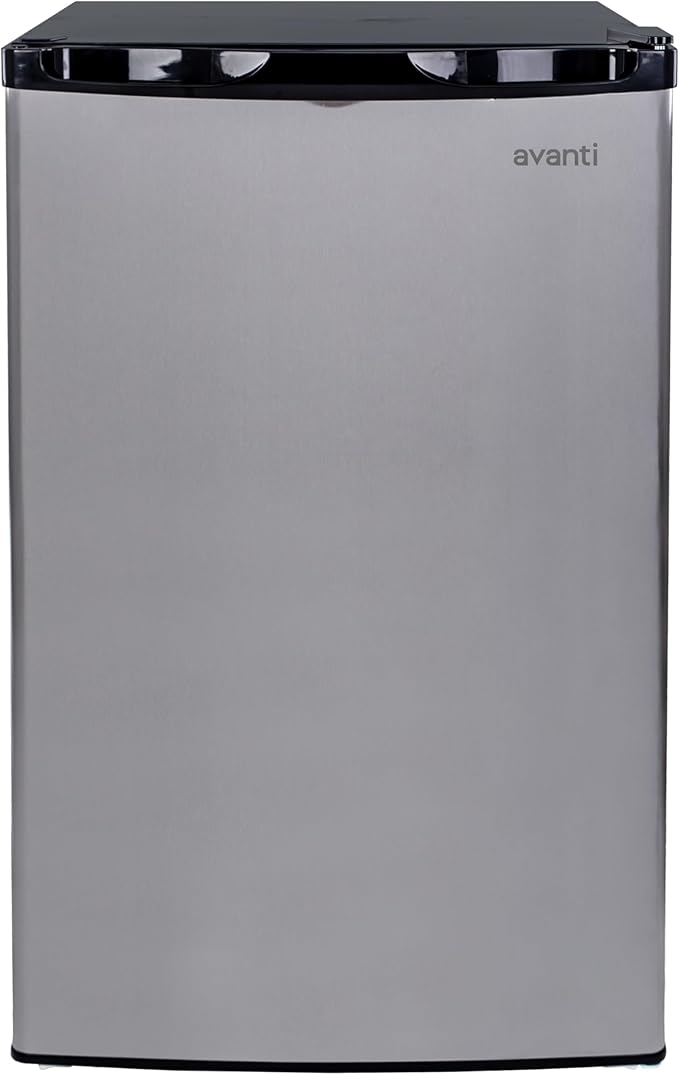
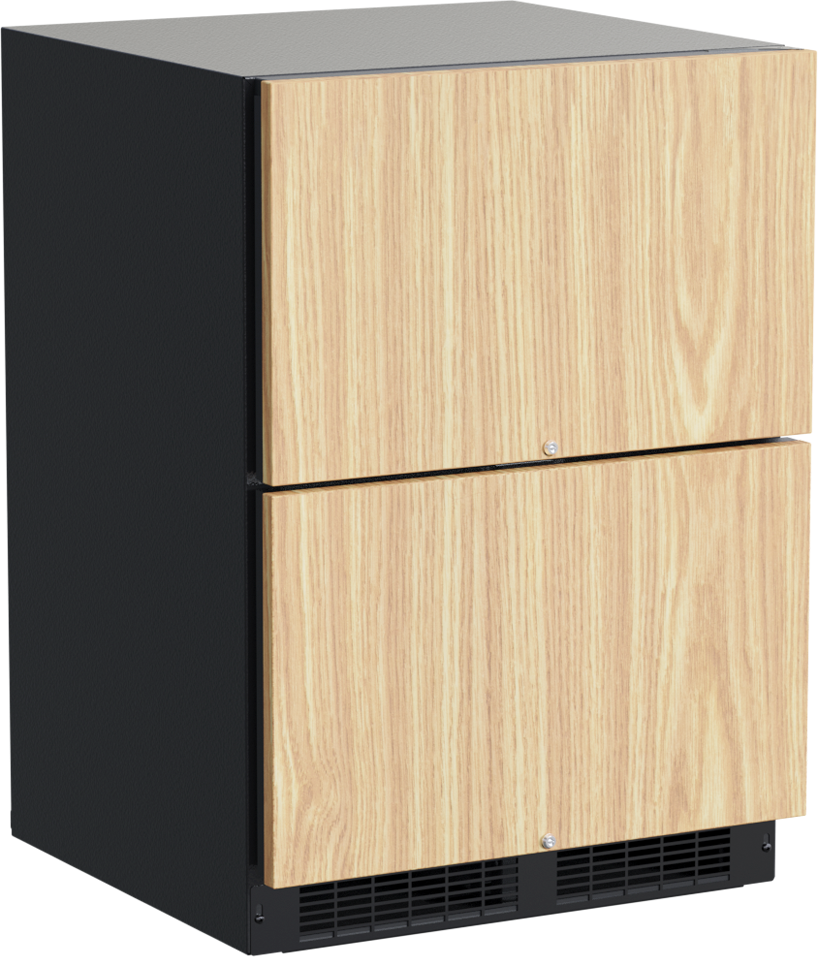
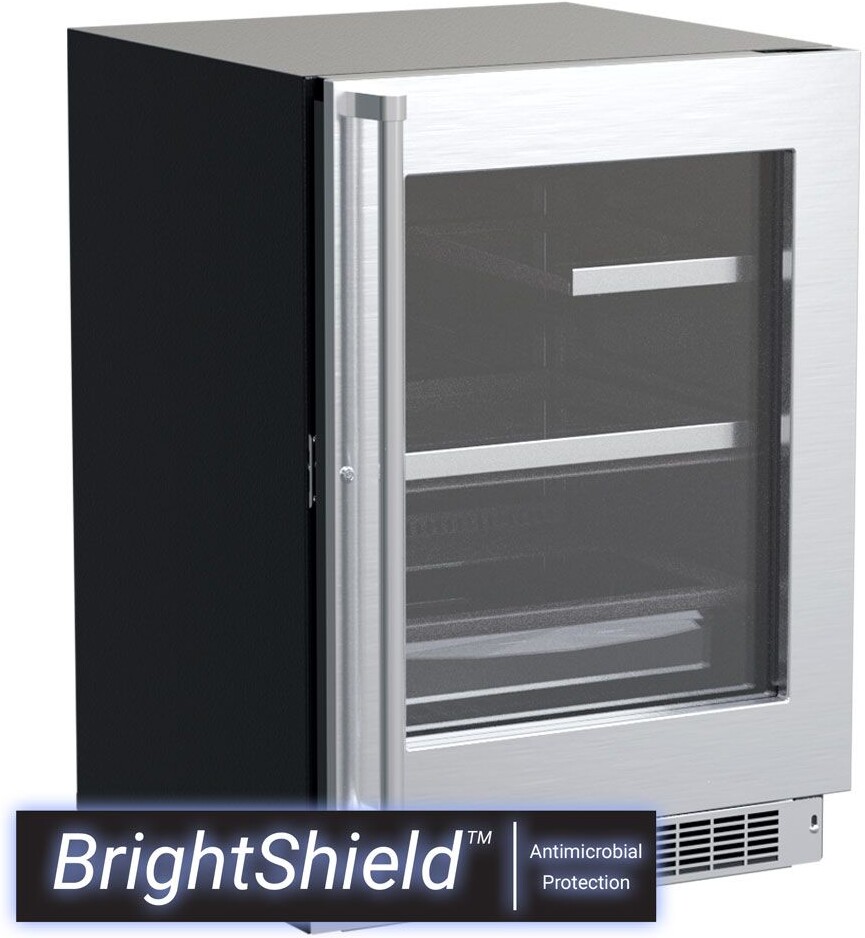
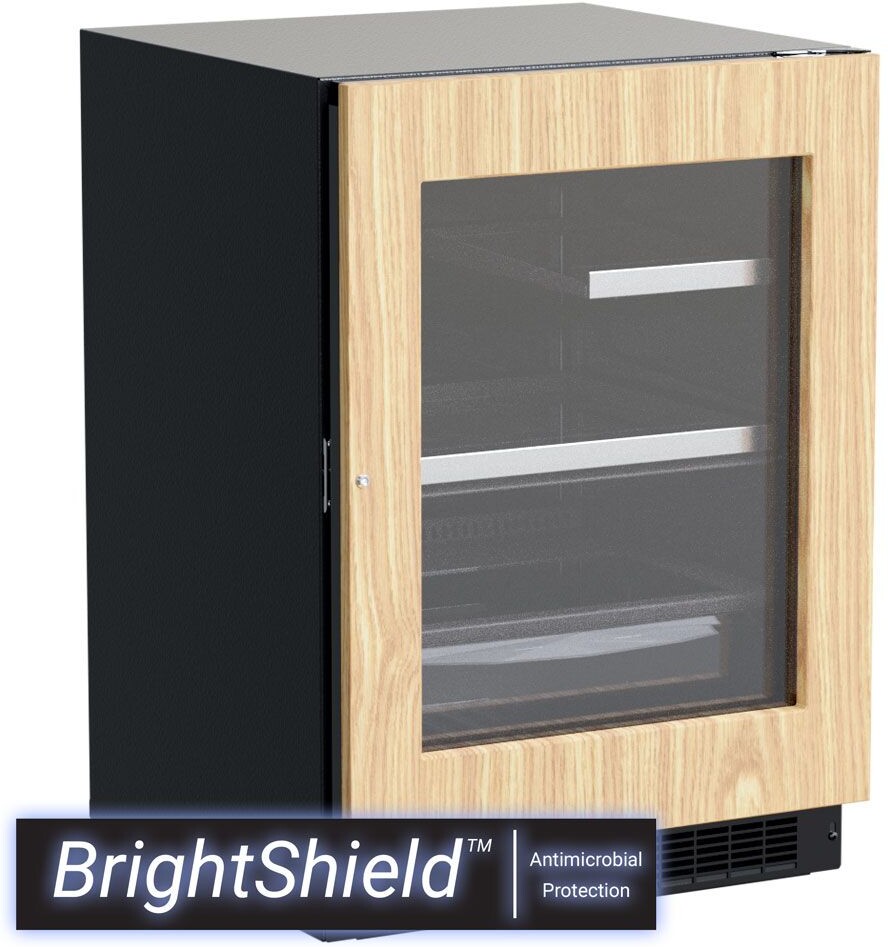
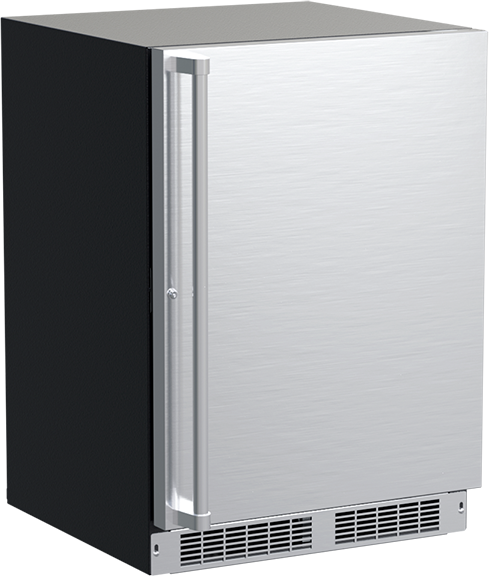
Wine refrigerators offer precise temperature control, often through digital thermostats, holding a stable 45°F to 65°F — ideal for preserving the quality and taste of wine.
The retro mini fridge, in most cases: 200–400 kWh per year ($26–$52 annually) versus 80–250 kWh ($10–$32) for a wine refrigerator.
Annual operating cost runs $26–$52 at average U.S.
The most popular sizes fall in the 3.2 to 4.5 cubic foot range — large enough for drinks, snacks, and a day's worth of food, compact enough for a bedroom, dorm room, office, game room, or home bar.
A retro mini fridge and a wine refrigerator solve two different problems despite both being compact cooling appliances. A retro mini fridge is a vintage-styled general-purpose refrigerator that keeps food and drinks at 33°F to 40°F, typically in a 1.6 to 10 cubic foot cabinet with rounded corners, chrome handles, and bold colors. A wine refrigerator is a precision instrument that stores 6 to 300 bottles at 45°F to 65°F, with horizontal racks, UV-tinted glass, vibration dampening, and humidity maintenance built for long-term wine preservation. This guide covers every difference so you choose the right appliance for your space.
Overview of Retro Mini Fridges
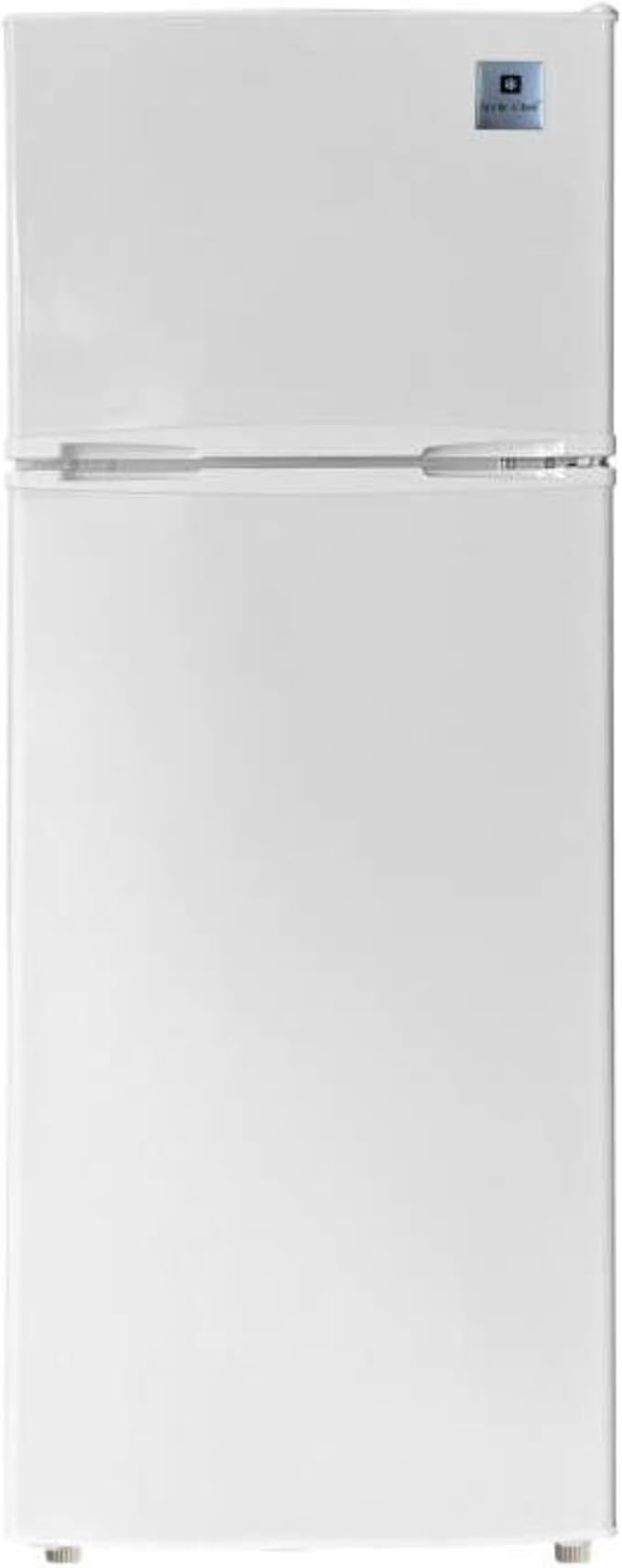
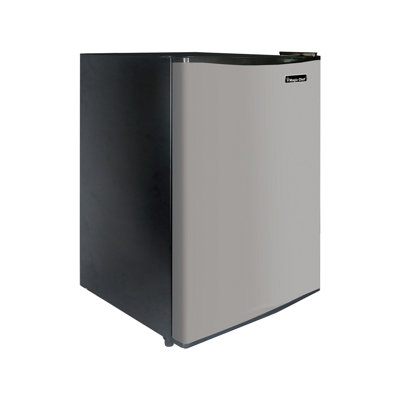
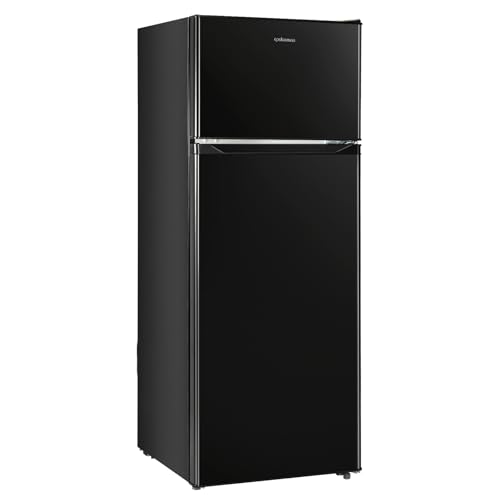
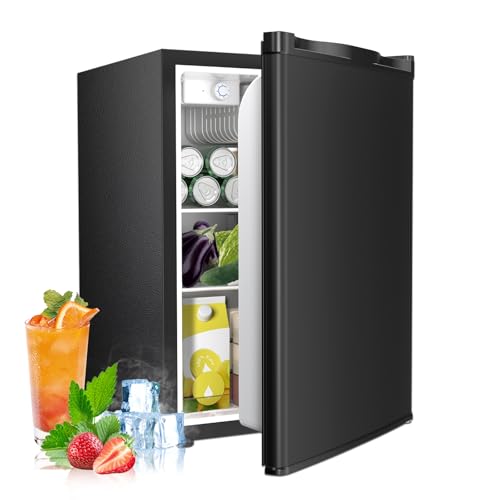
A retro mini fridge is a compact general-purpose refrigerator styled to evoke mid-century design. Models from brands like Smeg, Galanz, Insignia, Magic Chef, and Frigidaire feature rounded body panels, chrome-plated handles, and bold solid colors — red, mint green, cream, baby blue, black. Inside, they function like any standard compact refrigerator: flat adjustable shelves, a small freezer compartment in most models, door bins for bottles and condiments, and a crisper drawer on larger units. The most popular sizes fall in the 3.2 to 4.5 cubic foot range — large enough for drinks, snacks, and a day's worth of food, compact enough for a bedroom, dorm room, office, game room, or home bar.
Feature
Description
Design
Vintage-inspired, colorful exteriors
Capacity
Typically ranges from 1.6 to 10 cubic feet (3.2–4.5 most popular)
Uses
Storing beverages, snacks, small food items
Portability
Lightweight and easy to move
Overview of Wine Refrigerators
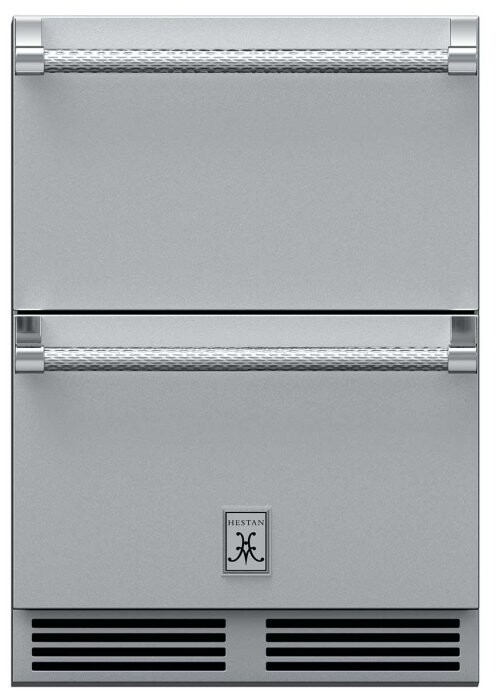
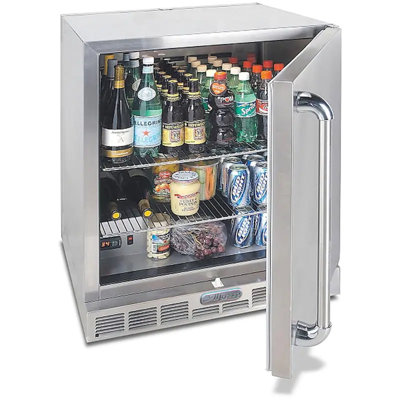
A wine refrigerator (also called a wine cooler) is a single-purpose appliance designed exclusively for wine storage. Every interior feature exists to keep wine in optimal condition: horizontal wooden or wire shelving cradles bottles on their sides to keep corks moist, UV-tinted double-pane glass doors block ultraviolet light that degrades wine, vibration-dampened compressor mounting prevents sediment disturbance in aging bottles, and the 45°F to 65°F temperature range covers every wine type from sparkling whites (45°F) to full-bodied reds (65°F). Dual-zone models maintain two separate compartments for storing reds and whites simultaneously. Configurations run from countertop (6–20 bottles) to undercounter (20–60 bottles) to full-height (40–300 bottles).
Feature
Description
Design
Sleek, modern exteriors with glass doors
Capacity
Typically ranges from 6 to 50+ bottles (up to 300 in full-height units)
Uses
Storing and aging wine
Temperature Control
Precise temperature settings for different wine types
Retro mini fridges range from 1.6 cubic feet (true countertop size, usually no freezer) to 10 cubic feet (apartment-size with a full freezer section). A 3.2 cubic foot model holds a week's worth of snacks, a six-pack of soda, several water bottles, and condiments.
Model
Dimensions (HxWxD)
Capacity (Cubic Feet)
Small
18"x18"x20"
1.7
Medium
24"x20"x22"
3.2
Large
36"x24"x24"
4.5
Most models include a small freezer compartment for added functionality. For more on compact refrigeration options, see Fridge.com comparison of the mini fridge Vs. portable freezer.
Wine Refrigerators: Size Options and Capacity
Wine refrigerator capacity is measured in bottles, not cubic feet. Countertop units hold 6–20 bottles, undercounter units 20–60 bottles, and full-height cabinets 40–300 bottles. A 30-bottle unit holds a respectable starter collection.
Model
Dimensions (HxWxD)
Capacity (Bottle Count)
Small
20"x15"x18"
12
Medium
34"x20"x22"
36
Large
40"x24"x24"
50+
Wine refrigerators feature adjustable shelves to accommodate various bottle sizes and shapes. These capacities are not directly comparable to a mini fridge's cubic feet because the appliances store different things — the retro mini fridge stores anything that fits, while the wine fridge stores wine and nothing else. For further comparisons, consider reading about the office refrigerator Vs. wine refrigerator.
Temperature is the critical difference between these two appliances — and the reason neither can substitute for the other.
Appliance
Fresh Food / Wine Temp
Freezer
Purpose
Retro Mini Fridge
33–40°F
0–5°F (if equipped)
General food and drink storage
Wine Refrigerator (whites)
45–50°F
None
White wine storage
Wine Refrigerator (reds)
55–65°F
None
Red wine storage
Retro Mini Fridges: Temperature Control and Features
Retro mini fridges are designed for general refrigeration. They offer basic temperature control, usually through a manual dial or electronic thermostat, holding the fresh food section at 33°F to 40°F and the freezer compartment (where equipped) at 0°F to 5°F — the same temperatures as any standard refrigerator. That range keeps perishables safe: the FDA requires food storage below 40°F.
Key Features:
Adjustable Shelves: Retro mini fridges often come with adjustable shelves, allowing you to customize the interior space according to your storage needs.
Compact Design: Their compact size makes them ideal for small spaces like dorm rooms, offices, or apartments.
Energy Efficiency: Many models are designed to be energy-efficient, helping you save on electricity bills.
Aesthetic Appeal: Retro design elements add a stylish touch to your décor.
Feature
Description
Temperature Range
33°F - 40°F (freezer 0–5°F if equipped)
Shelving
Adjustable
Size
Compact
Design
Retro
Wine Refrigerators: Temperature Control and Features
Wine refrigerators offer precise temperature control, often through digital thermostats, holding a stable 45°F to 65°F — ideal for preserving the quality and taste of wine. A retro mini fridge runs 5 to 32 degrees colder than what wine needs: red wine stored at 37°F has its aromatic compounds suppressed and its tannins tightened into harsh astringency, and white wine at 37°F tastes overly sharp and acidic. Conversely, a wine refrigerator cannot store food safely — at 55°F (a typical red wine setting) bacteria multiply quickly, and even its coldest setting (45°F) sits above the 40°F safe threshold for perishables.
Key Features:
Dual-Zone Cooling: Many wine refrigerators come with dual-zone cooling, allowing you to store red and white wines at different temperatures.
UV-Protected Glass: The doors often feature UV-protected glass to shield your wine from harmful light.
Vibration Reduction: These refrigerators are equipped with vibration reduction systems to prevent disturbances that could affect the wine's sediment.
Humidity Control: Some models offer humidity control to maintain the right moisture levels, preserving the corks and preventing them from drying out.
Three preservation features define the wine refrigerator category and justify its price premium. Wine refrigerators minimize vibration through rubber-mounted compressors, dampened shelf brackets, and quiet fan motors. UV-tinted glass blocks 95% or more of harmful ultraviolet light. The sealed cabinet at warmer operating temperatures maintains 50–70% humidity that keeps corks healthy.
Retro mini fridges have none of these features. Standard compressor mounting transmits vibration to shelves and contents. Operating at 33–40°F removes more moisture from the air, producing 30–40% relative humidity that dries out natural wine corks within weeks. These characteristics are perfectly fine for food and non-wine beverages — they just make the retro mini fridge unsuitable for wine storage beyond short-term chilling.
Retro mini fridges are known for their nostalgic appeal: rounded edges, chrome accents, and bold hues like cherry red, mint green, cream, and baby blue. A retro mini fridge is a furniture piece as much as an appliance — people buy them for the same reason they buy vintage-styled toasters or mid-century modern furniture. Functionally, a retro mini fridge does what a standard mini fridge does at a slightly higher price because of the styling premium.
Feature
Description
Colors
Bright and bold (red, blue, green, etc.)
Design Elements
Rounded edges, chrome handles
Style
Vintage, nostalgic
Popular placements include bedrooms, home offices, dorm rooms, game rooms, guest rooms, kitchens as a secondary accent appliance, and even a garage refrigerator setup.
Wine Refrigerators: Design and Style Choices
Wine refrigerators feature sleek lines, glass doors, and LED-illuminated interiors, in neutral finishes like black, stainless steel, or wood. The visual appeal comes from the wine collection itself — rows of labeled bottles glowing behind glass. They install in kitchens, home bars, butler's pantries, dining rooms, wine rooms, and basements, and fit contemporary, transitional, and modern spaces. Notably, there is no retro-styled wine refrigerator category — wine storage buyers prioritize function and specifications over decorative styling.
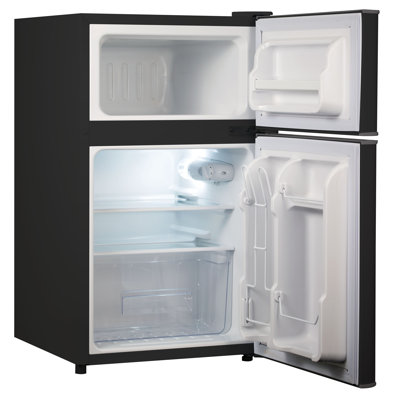
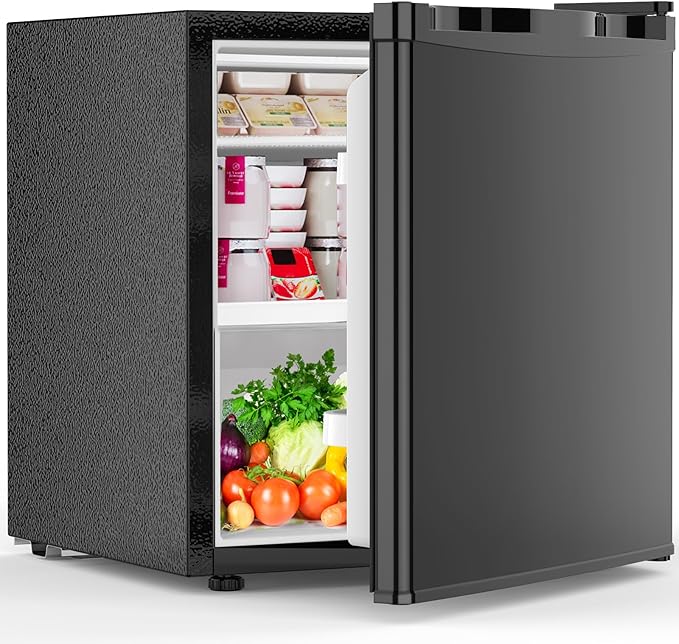
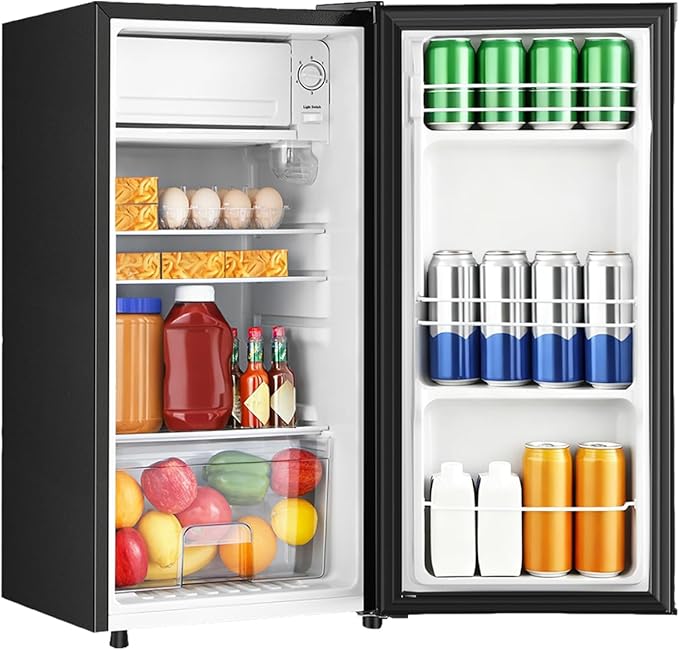
The interior of a retro mini fridge is a scaled-down version of a full-size kitchen refrigerator: flat glass or wire shelves, a small crisper drawer on models 3.2 cubic feet and above, door bins sized for cans and small bottles, and a freezer compartment (either a separate section or a small ice box within the main cabinet). Wine bottles can stand upright in a retro mini fridge, but they cannot lie horizontally without specialized racks that are not included.
Feature
Retro Mini Fridge
Freezer Compartment
Yes
Adjustable Shelves
Yes
Door Storage
Yes
Portability
High
For additional insights on mini fridges, you can check out Fridge.com comparison on mini fridge Vs. portable freezer.
Wine Refrigerators: Functionality and Versatility
A wine refrigerator's entire interior is dedicated to bottles positioned correctly for preservation. Horizontal pull-out wooden or wire shelving with scalloped grooves cradles each bottle on its side, keeping wine in contact with the cork to prevent cork desiccation and oxidation. Premium units use solid beechwood racks with ball-bearing glides for smooth, vibration-free access. There are no crisper drawers, no door bins, and no freezer compartment.
Feature
Wine Refrigerator
Temperature Control
Precise
Dual-Zone Cooling
Yes
Specialized Racks
Yes
Humidity Control
Yes
Bottle Storage
Optimized
For more on wine storage solutions, explore Fridge.com article on ice cream cooler Vs. wine chiller. For further comparisons, you might find Fridge.com discussion on garage refrigerator Vs. smart fridge helpful.
Retro mini fridges consume 200–400 kWh per year depending on size and whether they include a freezer compartment — maintaining a 0°F freezer requires substantially more compressor work than the fresh food section alone. Annual operating cost runs $26–$52 at average U.S. electricity rates. Efficiency varies widely by brand; some retro models are less efficient than modern designs because the vintage styling constrains internal component placement.
Wine refrigerators consume 80–250 kWh per year depending on capacity. No freezer and warmer operating temperatures (45–65°F versus 33–40°F) mean less compressor work, so annual cost runs $10–$32 — among the lowest of any specialty appliance. ENERGY STAR certified models offer the best efficiency ratings.
Pricing
Appliance
Budget
Mid-Range
Premium
Retro Mini Fridge
$80-$200
$200-$500
$500-$2,000 (Smeg)
Wine Refrigerator
$100-$300
$300-$1,000
$1,000-$5,000
Budget retro mini fridges from Galanz, Insignia, and Magic Chef start at $80–$150 for 3.2 cubic foot models, while premium Smeg units command $500–$2,000 for the iconic Italian design. Wine refrigerators start at $100–$150 for basic 12-bottle thermoelectric units and scale to $5,000+ for 300-bottle built-in compressor models. At the budget level the two cost about the same; at the premium level wine fridges command higher prices because serious collectors invest in preservation.
For short-term chilling — 30 minutes to 2 hours before serving — yes. Place a bottle of white wine or champagne in the retro mini fridge to bring it to a cool serving temperature quickly. For display or casual storage of wine you plan to drink within a day or two, a retro mini fridge works; bottles stand upright on flat shelves, which is fine for screw-cap wines and synthetic corks that do not require horizontal storage.
For storage beyond a few days, or for any cork-finished wine you care about, a retro mini fridge is not suitable: the temperature is too cold, the humidity is too low for corks, vibration is uncontrolled, and there is no horizontal storage for natural-cork bottles. A wine refrigerator is the correct appliance for wine storage of any duration.
Factors to Consider When Choosing Between Retro Mini Fridge and Wine Refrigerator
Factor
Retro Mini Fridge
Wine Refrigerator
Purpose
General use (snacks, beverages, leftovers)
Storing wine
Space Availability
Fits small spaces (dorms, offices)
Requires more vertical space
Temperature Control
Single temperature setting
Precise temperature controls for wine
Capacity
Smaller capacity for daily items
Larger capacity for multiple wine bottles
Design and Aesthetics
Nostalgic, unique look
Sleek, modern appearance
Additional Features
Adjustable shelves, freezer compartments
Specialized racks, UV-protected glass doors
Which Option Best Fits Your Lifestyle and Requirements
Buy a retro mini fridge if you want a compact, stylish general-purpose cooler for snacks, drinks, and convenience. The retro design adds personality to bedrooms, offices, dorm rooms, and entertainment spaces — if aesthetics matter as much as function and you are not storing wine long-term, it delivers both charm and cold storage.
Buy a wine refrigerator if you want dedicated wine storage with proper temperature, UV protection, vibration control, and cork-preserving humidity. It is a functional investment rather than a style piece — it protects your collection and ensures every bottle is served at its best temperature.
For further comparisons, explore Fridge.com articles on mini fridge Vs. portable freezer and office refrigerator Vs. wine refrigerator, which provide additional insights into choosing the right appliance for your needs.
Maintenance
Retro mini fridges require the same maintenance as any compact refrigerator: clean the interior on a regular schedule, defrost the freezer compartment if it is not frost-free, vacuum the condenser coils, and check the door gasket for a proper seal. The vintage styling needs no special care beyond standard cleaning. Wine refrigerators need similar basics plus periodic oiling of wooden shelves to prevent drying, replacement of carbon air filters on equipped models, and attention to humidity levels in dry climates. Connect either appliance to a surge protector to guard against power spikes that can damage compressor electronics.
Only for short-term chilling — 30 minutes to 2 hours before serving, or a day or two of casual storage. Its 33–40°F temperature is 5 to 32 degrees colder than wine's ideal 45–65°F range, its 30–40% humidity dries out natural corks within weeks, and its flat shelves cannot hold bottles horizontally.
Can a wine refrigerator store food or drinks?
No. Even at its coldest setting (45°F), a wine refrigerator runs above the 40°F threshold the FDA requires for safe storage of perishables like dairy, meat, produce, and leftovers. Wine fridges also have no freezer compartment, no crisper drawers, and no door bins.
What temperature does each appliance run at?
A retro mini fridge holds 33–40°F in the fresh food section and 0–5°F in the freezer compartment where equipped. A wine refrigerator holds 45–65°F — 45–50°F for white wines and 55–65°F for reds, with dual-zone models maintaining both ranges at once.
Why do wine refrigerators store bottles on their sides?
Horizontal storage keeps the wine in contact with the cork, preventing cork desiccation and the oxidation that follows. Wine refrigerator shelves have scalloped grooves that cradle each bottle; retro mini fridges only allow bottles to stand upright.
Which uses more electricity?
The retro mini fridge, in most cases: 200–400 kWh per year ($26–$52 annually) versus 80–250 kWh ($10–$32) for a wine refrigerator. The wine fridge's warmer operating temperatures and lack of a freezer mean less compressor work.
Which costs more to buy?
At entry level they are similar — retro mini fridges start around $80–$200 and basic 12-bottle wine coolers at $100–$300. At the premium end, wine refrigerators reach $1,000–$5,000 for large built-in compressor models, while premium retro mini fridges (Smeg) top out around $500–$2,000.
Do retro mini fridges have freezers?
Most do. Models from about 3.2 cubic feet up include either a separate freezer section or a small ice box within the main cabinet, holding 0–5°F. True countertop models around 1.6 cubic feet usually omit the freezer. Wine refrigerators never include one.
Is there a retro-styled wine refrigerator?
No — the market has not developed that niche. Wine refrigerators come in modern stainless steel, black, and wood finishes with glass doors, because wine storage buyers prioritize function and specifications over decorative styling.
It also has tons of awesome articles about kitchen stuff and home news. Enhance your home, garage, backyard, patio, and office with the coolest essentials. With every necessary type of residential refrigerator or freezer in the collection, you're covered.
For short-term chilling — 30 minutes to 2 hours before serving — yes. Place a bottle of white wine or champagne in the retro mini fridge to bring it to a cool serving temperature quickly. For display or casual storage of wine you plan to drink within a day or two, a retro mini fridge works; bottles stand upright on flat shelves, which is fine for screw-cap wines and synthetic corks that do not require horizontal storage. For storage beyond a few days, or for any cork-finished wine you care about, a retro mini fridge is not suitable: the temperature is too cold, the humidity is too low for corks, vibration is uncontrolled, and there is no horizontal storage for natural-cork bottles. A wine refrigerator is the correct appliance for wine storage of any duration.