Monitor Temperature: Use an appliance thermometer to check that your garage refrigerator is at the proper temperature, ideally between 37°F and 40°F for the fridge and 0°F for the freezer.
They are ideal for homeowners who require more room than their primary refrigerator can offer or for those who prefer to have easy access to chilled items while outside or in the garage.
Before installing a refrigerator in your garage, you should consider several factors to ensure it operates effectively:.
Introduction to Garage Refrigerators and Ice Makers
For those who love to entertain or need additional storage for food and beverages, having an extra appliance in the garage can be a game-changer. Garage refrigerators and ice makers are two popular options that offer convenience and functionality to your home. Whether you own a house, condo, or even a mobile home, understanding the difference between a garage refrigerator and an ice maker is essential for making an informed decision based on your needs.
Purpose and Functionality of Garage Refrigerators
Garage refrigerators are designed to withstand fluctuating temperatures and provide extra space for storing perishable items. They are ideal for homeowners who require more room than their primary refrigerator can offer or for those who prefer to have easy access to chilled items while outside or in the garage. These refrigerators usually have the same functionalities as your kitchen fridge, with sections for fresh food, frozen items, and beverages. They come in handy for occasions when you're hosting a barbecue, need additional space for meal prep, or want to stock up on groceries. For comparisons with other refrigeration options, you might be interested in articles like garage refrigerator vs. standard fridge size or garage freezer vs. medium size refrigerator.
Purpose and Functionality of Ice Makers
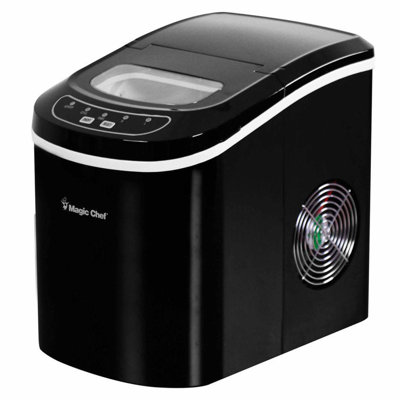
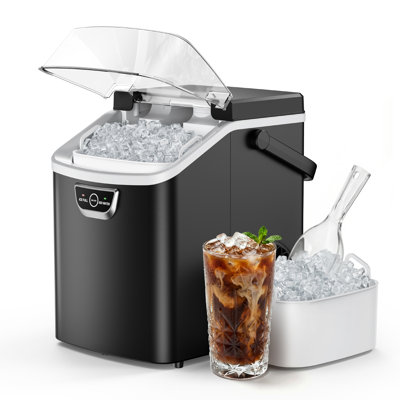
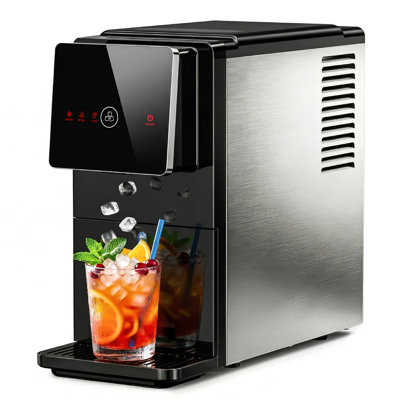
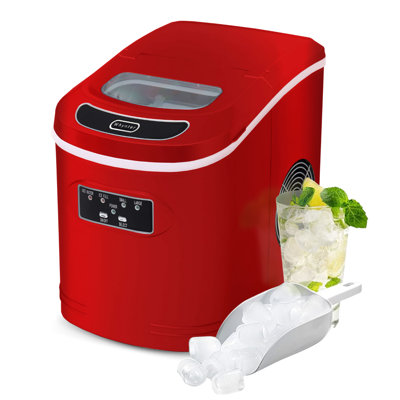
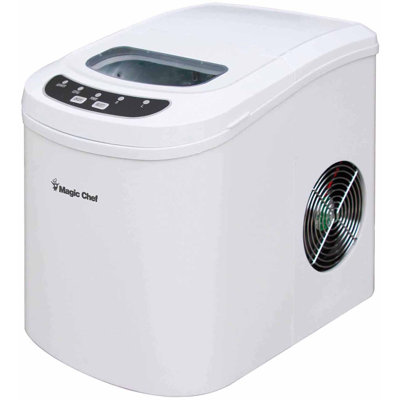
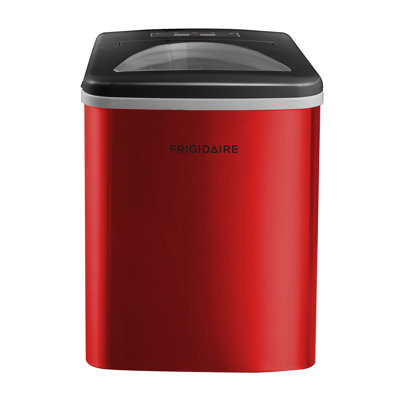
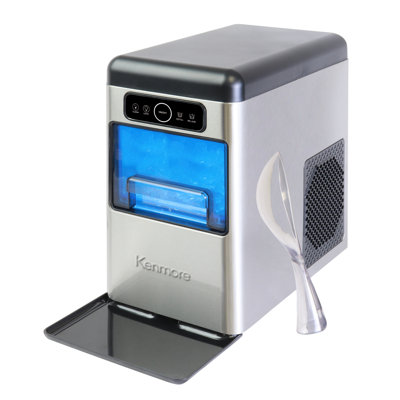
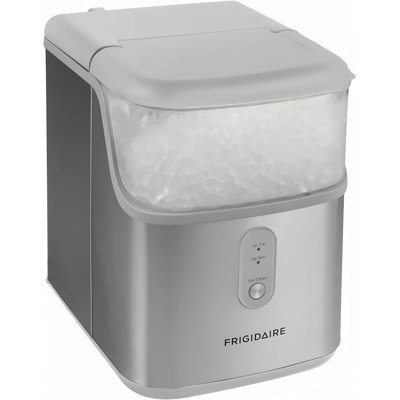
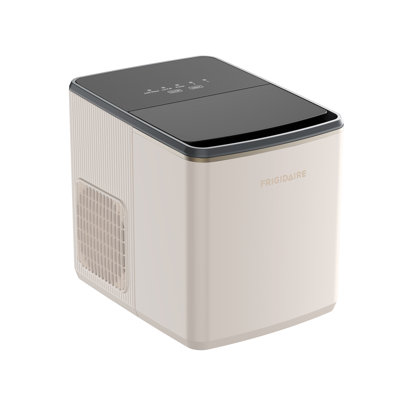
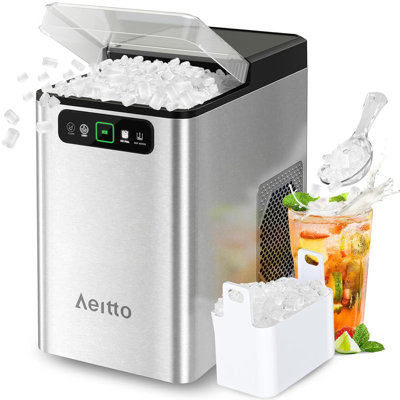
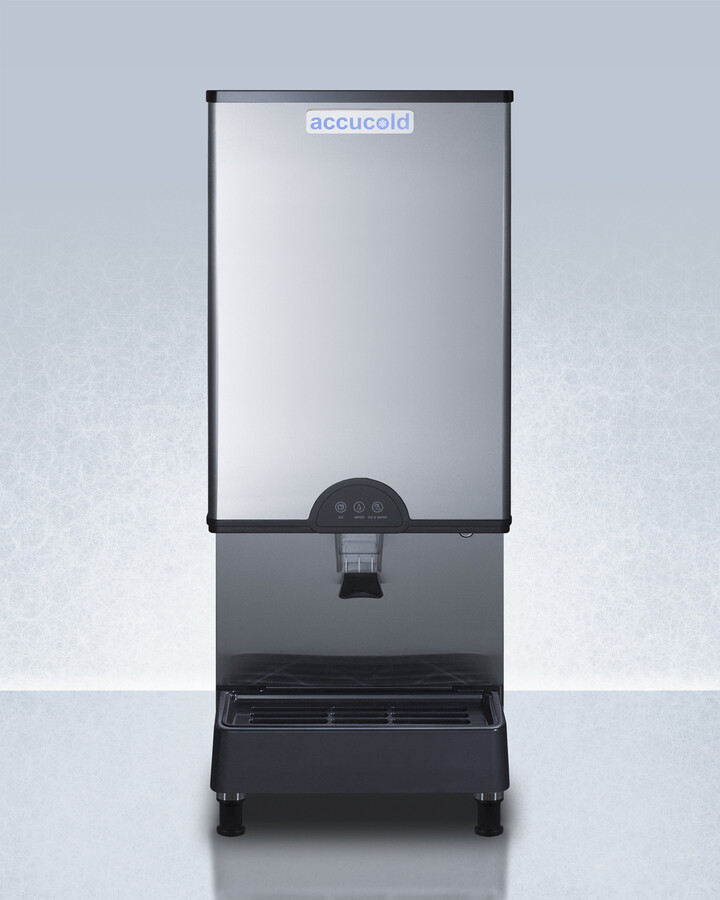
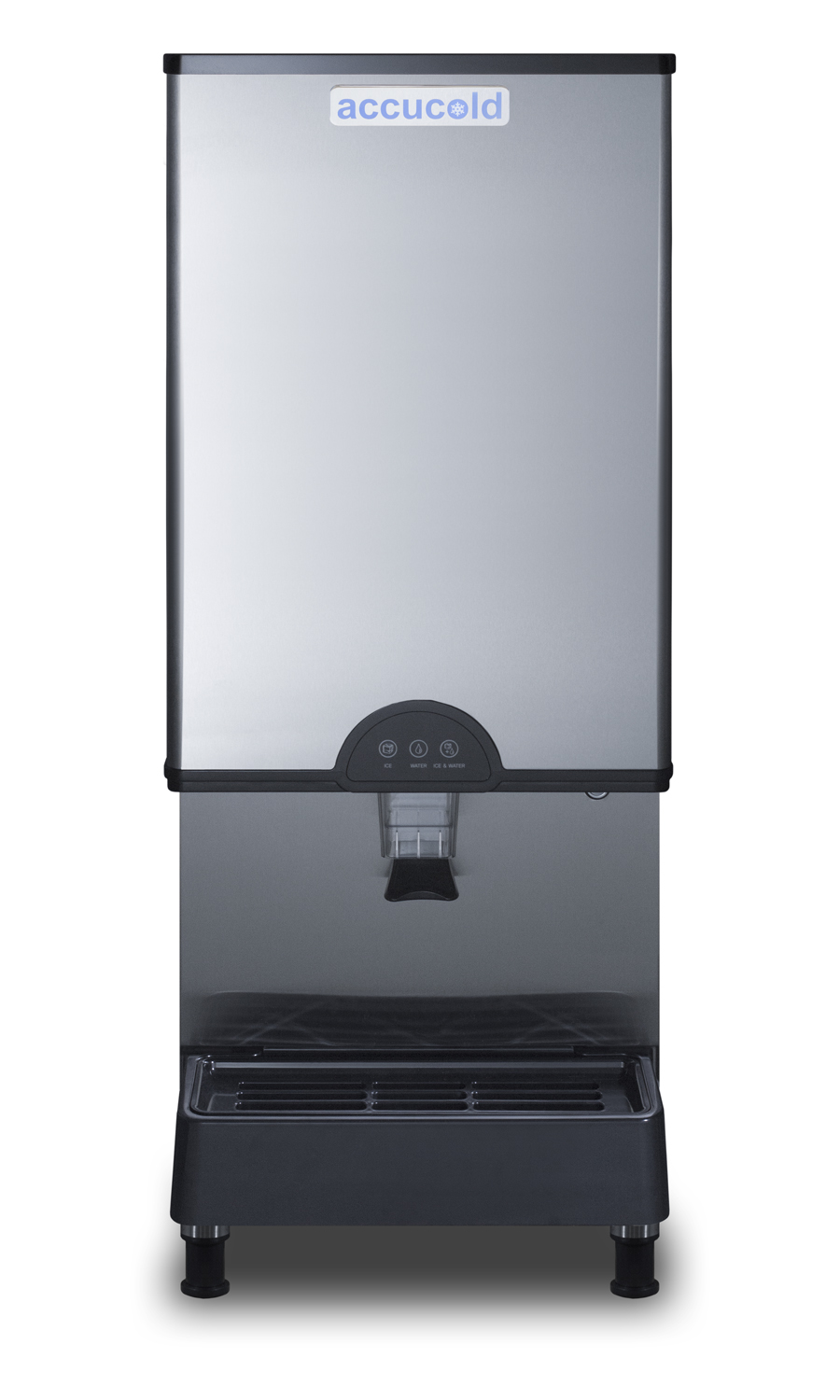
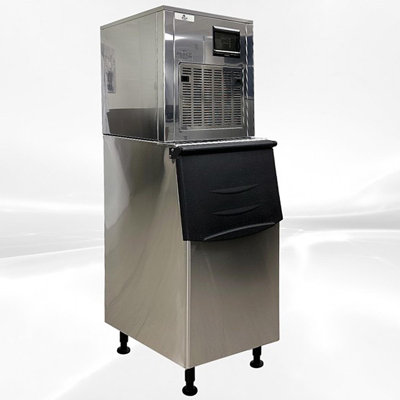
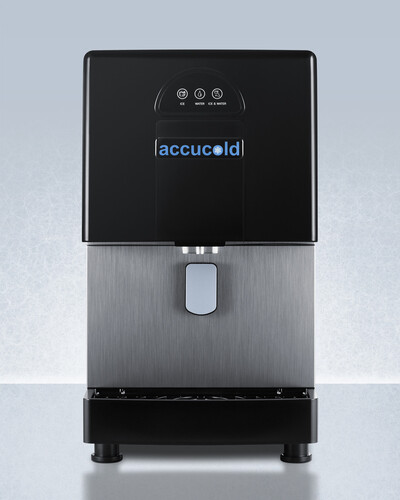
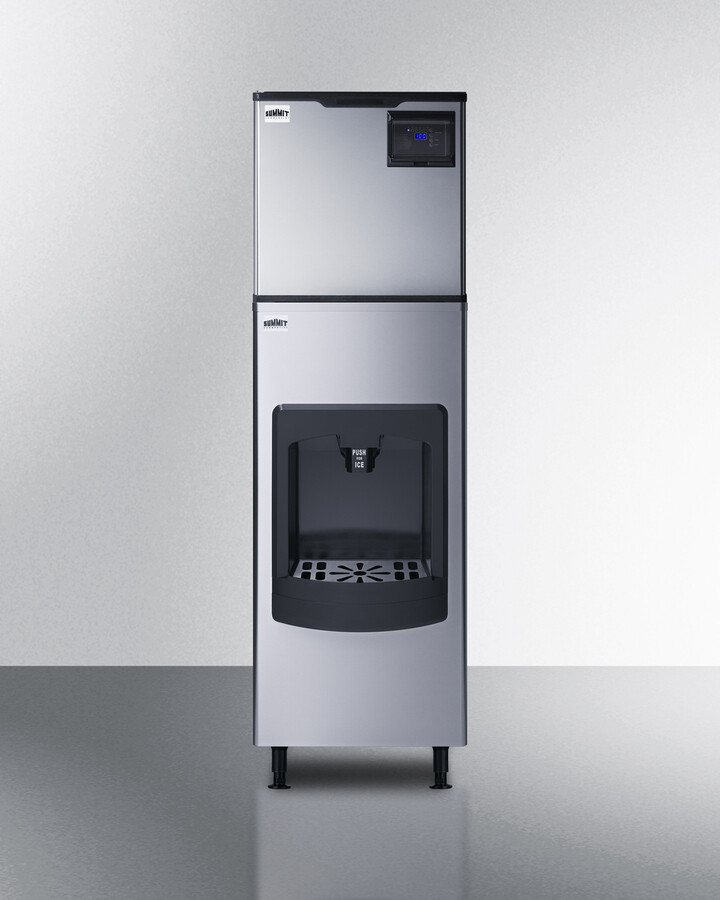
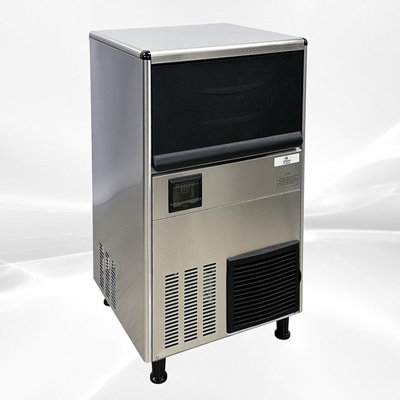
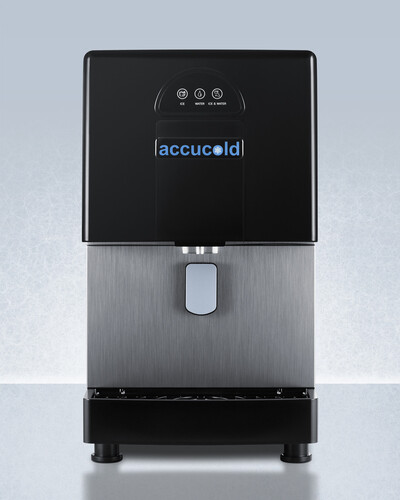
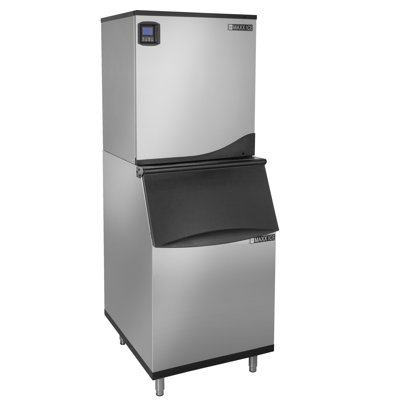
Ice makers, on the other hand, are dedicated to producing ice in various shapes and sizes. They're perfect for those who entertain frequently or enjoy cold drinks but don't want to continually refill ice trays or run out of ice during parties. An ice maker can be a stand-alone appliance or an integrated feature within a refrigerator. It's especially useful in settings where a constant supply of ice is beneficial, such as in a home bar, during outdoor events, or in a commercial environment. For individuals considering an ice-focused appliance, exploring comparisons like beverage center vs. ice cream freezer chest or ice cream freezer chest vs. undercounter freezer might be beneficial.
Garage Refrigerators
Garage refrigerators are a popular option for homeowners seeking additional storage for food and beverages. These units are designed to withstand the fluctuating temperatures often found in garage environments.
Features and Benefits of Garage Refrigerators
Garage refrigerators typically offer robust construction and are engineered to operate efficiently in a wider range of temperatures compared to standard kitchen models. They may come with features that make them more suitable for a garage setting, such as:
Enhanced insulation to maintain consistent internal temperatures.
More rugged exterior finishes to handle the demanding garage environment.
Flexible storage options to accommodate bulk purchases or oversized items.
The benefits of having a garage refrigerator extend beyond mere convenience. They provide additional space for storing perishable items, free up room in your main refrigerator, and can be particularly useful for entertaining, as you can keep beverages and snacks readily accessible outside of the kitchen.
Considerations for Installing a Refrigerator in the Garage
Before installing a refrigerator in your garage, you should consider several factors to ensure it operates effectively:
Temperature fluctuations: Garages can become very hot or cold depending on the season. Ensure the refrigerator is designed to handle these extremes.
Space: Measure your available space to determine the size of the refrigerator that will fit.
Power supply: Verify that there is a suitable electrical outlet in proximity to where you plan to place the refrigerator.
Ventilation: Adequate airflow around the unit is necessary to prevent overheating and to help the refrigerator run efficiently.
Pros and Cons of Having a Garage Refrigerator
Pros
Cons
Additional storage space
Increased energy costs
Convenient access to food and beverages
May require weatherproofing in extreme climates
Ideal for entertainment purposes
Takes up valuable garage space
Can store bulky or overflow items
Potential for reduced lifespan in harsh conditions
While the advantages of having a garage refrigerator are compelling, it's important to weigh these against the potential drawbacks. Increased energy costs and the need to weatherproof your appliance in extreme climates are factors that should not be overlooked. If you're considering a specialized unit for your garage, such as a beverage cooler or a freezer cooler, compare the features and benefits to ensure you make a choice that aligns with your needs. Additionally, for those debating between a full-sized unit and more compact options, you may find articles comparing a column refrigerator freezer vs. mini fridge freezer or a small refrigerator vs. upright freezer helpful in making an informed decision.
Ice Makers
When considering the addition of an appliance to enhance your convenience and lifestyle, ice makers are a popular choice. They are particularly appealing to those who entertain frequently or simply enjoy the luxury of having a steady supply of ice on hand.
Features and Benefits of Ice Makers
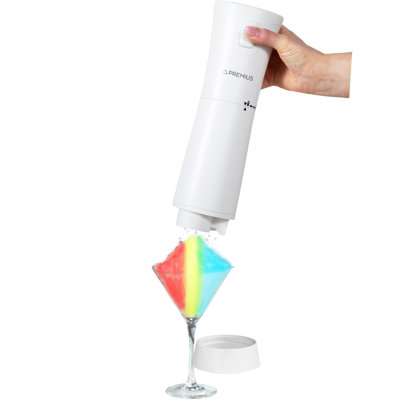
Ice makers are appliances dedicated to producing ice in various sizes and shapes, ranging from cubes to nuggets. They can be installed independently or built into a freezer or refrigerator. The primary advantage of an ice maker is the continuous supply of fresh ice, eliminating the need for cumbersome ice trays or last-minute trips to the store.
Benefits of having an ice maker include:
Consistent ice production
Variety in ice shapes and sizes
Convenience for entertaining
Space-saving in your freezer
Considerations for Installing an Ice Maker
Before adding an ice maker to your space, there are several aspects to contemplate:
Space: Ensure you have enough room for installation, whether it's under the counter or as a freestanding unit.
Plumbing: An ice maker requires a water line, so consider the proximity to a water source and the potential need for plumbing work.
Ventilation: Some models need air circulation to operate effectively, so factor in the ventilation requirements.
Energy usage: Be aware of the appliance's energy consumption and how it may impact your utility bills.
Ultimately, your choice between a garage refrigerator and an ice maker, or any other refrigeration appliances, will depend on your specific lifestyle, space, and preferences. If you're looking for more information on garage refrigerator vs. ice maker, careful consideration of your needs will guide you towards the right decision for your home.
Choosing Between a Garage Refrigerator and Ice Maker
When contemplating the addition of an appliance to your garage, it's essential to weigh your options between a garage refrigerator and an ice maker. Both serve distinct purposes and offer unique benefits, so your decision will depend on several factors.
Factors to Consider When Choosing
When deciding between a garage refrigerator and an ice maker, consider the following factors:
Space: Assess the available space in your garage. A full-size refrigerator will require more room than a standalone ice maker.
Usage: Determine whether you'll use the appliance for food storage or primarily for beverages and ice production.
Budget: Reflect on your financial plan for this purchase, as there can be a significant cost difference between the two options.
Energy Consumption: Understand the energy requirements for each appliance. A garage refrigerator typically consumes more energy than an ice maker.
Frequency of Use: Consider how often you will use the appliance. If you entertain often, an ice maker might be more beneficial.
Climate: The temperature in your garage can affect the performance of a refrigerator, especially if it's not designed for extreme temperatures.
Adjusting Your Decision Based on Needs
Your specific needs will ultimately guide your choice between these two appliances:
If your primary need is for ice, particularly during gatherings or for personal use, an ice maker might meet your requirements more efficiently.
For those who regularly host events or enjoy chilled beverages, the convenience of an ice maker could be the deciding factor. Comparisons like beverage cooler vs. ice cream freezer chest may provide additional insight.
In contrast, if you require versatile storage for various types of food and drinks, a garage refrigerator would be advantageous. Articles such as garage refrigerator vs. standard fridge size and garage freezer vs. medium size refrigerator can offer more details on size and capacity.
Before making a decision, it's beneficial to examine your lifestyle, the layout of your garage, and how you envision utilizing the appliance. By carefully considering these factors and needs, you will be better prepared to select the appliance that aligns with your requirements and enhances the functionality of your garage space.
Maintaining your appliances is essential to ensure they operate efficiently and last as long as possible. Whether you own a garage refrigerator or an ice maker, routine care can prevent common issues and keep your devices in top shape.
Maintenance Tips for Garage Refrigerators
Garage refrigerators require regular maintenance to ensure they remain energy-efficient and functional. Here are some maintenance tips to keep your garage refrigerator running smoothly:
Clean the Coils: Dust and debris can accumulate on the condenser coils, causing the refrigerator to work harder. Clean the coils every six months to maintain efficiency.
Check the Seals: Inspect the door seals for any signs of wear or tear. A broken seal can lead to air leaks and increased energy consumption. Clean the seals with a mild detergent and replace them if necessary.
Defrost Regularly: If your garage refrigerator is not frost-free, defrost it manually to prevent ice buildup, which can affect performance.
Maintain Proper Ventilation: Ensure there is adequate space around your refrigerator for air to circulate. This prevents overheating and helps the appliance run more efficiently.
Monitor Temperature: Use an appliance thermometer to check that your garage refrigerator is at the proper temperature, ideally between 37°F and 40°F for the fridge and 0°F for the freezer.
Maintenance Task
Frequency
Coil Cleaning
Every 6 Months
Seal Inspection
As Needed
Manual Defrosting
As Needed
Temperature Check
Monthly
For more specific comparisons between types of refrigerators and freezers, you can explore articles like garage refrigerator vs. standard fridge size and column refrigerator freezer vs. garage freezer.
Maintenance Tips for Ice Makers
Ice makers are convenient appliances but require their own set of maintenance routines to function effectively. Here are some tips to care for your ice maker:
Regular Cleaning: Clean the interior, ice bin, and exterior surfaces with a mild detergent to prevent mineral buildup and maintain hygiene.
Change Filters: If your ice maker has a water filter, replace it according to the manufacturer's instructions to ensure clean, fresh-tasting ice.
Descale as Needed: Use a descaling solution to remove any mineral deposits that could affect the efficiency and taste of your ice.
Inspect the Water Lines: Check for any kinks or leaks in the water supply lines and repair or replace them if necessary.
Keep It Level: Ensure your ice maker is level to prevent malfunctioning or incomplete ice cube formation.
Regular maintenance of your garage refrigerator and ice maker will not only extend the life of these appliances but also ensure they perform at their best. Always refer to the manufacturer's guidelines for specific maintenance instructions and consider professional servicing when necessary.
Compare prices on Fridge.com
Compare current prices and specifications on Fridge.com, then buy from the retailer you choose; delivery, installation and warranty terms are the retailer’s.
It also has tons of awesome articles about kitchen stuff and home news. Enhance your home, garage, backyard, patio, and office with the coolest essentials. With every necessary type of residentialrefrigeratoror freezer in the collection, you're covered.
Free tool
Ice Maker Capacity Calculator
Free interactive tool from Fridge.com — get a quick answer while you read.