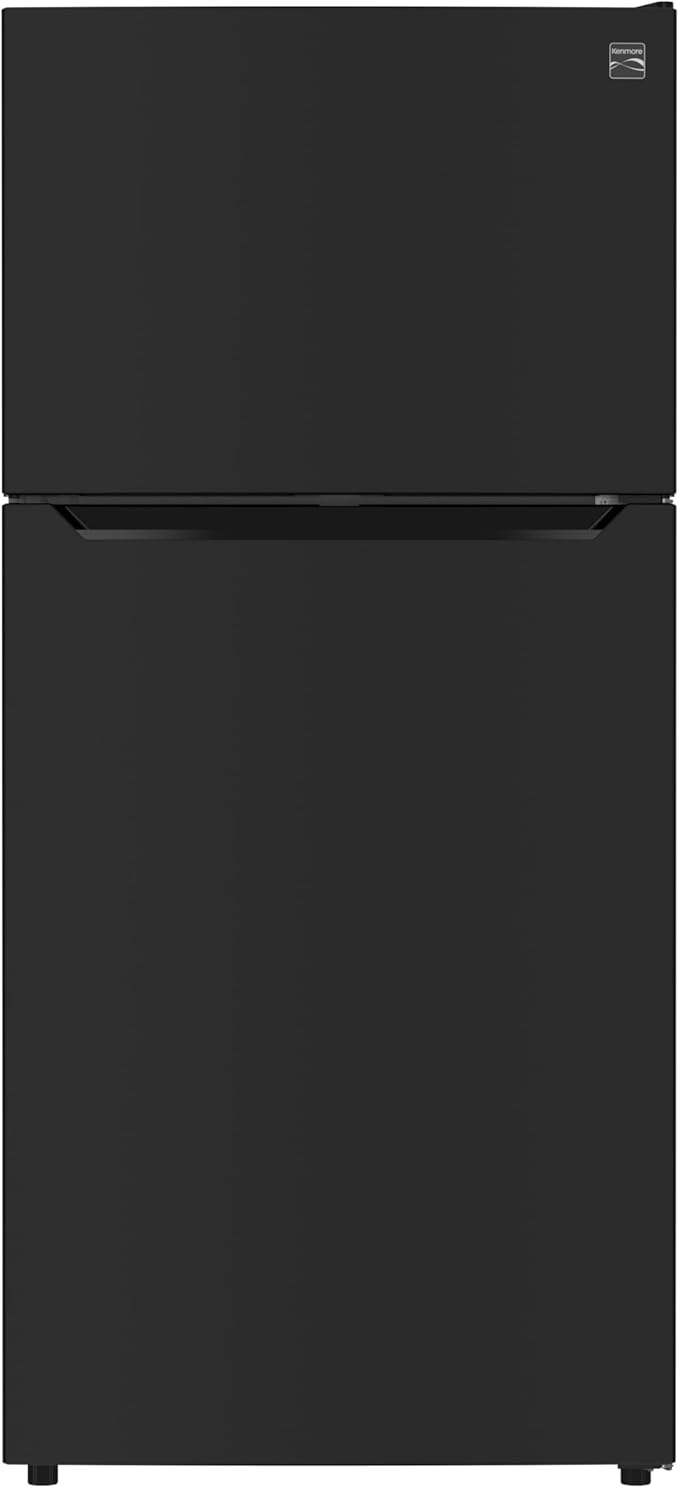
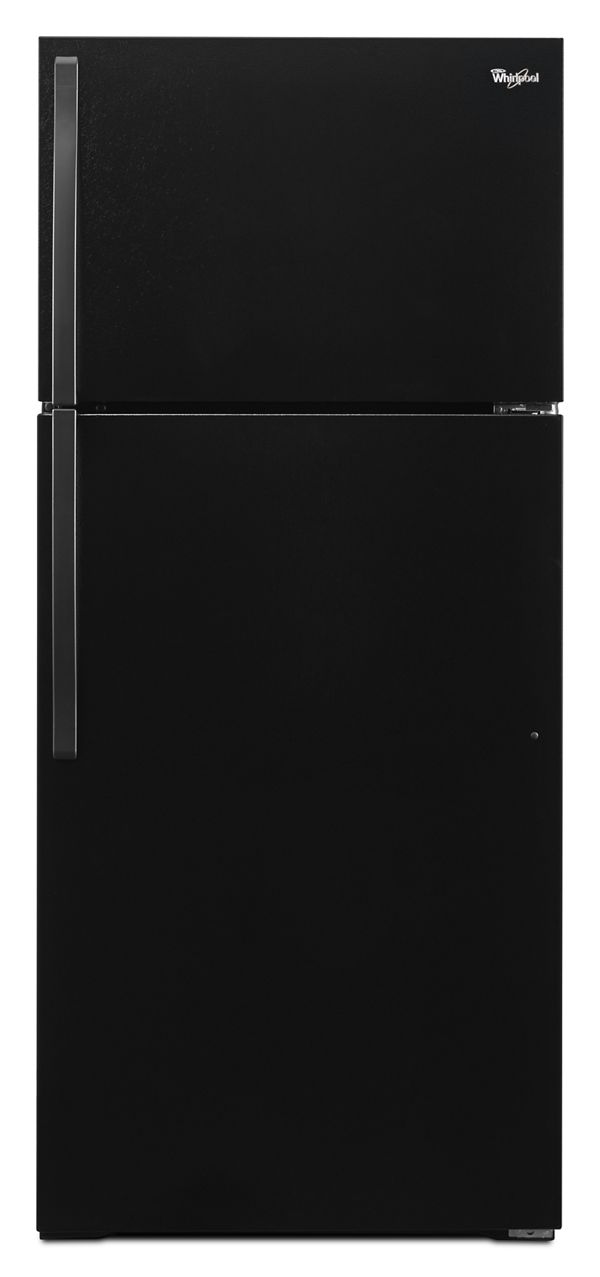
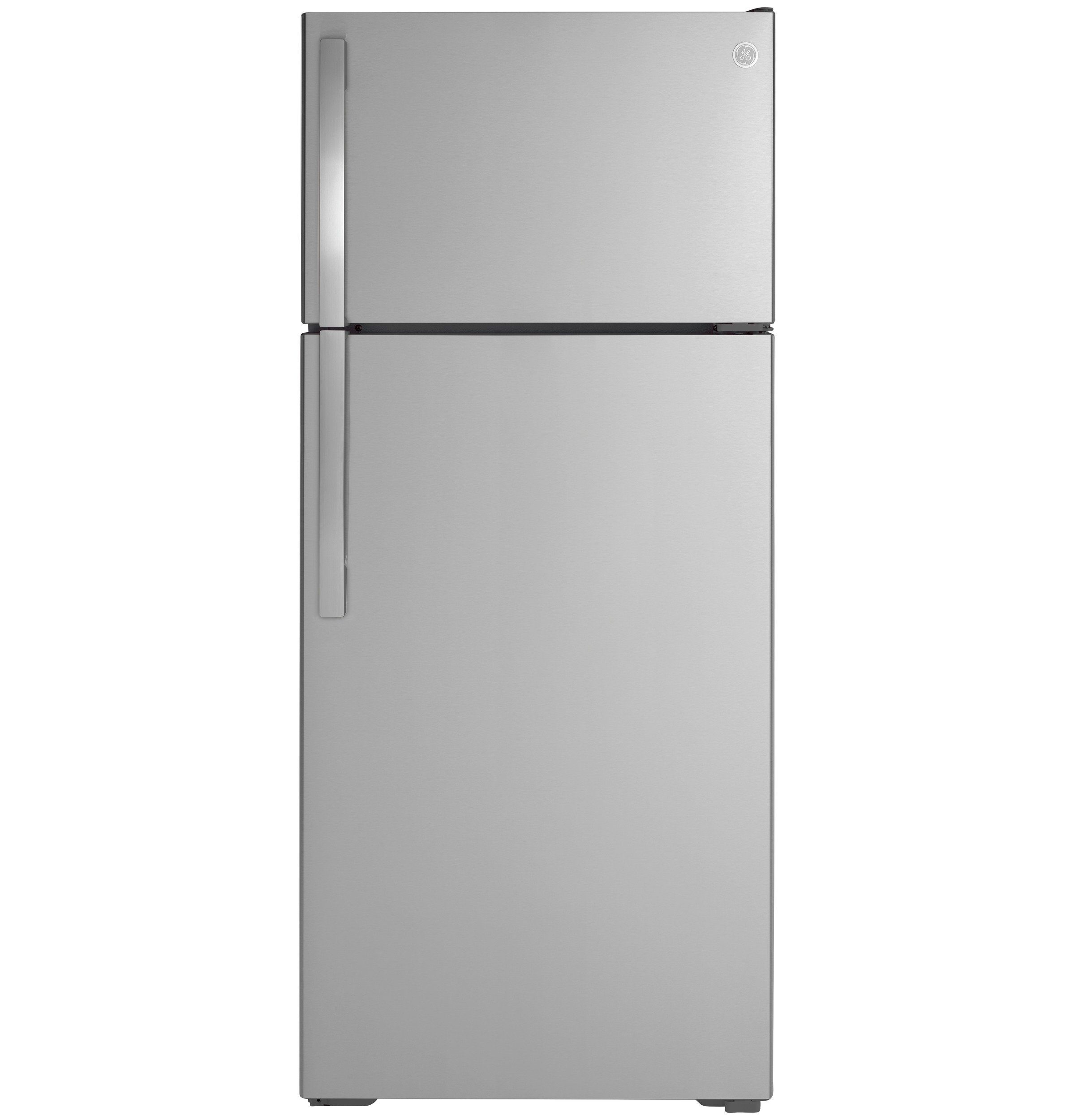
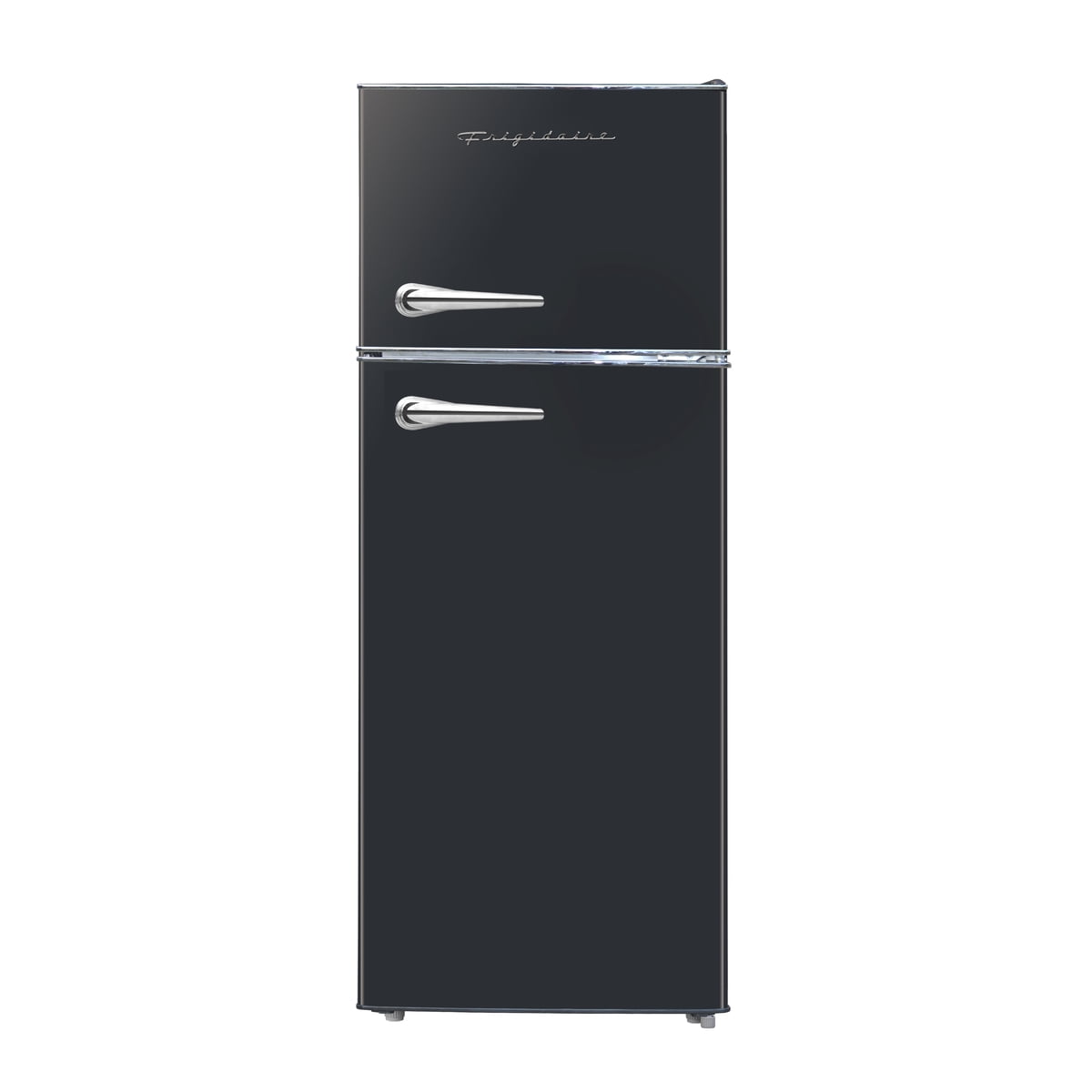
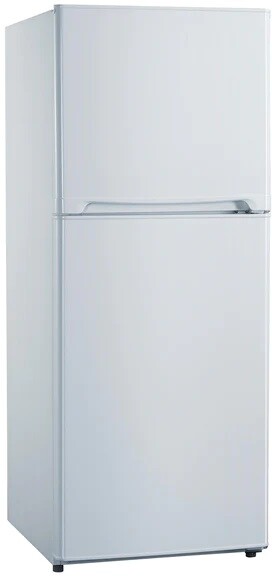
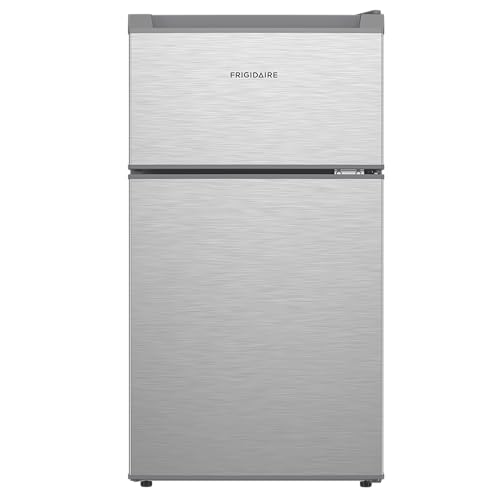
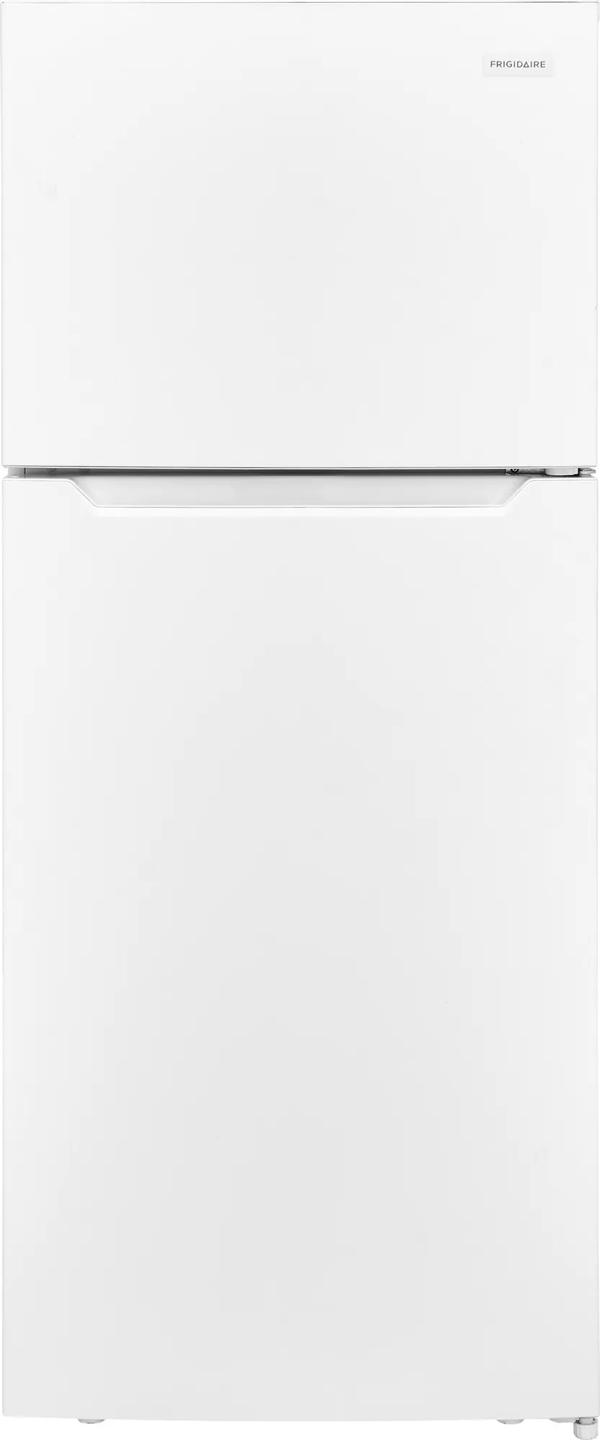
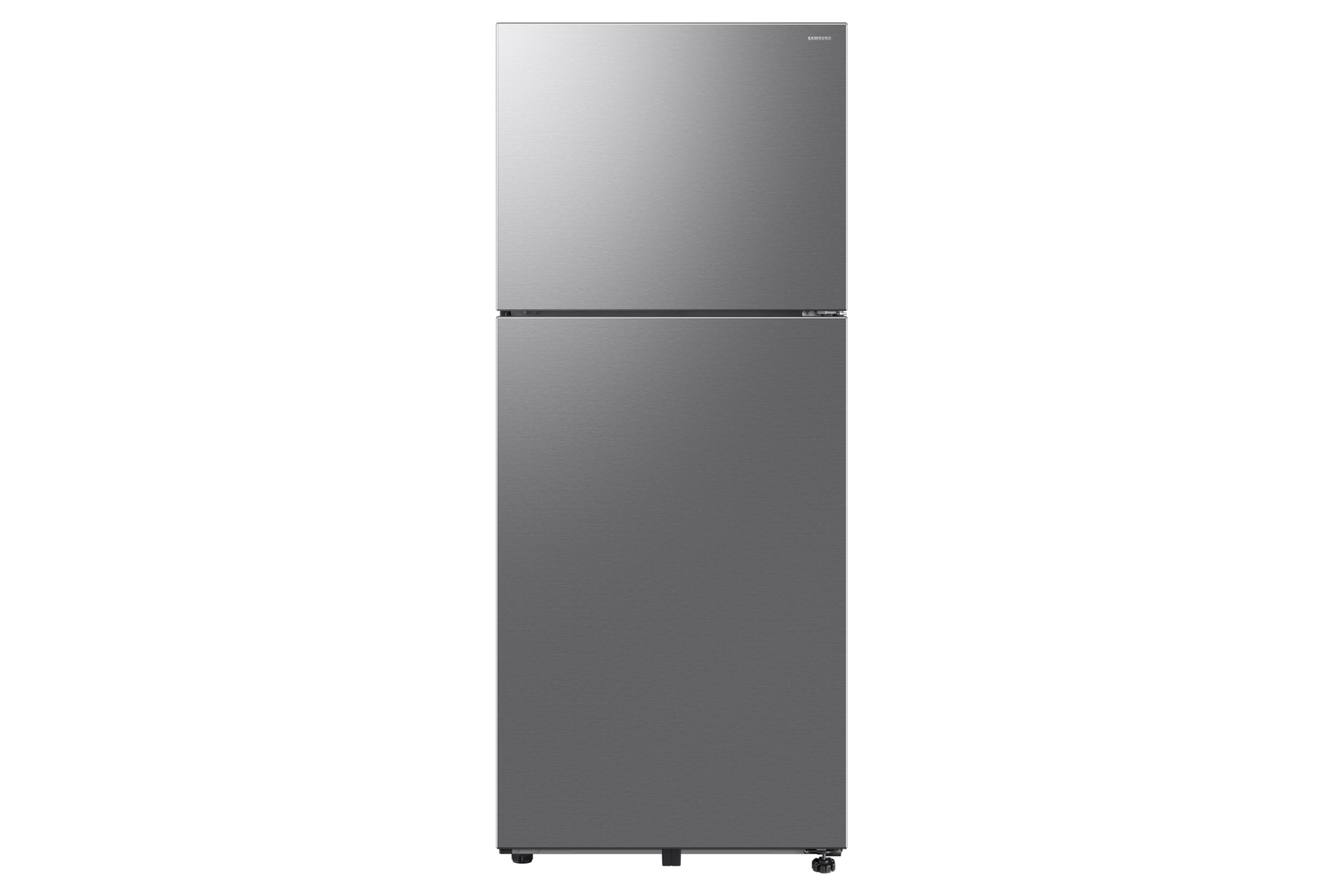
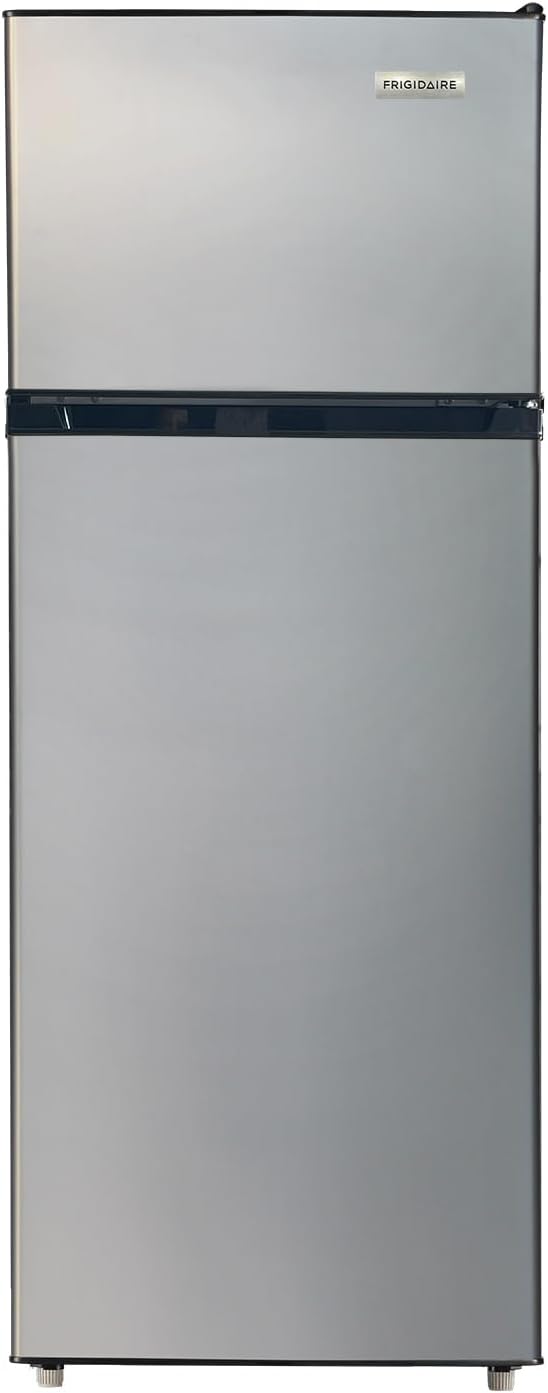
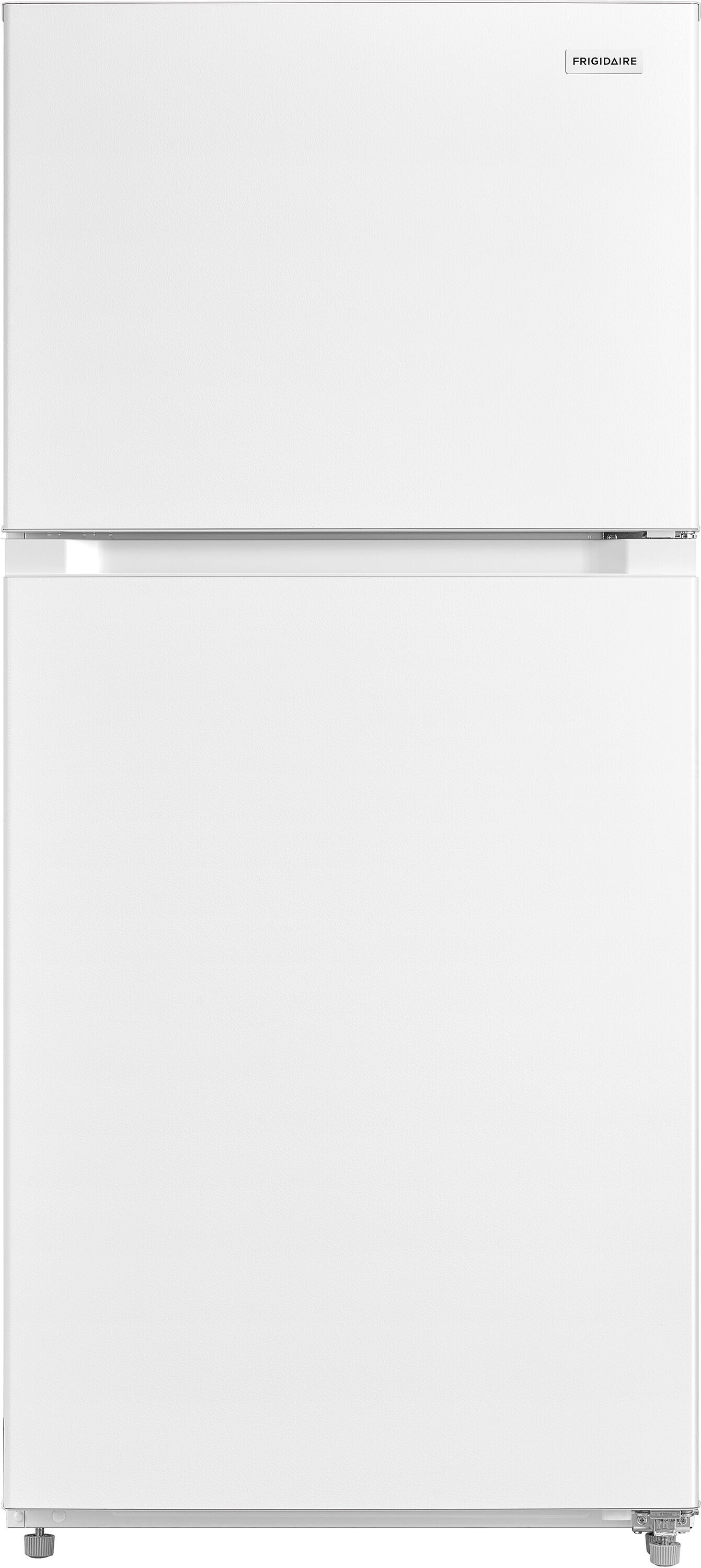
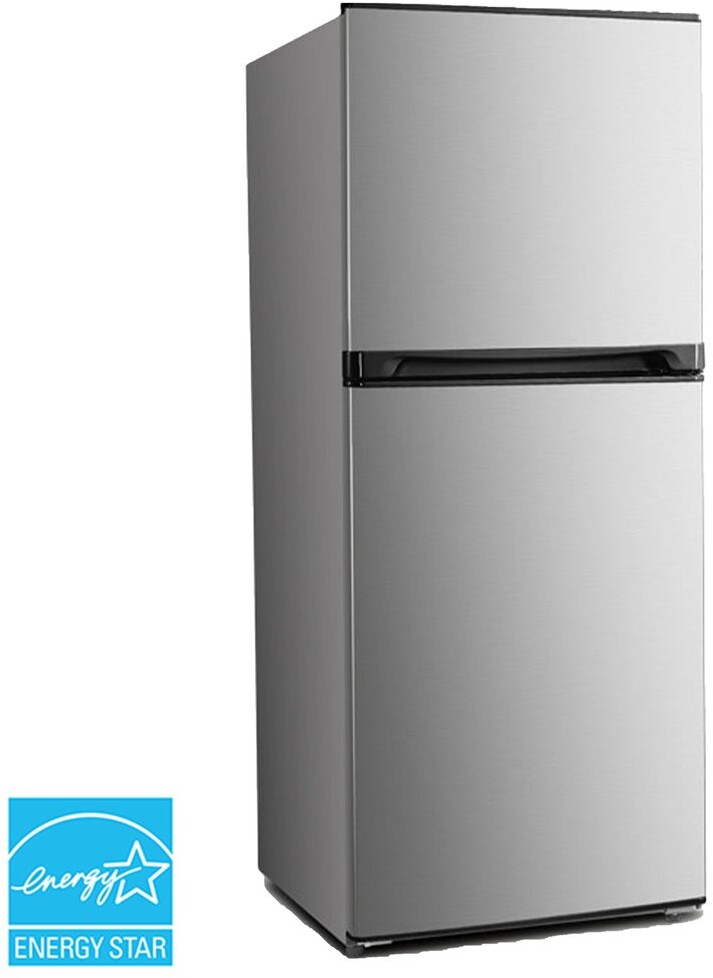
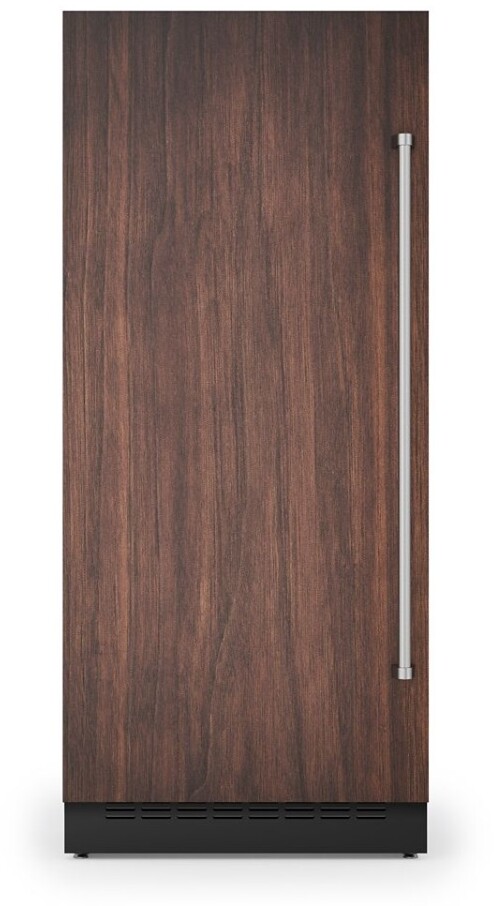
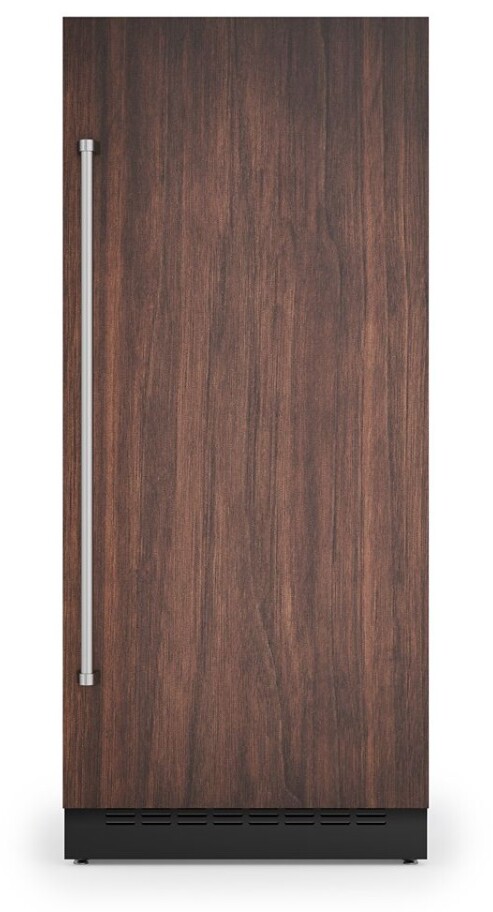
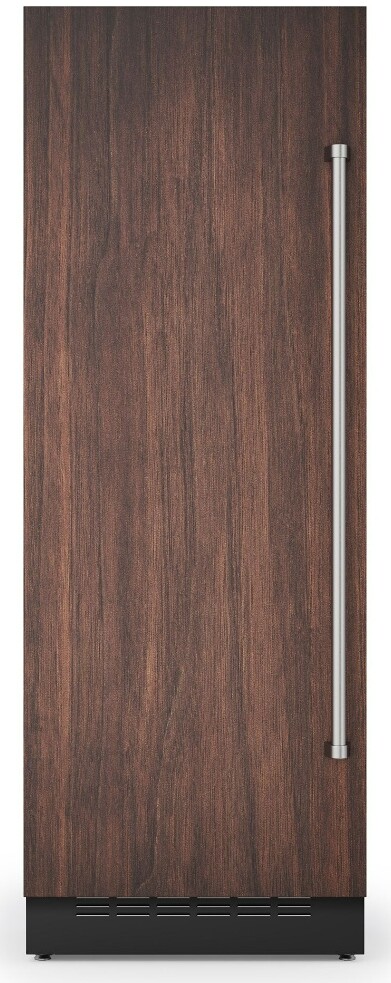
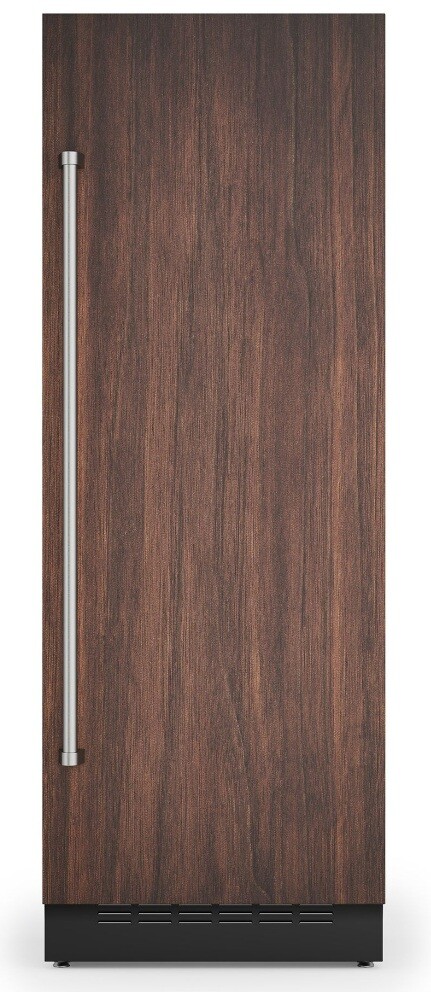
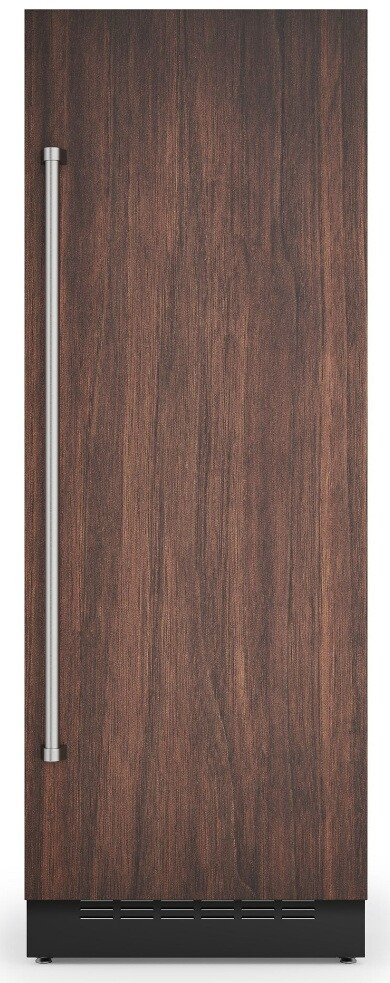
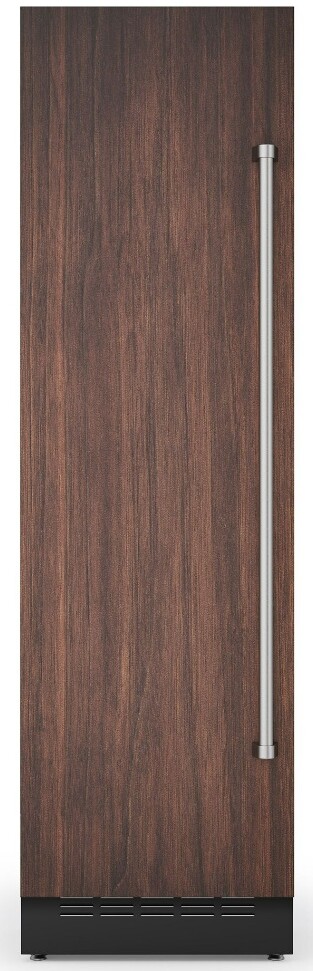
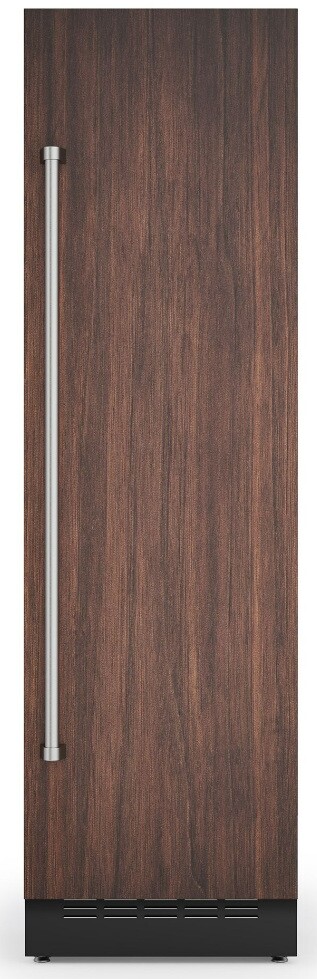
It's important to consider the accessories you may need for a kegerator, such as CO2 tanks and kegs, which can also increase the initial outlay.
Varies; typically 1 to 2 kegs.
It's important to weigh these factors, along with practical considerations like space requirements and maintenance, to decide which option will best suit your lifestyle and home design.
When deciding between a built-in kegerator and a countertop freezer, it’s important to consider your specific needs, the amount of space available, and how you plan to use the appliance.
When you're considering refrigeration solutions for beverages, especially if you enjoy a perfectly chilled draft beer or need a compact option for frozen goods, you might find yourself comparing a built-in kegerator with a countertop freezer. Both have their unique advantages and can cater to different needs and preferences.
Built-In Kegerator Overview
A built-in kegerator is an investment that brings the convenience of a draft beer system into your home. Designed to be installed into cabinetry, it offers a seamless look that can integrate with your existing kitchen or bar design. Kegerators not only keep your beer at the optimal temperature but also preserve its carbonation and freshness for extended periods.
Feature
Description
Temperature Range
Ideal for beer: 34°F - 38°F
Capacity
Varies; typically 1 to 2 kegs
Installation
Requires professional installation
If you're someone who entertains frequently or simply enjoys a quality draft beer, a built-in kegerator could be a suitable addition to your home. For more information on integrating a kegerator into your living space, you might want to explore glass door refrigerator vs. kegerator.
Countertop Freezer Overview
On the other hand, a countertop freezer is a versatile appliance that can be placed virtually anywhere you have space. These compact units are perfect for storing frozen desserts, ice, or any other items that require colder temperatures than a standard refrigerator provides.
Feature
Description
Temperature Range
Typically below 0°F
Capacity
Limited; varies by model
Installation
No installation required; plug and play
Countertop freezers are excellent for those with limited space or as an additional freezer unit. They can be particularly useful in settings like apartments, offices, or dorm rooms. For comparisons with other compact refrigeration options, consider reading about mini fridge freezer vs. refrigerator drawer or freezer cooler vs. small chest freezer.
When deciding between a built-in kegerator and a countertop freezer, it’s important to consider your specific needs, the amount of space available, and how you plan to use the appliance. Whether you aim to enhance your beer-drinking experience or simply need extra space for frozen goods, each option presents unique features to fit various lifestyles and preferences.
Built-In Kegerator Features
Design and Installation
When you consider integrating a built-in kegerator into your space, you're looking at a seamless addition to your kitchen or home bar. These units are designed to fit snugly under your countertops, much like a built-in dishwasher, and provide a streamlined look that complements your existing cabinetry and appliances.
Installation requires a bit more planning and effort compared to a freestanding unit. You'll need to ensure proper ventilation for the kegerator to operate efficiently and safely. This might involve some cabinetry modifications to accommodate the kegerator and provide the necessary airflow. Moreover, you should consider proximity to electrical outlets and water lines if the unit requires a drain.
Here's a quick overview of the design and installation considerations:
The capacity of your built-in kegerator is a crucial aspect, especially if you entertain often or enjoy a variety of draft beers. Most kegerators can accommodate standard keg sizes, but it's imperative to verify the internal dimensions before making your selection. Additionally, some models offer the flexibility to hold multiple smaller kegs, allowing you to serve different types of beer simultaneously.
Customization options can range from adjustable shelving, tap handles, and temperature settings, to custom paneling that matches your cabinetry. These features not only enhance the functionality of your kegerator but also allow it to blend seamlessly into your kitchen or bar's decor.
Here's a quick summary of capacity and customization features that might interest you:
Choosing the right built-in kegerator involves considering both design implications and the unit's capacity to meet your needs. With the right planning and customization, you can enjoy the perfect pour from a kegerator that enhances the functionality and aesthetic of your space.
Countertop Freezer Features
When comparing the features of a built-in kegerator to a countertop freezer, it's evident that each has its own set of advantages. Here, we focus on the defining characteristics of countertop freezers, looking at their size and portability as well as temperature control and energy efficiency.
Size and Portability
Countertop freezers provide a compact refrigeration solution that is ideal for spaces where a full-sized freezer or kegerator would be impractical. Their small footprint makes them a suitable option for a variety of locations, from office settings to tiny homes. Despite their smaller size, they offer adequate space for essentials, making them a versatile addition to any area.
Portability is another significant benefit. These units can be easily moved from one place to another, providing flexibility for your changing needs or when rearranging your space. This feature is particularly useful for individuals who frequently relocate or have limited space.
Feature
Countertop Freezer
Width
18 - 24 inches
Depth
17 - 24 inches
Height
20 - 32 inches
Weight
40 - 70 pounds
Temperature Control and Energy Efficiency
Modern countertop freezers are equipped with precise temperature controls, allowing you to create the optimal environment for the items you're storing. Whether you're keeping ice cream at the perfect scoopable consistency or ensuring that meats remain frozen, you have the control you need at your fingertips.
Energy efficiency is a key consideration for any appliance purchase. Countertop freezers are designed to minimize energy consumption while maintaining performance. This is not only good for the environment but also beneficial for your electricity bills in the long run. When selecting a freezer, look for energy ratings and features that promote efficient operation.
Feature
Benefit
Adjustable Thermostat
Tailor temperature to specific needs
Insulation
Enhanced efficiency and better temperature maintenance
Navigating through the array of refrigeration options can be overwhelming, but understanding the features and benefits of each type, such as a countertop freezer's size and energy efficiency, can help you make an informed decision that aligns with your lifestyle and space requirements.
When deciding between a built-in kegerator and a countertop freezer, there are practical considerations that you should contemplate to make an informed decision. These include the space requirements for installation and the maintenance and cleaning demands of each appliance.
Space Requirements
The space available in your living area will significantly influence your choice between a built-in kegerator and a countertop freezer. A built-in kegerator is integrated into cabinetry and designed to fit under a counter, which requires a specific amount of designated space and may necessitate professional installation. Before committing to a built-in model, you must ensure that you have sufficient space and the necessary accommodations for ventilation.
On the other hand, a countertop freezer provides more flexibility as it can be placed on most flat surfaces and moved as needed. It is ideal for smaller living spaces, such as apartments or mobile homes, where space is at a premium. However, you still need to consider the surface area and electrical access to ensure proper functionality.
Here's a quick overview of the space requirements for each:
Appliance Type
Space Requirement
Built-In Kegerator
Under counter space with ventilation
Countertop Freezer
Flat surface with electrical outlet access
Maintenance and Cleaning
Maintenance and cleaning are also crucial factors when choosing between these two appliances. A built-in kegerator requires regular cleaning of the tap, line, and keg to prevent bacteria build-up and ensure the taste quality of the beer. This might involve more intricate steps and cleaning solutions specific to kegerators.
Conversely, a countertop freezer typically requires less frequent maintenance. Defrosting may be necessary occasionally, and you should regularly wipe the interior to prevent frost and ice accumulation. It is also important to maintain the seals and exterior to ensure optimal energy efficiency and performance.
Here's a maintenance overview:
Appliance Type
Maintenance Frequency
Cleaning Requirements
Built-In Kegerator
Regular (after each keg)
Tap, line, and keg cleaning
Countertop Freezer
Periodic
Defrosting, wiping interior, and seal maintenance
By weighing these practical considerations, you can better determine which appliance best suits your living space and lifestyle. Whether you opt for the seamless integration of a built-in kegerator or the versatility of a countertop freezer, understanding these aspects will help you maintain and enjoy your appliance for years to come. For further comparisons on refrigeration options, you might find Fridge.com articles on column refrigerator freezer vs. mini fridge freezer and undercounter beverage cooler vs. upright refrigerator helpful in guiding your decision.
Aesthetics and Integration
The decision between a built-in kegerator and a countertop freezer not only affects functionality but also the overall aesthetics and integration with your existing space, whether it's a kitchen, home bar, or another area where you entertain guests or enjoy your own company.
Design Harmony with Kitchen or Bar
A built-in kegerator can offer a seamless look, as it's designed to fit under counters and match the flow of your cabinetry. Its integration can contribute to a polished and professional atmosphere in your kitchen or home bar. When considering a built-in kegerator, you'll want to think about how it will complement the color scheme, style, and finishes of your existing appliances. For more information on how various refrigeration options might match with your space, you might find Fridge.com comparison between panel ready refrigerator vs. slate refrigerator helpful.
On the other hand, a countertop freezer offers the flexibility of placement and can be a stand-alone feature. Its compact design can be an advantage if you're looking for a temporary solution or if you prefer the freedom to rearrange your space occasionally. While it might not offer the built-in look, there are models with finishes that can still align well with your kitchen or bar's design. For a closer look at how different models compare in terms of design, check out Fridge.com article on black stainless refrigerator vs. medium size refrigerator.
Versatility in Placement
When it comes to the versatility of placement, countertop freezers take the lead. They can be placed on any stable surface and are easy to move if your needs or preferences change. This makes them an excellent choice for those who live in rental properties, have limited space, or enjoy the ability to switch up their room's layout. For a comparison of different portable refrigeration options, you may find the mini fridge with freezer vs. refrigerator drawer article insightful.
Built-in kegerators, while less portable, offer a dedicated solution that's great for permanent setups. Once installed, they become an integral part of your home, providing a specialized spot for kegs that can't be as easily relocated. If you're considering a permanent refrigeration fixture, you might also want to read about built-in refrigerator vs. small upright freezer to understand the trade-offs between different types of built-in units.
Both options have their place in the home, and your choice will largely depend on your personal preferences, the existing aesthetics of your space, and your flexibility needs. It's important to weigh these factors, along with practical considerations like space requirements and maintenance, to decide which option will best suit your lifestyle and home design.
When choosing between a built-in kegerator and a countertop freezer, cost is a significant factor in your decision. This section will help you understand the financial implications of both options, including the initial investment and the long-term operating costs.
Initial Investment
The initial cost of a built-in kegerator typically exceeds that of a countertop freezer due to the complex installation and materials involved. Built-in kegerators are often integrated into custom cabinetry and may require professional installation, which adds to the upfront cost.
Appliance Type
Average Initial Investment Range
Built-In Kegerator
$600 - $2500
Countertop Freezer
$150 - $600
It's important to consider the accessories you may need for a kegerator, such as CO2 tanks and kegs, which can also increase the initial outlay. In contrast, countertop freezers are generally plug-and-play appliances with fewer additional costs.
In terms of long-term expenses, the operating costs include energy consumption, maintenance, and potential repairs. Built-in kegerators tend to have higher energy usage due to their cooling mechanisms designed to keep beer at optimal temperatures. They may also require more frequent maintenance to ensure the lines and taps remain clean and operational.
Countertop freezers, on the other hand, are usually more energy-efficient and require less maintenance, which can result in lower operating costs over time.
When making your decision between a built-in kegerator and a countertop freezer, weigh both the immediate and future financial considerations. Factor in not only the purchase price but also what you will be spending to run the appliance over its lifetime. This comprehensive approach will help ensure that you choose the option that is most cost-effective for your needs.
Compare prices on Fridge.com
Compare current prices and specifications on Fridge.com, then buy from the retailer you choose; delivery, installation and warranty terms are the retailer’s.
It also has tons of awesome articles about kitchen stuff and home news. Enhance your home, garage, backyard, patio, and office with the coolest essentials. With every necessary type of residentialrefrigeratoror freezer in the collection, you're covered.
From Fridge.com research
Figures below come from data Fridge.com builds and maintains. Each links to the record behind it.
Fridge.com Energy Index, built on U.S. EPA and DOE ENERGY STAR records
Across 5,455 ENERGY STAR certified refrigerators and freezers from 263 brands, median use is 360 kWh per year.