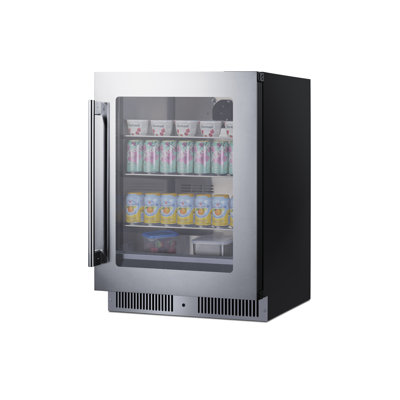
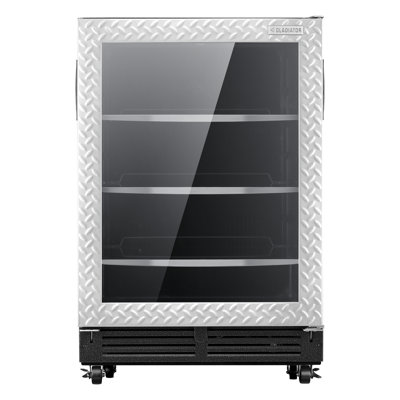
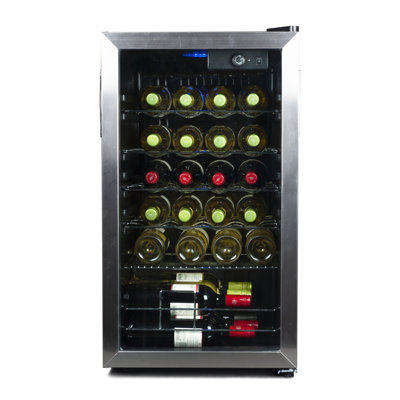
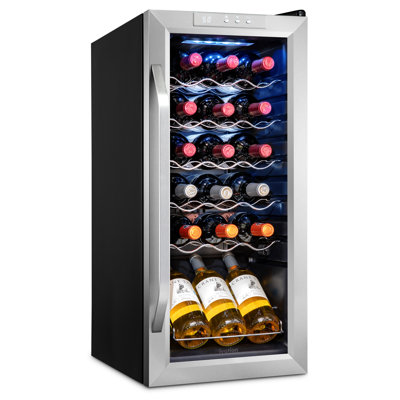
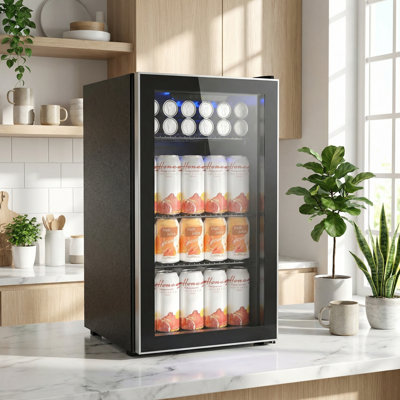
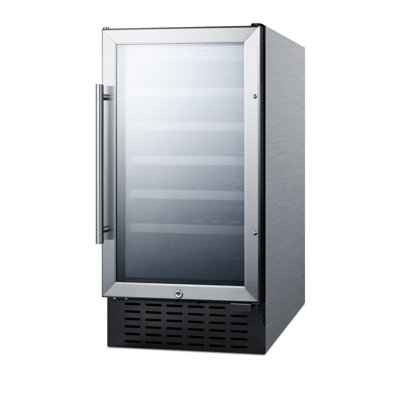
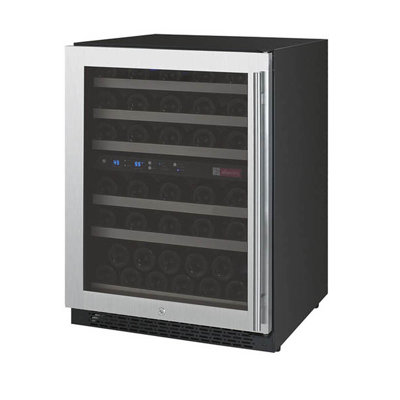
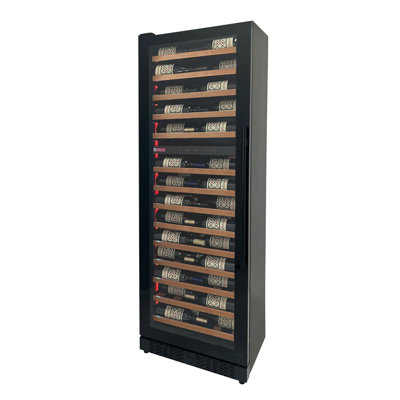
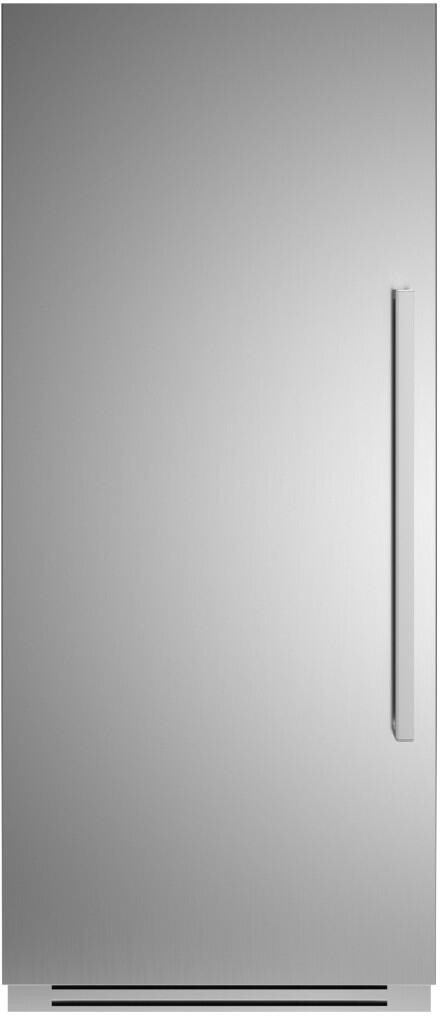
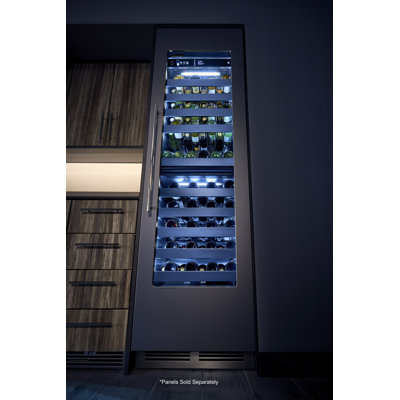
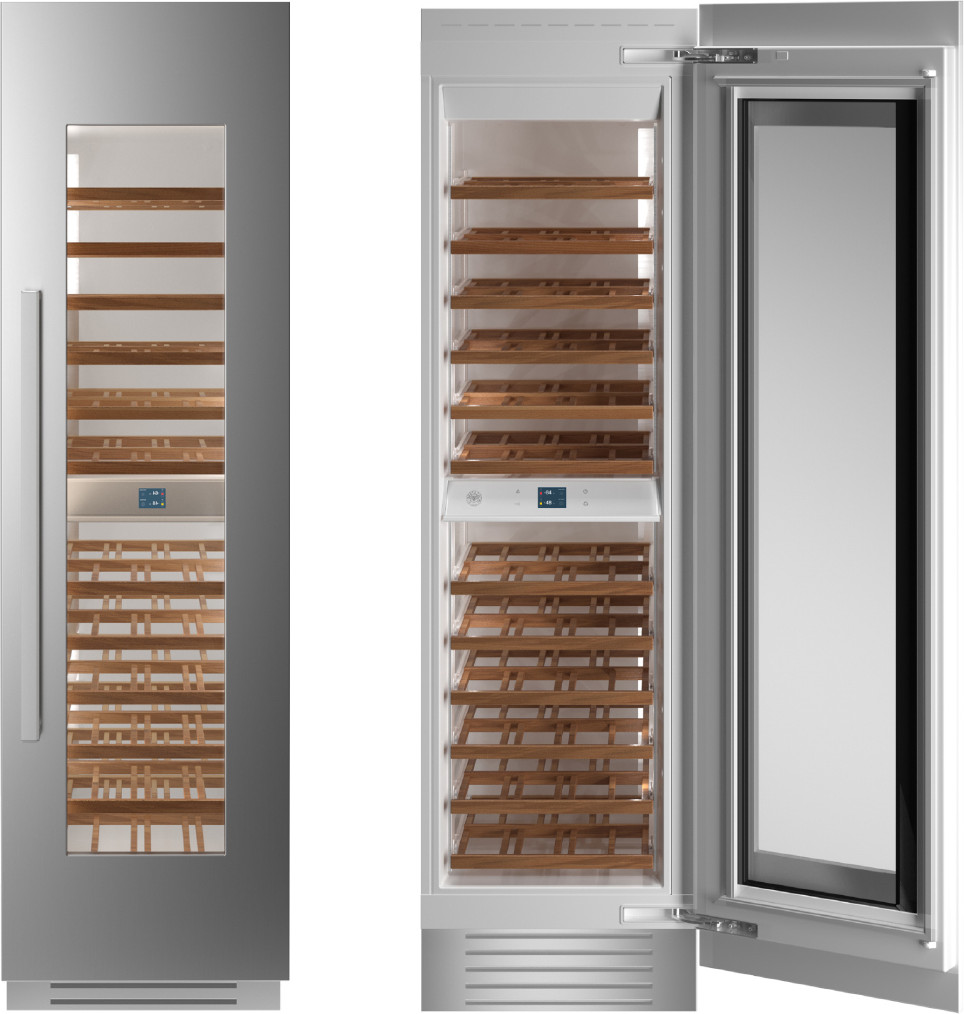
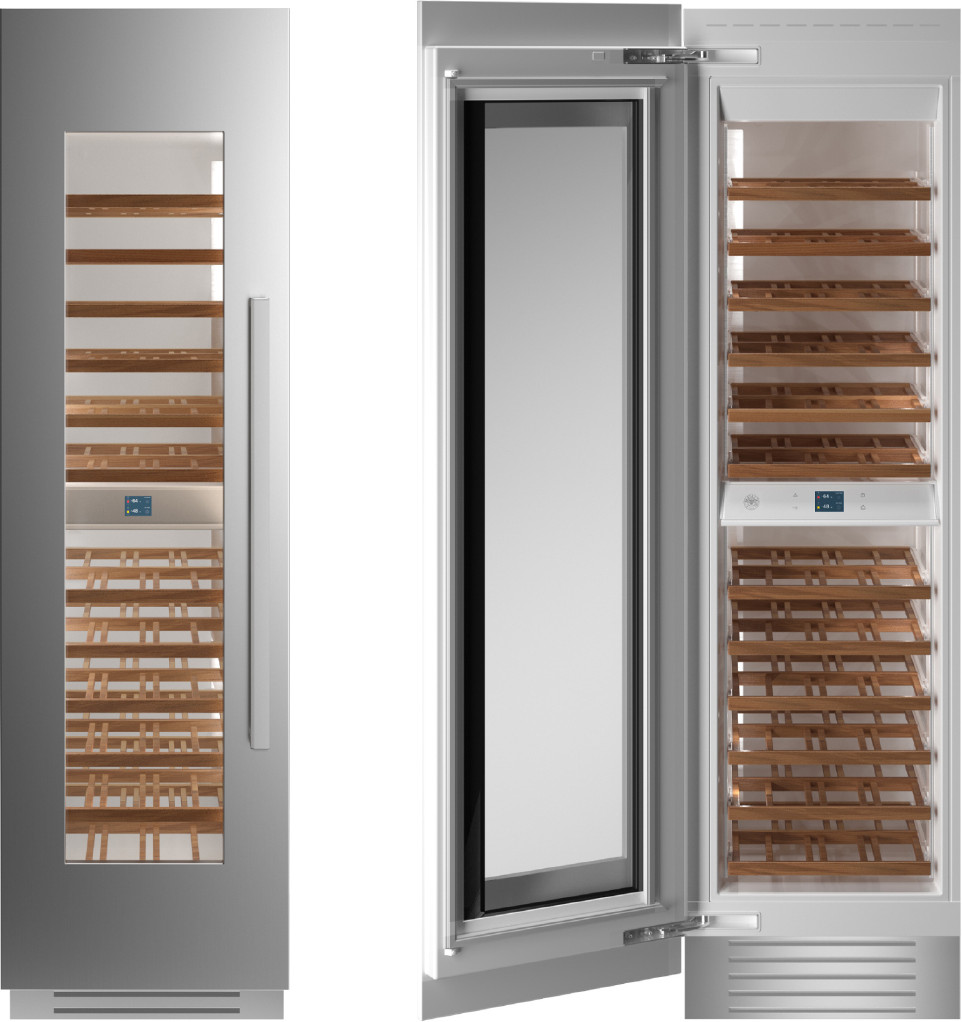
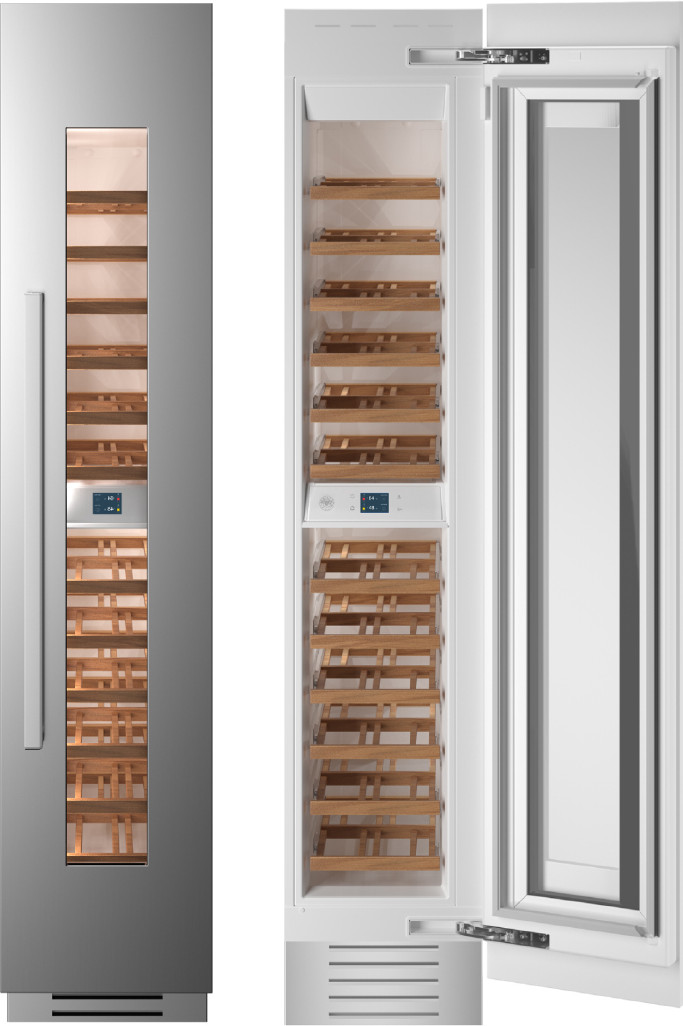
Garage freezers and wine coolers serve distinct purposes in the realm of refrigeration. A garage freezer is designed to store a variety of frozen goods, making it ideal for households needing extra space beyond their primary refrigerator. This type of freezer is built to withstand fluctuating temperatures commonly found in garage environments.
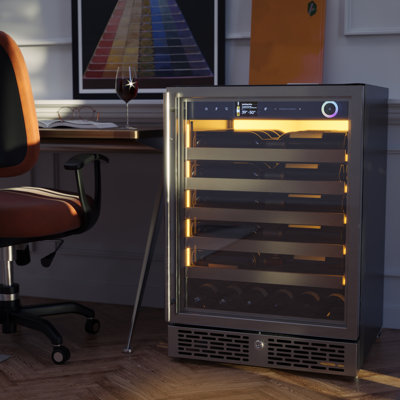
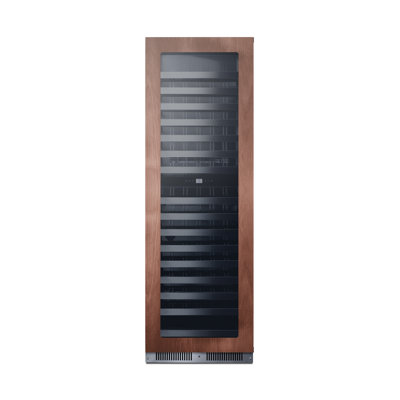
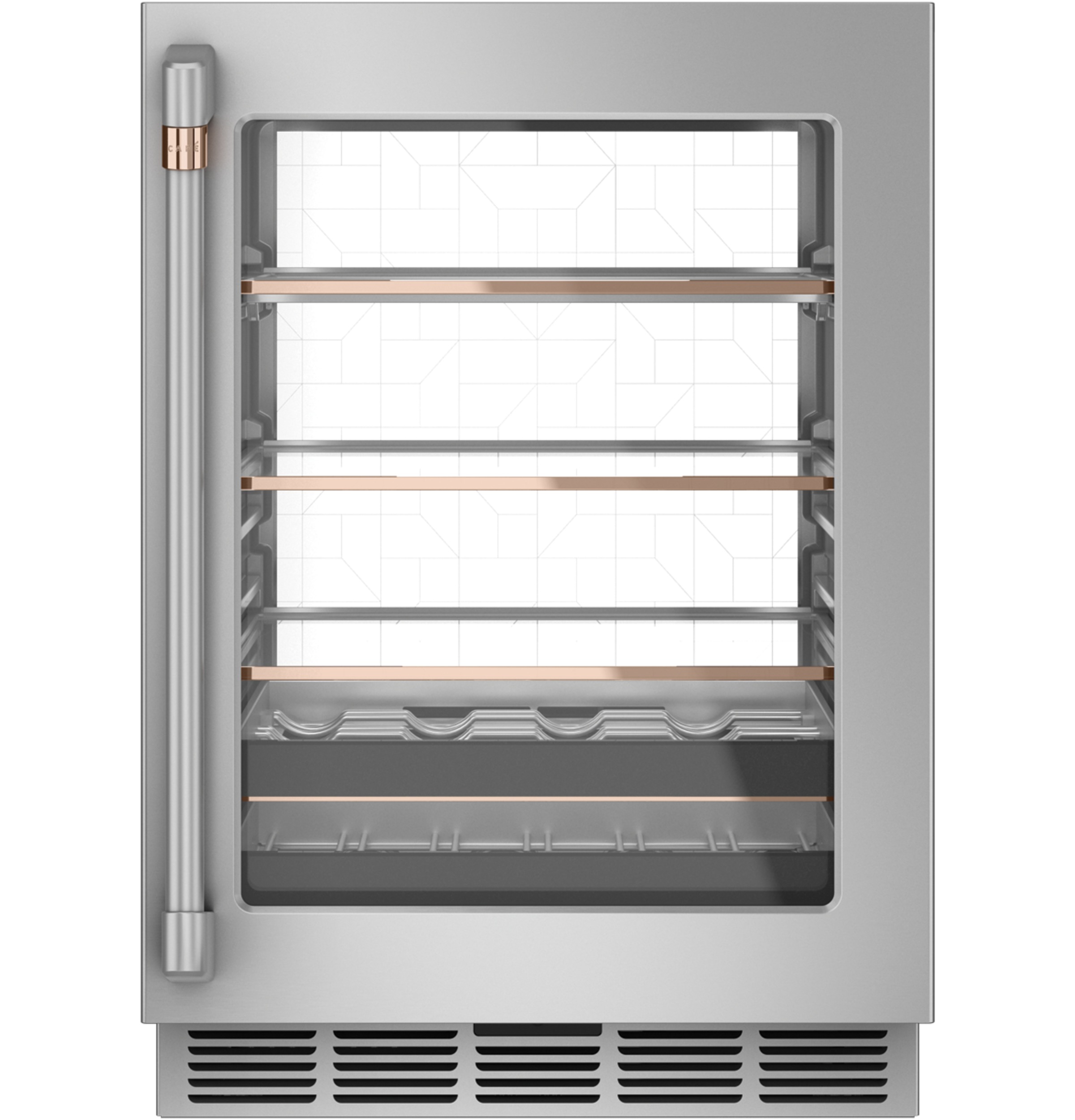
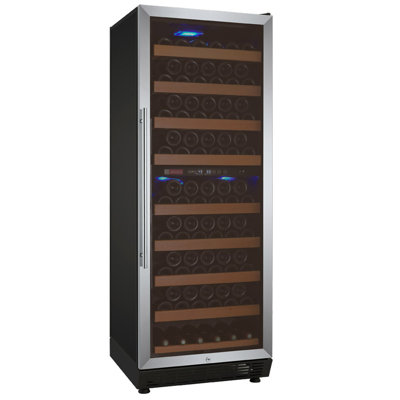
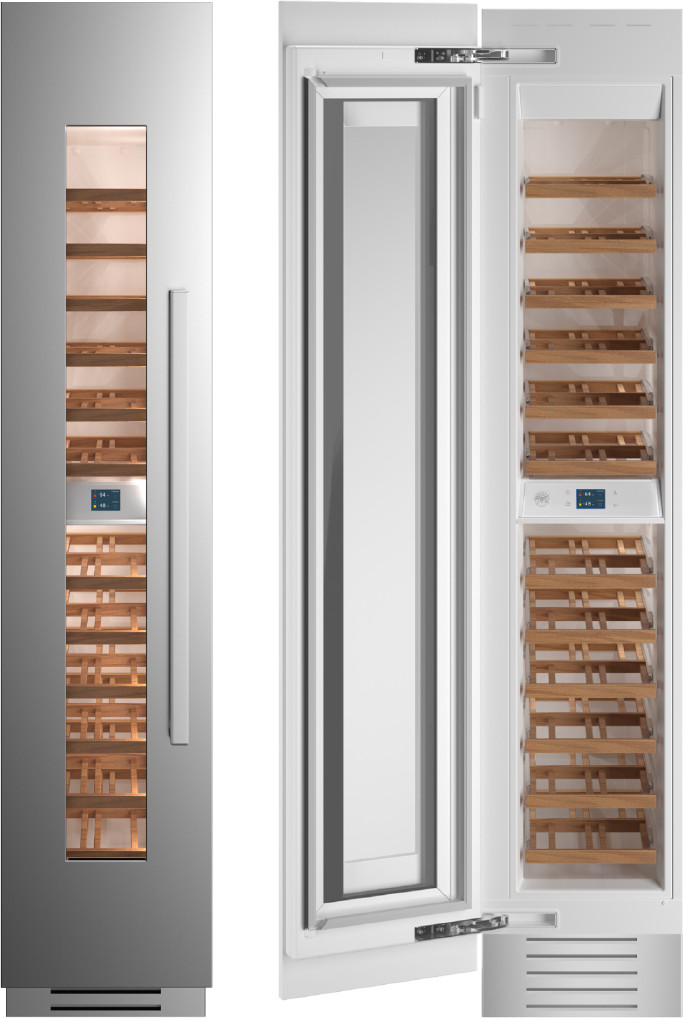
A wine cooler, on the other hand, is specialized for storing wine at optimal conditions. These coolers maintain a steady temperature and humidity level to preserve the quality and flavor of your wine collection. Wine coolers come in various sizes and styles to fit different storage needs and aesthetic preferences.
Key Differences Between Garage Freezers and Wine Coolers
Understanding the key differences between garage freezers and wine coolers is crucial for selecting the right appliance for your needs.
Feature
Garage Freezer
Wine Cooler
Purpose
Store frozen food items
Store and preserve wine
Temperature Range
Typically -10°F to 0°F
Typically 45°F to 65°F
Humidity Control
Not standard
Essential for wine preservation
Design
Robust, can handle temperature fluctuations
Elegant, designed for indoor use
Size Options
Various sizes, including large chest and upright models
Various sizes, from small countertop units to larger built-ins
Special Features
Fast-freeze functions, adjustable shelves
UV-protected glass doors, vibration reduction
For those who need extra storage for food items, a garage freezer is a versatile and robust choice. Conversely, if you are a wine enthusiast looking to preserve your collection, a wine cooler is specifically designed to meet those requirements.
Understanding the purpose and functionality of both garage freezers and wine coolers can help you make an informed decision about which appliance best suits your needs.
Garage Freezers: Features and Benefits
Garage freezers are designed to provide extra freezing space, especially in environments that may not have consistent temperatures, like a garage. Here are some key features and benefits:
Features:
Large Capacity: Garage freezers offer substantial storage space for bulk food items, making them ideal for large families or those who buy in bulk.
Durability: Built to withstand fluctuating temperatures, they are perfect for non-climate-controlled environments.
Adjustable Shelving: Many models come with adjustable shelves and compartments to accommodate various types of food.
Energy Efficiency: Modern garage freezers often feature energy-efficient designs to reduce electricity consumption.
Benefits:
Convenience: Provides additional freezer space, reducing the need for frequent grocery trips.
Versatility: Suitable for storing a wide range of items, from meats and vegetables to prepared meals.
Cost-Effective: Often more economical in the long run compared to frequent purchases of smaller quantities.
Wine coolers, also known as wine refrigerators, are specially designed to store wine bottles at optimal conditions. Here are some key features and benefits:
Features:
Temperature Control: Wine coolers offer precise temperature settings to maintain the ideal environment for wine storage.
Vibration Reduction: Many models are equipped with technology to minimize vibrations, which can affect the aging process of wine.
UV Protection: Tinted glass doors protect wine from harmful UV rays that can degrade quality.
Humidity Control: Some wine coolers have humidity control features to prevent corks from drying out.
Benefits:
Preservation: Maintains wine at the perfect temperature and humidity, ensuring longevity and quality.
Organization: Provides a dedicated space for wine storage, keeping bottles organized and easy to access.
Aesthetics: Adds a touch of elegance to your home or entertainment area.
Convenience: Ready access to perfectly chilled wine for entertaining guests or personal enjoyment.
Understanding the specific features and benefits of garage freezers and wine coolers can help you determine which appliance fits your lifestyle and storage needs. Whether you need extra freezer space or a dedicated storage solution for your wine collection, both options offer unique advantages.
Temperature Control and Settings
Temperature control is a crucial factor in the performance of both garage freezers and wine coolers. Each appliance has specific temperature ranges and control mechanisms designed to suit their intended purposes.
Garage Freezers: Temperature Range and Control
Garage freezers are designed to store a variety of frozen goods, including meats, vegetables, and prepared meals. They typically offer a wide temperature range to accommodate different types of food preservation needs. Most garage freezers operate within a temperature range of -10°F to 0°F, ensuring that your food remains frozen even in varying garage conditions.
Setting
Temperature Range (°F)
Low
-10 to -5
Medium
-5 to 0
High
0 to 5
These freezers often come with adjustable thermostats, allowing you to set the temperature according to your specific storage requirements. Some models are equipped with digital controls for precise temperature management. For more details on garage appliances, check out Fridge.com article on chest freezer Vs. garage refrigerator.
Wine Coolers: Temperature Range and Control
Wine coolers, on the other hand, are specifically designed to store wine at optimal temperatures. The temperature range of wine coolers is generally narrower and more controlled to preserve the quality and flavor of the wine. Most wine coolers operate within a range of 45°F to 65°F.
Setting
Temperature Range (°F)
White Wine
45 to 50
Red Wine
55 to 65
Wine coolers often feature dual-zone temperature controls, allowing you to store both red and white wines at their respective ideal temperatures. This ensures that each type of wine is kept in the best possible condition. Digital displays and touch controls are common in wine coolers, providing easy and precise temperature adjustments. For more information on wine storage, visit Fridge.com article on freestanding wine cooler Vs. top freezer refrigerator.
Understanding the temperature control and settings of garage freezers and wine coolers will help you make an informed decision based on your specific needs. Whether you are looking to freeze a variety of foods or store your wine collection at perfect temperatures, knowing the capabilities of each appliance is essential.
When choosing between a garage freezer and a wine cooler, it's important to understand the design features and size considerations of each to ensure they meet your specific needs.
Garage Freezers: Design Features
Garage freezers are designed to provide ample storage space and withstand varying temperatures, making them ideal for placement in garages or similar environments. They often come in two main configurations: chest freezers and upright freezers.
Key Design Features:
Capacity: Garage freezers offer a large storage capacity, typically ranging from 5 to 20 cubic feet.
Insulation: Thick insulation to maintain low temperatures even in unheated spaces.
Shelving and Baskets: Adjustable shelves and removable baskets for organized storage.
Durability: Sturdy construction to handle temperature fluctuations.
Temperature Control: Manual or digital temperature control settings for precise adjustments.
Feature
Description
Capacity
5 to 20 cubic feet
Insulation
Thick
Shelving and Baskets
Adjustable and removable
Durability
High
Temperature Control
Manual or digital
For more detailed comparisons, check out Fridge.com article on chest freezer Vs. garage refrigerator.
Wine Coolers: Design Features
Wine coolers are specifically designed to store and preserve wine at optimal temperatures. They come in various sizes and styles, catering to both small collections and extensive ones.
Key Design Features:
Capacity: Typically ranges from 6 to 150 bottles.
Temperature Zones: Single or dual temperature zones for storing different types of wine.
Shelving: Adjustable and often made of wood or wire to cradle wine bottles.
Vibration Control: Features to minimize vibrations, preserving wine quality.
Glass Doors: Often equipped with UV-resistant glass doors to protect wine from light exposure.
Feature
Description
Capacity
6 to 150 bottles
Temperature Zones
Single or dual
Shelving
Adjustable, wood or wire
Vibration Control
Yes
Glass Doors
UV-resistant
For more information on wine coolers, refer to Fridge.com article on freestanding wine cooler Vs. top freezer refrigerator.
Understanding these design features will help you choose the right appliance for your needs, whether you're looking to store extra food or preserve your wine collection. Explore other related comparisons like refrigerator Vs. fridge and convertible freezer refrigerator Vs. mini fridge with freezer for additional insights.
Choosing the ideal location for your appliances greatly affects their efficiency and functionality. Whether it's a garage freezer or a wine cooler, understanding the best placement options ensures optimal performance.
Ideal Locations for Garage Freezers
Garage freezers are designed to handle fluctuating temperatures and are often used to store a variety of frozen goods. When considering the placement for a garage freezer, think about the following locations:
Garage: As the name suggests, this is the most suitable location. Ensure the area is well-ventilated and free from direct sunlight to maintain consistent temperatures.
Basement: Another excellent option due to its typically cool and stable environment. This helps the freezer maintain its set temperature more efficiently.
Utility Room: A utility room can also be a good spot, provided it has enough space and proper ventilation.
Location
Pros
Cons
Garage
Accessible, can handle temperature fluctuations
Requires space, needs proper ventilation
Basement
Stable temperature, energy-efficient
Accessibility, may require dehumidifier
Utility Room
Convenient, integrated with other appliances
Space limitations, ventilation needs
For more information on the differences between freezer types, check out Fridge.com comparison on chest freezer Vs. garage refrigerator.
Ideal Locations for Wine Coolers
Wine coolers are designed to store wine at optimal temperatures and humidity levels, preserving flavor and quality. Here are some ideal locations for placing a wine cooler:
Kitchen: Convenient for access and integration with other appliances. Ensure it's away from heat sources like ovens or direct sunlight.
Dining Room: Ideal for entertaining guests, providing easy access to your wine collection during meals and gatherings.
Living Room: Adds a touch of elegance and sophistication, making it easy to serve wine during social events.
Location
Pros
Cons
Kitchen
Convenient, integrated with other appliances
Avoid heat sources, limited space
Dining Room
Ideal for entertaining, easy access
Needs space, potential noise
Living Room
Elegant, convenient for social events
Requires space, décor integration
For more details on wine coolers, you can explore Fridge.com comparison on freestanding wine cooler Vs. top freezer refrigerator.
By understanding the ideal locations for both garage freezers and wine coolers, you can ensure they operate efficiently and serve your needs effectively. For further insights on similar topics, explore Fridge.com articles on convertible freezer refrigerator Vs. mini fridge with freezer and beer keg cooler Vs. beverage refrigerator.
Energy Efficiency and Maintenance
Energy Efficiency of Garage Freezers
When considering a garage freezer, energy efficiency is a significant factor. Garage freezers are designed to work in a range of ambient temperatures, from freezing cold to sweltering heat, making them ideal for placement in uninsulated areas like garages. Energy efficiency in garage freezers can vary based on several factors, including insulation, compressor type, and temperature settings.
Factor
Impact on Energy Efficiency
Insulation Quality
High-quality insulation reduces energy consumption by maintaining internal temperatures.
Compressor Type
Modern compressors are more energy-efficient, reducing overall power usage.
Temperature Settings
Lower temperature settings increase energy usage, while higher settings reduce it.
To ensure your garage freezer runs efficiently, consider the following tips:
Keep it full: A full freezer maintains its temperature better than an empty one.
Regular defrosting: Frost build-up can cause the freezer to work harder, increasing energy consumption.
Proper placement: Position the freezer away from direct sunlight and heat sources.
For more insights on freezer placement, refer to Fridge.com article on chest freezer Vs. garage refrigerator.
Maintenance Tips for Wine Coolers
Maintaining your wine cooler is crucial for ensuring it functions efficiently and prolongs its lifespan. Proper maintenance includes regular cleaning and checking the internal components.
Maintenance Task
Frequency
Clean the interior and exterior
Monthly
Check and clean the condenser coils
Every 6 months
Inspect door seals for leaks
Monthly
Calibrate temperature settings
As needed
Cleaning Tips:
Interior and Exterior: Use a mild detergent and water to clean the surfaces. Avoid abrasive cleaners that may damage the finish.
Condenser Coils: Dust and dirt can accumulate on the coils, reducing efficiency. Use a vacuum or brush to clean them.
Door Seals: Ensure the door seals are airtight. Replace any damaged seals to prevent cold air from escaping.
For more details on maintaining different types of coolers and refrigerators, check out Fridge.com article on freestanding wine cooler Vs. top freezer refrigerator.
Maintaining your garage freezer and wine cooler properly ensures they operate efficiently and last longer. By adhering to these maintenance tips and considering energy efficiency factors, you can make the most of your appliances.
When deciding between a garage freezer and a wine cooler, initial cost and long-term investment are crucial factors to consider. Understanding these costs will help you make an informed decision.
Appliance Type
Average Initial Cost
Estimated Annual Energy Cost
Garage Freezer
$200 - $600
$50 - $100
Wine Cooler
$150 - $500
$30 - $70
The initial cost of a garage freezer typically ranges between $200 and $600, depending on the size and features. Wine coolers, on the other hand, usually fall within the $150 to $500 range. When considering long-term investment, the estimated annual energy cost is also a significant factor. Garage freezers generally have an estimated annual energy cost between $50 and $100, while wine coolers range from $30 to $70.
Factors Influencing Cost for Garage Freezers and Wine Coolers
Several factors can influence the cost of garage freezers and wine coolers. Understanding these factors will help you determine the best option for your needs.
Size and Capacity
Larger units tend to be more expensive. A garage freezer with a higher capacity will cost more upfront and may also increase energy consumption.
Wine coolers vary in capacity, ranging from small units that hold a few bottles to larger ones that can store several dozen bottles.
Features and Technology
Advanced features such as automatic defrost, digital temperature controls, and energy-saving modes can increase the price of both garage freezers and wine coolers.
Wine coolers with dual-zone temperature control, UV-resistant glass doors, and vibration reduction technology are generally more expensive.
Energy Efficiency
Energy-efficient models may have a higher initial cost but can save you money in the long run through lower energy bills.
Look for Energy Star-rated appliances for better energy efficiency.
Material and Build Quality
High-quality materials and robust construction can increase the initial cost but often result in greater durability and longevity.
Stainless steel exteriors, tempered glass doors, and high-quality shelving are examples of features that can add to the cost.
By considering the initial cost, long-term investment, and various influencing factors, you can better determine whether a garage freezer or wine cooler aligns with your needs and budget. For more comparisons, check out Fridge.com detailed articles on portable freezer Vs. tall refrigerator and freestanding wine cooler Vs. top freezer refrigerator.
Compare prices on Fridge.com
Compare current prices and specifications on Fridge.com, then buy from the retailer you choose; delivery, installation and warranty terms are the retailer’s.
It also has tons of awesome articles about kitchen stuff and home news. Enhance your home, garage, backyard, patio, and office with the coolest essentials. With every necessary type of residential refrigerator or freezer in the collection, you're covered.
From Fridge.com research
Figures below come from data Fridge.com builds and maintains. Each links to the record behind it.
Fridge.com Energy Index, built on U.S. EPA and DOE ENERGY STAR records
Across 122 ENERGY STAR certified compact cooler models, median use is 134 kWh per year — 32% better than the federal standard.