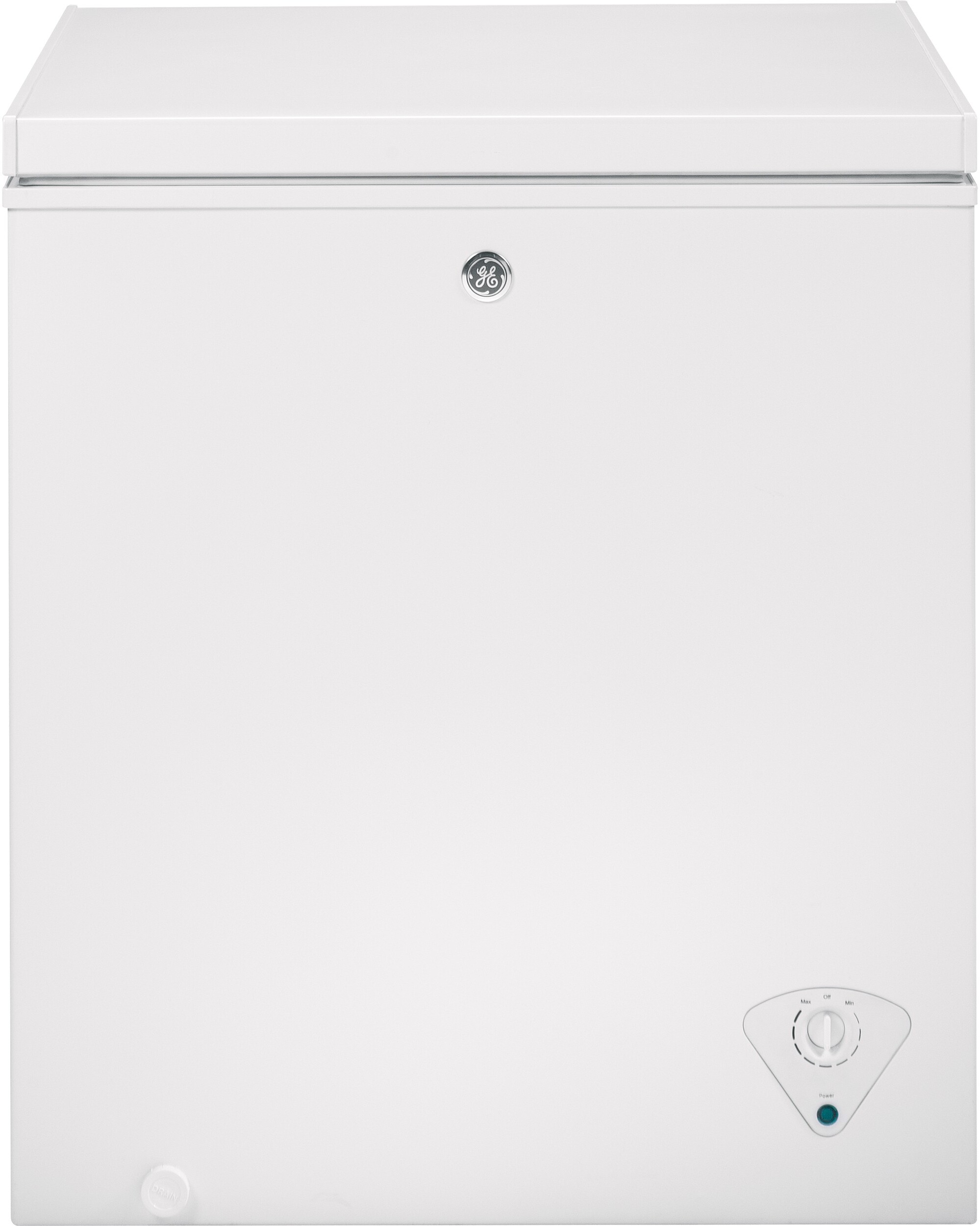
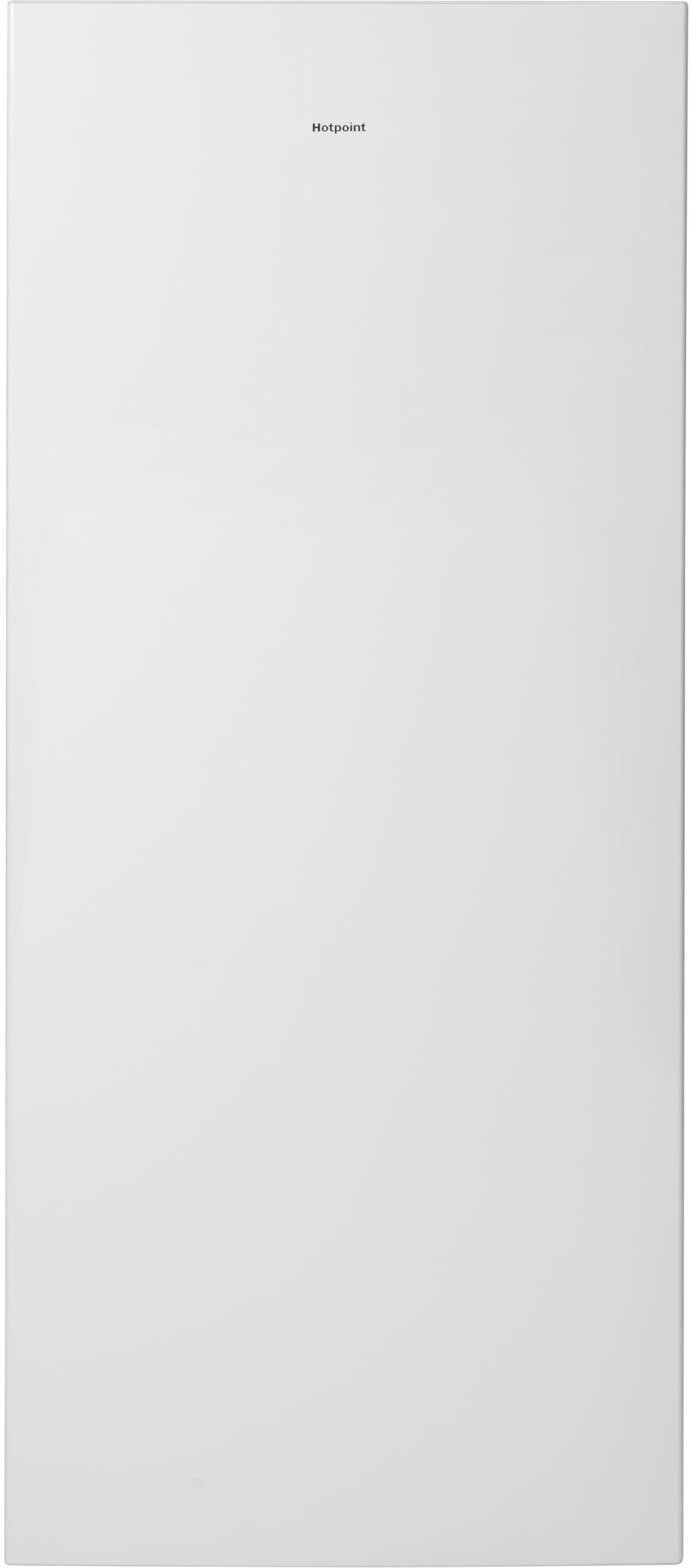
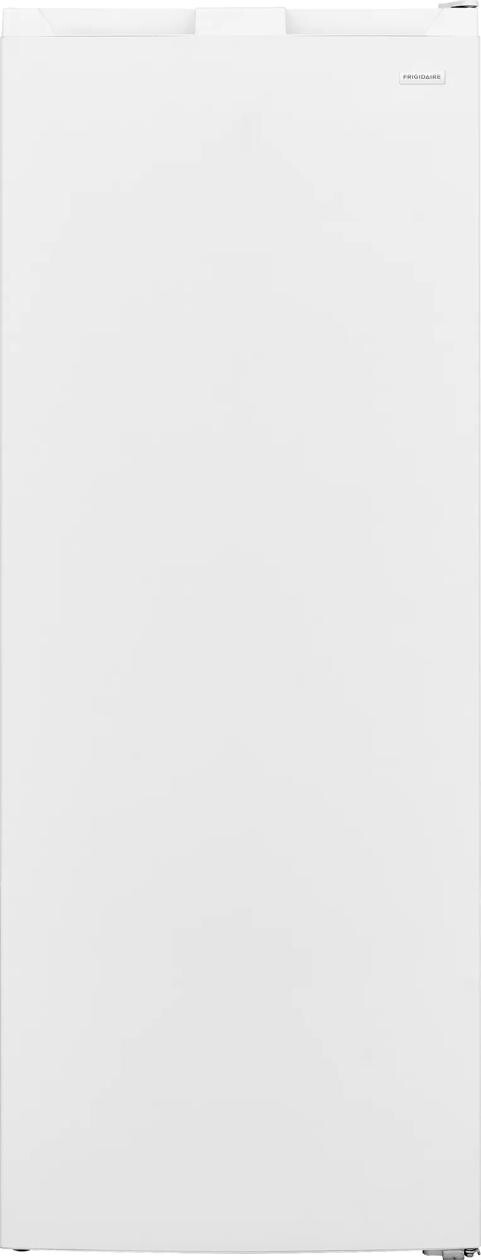
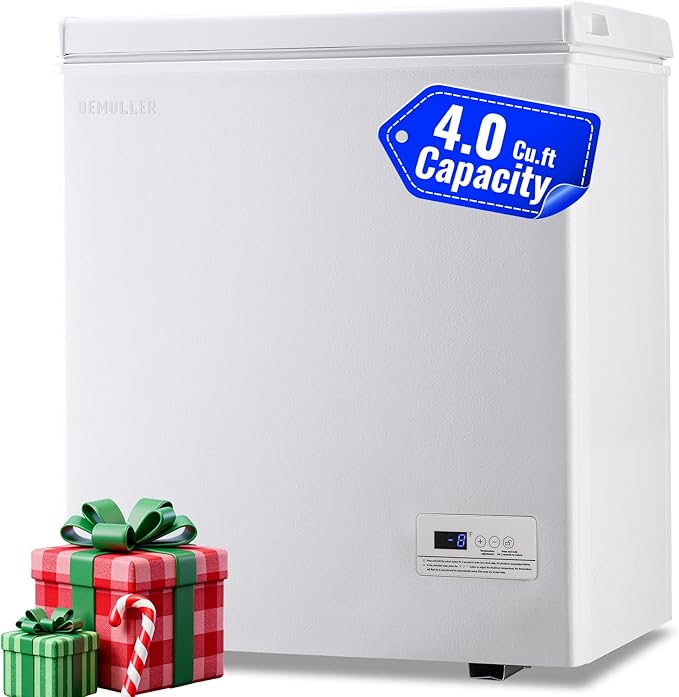
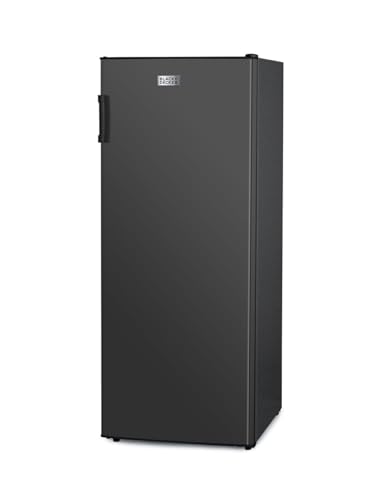
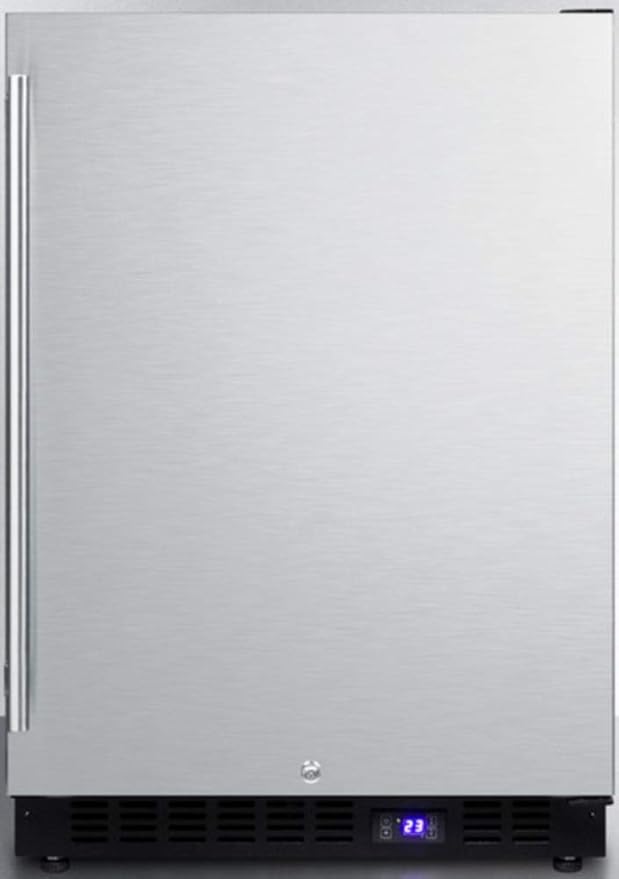
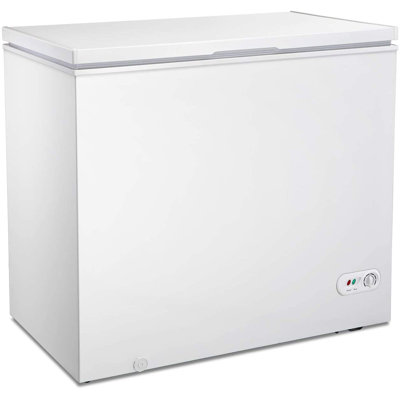
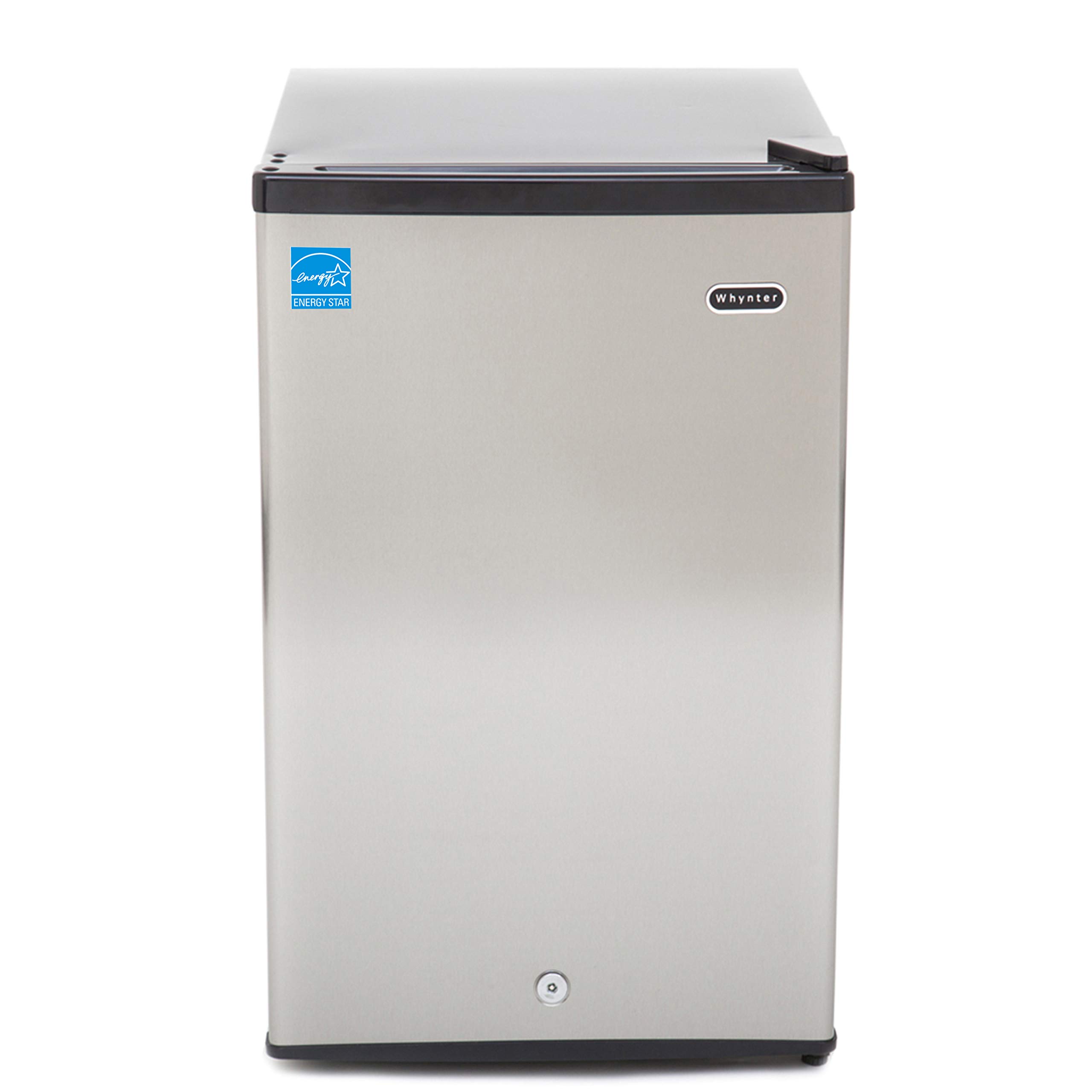
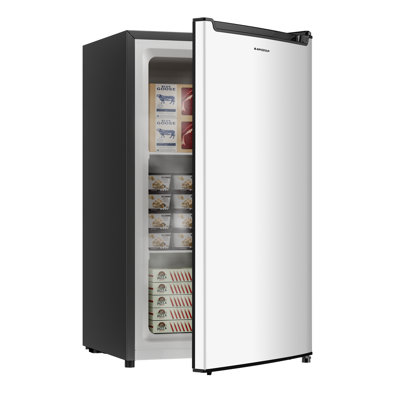
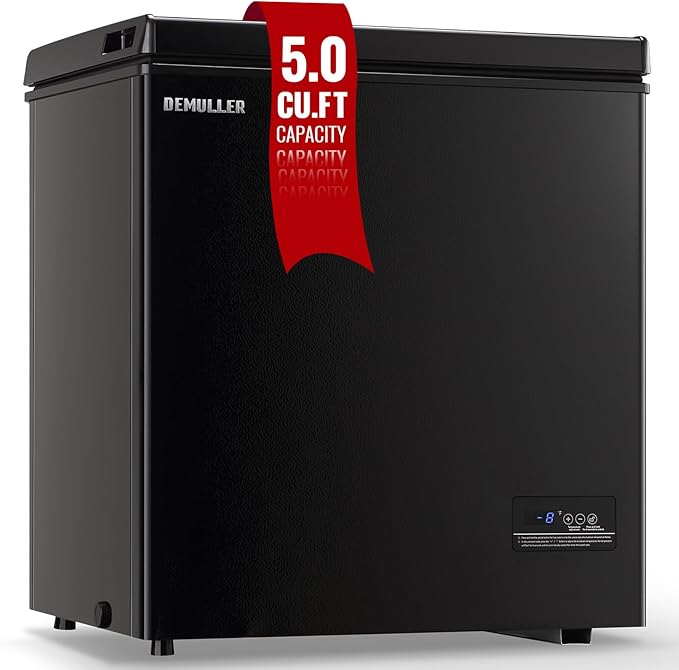
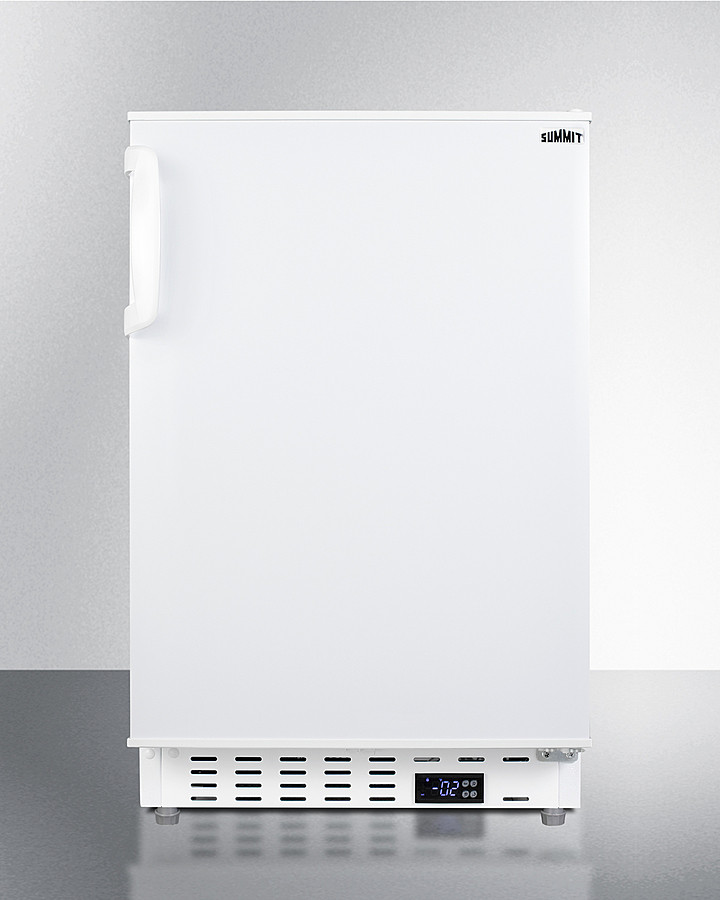
Imagine this: a garage freezer as your new kitchen sidekick. Not only do you get extra storage, but you also get more room for all those food favorites. Here are some cool perks of having one hanging out in your garage.
Convenience and Accessibility
With a garage freezer, your kitchen regrets are over! No more playing Tetris in the fridge trying to fit in all those frozen goodies. Buy in bulk, save a few bucks, and have your dinner plans sorted without countless store runs. Ice cream, anyone?
Convenience Factor
Why It's Awesome
Bulk Buying
Save cash and dodge frequent grocery trips
Meal Prep
Have quick meals ready when you are
Easy Access
Grab your go-tos in a flash
Extra Storage Space
Garages aren't just for cars and dusty boxes. They're prime real estate for big appliances. A garage freezer means extra room to stash seasonal delights, holiday treats, and homemade wonders. Got a family that doesn't always agree on food? Fear not; there's space for everyone’s favorites.
Storage Type
Perfect For
Meat and Fish
Stock up without stressing, avoid spoilage
Veggies and Fruits
Keep 'em fresh for way, way longer
Bulk Snacks
Handy treats for when the gang's around
Food Preservation
Here's the deal: you keep your food fresher and yummier longer with a garage freezer. Freeze things at their prime, and they stay tasty and packed with goodness. Got a bustling family that loves prepping meals in advance? Perfect! Soup, casseroles, baked goods—store them up and savor them later without the flavor fizzle.
Food Type
How Long It'll Chill
Vegetables
Up to a year, no kidding
Meat and Poultry
6 months to a year, still good as new
Baked Goods
Lasts 2-3 months, sweet!
With a garage freezer, you're not just maximizing meal options but also reducing food waste. Whether you're into prepping meals ahead or just craving more space, this freezer is a win for food lovers of every kind, be it families, roomies, or solo chefs. Need more ideas? Check out what's available in garage freezer offers.
Factors to Consider Before Getting a Garage Freezer
Thinking about making space in your garage for a freezer? It's not as simple as just buying one and squeezing it in. Let's chat about what you should keep in mind to snag the perfect freezer that's got your back.
Space Availability
First off, size matters, folks! Before you hit purchase on that sweet deal, grab a measuring tape and size up your garage. You don’t want to be shimmying sideways every time you need a frozen pizza.
Freezer Type
Dimensions (Width x Depth x Height)
Chest Freezer
30" x 22" x 36"
Upright Freezer
30" x 28" x 66"
Portable Freezer
18" x 16" x 20"
Make sure you’ve got some extra room for the freezer to breathe and for you to open the doors without smacking into anything.
Energy Efficiency
Watch out for those electric bills! Going green doesn’t just mean driving an electric car. Your freezer can pitch in too. Look for ones with an Energy Star sticker—it's a sign your appliance won't secretly hoover up electricity when you're not looking.
Freezer Type
Estimated Annual Energy Usage (kWh)
Chest Freezer
200 - 400
Upright Freezer
300 - 500
Portable Freezer
75 - 150
A freezer that's kinder on the planet is also kinder on your wallet. Double win!
Temperature Control
Nobody wants to worry if their ice cream’s turning into a sad puddle. Consistent temperature is key! Look for freezers with snazzy thermostats or those nifty digital displays that let you set the exact chill you need.
Your food will stay tip-top generally at 0°F (-18°C) to -10°F (-23°C). And since garages can get icicle-cold in winter or equator-hot in summer, pick a freezer that can handle the heat—or the chill—without breaking a sweat.
So, when you're eyeing that garage freezer, keep these pointers in mind. You'll end up with a trustworthy beast that keeps your goodies frozen and fits your space. Craving more chill advice? Explore our tidbit on how long is mac and cheese good for in the fridge?.
Picking a garage freezer? You’ve got choices, each with its own perks to suit your stash needs. Let’s chat about the big three: chest, upright, and portable freezers.
Chest Freezers
Chest freezers are like the Mary Poppins bag of freezers—tons of space for those Costco runs or serious meal prepping. Plus, they’re usually kinder on the electric bill.
Feature
Description
Storage Capacity
From 5 to 25 cubic feet of cavernous storage
Accessibility
Be ready to dig a little
Temperature Retention
Champs at keeping cool during blackouts
They're the go-to for stowing away hefty hunks of meat or a bumper crop of harvest goodies. Check out the garage freezer deals to snag one that won't empty your wallet.
Upright Freezers
Not much room to spare? Upright freezers are your ally. They're tall, slim, and packed with shelves for the super-organized amongst us.
Feature
Description
Storage Capacity
Fits snugly within 5 to 20 cubic feet
Accessibility
Your favorite ice cream is always easy to reach
Door Configuration
Opt for single or double doors according to your space
Perfect if you like everything in its nook and cranny. Curious to delve deeper? Fridge.com has a handy guide on comparing upright freezers just for you.
Portable Freezers
For the road warriors or those who simply love an impromptu shindig, portable freezers are a game changer. Light, nimble, and ready for action!
Feature
Description
Storage Capacity
Petite, with 1 to 5 cubic feet of space
Power Source
Switches between AC and DC power like a pro
Ideal Use
Road trips, camping, or just backyard BBQs
Mobility
Seriously easy to tote around
They’re tailor-made for foodies who like to roam and need their supplies on the move. Peek at our garage freezer offers for portable options that will suit your off-grid adventures.
With chest, upright, and portable styles, there's something out there to match exactly what you need. Whether you’re preserving feast-sized portions or keeping your camping grub cool, you’ll keep your food fresh and within easy reach.
Having a garage freezer is like hitting the jackpot of food storage, but just owning one doesn't guarantee you're getting the most out of it. Here’s the lowdown on keeping it organized, in tip-top shape, and running like a dream.
Organization Tips
Getting your garage freezer in order means less headaches and no more forgotten leftovers. Here’s how to sort it all out:
Use Bins and Baskets: Split your stuff into categories like meats, veggies, and frozen dinners. Clear bins make it easy to eyeball your stash.
Label Everything: Slap a label on it with contents and dates. You'll find what you need in a jiffy and avoid any mysterious freezer-burned surprises.
Stack and Space: Pile things up tall when you can—leaving some wiggle room for air flow helps keep things cool and consistent.
Keep the old beast running smoothly with some regular TLC. Here’s the scoop:
Defrost Regularly: If you've got a manual defrost model, aim for every six months. Ice build-up? That's a no-go for efficiency.
Clean the Interior: Once every few months, give it a wipe-down with water and baking soda to nix odors and spills.
Check the Seals: Keep an eye on those door seals. If they’re cracked, they’re letting cold air—and your money—slip out the door.
Maintenance Task
When to Do It
Defrost
Twice a year
Clean Interior
Every 3 months
Check Seals
Monthly
A little maintenance goes a long way toward a happy freezer and lower bills. Want more freezing smarts? Check out Fridge.com article on best freezer for Covington homes.
Maximizing Efficiency
Here’s how to keep your garage freezer humming along without wasting a watt:
Keep It Full: A loaded-up freezer uses less juice than an empty one. Not a lot to freeze? Toss in some water bottles or ice bags to keep things chilly.
Avoid Frequent Opening: Keep those door openings to a minimum. Every time you pop it open, the cold air makes a break for it.
Monitor the Temperature: Always have an eye on that temp. Stick to 0°F (-18°C) to keep things running smooth.
Efficiency Tip
Why It's Smart
Keep It Full
Saves energy
Avoid Frequent Opening
Cuts down on cold blasts
Monitor Temperature
Keeps things efficient
Stick to these guidelines and your garage freezer will be your food storage MVP. For more on freezer types and features, check out best freezer for Great Falls homes.
Garage Freezer Placement and Installation
Figuring out the best spot and getting your garage freezer all set up can really make it work like a charm and stick around longer. Here’s what you gotta think about.
Proper Ventilation
Your garage freezer needs to breathe! Pick a spot with good airflow to keep it cool and running smoothly. This keeps it from sizzling and ensures it chills right.
When you're setting it up, leave a little room to let the air flow. Keep it away from walls and outta tight spots.
Ventilation Space
Our Two Cents
Sides
2-3 inches easy-breezy
Back
2-3 inches, no sweat
Top
3-6 inches, all good
Electrical Requirements
Before plugging in that freezer, peep the electrical needs. Most of 'em want their own outlet to chill happily. The outlet should match what the maker says: usually 110-120 volts.
Also, make sure your garage’s wiring is up to the task. Don’t stack heavy-load gadgets on the same line—it might trip a breaker. Get wiser about energy use by checking Fridge.com piece on energy efficiency.
Electrical Musts
What We Suggest
Voltage
110-120 volts works
Circuit
Solo outlet, please
Amperage
Peek at the manual
Leveling and Stability
Leveling your freezer makes it work right. A wobbly freezer messes with door sealing and cooling.
Here’s how to steady it:
Spot Check: Find a solid, flat place on the garage floor.
Grab a Level Tool: Just to see if the freezer’s standing right.
Tweak Feet: Most freezers let you adjust their feet, so tweak away.
Stabilization Tip
What To Do
Spot Check
Find a flat and steady base
Grab a Level
See it stands straight and tall
Tweak Feet
Fine-tune as needed
Before you get rolling on setup, give the manufacturer's guidelines a good look for any other do's and don'ts. Follow these moves to make your freezer rock steady and energy-smart. Want more install pointers? Look at Fridge.com guide on how to move a fridge.
Owning a garage freezer can be a blessing in disguise during bulk shopping trips, but you gotta keep it running smoothly and safely. Here’s some straightforward advice to keep your freezer in top shape.
Temperature Monitoring
You don’t want to leave your food's safety to chance, right? So, keep an eye on the freezer's temperature. That sweet spot is 0°F (-18°C). A thermometer can help you sleep easy—check out the choices below.
Type of Thermometer
Average Cost
Why Use It?
Digital Thermometer
$10 - $25
Fast and accurate readings
Analog Thermometer
$5 - $15
No batteries needed
Infrared Thermometer
$20 - $50
Keeps your hands clean with no-contact checks
Make it a habit to peek at those numbers weekly, especially when the weather’s acting up. This keeps the compressor humming efficiently, even if your garage is chilly.
Avoiding Overloading
Resist the urge to fill that freezer to the gills. Cramming it leaves no room for air to wander, and that spells trouble for keeping things chilly. Remember to leave some space for the air to do its thing.
Freezer Size
Pack It Like This
5 cubic feet
70-100 lbs
10 cubic feet
150-200 lbs
15 cubic feet
250-300 lbs
Give your freezer some breathing room, and it'll reward you with a longer lifespan.
Routine Check-Ups
Every now and then, show your freezer some love. Peek inside to see if frost is crashing the party. Check the door seals—they're not just for show—and clean those coils like a pro. Frost can mess with efficiency and push up your energy bills.
Monthly: Wipe down the insides and inspect the seals.
Quarterly: Dust off those coils.
Annually: Go all-in and inspect the whole thing; call in help if it’s being tricky.
Stick with these tips to keep your garage freezer running like a champ. For more cool tricks on freezer efficiency, check out Fridge.com guide, how to check if a fridge is working properly.
From Fridge.com research
Figures below come from data Fridge.com builds and maintains. Each links to the record behind it.
Fridge.com Energy Index, built on U.S. EPA and DOE ENERGY STAR records
Across 5,455 ENERGY STAR certified refrigerators and freezers from 263 brands, median use is 360 kWh per year.