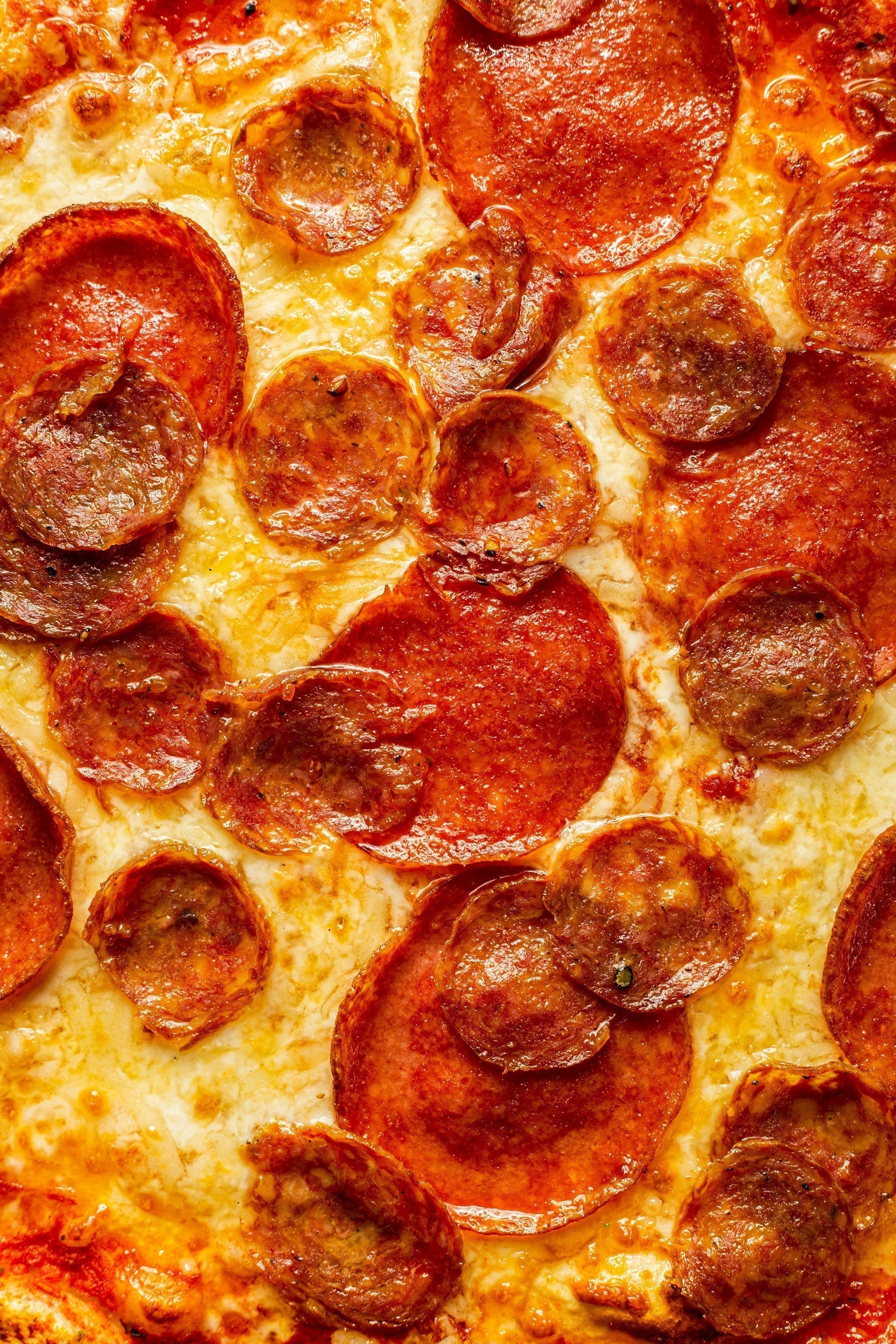
From Fridge To Plate: Salvaging 1 Week Old Pizza
Assessing the Situation
Before transforming your week-old pizza from fridge to plate, it's essential to evaluate both the pizza's condition and safety considerations to ensure a satisfying and safe dining experience.
The State of Your Week-Old Pizza
Assessing the state of your pizza is the first step in the salvage process. Check for any signs of spoilage such as an off-odor, visible mold, or a dried-out appearance. If any of these are present, it's best to discard the pizza. Should your pizza pass the visual and smell test, consider the following aspects to determine its viability:
- Crust condition: Is it hard and stale or still somewhat soft?
- Toppings: Are the vegetables wilted or discolored? Is there any discoloration in the meats?
- Cheese: Has the cheese dried out or changed in texture?
These factors will influence not only safety but also the quality of your reheated pizza.
Safety Considerations
When it comes to food safety, the adage "when in doubt, throw it out" is a prudent guideline. For pizza that has been refrigerated for a week, there are some critical considerations to keep in mind:
- Storage duration: The USDA recommends eating leftover pizza within 3-4 days when stored properly in the refrigerator. A week-old pizza is at the borderline of this recommendation.
- Refrigeration temperature: The refrigerator should be at or below 40°F to slow bacterial growth. Check out our article on unlocking the chill: how cold does your refrigerator really get for more insights on optimal refrigeration temperatures.
If your pizza has been stored correctly and shows no signs of spoilage, you can proceed to the next steps of preparation. For a comprehensive guide on proper pizza storage and the risks associated with prolonged refrigeration, visit prolonging pizza pleasure: the ultimate guide to pizza storage in the fridge.
Preparation for Reheating
Before reheating that week-old pizza from your fridge, proper storage and freshness-retaining techniques are key to ensuring that your slice comes out almost as good as when it was first delivered.
Proper Storage of Leftover Pizza
To maintain the integrity of your leftover pizza, it's crucial to store it correctly. You should transfer the pizza from its cardboard box to an airtight container or wrap it in aluminum foil. This helps to keep out moisture and odors from other foods in your refrigerator. If you've kept your pizza in the freezer, ensure it's tightly sealed to prevent freezer burn. Need a guide on how to freeze pizza? Learn more with our step by step guide on how to freeze pizza.
Tips for Retaining Freshness
Keeping your week-old pizza tasting fresh involves more than just proper storage. Here are some tips to help preserve your pizza's flavor and texture before reheating:
- Refrigeration: Ideally, pizza should be refrigerated within two hours of delivery to prevent bacteria growth. Check out our article on how long can you keep pizza in the fridge for more details.
- Temperature: Keep your refrigerator at the optimal temperature to maintain food safety and freshness. Unsure about your fridge temperature? Read about how cold your refrigerator really gets.
- Humidity: Some refrigerators come with humidity control settings in their drawers. If available, set one drawer to a low humidity level for your pizza storage. Discover the features of modern fridges with our guide on sleek and functional top fridge bottom freezer models.
- Separation: Store your pizza on a shelf away from strong-smelling foods to prevent flavor transfer. Interested in a fridge that offers ample space for such organization? Take a look at the top side by side refrigerators for entertainers.
By following these storage and freshness tips, you'll set yourself up for a more enjoyable experience when you bring your week-old pizza back to life with your chosen reheating method.
Reheating Options
When your week-old pizza has been sitting in the fridge, there are several methods to bring it back to life. The goal is to restore its original flavor and texture as closely as possible. Here, we’ll cover three popular reheating techniques: the oven, skillet, and microwave methods.
Oven Method
Reheating pizza in the oven is widely regarded as the best method to revive the crunch of the crust while keeping the toppings tasty.
- Preheat your oven to 375 degrees Fahrenheit.
- Place the pizza on a baking sheet or directly on the oven rack for a crispier bottom.
- Heat for about 10 minutes or until the cheese is bubbly and the crust reaches your desired level of crispness.
For those looking for more detailed guidance on oven reheating, unlocking the secrets of how long you can keep pizza in the fridge provides additional insights.
Skillet Method
If you want to avoid turning on the oven, the skillet method is a quick and effective alternative for reheating pizza, giving you a crispy crust.
- Heat a skillet over medium-high heat.
- Place the pizza slice in the skillet and cover it with a lid to trap the heat, which helps melt the cheese.
- Reheat for about 5-6 minutes or until the bottom is crispy and the toppings are hot.
For those exploring skillet options or looking to understand the skillet method's benefits, from sizzle to storage: how long does bacon stay fresh in the fridge can be a useful resource.
Microwave Method
The microwave method is the fastest way to reheat pizza, though it may not yield a crispy crust. It's perfect for those in a rush.
- Place the pizza slice on a microwave-safe plate.
- Put a cup of water next to the plate in the microwave. This helps to keep the crust from getting too chewy.
- Microwave on high for about 30 seconds to a minute, depending on the slice's size and the microwave's power.
While it's convenient, the microwave may not always provide the best results for pizza texture. For individuals interested in maximizing their microwave use, the perfect pop of color: red retro refrigerators for your home offers vibrant appliance options.
Each reheating method has its own set of advantages. Whether you prefer the oven's even heat, the skillet's quick crispiness, or the microwave's rapid warmth, your week-old pizza can be salvaged with a little know-how. Remember, the key to a successful reheating process starts with how the pizza was initially stored. Refer to our guide on prolonging pizza pleasure: the ultimate guide to pizza storage in the fridge for tips on proper pizza preservation.
Enhancing Flavor
Breathing new life into a week-old pizza stored in your fridge can be a delightful culinary adventure. By adding fresh ingredients and experimenting with seasonings, you can enhance the flavor and enjoy a slice that tastes as good as it did on the first day.
Adding Fresh Ingredients
Fresh ingredients can make a substantial difference in the taste of your salvaged pizza. Consider topping your slice with fresh vegetables, like bell peppers, onions, or spinach, to add a crunch and nutritional boost. If you're a meat lover, a few slices of pepperoni or cooked sausage can elevate the flavor profile. For those who enjoy a bit of zest, sprinkling chopped herbs such as basil, oregano, or parsley can infuse your pizza with a garden-fresh aroma.
Here's a quick guide to some popular fresh toppings to consider:
| Topping | Flavor Profile | Benefits |
|---|---|---|
| Bell Peppers | Sweet and tangy | Adds crunch and vitamins |
| Red Onions | Mild and slightly sweet | Contributes texture and antioxidants |
| Spinach | Earthy | Provides iron and fiber |
| Fresh Basil | Sweet and peppery | Offers a fresh aroma and antioxidants |
To ensure the best result, scatter your chosen toppings evenly across the pizza before reheating. This will help in achieving an even distribution of flavor. For more ideas on how to keep your ingredients at their best, take a peek at our article on maximizing freshness extending the lifespan of cucumbers in the fridge.
Experimenting with Seasonings
In addition to fresh ingredients, introducing a variety of seasonings can significantly enhance the flavor of your week-old pizza. A dash of garlic powder, crushed red pepper, or even a sprinkle of Parmesan cheese can add dimension and warmth to each bite.
Here's a list of seasonings to consider:
- Garlic powder for a robust flavor
- Crushed red pepper for a spicy kick
- Italian seasoning for a classic touch
- A sprinkle of Parmesan for a cheesy depth
- A pinch of salt to intensify all other flavors
When experimenting with seasonings, start with a light hand and adjust to your taste preference. It's easier to add more seasoning than to correct an overly spiced pizza. For those looking for a new fridge or freezer, check out our collection at Fridge.com.
Remember, the key to reviving your pizza lies in a balance of flavors. With a little creativity and a sprinkle of this or that, your pizza from the fridge can be transformed into a dish that pleases your palate all over again. If you're curious about the lifespan of other foods in your fridge, such as cooked pizza, explore our comprehensive guide on prolonging pizza pleasure the ultimate guide to pizza storage in the fridge.
Crisping It Up
After reheating, your week-old pizza may need some extra help to recapture that freshly baked crunch. Here are two methods to help you crisp up your slice to perfection.
Using a Pizza Stone
A pizza stone can be your best ally in reviving the crunch of your pizza's crust. The stone's porous surface absorbs moisture from the dough, ensuring a crispy bottom. Here’s how to use one:
- Place the pizza stone in a cold oven.
- Preheat the oven to 500°F (260°C) with the stone inside.
- Once heated, carefully place your pizza slice on the stone using a pizza peel or similar tool.
- Bake for about 5 minutes, but keep an eye on it — the high heat works quickly!
| Step | Temperature | Time |
|---|---|---|
| Preheat Oven | 500°F (260°C) | Until oven reaches temperature |
| Bake Pizza | 500°F (260°C) | 5 minutes |
Remember, for more information on storing your pizza properly to maintain its freshness, take a look at our comprehensive guide on prolonging pizza pleasure.
Trying the Air Fryer
The air fryer, known for its ability to crisp up foods without excessive oil, is also effective for giving pizza a crunchy edge. Follow these steps:
- Preheat your air fryer to 375°F (190°C).
- Place the pizza slice in the air fryer basket, ensuring it is spaced evenly.
- Set the timer for about 7 minutes, or until the crust is crispy and the cheese is bubbling.
| Step | Temperature | Time |
|---|---|---|
| Preheat Air Fryer | 375°F (190°C) | Preheat time varies by model |
| Cook Pizza | 375°F (190°C) | 7 minutes |
Be mindful that air fryers vary in power and performance, so you might need to adjust the time and temperature accordingly. By using a pizza stone or an air fryer, you can enjoy a slice that’s as enjoyable as when it first came out of the oven. And for those moments when you're dealing with other leftovers, explore our insights on the chilled truth about various foods, and learn to keep every meal as fresh and delicious as possible.
Serving and Presentation
Once you've successfully reheated your week-old pizza and potentially enhanced its flavors, it's time to focus on the presentation and what dishes could complement your meal to create a more enjoyable dining experience.
Plating Suggestions
The visual appeal of your plate can significantly influence the overall enjoyment of your meal. For serving, consider a warm plate to help maintain the temperature of the pizza. You can cut your pizza into traditional triangles or opt for smaller squares to facilitate easier sharing or portion control.
Arranging your pizza slices in a circular pattern around the plate with a dipping sauce or garnish in the center can make the meal more inviting. A light sprinkle of fresh herbs, such as basil or oregano, adds color and a hint of freshness that can enhance the visual appeal of your dish. For more plating techniques, explore our article on the perfect pop of color with red retro refrigerators for your home to get creative ideas on how to serve food stylishly with vintage elements.
Pairing with Complementary Dishes
To turn your pizza into a well-rounded meal, consider pairing it with side dishes that will complement its flavors and textures. A simple green salad dressed with a vinaigrette can add a fresh, crisp contrast to the richness of the pizza. For a heartier companion, try a bowl of minestrone soup or a plate of antipasto with a variety of Italian cold cuts, cheeses, and olives.
If you're looking to keep the meal casual, garlic breadsticks or a cheesy garlic bread can be a delightful addition. To balance the meal, include a vegetable side such as roasted vegetables or a caprese salad with ripe tomatoes, fresh mozzarella, and basil.
For beverage pairings, a glass of Italian soda, a light beer, or a glass of red or white wine that complements the pizza's toppings can elevate the dining experience. And, if you're interested in learning more about how to store these beverages properly in your fridge, check out unlocking the chill: how cold does your refrigerator really get.
Presentation and pairing are essential components of the culinary experience. With a little thought and creativity, you can transform reheated pizza into an enjoyable and visually appealing meal. Remember, the key to a memorable dish is not just in the taste but also in how it's served and what it's served with.
Final Touches
Once your pizza has been carefully reheated and is bursting with revived flavors, it's time to give it the finishing touches that will transform it from a simple leftover to a delightful meal.
Garnishing Ideas
Adding fresh garnishes can significantly elevate the taste and visual appeal of your pizza. Consider sprinkling some fresh herbs like basil, oregano, or parsley for an aromatic touch. If you enjoy a bit of spice, a dash of red pepper flakes can add a nice kick. For those who love a tangy finish, a drizzle of balsamic glaze could be the perfect addition.
Here are some garnishing options to consider:
- Fresh herbs: basil, oregano, parsley
- Spices: red pepper flakes, freshly ground black pepper
- Cheeses: shavings of Parmesan, crumbled feta
- Sauces: balsamic glaze, pesto drizzle
- Fresh vegetables: arugula, cherry tomatoes
These garnishes not only enhance the flavor but also add a pop of color to your plate, making the meal more appetizing.
Enjoying Your Salvaged Pizza
With your pizza now hot, flavorful, and garnished to perfection, it's time to savor the fruits of your labor. Slice it up, plate it beautifully, and perhaps pair it with a side salad or your favorite beverage for a complete dining experience. Remember, the joy of food lies not only in taste but also in presentation and the satisfaction of turning something ordinary into extraordinary.
As you enjoy your meal, think about how you've successfully extended the life of your food, reducing waste and making the most out of your resources. For future reference, you might want to explore articles on optimizing food storage, such as prolonging pizza pleasure: the ultimate guide to pizza storage in the fridge or unlocking the secrets: how long can you keep pizza in the fridge.
Enjoy every bite, knowing that you've given new life to your week-old pizza, making it just as enjoyable, if not more, as when it was first delivered to your doorstep.