Importance of Properly Storing Cooked Chicken in the Fridge
Chicken leftovers calling your name? Before you indulge again, think fridge—your trusty sidekick in keeping those leftovers just as tasty as day one. We're talking about the right way to stash cooked chicken. Do it right and you not only save that awesome taste but also dodge the bacteria bullet. Set your fridge temp just below 40°F (or in Celcius, 4°C). That’s the sweet spot, where bacteria take a chill pill and your chicken stays safe to eat.
Storage Temp
What It Means For Your Chicken
Below 40°F (4°C)
You're in the safe zone!
Above 40°F (4°C)
Cue the bacteria parade!
Seal your chicken in airtight containers. No one likes spoiled, flavor-zapped food, right?
Understanding Food Safety Guidelines
Cracking the food safety code is a must for anyone running a kitchen. According to the USDA, our good pals in food safety, you gotta refrigerate that cooked chicken within two hours of cooking. But if you’re sweltering at 90°F (32°C) or more, chop that time down to one hour.
Want to keep tabs on freshness? Slap a date on those containers! Here's your cheat sheet for chicken shelf life in the fridge:
Type O' Chicken
How Long It's Good For
Whole cooked chicken
3-4 days
Cooked chicken pieces
3-4 days
Chicken salad (with mayo)
3-5 days
Stick to these rules, and your chicken stays edible and reduces wasted food. Need more cool fridge hacks or tasty tips? Swing by Fridge.com page on popular student fridge meals for snacks.
Stay sharp with these simple tips to make sure your chicken stays yum and your family stays healthy!
Keeping your cooked chicken fresh ain't just a good idea, it's a must-do for safety and taste. Below, you'll find useful nuggets on how long to keep it, where to stash it, and what to store it in to make sure it stays as good as mom's Sunday dinner.
Timeframe for Keeping Cooked Chicken in the Fridge
Got leftover chicken? You don’t want it overstaying its welcome in there. It’s good to munch on for a few days, but here's a simple guide so you keep it yummy and safe:
Food Item
How Long It's Good For
Cooked Chicken
3 to 4 days
Chicken with Gravy
3 to 4 days
Chicken Salad
3 to 5 days
Missed that window? Toss it in the freezer and you’re golden. Need fridge ideas? Peek at popular mom-friendly fridges.
Proper Storage Containers for Cooked Chicken
The container you use is like picking your wingman – it matters. Here’s the deal on storage choices that keep your chicken from turning funkier than it should:
Airtight Containers: Seal it up tight. Keeps it juicy and stops fridge smells from crashing your chicken party.
Glass Beats Plastic: Glass is the good stuff for storing and warming up. If you’re using plastic, make sure it’s the safe-for-microwave, no-nasty-chemicals type.
Vacuum Seal Bags: For the long haul, they work wonders at keeping the air out and the nutrition in.
For more cool tips on keeping food fresh longer, see how to store different foods right.
The Ideal Placement of Cooked Chicken in Your Fridge
Where you park your chicken matters. To keep it fresh, here’s where it should call home in your fridge:
Middle Shelf Magic: Chill it on the middle shelves. They keep things at a steady chill and make it last.
Skip the Door: The door is like rush hour. Too much opening and closing messes with the cool.
Far from Raw: Keep it away from anything raw to dodge any nastiness crossing over.
Trying to get your fridge space working better for you? Get more tips on organizing your fridge.
So, you've got some cooked chicken lounging in your fridge? Well, it's smart to do a little check now and then to make sure it's still fit to eat. Here's your go-to guide for spotting if your bird's gone bad.
Signs of Spoilage in Cooked Chicken
Cooked chicken might hang in there for a bit, but you gotta be sharp to catch when things ain't right. Here's what to keep an eye on:
Sign of Spoilage
Description
Change in Color
If it looks gray or has weird spots, give it the boot.
Unpleasant Odor
Fresh chicken ain't supposed to wear perfume. If it reeks, it's time for the trash.
Slimy Texture
Feel like something's slippin' and slidin' when you touch it? Ditch it.
Mold Growth
If it’s got fuzzy bits growing, don't think twice. Toss it out.
Sniff Test: How to Determine if Your Chicken Has Gone Bad
The sniff test is your quick and dirty way to check. Here's the lowdown:
Get Close: Don't be shy—get your nose in there.
Take a Deep Breath: Give it a real whiff. Is it stinkin' or what?
Listen to Your Gut: If your nose says "no way," trust it. Chuck it.
Keep up with these check-ins so your chicken stays super safe to eat. Hungry for more? You can check out how long you can keep waffle batter in the fridge or dig into other leftover tales that save food and cash.
Keeping those extra bites of your favorite chicken dish for later doesn't just save you time; it makes your taste buds do a happy dance when reheated right. Here's how you can relive that deliciousness without worrying about any tummy troubles.
Safely Reheating Refrigerated Cooked Chicken
The trick to fantastic reheated chicken lies in the method. Make sure it's nice and tasty, keeping the juiciness intact. Here’s how to do it like a pro:
Method
Details
Recommended Time
Microwave
Pop that chicken in a microwave-safe bowl. Cover up with a lid or wrap safe for nuking. Zap in short bursts, stir it like you mean it.
2-3 minutes
Oven
Fire up your oven to 350°F (175°C). Wrap chicken snugly in foil to keep it juicy. Warm until you’re happy with it.
15-20 minutes
Stovetop
Splash a bit of broth or water in a pan. Keep it low and slow on medium heat, lid on to trap steam.
5-10 minutes
Air Fryer
Turn it up to 350°F (175°C). Lay chicken flat in the basket. Cook till it’s piping hot.
5-10 minutes
You want that meat to hit 165°F (74°C) in the middle. Grab an instant-read thermometer—it’s your trusty sidekick for this.
Creative Ways to Use Leftover Cooked Chicken
Got leftovers? Good news, you’re about to get fancy with those. Here’s how you can turn them into new, scrumptious dishes:
Chicken Salad: It's easy-peasy—just shred the chicken, mix it with Greek yogurt, mustard, some crunchy celery, and pop in a few grapes for that sweet twist.
Chicken Quesadillas: Grab some tortillas, stuff them with chicken, cheese, and veggies. Cook till it’s all melty and golden yum.
Chicken Soup: Let chicken swim in some tasty broth with sliced veggies and spices for a hug in a bowl.
Chicken Fried Rice: Mix diced chicken with rice, peas, carrots, and soy sauce in a pan. Quick, easy, and everyone’s favorite.
Chicken Tacos: Load taco shells with chicken, avocado, salsa, and cheese. Goodbye hunger, hello fiesta!
These leftover hacks are not just about saving food. They turn your leftovers into flavor explosions! For more on spicing up your meals, swing by Fridge.com piece on popular student fridge meals for snacks. It’s all about jazzing up your dinner game without breaking a sweat.
Organizing Your Fridge
Keeping your fridge tidy can make life way easier, especially when you've got cooked chicken to store. Let's dive into some down-to-earth tips that'll set you on the right track.
Tips for Maintaining an Organized Fridge
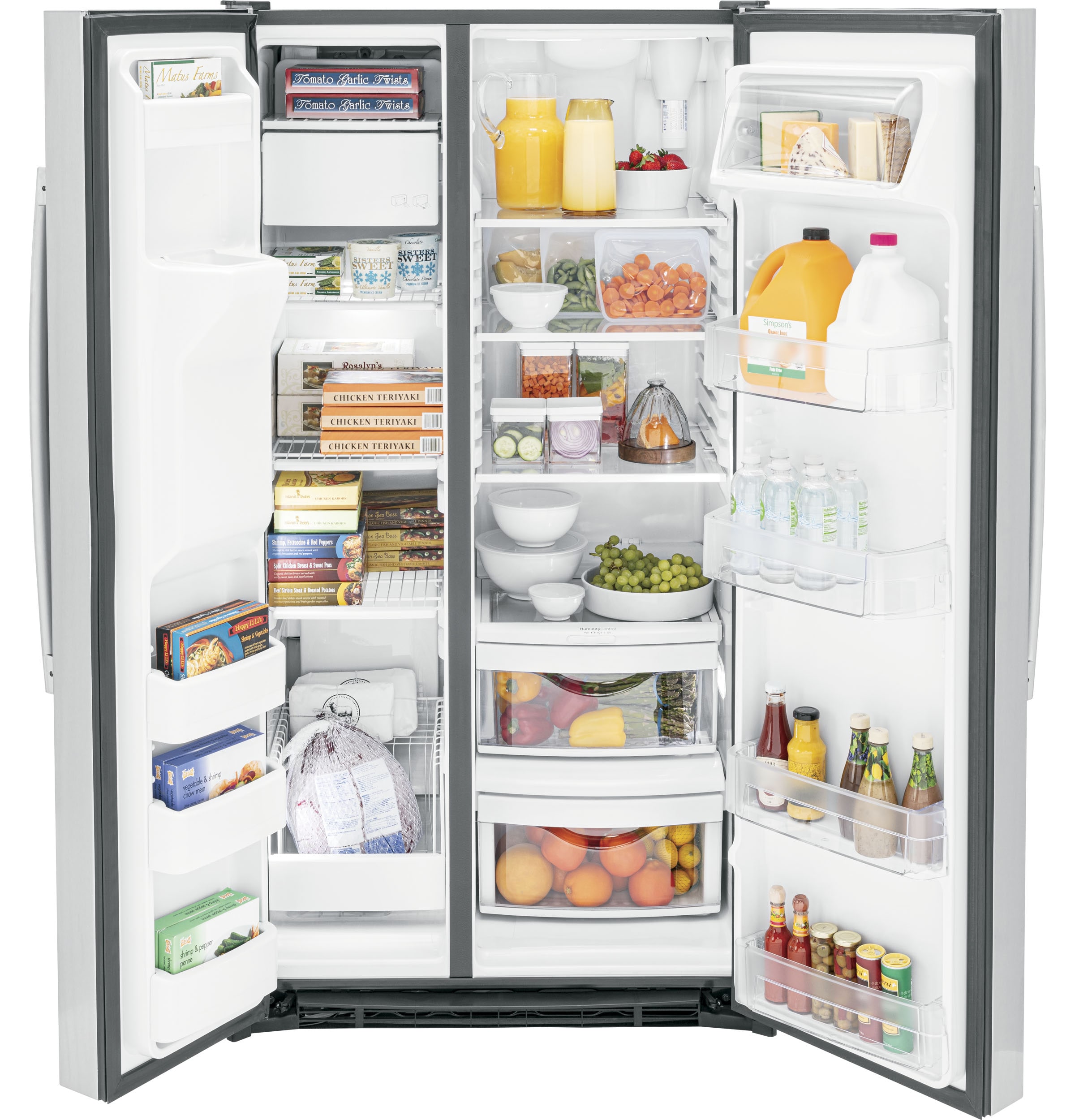
Keep Similar Stuff Together: It's like dinner buddies reunite! Put all dairy with dairy, meats with meats, veggies with veggies. Trust me, this makes grabbing what you need as easy as pie.
Label Your Stuff: Grab those see-through containers and slap a label on 'em with what’s inside and when you put it there. This way, you won’t have any mystery morsels lurking in the back like last night’s chicken for instance.
First Come, First Serve: Pop the older goodies up front and the newbies in the back. Keeps things fresh and reduces the risk of throwing stuff away—money saved, right?
Keep an Eye on Dates: Make it a routine to scan your fridge and toss anything past its prime. Fresh fridge, happy tummy!
Fit it Right: Tweak those shelves to fit your stuff. Want more room? Adjust to make your containers fit like a glove.
Utilizing Proper Storage Practices for Various Foods
Different foods need a different touch to stay fresh and tasty. Here’s a handy chart to guide you through:
Food Item
Storage Tips
Recommended Container
Cooked Chicken
Chill out in the main area, use within 3-4 days.
Airtight container
Vegetables
Home sweet home in crisper drawers; rinse before use.
Breathable bags or bins
Fresh Fruits
Keep 'em apart from veggies to keep them fresh.
Open bowls or bins
Dairy Products
Middle shelves rock, with a steady temperature.
Original packaging or airtight
Condiments
Easy reach in the door.
Original containers
Keep things neat, and you'll always be ready for whatever mealtime brings. For more neat ideas, peep Fridge.com piece on cheap mini refrigerator to snag budget-friendly storage ideas!
Hey, keeping your fridge in good nick is really important for making sure your goodies, like cooked chicken, stay fresh and safe. No one likes funky smells or spoiled food! So here’s a quick guide to help keep your fridge happy and healthy.
Regularly Cleaning Your Fridge
Keeping your fridge spick-and-span isn't just for show – it keeps your food safe and fresh. Try to give the fridge a good clean once a month. Here's how to do it without losing your mind:
Empty Everything Out: Yes, all of it. This gives you space to reach every corner.
Gentle Cleaning Mix: Warm water and mild soap, or get fancy with a vinegar-water combo.
Wipe Every Inch: Shelves, walls, and drawers – give them all a good scrub. Sticky spills are your enemy.
Check for Expirations: Toss anything that’s past its prime – even those sketchy condiments.
Restock Smarter: Put everything back, organized by type, so grabbing a snack is a breeze.
A cleaning schedule or checklist isn't a bad idea, honestly – helps you remember when things need doing.
Cleaning Task
How Often?
Deep Clean
Monthly
Quick Tidy-Up
Weekly
Expiration Check
Weekly
Temperature Control and Maintenance for Food Safety
Getting the temperature right is massive when it comes to keeping your food safe. Your fridge should be chilling between 32°F and 40°F (0°C to 4°C). Too warm, and you’re inviting unwanted guests like bacteria.
Here's how to keep things cool:
Grab a Thermometer: Pop it in the fridge to see the temperature at a glance.
Don't Cram It Full: Let the air flow so your food stays cool. Stuffing it full can mess with this.
Mind the Door: Keep fridge raiding brief to stop the temperature from jumping up.
Regular Check-Ups: Check those door seals for gaps and change them if needed. Dive into more tips with Fridge.com piece on what temperature should a fridge be?.
By keeping these little nuggets of wisdom in mind, your fridge will stay sorted, safe, and ready to impress anyone who peeks in!
Free tool
Kitchen Timer
Free interactive tool from Fridge.com — get a quick answer while you read.