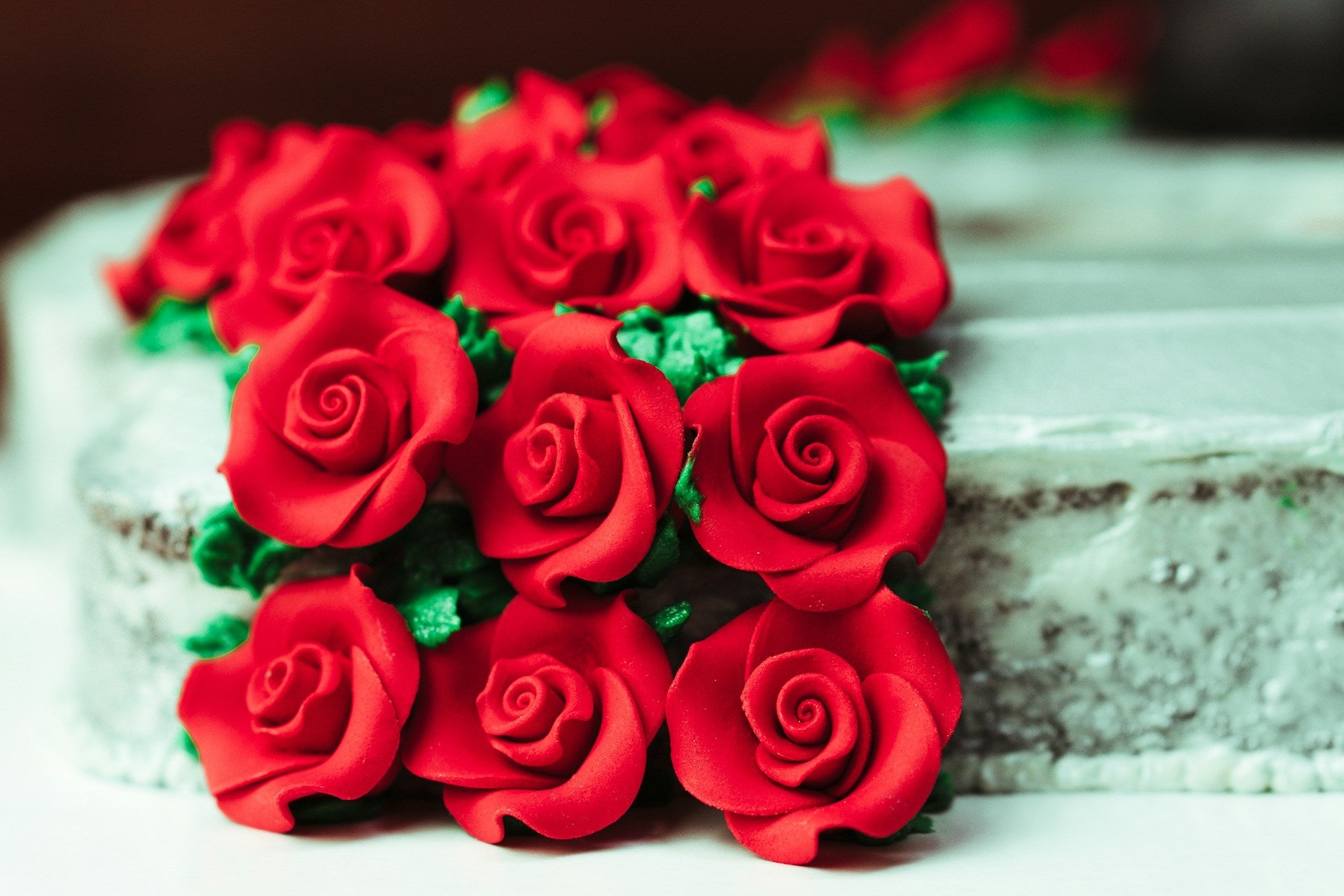
Storing Frosting: To Chill or Not to Chill
Proper storage of frosting is crucial to maintaining its taste, texture, and overall quality. Understanding the importance of frosting storage and the factors to consider can help you decide whether to refrigerate your frosting or not.
Importance of Proper Frosting Storage
Storing frosting correctly ensures that it remains fresh and safe to eat. Proper storage can prevent spoilage, maintain the desired consistency, and prolong the shelf life of your frosting. Whether you are storing homemade or store-bought frosting, knowing the best practices for storage is essential for preserving its quality.
Factors to Consider
When deciding whether to refrigerate frosting, several factors come into play:
-
Ingredients: The ingredients used in your frosting can significantly impact its storage requirements. Frostings made with dairy products like cream cheese or heavy cream typically need refrigeration to prevent spoilage. On the other hand, frosting made with butter or shortening may be more stable at room temperature.
-
Duration: Consider how long you plan to store the frosting. If you need to store it for more than a few days, refrigeration is often the better option. For short-term storage, keeping the frosting at room temperature may suffice.
-
Temperature and Humidity: The ambient temperature and humidity levels in your kitchen can affect the frosting's stability. High temperatures and humidity can cause frosting to melt or become overly soft, making refrigeration a better choice in such conditions.
-
Type of Frosting: Different types of frosting have varying storage needs. For example, buttercream, cream cheese, and whipped cream frosting each have unique properties that influence their storage requirements.
-
Food Safety: Ensuring food safety is paramount. Refrigerating frosting that contains perishable ingredients helps prevent the growth of bacteria and other pathogens, reducing the risk of foodborne illnesses.
| Factor | Impact on Storage |
|---|---|
| Ingredients | Dairy-based frostings need refrigeration |
| Duration | Longer storage requires refrigeration |
| Temperature | High temperatures favor refrigeration |
| Type of Frosting | Different types have unique needs |
| Food Safety | Refrigeration prevents bacterial growth |
Understanding these factors can help you make an informed decision about whether to store your frosting in the fridge or at room temperature. For more tips on food storage, check out our article on how long can you eat tuna in the fridge?.
For further guidance on proper fridge maintenance, you might find our articles on standard fridge size and best fridge for national bakewell tart day useful.
Does Frosting Go in the Fridge?
Pros and Cons of Refrigerating Frosting
Refrigerating frosting can have both advantages and disadvantages. Understanding these can help you decide the best way to store your frosting.
Pros:
- Extended Shelf Life: Keeping frosting in the fridge can prolong its freshness, preventing spoilage and bacterial growth.
- Stability: Refrigeration can help maintain the frosting's consistency, making it less likely to melt, especially in warmer climates.
- Safety: Storing frosting in the fridge is generally safer, especially for frostings containing perishable ingredients like dairy or eggs.
Cons:
- Texture Changes: Refrigerating frosting can sometimes alter its texture, making it stiffer and less spreadable.
- Flavor Impact: Prolonged refrigeration can sometimes dull the flavor of the frosting.
- Preparation Time: Frosting may require time to come back to room temperature before use, adding an extra step in your preparation process.
Impact on Frosting Texture and Shelf Life
The texture and shelf life of frosting can be significantly affected by refrigeration.
Texture:
- Stiffness: Cold temperatures can make frosting stiff and challenging to spread. To remedy this, you can allow the frosting to sit at room temperature for a while before using it.
- Smoothness: Some types of frosting may become grainy or lose their smooth texture when refrigerated and then brought back to room temperature.
Shelf Life:
| Frosting Type | Room Temperature | Refrigerated |
|---|---|---|
| Buttercream | 2-3 days | 1-2 weeks |
| Cream Cheese | 2 hours | 1-2 weeks |
| Ganache | 2 days | 1 week |
Refrigerating frosting can generally extend its shelf life, making it last longer than if left at room temperature.
For more detailed guidelines on frosting storage, refer to our section on standard fridge size and best counter depth refrigerator for a dorm.
By weighing the pros and cons, you can make an informed decision on whether to refrigerate your frosting. For additional tips on maintaining frosting freshness, read our article on how long can protein bars last in the fridge?.
Room Temperature Vs. Refrigeration
When it comes to storing frosting, the choice between room temperature and refrigeration can significantly impact its quality and longevity. Let's explore the effects of each storage method.
Effects of Room Temperature Storage
Storing frosting at room temperature can be convenient, especially if you plan to use it within a short period. However, this method has its pros and cons.
| Factor | Room Temperature Storage |
|---|---|
| Texture | Often remains soft and spreadable. |
| Shelf Life | Shorter, typically lasting 2-3 days. |
| Flavor | Generally maintains its intended flavor. |
| Safety | Risk of bacterial growth if left out too long. |
Room temperature storage works well for certain types of frosting, such as those made with butter or shortening. However, it's important to avoid leaving frosting out for extended periods, especially in warm or humid conditions, to prevent spoilage. For more on storing frosting safely, see our best practices for frosting storage.
Benefits of Refrigerating Frosting
Refrigerating frosting can help extend its shelf life and maintain its quality. Here are some benefits of this storage method:
| Factor | Refrigeration |
|---|---|
| Texture | May become firmer, requiring re-whipping. |
| Shelf Life | Longer, typically lasting up to 2 weeks. |
| Flavor | Can slightly alter, but generally remains good. |
| Safety | Reduced risk of bacterial growth. |
Refrigeration is particularly beneficial for frostings that contain perishable ingredients like cream cheese or whipped cream. The cooler temperature helps preserve freshness and prevents spoilage. For tips on how to properly refrigerate frosting, see our refrigerator storage solutions.
Understanding the differences between room temperature and refrigeration storage can help you make an informed decision about how to best store your frosting. Whether you opt for the convenience of room temperature or the extended shelf life provided by refrigeration, proper storage practices are key to maintaining the quality and safety of your frosting. For more information on fridge-related topics, check out our articles on standard fridge size and best fridge for national tapioca pudding day.
Best Practices for Frosting Storage
Proper storage of frosting is essential to maintain its quality and freshness. Here are some guidelines and tips to help you store frosting effectively.
Guidelines for Storing Frosting
- Temperature Control: Store frosting in an airtight container to prevent it from drying out. If you need to keep it for an extended period, refrigeration is advisable.
- Refrigeration: For most types of frosting, refrigeration can extend their shelf life. Typically, buttercream and cream cheese frostings should be refrigerated if not used within a day.
- Freezing: Frosting can also be frozen for longer storage. Place it in a freezer-safe container, and it can last for up to three months. Thaw in the fridge before use.
- Labeling: Always label the container with the type of frosting and the date of storage to keep track of freshness.
| Frosting Type | Room Temperature Storage | Refrigerated Storage | Frozen Storage |
|---|---|---|---|
| Buttercream | 1-2 days | 1-2 weeks | 2-3 months |
| Cream Cheese | 1 day | 1-2 weeks | 2-3 months |
| Whipped Cream | 1 day | 1 week | 1-2 months |
| Ganache | 2 days | 1-2 weeks | 2-3 months |
Tips for Maintaining Frosting Freshness
- Avoid Cross-Contamination: Use clean utensils to scoop frosting from the container to prevent bacterial growth.
- Consistent Temperature: Maintain a consistent temperature in your fridge to ensure the frosting remains stable. Check out our article on standard fridge size for more insights.
- Proper Sealing: Ensure that the container's lid is tightly sealed to avoid exposure to air and moisture, which can affect the texture and taste of the frosting.
- Re-Mixing: Before using refrigerated or thawed frosting, give it a good stir to restore its consistency and smoothness.
By following these best practices, you can ensure that your frosting stays fresh and delicious. For more tips on refrigeration and storage, visit our articles on how long can you eat tuna in the fridge? and how long can poultry stay in the fridge?.
Frosting Storage Solutions
Refrigerator Storage
Storing frosting in the refrigerator can be an effective way to maintain its freshness and extend its shelf life. Refrigeration is particularly beneficial for frostings that contain perishable ingredients such as cream cheese, butter, or milk. Here are the key points to consider:
| Frosting Type | Refrigeration Required | Shelf Life (Days) |
|---|---|---|
| Buttercream | Optional | 7-10 |
| Cream Cheese | Required | 5-7 |
| Whipped Cream | Required | 1-2 |
| Royal Icing | Optional | 2-3 |
Refrigerating frosting helps prevent bacterial growth and keeps it safe for consumption. However, it's important to note that refrigeration can affect the texture of the frosting, making it firmer. Before using refrigerated frosting, allow it to come to room temperature and give it a good stir to restore its consistency.
For more information on refrigerator sizes and options, check out our article on standard fridge size.
Alternative Storage Options
If you prefer not to refrigerate your frosting or if your frosting type doesn't require it, there are alternative storage options to consider:
-
Room Temperature Storage: Frostings such as buttercream and royal icing can be stored at room temperature for short periods. Ensure they are kept in an airtight container to prevent drying out.
-
Freezer Storage: For long-term storage, you can freeze frosting. Place the frosting in a freezer-safe container, leaving some space for expansion. Frosting can typically be frozen for up to 3 months. Thaw it in the refrigerator overnight before use, and then bring it to room temperature and stir well.
-
Cool, Dry Place: Store frosting in a cool, dry place away from direct sunlight and heat sources to maintain its quality.
| Storage Method | Suitable Frosting Types | Storage Duration |
|---|---|---|
| Room Temperature | Buttercream, Royal Icing | 2-3 days |
| Freezer | All Types | Up to 3 months |
| Cool, Dry Place | Buttercream, Royal Icing | 2-3 days |
By following these alternative storage options, you can keep your frosting fresh and ready to use for any occasion. For more tips on food storage, read our article on how long can chia pudding last in the fridge.
Understanding the best storage practices for frosting ensures that your sweet creations remain delicious and safe to eat. Whether you choose to refrigerate or explore other storage methods, proper care will help you achieve the best results.