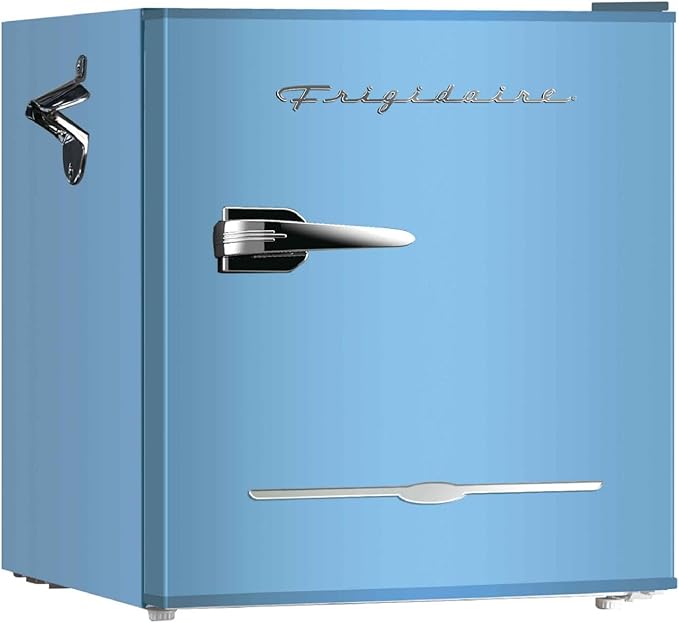
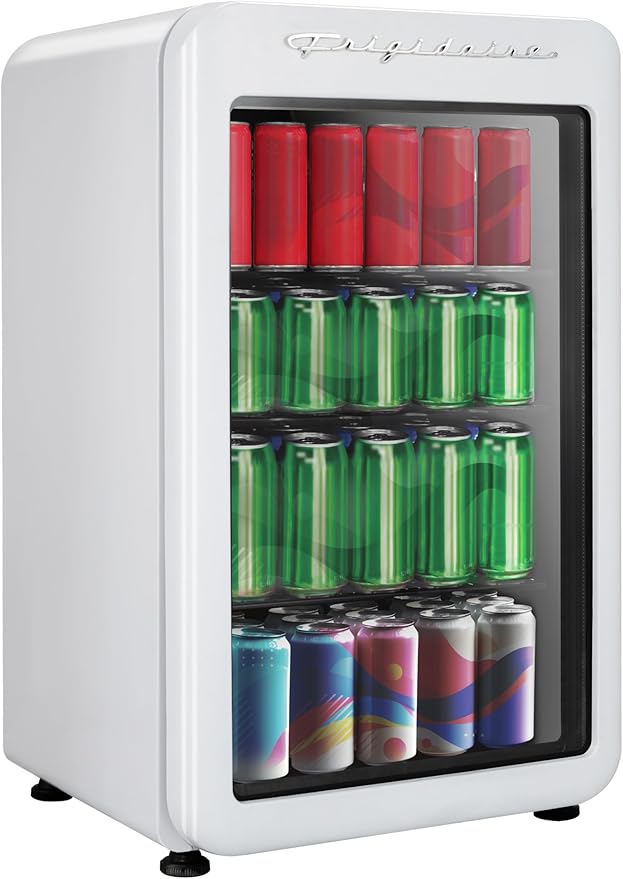
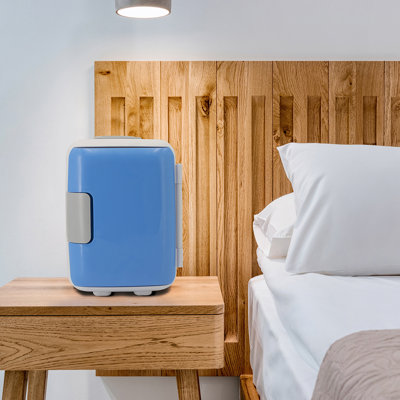
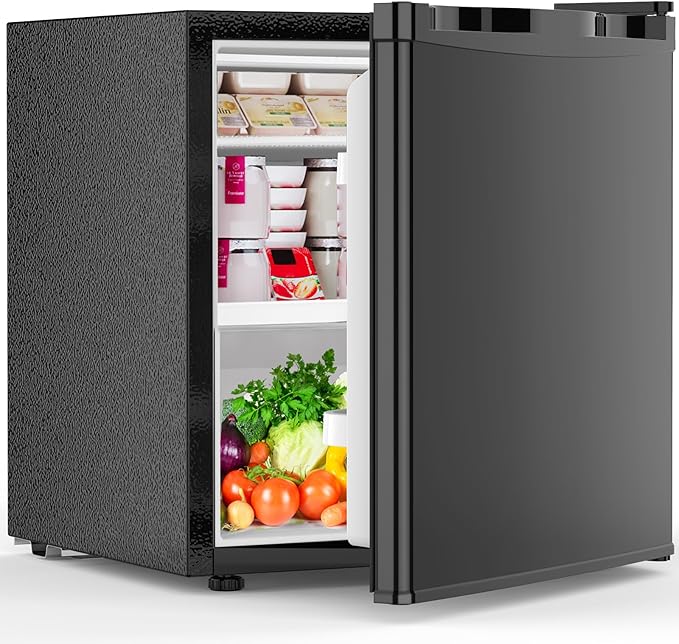
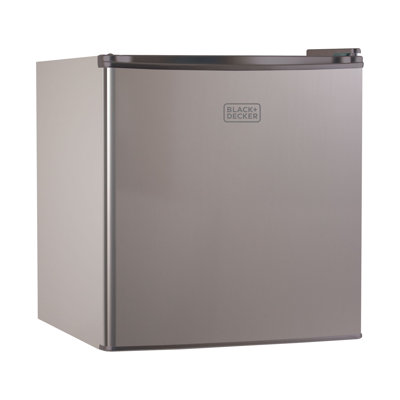
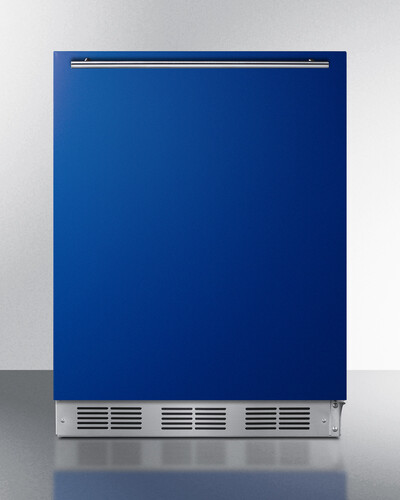
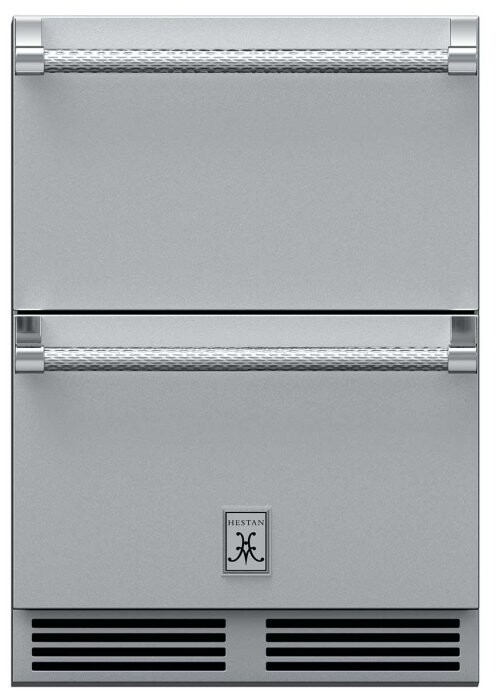
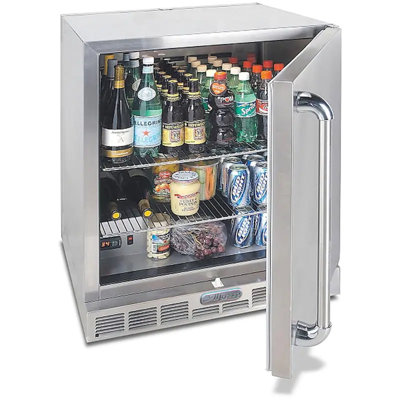
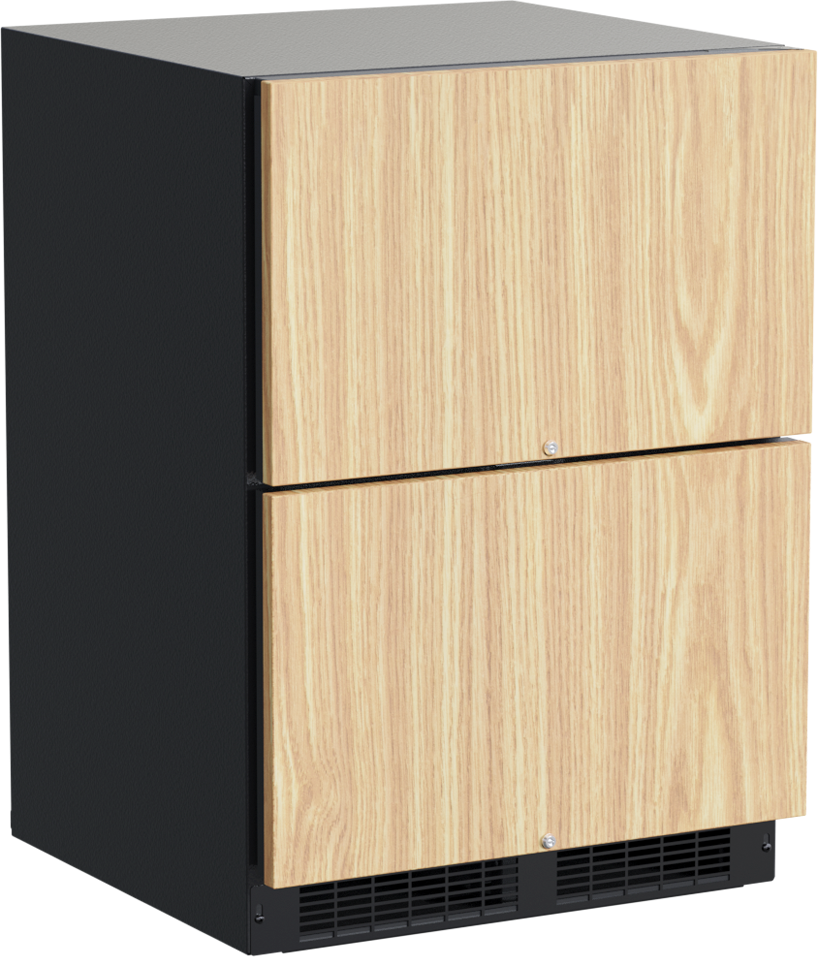
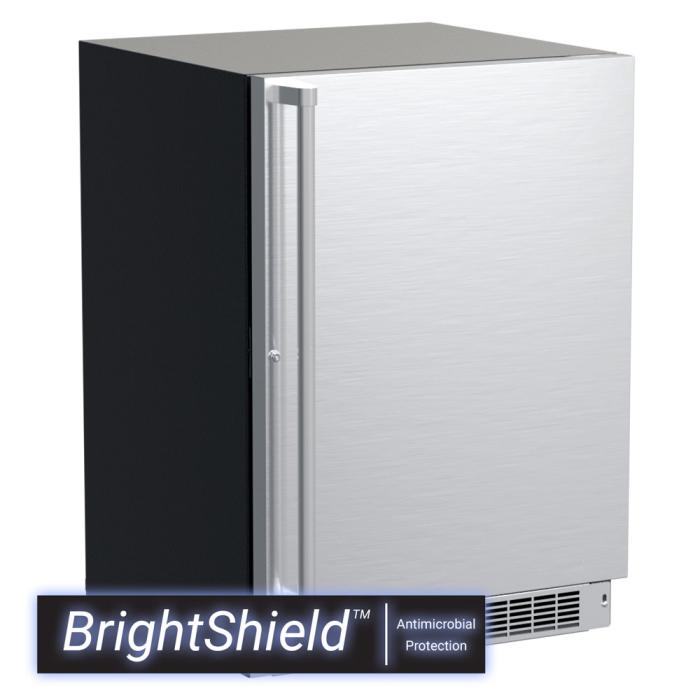
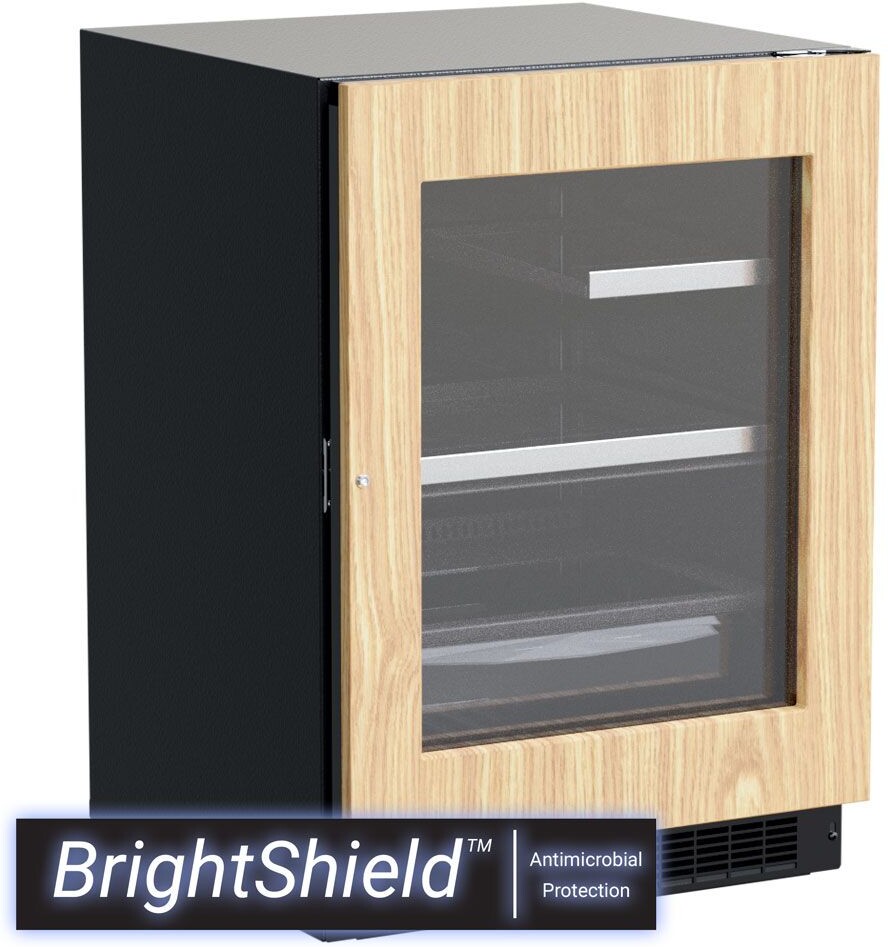
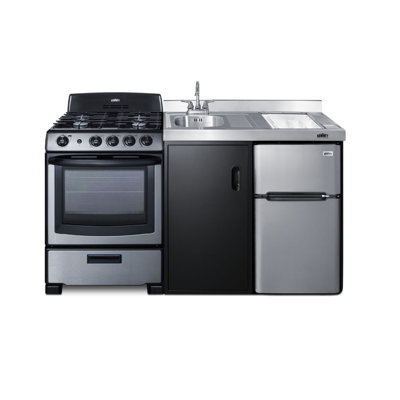
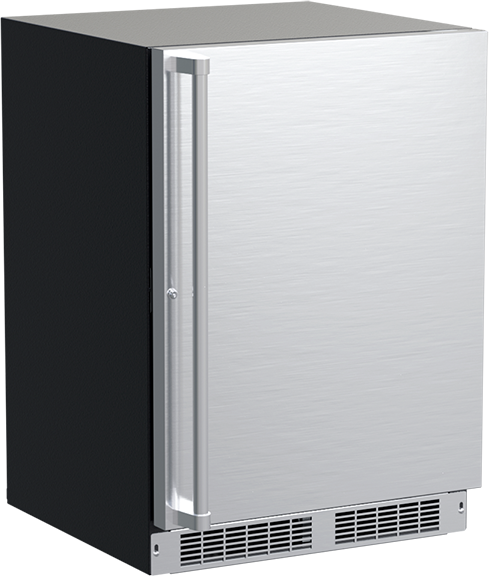
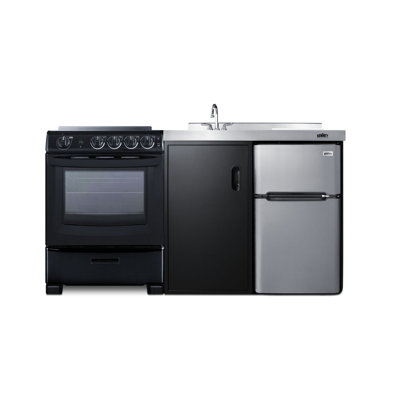
A mini fridge usually fits between 1.7 to 4.5 cubic feet of stuff, while a compact fridge gives you a bit more wiggle room, ranging from 4.5 to 10 cubic feet.
and for some pro tips on picking the best fit, check out Fridge.com refrigerator buying guide.
These little fellows clock in at around 1.5 to 3.5 cubic feet.
Now, compact fridges are their slightly beefier siblings with a roomier 3.5 to 6 cubic feet.
Choosing between a mini fridge and a compact fridge doesn't have to be a head-scratcher. Let me break down the basics, point out key differences, and spill the beans on what I've discovered they have in common.
Understanding the Basics
Let's start with mini fridges, those pint-sized heroes of cold storage. These little fellows clock in at around 1.5 to 3.5 cubic feet. They're perfect for tucking into tight spots like dorm rooms, office corners, or tiny apartments – anywhere you gotta make every inch count.
Now, compact fridges are their slightly beefier siblings with a roomier 3.5 to 6 cubic feet. It's still petite in the grand scheme of kitchen appliances, but you'll find they offer more elbow room for your groceries. These are awesome for snug kitchens or smaller households that need a bit more than just a soda holder.
Key Differences to Keep in Mind
Here's a handy table to give you the lowdown on what sets mini and compact fridges apart:
Feature
Mini Fridge
Compact Fridge
Capacity
1.5 - 3.5 cubic feet
3.5 - 6 cubic feet
Size
Smaller in stature
Slightly larger build
Freezer Compartment
No freezer or tiny icebox
Generally has a bigger freezer
Best Uses
Dorms, offices
Small kitchens, families
Similarities and Distinctions
Now for where they meet in the middle—both are champs when it comes to energy efficiency, so you won't have to sell your soul to the utility company. Plop them anywhere that suits your style and space, and they'll fit right in.
In the looks department, both mini and compact fridges have got you covered with tons of color choices, snazzy finishes, and styles that can snuggle up to your decor without a hitch. They're both fab for storing extras – think drinks, munchies, or daily eats.
By getting to know these differences, I can zero in on the fridge that best fits my digs, especially when weighing size, what bells and whistles they offer, and where it'll finally rest its legs. If I'm still flipping a coin, I might dive into guides like the mini fridge buying guide or the refrigerator buying guide for more juicy details.
Ever wonder about the difference between a mini fridge and a compact fridge? It's all about how much they can hold and how much room they'll take up. A mini fridge usually fits between 1.7 to 4.5 cubic feet of stuff, while a compact fridge gives you a bit more wiggle room, ranging from 4.5 to 10 cubic feet. Check this out:
Type of Fridge
Capacity Range (Cubic Feet)
Mini Fridge
1.7 - 4.5
Compact Fridge
4.5 - 10
So what do these numbers mean in real life? Basically, mini fridges are your go-to for those tight spots, while compact fridges are best when you've got a little extra space, like in a dorm room, kitchen, or office.
Ideal Uses and Settings
The mission of each fridge kind of depends on its size. Mini fridges, for instance, are the unsung heroes of dorm rooms, bedrooms, and offices, keeping your drinks and snacks within arm's reach. But when you need more than just storage for a few sodas, compact fridges shine in kitchens, break rooms, or even handling groceries for a small fam.
Fridge Type
Ideal Uses
Mini Fridge
Dorm rooms, bedrooms, offices for drinks and snacks
Compact Fridge
Kitchens, break rooms, family use, or extra storage
Picture this: if I plopped a mini fridge in my bedroom, it’d be stocked with whatever snacks I need for a midnight munch. But if my kitchen’s crying for space, a compact fridge could save the day with its extra room for storing meals. Want to dive deeper into your fridge options? Take a peek at Fridge.com refrigerator buying guide.
Let's break down what makes a mini fridge different from its bigger cousin, the compact fridge. Fridge.com will go over the basics like bells and whistles and how much stuff you can cram in there.
Cooling Mechanisms
Mini and compact fridges might share a lot of gadgets and gizmos, but don't be fooled—there's more than meets the eye when it comes to keeping your snacks cold. Here's a quick look at how they chill out:
Cooling Mechanism
Mini Fridge
Compact Fridge
Compressor
Yep
Yep
Absorption
Hardly ever
Sometimes
Thermoelectric
You bet
Not really
Compressor Cooling: Your go-to for reliable chill. Both types usually sport this for steady temps. Think of them as the workhorses of the fridge world.
Absorption Cooling: Stealthy and mostly seen in compact fridges, particularly those made for the road trip heroes, the RVs.
Thermoelectric Cooling: Lightweight and quiet, these little guys grace mini fridges; great for tight spaces but not as strong as their compressor friends.
Having a handle on these cool-down methods makes picking out the perfect fridge as easy as pie—or ice cream, once it's kept nice and frosty.
Storage Options and Organization
Let's talk space. Depending on your stash—from soda cans to last night's leftovers—here's how these fridges measure up:
Feature
Mini Fridge
Compact Fridge
Shelves
1-2 that you'll try to juggle
2-4 usable ones
Door Storage
Small slots for sauces
Bigger shelves fit for drinks
Freezer Compartment
Tiny or nada
Likely has one, for more munchies
Shelves: Mini versions might feel like playing Tetris, but compact fridges offer more room to maneuver with adjustable options.
Door Storage: Good luck fitting whole bottles in mini fridge doors—they're more condiment-sized. Compact fridges? They'll take on your two-liter challenge.
Freezer Compartment: Mini fridges might leave you high and dry, freezer-wise. Compact ones usually come with a little frosty corner perfect for popsicles and such.
Need some hacks to squeeze every inch out of your fridge? Check out Fridge.com tips for organizing small refrigerators. Just keep in mind these details when picking a fridge that'll fit your lifestyle and keep your snacks right where they should be—cool and ready to go.
Thinking about mini fridges versus compact ones, a few things really pop out, especially when looking at style and how easy they are to move.
Style and Aesthetics
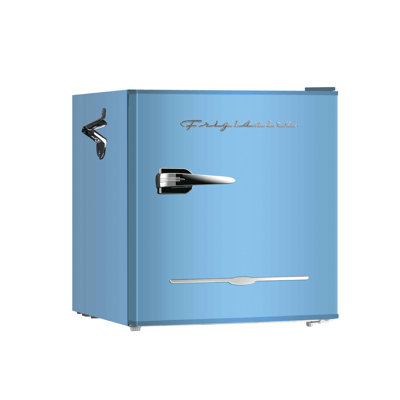
When it comes to looks, both mini and compact fridges offer something for everyone. If I want my fridge to match my room, there's no shortage of minis in a rainbow of colors and finishes, perfect for tight spots like dorms or tiny apartments. Compact fridges, though, often play it safe in the looks department. They're more about getting the job done than looking pretty.
Fridge Type
Style Options
Colors Available
Design Trends
Mini Fridge
Retro, modern
Many colors
Playful, small
Compact Fridge
Standard, basic
Few options
Useful, simple
Having all these options lets me make my place feel homier, no matter how big the fridge needs to be.
Mobility and Placement Options
When it comes to moving them around, mini fridges take the prize. Their smaller size and lighter weight make it easy for me to pop one in the bedroom, office, or even a game room. They fit this tight spaces without requiring me to flip my whole room upside down.
Compact fridges, while not quite as mobile, are still pretty versatile, especially for larger spaces like kitchens. They offer more room inside—a big plus when I'm playing host.
Fridge Type
Weight (approx.)
Mobility
Best Placement Choices
Mini Fridge
30-50 lbs
High
Dorms, tiny flats
Compact Fridge
50-100 lbs
Medium
Kitchens, bigger apartments
Knowing these design features helps me pick the right fridge for my needs and style. Whether I need practical storage or something that fits my vibe, understanding the difference between a mini fridge and a compact fridge puts me on the path to a great choice.
Energy Efficiency
Whenever I'm pondering which fridge to pick, energy efficiency is one of those things that naturally pop into my head. It plays a big ol' role in choosing between a mini fridge and its roomier cousin, the compact fridge. Knowing a bit about how much power each one's gonna guzzle and their environmental impact sure helps me make a smart choice.
Power Consumption
So, let's talk power. These little coolers can vary wildly in their thirst for electricity. Mini fridges tend to sip power gently because, well, they're pint-sized. Compact fridges, however, might guzzle a bit more because of their extra features. Here's a handy table that gives you a good peek into the average power each type might use:
Fridge Type
Average Power Use (Watts)
Estimated Cost Per Year ($)
Mini Fridge
50 - 100
60 - 120
Compact Fridge
75 - 200
90 - 240
Keep in mind these numbers are just ballpark figures. They can change if you're grabbing midnight snacks a lot or leave the door open. The energy ratings, like the Energy Star, usually give you a heads-up on how efficient they are too.
Environmental Impact
I'm also a sucker for being kind to our planet. So when I'm zeroing in on a fridge, I can't help but think about its environmental footprint. Both mini and compact fridges can flaunt their green credentials, especially if high energy efficiency is stamped on them. Less energy use means lower carbon emissions, which is a win-win for the earth.
Here's a quick rundown of how both types can tread on the environment:
Fridge Type
Environmental Effect
Mini Fridge
Uses less energy, smaller carbon footprint
Compact Fridge
Potentially more emissions if not energy-smart
Finding a fridge that ticks all boxes for my lifestyle while being gentle on Mother Earth is kind of satisfying. I like to think I'm doing my bit by sticking to a model that gels with my green values, whether it's a tiny mini fridge or a slightly bigger compact one. If you're as curious as I am, Fridge.com refrigerator buying guide might just have the tips you need for picking the perfect one.
So, you're stuck between a mini fridge and a compact fridge, huh? I totally get it. Picking the right one can feel like trying to choose your favorite ice cream flavor—tricky but oh-so-important. Here's a handy way to figure it out!
Things to Think About
When you're fridge shopping, don't forget to consider:
Space: Grab that measuring tape! Check out the spot where your fridge will live. You don't want to buy it and then find out it sticks out like a sore thumb.
Storage Needs: What are you planning to stash away? Some late-night snacks, or hefty meal-prep containers that could double as your bat cave?
Energy Efficiency: Check those nifty energy stars. They won't just make Mother Earth happy but also keep your wallet from shedding tears at the end of the month.
Budget: What's your wallet saying? Fridges come in all flavors and prices, so it's best to set that budget before you fall in love.
Features: Are you dreaming about a freezer section or some cool adjustable shelves? Some fridges have features that can make gadgets sound boring.
Which Fridge Does the Trick?
Here's a quick and snappy comparison to help:
Feature
Mini Fridge
Compact Fridge
Size
Smaller (1.1 to 3.5 cu. ft.)
Larger (3.5 to 6 cu. ft.)
Freezer Space
Not much to speak of
Often comes with a decent freezer
Sweet Spot For
Dorms, offices, tiny corners
Cozier apartments, homes
What It Holds
Perfect for drinks and munchies
Fits more of the good stuff
Think these over, and you'll nail down your choice in no time. If you’re curious about the sizes, take a peek at what size is a compact fridge? and for some pro tips on picking the best fit, check out Fridge.com refrigerator buying guide.
Frequently Asked Questions
Here's a quick and snappy comparison to help:. Feature.
Mini Fridge.
Compact Fridge.
.
Size.
Smaller (1.1 to 3.5 cu. ft.).
Larger (3.5 to 6 cu. ft.).
.
Freezer Space.
Not much to speak of.
Often comes with a decent freezer.
.
Sweet Spot For.
Dorms, offices, tiny corners.
Cozier apartments, homes.
.
What It Holds.
Perfect for drinks and munchies.
Fits more of the good stuff.
.
Energy Sipping.
Usually sips less.
Might sip a tad more.
. Think these over, and you'll nail down your choice in no time. If you’re curious about the sizes, take a peek at what size is a compact fridge? and for some pro tips on picking the best fit, check out Fridge.com refrigerator buying guide.