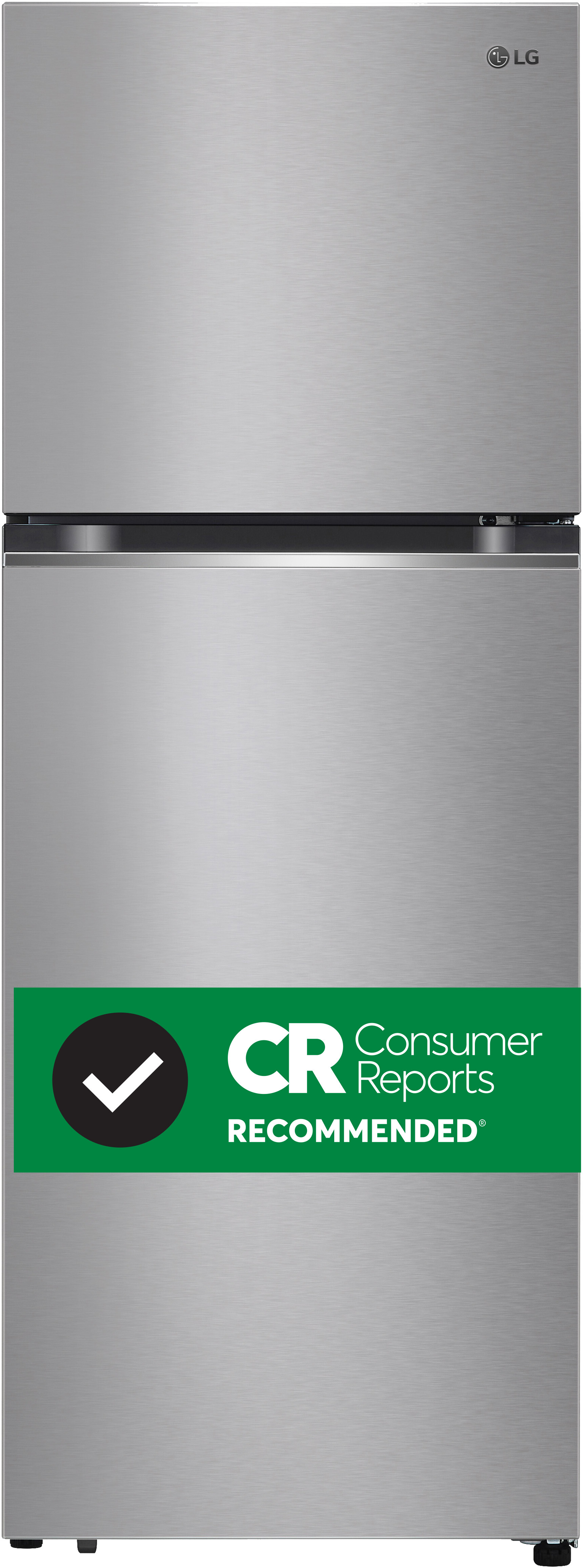
Countertop refrigerators are compact units placed on countertops, ideal for small areas like offices, dorm rooms, and kitchens with limited space.
Countertop refrigerators are designed to be compact and space-saving, making them ideal for areas with limited space such as dorm rooms, offices, or small apartments.
17-20 inches in height, 18-20 inches in width, 17-20 inches in depth.
They are ideal for use in various settings, from kitchen countertops to office desks, making them a versatile choice.
When it comes to choosing the right refrigeration solution for your space, understanding the differences between a countertop refrigerator and a refrigerator drawer can help. Each option offers unique features and benefits that cater to various needs and preferences.
Exploring Refrigerator Options
Countertop refrigerators and refrigerator drawers are both designed to provide convenient access to chilled items while optimizing space. Countertop refrigerators are compact units placed on countertops, ideal for small areas like offices, dorm rooms, and kitchens with limited space. Refrigerator drawers, on the other hand, are built into cabinetry and can be pulled out like a drawer, offering a sleek and integrated look.
Understanding the Differences
The primary differences between countertop refrigerators and refrigerator drawers lie in their design, functionality, and placement. Here's a breakdown of these differences:
Feature
Countertop Refrigerator
Refrigerator Drawer
Design
Freestanding unit
Built-in drawer style
Placement
On countertops
Within cabinetry
Capacity
Limited, varies by model
Can be customized, typically larger
Accessibility
Front door access
Pull-out drawer access
Installation
Simple, plug-and-play
Requires professional installation
Aesthetic
Visible appliance
Seamless integration with cabinetry
Countertop refrigerators are portable and easy to install, making them suitable for temporary use or when you need additional refrigeration space. Refrigerator drawers, however, provide a more permanent and aesthetically pleasing solution, blending seamlessly with your kitchen or bar area.
In terms of capacity, refrigerator drawers generally offer more space and can be customized to fit your specific needs. Countertop refrigerators are more limited in size but are perfect for keeping drinks, snacks, and other small items within reach.
When considering the countertop refrigerator Vs. refrigerator drawer debate, it's essential to understand the unique features of a countertop refrigerator. These features can significantly impact your decision based on your specific needs and preferences.
Size and Capacity
Countertop refrigerators are designed to be compact and space-saving, making them ideal for areas with limited space such as dorm rooms, offices, or small apartments. Despite their smaller size, they can still offer a reasonable amount of storage capacity.
Feature
Description
Average Dimensions
17-20 inches in height, 18-20 inches in width, 17-20 inches in depth
Capacity Range
1.5 - 3.5 cubic feet
Shelves
Adjustable or removable shelves to customize space
These dimensions and capacities make countertop refrigerators versatile for storing beverages, snacks, and small food items. For a more detailed comparison of sizes, you can refer to Fridge.com article on mini fridge Vs. silver refrigerator.
Installation and Placement
One of the key advantages of countertop refrigerators is their ease of installation and flexible placement options. These units are designed to fit on countertops, tables, or any sturdy surface without the need for extensive installation procedures.
Aspect
Details
Installation
Plug-and-play setup
Placement
Can be placed on countertops, tables, or under cabinets
Portability
Lightweight and easy to move
Countertop refrigerators are perfect for users who need a portable and convenient cooling solution. They are ideal for use in various settings, from kitchen countertops to office desks, making them a versatile choice. For more insights into different refrigerator placements, consider reading Fridge.com article on glass door refrigerator Vs. mini fridge.
By understanding the size, capacity, and installation features of countertop refrigerators, you can make an informed decision that best suits your needs. For those debating between different types of refrigerators, exploring options like the column refrigerator Vs. freestanding drawer refrigerator can provide additional insights.
Refrigerator drawers offer a unique and functional way to store your food and beverages. They are designed to blend seamlessly with your kitchen cabinetry, providing both convenience and style. Let's dive into the design, functionality, advantages, and disadvantages of refrigerator drawers.
Design and Functionality
Refrigerator drawers are typically installed under the counter, making them an integral part of your kitchen's layout. Their design focuses on accessibility and ease of use. Here are some key design and functionality features:
Pull-out Drawers: These refrigerators come with drawers that you can pull out, similar to a standard kitchen drawer. This design makes it easy to access items without bending down.
Temperature Zones: Many models offer multiple temperature zones, allowing you to store different types of food and beverages at their ideal temperatures.
Integrated Look: They often feature panel-ready designs that can be customized to match your kitchen cabinetry, ensuring a cohesive appearance.
Flexible Storage: Adjustable dividers and shelves inside the drawers provide flexible storage options for various items.
Feature
Description
Pull-out Drawers
Easy access without bending down
Temperature Zones
Multiple zones for different items
Integrated Look
Customizable to match cabinetry
Flexible Storage
Adjustable dividers and shelves
Advantages and Disadvantages
While refrigerator drawers offer several benefits, they also come with a few drawbacks. Here's a balanced view of their advantages and disadvantages:
Advantages:
Convenience: The pull-out drawer design makes it easy to access items, especially for children or individuals with mobility issues.
Space-Saving: They fit seamlessly under the counter, freeing up valuable kitchen space.
Aesthetics: Their customizable panels allow them to blend in with your kitchen decor.
Organization: Multiple temperature zones and adjustable storage options help keep your food organized.
Disadvantages:
Cost: Refrigerator drawers can be more expensive compared to traditional refrigerators.
Capacity: They typically offer less storage capacity than standard refrigerators, which might be a limitation for larger families.
Installation: Professional installation may be required to ensure a proper fit and integration with your cabinetry.
By understanding the features, advantages, and disadvantages of refrigerator drawers, you can make an informed decision when choosing between a countertop refrigerator Vs. refrigerator drawer. Consider your space, usage, and convenience needs to determine the best fit for your lifestyle.
When deciding between a countertop refrigerator and a refrigerator drawer, several factors come into play. It is essential to assess your needs and preferences to make an informed decision.
Space Availability
Space availability is a crucial consideration when choosing between a countertop refrigerator and a refrigerator drawer. Each option has unique spatial requirements and placement considerations.
Countertop Refrigerator: These units are designed to sit on a counter or table, making them ideal for kitchens, home bars, offices, and dorm rooms. They are compact and can fit in small spaces, but they do occupy valuable counter space.
Dimension
Countertop Refrigerator
Height
20 - 24 inches
Width
15 - 18 inches
Depth
17 - 20 inches
Refrigerator Drawer: Installed within cabinetry, refrigerator drawers offer a seamless look and save counter space. They are perfect for kitchens and outdoor entertainment areas where a sleek, integrated appearance is desired.
Dimension
Refrigerator Drawer
Height
24 - 34 inches
Width
24 - 30 inches
Depth
24 - 27 inches
Consider the available space in your home and the specific location where you intend to place the refrigerator. For example, a countertop refrigerator might be suitable for a small apartment, while a refrigerator drawer could be a better choice for a spacious kitchen.
Usage and Convenience
Usage and convenience are other significant factors to consider when choosing between a countertop refrigerator and a refrigerator drawer. Each type offers distinct advantages and potential drawbacks based on how you plan to use it.
Countertop Refrigerator: These units are portable and easy to move, making them suitable for various settings like offices, dorm rooms, and even outdoor parties. They are convenient for storing drinks, snacks, and small food items. However, their limited capacity might not be sufficient for larger families or extensive food storage needs.
Advantages:
Portable and easy to relocate
Ideal for small spaces and temporary setups
Convenient for quick access to beverages and snacks
Disadvantages:
Limited storage capacity
Occupies counter space
Refrigerator Drawer: Designed for built-in installation, refrigerator drawers offer a sleek, integrated look and are convenient for organizing food items at an accessible height. They are excellent for storing fresh produce, deli items, and beverages, making them a versatile addition to any kitchen. However, they require more substantial installation efforts and might not be as easily movable as countertop refrigerators.
Advantages:
Integrated and seamless appearance
Efficient use of space within cabinetry
Easy access and organization
Disadvantages:
Requires professional installation
Not portable
Assess how you plan to use the refrigerator and the level of convenience you need. For example, if you need a portable option for entertaining guests, a countertop refrigerator might be the better choice. On the other hand, if you prefer a built-in solution for your kitchen, a refrigerator drawer is likely more suitable.
For more comparisons of different types of refrigerators and freezers, check out Fridge.com articles on top freezer Vs. bottom freezer and drawer refrigerator Vs. small deep freezer.
Practical Uses
Countertop Refrigerator Applications
Countertop refrigerators are compact and versatile, making them suitable for a variety of settings. These small fridges are ideal for:
Home Offices: Keeping snacks, beverages, and meals easily accessible without leaving your workspace.
Dorm Rooms: Providing convenient storage for food and drinks in a limited space.
Entertainment Areas: Serving as a mini bar for guests, stocking chilled drinks and appetizers during gatherings.
Bedrooms: Offering a place to store late-night snacks and cold drinks.
Garages: Keeping beverages cool while working on projects or spending time in the garage.
Outdoor Spaces: Serving as a convenient cooler near pools, patios, or backyards.
For more ideas on how to use a countertop refrigerator in different settings, check out Fridge.com comparison on mini fridge Vs. silver refrigerator.
Refrigerator Drawer Applications
Refrigerator drawers offer a unique blend of design and functionality, making them a great addition to various spaces. These drawers are perfect for:
Kitchens: Integrating seamlessly into cabinetry for additional storage of fresh produce, beverages, or frequently used items.
Islands: Offering easy access to refrigerated items while cooking or entertaining.
Living Rooms: Acting as a discreet minibar or snack drawer for movie nights and gatherings.
Bathrooms: Storing skincare products at optimal temperatures for enhanced efficacy.
Outdoor Kitchens: Providing easy access to chilled ingredients and drinks while grilling or hosting outdoor events.
Master Bedrooms: Serving as a luxury feature for storing beverages, snacks, or medications.
For more insights on refrigerator drawers and their benefits, explore Fridge.com article on built in wine cooler Vs. refrigerator drawer.
Both countertop refrigerators and refrigerator drawers offer unique advantages depending on your specific needs and space requirements. Whether you need a compact fridge for your office or a seamless drawer for your kitchen, understanding the practical applications can help you make the best choice. For a deeper comparison, visit Fridge.com guide on countertop refrigerator Vs. fridge freezer.
Proper maintenance and care are essential for ensuring the longevity and optimal performance of both countertop refrigerators and refrigerator drawers. Below are some helpful tips for maintaining these appliances.
Cleaning and Maintenance Tips
Regular cleaning and maintenance can prevent issues and extend the lifespan of your refrigerator.
Regular Cleaning: Wipe the interior and exterior surfaces with a mild detergent and warm water. Avoid abrasive cleaners.
Defrosting: If your unit is not frost-free, defrost periodically to prevent ice build-up.
Check Seals: Inspect door seals for any damage or dirt. Clean them to ensure a proper seal.
Ventilation: Ensure vents and coils are free from dust and obstructions.
Odor Control: Place an open box of baking soda inside to absorb odors.
Maintenance Task
Frequency
Interior Cleaning
Monthly
Defrosting
Bi-Annually
Seal Inspection
Quarterly
Ventilation Check
Monthly
Odor Control Change
Every 3 Months
Longevity and Durability
To maximize the lifespan of your countertop refrigerator or refrigerator drawer, consider the following tips:
Proper Placement: Avoid placing the unit in direct sunlight or near heat sources.
Stable Temperature: Maintain a consistent temperature setting to avoid overworking the compressor.
Avoid Overloading: Do not overfill the refrigerator, as it can strain the cooling system.
Power Surges: Use a surge protector to protect the appliance from electrical spikes.
Professional Servicing: Schedule regular check-ups with a professional technician to ensure all components are functioning correctly.
Factor
Impact on Longevity
Proper Placement
High
Stable Temperature
High
Avoid Overloading
Medium
Power Surges Protection
High
Professional Servicing
High
By following these cleaning and maintenance tips, you can ensure that both your countertop refrigerator and refrigerator drawer remain in top condition. For further information on different refrigeration options, you might find Fridge.com articles on freestanding drawer refrigerator, drawer refrigerator Vs. small deep freezer, and built-in wine cooler Vs. refrigerator drawer helpful.
Compare prices on Fridge.com
Compare current prices and specifications on Fridge.com, then buy from the retailer you choose; delivery, installation and warranty terms are the retailer’s.
It also has tons of awesome articles about kitchen stuff and home news. Enhance your home, garage, backyard, patio, and office with the coolest essentials. With every necessary type of residential refrigerator or freezer in the collection, you're covered.