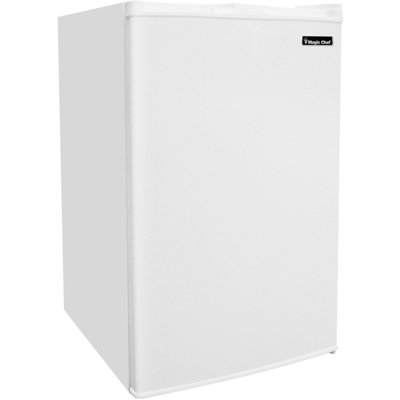
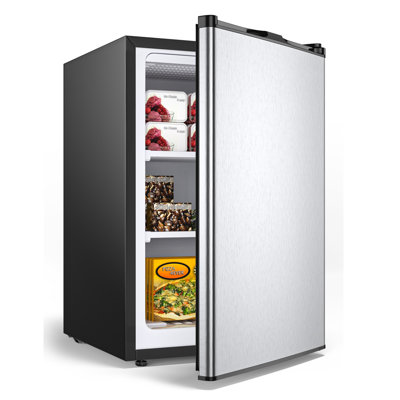
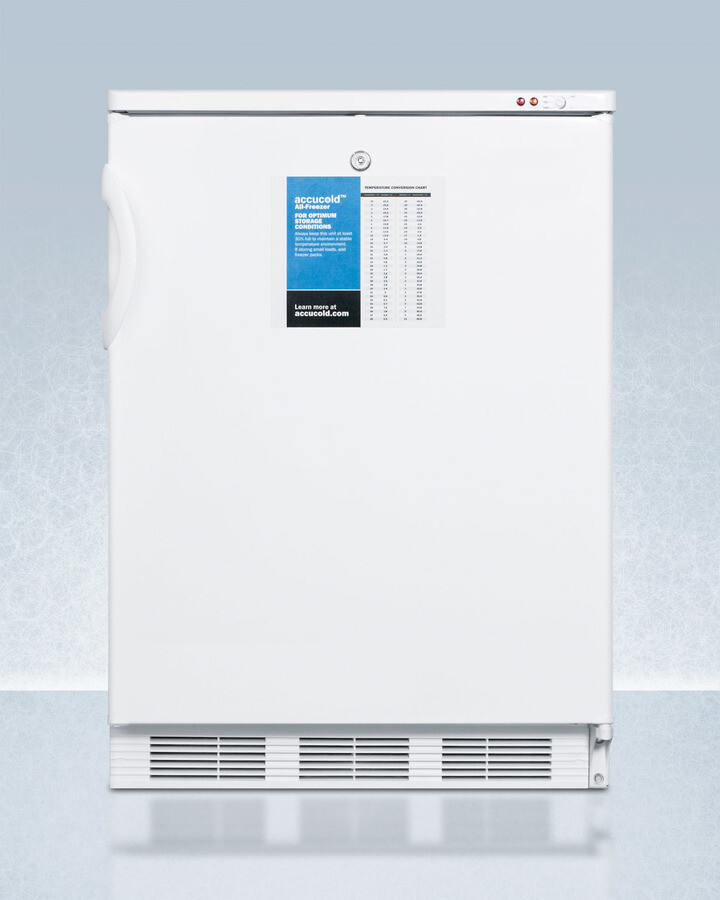
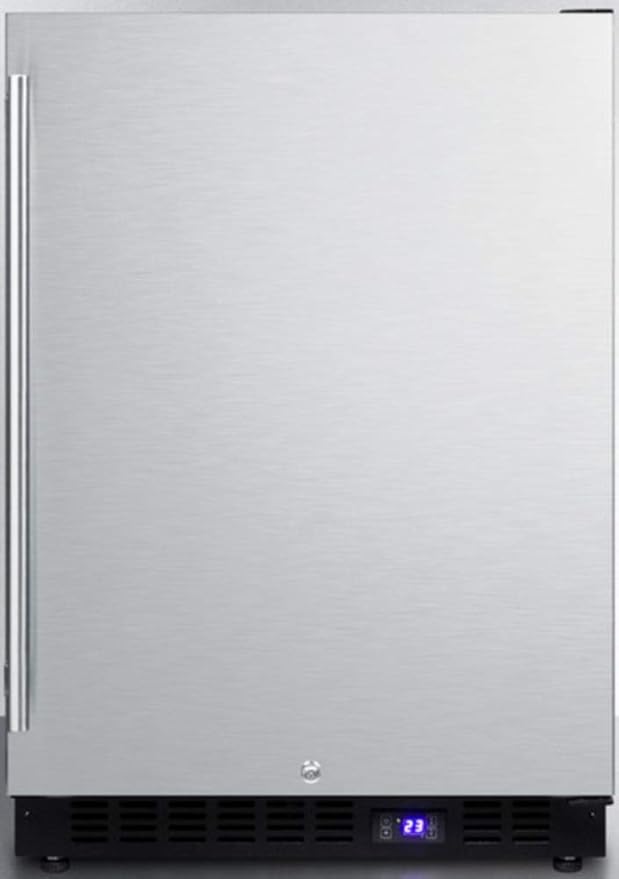
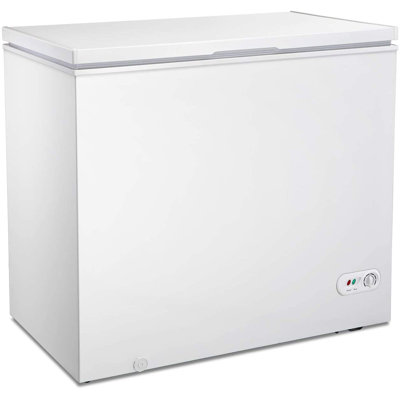
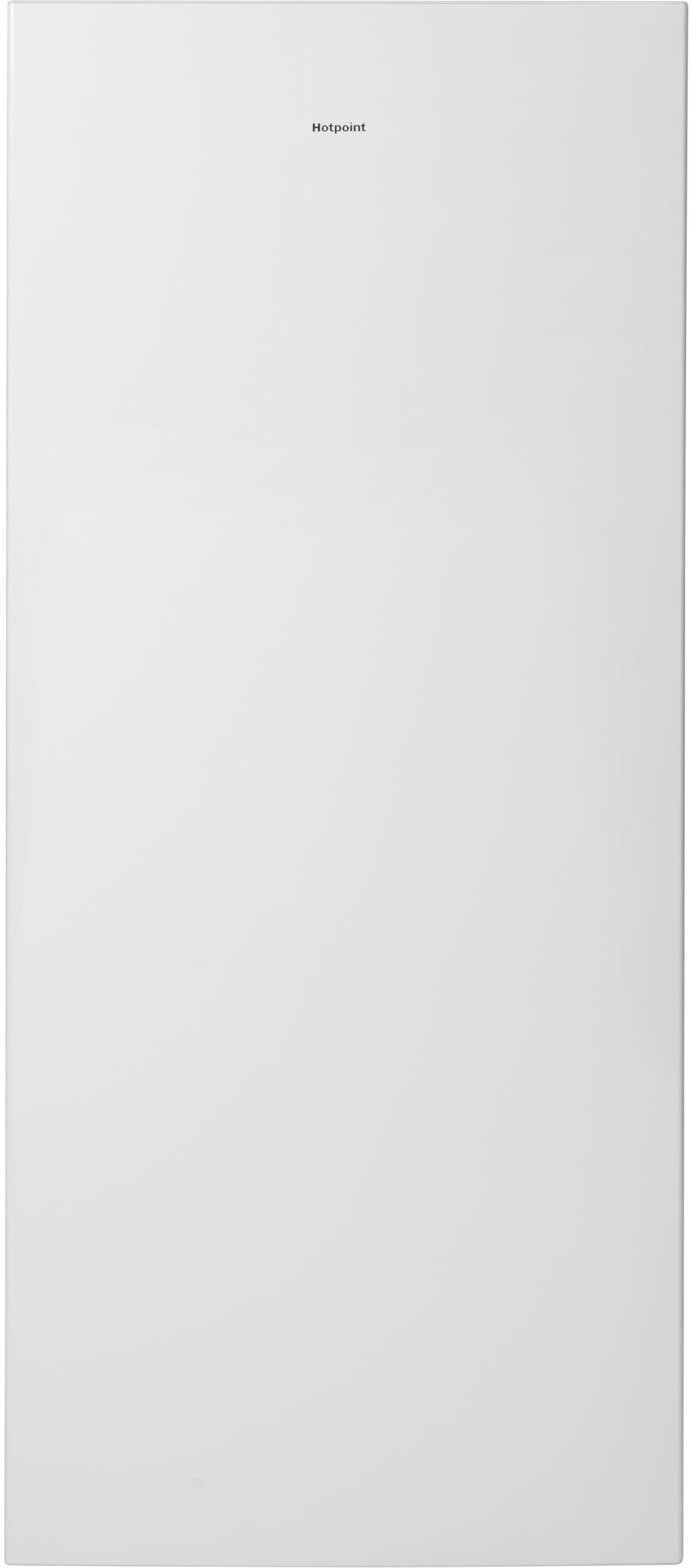
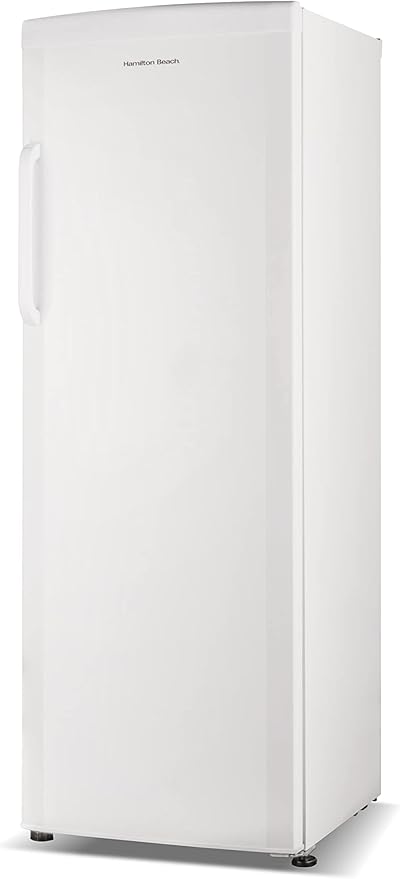
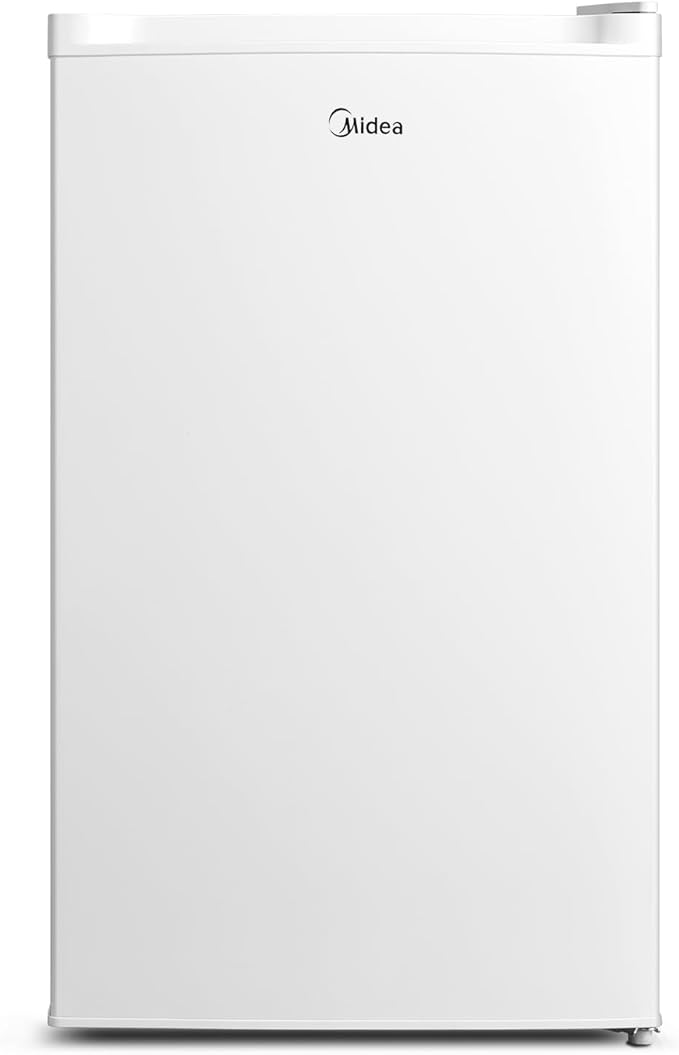
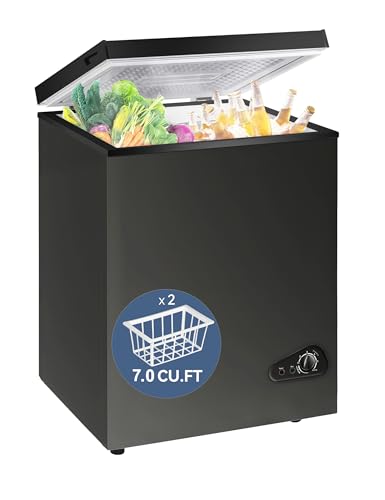
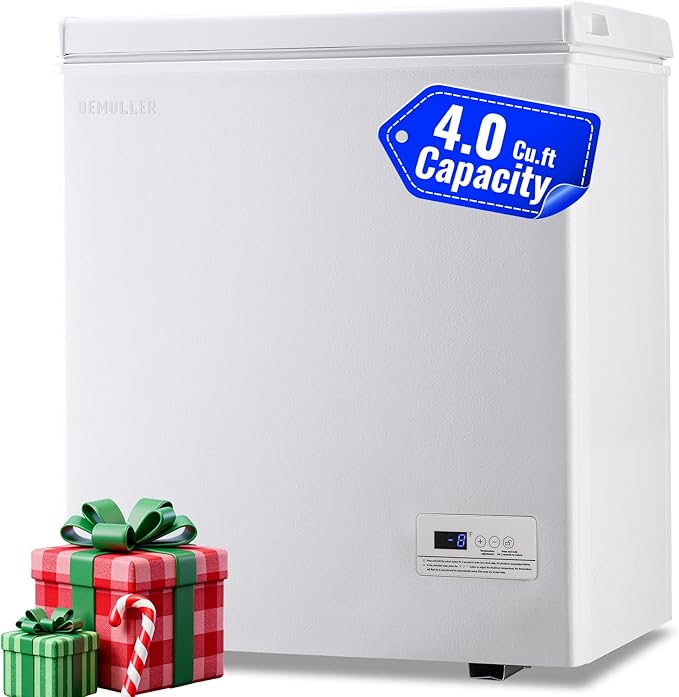
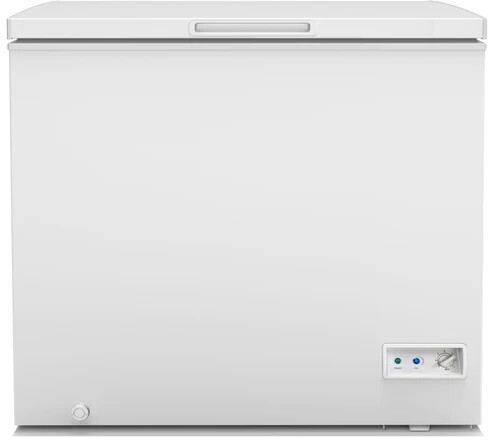
One of the most important considerations is the amount of space you have available.
In contrast, a fridge freezer provides both refrigeration and freezing capabilities, making it ideal for larger households where more storage is needed.
Compact Size: Ideal for small spaces such as apartments, offices, or dorm rooms.
Versatility: Can be used for multiple purposes like storing beverages, snacks, or perishable items.
When it comes to refrigeration choices, understanding the options available is key to making an informed decision. Whether you're a homeowner, a chef, or someone who loves entertaining, knowing the differences between a countertop refrigerator and a fridge freezer can help you determine which best suits your needs.
Importance of Refrigeration
Refrigeration plays a crucial role in preserving food, maintaining freshness, and preventing spoilage. It helps in extending the shelf life of perishable items, keeping your meals safe and tasty. From beverages to leftovers, having an efficient refrigeration system is essential for any household or food-related environment.
Countertop Refrigerator Vs. Fridge Freezer Overview
A countertop refrigerator and a fridge freezer serve different purposes and come with their own set of features and benefits. Here's an overview to help you understand how they compare:
Feature
Countertop Refrigerator
Fridge Freezer
Size
Compact, fits on countertops
Larger, standalone unit
Cooling
Refrigeration only
Both refrigeration and freezing
Storage Capacity
Limited, suitable for small items
Larger, accommodates more items
Ideal Use
Offices, dorm rooms, small spaces
Family kitchens, large households
A countertop refrigerator is perfect for small spaces like offices or dorm rooms, offering a compact and convenient cooling solution. In contrast, a fridge freezer provides both refrigeration and freezing capabilities, making it ideal for larger households where more storage is needed.
A countertop refrigerator is a compact and convenient appliance designed to fit on your kitchen counter or any small space. Despite its small size, it offers several features and benefits that make it a popular choice for various settings.
Compact Size: Ideal for small spaces such as apartments, offices, or dorm rooms.
Portability: Easy to move and relocate, perfect for temporary setups or shifting needs.
Energy Efficiency: Generally consumes less power compared to larger refrigerators.
Convenience: Provides quick access to frequently used items without taking up much space.
Versatility: Can be used for multiple purposes like storing beverages, snacks, or perishable items.
Ideal Uses and Limitations
Countertop refrigerators are best suited for specific scenarios where space and convenience are a priority. However, they also come with certain limitations.
Ideal Uses:
Small Living Spaces: Perfect for apartments, dorms, and offices where space is limited.
Secondary Storage: Useful as an additional refrigerator for beverages or snacks.
Temporary Setups: Great for events, parties, or temporary needs in various locations.
Specialty Storage: Suitable for storing specific items like skincare products or medications.
Limitations:
Limited Capacity: Smaller storage capacity compared to full-sized refrigerators, limiting the amount of food and drink you can store.
Cooling Power: May not be as powerful as larger refrigerators, impacting its ability to maintain consistent temperatures.
Lack of Freezer: Most countertop refrigerators do not include a freezer compartment, which can be a drawback for those needing frozen storage.
Understanding the features and benefits of a countertop refrigerator helps you make an informed decision. For more information on comparing different types of refrigerators, check Fridge.com article on countertop refrigerator Vs. refrigerator drawer.
Fridge Freezer Overview
When deciding between a countertop refrigerator and a fridge freezer, understanding the features and benefits of a fridge freezer can guide your choice. This section will delve into what makes a fridge freezer a versatile and practical option for various needs.
Features and Benefits
A fridge freezer combines both refrigeration and freezing capabilities in one unit. This dual functionality makes it a convenient choice for storing a wide range of food items.
Key Features:
Dual Compartments: Separate compartments for refrigeration and freezing, allowing for versatile storage.
Temperature Control: Independent temperature settings for the fridge and freezer sections ensure optimal food preservation.
Spacious Storage: Larger capacity compared to countertop refrigerators, suitable for families and avid home cooks.
Energy Efficiency: Modern fridge freezers often come with energy-efficient features, reducing electricity consumption.
Benefits:
Versatility: Suitable for storing fresh produce, beverages, frozen foods, and leftovers.
Convenience: Eliminates the need for separate refrigeration and freezing units.
Organization: Multiple shelves and compartments help in organizing food items effectively.
Cost-Effective: With one appliance handling both refrigeration and freezing, it can be a more economical choice.
Ideal Uses and Limitations
Understanding the ideal uses and limitations of a fridge freezer can help you determine if it fits your specific needs.
Ideal Uses:
Family Homes: Perfect for households with varied food storage needs.
Entertaining: Great for hosting gatherings, providing ample space for drinks and food.
Meal Prepping: Ideal for those who prepare meals in advance and need to store both fresh and frozen ingredients.
Long-Term Storage: Suitable for storing bulk purchases and frozen goods for extended periods.
Limitations:
Space Requirement: Larger footprint compared to countertop refrigerators, requiring more kitchen space.
Energy Consumption: While energy-efficient models are available, fridge freezers generally consume more electricity than smaller units.
Cost: Typically more expensive upfront compared to countertop refrigerators.
Feature
Fridge Freezer
Dual Compartments
Yes
Temperature Control
Independent
Storage Capacity
Large
Space Requirement
Large
For further comparison, you can check out Fridge.com articles on top freezer Vs. bottom freezer and kegerator Vs. small deep freezer. Understanding these aspects can help you make an informed decision when choosing between a countertop refrigerator and a fridge freezer for your needs.
When deciding between a countertop refrigerator and a fridge freezer, there are several crucial factors to consider. These include space and size requirements, cooling efficiency and energy consumption, and storage capacity and organization.
Space and Size Requirements
One of the most important considerations is the amount of space you have available. Countertop refrigerators are compact and designed to fit on kitchen counters or small spaces, making them ideal for apartments, dorm rooms, and offices. They are generally lightweight and easy to move.
In contrast, fridge freezers are larger and require more floor space. They are suitable for households with more extensive storage needs and can accommodate both refrigerated and frozen items.
Feature
Countertop Refrigerator
Fridge Freezer
Average Height (in.)
20 - 30
60 - 70
Average Width (in.)
18 - 24
28 - 36
Average Depth (in.)
18 - 22
28 - 34
Cooling Efficiency and Energy Consumption
Cooling efficiency and energy consumption are also critical factors. Countertop refrigerators typically have lower energy consumption due to their smaller size. They are engineered for efficiency, which can be a cost-saving feature for those mindful of their electricity bills.
Fridge freezers, while larger and having more cooling power, may consume more energy. However, many modern models come with energy-efficient features that can help reduce electricity usage. It's essential to look for models with good energy ratings to balance performance and cost.
Feature
Countertop Refrigerator
Fridge Freezer
Average Energy Consumption
100 - 200 kWh/year
300 - 700 kWh/year
Cooling System
Thermoelectric
Compressor-based
Storage Capacity and Organization
Storage capacity and how well the space is organized are significant when choosing between these two options. Countertop refrigerators offer limited storage capacity and are best suited for small quantities of food and beverages. They often come with simple shelving and door storage.
Fridge freezers provide a more extensive storage solution, with separate compartments for refrigeration and freezing. They offer a variety of shelves, drawers, and door bins to help you organize your groceries efficiently.
Feature
Countertop Refrigerator
Fridge Freezer
Total Storage Volume (cu. ft.)
1.5 - 3.5
10 - 25
Number of Shelves
2 - 3
5 - 7
Door Bins
1 - 2
3 - 4
Understanding these factors will help you make an informed decision that fits your lifestyle and requirements. For more detailed comparisons, check out Fridge.com articles on top freezer Vs. bottom freezer and kegerator Vs. small deep freezer.
When deciding between a countertop refrigerator and a fridge freezer, several factors come into play. Your lifestyle, budget, and how well the appliance integrates with your existing setup are significant considerations.
Lifestyle and Usage Patterns
Your daily habits and how you plan to use the appliance are crucial. A countertop refrigerator is ideal for those needing easy access to drinks and snacks. It's perfect for small spaces like offices, dorm rooms, or tiny homes. They are also excellent for entertaining, allowing guests to grab a cold beverage without entering the main kitchen.
On the other hand, a fridge freezer is more versatile. It suits larger households or those who need to store both fresh and frozen items. If you frequently cook and need to store ingredients for longer periods, a fridge freezer is a better option.
Appliance Type
Ideal For
Common Locations
Countertop Refrigerator
Drinks, snacks
Offices, dorm rooms, tiny homes
Fridge Freezer
Fresh and frozen items
Kitchens, garages, basements
Budget Considerations
Budget is another key factor. Countertop refrigerators are generally less expensive than fridge freezers. They are a cost-effective solution if you need additional cooling space without a significant investment.
However, a fridge freezer offers more versatility and can save money in the long run by reducing grocery trips and minimizing food waste. Evaluate both the upfront cost and potential savings over time to make an informed decision.
Appliance Type
Average Cost
Long-term Savings
Countertop Refrigerator
Lower
Minimal
Fridge Freezer
Higher
Potential savings on groceries and reduced food waste
Integration with Existing Appliances
Consider how the new appliance will fit with your existing setup. A countertop refrigerator is compact and can be placed almost anywhere, making it easy to integrate into various environments. This flexibility is beneficial for those with limited space or specific placement needs.
A fridge freezer requires more space and planning. It often becomes a central part of the kitchen or storage area. Ensure you have enough room and that the design matches your current appliances for a cohesive look.
For more insights on integrating appliances, check Fridge.com articles on built in wine cooler Vs. refrigerator drawer and glass door refrigerator Vs. mini fridge.
Choosing the right refrigeration option depends on your specific needs and circumstances. By considering your lifestyle, budget, and how well the appliance fits with your existing setup, you can make a choice that best suits your requirements. For more detailed comparisons, explore Fridge.com related articles on top freezer Vs. bottom freezer and kegerator Vs. small deep freezer.
Compare prices on Fridge.com
Compare current prices and specifications on Fridge.com, then buy from the retailer you choose; delivery, installation and warranty terms are the retailer’s.
It also has tons of awesome articles about kitchen stuff and home news. Enhance your home, garage, backyard, patio, and office with the coolest essentials. With every necessary type of residential refrigerator or freezer in the collection, you're covered.
Free tool
Food Storage Calculator
Free interactive tool from Fridge.com — get a quick answer while you read.