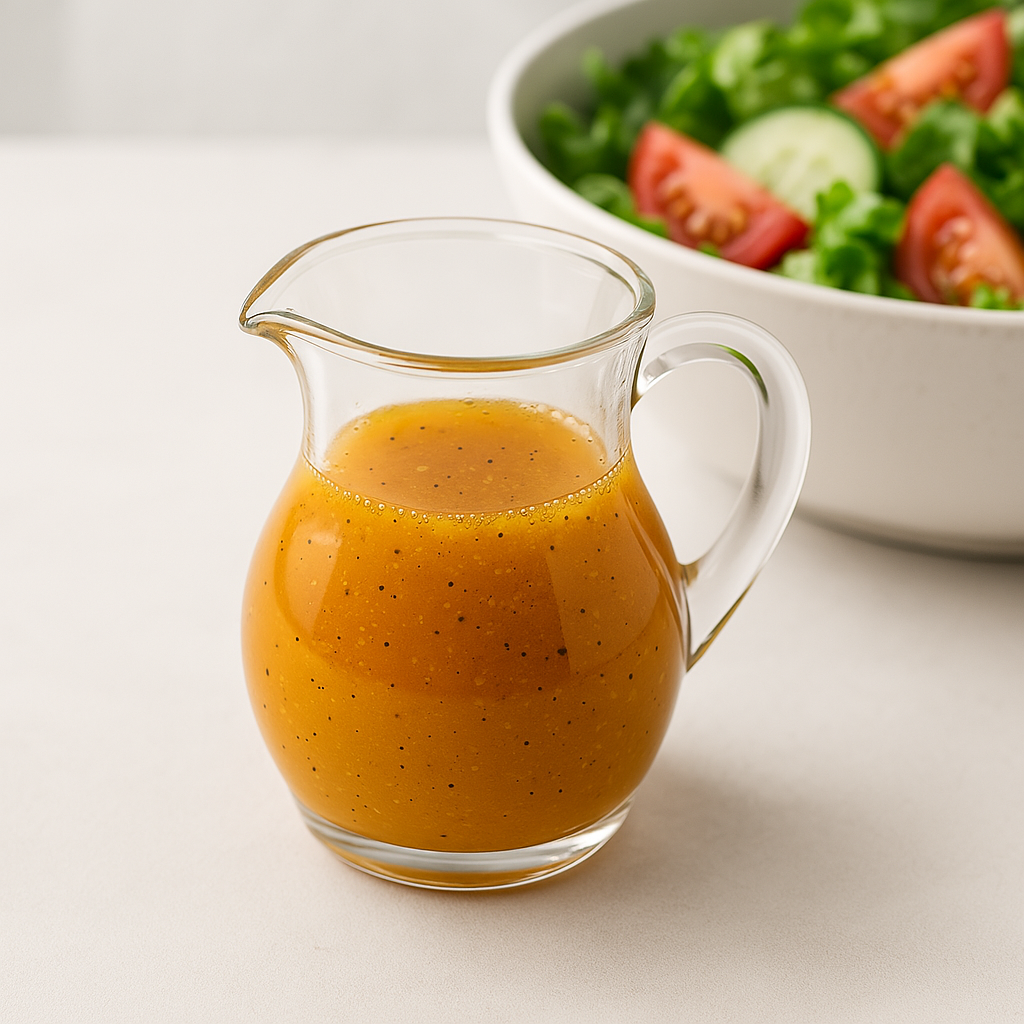
Freezing Dressing: What You Need to Know
When it comes to extending the shelf life of your favorite dressings, freezing can be a practical solution. Whether it's to cut down on food waste or to preserve a batch of homemade dressing, understanding the freezing process is key to maintaining quality and flavor.
Understanding the Basics of Freezing Dressing
Freezing dressing is not as straightforward as placing the container into the freezer. The process varies depending on the type of dressing and its ingredients. While most dressings can be frozen, their emulsions may break, leading to changes in texture and consistency upon thawing. However, with proper techniques, you can freeze dressings effectively.
Before freezing, consider the dressing's base. For example, can you freeze blue cheese dressing? The answer often depends on the stability of the emulsion when subjected to freezing temperatures. For more information about freezing specific types of dressing, you might want to explore articles like can you freeze cornbread dressing? or can you freeze homemade ranch dressing?.
Factors to Consider Before Freezing Dressing
Before freezing your dressing, take into account several factors:
- Emulsion Stability: Oil and water-based emulsions may separate during freezing.
- Ingredient Reactivity: Some ingredients may not react well to cold temperatures and could alter the dressing's flavor.
- Shelf Life Extension: Determine whether freezing will significantly extend the dressing’s usability compared to refrigeration.
It's also essential to understand how long dressings typically last in the fridge, as this can influence your decision to freeze. For reference, check out articles like how long does salad dressing last in the fridge? or how long does caesar dressing last in the fridge?.
Benefits of Freezing Dressing
Freezing dressing offers several benefits:
- Longevity: It greatly extends the life of your dressing beyond refrigeration limits.
- Convenience: Having dressing on hand can be convenient for meal prep.
- Waste Reduction: Freezing unused dressing can reduce food waste.
By considering these factors and benefits, you can make an informed decision about whether freezing your dressing is the right choice for your needs. If you do decide to freeze, follow the best practices for freezing and thawing to ensure the quality of your dressing is preserved as much as possible.
Types of Dressings You Can Freeze
When it comes to preserving dressings for longer periods, freezing is a handy option. However, it's important to know that not all dressings freeze well due to their ingredients. Here's a guide to which types of dressings you can place in the freezer.
Cream-Based Dressings
Cream-based dressings, which include those made with mayonnaise or sour cream, can be frozen, but with caution. These dressings may separate or become grainy after being thawed due to the emulsion breaking. If you decide to freeze cream-based dressings, consider their future use in cooked dishes where the texture change will be less noticeable.
Oil-Based Dressings
Oil-based dressings, such as Italian dressing, generally freeze better than cream-based dressings. However, the oil may solidify and separate when cold. Once thawed, simply give the dressing a good shake or whisk to re-emulsify it. Freezing can prolong the life of your oil-based dressings, especially if they contain fresh ingredients that may spoil quickly.
Vinaigrettes
Vinaigrettes are a mixture of oil and vinegar and can be frozen, but they will likely separate in the freezer. This separation is easily remedied by whisking the dressing vigorously once it has thawed. Use frozen vinaigrettes on salads or as marinades to enhance the flavor of various dishes.
Dairy-Based Dressings
Dairy-based dressings, such as ranch or blue cheese, may not freeze well due to the potential for texture changes. If you choose to freeze these types of dressings, you may want to use them in recipes where the consistency is less critical, such as in baked casseroles or dips that will be heated.
Remember, the shelf life of dressings can vary, and freezing may affect the taste and texture. For more information on the longevity of different types of dressings in the fridge, visit our article on how long does salad dressing last in the fridge?
When freezing any type of dressing, make sure to label the containers with the freezing date and use them within a reasonable timeframe for the best quality. For specific dressings, you may also be interested in whether you can freeze items like blue cheese dressing, which you can find out by reading can you freeze blue cheese dressing?, or if you're curious about freezing homemade ranch, see can you freeze homemade ranch dressing?.
How to Freeze Dressing Properly
Properly freezing dressing can help you extend its shelf life and maintain its flavor. Here's how to do it right.
Preparation Steps Before Freezing
- Cool your dressing: Allow your dressing to reach room temperature to avoid any condensation inside the container during freezing.
- Stir well: Ensure all ingredients are well-combined as separation can occur, particularly in oil or dairy-based dressings.
- Portion: If you don't plan to use the entire batch at once, divide it into portions to avoid thawing more than you need.
Freezing Techniques for Different Types of Dressings
Different dressings require specific techniques to freeze properly:
- Cream-Based Dressings: Due to their high dairy content, cream-based dressings may separate when frozen. It's recommended to whisk them well before and after freezing to maintain consistency.
- Oil-Based Dressings: These can solidify in cold temperatures. To use, thaw and then emulsify by shaking or stirring vigorously.
- Vinaigrettes: These may separate. Shake well before freezing and once again after thawing.
- Dairy-Based Dressings: Similar to cream-based dressings, they might separate. Stir well before freezing and after thawing.
Best Containers for Freezing Dressing
Selecting the right container is pivotal for freezing dressing to prevent freezer burn and taste contamination. Here are some options:
- Airtight Plastic Containers: Choose containers that seal tightly to prevent air from entering, which can spoil the dressing.
- Glass Jars: If using glass, ensure there is enough headroom for expansion to prevent cracking.
- Ice Cube Trays: For easy portion control, freeze your dressing in ice cube trays. Once frozen, transfer the cubes to a freezer bag or container.
When you're ready to use your dressing, proper thawing is just as important as the freezing process. For more insights on thawing and utilizing frozen dressing, including safety tips and creative uses, explore our guide on how to make refrigerator pickles? and find out how long does salad dressing last in the fridge?
Remember, while freezing can extend the life of your dressings, not all may retain their original texture and taste post-thawing. It's always best to freeze a small portion first to test the results before freezing larger quantities.
Thawing and Using Frozen Dressing
Once you've mastered the art of freezing dressing, the next step is to ensure you can thaw and use it properly to maintain its quality and flavor. Here's what you need to know about defrosting your frozen dressing and integrating it into your meals safely and creatively.
Thawing Methods for Frozen Dressing
Thawing frozen dressing requires patience and the right technique to preserve its texture and taste. Here are the recommended methods:
-
Refrigerator Thawing: Transfer the frozen dressing container from the freezer to the refrigerator and allow it to thaw gradually. This method can take several hours or overnight, depending on the quantity.
-
Cold Water Bath: If you need to use the dressing more quickly, place the sealed container in a cold water bath, changing the water every 30 minutes to ensure consistent thawing.
-
Room Temperature: For dressings that don't contain any ingredients that are sensitive to room temperature, you may allow them to thaw on the kitchen counter. However, this method should be used with caution and only for short periods to prevent bacterial growth.
It's important to never thaw dressing using hot water or a microwave, as this can cause the ingredients to separate and deteriorate.
Safety Precautions When Using Thawed Dressing
After your dressing has thawed, some safety measures should be taken:
- Inspect the Dressing: Before using, check the consistency, color, and odor of the dressing. If anything seems off, it's best to discard it to avoid potential foodborne illness.
- Stir or Shake Well: Separation can occur during freezing and thawing. Mix the dressing thoroughly to recombine the ingredients.
- Consume Promptly: Once thawed, use the dressing within a short period. Refer to our article on how long does salad dressing last in the fridge? for specific storage durations.
Creative Ways to Use Frozen Dressing
Thawed dressing isn't just for salads. Here are some inventive uses:
- Marinades: Use thawed dressing as a marinade for meats or vegetables to infuse them with flavor before cooking.
- Dip: Serve thawed dressing as a dip for raw veggies, chips, or bread.
- Sauce: Incorporate thawed dressing into pasta or grain dishes for added zest.
- Sandwich Spread: Elevate your sandwiches or wraps by spreading a thin layer of thawed dressing on the bread.
When you freeze dressing, it's not just about extending its shelf life, but also about having a versatile ingredient on hand for a variety of culinary applications. With the proper thawing techniques and safety precautions, you can enjoy your dressing in numerous ways beyond the salad bowl. If you're looking for more information on preserving food, check out our articles on whether can you freeze kraut? or can you freeze pickles? for additional insights.