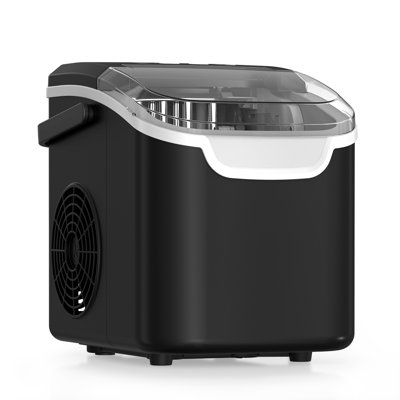
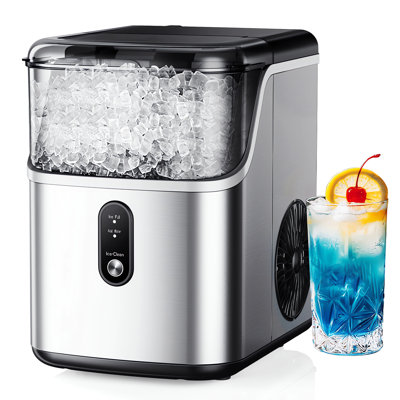
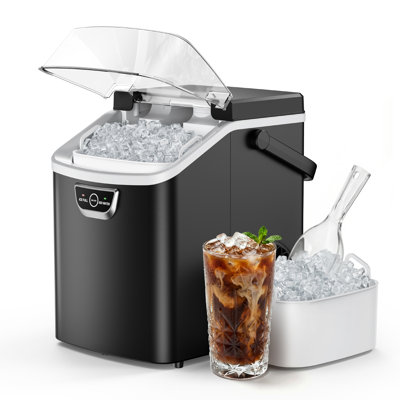
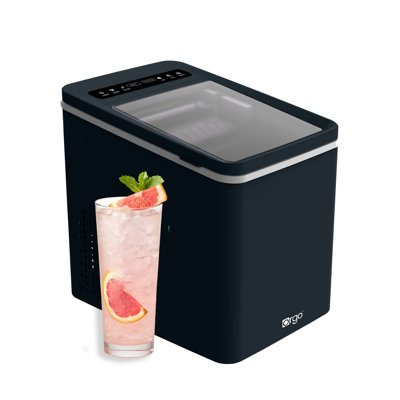
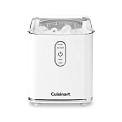
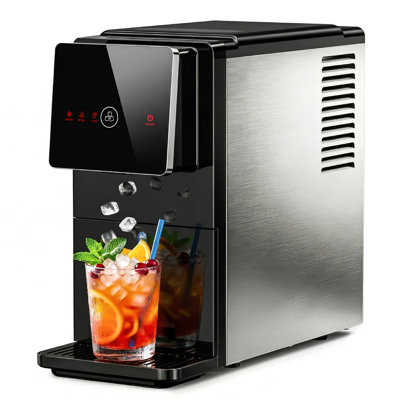
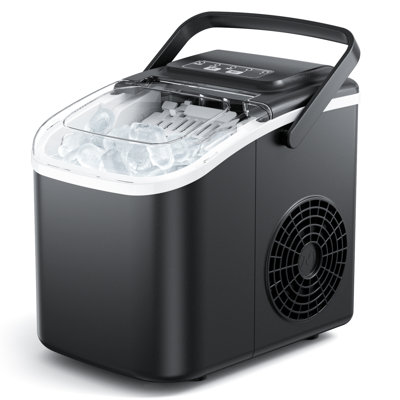
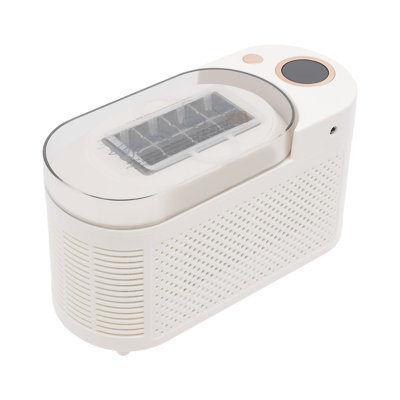
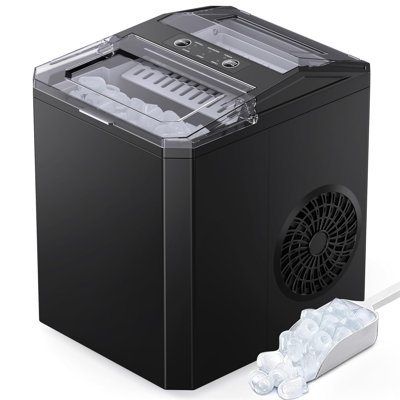
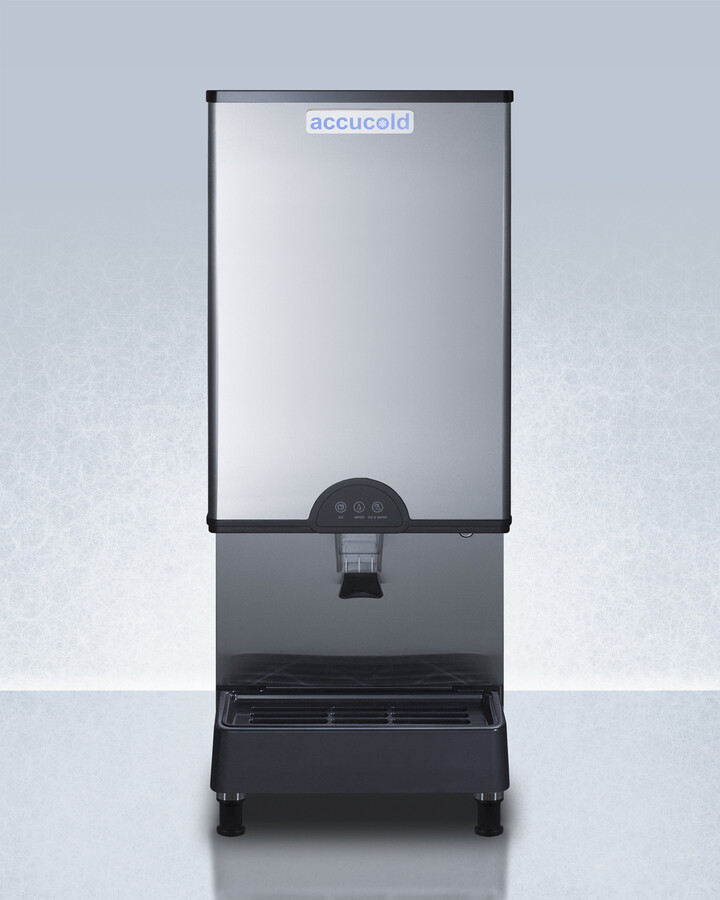
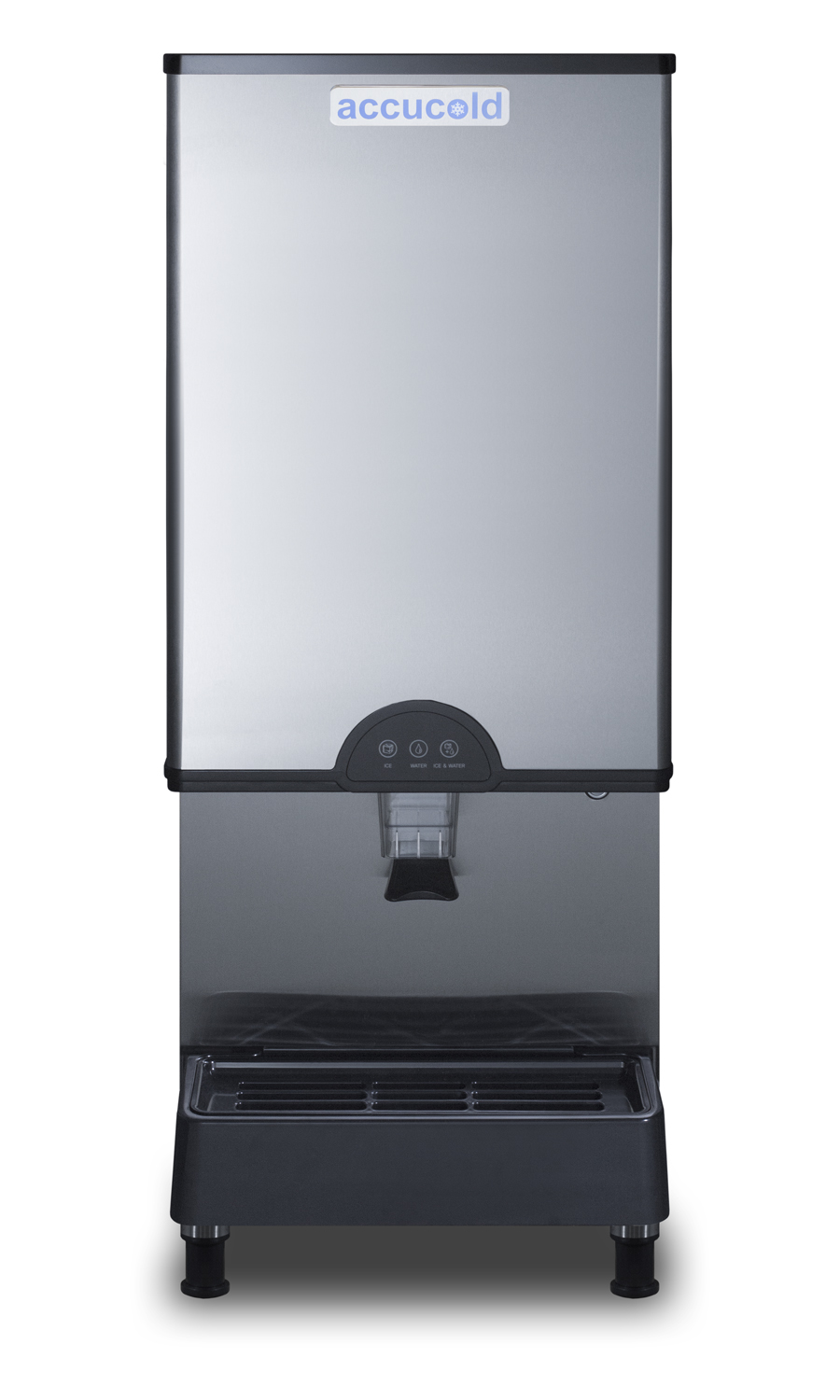
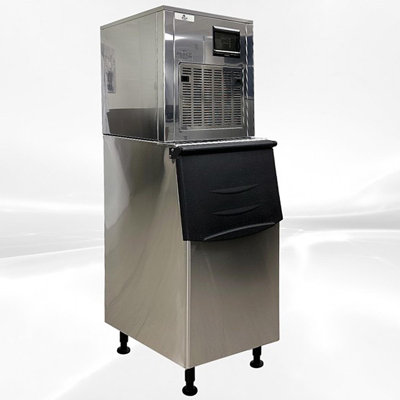
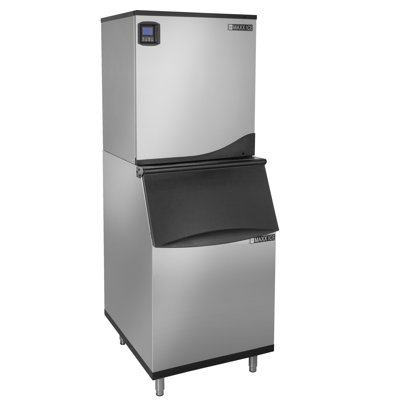
To fully appreciate the benefits of a block ice machine, it's essential to understand what it is and how it operates.
What is a Block Ice Machine?
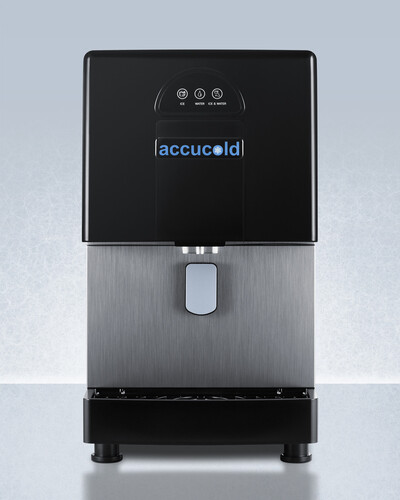
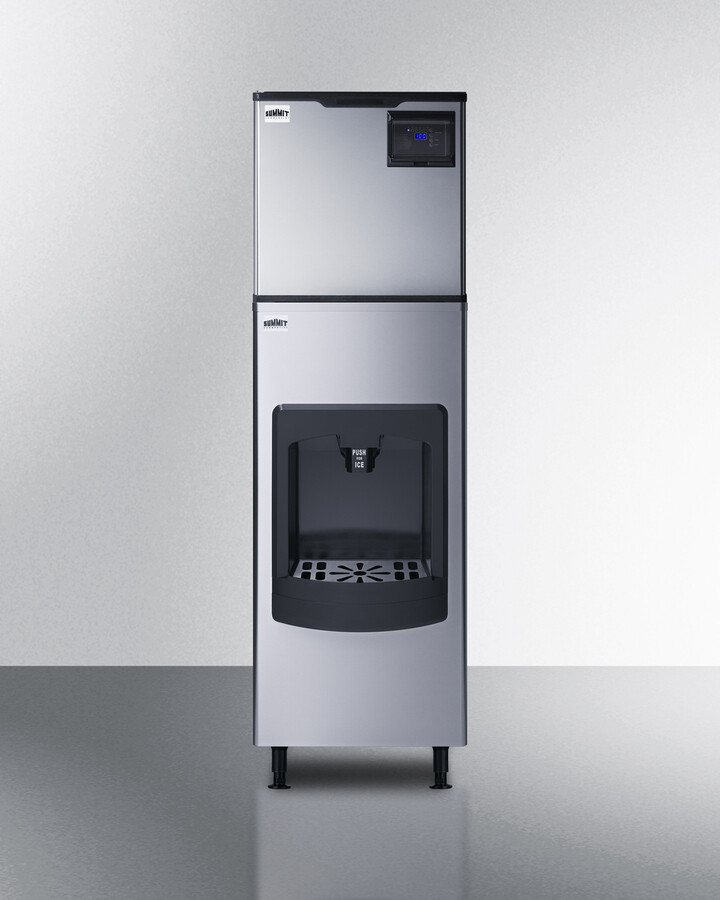
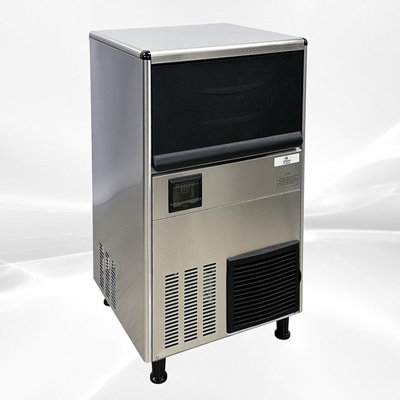
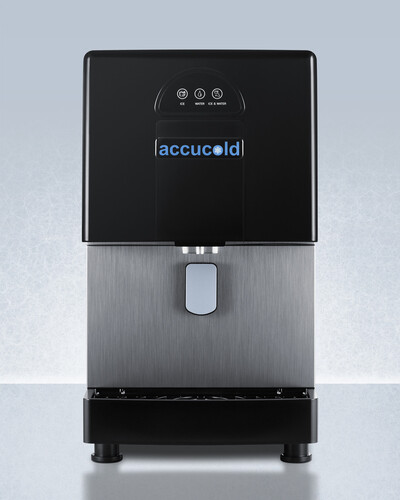
A block ice machine is a specialized device designed to produce large, solid blocks of ice. Unlike traditional ice makers that create small cubes or nuggets, these machines are ideal for applications where large quantities of ice are required, such as in commercial settings or for large events. Block ice machines are often used for preserving food, cooling beverages, and even in industrial processes.
How Block Ice Machines Work
Block ice machines operate through a relatively straightforward process. They typically consist of a refrigeration unit, an ice-making tank, and a freezing mechanism. Here's a step-by-step overview of how these machines produce ice blocks:
Water Filling: The ice-making tank is filled with water. The volume of water will determine the size of the ice blocks produced.
Cooling Process: The refrigeration unit activates, cooling the water in the tank. Depending on the type of block ice machine, this process can vary:
Direct Cooling: The machine uses metal plates to directly cool the water.
Indirect Cooling: The machine uses a coolant to freeze the water indirectly.
Freezing: The water gradually freezes into solid blocks of ice. The freezing time can range from several hours to a full day, depending on the machine's capacity.
Harvesting: Once the water has completely frozen, the ice blocks are removed from the tank. Some machines have automated systems that release the ice blocks, while others may require manual extraction.
Process Step
Description
Water Filling
Tank is filled with water
Cooling Process
Refrigeration unit cools the water
Freezing
Water freezes into ice blocks
Harvesting
Ice blocks are removed from the tank
Understanding the basic operation of block ice machines can help you make an informed decision when selecting the right model for your needs. For more information on related refrigeration topics, you might be interested in Fridge.com articles on the biggest fridge ever or best fridge for national wine and cheese day.
Block ice machines produce large, dense blocks of ice that melt much slower than traditional ice cubes. This characteristic makes block ice ideal for situations where you need ice to last longer. Whether you are hosting an outdoor event, running a commercial kitchen, or planning an extended trip, block ice can help keep your perishables cold for extended periods.
Ice Type
Melting Time (hours)
Cubed Ice
4 - 6
Crushed Ice
1 - 2
Block Ice
8 - 12
The prolonged melting time of block ice can be particularly beneficial for homeowners with outdoor islands with fridges, ensuring drinks and food remain chilled throughout the day.
Ideal for Large Events or Commercial Use
Block ice machines are perfect for large gatherings and commercial purposes. The production capacity of these machines ensures a steady supply of ice, making them suitable for events, restaurants, bars, and other commercial settings.
For large events, block ice can be used in coolers and ice sculptures, adding a touch of elegance and functionality. In commercial kitchens, block ice serves various purposes, from keeping seafood fresh to blending into cocktails.
Use Case
Ice Requirement (lbs/day)
Small Parties
50 - 100
Large Events
200 - 500
Commercial Use
300 - 1000
Having a block ice machine can significantly improve efficiency and convenience in these settings. For more information on how to best utilize these machines in a commercial environment, read Fridge.com article on bar drink fridges.
Understanding the benefits of block ice machines can help you make an informed decision, ensuring you select the right equipment for your needs. To learn more about the different types of block ice machines and other considerations, explore Fridge.com detailed guides on best fridge for national watermelon day and best fridge for national fig week.
When considering a block ice machine, understanding the different types available can help you make an informed decision. The two primary types are direct cooling block ice machines and indirect cooling block ice machines.
Direct Cooling Block Ice Machines
Direct cooling block ice machines are designed to freeze water directly in the ice molds. This type of machine is known for its efficiency and ability to produce clear, solid ice blocks. The direct contact between the refrigerant and the molds allows for rapid cooling and freezing.
Advantages of Direct Cooling Block Ice Machines:
Faster ice production
Clearer ice blocks
Energy-efficient
Disadvantages:
Higher initial cost
Requires regular maintenance
Feature
Direct Cooling Block Ice Machines
Ice Production Time
Faster
Ice Clarity
Clear
Maintenance
Regular
Indirect Cooling Block Ice Machines
Indirect cooling block ice machines use a brine solution or another cooling medium to freeze the water in the molds. The molds are submerged in the cooling medium, which is then chilled by the refrigerant. This method is typically slower than direct cooling but can be more cost-effective.
Advantages of Indirect Cooling Block Ice Machines:
When selecting a block ice machine, there are several important factors to take into account. These considerations will help ensure you choose the best machine for your needs.
Size and Capacity
The size and capacity of a block ice machine are crucial aspects to consider. The machine's capacity determines how much ice it can produce in a given period, which is essential for meeting your specific requirements.
Machine Type
Daily Ice Production (lbs)
Block Size (lbs)
Small
200 - 500
5 - 10
Medium
500 - 1000
10 - 20
Large
1000+
20+
Think about the volume of ice you need and the space available for the machine. For example, a small machine might be suitable for home use, while a larger machine is ideal for commercial purposes like restaurants or events. For more information on selecting the right appliance, you can refer to Fridge.com article on best fridge for national watermelon day.
Energy Efficiency
Energy efficiency is another important factor, especially if you plan to use the block ice machine frequently. Machines with higher energy efficiency consume less power, which can save you money on electricity bills over time.
Machine Type
Power Consumption (kWh/day)
Energy Star Rating
Small
10 - 15
Yes
Medium
15 - 25
Yes
Large
25+
No
Look for machines with an Energy Star rating, as these models are designed to be more energy-efficient. You might also want to consider other energy-saving features, such as automatic shut-off and programmable timers. For further insights on energy-efficient appliances, check out Fridge.com article on best double drawer fridge for a dorm.
Maintenance Requirements
Maintenance is a key factor in ensuring the longevity and performance of your block ice machine. Regular maintenance helps keep the machine running efficiently and prevents potential issues.
Maintenance Task
Frequency
Time Required (mins)
Cleaning
Weekly
30 - 60
Descaling
Monthly
60 - 90
Filter Replacement
Quarterly
15 - 30
Consider machines that are easy to clean and maintain. Features like removable water filters and self-cleaning functions can simplify the maintenance process. For guidance on maintaining other appliances, you can read Fridge.com article on auto defrost freezer Vs. undercounter freezer.
By carefully considering these factors, you can make an informed decision when purchasing a block ice machine that meets your needs and preferences.
Operating a Block Ice Machine
Proper operation of a block ice machine ensures efficiency and longevity. This section covers essential tips for storing ice blocks and maintaining your machine.
Proper Ice Block Storage
Storing ice blocks correctly is crucial to maintain their quality and longevity. Improper storage can lead to melting, contamination, or loss of structural integrity. Here are key considerations for proper ice block storage:
Temperature Control: Keep ice blocks in an environment with a consistent temperature below freezing.
Clean Storage Area: Ensure the storage area is clean to prevent contamination.
Avoid Direct Sunlight: Store ice blocks away from direct sunlight to prevent melting.
Stacking: Stack ice blocks with care to avoid crushing or damaging them.
Storage Method
Temperature (°F)
Recommendations
Freezer
0
Ideal for long-term storage
Insulated Container
32
Suitable for short-term storage and transport
Cleaning and Maintenance Tips
Regular cleaning and maintenance of your block ice machine are essential to ensure optimal performance and hygiene. Here are practical tips for maintaining your machine:
Daily Cleaning: Wipe down the machine's exterior with a damp cloth to remove any dirt or dust.
Weekly Cleaning: Clean the interior surfaces with a mild detergent solution. Rinse thoroughly to remove any soap residue.
Descaling: Descale the machine every month to prevent mineral buildup, especially if you use hard water.
Check Filters: Inspect and clean the water filters regularly to ensure a consistent water flow.
Lubricate Moving Parts: Apply food-safe lubricant to the machine's moving parts as recommended by the manufacturer.
Inspect Electrical Components: Ensure all electrical connections are secure and free of damage.
For more detailed maintenance information, refer to Fridge.com article on cleaning and maintaining freezers.
By following these storage and maintenance tips, you can ensure your block ice machine operates efficiently and produces high-quality ice blocks. For additional insights on ice machine maintenance, visit Fridge.com article on best fridge for national dessert month.
Block ice machines are versatile tools that can serve various purposes, especially in commercial and event settings. Understanding their applications can help you make the most of these machines.
Commercial Use in Restaurants and Bars
Restaurants and bars often require large quantities of ice to keep beverages cool and to use in food preparation. Block ice machines provide a reliable solution for these needs. Block ice tends to last longer than other forms of ice, making it ideal for high-demand environments. This ensures that drinks stay cold and food remains fresh for extended periods.
In commercial settings, block ice can be used for:
Beverage Cooling: Keeps drinks cold for longer periods.
Food Preservation: Maintains the freshness of seafood and other perishables.
Presentation: Enhances the aesthetic appeal of food displays.
For more tips on maximizing your kitchen equipment, check out Fridge.com articles on best fridge for national wine and cheese day and bar drink fridge.
Outdoor Events and Parties
Outdoor events and parties often require efficient cooling solutions, especially during warmer months. Block ice machines can be a lifesaver in such scenarios. The long-lasting nature of block ice makes it perfect for ensuring that drinks remain cold throughout the event.
At outdoor events, block ice can be used for:
Coolers: Keeps beverages and food items cold in large coolers.
Ice Sculptures: Adds a decorative element to the event.
Emergency Cooling: Provides a quick cooling solution for overheated guests.
These applications make block ice machines an essential tool for event planners and hosts. For more on how to keep your food and drinks cool, visit Fridge.com articles on outdoor island with fridge and best fridge for eat an extra dessert day.
By understanding the various applications of block ice machines, you can better appreciate their utility in both commercial and social settings. Whether you are running a restaurant or hosting an outdoor event, these machines offer a reliable and efficient way to meet your cooling needs.
Frequently Asked Questions
A block ice machine is a specialized device designed to produce large, solid blocks of ice. Unlike traditional ice makers that create small cubes or nuggets, these machines are ideal for applications where large quantities of ice are required, such as in commercial settings or for large events. Block ice machines are often used for preserving food, cooling beverages, and even in industrial processes.