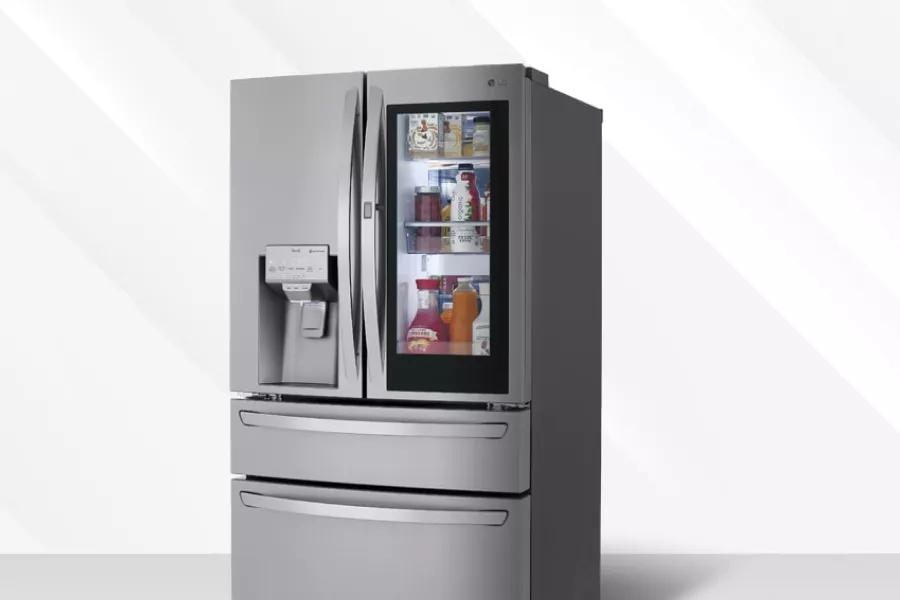
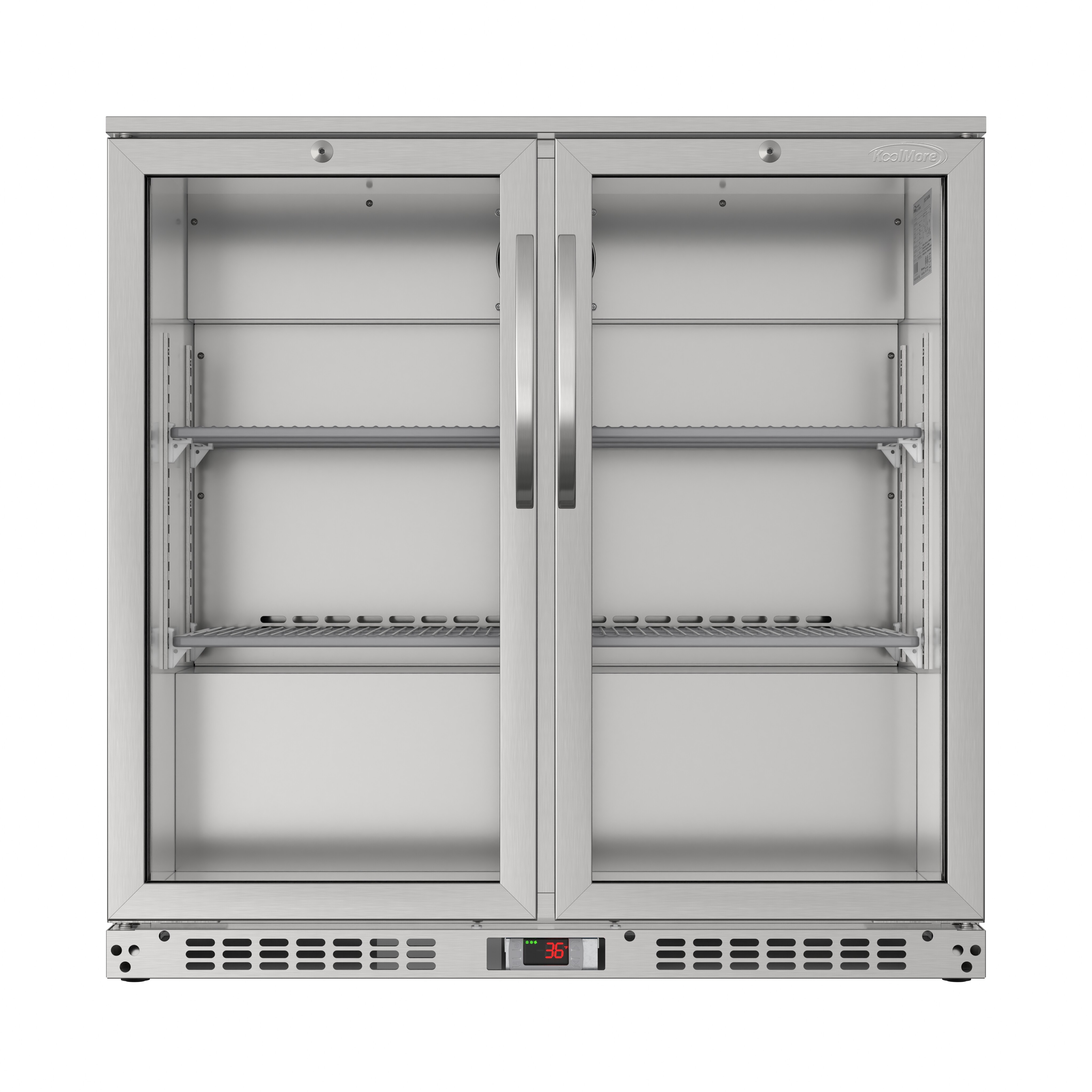
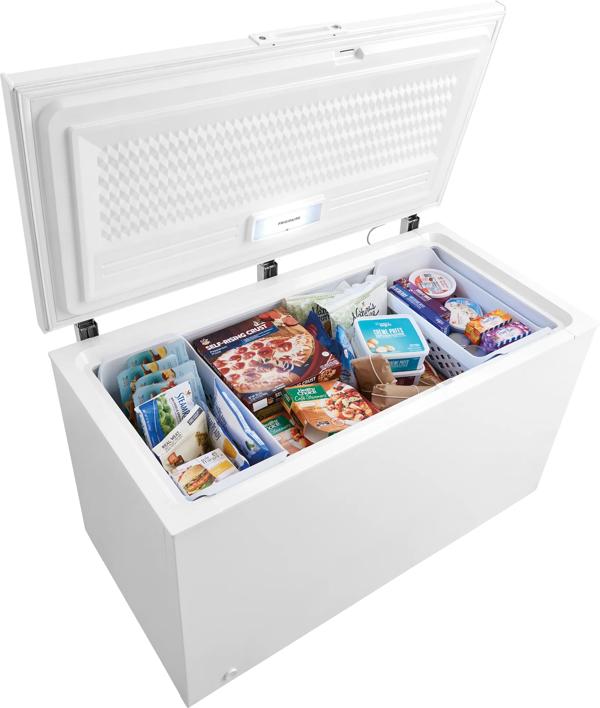
Keeping that juicy beef fresh isn't just about taste; it's all about keeping unwanted bacteria at bay, too. Make sure your fridge is cooling things down to under 40°F (4°C) so you can avoid a bunch of nasty surprises. It's like giving your beef a safe, cold bear hug. An efficient fridge locks in that mouth-watering flavor and keeps that perfect texture without fuss.
A simple check on your fridge's temperature every now and again can save you from a bunch of headaches. Grab a dependable thermometer to keep tabs on things. If your fridge starts acting up, don’t panic—just check out Fridge.com guide on fridge tips: refrigerator quit working for some handy advice.
Factors Affecting Beef Freshness
Here’s what you need to know to keep your beef fresh and tasty:
Factor
What's Going On
Temperature
Keeping beef nice and chilly under 40°F (4°C) keeps it fresher for longer. Get in the habit of checking that fridge setting often.
Humidity
Too much moisture breeds bacteria; too little dries things up. You want to find that sweet spot.
Packaging
Seal it tight! Keeping air out with airtight bags or containers is your ticket to avoiding spoilage and that yucky brown color.
Storage Location
Bottom shelf is where the cool kids hang out. It's the spot where temperatures don't swing as much. Avoid the fridge door, which is like a theme park ride—lots of ups and downs!
These simple tips can really make your beef last longer and taste better. Be sure to check out more handy ways to organize your fridge with Fridge.com article on fridge energy efficient features. It's all about making that fridge work for you!
You want your fresh beef to taste great and be safe to munch on, right? Here’s the scoop on keeping it in perfect condition in your fridge. Use these simple temp insights and packaging tips to keep your beef as fresh as possible.
Temperature Guidelines
Keeping your fridge just right is key to slowing down those little bacteria and keeping your beef top-notch.
Where It's At
Keep It Hanging Around This Temp
Your Fridge
32°F to 36°F
Freezer
0°F or colder
Peek at your fridge thermometer now and then to make sure it’s sticking to these cool numbers. Your beef will thank you.
Packaging Tips
Packaging is like dressing your beef for success. Here’s how to keep it fab:
No Fiddling Needed: If it came in a sealed package from the store, it’s usually good to chill there till you’re ready to fire it up. Just keep it snug.
Vacuum-Seal Magic: Plan to store that beef a bit longer or dodge freezer burn? Consider vacuum-sealing to zap the air out. Magic, right? Keeps it fresher, longer.
Wrap It Like a Pro: No vacuum sealer? No problem. Wrap it up in plastic wrap, foil, or butcher paper. Make it a snug fit to keep air at bay.
Date Stamp: Pop a date on there when you stash away the beef. It’s your little reminder for when it’s time to use it or lose it.
Stop the Spread: Keep raw beef down low on the fridge’s bottom shelf. No one wants beef juice surprise on their veggies.
Stick with these temp and packaging tricks, and your beef won’t just stick around—it’ll stick around deliciously. Got more questions about meat storage? Have a peek at Fridge.com handy guide on how long does ham last in the fridge?.
Keeping your beef tasty and safe takes a bit of know-how. Let’s break it down to keep your family happy and healthy!
Storage Duration
How long can you keep that beef chillin’ in the fridge? Here’s a cheat sheet so you don’t end up dealing with any bad meat drama:
Beef Type
Storage Time (Fridge)
Fresh ground beef
1-2 days
Fresh steak
3-5 days
Fresh roasts
3-5 days
Cooked beef
3-4 days
Want your beef to last longer? Freeze it up! But always keep an eye (or a nose) out for any funky odors or colors—those are red flags for spoilage.
Avoiding Bad Vibes aka Cross-Contamination
Cross-contamination’s the party crasher of the food world. Here's how to keep raw beef from leaping onto your veggies:
Separate Storage: Put beef on the bottom shelf so it doesn’t drip on other foods. Think of it as the bouncer at your food party.
Use Designated Containers: Airtight containers or resealable bags keep the juices in check and your fridge looking sharp.
Washing Hands and Surfaces: Soap up those hands before and after diving into beef prep. Don’t let the raw beef make friends with your veggies on the same cutting board without a good clean-up first.
Proper Utensils: Keep utensils for raw beef separate from others, like veggie slicers. It’s a bacteria-blocking move.
Want to keep your beef fresh and tasty? Follow these handy tips for thawing and using leftovers to ensure you're getting the best out of your beef stash.
Proper Thawing Techniques
Thawing beef the right way keeps its yumminess and texture intact. Here are some top tips to get it just right:
Thawing Method
Time Required
Notes
Fridge
A day for every 5 pounds
Keeps beef cool and safe for consumption
Dunk in Cold Water
Half an hour per pound
Refresh water every 30 minutes
Zap in the Microwave
Changes per model
Eat pronto after thawing
If you're using the fridge, think ahead 'cause it needs time. For speedier thawing, cold water's your buddy, but keep that wrap tight to stop any soggy beef disasters. Microwave thawing's quick, but you gotta cook it straight away since nobody wants beef sushi.
Using Leftover Beef
Leftover beef is a goldmine for last-minute meals if you store and reuse it properly. Here are some tips to help you transform those scraps into delightful new dishes:
Store Right: Stash the beef in a snug container to keep it from drying out. Pop it in the fridge, and gobble it up within 3-4 days.
Get Creative: Mix up your leftover beef. Whip up some stir-fry, toss it in tacos, or stack it in sandwiches. Check out Fridge.com article on fridge freezer meal recipes for more inspo.
Heat with Care: When warming it up, make sure the beef is hot enough to enjoy safely—think 165°F. Toss it in a microwave-safe dish or skillet for even cooking.
Sticking to these hacks will help you enjoy fresh beef while cutting down on waste. So, grab those leftovers and play chef for the best taste every time!
From Fridge.com research
Figures below come from data Fridge.com builds and maintains. Each links to the record behind it.
Fridge.com Energy Index, built on U.S. EPA and DOE ENERGY STAR records
Across 5,455 ENERGY STAR certified refrigerators and freezers from 263 brands, median use is 360 kWh per year.