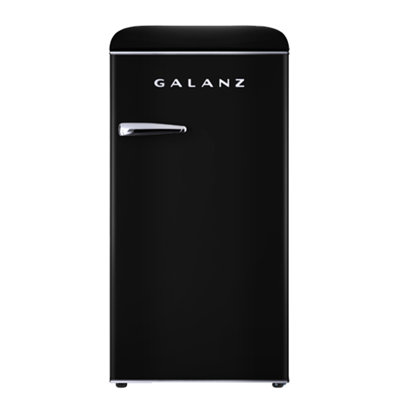
Why You Can’t Live Without Your Fridge on a Plant-Based Diet
If you're committed to eating plant-based, having a good fridge isn’t just a nice-to-have—it’s your sidekick. It keeps your veggies vibrant, your plant-based foods safe, and your meal prep smooth sailing. Here's why your refrigerator is a must for the plant-powered life.
Keeping Veggies Alive and Kicking
Fresh fruits and veggies are your best friends in this diet. A fridge can keep carrots crispy and spinach green instead of a sad mushy mess. It’s all about that good temp control to stop the wilting and spoilage blues.
Type of Produce
Best Storage Temp (°F)
Shelf Life in Fridge
Leafy Greens
32-36
Around a Week
Berries
30-32
Less than a Week
Root Veggies
32-38
A Few Weeks
Apples
30-32
A Couple of Months
Stashing Your Plant-Based Goodies
Your fridge isn’t just for veggies. It’s home to grains, nuts, beans, and all those dairy-free goodies. Keeping them cool means they’re ready when you are. Plant milks and tofu need this chill life to stay tasty and ready to go.
What to Store
How to Store It
Grains (Quinoa, Rice)
In airtight jars fridge; dry elsewhere if uncooked
Beans, Lentils
Seal up cooked ones in the fridge
Nuts & Seeds
Tuck 'em in the fridge to keep them fresh
Plant-Based Milk
Keep cold after cracking open, guzzle down in a week or so
Nixing the Nasty
When it comes to staying safe and healthy, your refrigerator’s got your back. It stops bacteria from crashing the party. Keep it between 34°F and 40°F, and bye-bye, germs!
Temp Setting
Food Safety Tips
34°F - 40°F
Peek at the temp now and then; tweak as needed
Warmer than 40°F
If left too long, toss what's spoiling the fun (aka perishable goods)
Your fridge is like the VIP backstage pass for your plant-based gig. It keeps things fresh, easy to grab, and safe. Dive deeper into how to keep the good times rolling with meal prep and waste-cutting tips.
Picking out the perfect fridge for a whole foods plant-based diet is like setting yourself up with a personal grocery store at home! Knowing the right features can keep your eats fresh and neat-o. Let's dig into what really matters.
Ample Storage Space
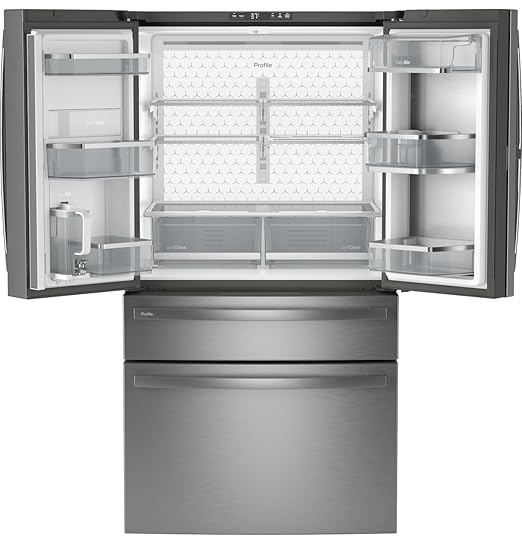
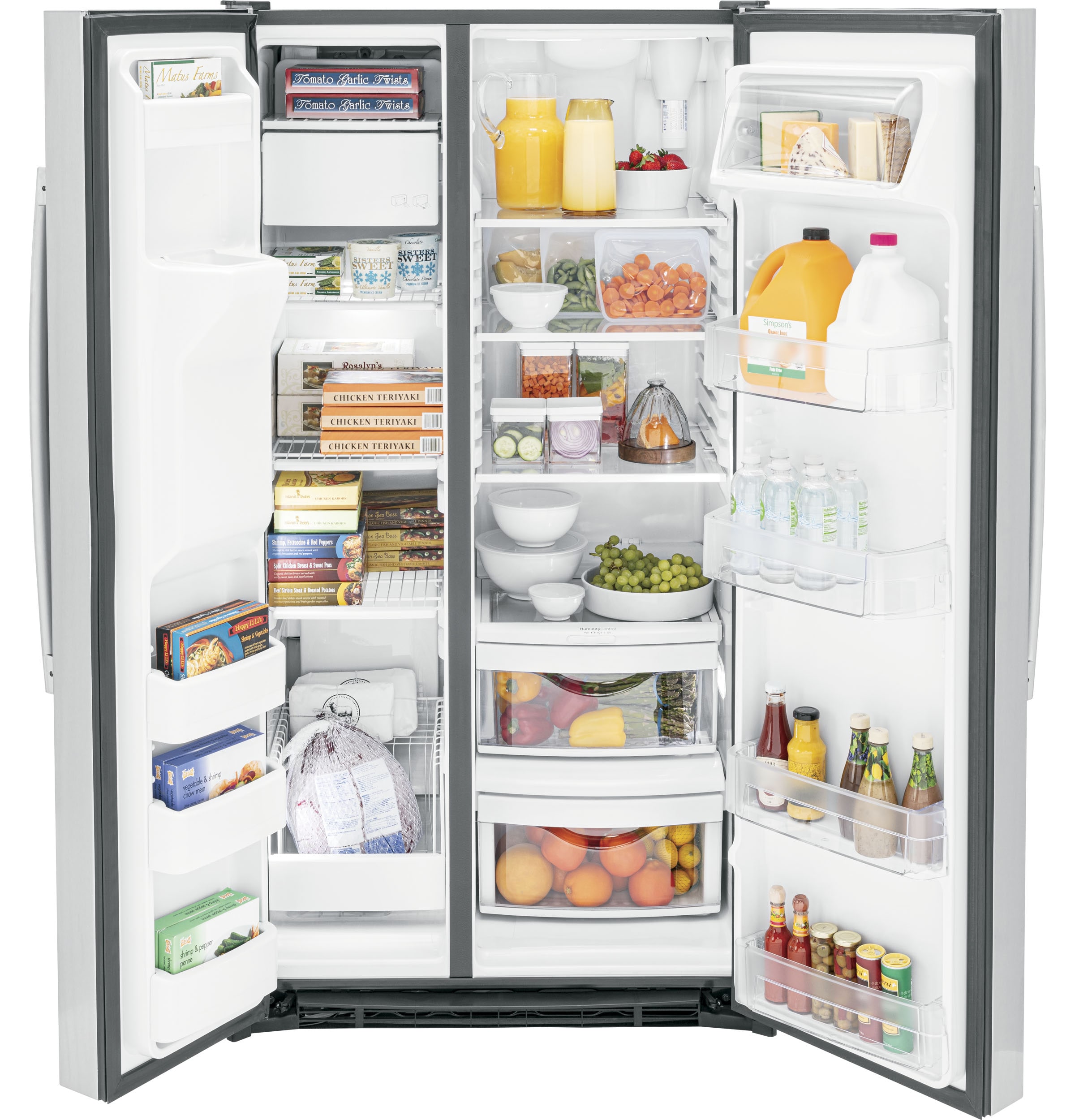
Going plant-based? Expect your fridge to be the hangout spot for all sorts of colorful veggies, grains, and legumes. You’ll need one with plenty of room for all those good eats. Think about those separate sections for veggies, fruits, and your dairy subs.
Size of the Fridge
Best Fits
18-20 cu. ft.
Lovebirds or a small gang
20-25 cu. ft.
Your average family gang
25+ cu. ft.
Big fams or pros at meal-prepping
Adjustable Shelves and Bins
Gone are the days when you just had to shove stuff anywhere they’d fit. Get a fridge where you decide how it looks inside! Adjustable shelves and bins mean you can play Tetris with your groceries, especially when you’ve got hefty stuff like watermelons or a mountain of meal prep.
Shelf Type
Cool Stuff About It
Glass Shelves
Wipe away those spills, built for the heavy hitters
Wire Shelves
Let your food breathe a bit
Crisper Drawers
Keeping your veggies and fruits fresh and dandy
Temperature Control and Humidity Levels
Ever marveled at how some things stay fresher than others? That’s your fridge’s temperature and humidity skills at work. You need these in top form to preserve those plant goodies. For instance, your greens love it damp, but your apples like it dry and cool.
Humidity Level
Best For
High
All about those greens and brocs
Low
Apples, carrots, the grape gang
Still scratching your head about your fridge making noise but not feeling the chill? Check out our how to: fridge light on but not cooling article for some pointers.
With enough room, flexible storage, and climate control, you’re not just storing food—you’re crafting an environment that’ll keep your plant-based lifestyle buzzing with fresh vibes.
Keeping your fridge tidy is super important if you’re all about that whole foods plant-based life. Getting your chill box in order makes finding stuff a breeze and keeps your goodies fresh! Here's a bunch of ideas to help you keep that plant paradise cool and collected.
Choosing the Right Storage Containers
The secret to making your fruits and veggies last? It's all in the containers, baby! Go for airtight ones. They keep those smells from mingling and your produce in tip-top shape. Here’s a quick cheat-sheet on picking the right fit for your plant-based goodies:
Food Type
Go-To Container
Fresh Produce
Glass or BPA-plastic with vented tops
Leftovers
Airtight glass jars
Grains & Legumes
Clear bins or jars
Freezer Snacks
Freezer bags or containers
Smart storage not only keeps stuff fresh—it also helps you waste less by seeing what’s knockin’ about in there.
Slap-On Some Easy Labels
Labeling stuff in your fridge is a game-changer. Scribble down what it is and when you bought it, and you’ll never munch on some forgotten five-day-old salad again. Try using reusable labels or just mark your masking tape. Here’s some label inspo:
“Chickpeas - 10/20”
“Spinach - Use by 10/25”
“Quinoa Salad - 3 days left”
With clear labels, grabbing a snack or prepping lunch is a piece of cake.
Keep it Clean and Tidy
A spick-and-span fridge is all good for your greens and your tummy! Regular cleaning knocks out spills, nasty smells, and helps spot expired bits. Aim for a monthly spruce-up. Here’s how:
Empty it out: Yank everything out and chuck what’s unfit to eat.
Wipe down: Mix vinegar and water, and scrub shelves and drawers clean.
Scrub containers: Give those food holders a hot, soapy wash.
Restock smart: Organize with regularly used stuff at eye level and group similar goods together.
A clean fridge is a happy fridge, and it keeps your plants happy too!
By putting these tips to work, you’ll make sure your fridge is ready to rock your plant-based journey. Want to know how to keep that freshness going? Check out our fridge-friendly meal prep ideas to keep you rolling in tasty, easy-to-grab meals.
Want to keep those veggies crisp and your fruits sweet for days on end? Let's dive into some handy tips that’ll keep your plant-based faves in tip-top shape.
Storing Fruits and Veggies Right
Your fridge can be more than just a place where food goes to die. Check out these tips to make it your produce’s best friend:
Keep ‘Em Separated: Bananas and apples pump out ethylene gas – which can make nearby veggies like spinach and cucumbers wither away faster. Give them their own space, like bickering siblings.
Crispers Are Your Friends: Those drawers at the bottom of your fridge ain't just for decoration. Keep fruits in the low humidity drawer and veggies in the high one. Think of it as finding each of them their perfect roommate.
Save the Rinse for Later: Hold off on washing your produce until it's dinner prep time—moisture is a fast pass to mold town.
Here's a cheat sheet to keep your produce happy:
Food
Temp Inside the Fridge
Humidity Needed
Apples
30-35°F
Low
Carrots
32-36°F
High
Spinach
32-36°F
High
Bananas
57-60°F
Low
Bell Peppers
45-50°F
High
Making Perishables Last
Don’t let those good groceries go bad—here’s how to stretch their lifespan:
Seal the Deal: Use airtight containers to keep your leftover loot fresh. Less air = longer life.
Date Your Food: Check those expiration dates and eat the older stuff first. FIFO (First in, first out) isn't just for accountants.
Stay Neat: A tidy fridge means nothing’s hiding—and nothing’s rotting while you're searching for the ketchup.
Want more tips on preventing waste? Fridge.com article on refrigerating and reusing is just a click away.
Freeze Like a Pro
Want those leafy greens to last longer? Your freezer is the answer. Here’s how to make the most of the cold:
Blanch Before Freeze: Heat and then ice veggies to lock in their goodness.
Stick a Label On It: Write down what’s inside and when it went in. Trust us, figuring out what that mystery bag in the back is three months later isn't fun.
Portion It Out: Freeze in mealtime sizes. So convenient, even your future self will thank you.
Check out this guide on freezing your plant-based staples:
Food
Prep Before Freezing
How Long It Lasts
Spinach
Blanch 2 mins
10-12 months
Carrots
Blanch 2-5 mins
10-12 months
Bananas
Peel & freeze whole
6-9 months
Berries
Wash & dry
6-12 months
Cooked Quinoa
Cool & portion
6-12 months
Keep these tips handy to make the most out of your diet — and keep your fridge a fresh-food haven. Happy eating!
Energy-Saving Tips for Your Fridge
Keep your fridge running smoothly and your grub fresh with these nifty tricks for using less energy.
Getting the Right Chill
Set your fridge just right so your food stays safe and tasty. The FDA says to keep it at 40°F (4°C) or below, and your freezer at a frosty 0°F (-18°C).
Appliance
Ideal Temp
Refrigerator
≤ 40°F (4°C)
Freezer
0°F (-18°C)
Peek at those settings every now and then. If things get too warm, your food might spoil early. Crank it too cold, and you might end up with icy lettuce.
Smart Stashing
How you stash your goodies affects how hard your fridge has to work. Here are some savvy storage tips:
Group like goods: Keep similar eats, like fruits and veggies, together for quick grabs without standing with the door wide open.
Don't pack it tight: Leave room for air to do its thing and keep everything evenly chilled.
See-through storage: Clear bins let you scan what's inside—less time with the door open means less energy burned.
Organizing cleverly helps cut down the power your fridge uses and keeps your plant munchies fresh. For more cunning fridge hacks, swing by our fridge yogurt organizer.
Keeping It Spiffy
Regular TLC for your fridge means it lasts longer and works better. Try these maintenance moves:
Condenser coil cleanup: Dusty coils don't cool as well. Give them a wipe every six months. Need how-to tips? Check out Fridge.com guide on fridge coil cleaning.
Seal it tight: Check the rubber gasket for wear. A snug seal keeps in the chill.
Don't let frost crash the party: Too much frost gums up the works. Defrost it on the regular to keep it humming.
Stick to these tips, and you'll keep your fridge in tip-top shape and your nosh fresh and safe. For more genius ideas on cutting waste and taming your fridge clutter, see Fridge.com piece on smart storage: making the most of your fridge.
Keeping your meals tasty and sticking to a plant-based diet can be super simple with a few fridge-ready meal prep tricks. Here’s a set of smart ideas to kick off your journey.
Batch Cooking for Convenience
With batch cooking, you’re in for a real time-saver throughout the week. Cook up a bunch of grains, beans, and veggies all at once, and pop them into the fridge. That way, you'll have ready-to-go ingredients when hunger hits.
Ingredient
Cook Time
Stays Good For
Brown Rice
45 mins
4-5 days
Quinoa
20 mins
4-5 days
Lentils
30 mins
5-7 days
Roasted Veggies
30-40 mins
4-5 days
Spice it up! Use different seasonings to keep things exciting and your tastebuds happy. Check out Fridge.com tips on how to refrigerate and reuse effectively.
Prepping Fresh Ingredients in Advance
Weekend prep can make weekday cooking a total breeze. Give your veggies a wash, chop 'em up, and store them in the fridge. You’ll not only save time but also be more tempted to reach for healthy snacks when on the go.
Here’s how to prep:
Ingredient
Prep Style
Storage Suggestions
Leafy Greens
Wash and chop
Airtight containers with a paper towel to soak up moisture
Carrots
Peel, cut into sticks
Keep in water for a crisp crunch
Bell Peppers
Slice or dice
Airtight bags or containers
Fruits (like berries)
Wash and portion
Containers to stop them getting squished
With these quick preps, whipping up a salad, stir-fry, or snack gets effortless—no need for a do-over with each meal.
Creating Space-Saving Meal Kits
Meal kits are your ticket to a neat fridge and ready-to-eat meals. Set up your meals in containers so you can grab 'n' go at your convenience. This habit tidies up your fridge and helps with managing portion sizes too.
Meal Kit Building Blocks
Examples
Base
Quinoa, brown rice, or cauliflower rice
Protein
Chickpeas, black beans, or tofu
Veggies
Sautéed mixed veggies, roasted sweet potatoes
Sauce or Dressing
Hummus, tahini, or your favorite vinaigrette
Label containers with their content and use-by date so you stay on top of freshness. If neat storage is your thing, check Fridge.com article on yogurt shelf organizing.
These meal prep ideas help you make the best of your storage while sticking to that whole food plant-based groove. Go on, give it a whirl!
Free tool
Food Storage Calculator
Free interactive tool from Fridge.com — get a quick answer while you read.