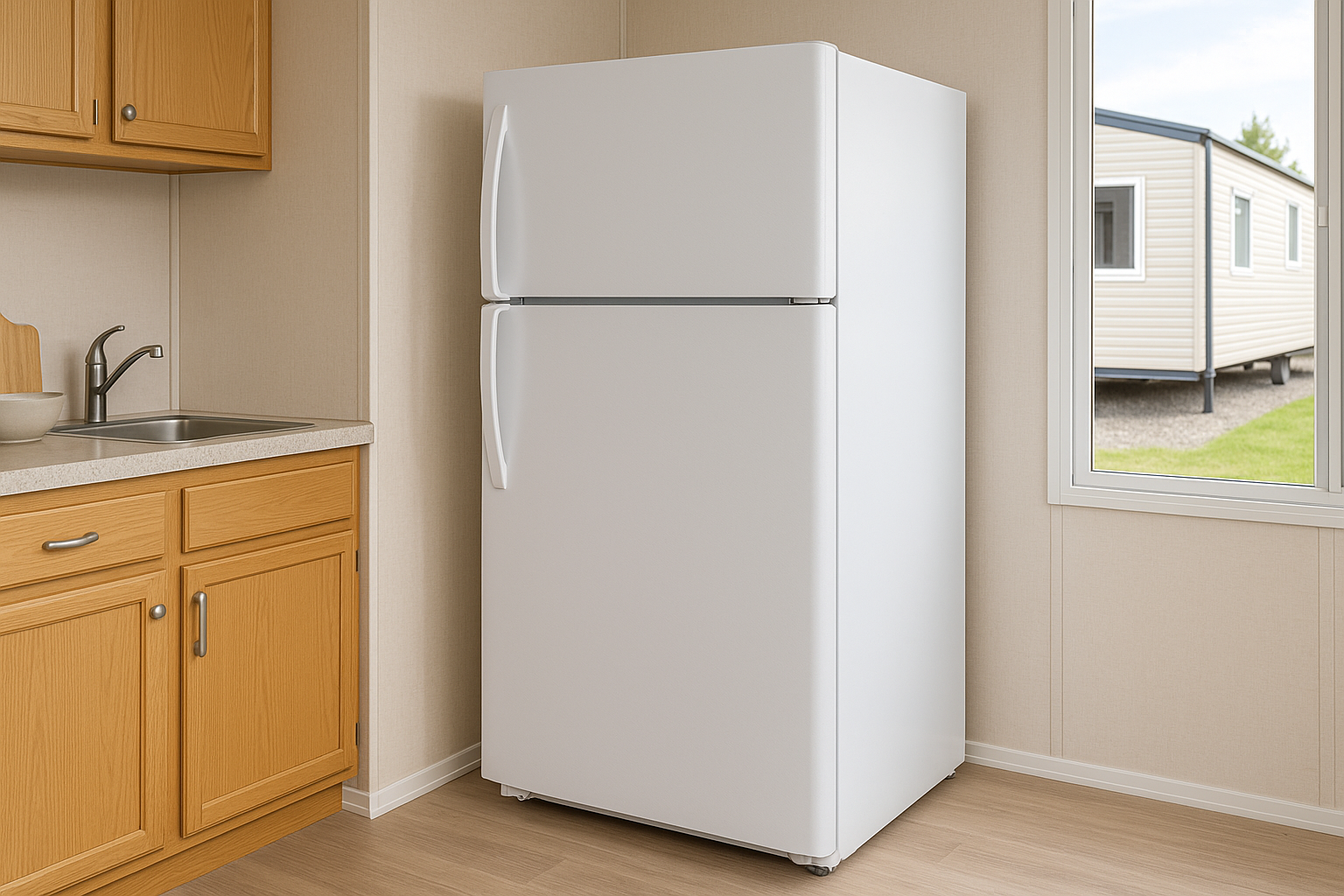
So, you're hanging in a mobile home, right? Finding a fridge that works for you is like hunting for buried treasure. You want it to comfortably cozy up to your small space but still make room inside for lots of goodies. You're aiming for a magical combo of space and zing that fits your life like your favorite pair of jeans.
Mobile home's fridges got all kinds of flavors—short ones, tall ones, and some that save you cash on that pesky energy bill. If you've got this picture-perfect fridge in mind, you're halfway there. Whether you're snapping pics for your followers, juggling family dinners, or having a chips-n-dip night with your roomies, the right fridge will keep your eats chill and your kitchen groovin'.
Factors to Consider Before Choosing a Refrigerator
Before you slap down your bucks, remember there's a bunch of stuff to chew on to make sure your fridge snugs into your mobile home, and you're jazzed about it.
Thingamajig
Whatcha Need to Know
Size
Measure twice, buy once. Grab that tape and see how much room your kitchen's giving. Don’t end up with a fridge that's like "nope, not fitting."
Roominess
How are you stocking up? Make sure your fridge can play Tetris with your groceries. Check compartments, shelves, and door pockets.
Cool Extras
Ice makers? Water dispensers? A fridge that chats back? Decide if these extras are your jam or just 'meh.'
Dough
How much dough are you willing to drop? Balance what fancy extras you want with what's in your wallet.
Ponder these, and you'll have a good hunch of the refrigerator you're after. Fancy more tricks on squeezing more out of your fridge in a tight spot? Check out Fridge.com savvy advice on fridge hacks for big families.
Size Matters
Finding the right fridge for your mobile home is kind of a big deal—it makes your kitchen work well without cramping your style. Making sure you’ve got the right fit means everything works smoothly, and your groceries have their cozy spot.
Determining the Right Size for Your Mobile Home
First things first, pull out that tape measure and jot down your kitchen's free space for your new fridge. You’ll need to know your height, width, and depth limits to make sure there's no awkward fridge shuffle later. Mobile homes can have space hang-ups, so getting this right is key.
Measurement
Minimum Size
Recommended Size
Height
At least 58 inches
60 - 72 inches is ideal
Width
24 inches to start
28 - 36 inches lets you stretch out
Depth
No less than 24 inches
28 - 32 inches is the sweet spot
Armed with your dimensions? Great. Now, let's see what suits you. Tiny fridges are awesome for narrow nooks but if you're blessed with space, a full-size number might tick all your boxes.
Compact Vs. Full-Size Refrigerators
Both types of fridges bring something to the table. Little ones are space-saving champions for snug spots or as that "just-in-case" kitchen buddy. Full-size ones, though, serve up more storage options—perfect for bigger squads or those epic meal preps.
Type
Size
Perfect For
Pros
Cons
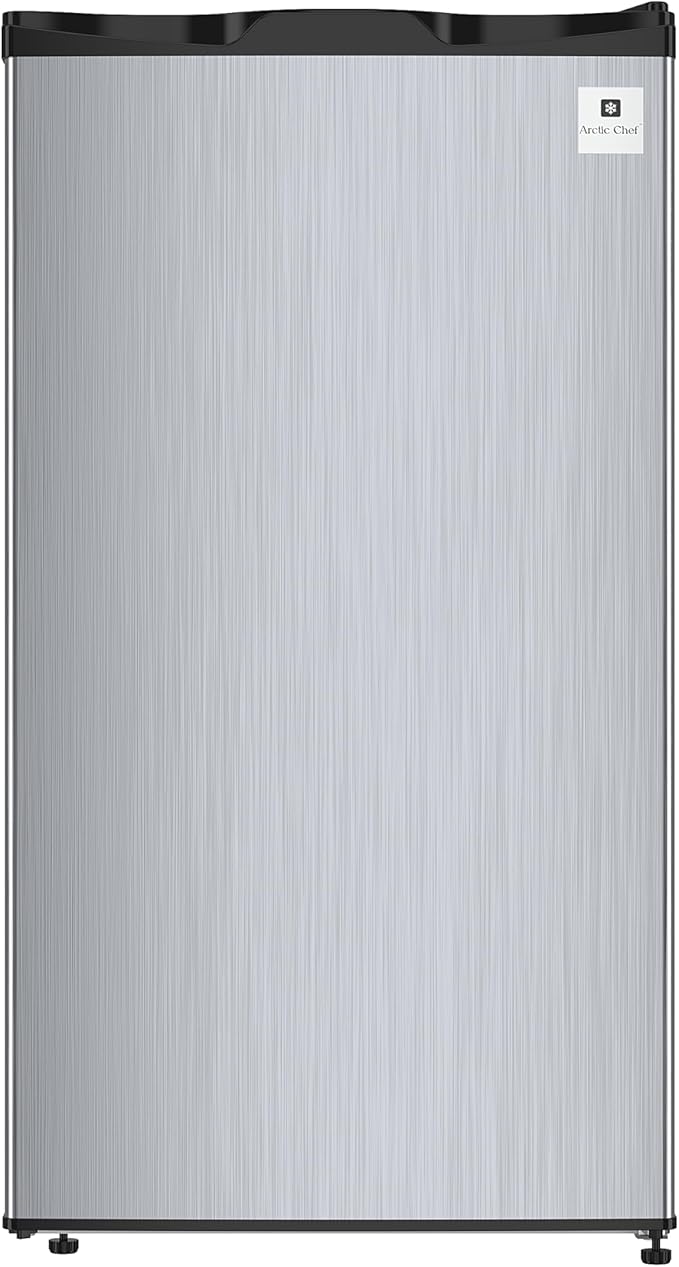
Compact Refrigerator
1.7 - 5.0 cu. ft.
Tight spots, dorm-style
Saves space, easy to move
Storage’s a bit cramped
Full-Size Refrigerator
10+ cu. ft.
Spacious homes, big families
Roomy, lotsa features
Eats up more space
Choosing between them boils down to your space vibe, lifestyle, and how hungry your grocery list gets. Say you're whipping up feasts or stocking up like a pro, a full-size might be your sidekick.
Think about how often you hit the supermarket—or if you're into meal planning—before making your choice. If squeezing storage efficiency is your game, feast your eyes on our fridge hacks for big families.
So, you're on the lookout for the perfect fridge for your mobile home, right? Well, energy efficiency should be on your radar. Energy ratings can tell you how hungry your fridge is for electricity, and that'll hit your wallet when the bill arrives. Keep an eye out for the Energy Star sticker; it means the fridge is a lean, green, energy-saving machine, approved by the U.S. Environmental Protection Agency.
Let's decode those ratings for you:
Efficiency Rating
Annual Energy Binge (kWh)
Good
400 - 600
Average
600 - 800
Poor
> 800
Picking a fridge with that shiny Energy Star label means more cash staying in your pocket and a happier planet.
Tips for Choosing an Energy-Efficient Refrigerator
Ready to nab that energy-saving fridge? Here’s the cheat sheet:
Size Matters: Go Goldilocks on this one – not too big, not too small, just right! Bigger fridges mean bigger electricity bills.
Check Features: Extra whistles, like ice makers, are cool but energy drainers. Choose a model where you can pick and flick those flashy extras.
Consider the Age: Those old-school fridges could be power hunks. Embracing a modern, sleek, and efficient model could shrink your energy costs.
Look for Adjustable Settings: Seasonal tweaks? Yes, please! A fridge with flexible controls is your ally in conserving energy.
Regular Maintenance: A clean fridge is a happy fridge. Make sure door seals are in top shape, cause if they flop, so will your energy savings.
Remember these handy pointers, and you'll be on your way to picking a fridge that keeps more than just your food fresh; it'll keep your energy bill in check too! And if you need some inspiration for stocking up, peek at Fridge.com guide on best refrigerator meals for din din and keep your grub as fresh as your savings.
Design and Features
Picking the right fridge setup in a mobile home can be like playing fridge Tetris, especially when space is at a premium. But don't fret! We’ll help you find a fridge that's not only practical but also a head-turner. Let's chat about door styles, placement, and the nitty-gritty of storage inside.
Door Styles and Placement
Ever wrestle with a fridge door that opens in a direction causing you to bump it? Yeah, let's avoid that. Here are some door types you might fancy:
Door Style
Description
Advantages
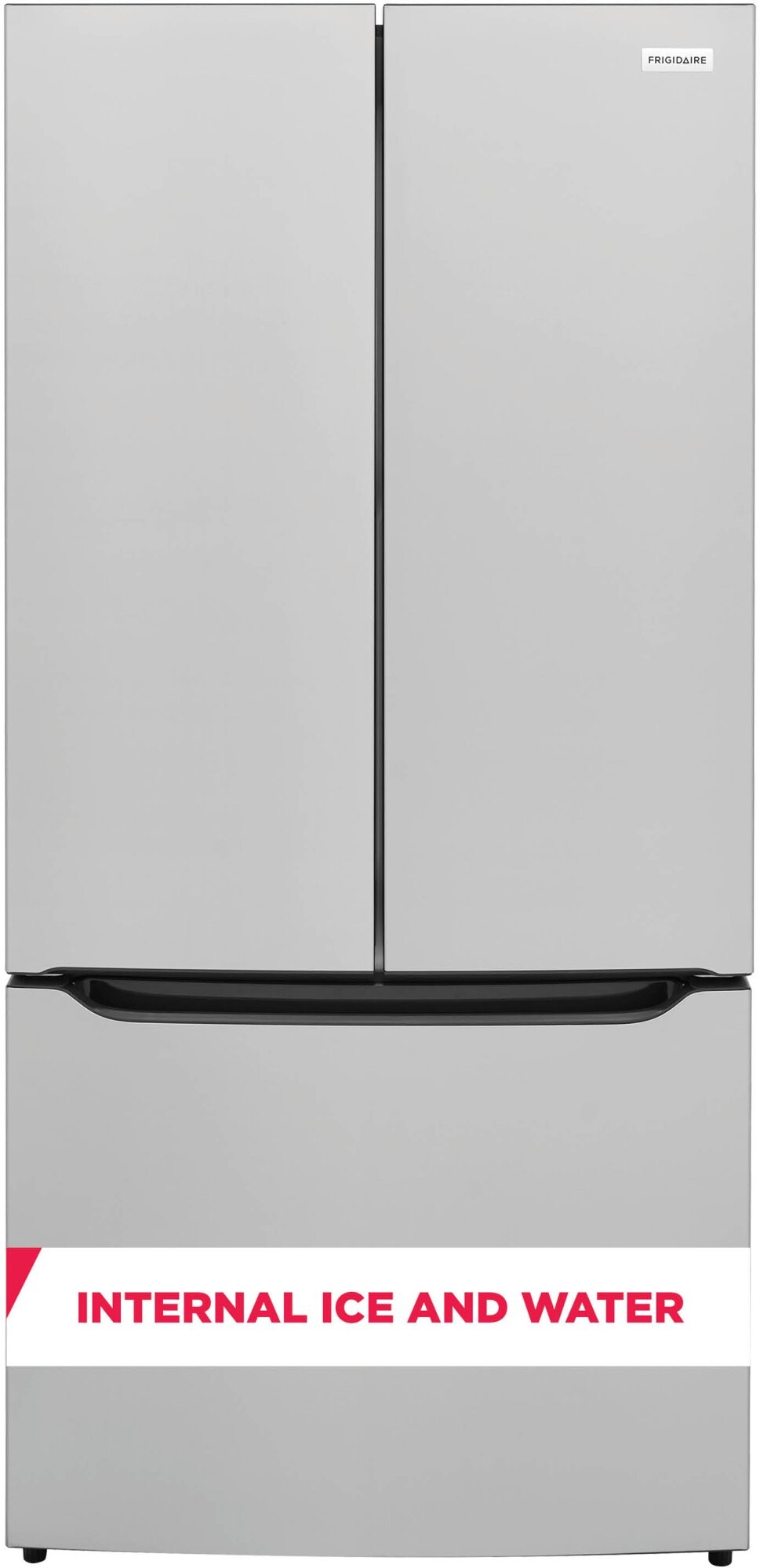
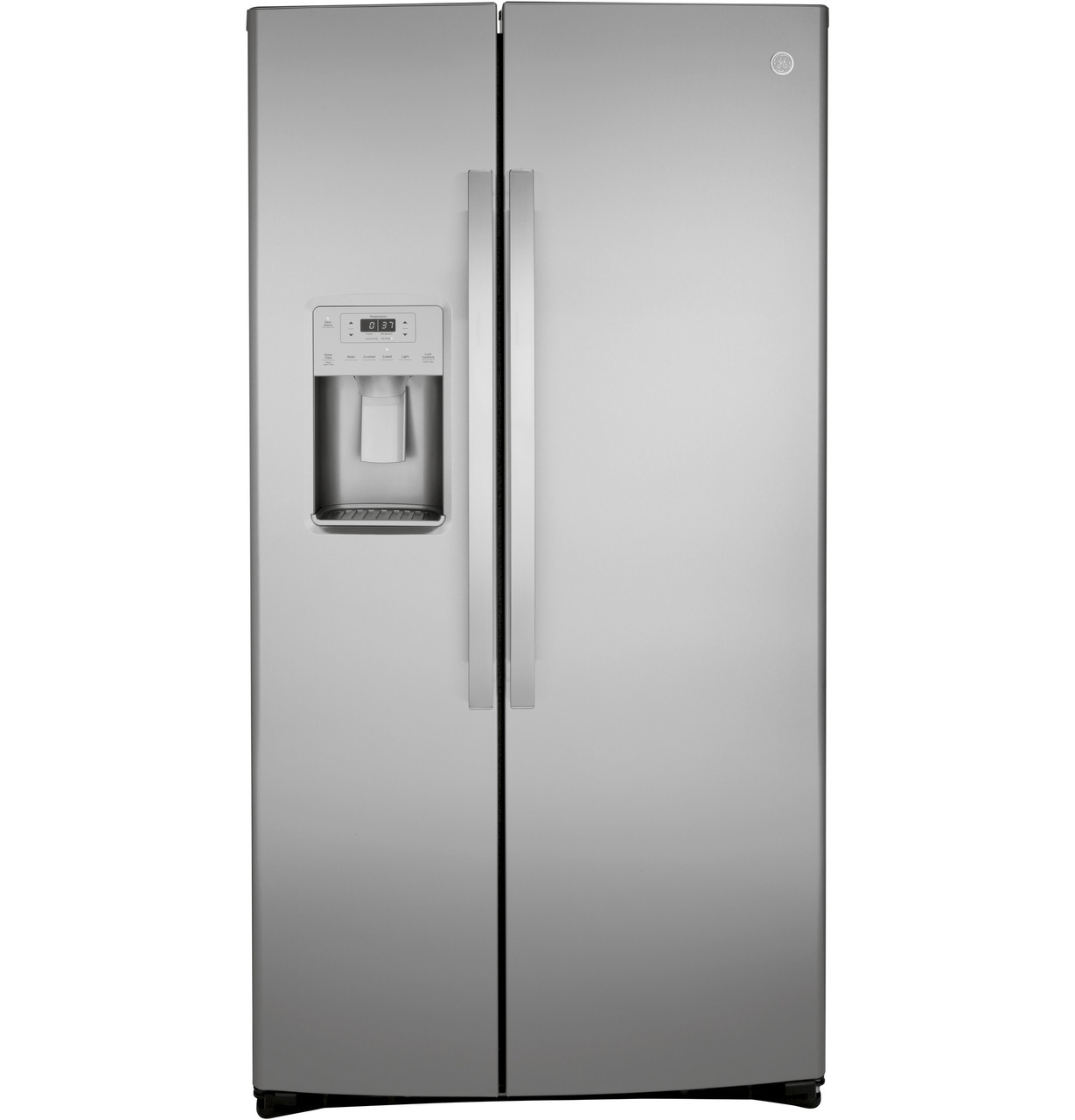
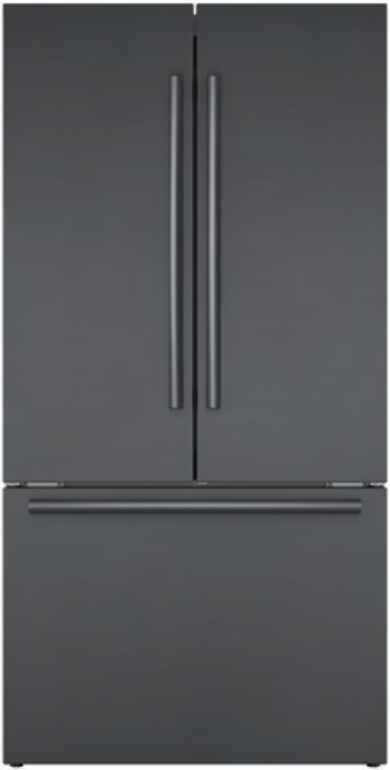
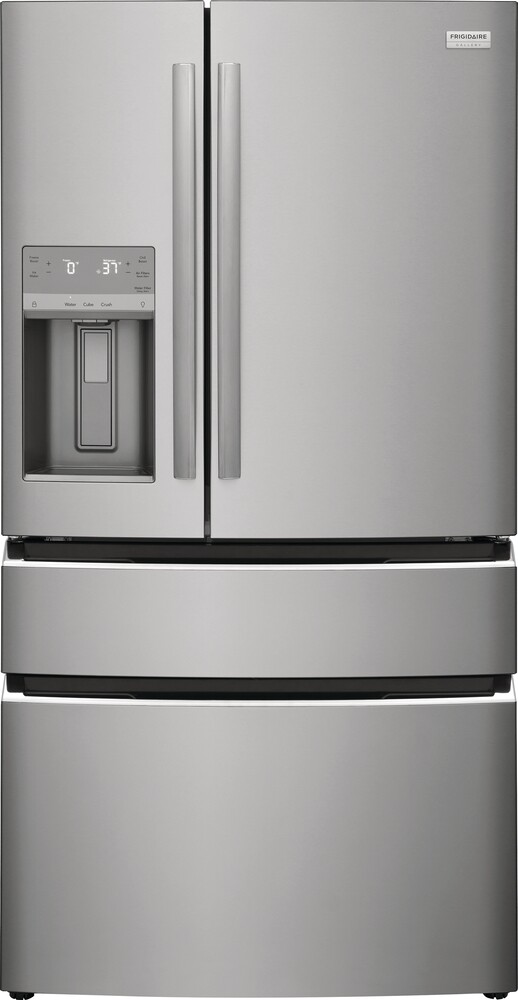
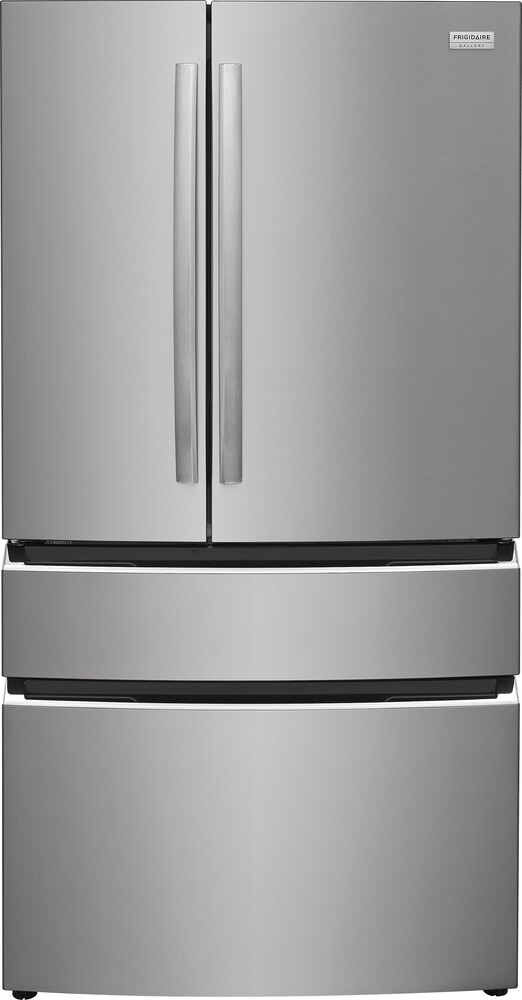
French Doors
Two doors swing open, usually with a lower freezer
Loads of space, easy item access
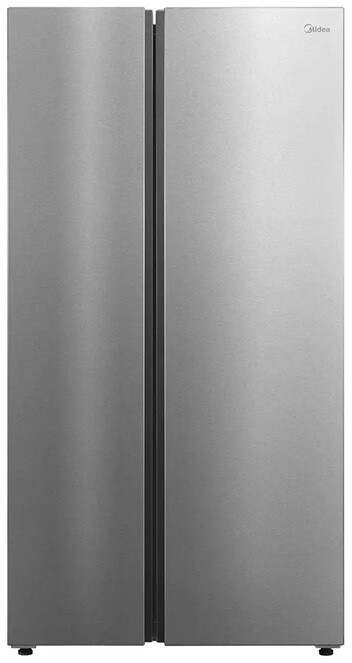
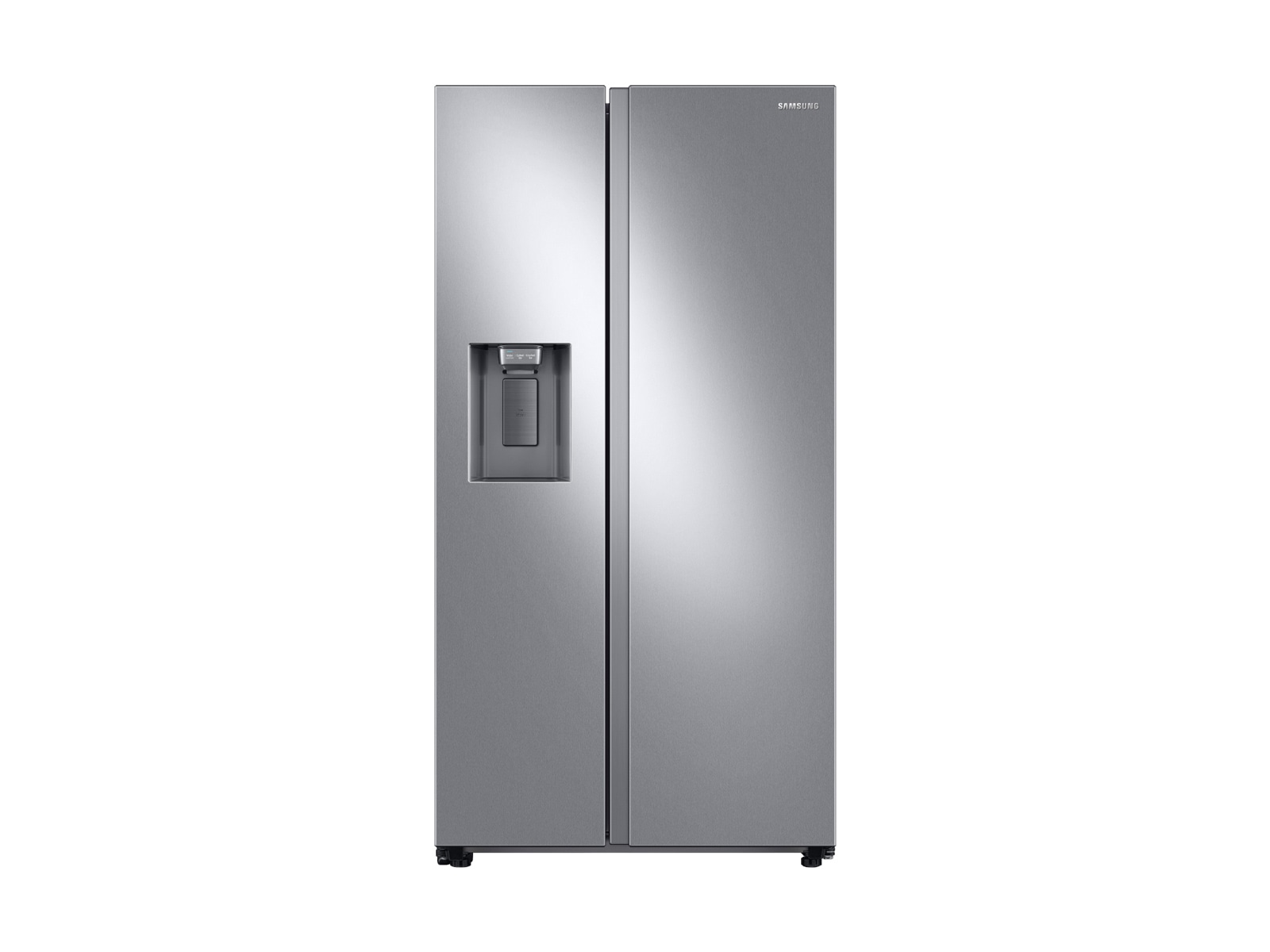
Side-by-Side
Vertical split: one door for fridge, one for freezer
Fridge and freezer items are both within arm's reach
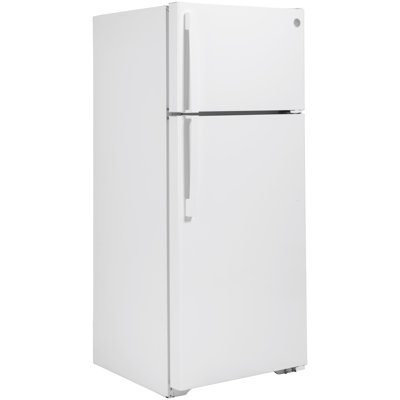
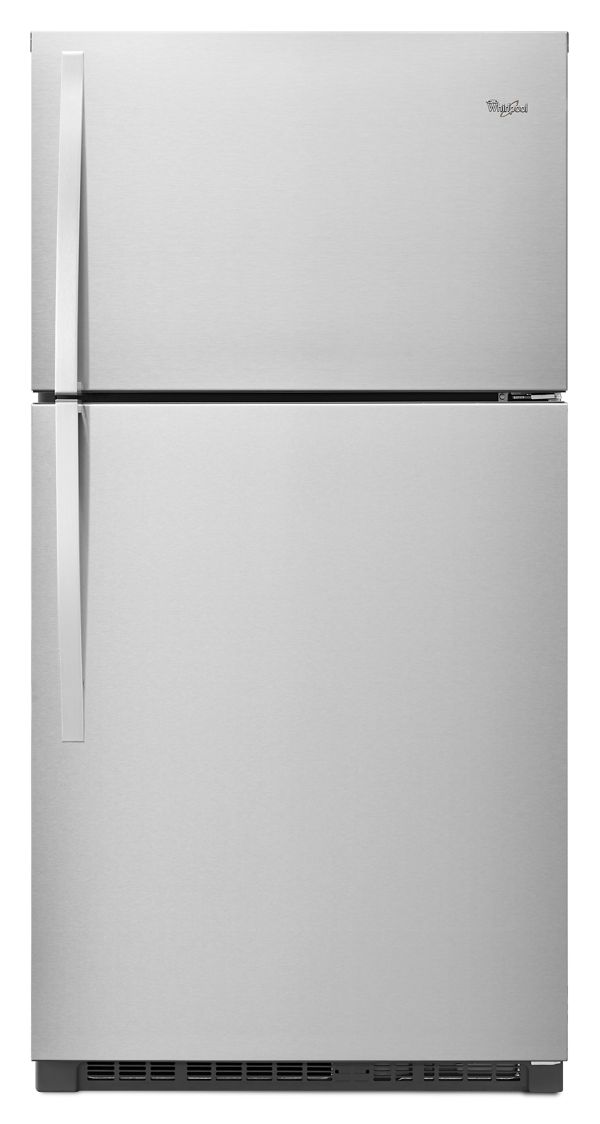
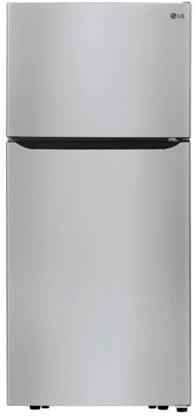
Top Freezer
Old school with the freezer on top
Cheaper and found just about anywhere
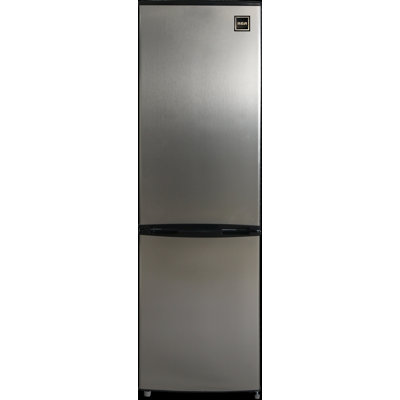
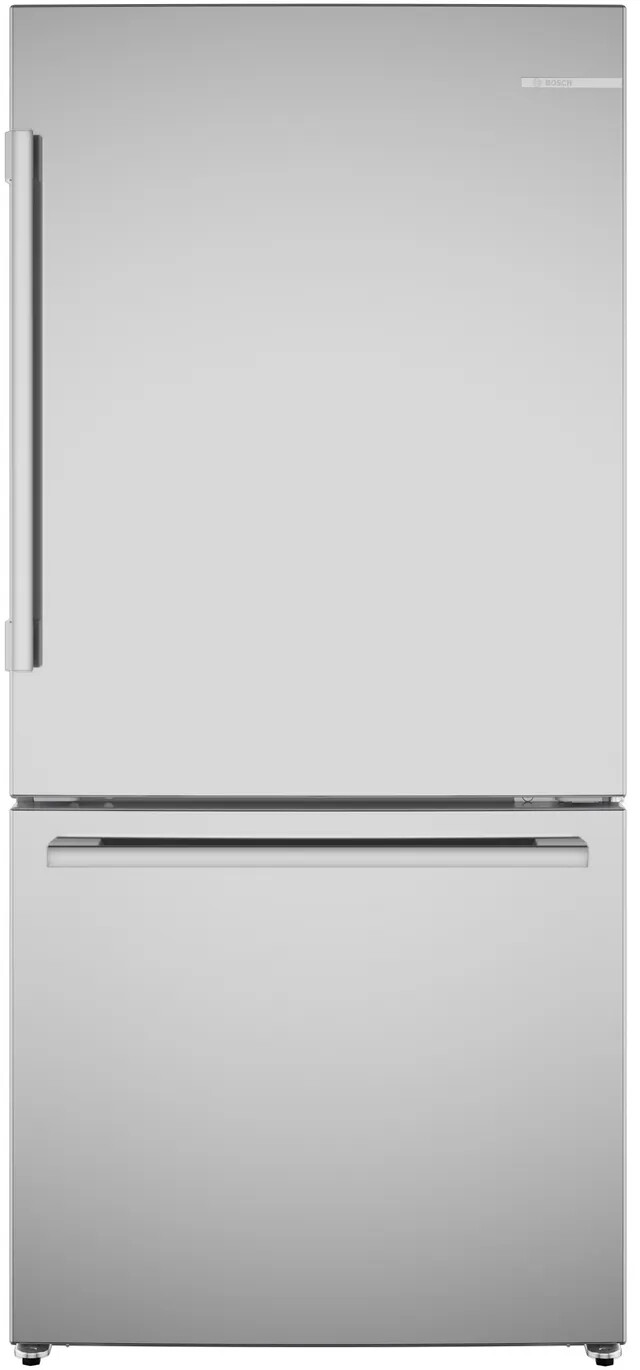
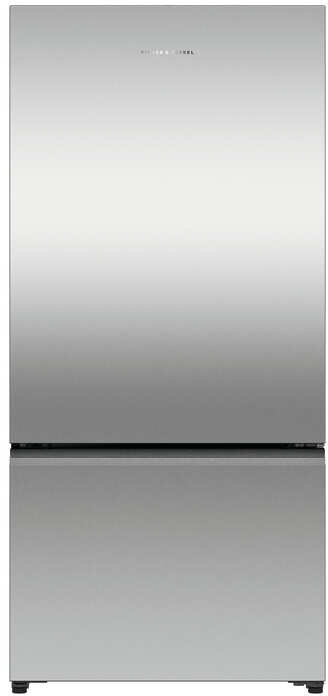
Bottom Freezer
Freezer chills at the bottom
Keep your most used stuff at eye level
How do you typically play fridge bandit? If you’re always in and out, a side-by-side could save tons of time. Got some bulky items? French doors might be your jam.
Interior Layout and Storage Options
Inside the fridge is where the magic happens—or a mess. Let's make sure it's the former with these nifty features:
Feature
Description
Benefits
Adjustable Shelves
Move those shelves around to suit your needs
Fit everything from the milk jug to the wedding cake
Door Bins
Handy spots on the door for assorted bits and bobs
Perfect spot for ketchup and those tiny sauce bottles
Crispers
Drawers that help veggies and fruits chill
Keeps your greens crunchy and fresh for longer
Built-In Ice Maker
Never run to the store for ice again
Chilled drinks on demand, minus the cube trays
Lighting
Lights that shine bright inside
No more playing find-the-leftovers in the dark
Remember, a well-organized fridge is not only marriage-material (offering peace at home) but doubles as a weapon against waste! For more on getting the yum factor without spoilage, check out Fridge.com tips on best refrigerator meals for din din.
Choose fridge features keeping your own habits in mind. The right combo of door style and layout literally puts your groceries at your fingertips.
Installation and Maintenance
You've got a refrigerator in your mobile home? Awesome! Keeping it in tip-top shape means starting with a solid install and showing it some maintenance love. So, let's get you up to speed on keeping your cold food stash cool.
Proper Installation Considerations
You gotta install that fridge right to get the most out of it. Here's some stuff to keep in mind:
Level Placement: Is it level? A wonky fridge can have doors that don't seal well, making it work harder than it needs to.
Ventilation: Give it space to breathe. Most companies say you need about an inch of wiggle room on the sides and top.
Electrical Connection: Double-check the outlet's strong enough for the fridge's power needs. it shouldn’t have to share space with every other gadget either—it needs a sturdy plug!
Secure Fit: Got a rolling fridge problem? Don't have it bouncing around like it's got ants in its pants. Tie it down with brackets or straps so it rides steady.
Installation Aspect
Recommendation
Level Placement
Adjust using leveling feet or shims
Ventilation Clearance
1 inch on sides and top
Electrical Connection
Use grounded outlet with adequate wattage
Secure Fit
Use brackets or straps
Maintenance Tips to Keep Your Refrigerator Running Efficiently
Show your fridge some TLC, and it'll keep your grub fresh longer. Here's how to keep it humming like a pro.
Clean Condenser Coils: Dust loves to party on the coils, but it hates cooling. Brush them clean every few months.
Check Door Seals: Those rubber seals should hug tight! Feel for gaps and fix them pronto, 'cause nobody wants to lose cool.
Adjust Temperature Settings: You want it cold but not icy. Aim for that sweet spot: 35°F to 38°F (1.6°C to 3.3°C). A cheap thermometer can keep it honest.
Defrost Regularly: Ice on the inside? Deal with it before it messes with how well your fridge works.
Maintain Cleanliness: Keep it neat and tidy inside. Easier airflow means less funky smells and happier veggies.
Maintenance Task
Frequency
Clean Condenser Coils
Every 3-6 months
Check Door Seals
Every month
Adjust Temperature Settings
As needed
Defrost
When frost shows up
Maintain Cleanliness
Regularly
Stick to these tips, and your refrigerator will be the hero of your mobile home, keeping your eats cool and tasty. Need some meal inspiration? Head over to best refrigerator meals for din din to keep your pallet happy and your belly full.
Importance of Temperature Control in Mobile Home Refrigerators
Keeping your fridge at the right chill level is key to making sure your grub stays good in a mobile home. You wanna aim for 40°F (4°C) or lower – that way, your milk, meat, and veggies are safe to eat. If things heat up past that mark, your chance of food nasties going wild skyrockets.
Controlling that temp doesn't just keep your food fresh; it stops money from flying outta your wallet due to wasted food.
Food Storage Guidelines for Mobile Homes
Packing up a fridge in a mobile home takes some know-how to keep stuff fresh without hogging space. Here are a few tricks:
Shelf Arrangement:
Milk and cheese go up top cuz the temperature's steady there.
Stash raw meat on the bottom shelf to dodge any drippage on other eats.
Use those crisper drawers for your fruits and veggies.
Steer Clear of Overcrowding:
Don't jam-pack your fridge. Let the air move around to keep things cool.
Keep an Eye on Things:
Pop a thermometer in there and check now and then. Keeps the food fresh and safe.
Toss the Old Stuff:
Regularly raid the fridge and chuck out anything past its prime to avoid funk and rot.
Seal It Up:
Stick stuff in airtight containers to stretch freshness and stop the spread of smells.
Stick with these tips, and you’ll get the most outta your small space while keeping your eats fresh. For more cool ideas about grub, check our write-up on best refrigerator meals for din din.
From Fridge.com research
Figures below come from data Fridge.com builds and maintains. Each links to the record behind it.
Fridge.com Energy Index, built on U.S. EPA and DOE ENERGY STAR records
Across 5,455 ENERGY STAR certified refrigerators and freezers from 263 brands, median use is 360 kWh per year.