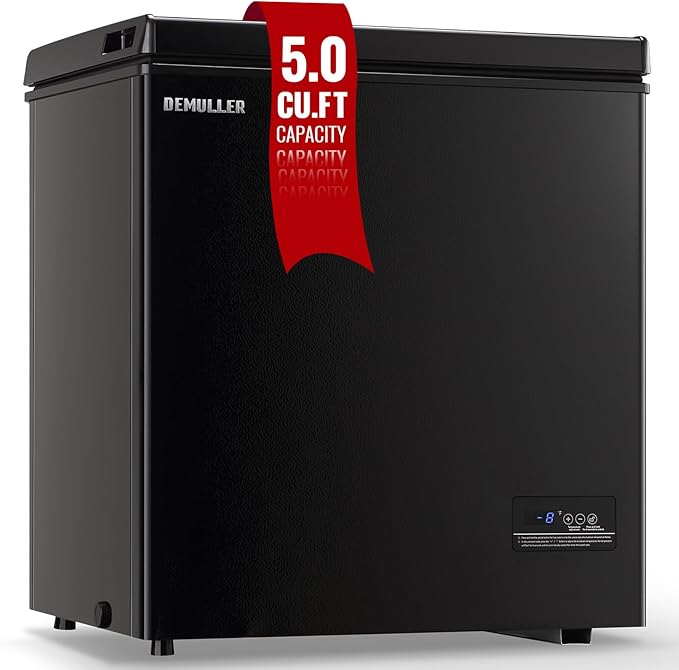
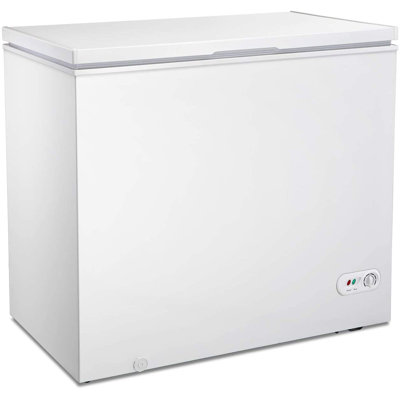
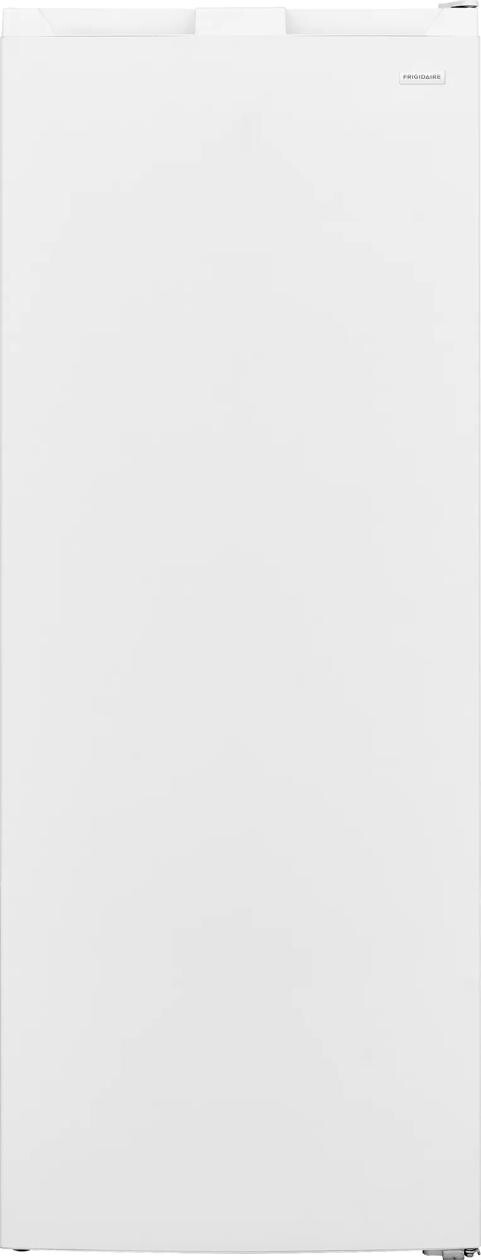
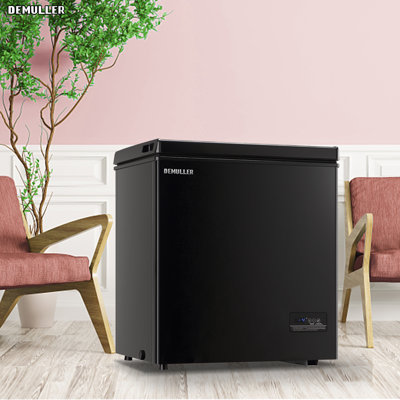
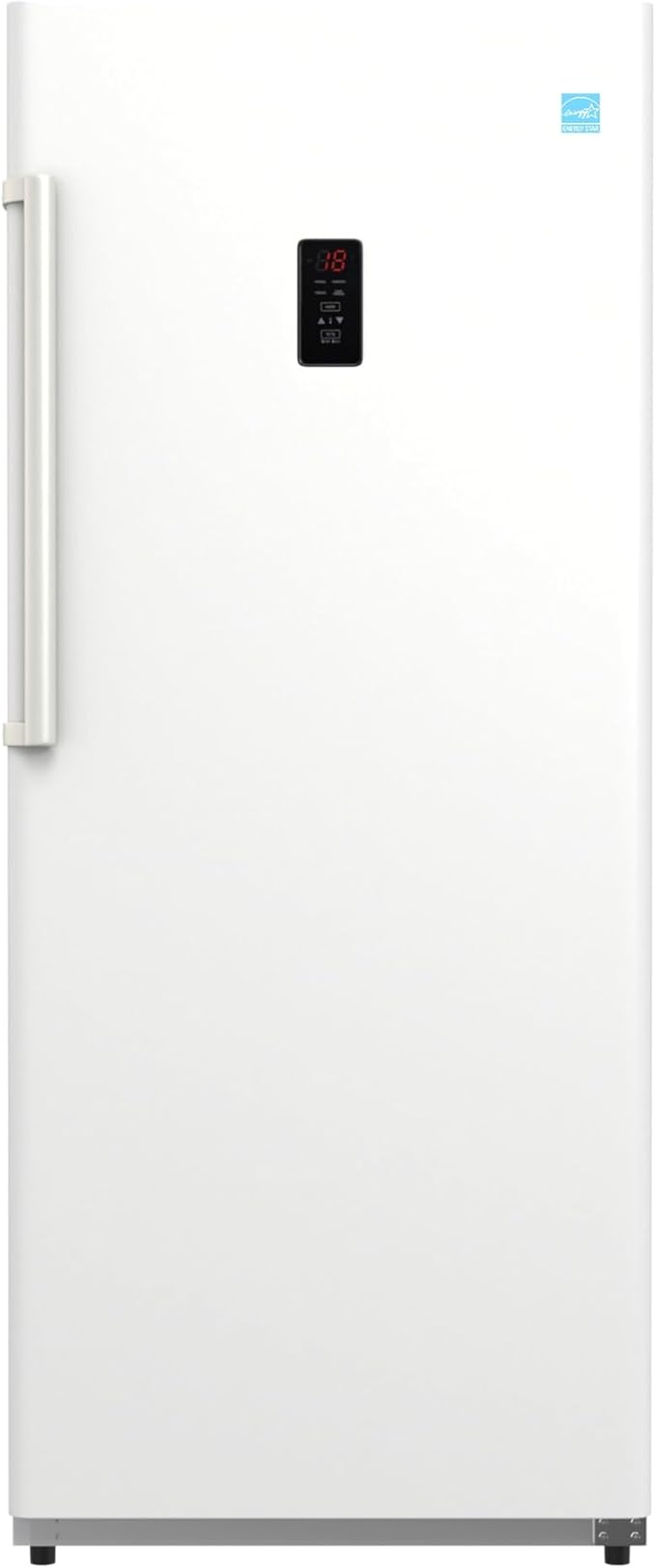
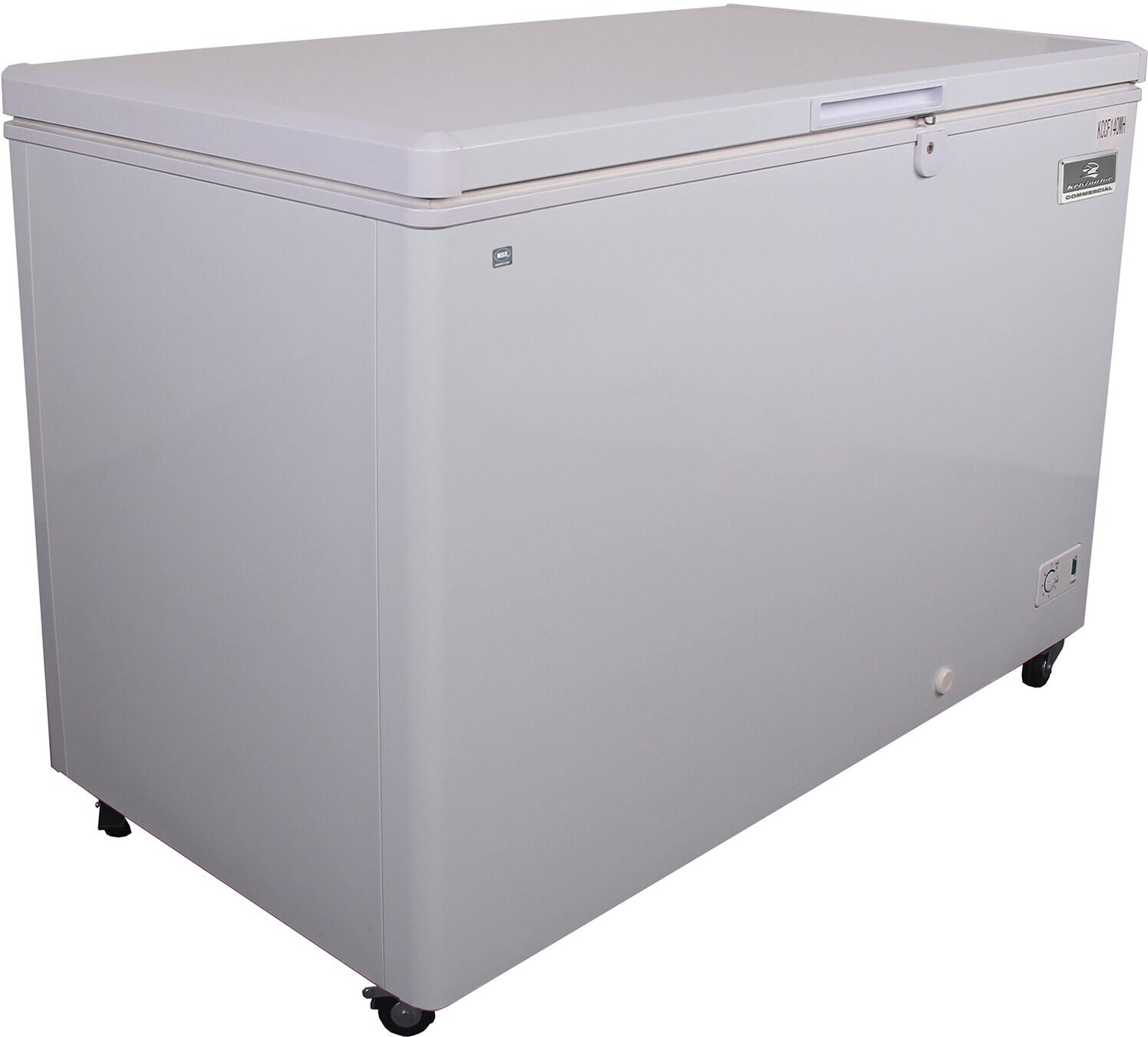
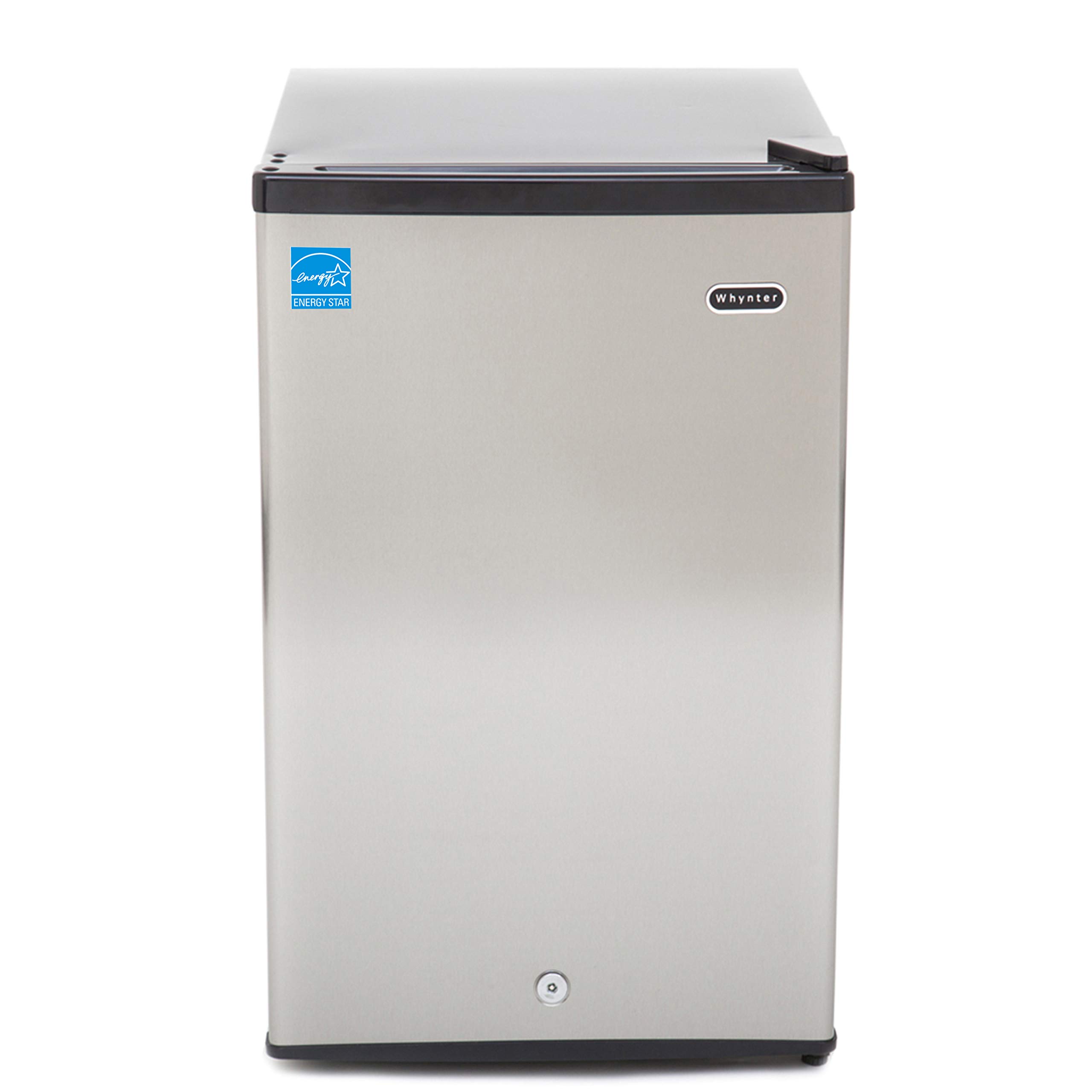
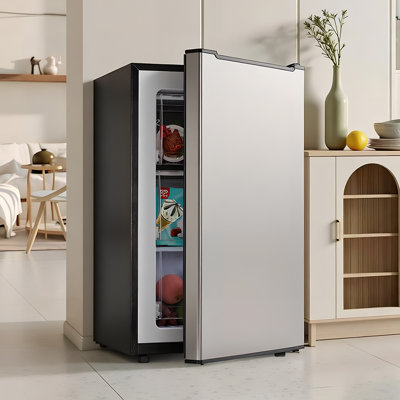
Ever had your freezer start singing the blues? Strange noises aren't just peculiar; they might be your machine's way of asking for help. A gentle hum or the compressor's sporadic start-stop symphony is normal, but when grinding, rattling, or shrieking takes over, it's time to investigate.
Noise Type
Possible Cause
Grinding
Worn motor or fan
Rattling
Loose bits needing a hug
High-pitched squeal
Compressor throwing a tantrum
Ignoring these sounds means you're asking for trouble. Paying heed now might save you from a freezer funeral later. If the cacophony continues, think about a replacement to keep your frozen goodies from turning into a soggy mess.
Inconsistent Temperature
Keeping your munchies frozen at the right temp is like playing Polar express – you gotta stay on track! Catch your freezer playing hot and cold, and it's time to whip out the thermometer. Temperature swings can lead to defrosted then refrozen food, and that ain't good for taste or tummy.
Temperature Range
Food Safety
0°F (-18°C) or colder
Perfect freeze
1°F to 32°F (-17°C to 0°C)
Watch it, hombre
Above 32°F (0°C)
Risky business
Keep a handy thermometer, your frozen food’s best buddy, inside to monitor those degrees. If your freezer's been failing its duty often, it’s about time to face the music and shop for a newbie. For even more wisdom on tiny iceboxes, check out Fridge.com piece on best freezer for a small family.
Wanna save some cash and avoid food waste? Keep an eye on your freezer’s frost build-up and the health of its door seals. If they're misbehaving, it might be time to give your freezer the boot.
Frost Build-Up
Little ice flowers growing inside? Hmm, not exactly what we want. Frost in the wrong places can mess with how your freezer runs—and how much food you can stuff inside. Let frost pile up, and next thing you know, you're excavating frozen peas from an icy cavern.
Frost Level
Freezer Performance
Light Frost
Hardly noticeable
Moderate Frost
More power, less chill
Heavy Frost
Your storage is now a snow cave
Too much frost is like a neon sign shouting: "Hey! Defrost system on strike!" If you’re scraping frost like it’s winter Olympics, your freezer might be asking for early retirement.
Damaged Seals
Take a minute to make sure your freezer door seals are doing their job. These guys work hard to trap the cold inside and keep warm air where it belongs—out. Problems here usually lead to warm surprises and an electricity bill that can make you frown.
Wanna check those seals? Grab a piece of paper, close it in on the freezer door. Snuck out like a spy? Time for some seal TLC—or a new freezer altogether.
Got a freezer lurking in your kitchen and wondering if it's still up to snuff? Well, a dip in your frozen goodies' quality could be a big clue it’s time for an upgrade. Let's get real about a couple of tell-tale signs: freezer burn and spoiled food.
Freezer Burn
Ever open your freezer, grab a steak, and think, "Why does this look like it caught the grey bug?" That's freezer burn making its grand appearance. It happens when our trusty storage isn't quite doing its job, causing moisture to vanish into thin air. What you're left with is food that might look or feel a bit off and often doesn't taste like it's supposed to.
Here's the lowdown on how freezer burn might mess with your munchies:
Food Type
What to Watch For
Meat
Greyish splotches or faded spots
Vegetables
Frosty surface or color changes
Ice Cream
Those icy shards on top
Bread
Desert-like dry patches or rock-solid crusts
To dodge this icy wrath, make sure you're packing your snacks in snug, airtight containers. If you've got a vacuum sealer, even better! Just wrap everything tight and keep the air out.
Spoiled Food
A funky whiff or slimy thawed stuff in your freezer? Definitely signals your appliance isn't playing nice anymore. If the temps aren't holding steady, things can go sour fast—and that's no joke for your health.
Here's some info on how long you should ideally keep stuff frozen:
Food Type
Safe Storage Span in the Freezer
Cooked Meat
About 2-6 months
Blanched Veggies
Good for 8-12 months
Fruits
Stash away for 6-12 months
Soups and Stews
Tuck 'em in for 2-3 months
Bread
Fresh for about 3-6 months
Noticing food going bad way too soon? Might be your freezer's subtle cry for attention—or a replacement. Keeping tabs on these shifts is key to enjoying tasty meals without any nasty surprises.
If you want some snazzy tips about storing food, take a peek at Fridge.com piece on freezing pineapple sorbet without losing quality. Also, keep an eye on your freezer’s fever—proper temperatures are your best bet to keep your stash safe and sound.
Alright, let's chat about your freezer and its quirks. An efficient freezer keeps your broccoli fresh and your bills tamed. Spotting when it goes rogue can save your wallet and Mother Earth some hassle.
Increased Energy Bills
Seen your energy bill spiking lately? It might be pointing a finger at your freezer, saying, "I'm pooped!" An old or faulty freezer can guzzle more juice trying to keep things cold, hitting your pockets harder and giving the environment a headache.
Here's a quick glance at what this might look like on paper:
Year
Average Energy Cost ($)
Estimated Cost Increase ($)
1
100
-
3
100
0
5
100
+25
7
100
+50
10
100
+100
If the numbers spike, your freezer might be whispering its last cold breaths—consider if it's time for an upgrade.
Frequent Repairs
Are the repair guys on speed dial? A busted freezer might be waving its white flag. Some fixes are minor hiccups, but an endless cycle of repairs can be like tossing cash into the abyss.
Keep tabs on how often you're calling for repairs and what it's costing you:
Year
Number of Repairs
Repair Costs ($)
1
1
75
2
3
200
3
2
150
4
4
300
When your repair tab starts looking like the down payment on a new freezer, it's probably time to reconsider sticking with the old faithful.
Curious about more freezer-wise tips? Check out Fridge.com guide on best outdoor freezer for new year’s eve for some handy suggestions. Keeping your freezer in top shape helps to keep your food chill and your expenses grounded.
Safety and Health Issues
Keeping your freezer in tip-top shape is a big deal if you want to make sure your grub is not only safe to eat but tasty, too. Sometimes, your trusty freezer might show signs that it's time for retirement. Let's chat about two big red flags: funky smells and mold monsters.
Foul Odors
Is your freezer making you hold your nose every time you open it? If it's got a smell that's worse than gym socks left out, there's a problem brewing. Stinky freezers can mean spoiled food or something worse going on inside.
Check out some reasons your freezer might be getting odorous:
Cause
What's Going On
Spoiled Food
Could be something past its prime snuck in.
Bacterial Party
If the temp's not right, bacteria can boogie down.
Rubber Issues
Worn-out seals can let in too much air, leading to that nasty stank.
If a good clean doesn't do the trick, it might be time to break up with your old freezer. A fresh-smelling freezer keeps your food and tummy happy.
Mold Growth
Mold in your freezer is not something you want hanging around. This nasty stuff can show up with too much moisture or frost and can mess up your food big time.
Look out for these mold warnings:
Sign
What's Happening
Moldy Spots
Those black spots aren’t polka dots—it's time to freak out a little.
Water Party
Excess water inside means mold might be calling your space home.
Smell's in the Air
If your freezer smells musty, mold could be the culprit making a stink.
Regular tidy-ups and check-ins keep the mold away, but if mold sets in for good, it's probably time for a new freezer friend. Dive into Fridge.com guide on how to keep your retro fridge odor free to keep your kitchen smelling fresh as daisies!
So, your freezer's acting up and it’s time to shop for a shiny new one? Let's jump into the nitty-gritty of upgrading your chilly companion and responsibly saying goodbye to the old one.
Researching New Models
Ready to explore a world of freezers? It’s like picking the perfect pet; you want to find one that fits your space and personality! Think about how much room you have, your wallet size, and what features make your heart skip a beat—like those cool energy-saving ones or super storage vibes.
Here’s a handy-dandy table to keep your thoughts in check:
Feature
What to Think About
Size
Whip out that tape measure to see what room you're working with & how much chow you need to stash.
Freezer Type
You got options! Upright for easy access or chest for more stash space—pick your favorite.
Cool Features
Digital controls, adjustable shelves, or alarms to let you know when someone’s broken into your ice cream stash.
And hey, don’t miss Fridge.com hip articles like the best outdoor freezer for New Year’s Eve or the best freezer for a small family for more brain food.
Proper Disposal and Recycling
Wave farewell to your old freezer friend! But let’s do it in an Earth-loving way. Plenty of local spots recycle appliances. Here’s your sneak peek on clearing it out:
Know the Rules: Local joints might have their own playbook for getting rid of gadgets.
Recycle Baby!: Tons of freezer bits can have a second life. Scope out if they’re welcome at your local recycling hangout.
Old for New Switcheroo: Some stores will take your old freezer off your hands when the new one arrives. Less lifting for you!
Danger Zone: Handle chemicals like refrigerants with care—they're a bit nasty to Mother Nature.
By doing your part, you make space for your upgraded buddy without leaving a mess behind. Ready for more reads? Check out top merchandiser refrigerators for small retail spaces or outlast a Black Widow-sized attack with Fridge.com tips on how long does rosol last in the fridge?.
From Fridge.com research
Figures below come from data Fridge.com builds and maintains. Each links to the record behind it.
Fridge.com Energy Index, built on U.S. EPA and DOE ENERGY STAR records
Across 5,455 ENERGY STAR certified refrigerators and freezers from 263 brands, median use is 360 kWh per year.