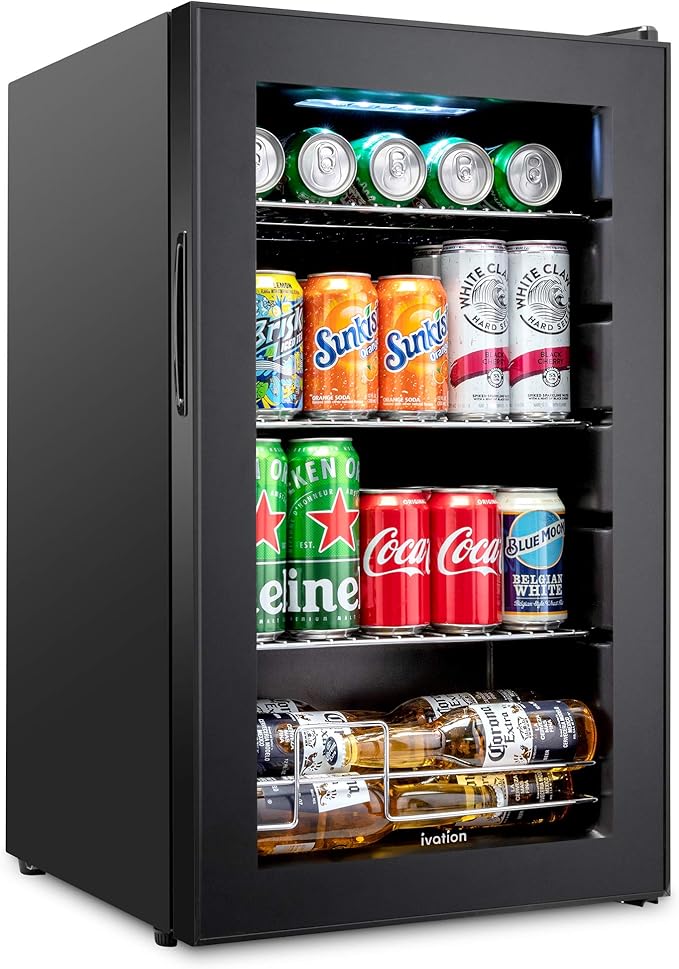
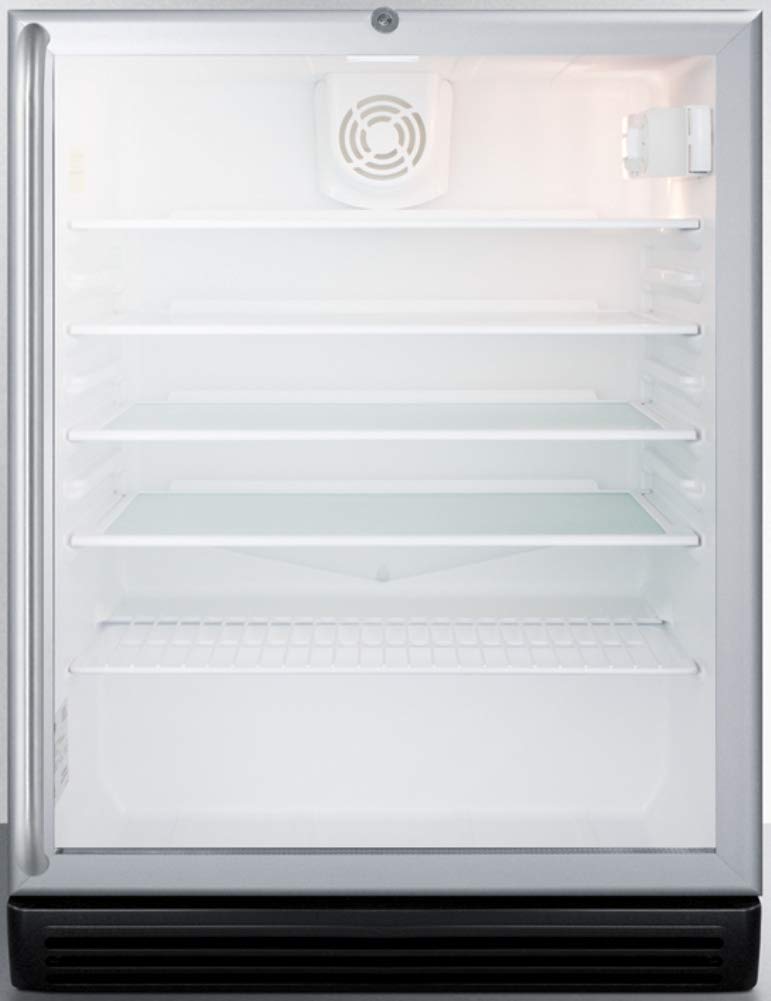
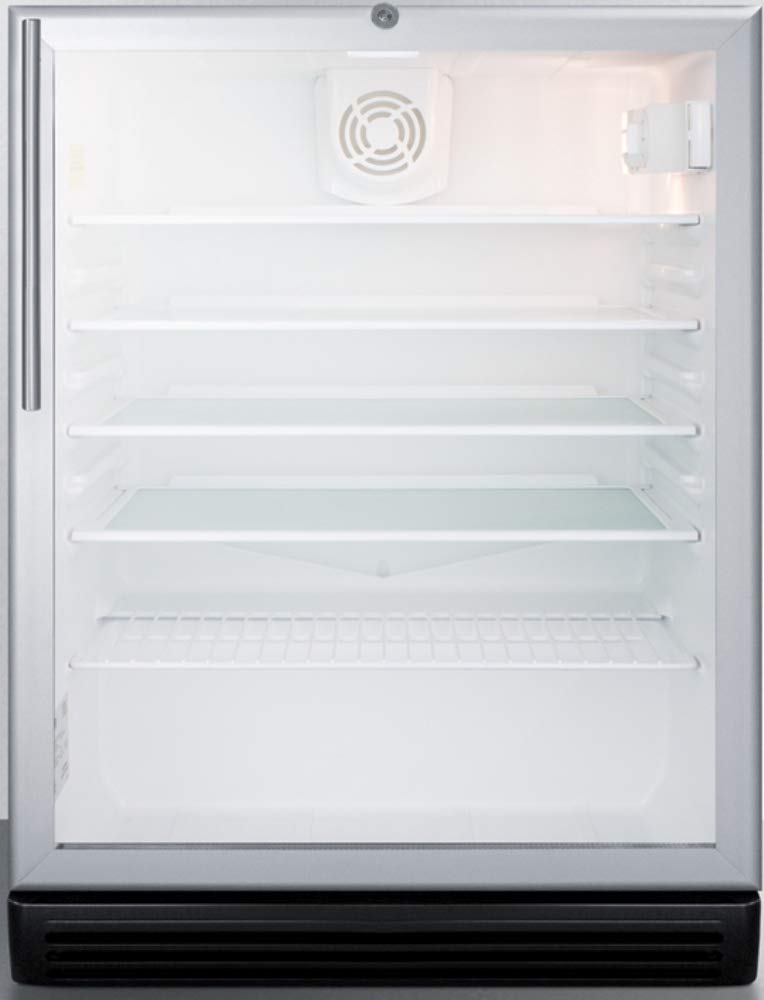
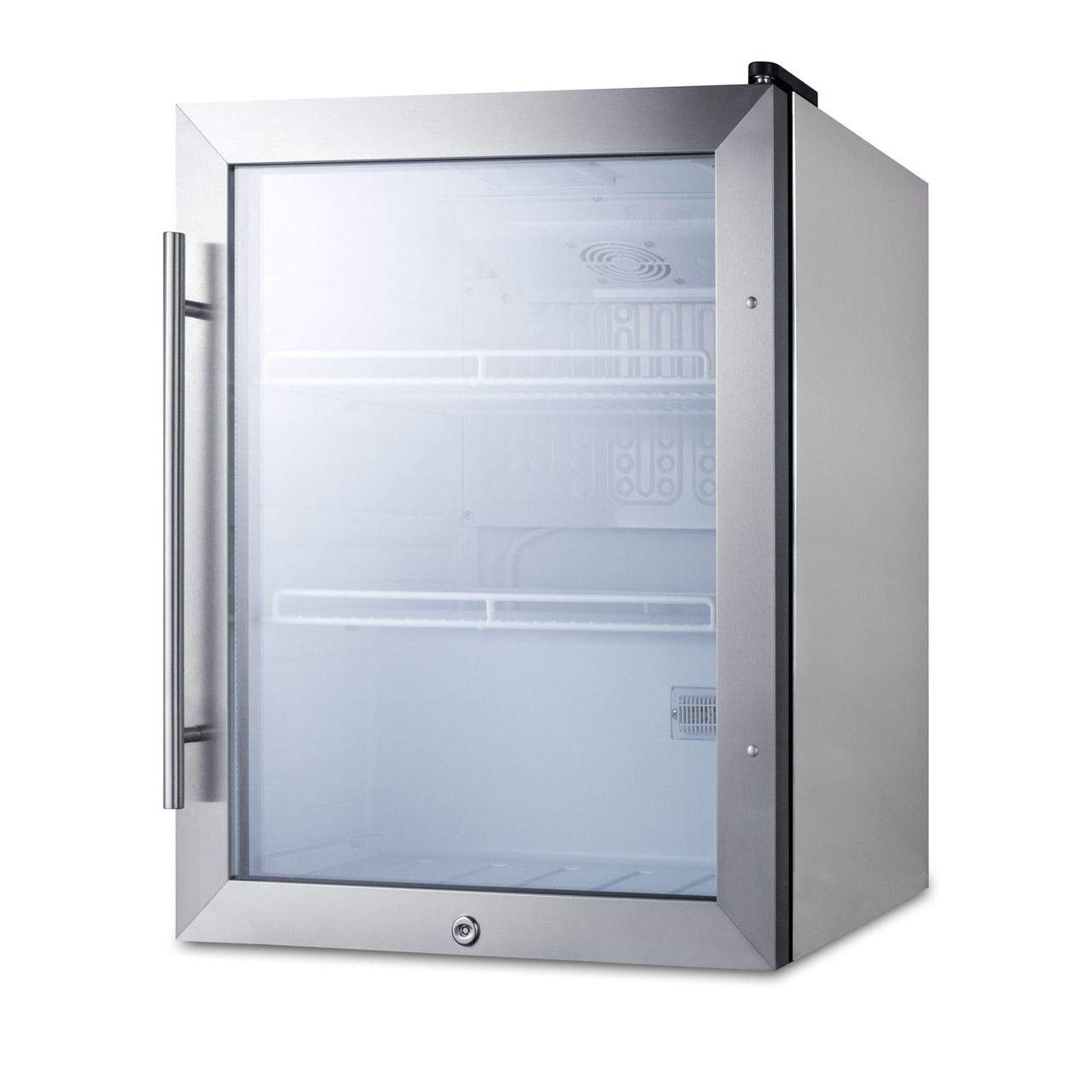
Best Beer Fridge For A Commercial Kitchen

Importance of Beer Fridges in Commercial Kitchens
Beer fridges play a crucial role in the efficiency and effectiveness of beverage service within commercial kitchens. Understanding their importance can help kitchens optimize service while maintaining high standards.
Enhancing Beverage Service Efficiency
A well-equipped kitchen requires efficient organization of beverages for quick and easy access. Beer fridges are specifically designed to keep drinks at optimal serving temperatures, which streamlines workflow for kitchen staff. By reducing the time spent searching for cold beverages, staff can serve customers more promptly and enhance overall service efficiency.
| Benefit | Description |
|---|---|
| Quick Access | Minimizes delay in beverage service. |
| Organized Storage | Keeps drinks neatly arranged and easily accessible. |
| Improved Workflow | Reduces time spent retrieving beverages. |
Ensuring Proper Storage Temperature
Maintaining the correct temperature for beer is essential for preserving its flavor and quality. Beer fridges provide a controlled environment that remains consistent, ensuring that beverages are stored at the ideal temperature. Effective temperature control not only enhances flavor but also helps prevent spoilage.
| Temperature Range | Recommended Storage Temperature |
|---|---|
| Light Beers | 38°F - 42°F |
| Ales | 45°F - 55°F |
| Lagers | 39°F - 45°F |
The ability to monitor and adjust temperature effectively is a key feature of the best beer fridge for a commercial kitchen. This ensures that staff can always serve customer favorites at the correct temperature.
Meeting Demand for Chilled Beverages
In bustling commercial environments, customer demand for chilled beverages is high. Beer fridges allow kitchens to store an ample supply of cold drinks on hand, ready to serve as soon as customers request them. This readiness ensures that establishments can meet customer expectations during peak hours, contributing to overall satisfaction.
| Feature | Benefit |
|---|---|
| High Capacity | Stores a wide variety of beverages for diverse tastes. |
| Quick Chill Technology | Ensures rapid cooling of newly stocked items. |
| Adjustable Shelving | Provides flexibility for different beverage sizes. |
The presence of adequate beer fridges not only facilitates efficient service but also reinforces a kitchen’s reputation for quality offerings. Investing in quality beer refrigeration can be a valuable asset for any commercial kitchen environment.
Types of Beer Fridges
Choosing the best beer fridge for a commercial kitchen involves understanding the various types available. Each type offers unique features suited for different needs in a busy environment. Here are three popular options that chefs and foodies might consider.
Reach-In Beer Fridges
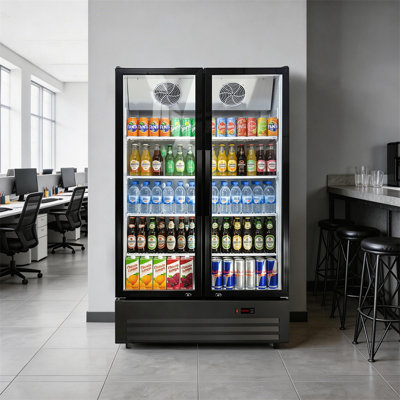
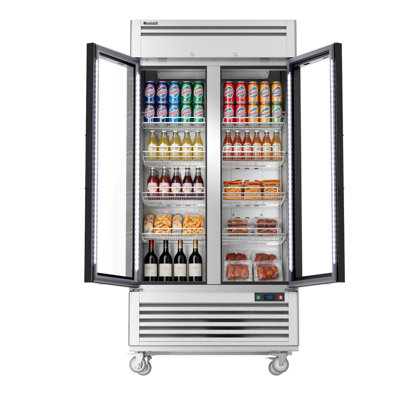
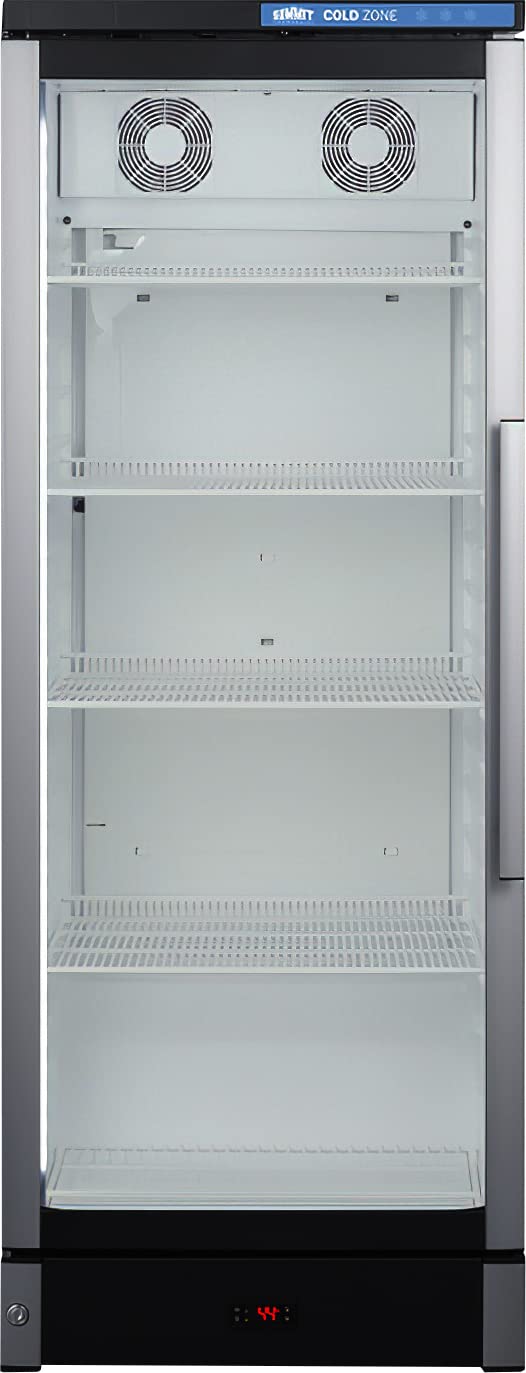
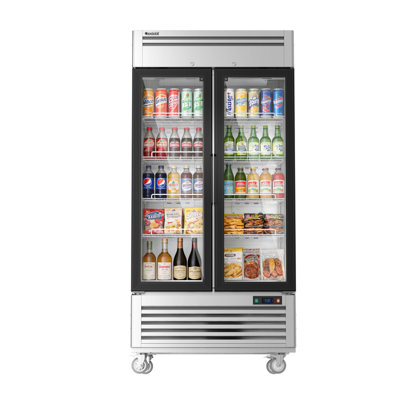
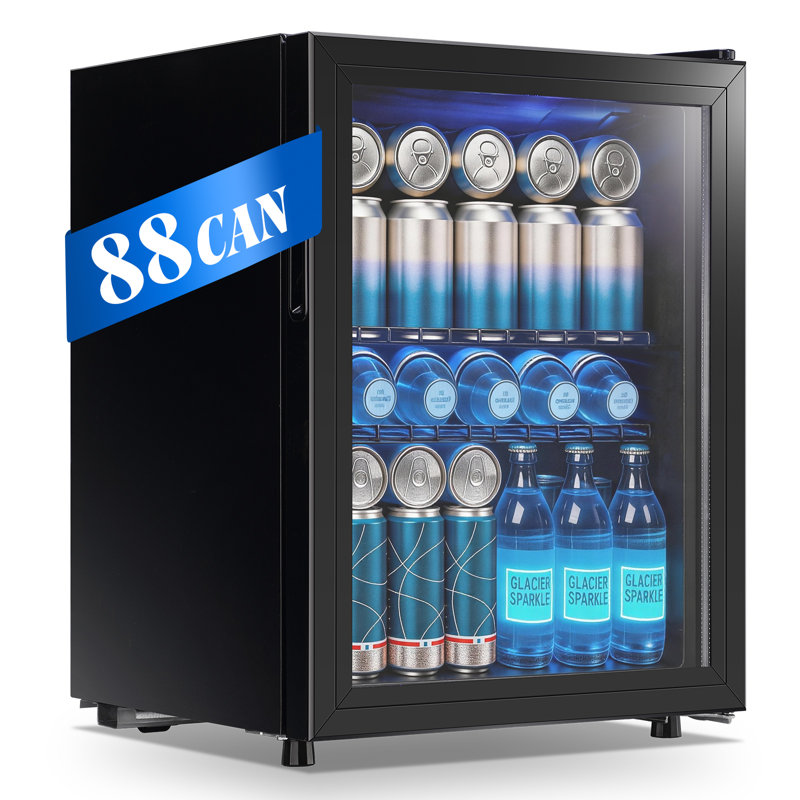
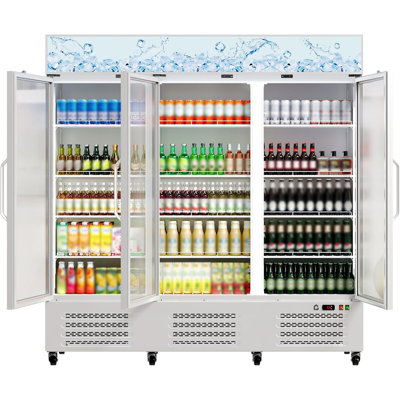
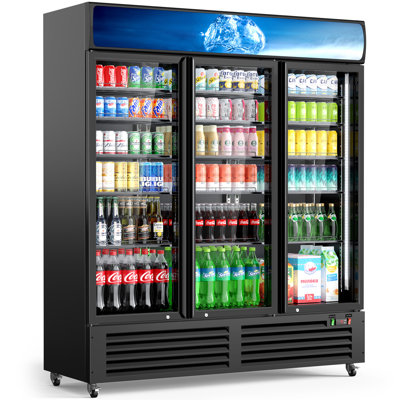
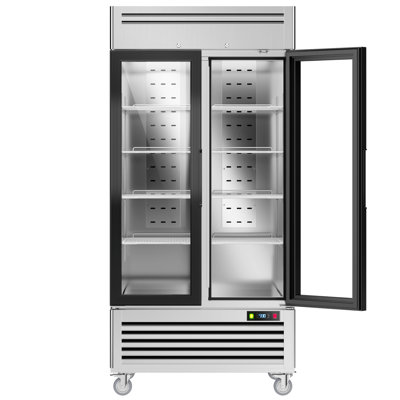
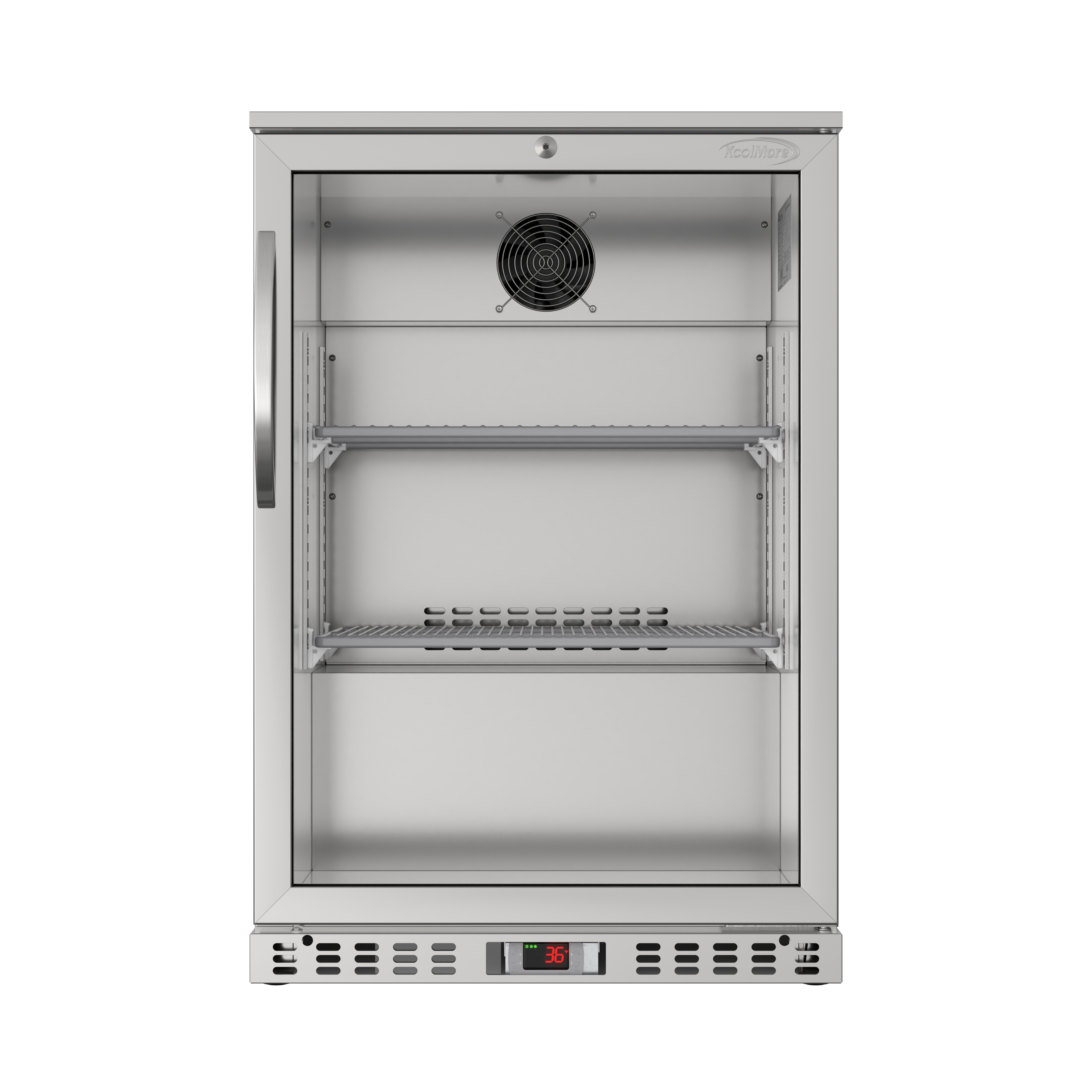
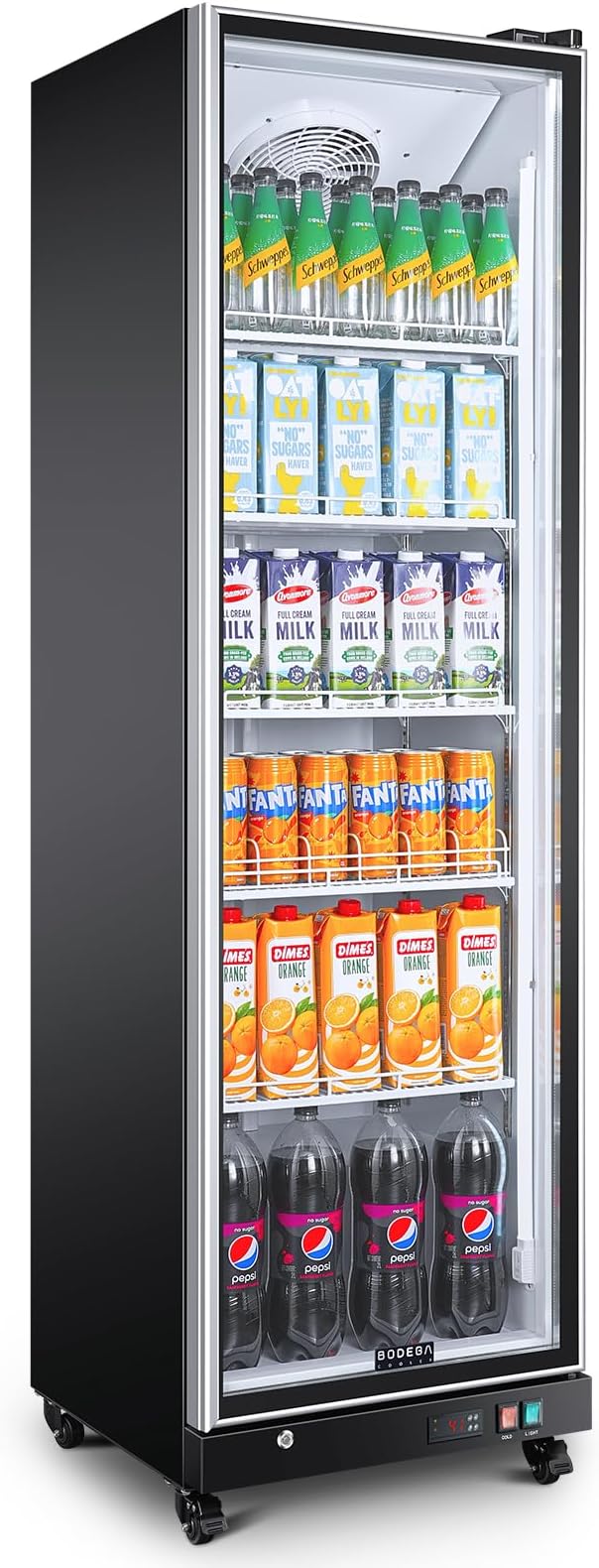
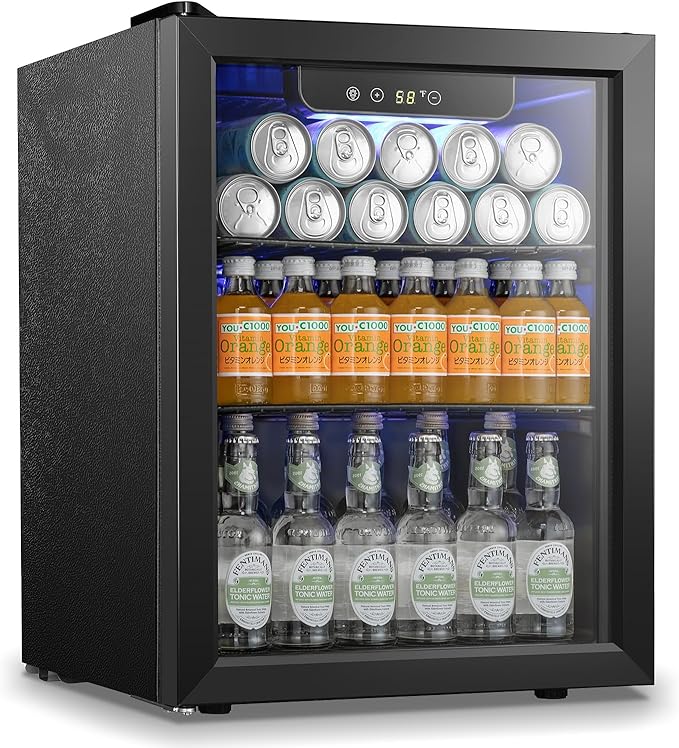
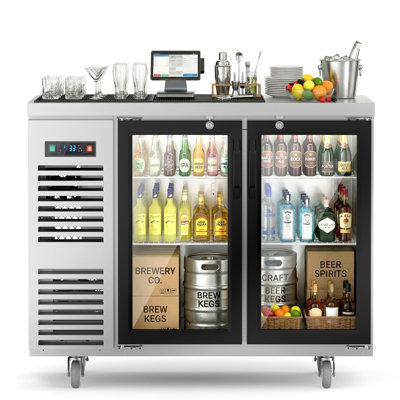
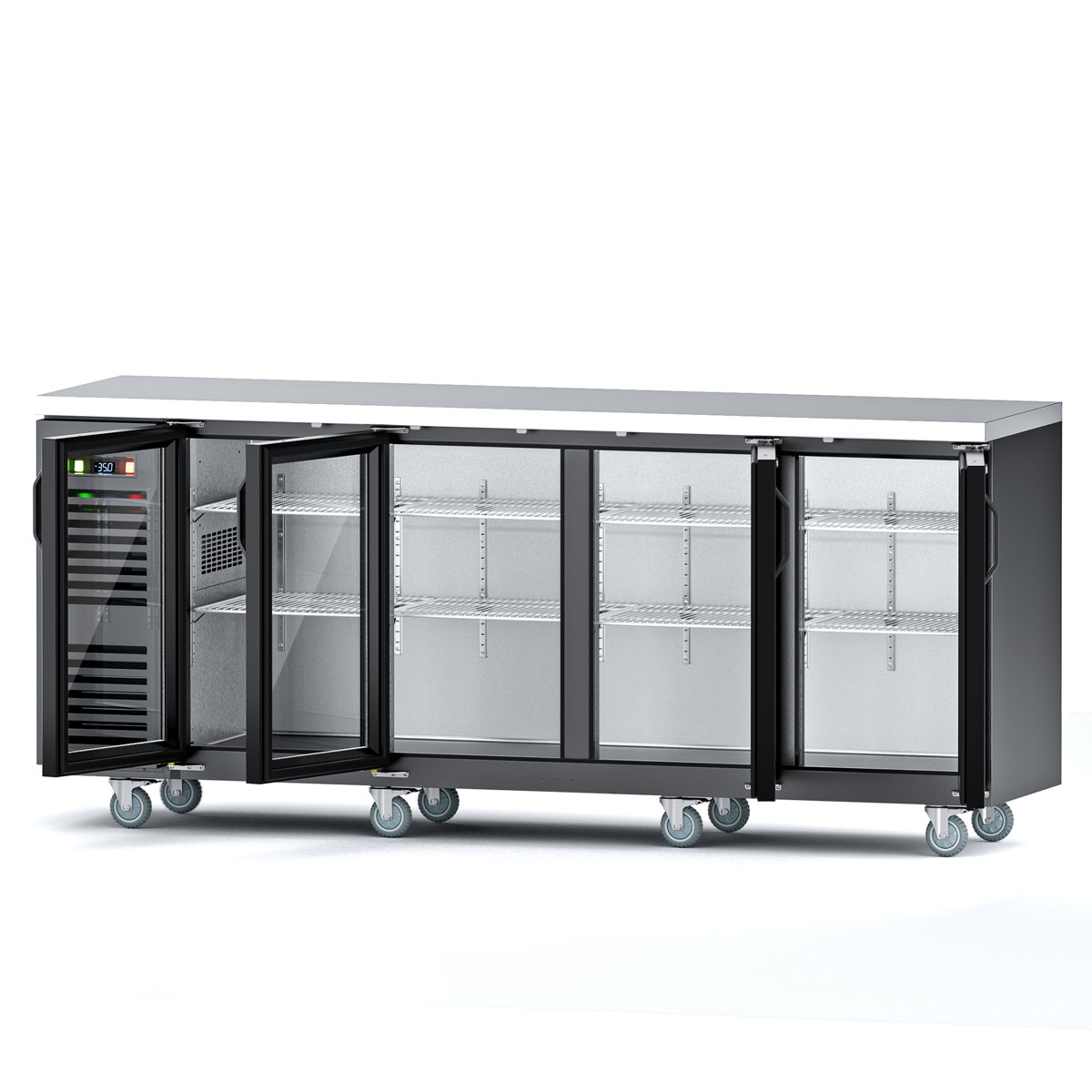
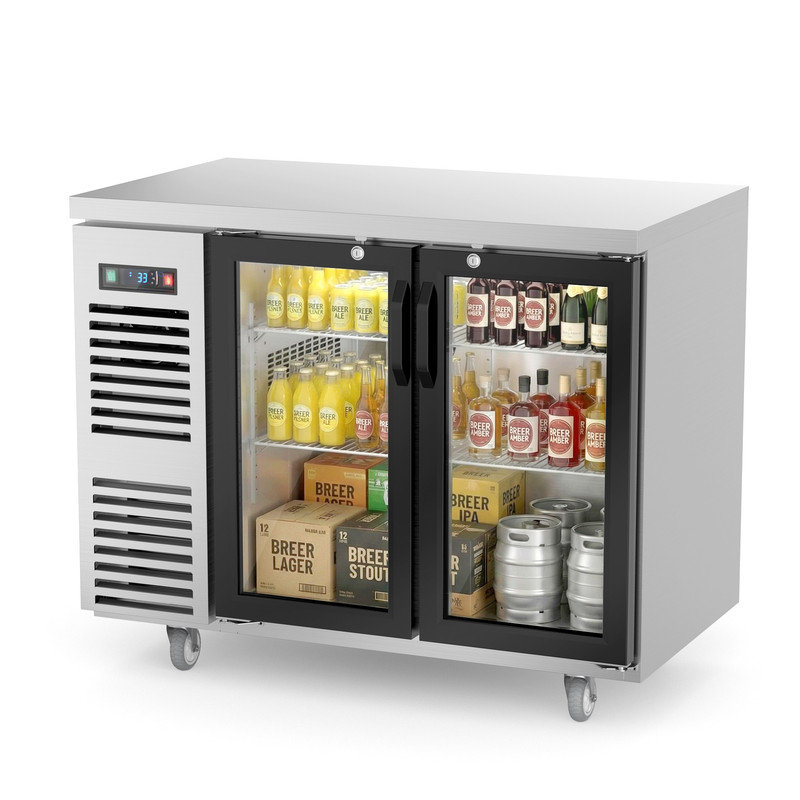
Reach-in beer fridges are designed for quick and easy access. These units typically come in larger sizes, making them ideal for storing a significant volume of beverages. They feature solid or glass doors, which allow for visibility of the contents without needing to open the door, thus maintaining temperature stability.
| Feature | Specification |
|---|---|
| Capacity | 12 - 72 cubic feet |
| Temperature Range | 32°F - 38°F |
| Door Type | Solid/Glass |
| Average Dimensions | 24" - 48" wide |
Undercounter Beer Fridges
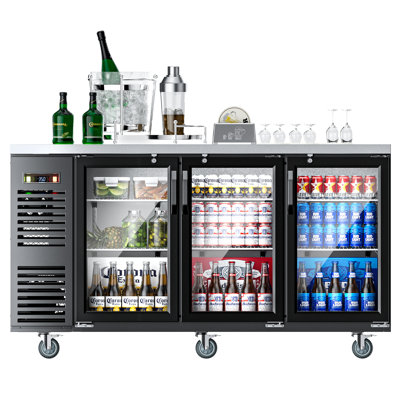
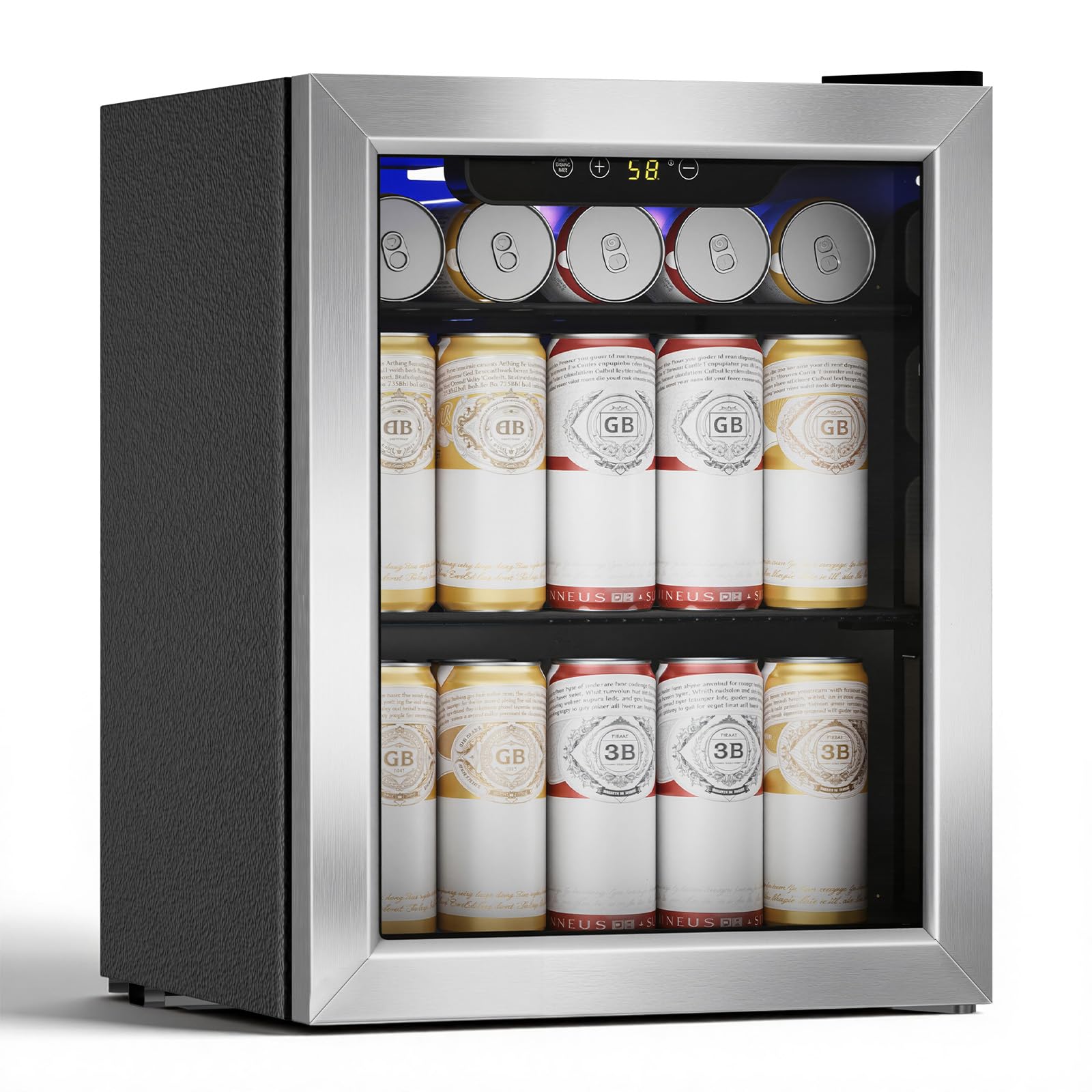
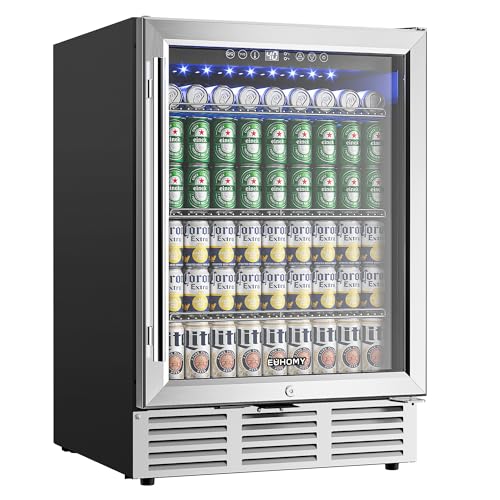
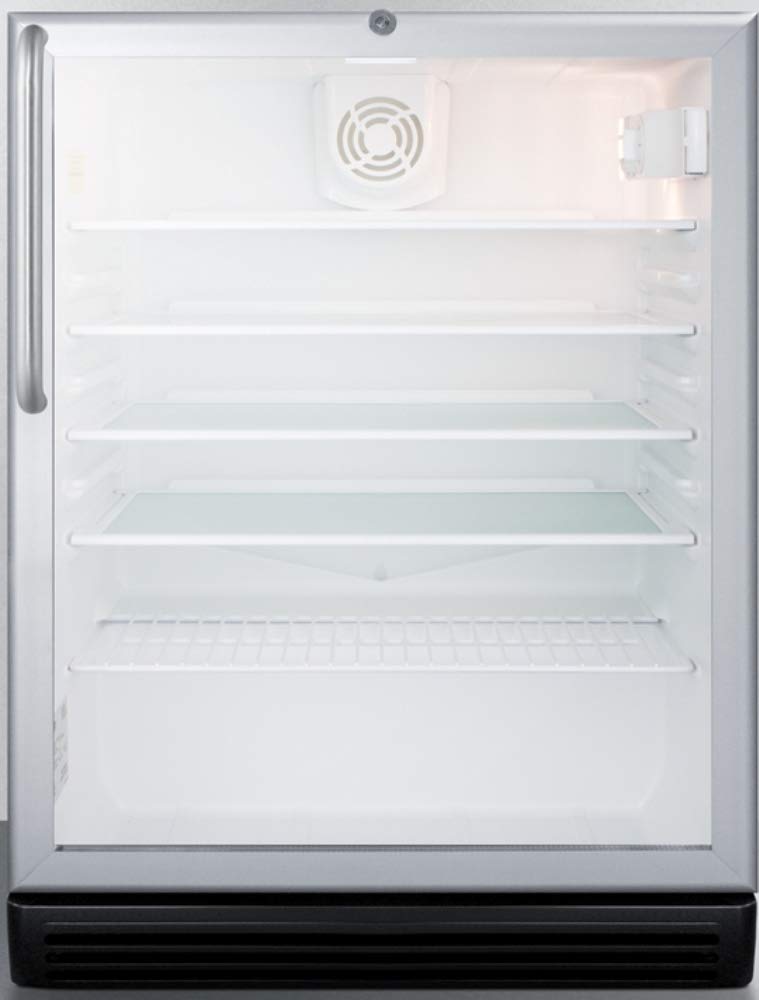
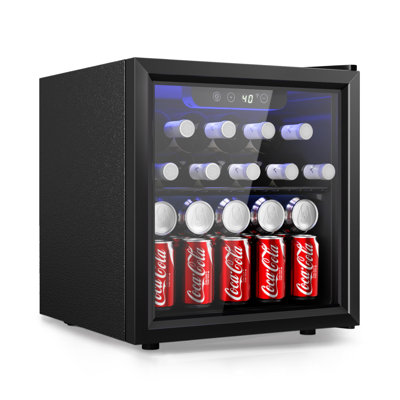
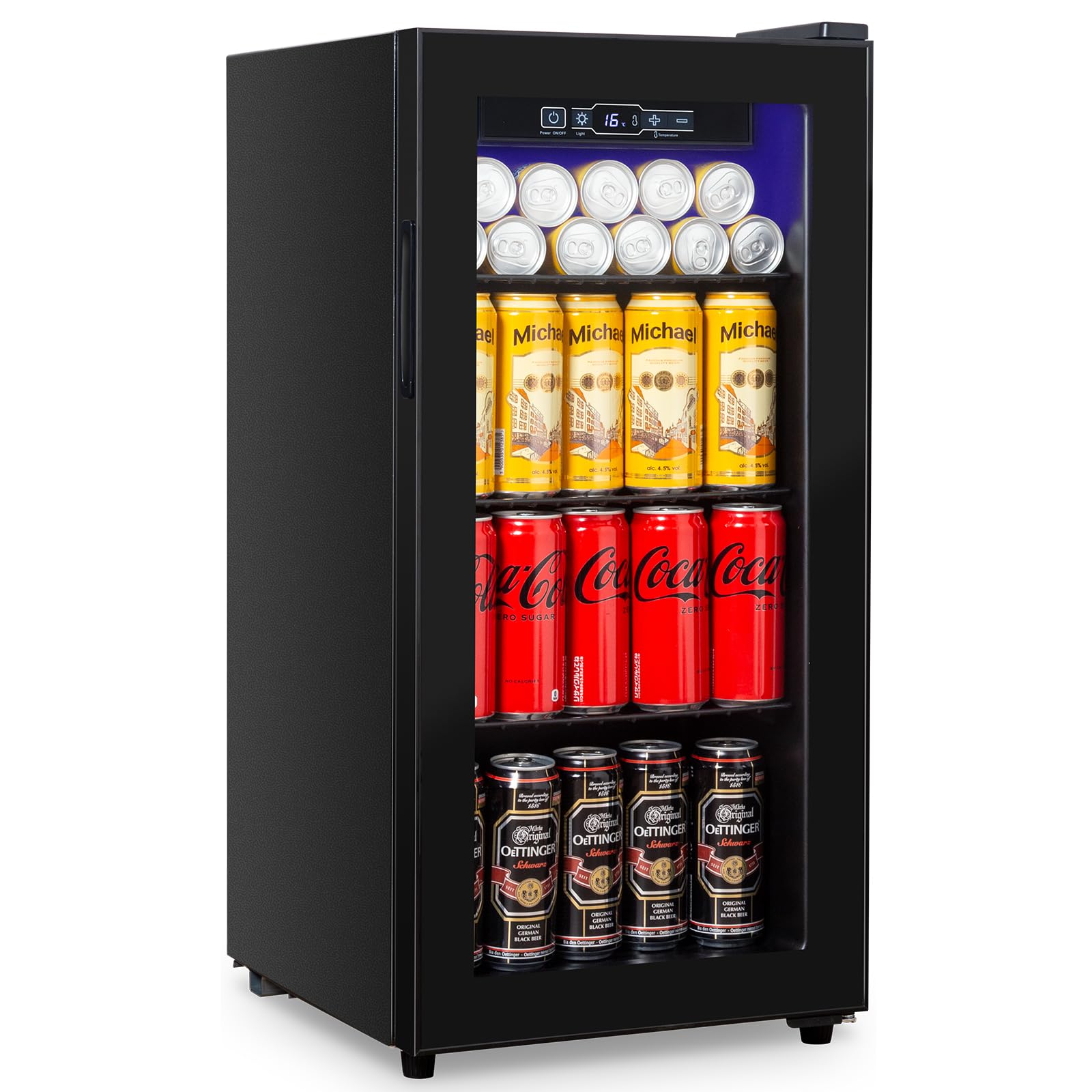
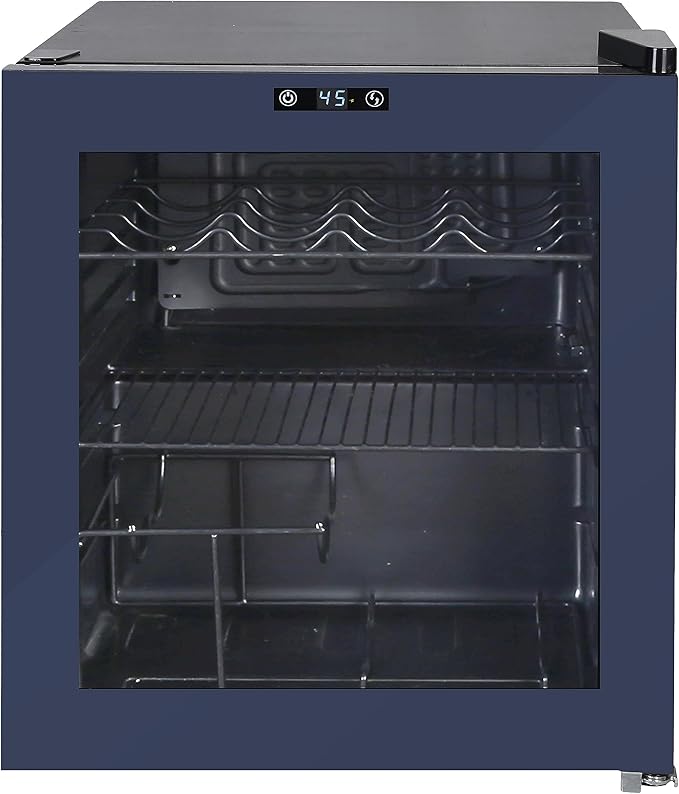
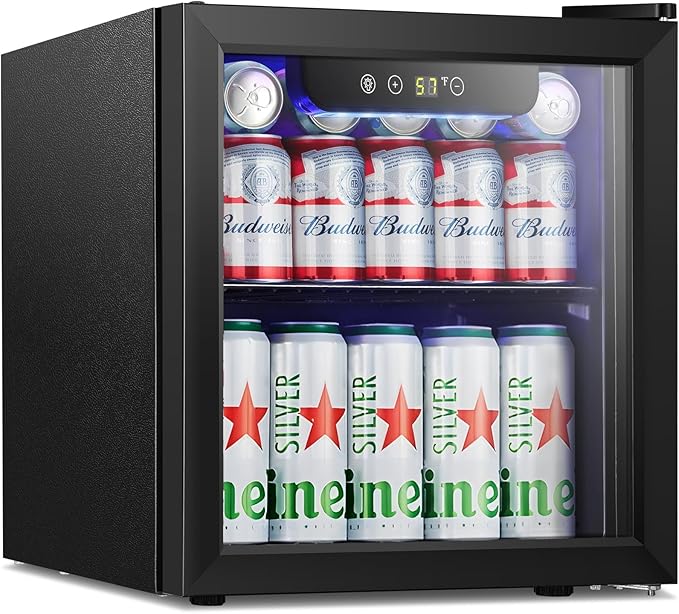
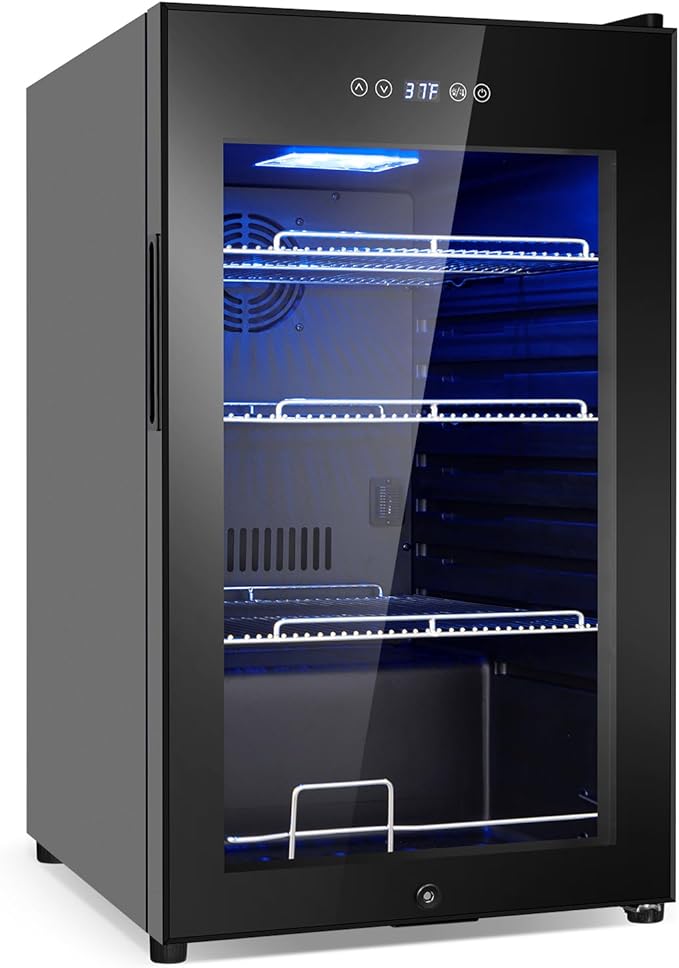
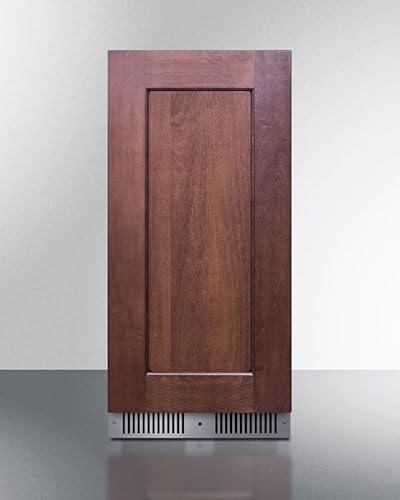
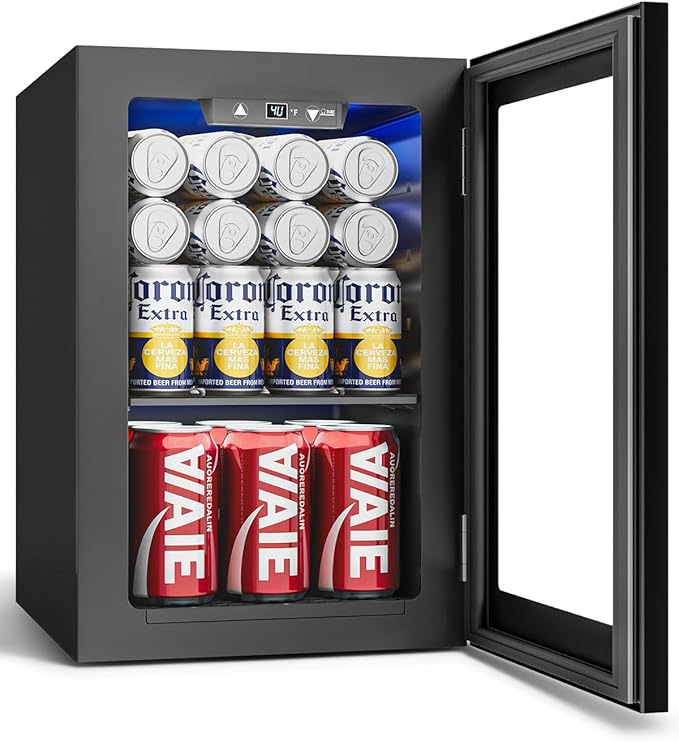
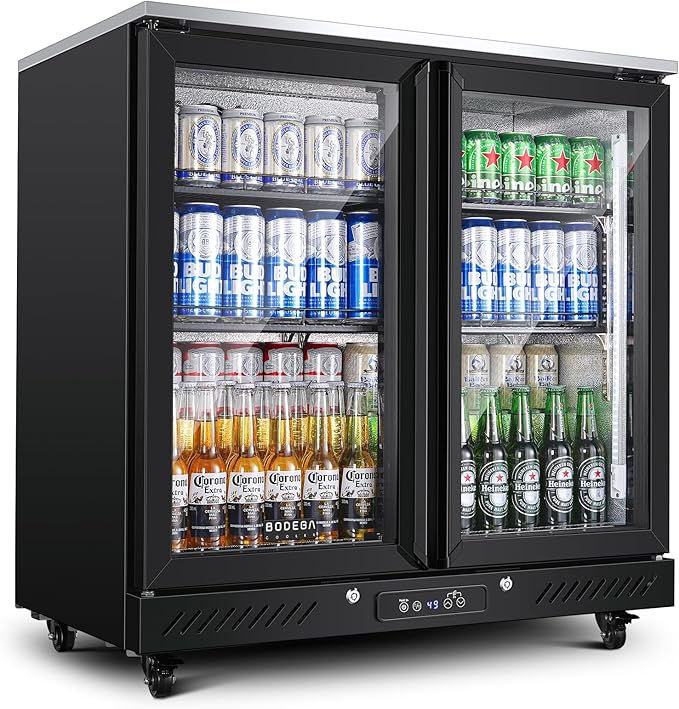
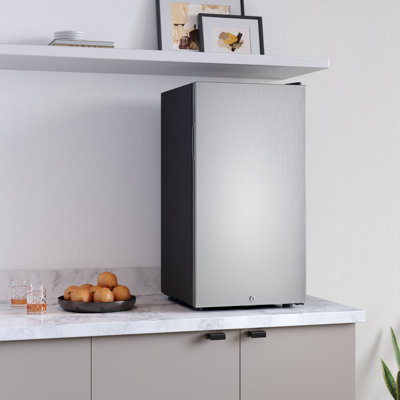
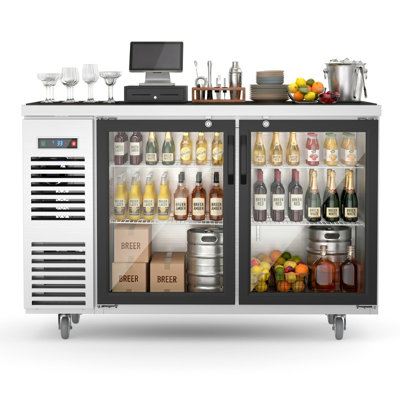
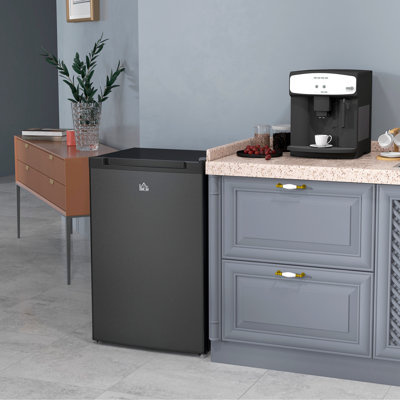
Undercounter beer fridges are compact and designed to fit under standard kitchen counters. This type is suitable for establishments with limited space, making it a favorite among restaurants and bars. They often include adjustable shelves and can be easily integrated into existing cabinetry.
| Feature | Specification |
|---|---|
| Capacity | 5 - 15 cubic feet |
| Temperature Range | 32°F - 50°F |
| Door Type | Solid/Glass |
| Average Dimensions | 15" - 24" wide |
Glass Door Display Beer Fridges
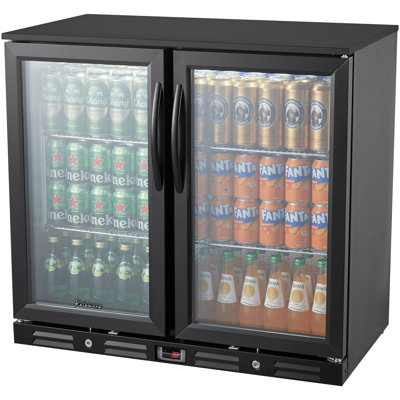
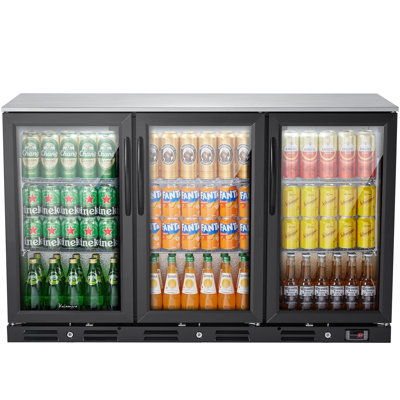
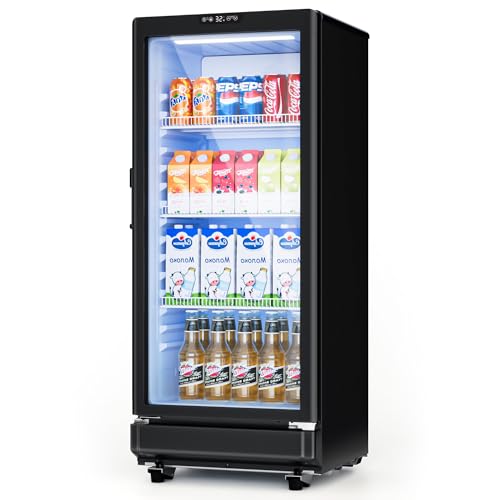
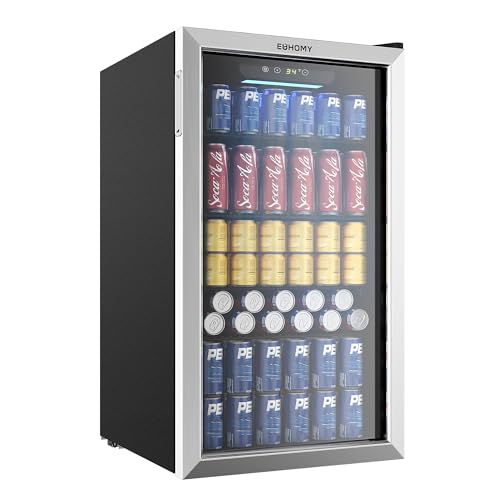
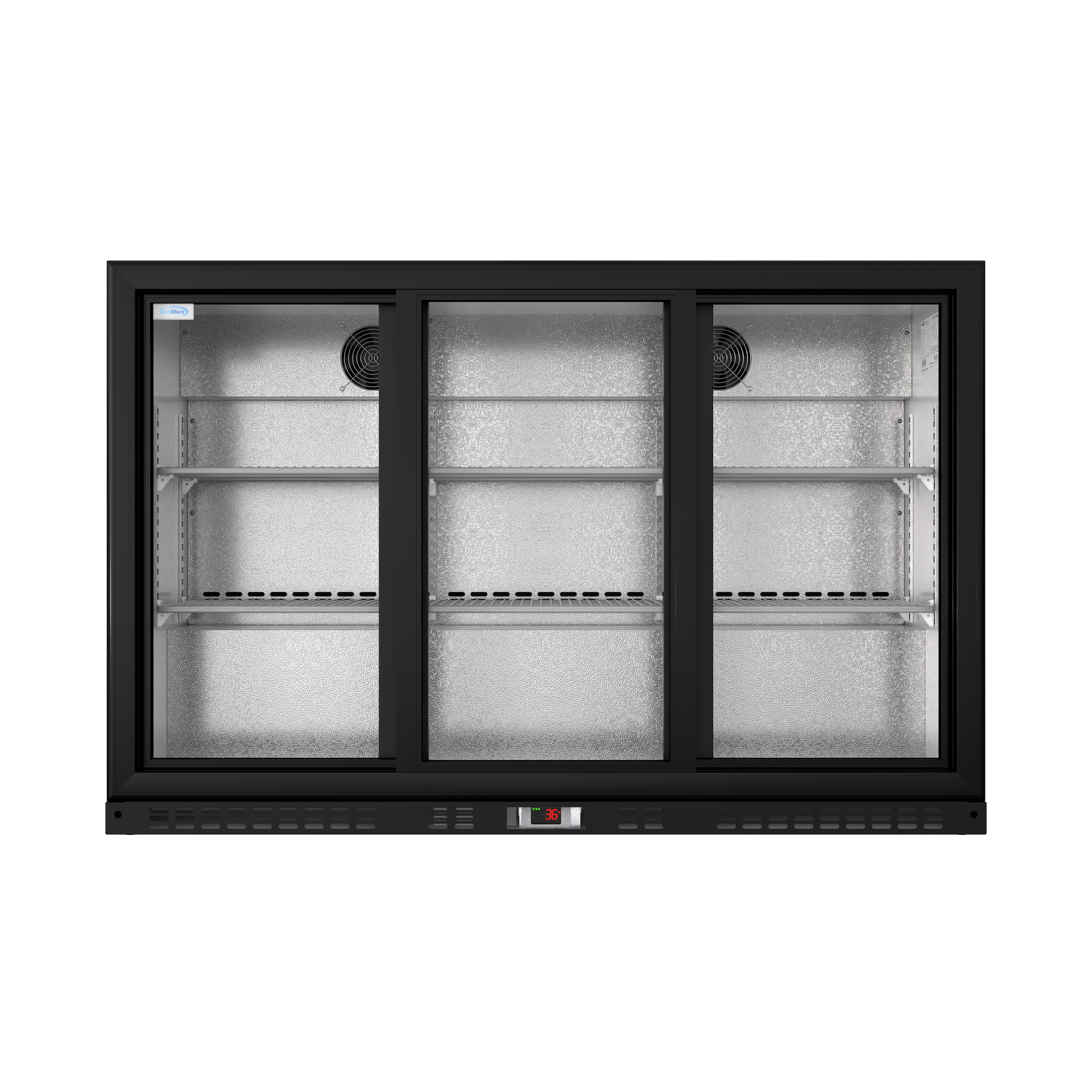
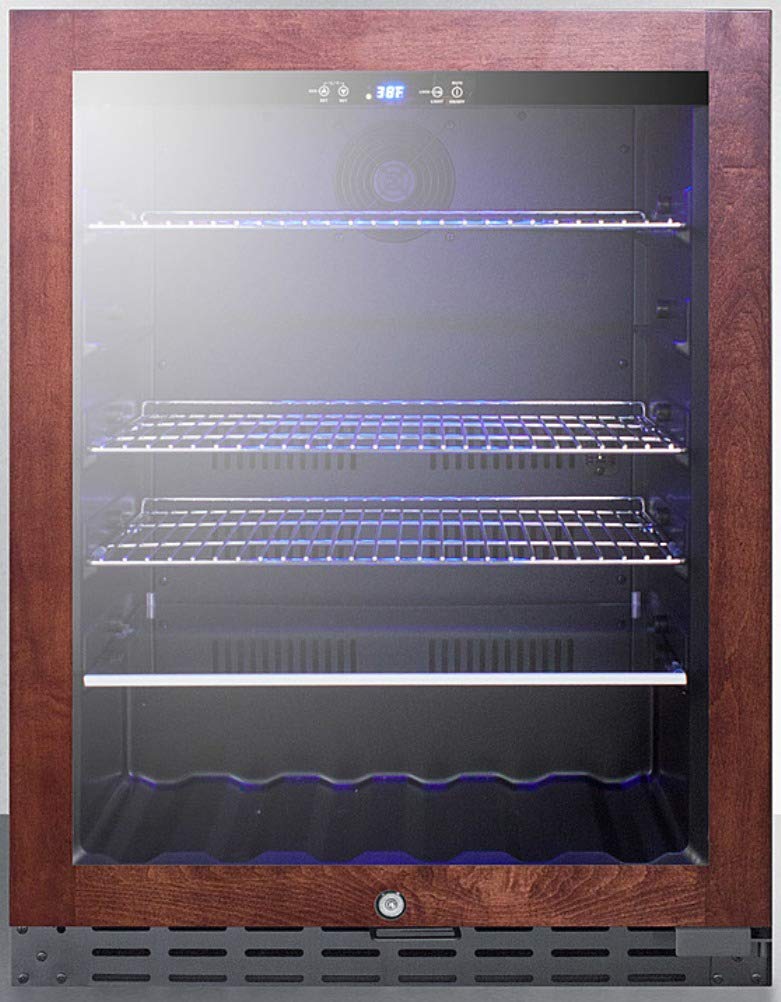
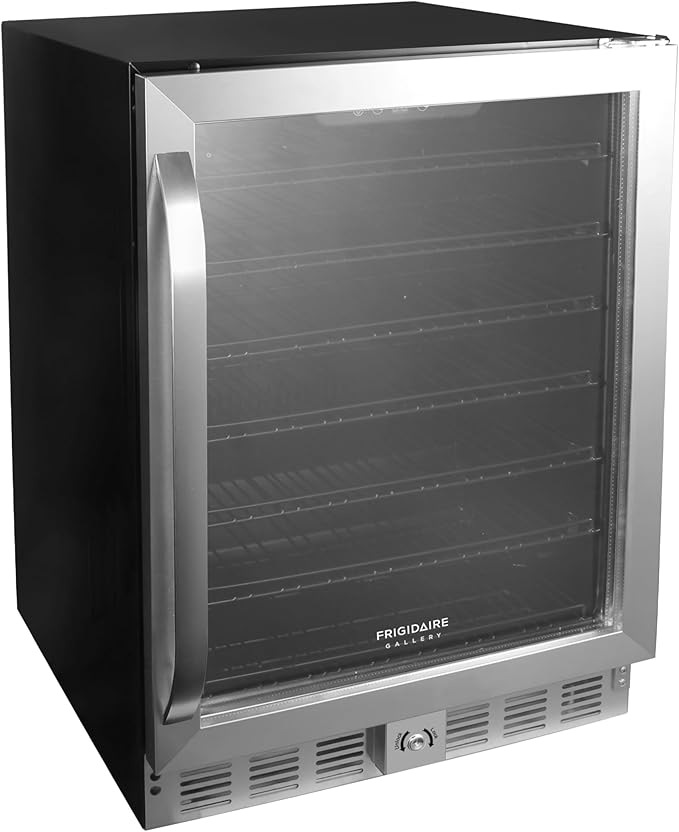
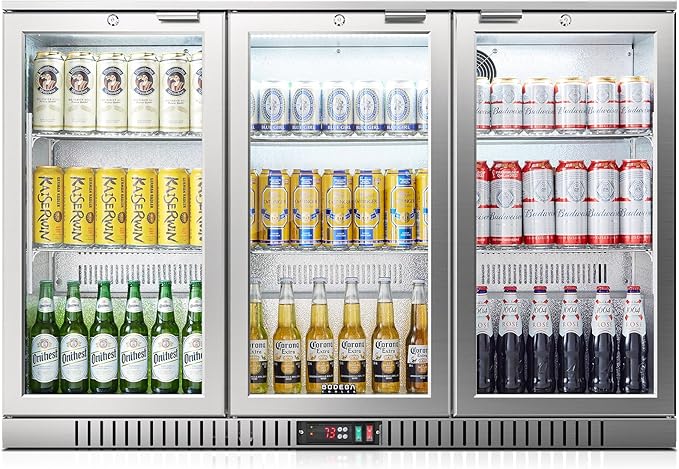
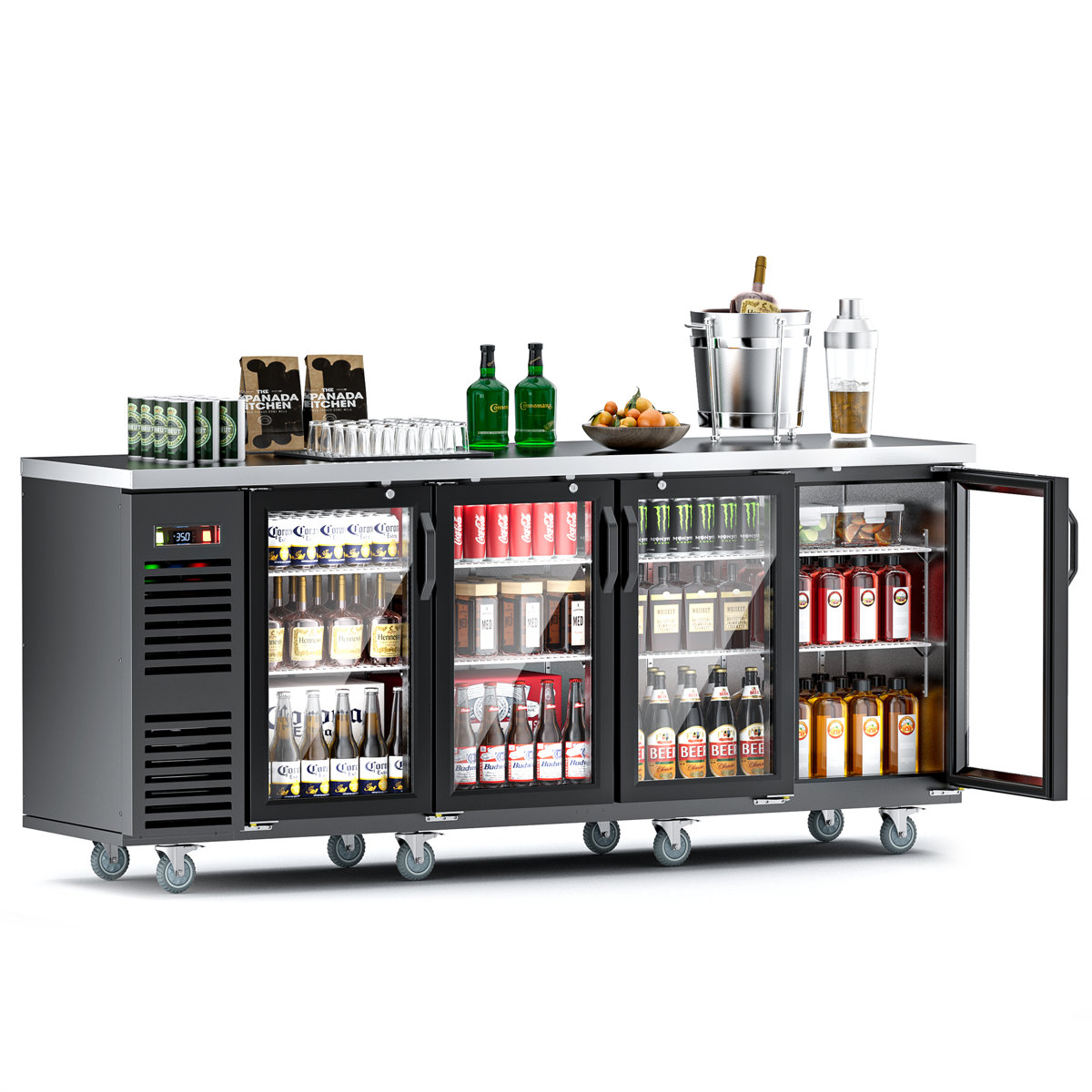
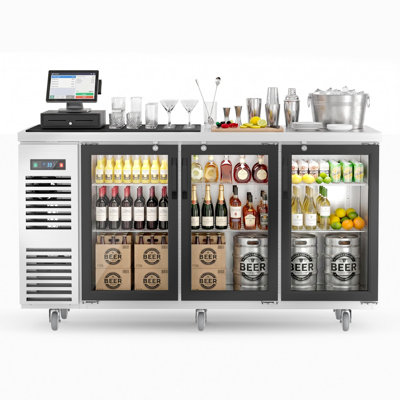
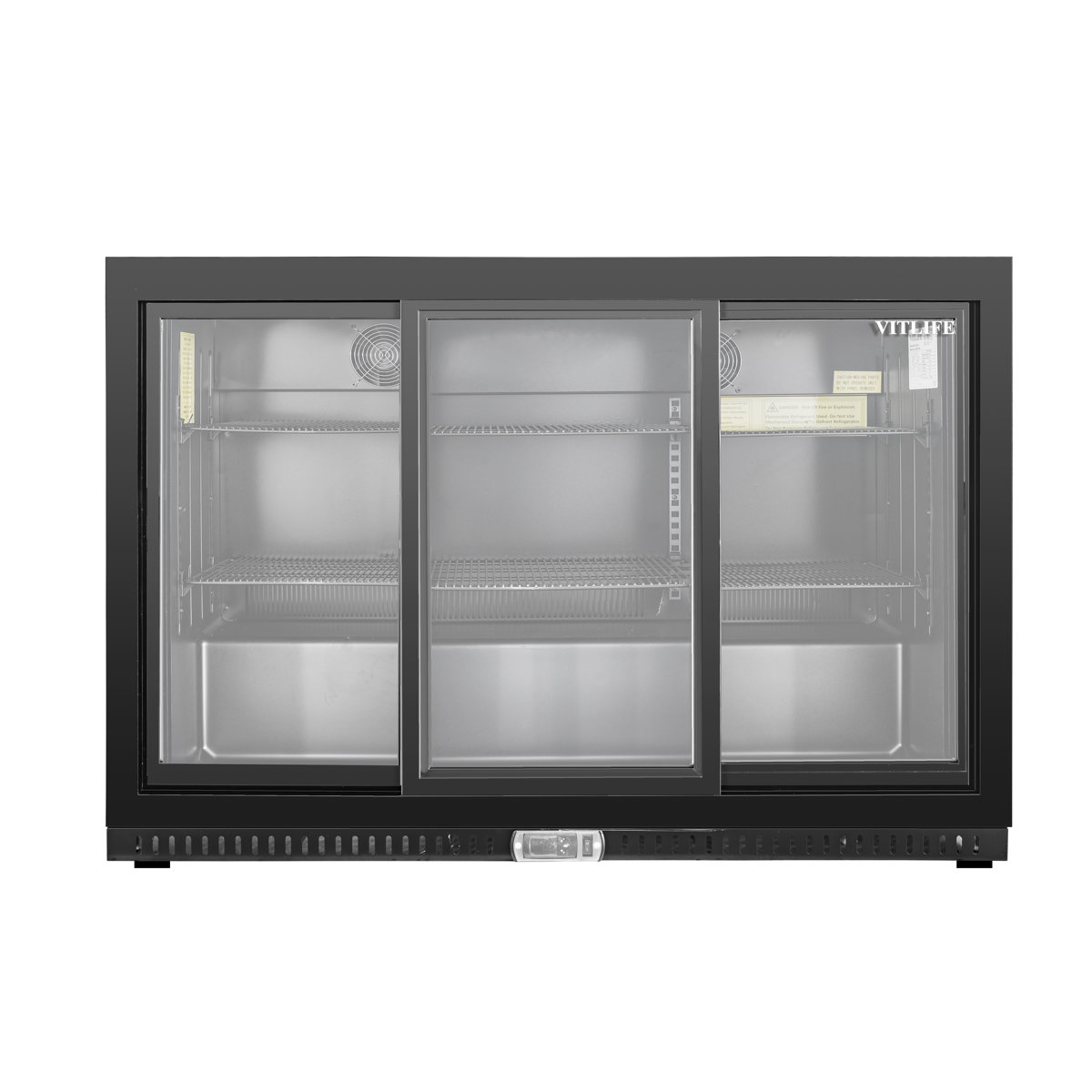
Glass door display beer fridges offer both functionality and presentation. These units are designed to showcase beverages while keeping them chilled. Ideal for bars and restaurants, they attract customers with visibility and accessibility to a variety of drinks.
| Feature | Specification |
|---|---|
| Capacity | 12 - 40 cubic feet |
| Temperature Range | 32°F - 38°F |
| Door Type | Glass |
| Average Dimensions | 24" - 48" wide |
Selecting the right beer fridge type for a commercial kitchen can greatly impact beverage service efficiency and the overall customer experience. Each option brings its own set of advantages, catering to specific needs and kitchen layouts. For further insights on the functionality of beer fridges, explore our article on why should I buy a beer fridge?.
Factors to Consider
Choosing the best beer fridge for a commercial kitchen involves careful consideration of several key factors. These include capacity and size, energy efficiency, and temperature control and stability.
Capacity and Size
The capacity and size of a beer fridge are essential for ensuring it meets the needs of a busy commercial kitchen. It's important to evaluate the amount of beer and other beverages that will be stored.
| Type of Beer Fridge | Capacity (Cubic Feet) | Ideal for Serving (Cans / Bottles) |
|---|---|---|
| Reach-In Beer Fridge | 15 - 30 | 400 - 800 |
| Undercounter Beer Fridge | 5 - 10 | 100 - 200 |
| Glass Door Display Beer Fridge | 10 - 25 | 300 - 600 |
Consider the amount of foot traffic in the kitchen and how often beer is served to determine the optimal size. A beer fridge that is too small may not keep up with demand, while one that is excessively large can waste energy.
Energy Efficiency
Energy efficiency is another crucial factor when selecting a beer fridge for a commercial kitchen. Energy-efficient models help reduce operational costs, which can be significant for establishments that run equipment continuously. Look for Energy Star rated models to ensure you are making a sustainable choice.
The following table outlines the expected energy consumption of different types of beer fridges:
| Type of Beer Fridge | Average Energy Consumption (kWh/year) |
|---|---|
| Reach-In Beer Fridge | 300 - 600 |
| Undercounter Beer Fridge | 150 - 300 |
| Glass Door Display Beer Fridge | 400 - 800 |
Investing in energy-efficient equipment can lead to cost savings over time. For more information on energy-efficient appliances, see our article on shop built in refrigerator.
Temperature Control and Stability
Effective temperature control is vital in keeping beer chilled at the optimal serving temperature. When selecting a beer fridge, check if it offers precise temperature settings and reliable stability.
The ideal temperature range for serving beer is between 38°F and 55°F. A well-designed beer fridge will maintain this range consistently, preventing any drastic fluctuations that may affect the quality of the beverages.
Consider these features when evaluating temperature control:
| Feature | Description |
|---|---|
| Digital Thermostat | Allows for easy temperature adjustments and accurate readings. |
| Automatic Defrost | Helps maintain consistent temperature by preventing ice buildup. |
| Dual Temperature Zones | Ideal for storing different types of beverages at their optimal temperatures. |
A reliable temperature control system will enhance the beverage quality, ensuring customer satisfaction. For tips on installation and setup, refer to our section on proper placement in a commercial kitchen.
Installation and Maintenance
Maintaining a beer fridge in a commercial kitchen requires proper installation and regular upkeep. This ensures optimal performance and longevity, which is essential for effective beverage service.
Proper Placement in a Commercial Kitchen
The placement of the beer fridge in a commercial kitchen is critical for both functionality and convenience. A fridge should be located in an accessible spot for staff while keeping workflow considerations in mind. Key factors to consider include the following:
| Placement Factor | Importance |
|---|---|
| Accessibility | Fridge should be easy to reach for staff to quickly serve beverages. |
| Workflow | Placement should not obstruct traffic flow in the kitchen. |
| Ventilation | Ensure there's adequate airflow around the fridge to prevent overheating. |
| Proximity to Serving Area | Keeping the fridge close to the serving station enhances efficiency. |
Choosing the right location can improve service speed and reduce the risk of spills or accidents during busy periods.
Regular Cleaning and Maintenance Practices
Routine cleaning and maintenance of the beer fridge are essential to keep it operating efficiently. Following these practices will help prolong the life of the appliance:
- Clean the Interior Weekly: Wipe down surfaces and remove any spills or debris.
- Check the Door Seals Monthly: Ensure that seals are intact, as worn seals can lead to increased energy costs.
- Clean the Condenser Coils Quarterly: Dust accumulation can hinder cooling efficiency.
Use appropriate cleaning solutions that are safe for appliances and the food service environment. For more comprehensive advice on general appliance maintenance, refer to our article on how to polish beverage fridge appliances.
Addressing Common Issues
It's necessary to be aware of potential issues that may arise with beer fridges. Proactively addressing these common problems can prevent service interruptions:
| Common Issue | Possible Causes | Solutions |
|---|---|---|
| Temperature Fluctuations | Faulty thermostat or door seal issues | Adjust the thermostat; replace seals if worn |
| Excessive Noise | Dust buildup on condenser coils | Clean coils and ensure fridge is leveled |
| Ice Build-Up | Blocked drainage system | Clear any blockages and confirm proper drainage |
Regular checks and prompt actions can keep the beer fridge running smoothly. For additional tips on maintaining appliances, explore our article on best fridge for saint paul homes.
Regulations and Compliance
When selecting the best beer fridge for a commercial kitchen, understanding regulations and compliance is pivotal. These guidelines ensure a safe, efficient, and customer-friendly environment. The following subsections highlight key areas that commercial kitchens should focus on.
Health and Safety Standards
Maintaining health and safety is crucial for any commercial kitchen that serves food or beverages. Beer fridges must meet specific health standards to ensure that all products are stored correctly and safely. Common requirements include:
| Standard | Description |
|---|---|
| Temperature Maintenance | Beer must be stored at appropriate temperatures, typically ranging from 34°F to 40°F (1°C to 4°C). |
| Sanitation | Regular cleaning schedules must be established to prevent contamination. |
| Food Handling | Staff must follow proper food handling guidelines when accessing the beer fridge. |
Understanding local health codes is essential, as violations can lead to fines or shutdowns. Professional kitchens should frequently consult their local health department or guidelines to stay compliant.
Noise Levels and Ventilation Requirements
Commercial kitchens can be noisy environments, but maintaining acceptable noise levels is important for both staff and customers. Beer fridges can contribute to overall noise, depending on their compressor types and fan systems. Regulations often dictate acceptable noise levels to create a comfortable atmosphere.
Additionally, proper ventilation is crucial in a kitchen. Beer fridges should not obstruct airflow or exacerbate heat in the kitchen. Adhering to ventilation requirements ensures optimal performance and efficiency.
Compliance with Local Regulations
Each locality may have its own set of regulations that directly impact commercial kitchen operations, including those specific to beer fridges. These can cover a range of topics, from installation practices to energy efficiency standards. Commercial kitchen managers should prioritize:
| Aspect | Importance |
|---|---|
| Building Codes | Ensure that installations meet structural and safety requirements. |
| Energy Consumption | Adhere to energy efficiency standards that may affect operational costs. |
| Environmental Regulations | Comply with guidelines regarding refrigerants that can impact the environment. |
Staying informed about local regulations is essential for ongoing compliance and for avoiding potential legal issues. For more information on operational aspects, refer to our article on what are the advantages of a mini fridge?.
Understanding these regulations will help in selecting the best beer fridge while ensuring a safe and efficient commercial kitchen environment.
Budgeting and Cost Considerations
Budgeting for a beer fridge in a commercial kitchen involves several key components. From initial costs to ongoing expenses, understanding these factors can help make an informed decision.
Initial Investment Costs
The initial cost of a beer fridge can vary significantly based on size, type, and features. Below is a table summarizing the expected price range for different types of beer fridges suitable for commercial kitchens:
| Type of Beer Fridge | Price Range (USD) |
|---|---|
| Reach-In Beer Fridges | $1,000 - $3,000 |
| Undercounter Beer Fridges | $500 - $1,500 |
| Glass Door Display Beer Fridges | $700 - $2,500 |
These costs encompass units that are designed for heavy usage and built to withstand the demands of a commercial environment. Selecting the right type of fridge for specific needs is essential for efficient budgeting.
Operational Costs
Operational costs include electricity, maintenance, and potential repair expenses. Beer fridges consume energy continuously, so it's important to consider energy efficiency ratings. The average monthly electricity cost for a beer fridge can range from $10 to $50, depending on usage and efficiency.
| Type of Beer Fridge | Average Monthly Energy Cost (USD) |
|---|---|
| Reach-In Beer Fridges | $30 - $50 |
| Undercounter Beer Fridges | $10 - $25 |
| Glass Door Display Beer Fridges | $25 - $40 |
Investing in an energy-efficient model can lead to substantial savings over time. Regular maintenance can also help minimize unexpected repair costs and extend the lifespan of the unit.
Long-Term Durability and Value
When considering long-term costs, durability plays a significant role in value. A well-built beer fridge should last anywhere from 5 to 10 years or more with proper care. Choosing models with solid warranties and reputations for durability can provide peace of mind.
| Warranty Length (Typical) | Expected Lifespan (Years) |
|---|---|
| 1 - 3 years | 5 - 8 years |
| 3 - 5 years | 8 - 12 years |
Investing in quality equipment can reduce overall costs over time. For further insights on commercial kitchen appliances, check our article on why you should buy a beer fridge. Understanding these financial aspects helps create a clear budget plan for acquiring the best beer fridge for a commercial kitchen.