When deciding between a 3 door refrigerator and a chest freezer, there are several factors you should take into account to ensure you make the best choice for your space and lifestyle needs.
A 3 door refrigerator offers multiple compartments for fresh and frozen items, making it ideal for daily use in kitchens.
By understanding the features and ideal uses of 3 door refrigerators, you can better decide if this type of refrigerator suits your needs, lifestyle, and kitchen layout.
A 3 door refrigerator offers multiple compartments and shelves, making it easier to categorize and access your food.
When considering refrigeration options, it's essential to understand the different appliances available. Two popular choices are 3 door refrigerators and chest freezers. Each serves unique purposes and offers distinct benefits.
The Role of Refrigerators and Freezers
Refrigerators and freezers are vital appliances in any household, ensuring food preservation and storage. They help to keep perishable items fresh and extend their shelf life by maintaining low temperatures. Refrigerators typically combine a fridge and a freezer compartment, providing a versatile solution for various storage needs. Freezers, especially chest freezers, offer ample space for bulk storage of frozen goods.
Key Differences Between 3 Door Refrigerators and Chest Freezers
Understanding the contrasts between 3 door refrigerators and chest freezers helps you determine which option suits your needs.
Feature
3 Door Refrigerator
Chest Freezer
Design
Vertical, with three compartments (fridge, freezer, and a third flexible space)
Horizontal, single large compartment
Storage Type
Mixed (fresh and frozen items)
Primarily frozen items
Accessibility
Easy access to various compartments without bending
Requires bending and digging to access items
Space Utilization
Suitable for kitchens and living spaces
Often used in basements, garages, or utility rooms
Organization
Shelves, drawers, and bins for organized storage
Baskets or dividers for basic organization
A 3 door refrigerator offers multiple compartments for fresh and frozen items, making it ideal for daily use in kitchens. It provides easy access to frequently used items and typically includes features like adjustable shelves and temperature controls. For more information on different refrigerator styles, visit Fridge.com article on convertible refrigerator Vs. platinum refrigerator.
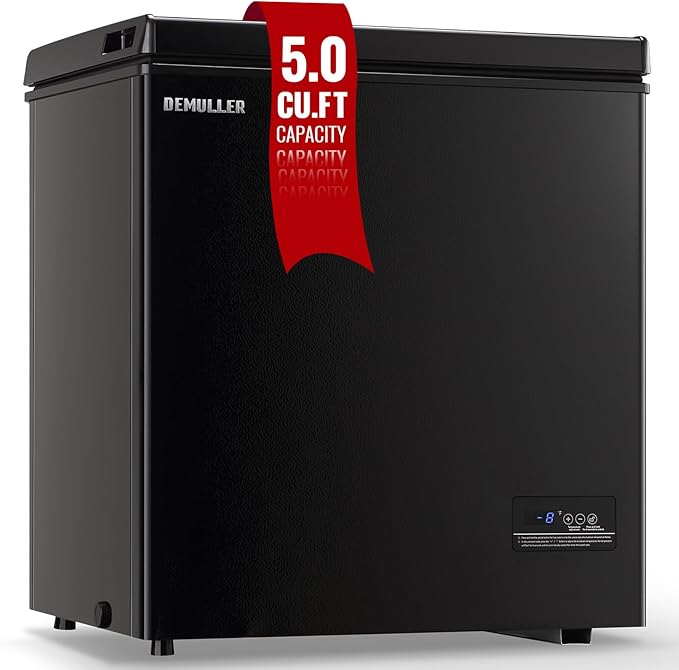
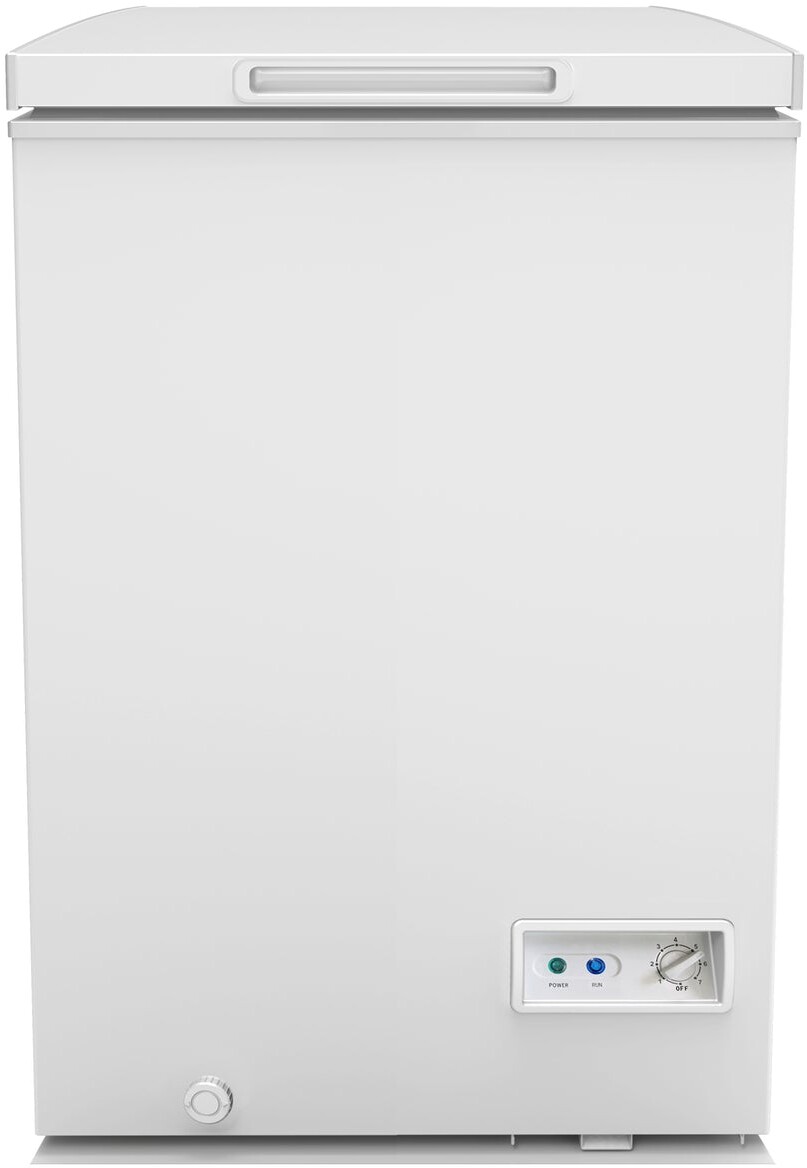
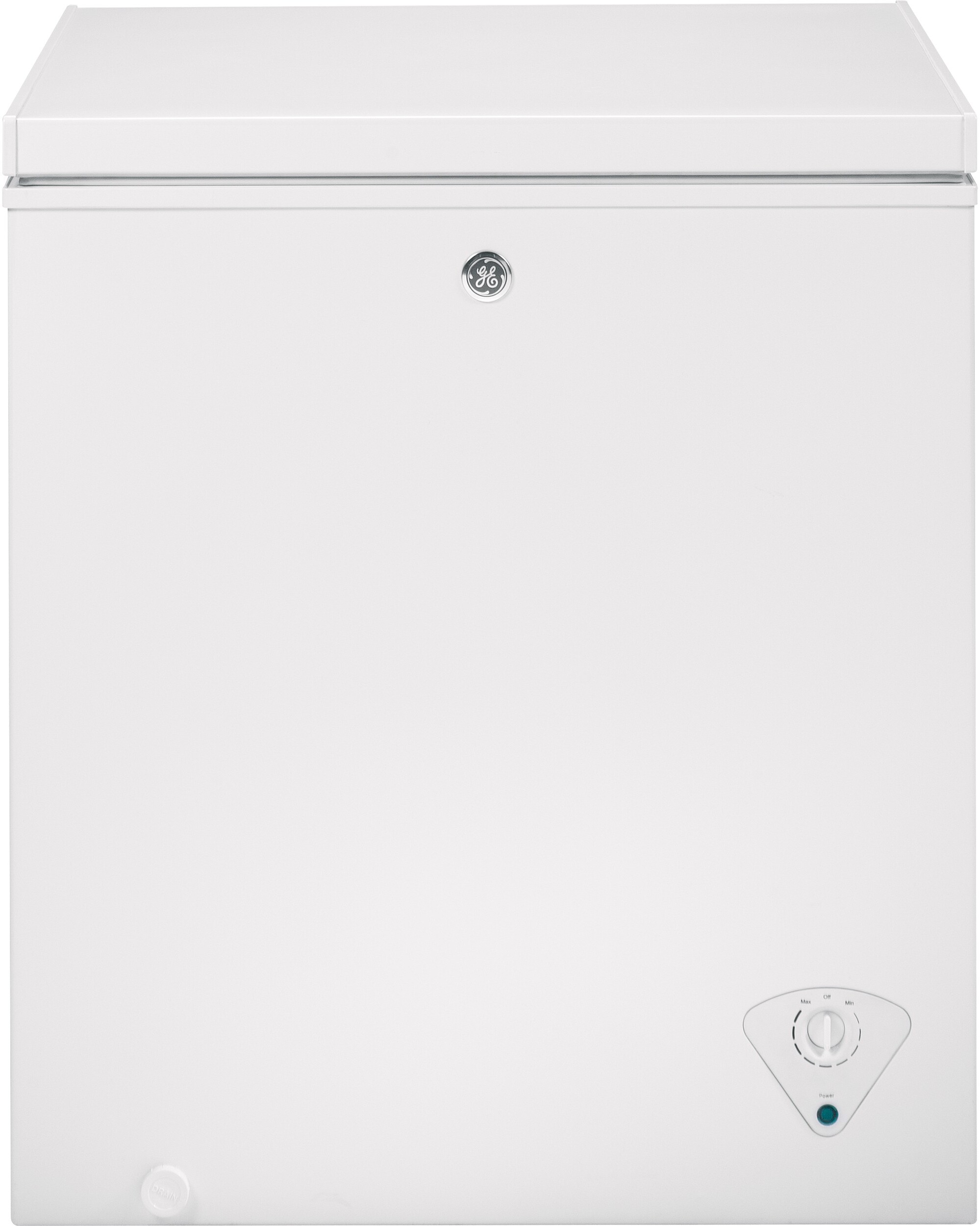
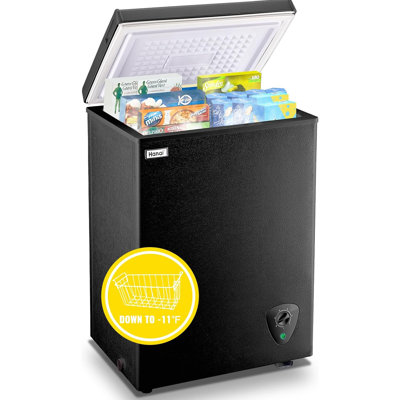
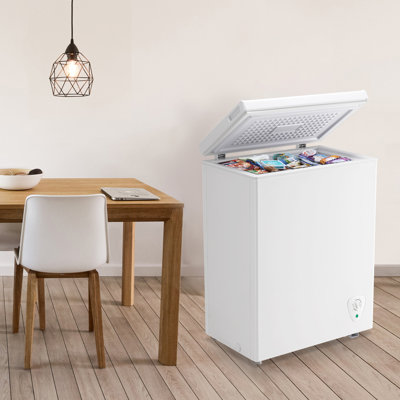
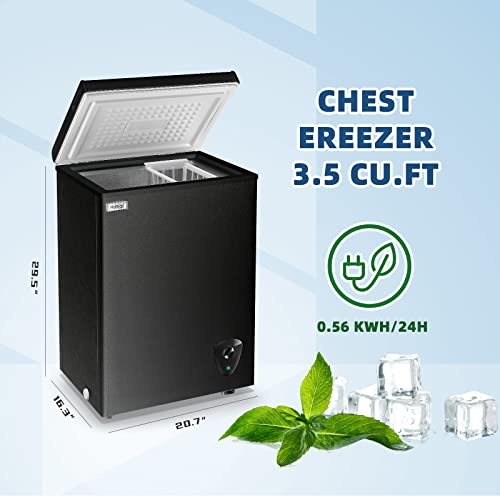
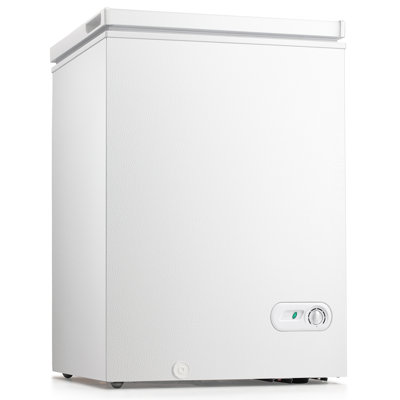
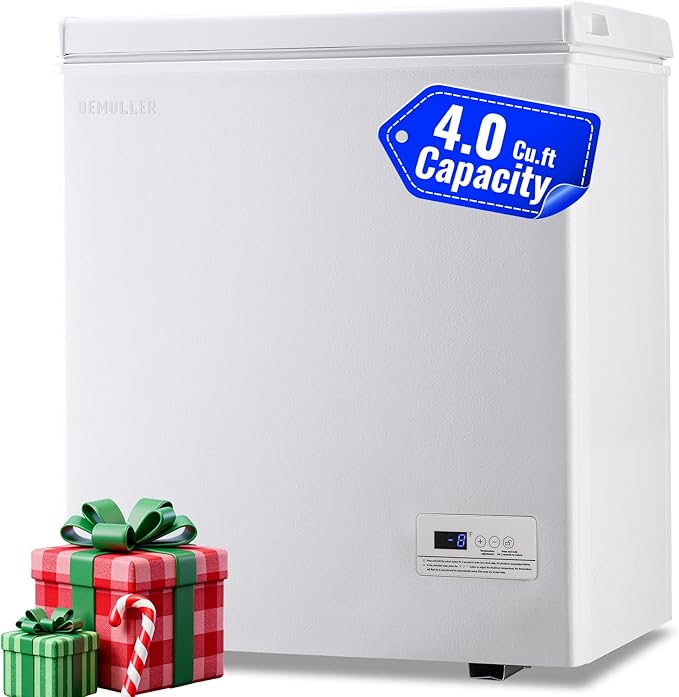
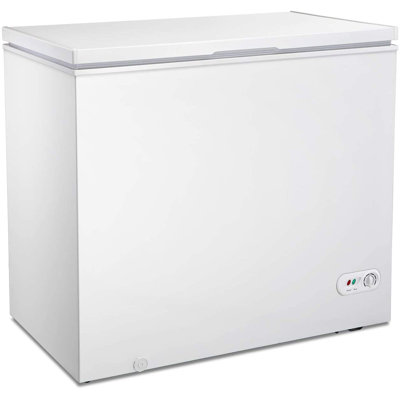
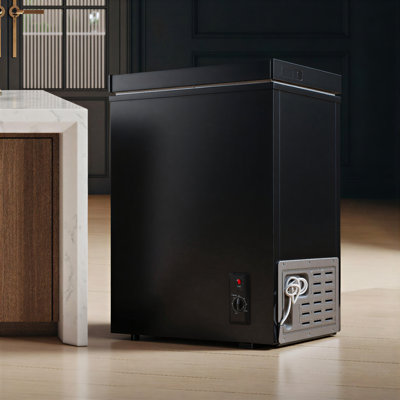
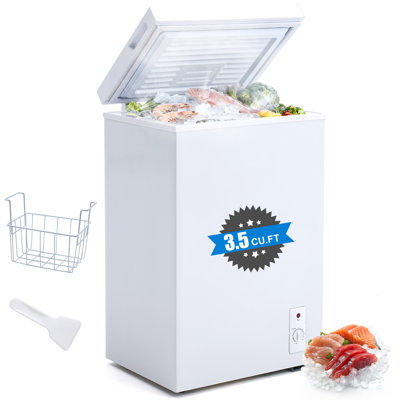
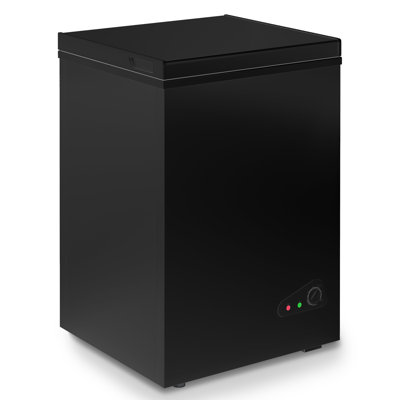
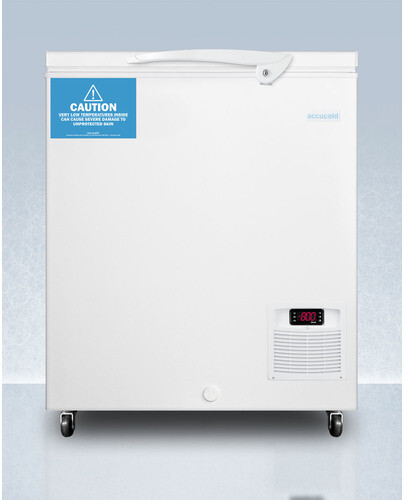
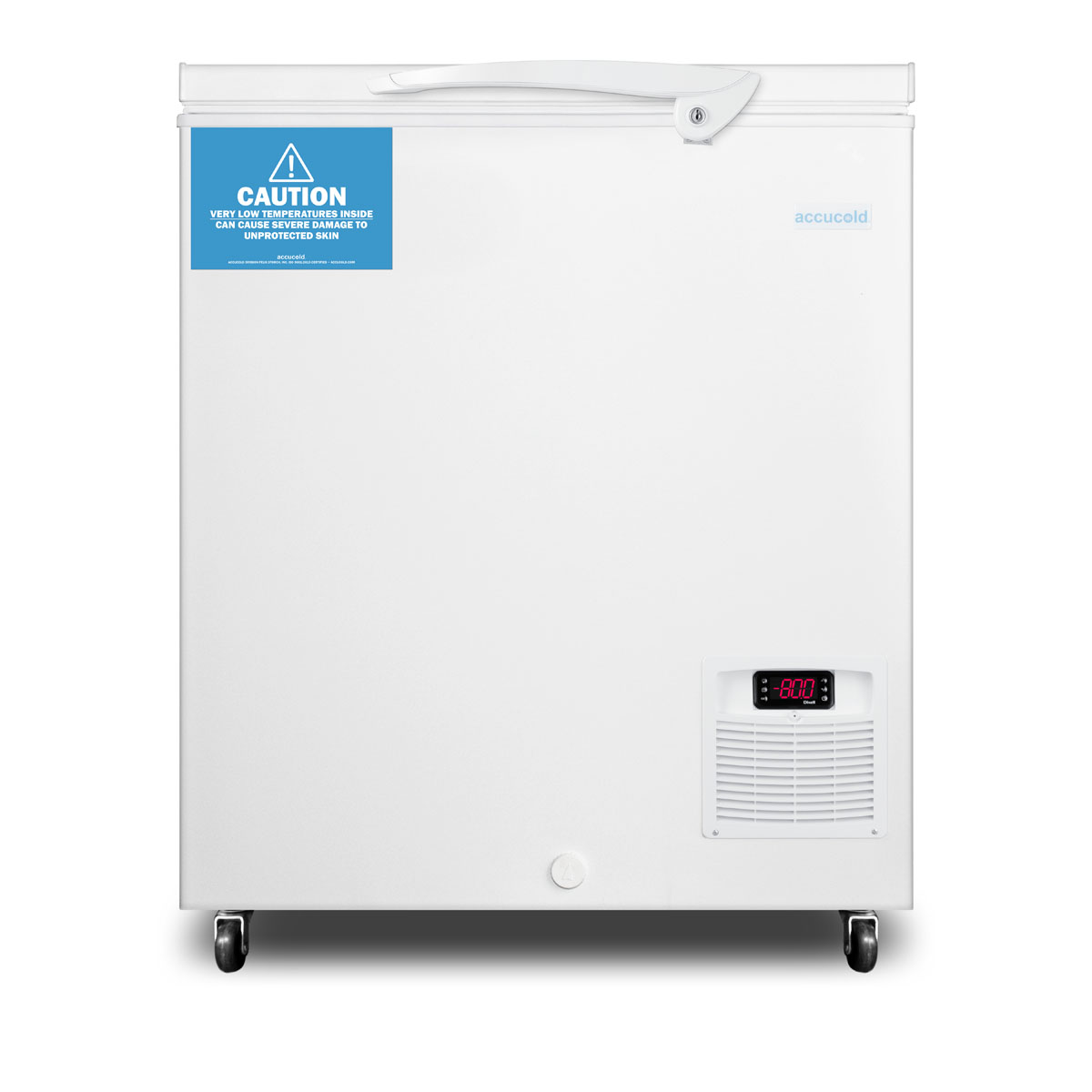
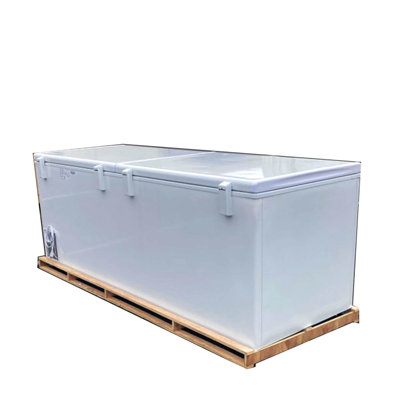
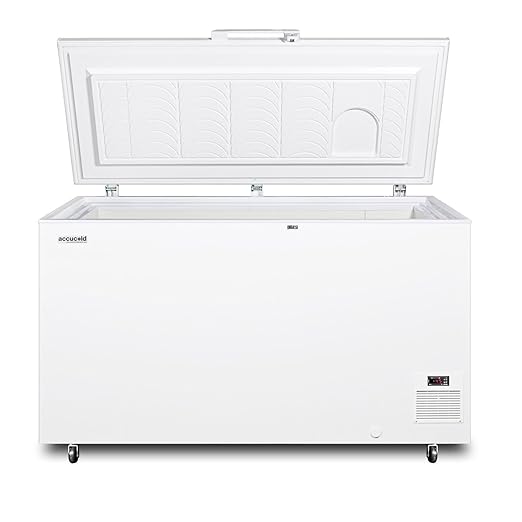
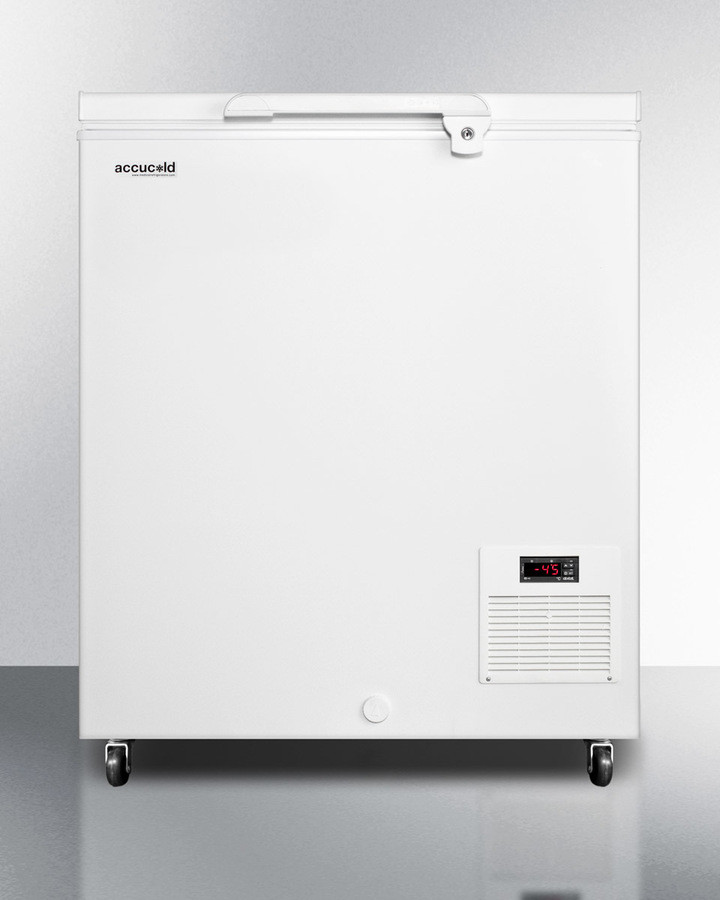
In contrast, a chest freezer is a single large compartment designed for bulk storage of frozen goods. It can hold larger quantities of food, making it suitable for long-term storage. Chest freezers are often placed in basements, garages, or utility rooms. For a comparison of different freezer types, check out drawer freezer Vs. garage freezer.
By understanding these key differences, you can make an informed decision between a 3 door refrigerator and a chest freezer based on your storage needs, space availability, and lifestyle.
3 Door Refrigerators
Features and Benefits
A 3 door refrigerator, also known as a French door refrigerator, combines a bottom freezer with two side-by-side doors for the refrigerator compartment. This design offers several features and benefits that cater to various needs.
Spacious Layout: The dual doors open to a wide, unobstructed space, making it easier to store and access large items like platters and trays. The bottom freezer provides ample storage for frozen goods.
Energy Efficiency: Opening one door at a time minimizes the loss of cold air, which can help in reducing energy consumption.
Advanced Technology: Many 3 door refrigerators come equipped with features like temperature control, humidity settings, and smart technology to keep your food fresher for longer.
Organizational Options: Adjustable shelves, door bins, and spacious drawers make it easy to organize and access your groceries.
Feature
Benefit
Dual Doors
Easy access and visibility
Bottom Freezer
Ample frozen storage
Advanced Technology
Enhanced food preservation
Organizational Options
Better space management
Ideal Uses for 3 Door Refrigerators
3 door refrigerators are versatile and suitable for various environments and lifestyles. Here are some ideal uses:
Family Kitchen: Perfect for families who need ample storage space for fresh and frozen food. The wide refrigerator compartment and organized freezer make meal prep and storage convenient.
Entertaining: Ideal for those who frequently entertain guests. The spacious layout can accommodate large platters and party trays, making it easier to serve food and drinks.
Modern Homes: Fits well in modern kitchens with its sleek design and advanced features. It complements contemporary kitchen decor and offers high functionality.
Home Chefs: Great for home chefs who require easy access to fresh ingredients and ample freezer space for preserving homemade meals.
By understanding the features and ideal uses of 3 door refrigerators, you can better decide if this type of refrigerator suits your needs, lifestyle, and kitchen layout. Explore other comparisons like mini fridge Vs. refrigerator drawer and ice machine Vs. retro fridge to find the perfect cooling solution for your home.
When comparing refrigeration options, chest freezers stand out due to their unique features and benefits. Understanding these aspects can help you decide if a chest freezer is the right choice for your needs.
Features and Benefits
Chest freezers offer a range of features that make them a valuable addition to any home. Here are some key benefits:
Storage Capacity: Chest freezers generally provide more storage space compared to upright freezers of the same external dimensions. This makes them ideal for bulk storage.
Energy Efficiency: Due to their design, chest freezers are often more energy-efficient, as less cold air escapes when the lid is opened.
Temperature Consistency: The horizontal design allows for better temperature stability, which is crucial for preserving food quality.
Cost-Effective: Typically, chest freezers are more affordable than their upright counterparts, both in terms of initial purchase price and operating costs.
Longevity: With fewer moving parts and simpler mechanisms, chest freezers often have a longer lifespan.
Ideal Uses for Chest Freezers
Chest freezers are versatile and can be used in various settings. Here are some ideal scenarios where a chest freezer proves beneficial:
Bulk Food Storage: Perfect for families or individuals who buy in bulk. You can store large quantities of meat, vegetables, and other perishables.
Seasonal Storage: Useful for storing seasonal items like holiday meals or summer fruits.
Backup Freezer: Acts as a secondary storage option for those who already have a refrigerator with a freezer compartment.
Outdoor Use: Suitable for garages, basements, or outdoor areas, making it a convenient option for additional storage space.
Extended Storage: Ideal for preserving garden harvests, homemade meals, or bulk purchases from sales.
By understanding the features and ideal uses of chest freezers, you can make an informed decision on whether this type of freezer meets your specific requirements. Whether you need extra storage for bulk purchases or a backup freezer for seasonal items, chest freezers offer a practical and efficient solution.
When comparing a 3 door refrigerator to a chest freezer, it's essential to consider storage capacity and organization. Each option offers unique advantages and may suit different needs depending on your lifestyle and usage patterns.
Storage Space Comparison
A 3 door refrigerator typically includes a refrigerator section, a freezer section, and a third compartment that can be used for various purposes. The layout allows for organized storage of different types of food items.
Appliance Type
Average Capacity (cubic feet)
3 Door Refrigerator
20 - 30
Chest Freezer
10 - 25
Chest freezers, on the other hand, offer a large, open storage space that can accommodate bulkier items. However, this can sometimes make finding specific items more challenging.
Organization and Accessibility
The organization and accessibility of your appliance can significantly impact your daily use. A 3 door refrigerator offers multiple compartments and shelves, making it easier to categorize and access your food.
3 Door Refrigerator:
Shelves and Drawers: Adjustable shelves and drawers help in organizing different food items.
Side Compartments: Door bins provide additional storage for beverages and condiments.
Flexibility: The third compartment can be customized for various needs, such as extra refrigeration or freezer space.
Chest Freezer:
Open Space: The large, open space can store bulkier items but might require digging to find specific items.
Baskets and Dividers: Some models come with baskets or dividers to help organize items, but these are often limited.
Accessibility: Items at the bottom may be harder to reach, making organization crucial for efficient use.
For more detailed comparisons on refrigeration options, you might find Fridge.com articles on convertible freezer Vs. medium size refrigerator and drawer freezer Vs. garage freezer helpful.
Energy Efficiency and Cost
Operating Costs Comparison
When comparing the operating costs of a 3 door refrigerator and a chest freezer, several factors come into play, including the size, usage patterns, and energy efficiency ratings. Generally, chest freezers are known for their lower energy consumption compared to refrigerators. This is because chest freezers maintain a consistent temperature more efficiently due to their design.
Appliance
Average Annual Energy Consumption (kWh)
Estimated Annual Operating Cost ($)
3 Door Refrigerator
500 - 700
$60 - $85
Chest Freezer
200 - 400
$24 - $48
The table above provides an average estimate for energy consumption and operating costs. Keep in mind that actual costs may vary depending on factors such as the specific model, energy rates in your area, and how often the appliance is used. For more detailed comparisons, check Fridge.com articles on bottom freezer refrigerator Vs. small refrigerator and mini fridge Vs. refrigerator drawer.
Environmental Impact
Energy efficiency directly impacts the environment. A lower energy consumption translates to a reduced carbon footprint. Chest freezers typically have a smaller environmental impact due to their lower energy requirements. However, it's important to consider the environmental impact of refrigerants used in these appliances. Modern refrigerators and freezers use eco-friendly refrigerants that significantly reduce their impact on global warming.
Appliance
Average Annual CO2 Emissions (kg)
3 Door Refrigerator
350 - 500
Chest Freezer
140 - 280
Reducing energy consumption not only helps in lowering operating costs but also minimizes environmental impact. When choosing between a 3 door refrigerator and a chest freezer, consider the long-term benefits of energy efficiency. For more insights on energy-efficient appliances, explore Fridge.com articles on convertible freezer Vs. medium size refrigerator and drawer freezer Vs. garage freezer.
Selecting the right appliance for your needs involves balancing initial costs, operating expenses, and environmental impact. Understanding these factors can help you make an informed decision that suits your lifestyle and budget.
When deciding between a 3 door refrigerator and a chest freezer, there are several factors you should take into account to ensure you make the best choice for your space and lifestyle needs.
Space and Layout Considerations
The amount of space you have available can significantly impact your decision. A 3 door refrigerator typically requires more vertical space but offers a compact footprint, making it suitable for kitchen areas or spaces with limited floor room. On the other hand, a chest freezer takes up more horizontal space and is often better suited for basements, garages, or other utility areas.
Here’s a comparison of the space requirements:
Appliance Type
Average Height (in)
Average Width (in)
Average Depth (in)
3 Door Refrigerator
70
36
30
Chest Freezer
33
48
28
When planning your space, also consider the layout of your home. For example, if you need easy access to both fresh and frozen items, a 3 door refrigerator might be more convenient. Conversely, if you primarily need bulk storage for frozen goods, a chest freezer could be ideal.
Lifestyle and Usage Patterns
Your lifestyle and how you plan to use the appliance are crucial factors to consider. A 3 door refrigerator offers the benefit of having both fresh and frozen storage in one unit, making it ideal for families or individuals who cook frequently and need quick access to a variety of food items.
In contrast, a chest freezer is excellent for those who buy in bulk or need to store large quantities of frozen foods. This might be particularly useful for large families, meal preppers, or anyone who hunts or gardens and needs ample storage for their bounty.
Here's a quick look at the ideal uses for each appliance:
Appliance Type
Ideal For
Key Features
3 Door Refrigerator
Daily use, frequent cooking
Combined fresh and frozen storage, easy access
Chest Freezer
Bulk storage, long-term preservation
Large freezing capacity, energy efficiency
To make an informed decision, reflect on your daily habits and storage needs. If you find yourself frequently accessing both fresh and frozen items, the convenience of a 3 door refrigerator might be more suitable. Conversely, if your primary need is to store large amounts of frozen food with less frequent access, a chest freezer could be the better choice.
For further comparisons on refrigerator and freezer options, you can check out Fridge.com articles on convertible freezer Vs. medium size refrigerator and drawer freezer Vs. garage freezer. These articles provide additional insights into various refrigeration solutions, helping you make the best choice for your specific needs.
Compare prices on Fridge.com
Compare current prices and specifications on Fridge.com, then buy from the retailer you choose; delivery, installation and warranty terms are the retailer’s.
It also has tons of awesome articles about kitchen stuff and home news. Enhance your home, garage, backyard, patio, and office with the coolest essentials. With every necessary type of residential refrigerator or freezer in the collection, you're covered.
Free tool
Freezer BTU Calculator
Free interactive tool from Fridge.com — get a quick answer while you read.