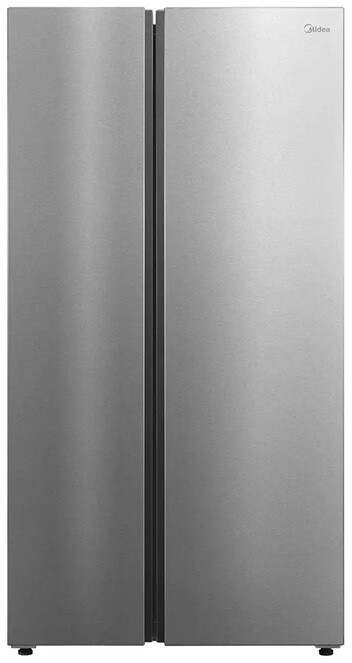
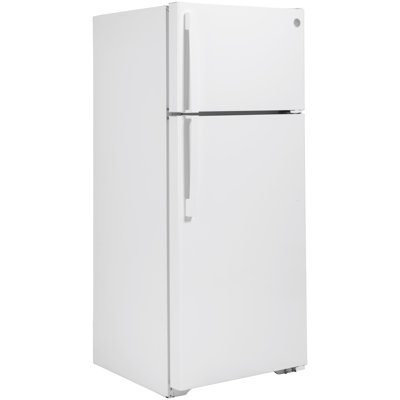
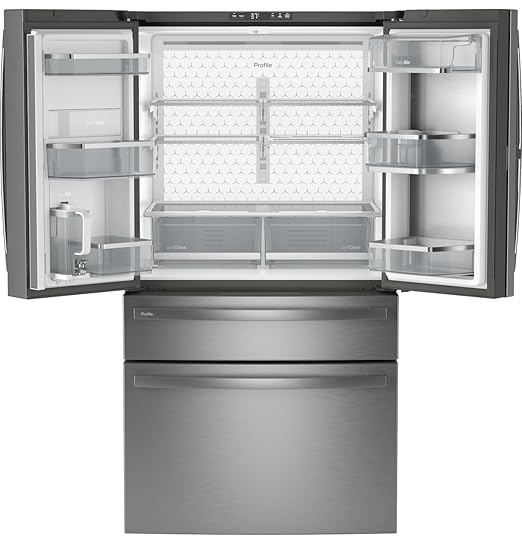
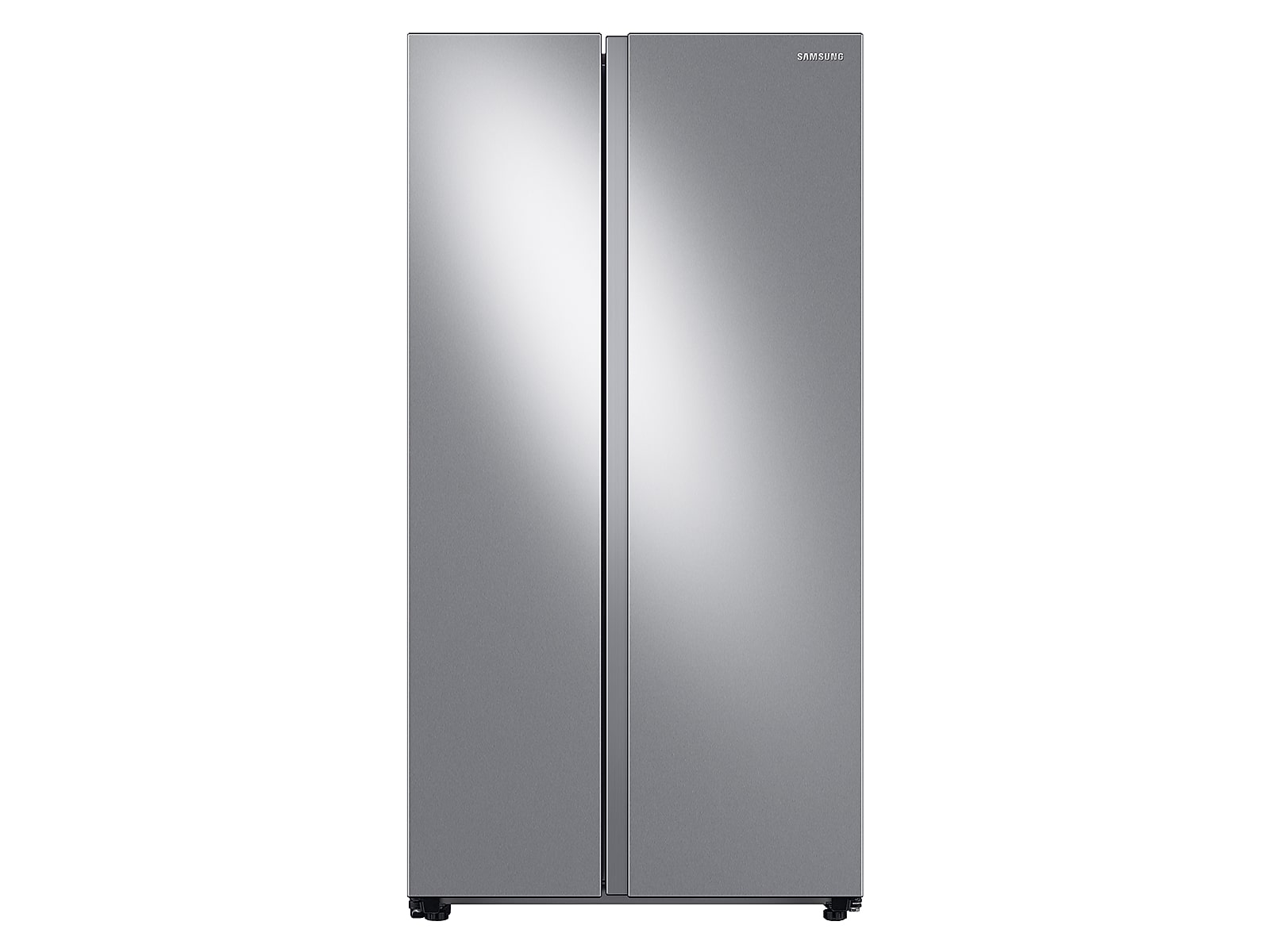
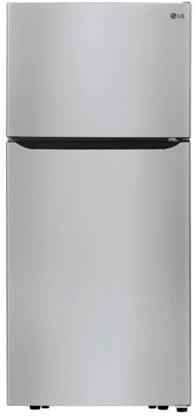
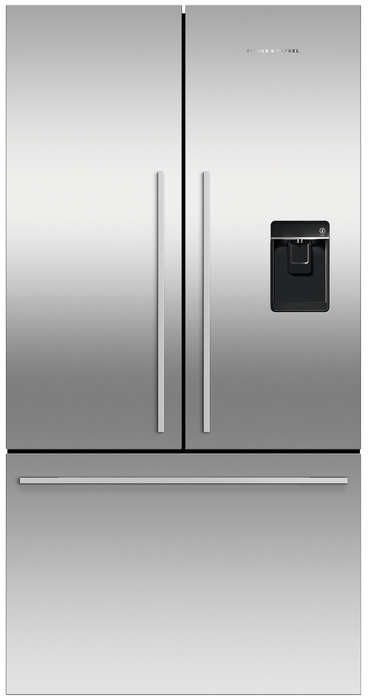
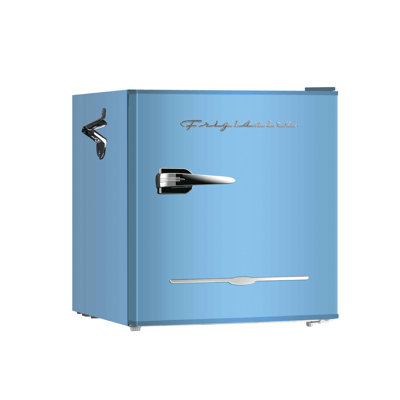
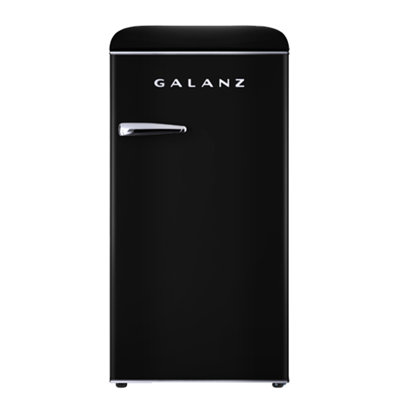
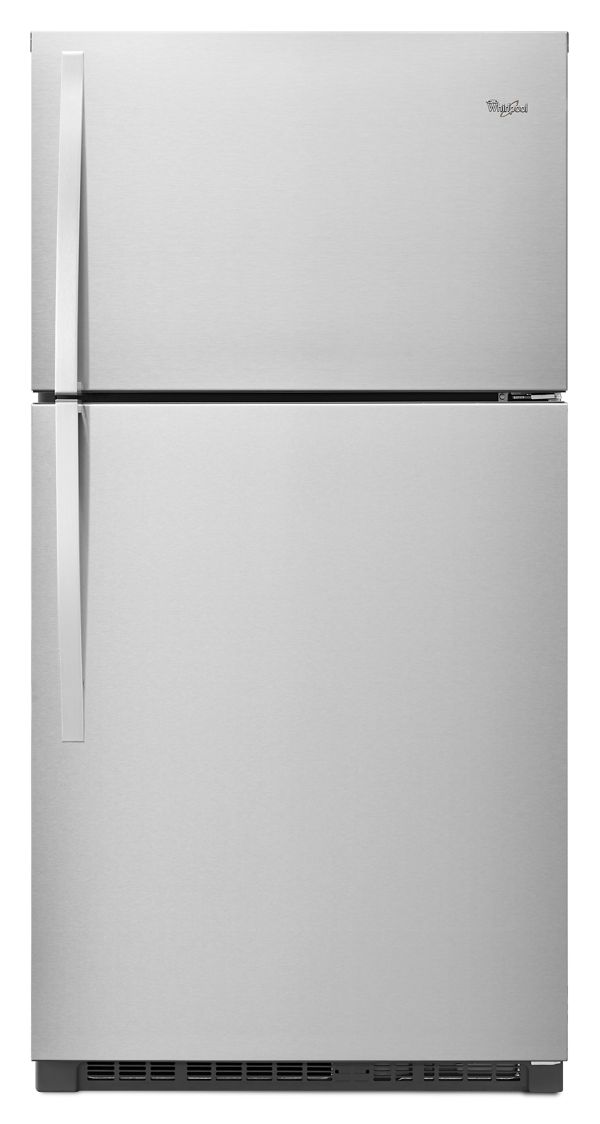
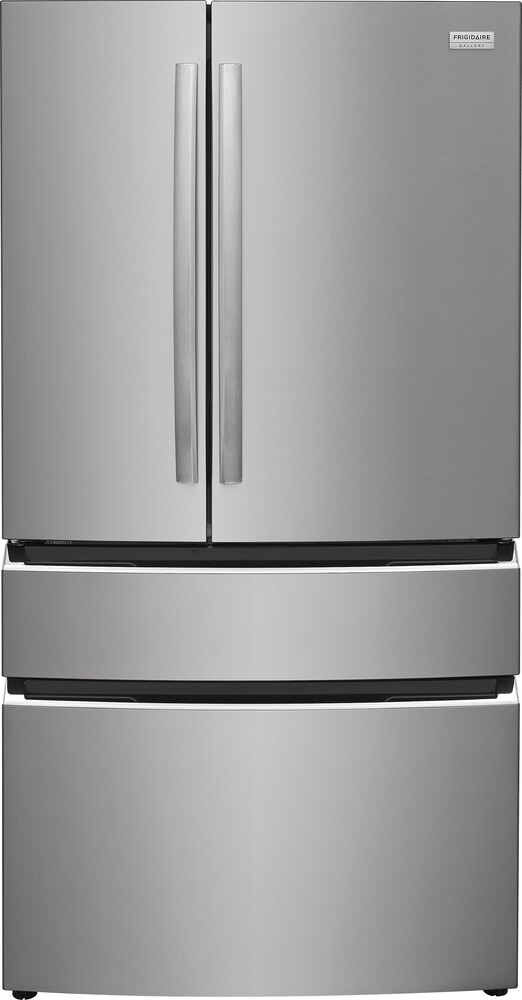
Remember to allow for extra space at the top and sides for ventilation, usually 1 to 3 inches, and consider the clearance needed for the door to open.
Exploring the features, ideal uses, and maintenance requirements of each will aid in choosing the right refrigeration solution for your home.
Temperature Customization: They often offer precise temperature controls that are ideal for chilling beverages to the perfect drinking temperature.
Entertainment Spaces: For those who love to entertain, a refrigerator cooler is ideal for keeping a variety of drinks accessible and at the optimal temperature for guests.
Refrigerator Cooler Vs. Standard Refrigerator Size
Understanding the Difference
When you're in the market for a new appliance to keep your food and drinks chilled, you might come across the terms "refrigerator cooler" and "standard refrigerator." While both serve the essential function of refrigeration, they cater to different needs and spaces. Understanding the distinction between the two can help you make an informed decision that matches your lifestyle, whether you live in an apartment, condo, or even if you're looking for a cooling solution for your garage, office, or tiny home.
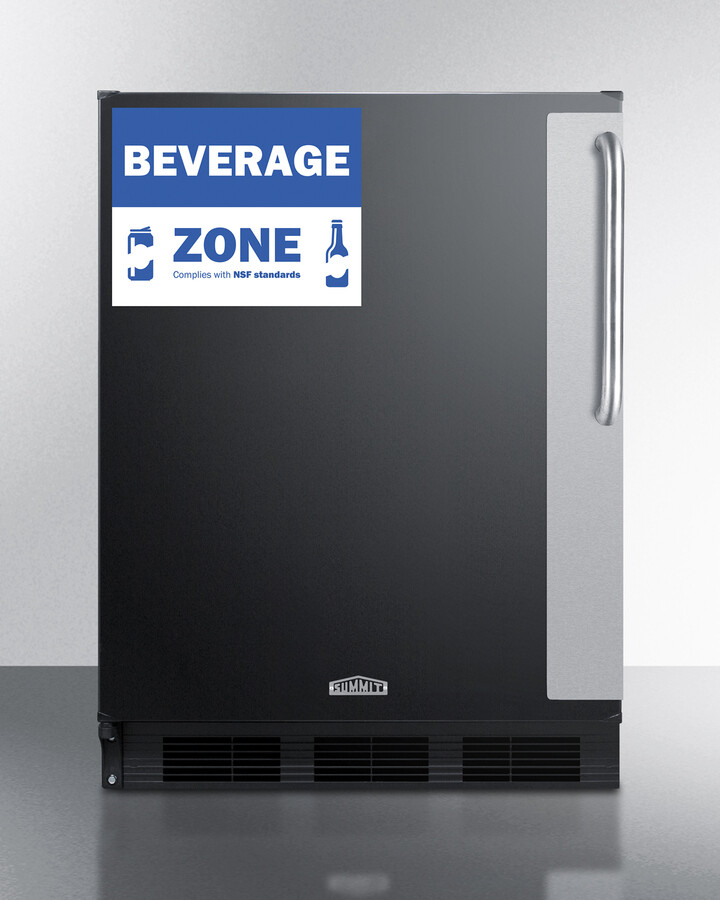
A refrigerator cooler, often referred to as a beverage cooler, is typically smaller in size and designed to keep drinks at a consistent and often lower temperature. It's an optimal choice for those who entertain frequently or desire a dedicated space for their beverage collection. The compact nature of a refrigerator cooler makes it a perfect fit for smaller living spaces or as an additional cooling unit in areas like a basement or home bar.
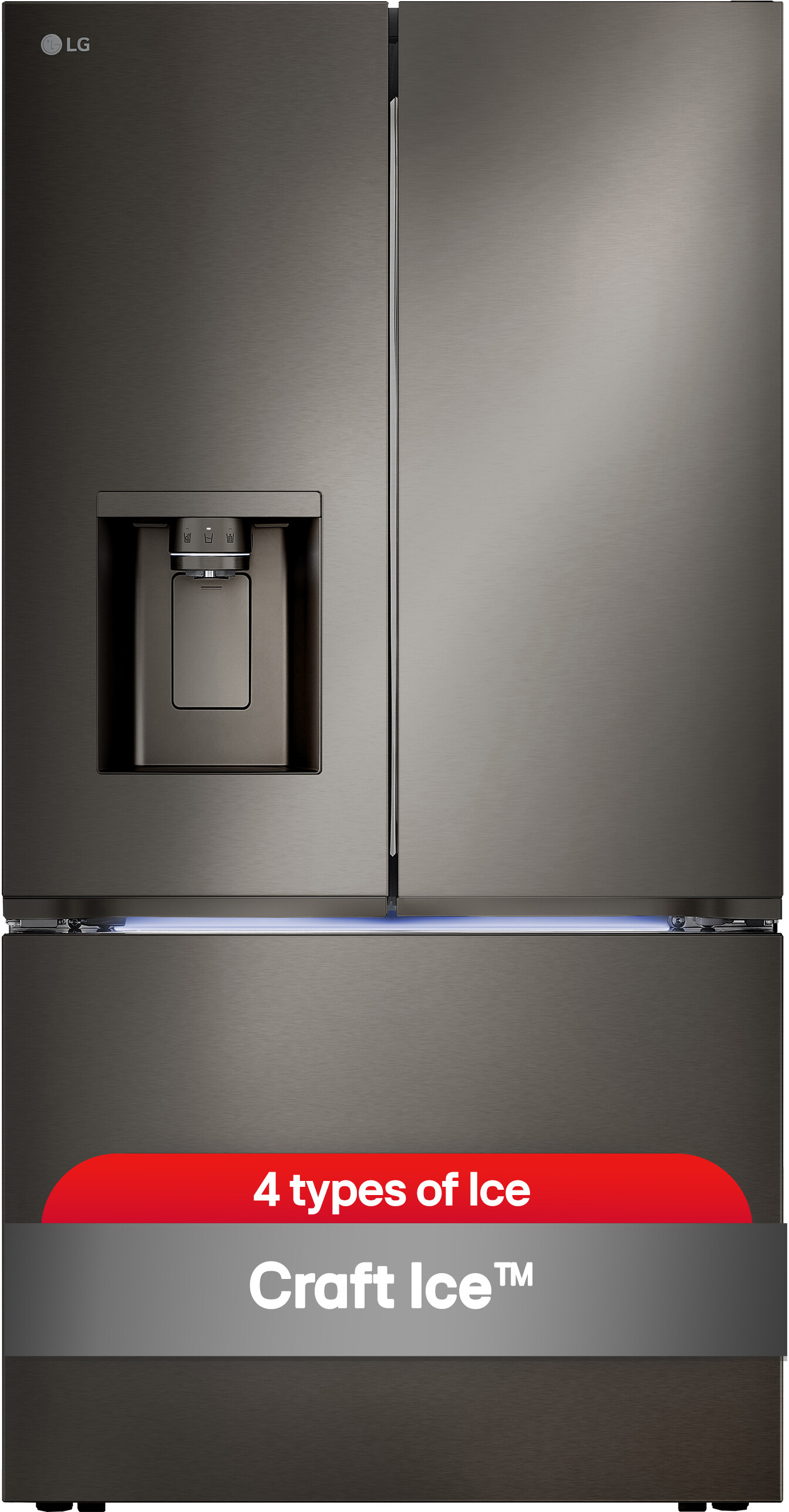
On the other hand, a standard refrigerator is what you commonly find in most households. It comes in various sizes and is designed to store a wide range of perishables from food items to drinks. A standard fridge is equipped with different compartments for fresh produce, dairy, meats, and frozen goods, making it an all-encompassing appliance for daily use in your kitchen.
While both types of refrigeration units serve to preserve and cool, their capacities, energy efficiency, installation requirements, and costs differ significantly. For example, you might consider a refrigerator cooler if you're looking for a specialized appliance to complement your standard fridge or if you need something more compact like a mini-fridge. In contrast, a standard refrigerator is your go-to for comprehensive food storage, especially if you have a family or require more space for groceries.
Deciding between a refrigerator cooler and a standard refrigerator size comes down to evaluating your specific needs, space, and budget. Exploring the features, ideal uses, and maintenance requirements of each will aid in choosing the right refrigeration solution for your home. For more comparisons that can help you decide, take a look at articles such as apartment size refrigerator vs. black refrigerator and beverage center vs. single door refrigerator, which delve into the nuances of various refrigerator types and sizes.
Refrigerator Cooler Overview
Refrigerator coolers, often referred to as beverage coolers, have distinct characteristics that set them apart from standard refrigerators. They are designed to cater to specific storage needs and are an excellent addition to various living spaces and entertainment areas.
Features of a Refrigerator Cooler
Refrigerator coolers typically have the following features:
Temperature Customization: They often offer precise temperature controls that are ideal for chilling beverages to the perfect drinking temperature.
Size Variety: Ranging from compact to larger models, these units are suitable for different spaces and storage requirements.
Design: Many have a sleek design with glass doors that showcase the contents, making them a stylish addition to any room.
Shelving: Adjustable and sometimes specialized shelving accommodates various bottle sizes and shapes.
Lighting: Integrated LED lighting enhances visibility and adds an attractive display element.
Ideal Uses for a Refrigerator Cooler
You might find a refrigerator cooler to be the perfect fit for your needs in the following scenarios:
Entertainment Spaces: For those who love to entertain, a refrigerator cooler is ideal for keeping a variety of drinks accessible and at the optimal temperature for guests.
Home Bars: A staple for any home bar setup, these coolers can store a selection of wines, beers, and sodas within arm's reach.
Offices: In a work environment, they provide a convenient way to offer chilled beverages to employees and visitors.
Small Living Spaces: For those with limited kitchen space, like in apartments or condos, a compact refrigerator cooler can serve as a dedicated spot for drinks, freeing up space in the main fridge.
Specialized Collections: Collectors of fine wines or craft beers can benefit from the specialized storage that keeps their collection at peak condition.
Whether you're looking to enhance your space for social gatherings, require a dedicated area for your beverage collection, or simply need additional storage, a refrigerator cooler might be the suitable choice. For more detailed comparisons, such as beverage center vs. standard fridge size or pink fridge vs. standard refrigerator size, Fridge.com articles offer comprehensive insights to help you make an informed decision.
When you're outfitting your kitchen or updating your appliances, understanding the features and ideal uses of a standard refrigerator can help you make an informed decision that best fits your lifestyle and space.
Features of a Standard Refrigerator
A standard refrigerator typically stands tall in the kitchen, offering a wide range of features designed to keep your food fresh and organized. Here are some key characteristics you can expect:
Multiple Shelves and Compartments: Provides versatile storage solutions for fresh produce, dairy, meats, and beverages.
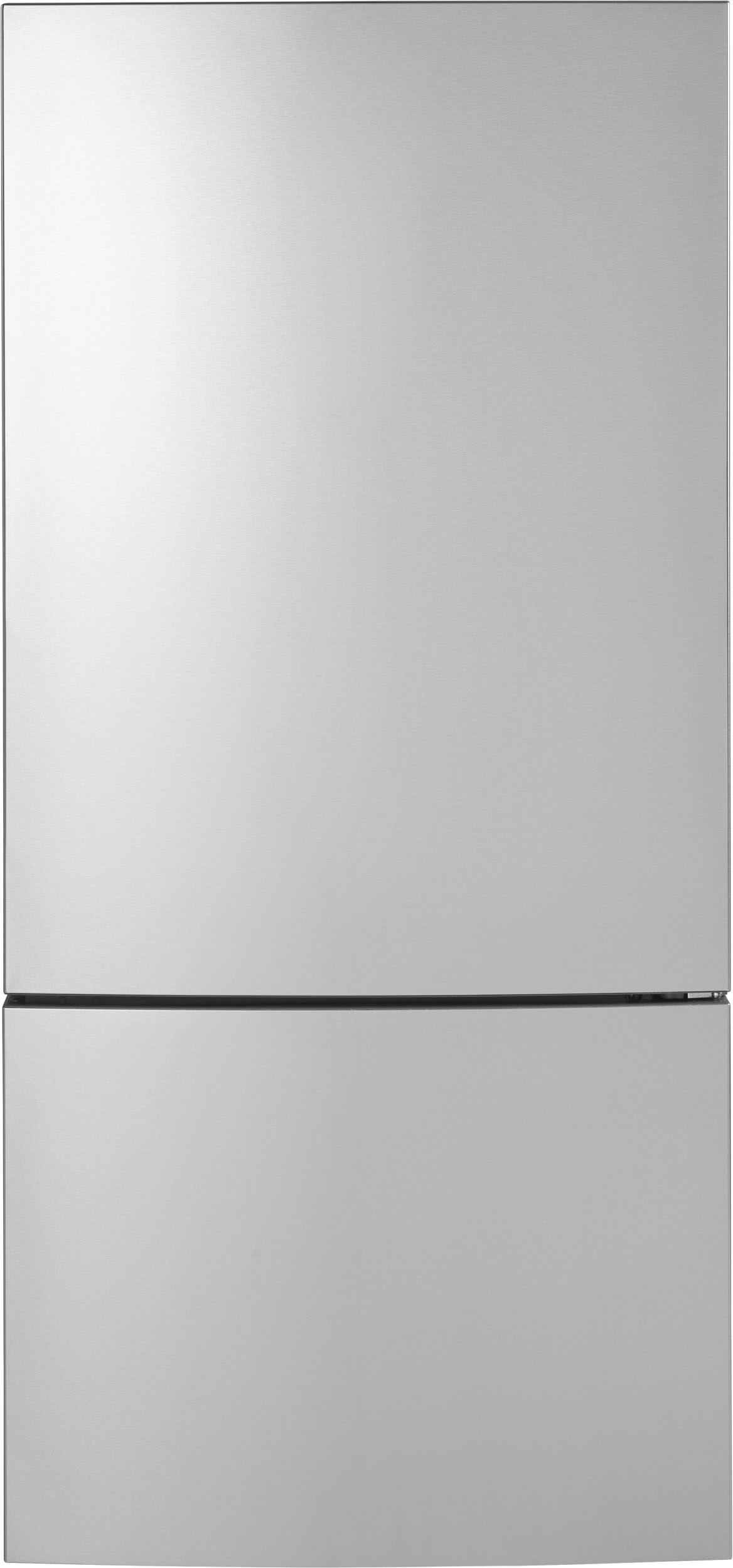
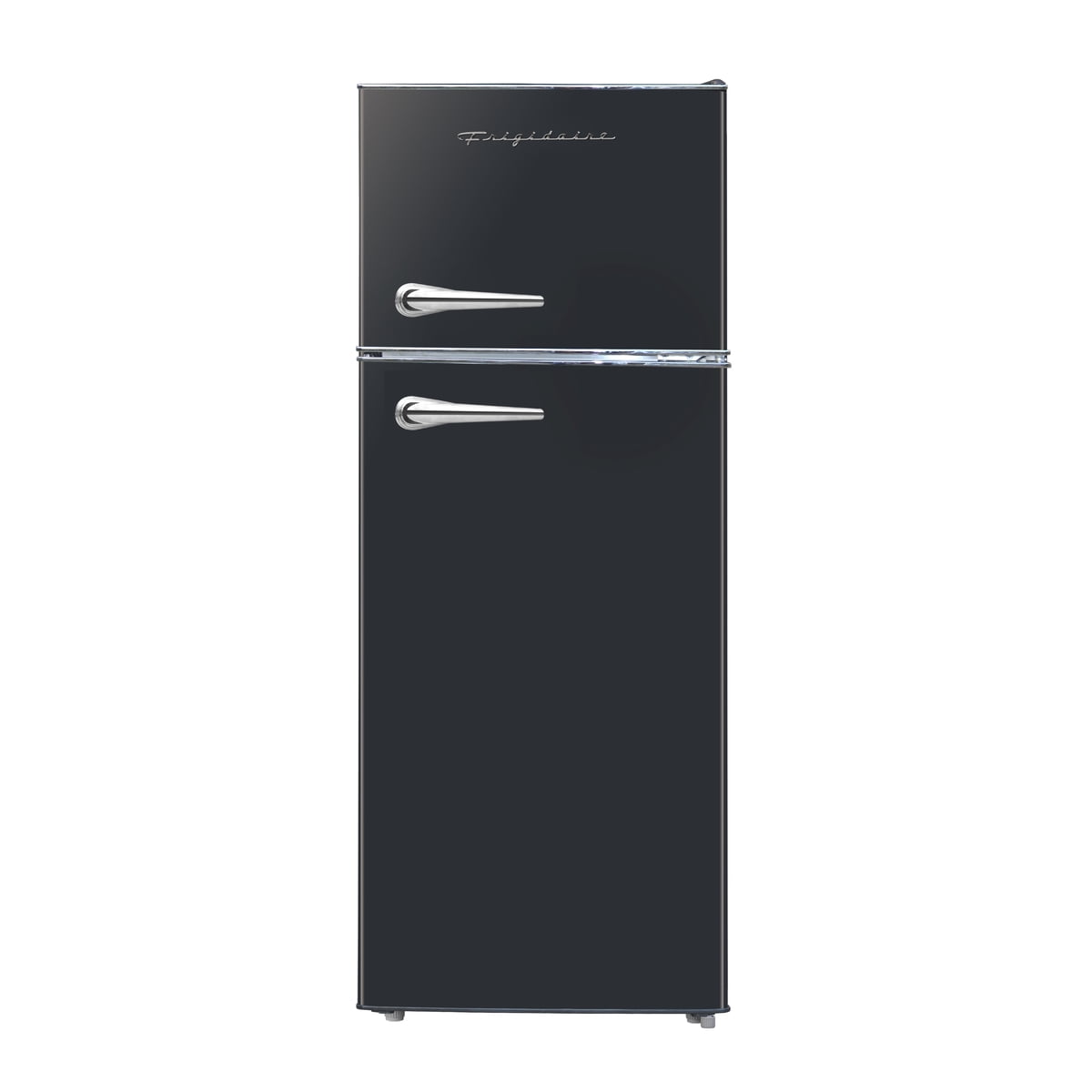
Freezer Section: Most standard refrigerators come with a separate freezer compartment, either on the top, bottom, or side-by-side.
Adjustable Temperature Control: Allows you to manage the internal temperature to suit different types of food items.
Crisper Drawers: Dedicated humidity-controlled sections for preserving the freshness of fruits and vegetables.
Door Storage: Includes racks or bins on the door for additional storage of condiments, bottles, and cans.
Automatic Defrost: Reduces the need for manual defrosting by preventing ice build-up.
Energy Star Rating: Many are designed to be energy efficient, cutting down on utility bills and environmental impact.
Ideal Uses for a Standard Refrigerator
Standard refrigerators are well-suited for a variety of settings, serving the needs of both small and large households. Ideal uses include:
Family Kitchens: With ample storage capacity, they're perfect for families needing to store a week's worth of groceries.
Entertaining: The spacious interior makes it easy to store platters and beverages for gatherings.
Meal Preppers: Those who prepare meals in advance will find the organized compartments helpful for storing large batches.
Office Settings: Offers employees a place to keep their lunches and snacks.
Secondary Kitchen Units: Ideal for use in garages, basements, or other areas where additional cold storage is needed.
Whether you live in a suburban home, an urban apartment, or a cozy cottage, a standard refrigerator is often a central feature in the kitchen. It provides the necessary storage space and cooling features to keep your perishable goods in optimal condition. For comparisons with other types of refrigeration units, you might be interested in exploring how a standard fridge size stacks up against a beverage center or a compact freezer.
When you're in the market for a new refrigerator, understanding the storage capabilities of different models is essential. Here Fridge.com compares the storage capacity of refrigerator coolers and standard refrigerators to help you decide which is best suited for your needs.
Storage Capacity of Refrigerator Coolers
Refrigerator coolers, also known as beverage coolers, are designed primarily for storing drinks and occasionally small snacks. They come in various sizes, but their capacity is generally measured in the number of cans or bottles they can hold.
Cooler Size
Capacity (Cans)
Capacity (Bottles)
Small
20-50
7-18
Medium
50-100
18-36
Large
100-200
36-72
These units are perfect for you if you frequently entertain or enjoy a chilled beverage without overloading your main fridge. For a more detailed comparison of beverage storage options, you might want to read about beverage center vs. standard fridge size.
Storage Capacity of Standard Refrigerators
Standard refrigerators, on the other hand, offer a much larger storage capacity for a variety of foods and beverages. They are measured in cubic feet and can accommodate the needs of singles to large families.
Refrigerator Type
Capacity (Cubic Feet)
Compact (Mini Fridge)
2-6
Apartment Size
7-14
Standard Size
14-26
Large Size
26-33
These refrigerators are designed to store everything from fresh produce and dairy to frozen goods. Whether you live alone or with a family, there's a size that fits your lifestyle. For comparisons that tailor to specific living situations or preferences, consider reading about apartment size refrigerator vs. black refrigerator or pink fridge vs. standard refrigerator size.
By understanding the capacity and storage differences between refrigerator coolers and standard refrigerators, you can make an informed decision that aligns with your space, needs, and lifestyle. Keep in mind other factors such as energy efficiency, cost, and maintenance, which can also influence your choice.
When comparing a refrigerator cooler to a standard refrigerator size, energy efficiency is a significant factor to consider. Energy efficiency not only impacts your monthly utility bills but also your carbon footprint. Let's explore how refrigerator coolers and standard refrigerators measure up in terms of energy consumption.
Energy Consumption of Refrigerator Coolers
Refrigerator coolers, often designed for specific purposes such as chilling beverages, tend to be smaller and may use less energy compared to their larger counterparts. However, their efficiency can vary based on size, usage, and model. Generally, a dedicated refrigerator cooler that's well-insulated and equipped with modern cooling technology can be quite energy-efficient.
An advantage of refrigerator coolers is that they are typically opened less frequently than standard refrigerators, which helps to maintain a constant internal temperature with less energy consumption. For more comparisons on energy consumption between different refrigerator types, you might be interested in Fridge.com article on beverage center vs. standard fridge size.
Refrigerator Type
Average Energy Consumption (kWh/year)
Small Refrigerator Cooler
250-350
Medium Refrigerator Cooler
350-450
Large Refrigerator Cooler
450-550
Energy Consumption of Standard Refrigerators
Standard refrigerators, which are designed to store a wide variety of perishables, are larger and typically consume more energy. The energy efficiency of a standard refrigerator is influenced by factors such as size, age, model, and whether it has a freezer compartment.
Modern standard refrigerators have made significant strides in energy efficiency, with many models bearing Energy Star ratings and other certifications that denote lower energy use. It's crucial to consider the energy rating and technology of a standard refrigerator when assessing its efficiency.
Refrigerator Size
Average Energy Consumption (kWh/year)
Small Standard Refrigerator
350-450
Medium Standard Refrigerator
450-600
Large Standard Refrigerator
600-800
You'll want to choose a refrigerator that not only suits your storage needs but also aligns with your energy conservation goals. Whether you decide on a refrigerator cooler or a standard refrigerator, understanding their energy consumption can help you make an informed decision. For further insight into how different refrigerator sizes compare, check out Fridge.com guide on basement refrigerator vs. standard refrigerator size.
Installation and Placement Considerations
When introducing a new refrigerator to your home, whether it's a refrigerator cooler or a standard refrigerator, installation and placement are crucial factors to consider. These considerations will help ensure that your appliance fits comfortably in the designated space and operates efficiently.
Space Requirements for Refrigerator Coolers
Refrigerator coolers, also known as beverage centers, are often more compact than standard refrigerators and can be a perfect fit for spaces where a full-size refrigerator might be too large. Before installation, measure the height, width, and depth of the space where you plan to place your refrigerator cooler to ensure a proper fit.
Dimension
Typical Size Range (Inches)
Height
24 - 34
Width
12 - 24
Depth
18 - 24
Keep in mind that you will also need to account for ventilation space to prevent overheating — usually at least one inch on all sides. Additionally, consider the door swing and ensure there's enough clearance for the door to open fully. For more detailed comparisons of space requirements, you might find Fridge.com article on beverage center vs. standard fridge size helpful.
Space Requirements for Standard Refrigerators
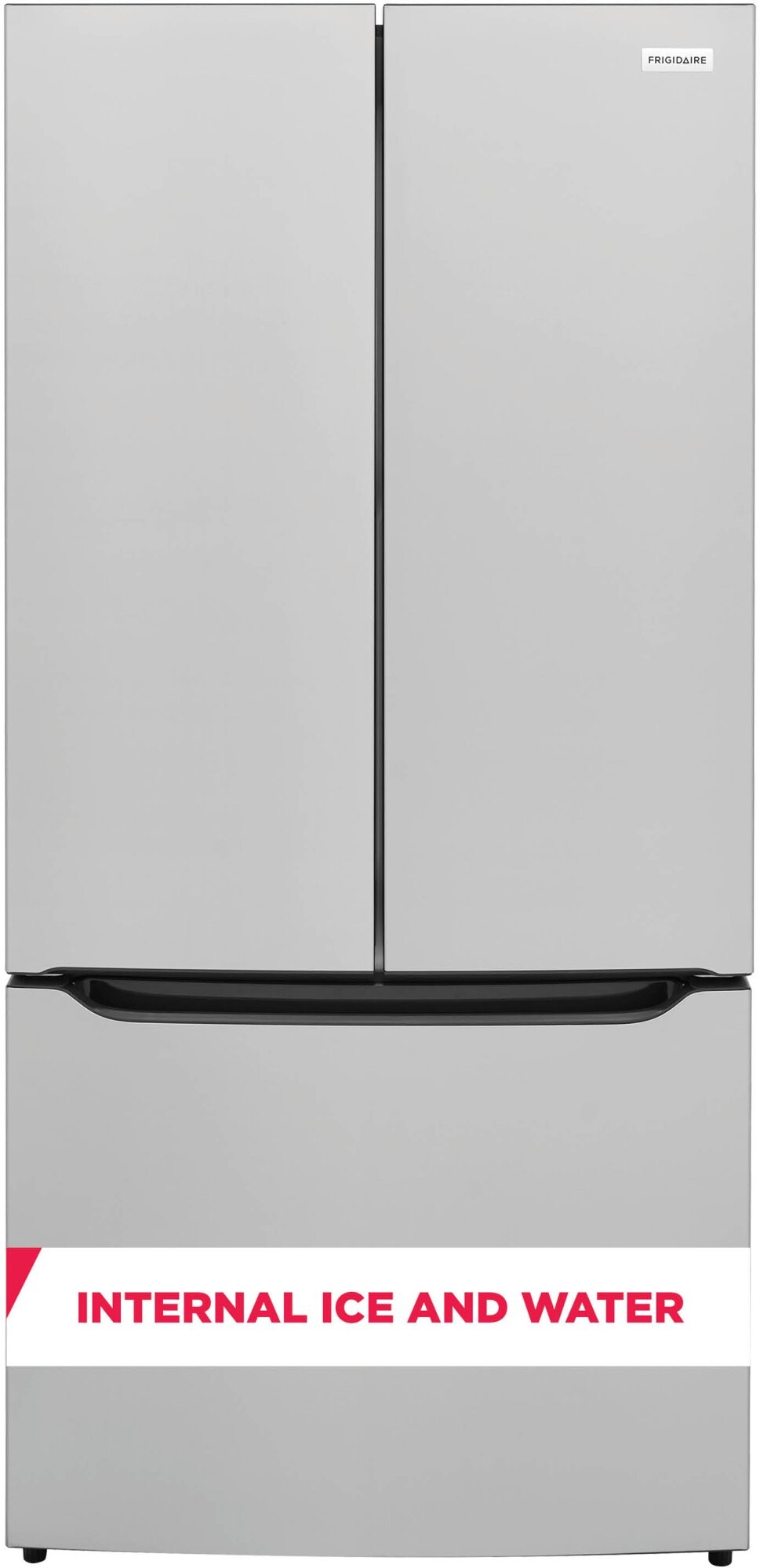
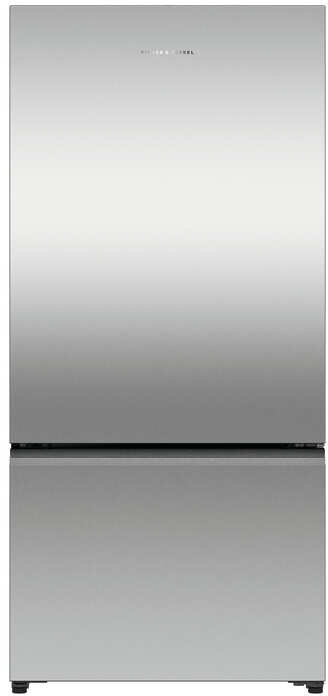
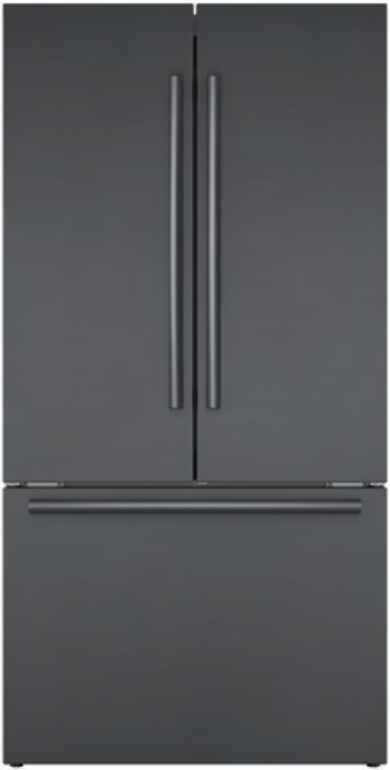
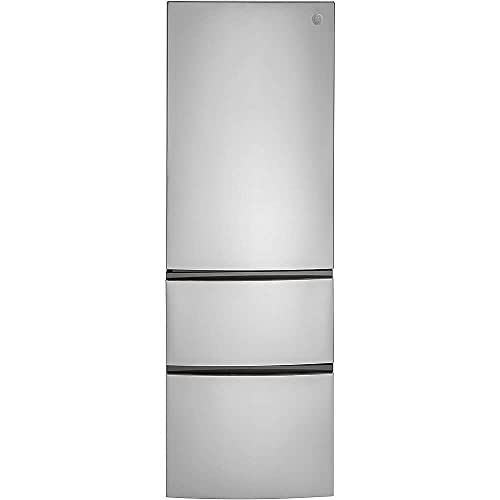
Standard refrigerators come in various sizes, and the space required for installation can vary significantly. Whether you're accommodating a compact, apartment-sized unit or a larger French door model, it's important to measure the intended installation area carefully.
Refrigerator Type
Width
Height
Depth
Compact
24 - 28
60 - 66
24 - 28
Top-Freezer
28 - 32
60 - 69
28 - 34
Bottom-Freezer
29 - 36
65 - 70
29 - 34
Side-by-Side
32 - 36
65 - 72
29 - 34
French Door
30 - 36
65 - 72
29 - 34
Remember to allow for extra space at the top and sides for ventilation, usually 1 to 3 inches, and consider the clearance needed for the door to open. If your kitchen space is limited, you might also want to explore options like counter-depth models. Further insights can be found in Fridge.com comparison of basement refrigerator vs. standard refrigerator size.
When planning the installation of your new refrigerator, whether it's a space-saving cooler or a full-size model, take into account not only the dimensions of the refrigerator itself but also the layout of your space, including doorways, counters, and other appliances. Careful planning will ensure that your refrigerator not only fits but also complements your living space and lifestyle.
When outfitting your home or office with a cooling appliance, understanding the financial implications of your choice between a refrigerator cooler and a standard refrigerator is essential. This cost comparison will guide you through the upfront investment associated with each option, enabling you to make an informed decision that aligns with your budget and needs.
Upfront Cost of Refrigerator Coolers
Refrigerator coolers, often designed for specific purposes such as chilling beverages or wine, can vary widely in price. The cost is influenced by factors such as capacity, features, and technology. On average, you might find that smaller, more specialized coolers could be less expensive than larger, multi-functional units.
Refrigerator Cooler Type
Average Cost Range
Small Beverage Cooler
$150 - $300
Medium Wine Cooler
$300 - $600
Large Specialty Cooler
$500 - $1000+
Remember that the upfront cost is just one part of the overall expense. Operational costs, which encompass energy consumption and maintenance, also play a significant role in the long-term investment of your refrigerator cooler. For further insights into how a refrigerator cooler might impact your utility bills, explore Fridge.com article on beverage center vs. standard fridge size.
Upfront Cost of Standard Refrigerators
Standard refrigerators come in a variety of sizes and styles, from basic models to advanced units with smart technology. Consequently, the price range for these appliances can be quite broad. Typically, the larger and more feature-rich the refrigerator, the higher the cost.
Standard Refrigerator Type
Average Cost Range
Basic Top-Freezer Model
$500 - $800
Mid-Range Bottom-Freezer
$800 - $1,200
High-End French Door
$1,200 - $3,000+
It's crucial to consider not only the initial price but also the long-term operating costs associated with standard refrigerators. Features like energy-saving modes and efficient insulation can help reduce energy bills over time. For a detailed examination of the energy consumption differences, take a look at 5 door refrigerator vs. built in refrigerator.
Regardless of whether you opt for a refrigerator cooler or a standard refrigerator, understanding the associated costs will help you budget effectively for your purchase. Additionally, consider the appliance's purpose, size, and energy efficiency to ensure that it meets your needs both financially and functionally.
Maintenance and Longevity
When considering the purchase of a refrigerator, whether it's a specialized refrigerator cooler or a standard refrigerator, maintenance and longevity are critical factors that can impact your satisfaction and the appliance's life span. Here, Fridge.com will compare the maintenance needs of both types of refrigerators to help you make an informed decision.
Maintenance Needs of Refrigerator Coolers
Refrigerator coolers, often designed for specific purposes such as chilling beverages, typically require less maintenance due to their smaller size and simpler design. However, regular cleaning and occasional servicing are necessary to ensure optimal performance.
Dust and clean the exterior and interior surfaces regularly.
Replace filters or clean coils as recommended by the manufacturer.
Monitor temperature settings and adjust as needed for efficient operation.
Inspect door seals and gaskets to prevent air leaks and maintain consistent temperatures.
For those interested in beverage-specific refrigeration solutions, additional maintenance tips can be found in Fridge.com article on beverage cooler vs. mini fridge.
Maintenance Needs of Standard Refrigerators
Standard refrigerators come with more features and compartments, which may require more comprehensive maintenance. Longevity can be maximized with the following practices:
Clean the interior shelves, drawers, and compartments monthly.
Defrost the freezer section, if not frost-free, to prevent ice buildup.
Vacuum the condenser coils semi-annually to remove dust and maintain efficiency.
Check door seals regularly and replace them if they become loose or damaged.
Ensure the refrigerator is level to prevent undue strain on the compressor.
For a broader comparison of maintenance needs based on refrigerator types, consider reading Fridge.com article on basement refrigerator vs. standard refrigerator size.
Both refrigerator coolers and standard refrigerators will serve you well if maintained properly. The choice between them should be guided by your specific needs, the space available, and how you plan to use the appliance. Whether it's for a dorm room, family kitchen, or entertainment area, understanding the maintenance involved will help ensure that your refrigerator remains in good working condition for years to come.
Compare prices on Fridge.com
Compare current prices and specifications on Fridge.com, then buy from the retailer you choose; delivery, installation and warranty terms are the retailer’s.
It also has tons of awesome articles about kitchen stuff and home news. Enhance your home, garage, backyard, patio, and office with the coolest essentials. With every necessary type of residential refrigerator or freezer in the collection, you're covered.
From Fridge.com research
Figures below come from data Fridge.com builds and maintains. Each links to the record behind it.
Fridge.com Energy Index, built on U.S. EPA and DOE ENERGY STAR records
Across 5,455 ENERGY STAR certified refrigerators and freezers from 263 brands, median use is 360 kWh per year.