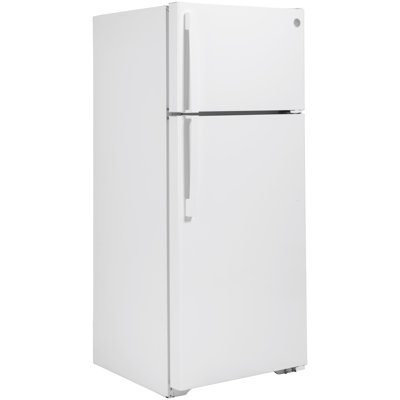
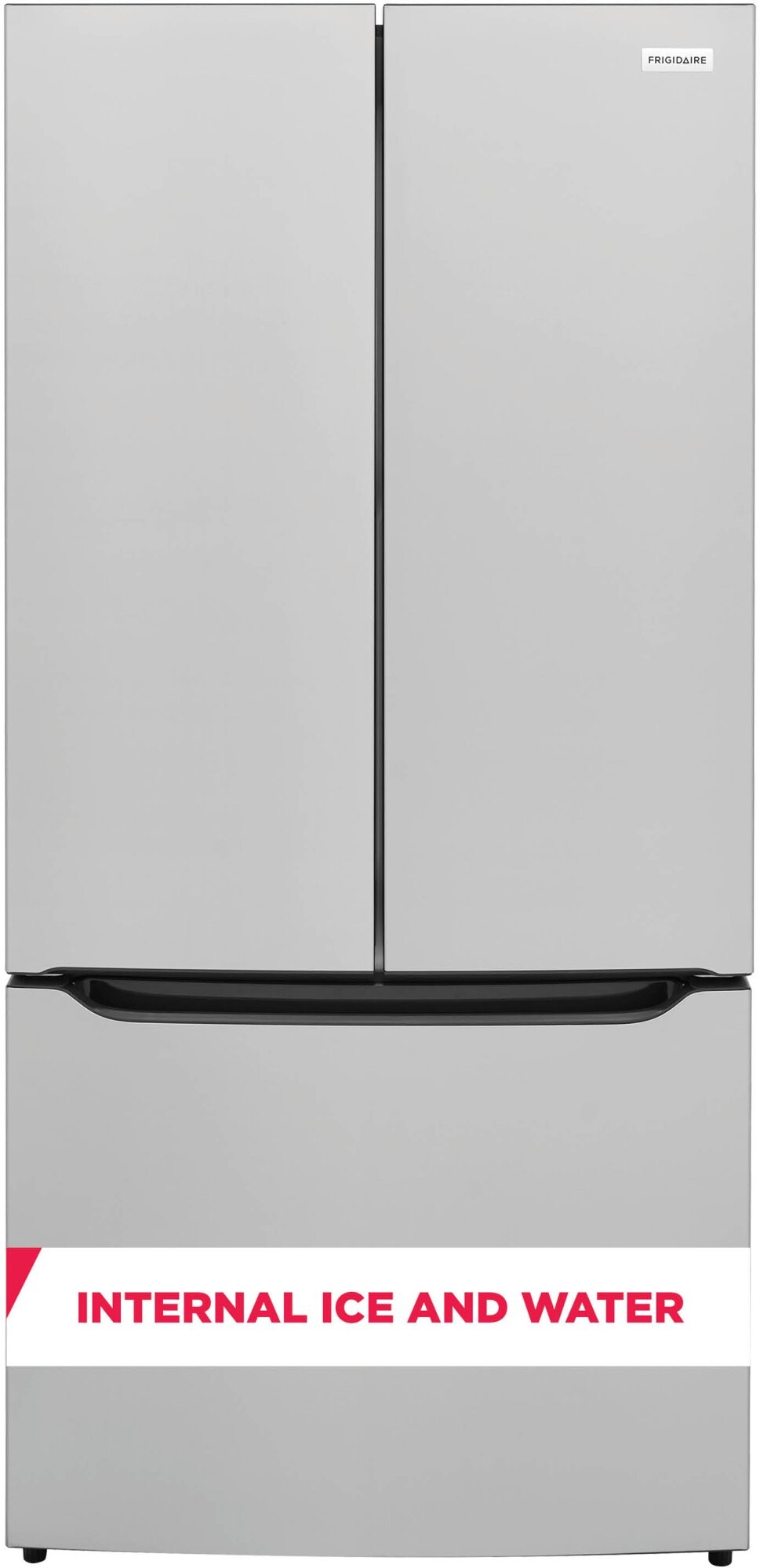
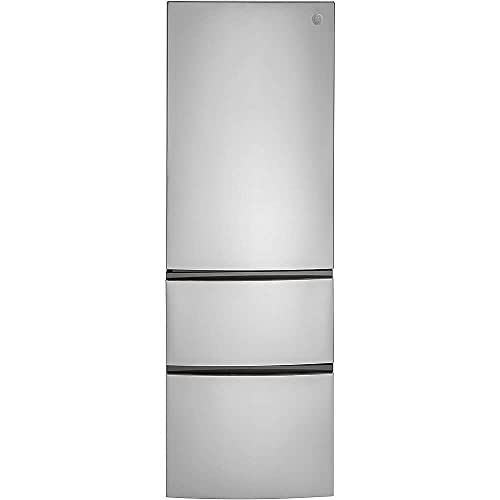
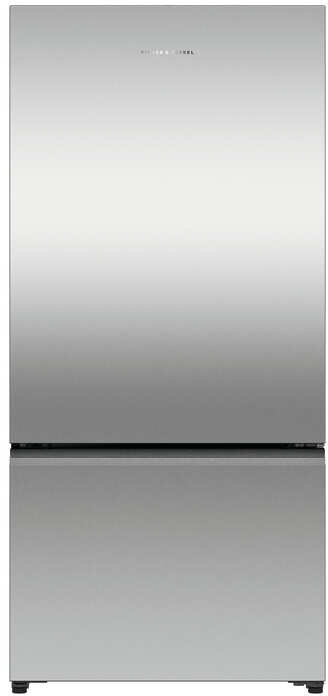
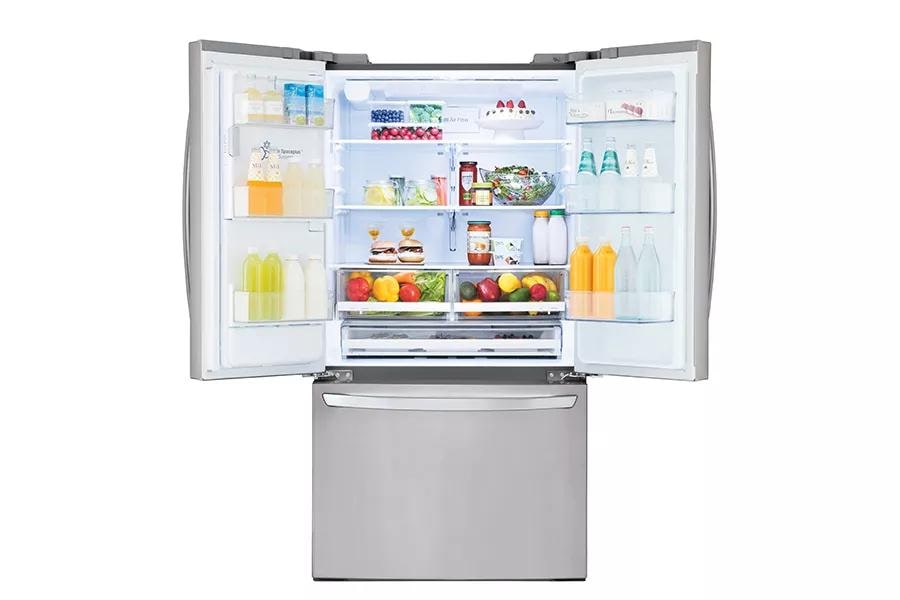
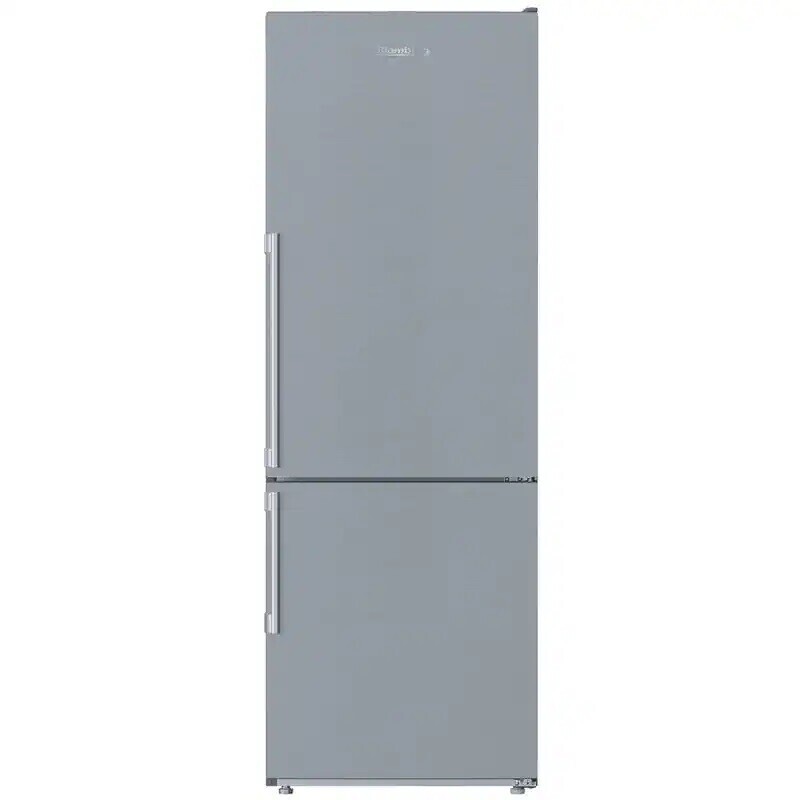
A 5-door refrigerator typically comes with adjustable shelving, multiple drawers, and a variety of door bins, allowing you to customize the interior to fit your storage needs.
In conclusion, your choice between a 5-door refrigerator and a built-in model should be guided by your storage needs, flexibility preferences, and desire for a customized kitchen look.
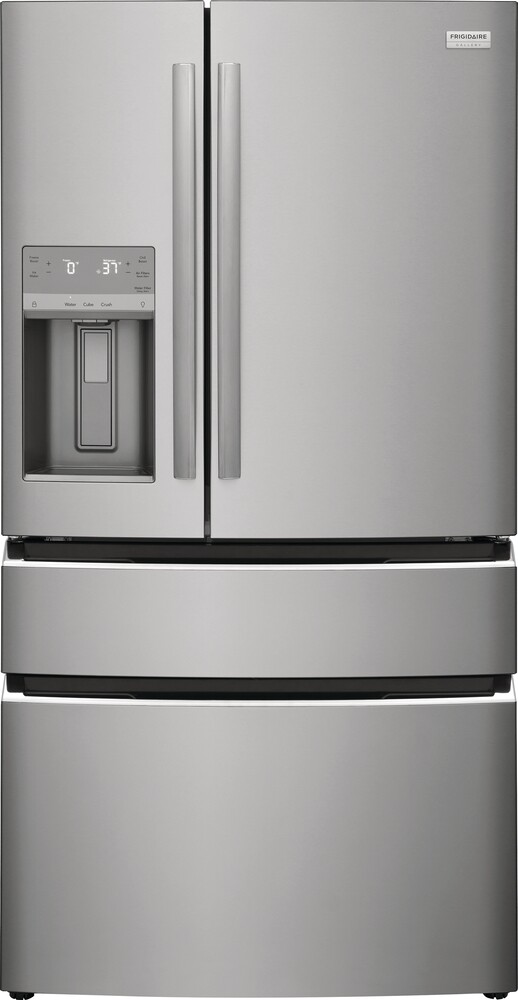
A 5-door refrigerator typically features two doors for the main refrigeration compartment, two drawers for additional refrigeration space and organization, and one door for the freezer compartment.
Higher Initial Cost: The advanced features and design of 5-door refrigerators typically come at a higher price point compared to traditional models.
When it comes to selecting a refrigerator, you have a variety of options to choose from. Each type caters to different needs and spaces, whether you're outfitting a cozy apartment or a spacious family home.
Exploring Different Types of Refrigerators
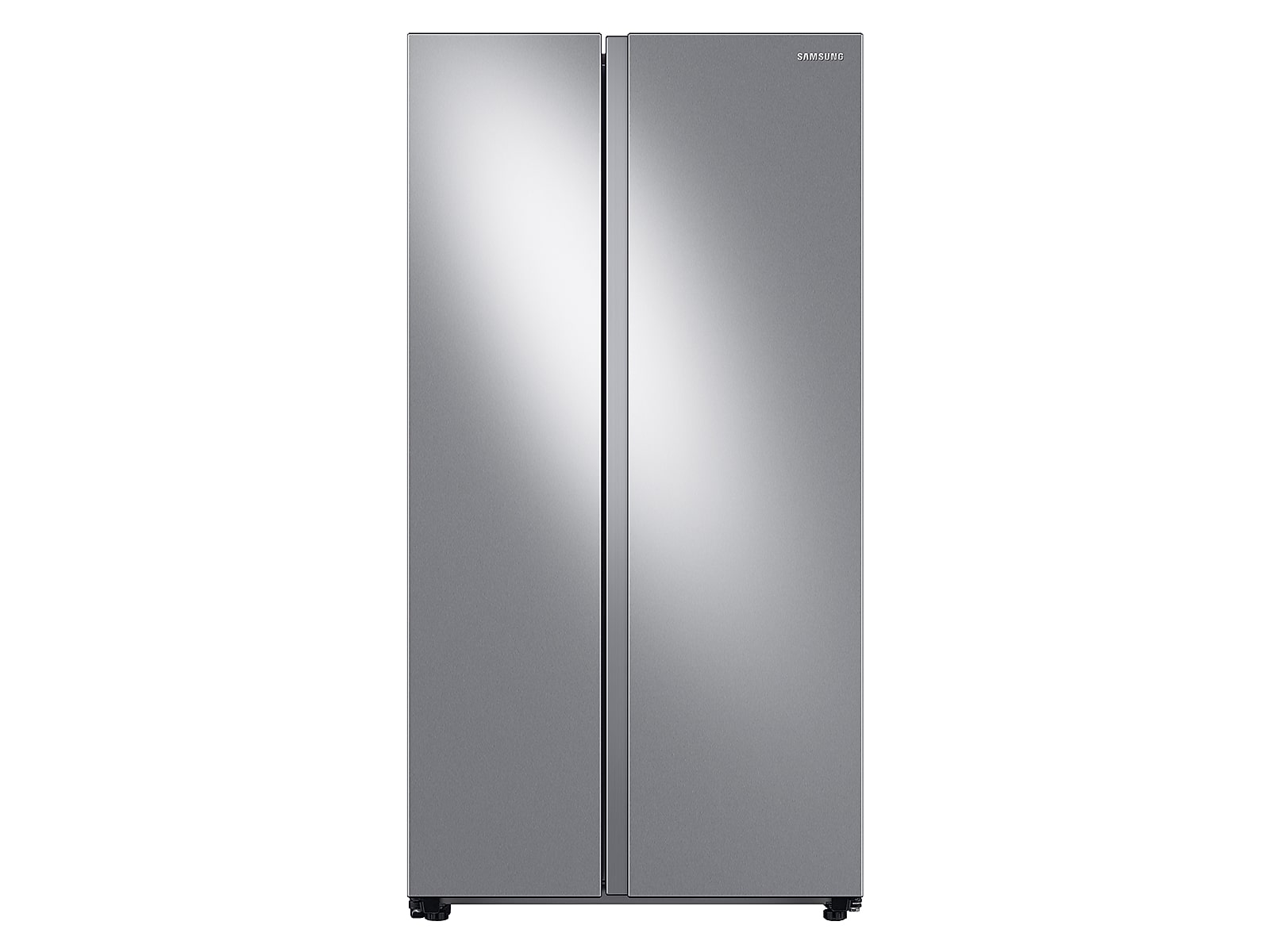
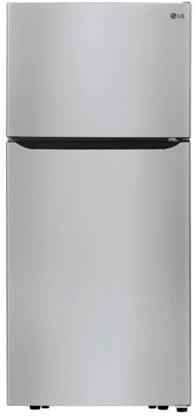
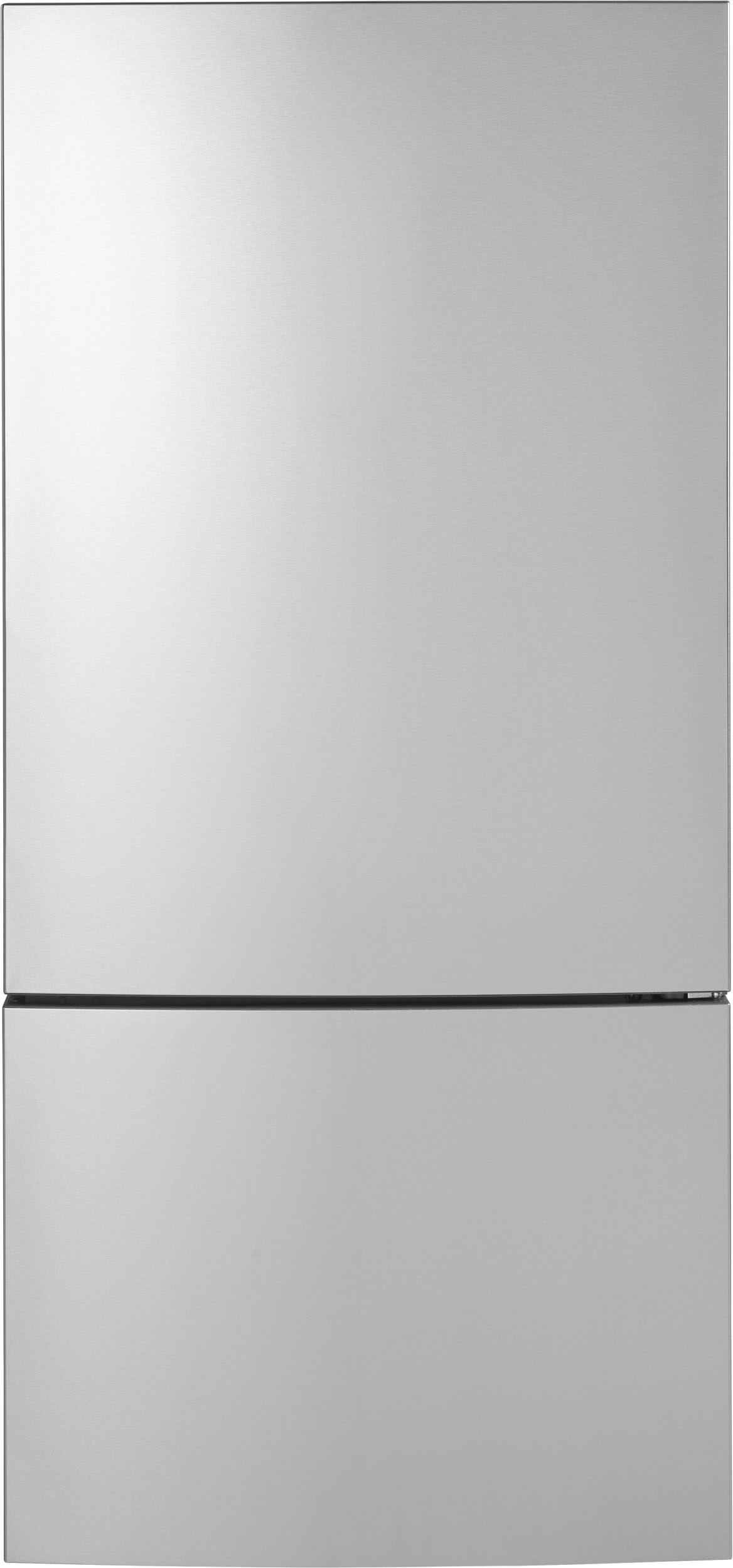
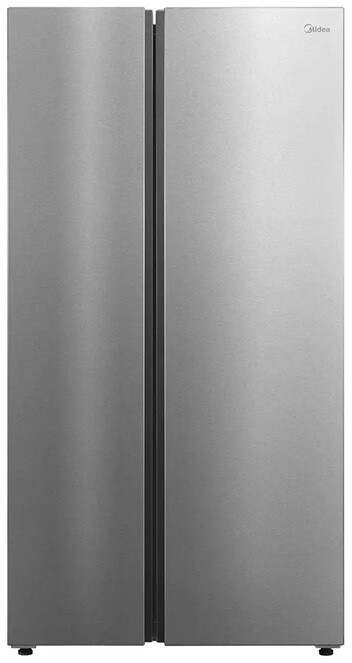
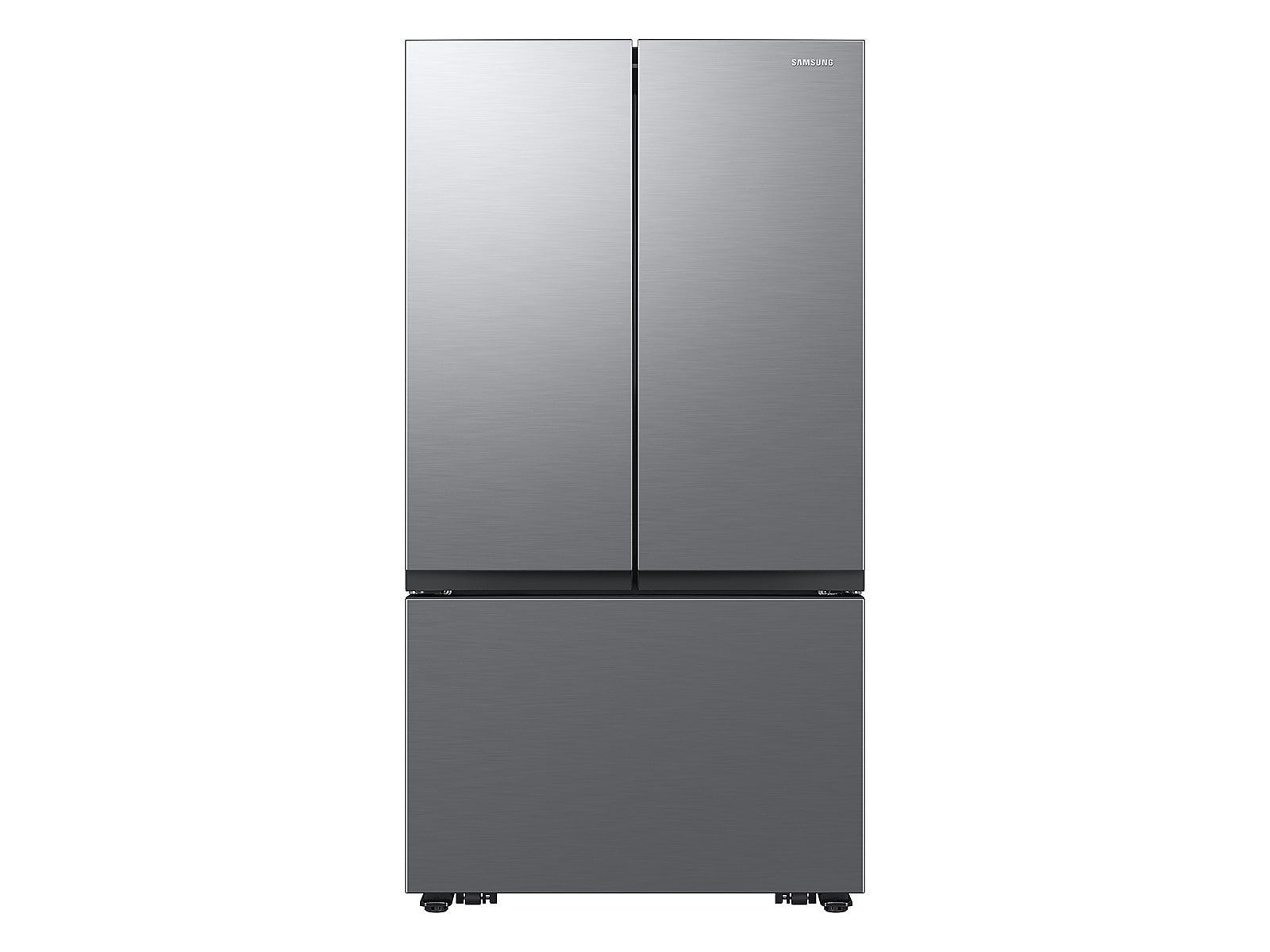
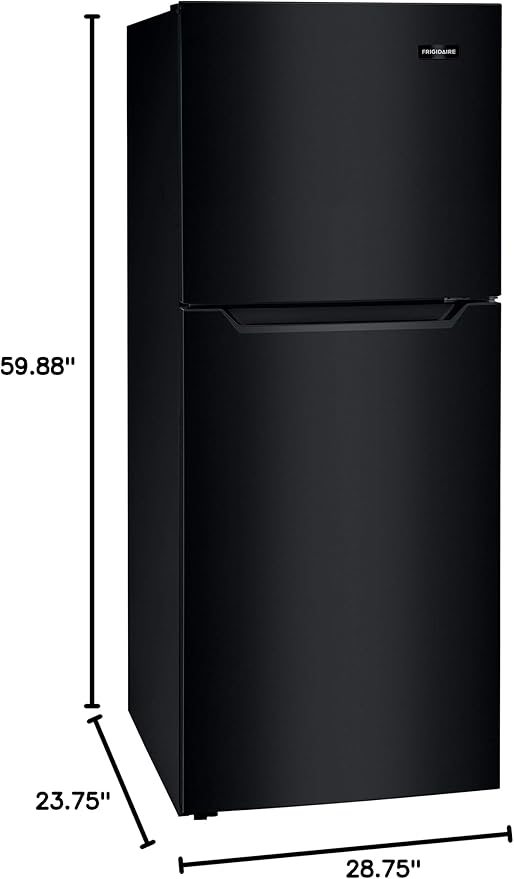
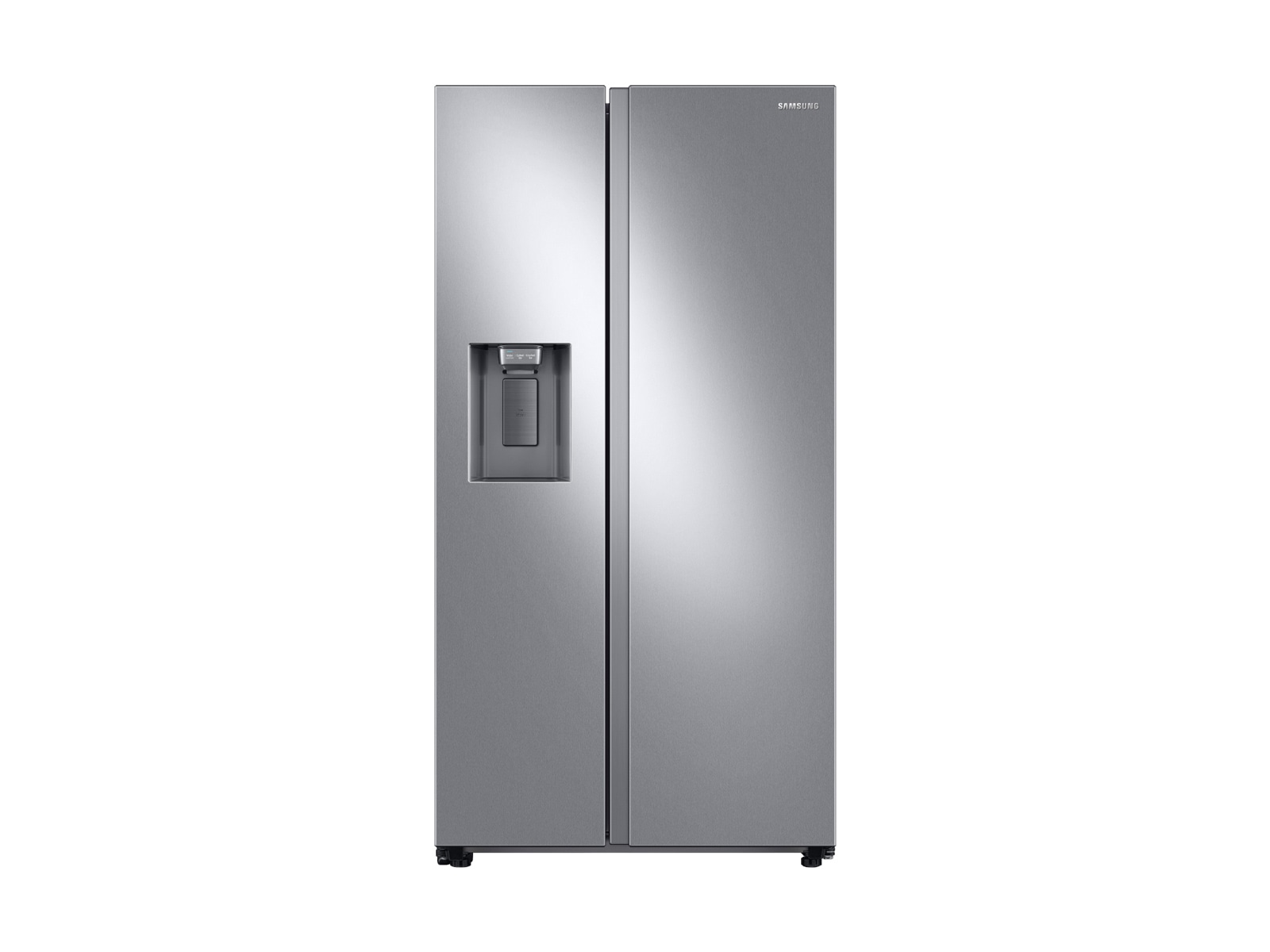
Refrigerators come in diverse styles and configurations. Common types include traditional top freezer models, bottom freezer models, side-by-side refrigerators, French door refrigerators, and compact units. More specialized options like beverage centers, wine refrigerators, and convertible freezers cater to specific needs. Each has its own set of features and benefits tailored to different lifestyles and kitchen layouts.
For those who value advanced refrigeration technology and ample space, a 5 door refrigerator might be an appealing choice. On the other hand, built-in refrigerators offer a seamless look and can be customized to blend with cabinetry, making them popular in modern and high-end kitchen designs.
Factors to Consider Before Choosing
Before you commit to a refrigerator, consider the following factors:
Size and Capacity: Measure your available space and consider the storage capacity you need. If you have a large family or enjoy entertaining, a larger fridge might be necessary. Compare sizes like standard refrigerator size with apartment size refrigerators or compact refrigerators.
Layout and Accessibility: Think about which refrigerator layout aligns with your habits. Do you prefer a bottom freezer for easier access to fresh foods? Or perhaps a side-by-side design for organized storage?
Energy Efficiency: Look for energy-efficient models to reduce your environmental impact and save on electricity bills.
Features: Modern refrigerators offer a range of features, from ice makers and water dispensers to smart technology that can help manage grocery lists and family schedules.
Style: Choose a refrigerator that complements your kitchen's aesthetic. Whether you're drawn to the sleekness of a black stainless refrigerator or the retro charm of a vintage-inspired fridge, the style should align with your taste.
Budget: Set a budget that accommodates your priorities without compromising on quality and essential features.
By carefully considering these factors and exploring articles that contrast 5 door refrigerator vs. built in refrigerator, you'll be better equipped to make an informed decision that suits your lifestyle and kitchen space.
The 5-door refrigerator represents an innovative design in the world of kitchen appliances, providing unique solutions for storage and organization. In this section, you will learn about the layout and design of these refrigerators, their benefits, and potential drawbacks.
Layout and Design
A 5-door refrigerator typically features two doors for the main refrigeration compartment, two drawers for additional refrigeration space and organization, and one door for the freezer compartment. This design maximizes accessibility and organization, allowing you to segregate food items based on type or frequency of use.
The compartmentalization of a 5-door refrigerator is advantageous for those who appreciate an organized kitchen. The separate drawers are often used for specific purposes, such as housing fresh produce or storing deli meats and cheeses at their optimal temperatures.
Benefits of a 5-Door Configuration
There are several benefits to opting for a 5-door refrigerator configuration:
Enhanced Organization: The additional compartments and drawers enable better categorization of groceries, which can help reduce food waste by keeping items visible and accessible.
Improved Food Preservation: Certain models come with specialized storage options that maintain different humidity levels or temperatures, tailored for fresh produce, meats, or beverages.
Energy Efficiency: By opening smaller sections of the refrigerator, less cold air escapes, which may contribute to energy savings over time.
Convenience: The separate compartments can make it easier to access frequently used items without disturbing the rest of the refrigerator's contents.
For more detailed comparisons on storage and features, check out Fridge.com article on beverage center vs. standard fridge size.
Drawbacks of a 5-Door Refrigerator
While there are numerous benefits, there are also some considerations to keep in mind when choosing a 5-door refrigerator:
Space Requirements: These models often require a larger footprint in the kitchen due to their size and door clearance needs.
Higher Initial Cost: The advanced features and design of 5-door refrigerators typically come at a higher price point compared to traditional models.
Complexity: More doors and features can mean more parts that could potentially need maintenance or repair.
When contemplating a 5-door refrigerator vs. a built-in refrigerator, it's important to weigh these pros and cons in relation to your specific needs and preferences. For those with limited space or a tighter budget, other options such as basement refrigerator vs. tall refrigerator might be more suitable.
Built-In Refrigerator Features
Choosing the right refrigerator can enhance your kitchen's functionality and aesthetic. Built-in refrigerators offer a sleek and custom look that can be integrated into cabinetry for a seamless appearance.
Layout and Design
The design of a built-in refrigerator often features a flush fit with kitchen cabinetry, providing a streamlined and sophisticated look. These models can come with or without a visible compressor, which may be located at the top or bottom of the unit, and with varying door styles to match your kitchen's theme.
Built-in refrigerators may also offer a panel-ready option, allowing you to install custom door panels that match your cabinetry, effectively camouflaging your appliance within your kitchen's design. For those who value a cohesive kitchen aesthetic, this can be a significant advantage.
Benefits of a Built-In Refrigerator
Built-in refrigerators are designed to fit within a designated space in your kitchen cabinetry, offering a custom, high-end look that can increase the overall value of your home. They often come with advanced features and are available in various styles and sizes to suit your specific needs. Here are some benefits:
Seamless Integration: Blends into kitchen cabinetry for a uniform design.
Space-Saving: Does not protrude past counter depth, saving space in your kitchen.
Customization: Offers various options for customization, including paneling and handles.
Consistent Temperature: Typically provides more precise temperature control, which is crucial for food preservation.
Drawbacks of a Built-In Refrigerator
Despite their advantages, built-in refrigerators have some limitations:
Price: They are generally more expensive than their freestanding counterparts.
Capacity: Often have less interior space compared to standard models due to their counter-depth design.
Installation: Requires professional installation and cabinetry work, which can add to the overall cost.
When weighing your options between a 5-door refrigerator vs. a built-in refrigerator, consider the long-term benefits and how the appliance will integrate with your kitchen layout and design preferences. If the seamless look and custom integration of a built-in refrigerator align with your vision, it might be the right choice for you. However, if you prioritize storage space and are looking for a more budget-friendly option, a different model such as a freestanding refrigerator may be more suitable for your needs.
When deciding between a 5-door refrigerator and a built-in refrigerator, storage space and the flexibility to organize your food and beverages are crucial factors to consider. Let's compare the storage options and customization possibilities each type offers.
Storage Space Comparison
The 5-door refrigerator typically boasts a larger capacity, making it an excellent choice for larger households or those who enjoy entertaining. The multiple compartments allow for better segregation of food types, which can be beneficial for organization and accessibility.
Built-in refrigerators, while sleek and integrated into your kitchen cabinetry, may offer less overall storage space due to their design constraints. They are often taller than standard models, which can compensate for some of the lost capacity, but may not be the best option for those requiring extensive storage.
Refrigerator Type
Average Capacity (cu ft)
5-Door Refrigerator
25 - 30
Built-In Refrigerator
18 - 25
Flexibility in Storage
A 5-door refrigerator typically comes with adjustable shelving, multiple drawers, and a variety of door bins, allowing you to customize the interior to fit your storage needs. This flexibility is ideal for those who have varied grocery shopping habits or need to accommodate large items.
Built-in refrigerators also offer adjustable shelving and storage options, but may have less flexibility due to the fixed design required for seamless integration with cabinetry. However, they often provide a more uniform temperature distribution, which can be a plus for food preservation.
Customization Options
Customization is where built-in refrigerators shine. They can be designed to match your kitchen's aesthetic, with panel-ready options that blend with your cabinetry. On the other hand, 5-door refrigerators come with a set design, though they may offer more color and finish options.
Regardless of which refrigerator type you choose, consider how the storage options will serve your household's needs. For those with specific storage requirements, such as wine enthusiasts or those who buy in bulk, investigate specialized refrigerators like wine chillers or convertible freezer refrigerators.
In conclusion, your choice between a 5-door refrigerator and a built-in model should be guided by your storage needs, flexibility preferences, and desire for a customized kitchen look. Consider the trade-offs between capacity and built-in convenience to select the best refrigerator for your home.
When considering a new refrigerator, whether you're contemplating a 5-door model or a built-in unit, installation and space are critical factors that will influence your decision. Understanding these considerations will ensure that your chosen refrigerator not only fits into your kitchen aesthetically but also operates efficiently.
Installation Requirements
Installing a refrigerator isn't a simple plug-and-play process. For a 5-door refrigerator, you need to ensure there's adequate space for door clearance and ventilation. These models often require standard electrical outlets and can be positioned anywhere with the right space allowances.
Refrigerator Type
Electrical Requirements
Ventilation Space
5-Door Refrigerator
Standard outlet
1-2 inches on sides and top, 2 inches in the rear
Built-In Refrigerator
May require a dedicated circuit
Minimal since designed to fit cabinetry
Built-in refrigerators might need custom cabinetry work and could require professional installation to integrate seamlessly with your kitchen layout. Depending on the electrical demands of the unit, a dedicated circuit may be recommended to handle the load.
Space Considerations
The physical space in your kitchen will be a deciding factor in choosing between a 5-door refrigerator and a built-in model. Measure the space you have available, taking into account the need for door swing and drawer pull-out room for 5-door models. Built-in refrigerators provide a sleek look but may have more restrictive size options since they are designed to fit into predefined cabinetry spaces.
Refrigerator Type
Width
Depth
Height
5-Door Refrigerator
Varies
Deeper than counter
Varies
Built-In Refrigerator
24-48 inches
Counter depth
80-84 inches
Integration with Kitchen Design
Your refrigerator should complement the overall design of your kitchen. A 5-door refrigerator often serves as a statement piece and can be a focal point in the kitchen layout. It offers flexibility in placement but may protrude beyond counter lines. Conversely, a built-in refrigerator is designed to blend in, sitting flush with cabinetry for a streamlined look.
When planning your kitchen design, consider how your refrigerator choice will match with the style and functionality of your space. Think about the workflow in your kitchen and how the refrigerator doors or drawers will open in relation to other appliances and cabinets.
Ultimately, whether you choose a 5-door or a built-in refrigerator, ensure that the model aligns with your kitchen's design aesthetic and meets your storage needs. For further comparisons of refrigerator sizes and styles suitable for various spaces, explore articles such as basement refrigerator vs. standard refrigerator size or built in refrigerator vs. top freezer refrigerator. These resources can provide additional insights into how different refrigerator options might fit into your home.
Compare prices on Fridge.com
Compare current prices and specifications on Fridge.com, then buy from the retailer you choose; delivery, installation and warranty terms are the retailer’s.
It also has tons of awesome articles about kitchen stuff and home news. Enhance your home, garage, backyard, patio, and office with the coolest essentials. With every necessary type of residentialrefrigeratoror freezer in the collection, you're covered.