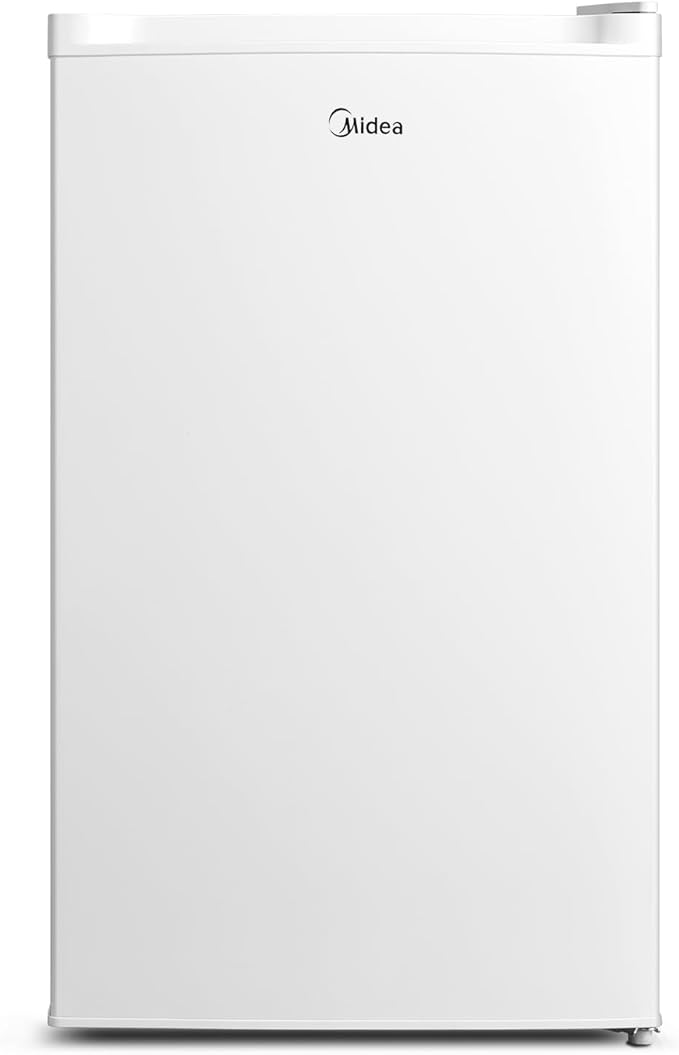
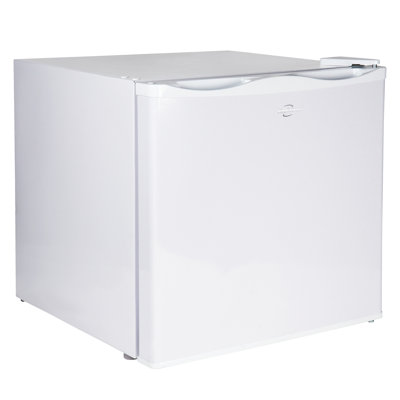
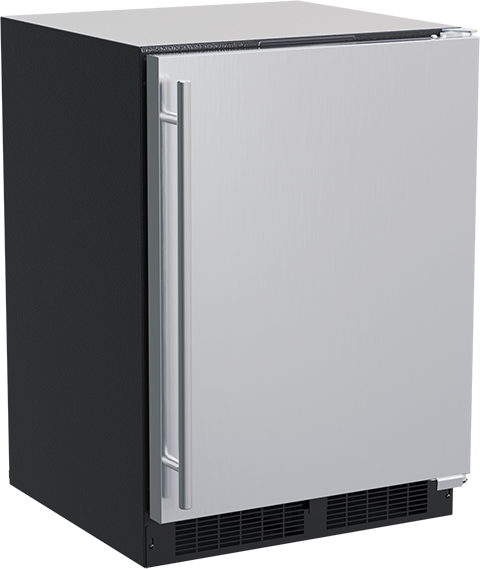
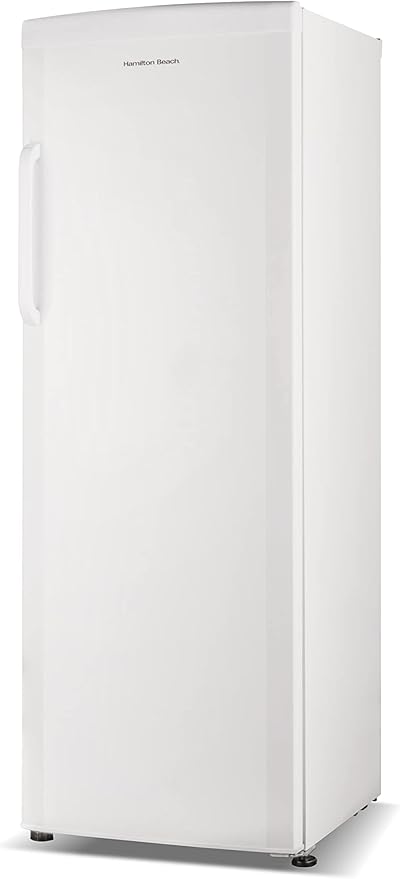
Temperature Check: Ensure the temperature is consistently at 0°F (-18°C) for optimal food preservation.
Built-in refrigerators are ideal for storing a variety of fresh foods, beverages, and perishables.
They offer multiple compartments and advanced features, such as humidity-controlled drawers and adjustable shelving, to keep your groceries organized and fresh.
When comparing a built-in refrigerator and a garage freezer, it's essential to understand the unique purposes they serve. Each appliance comes with distinct features and benefits tailored to specific needs.
Understanding the Purpose of a Built-In Refrigerator
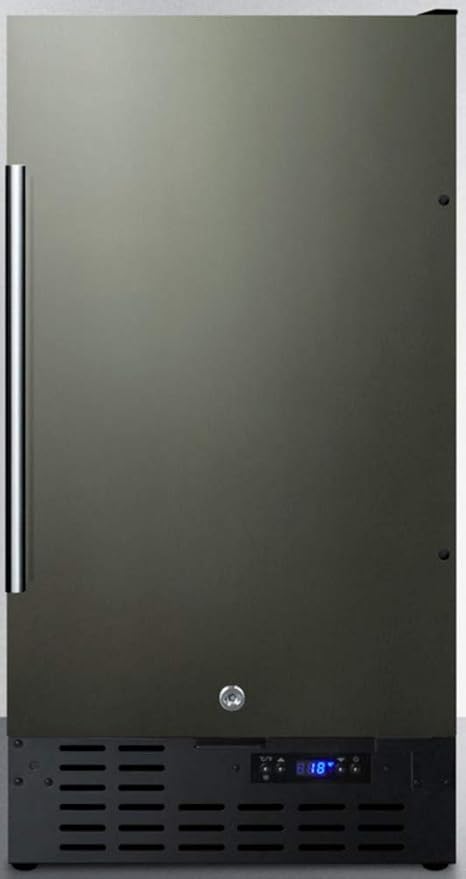
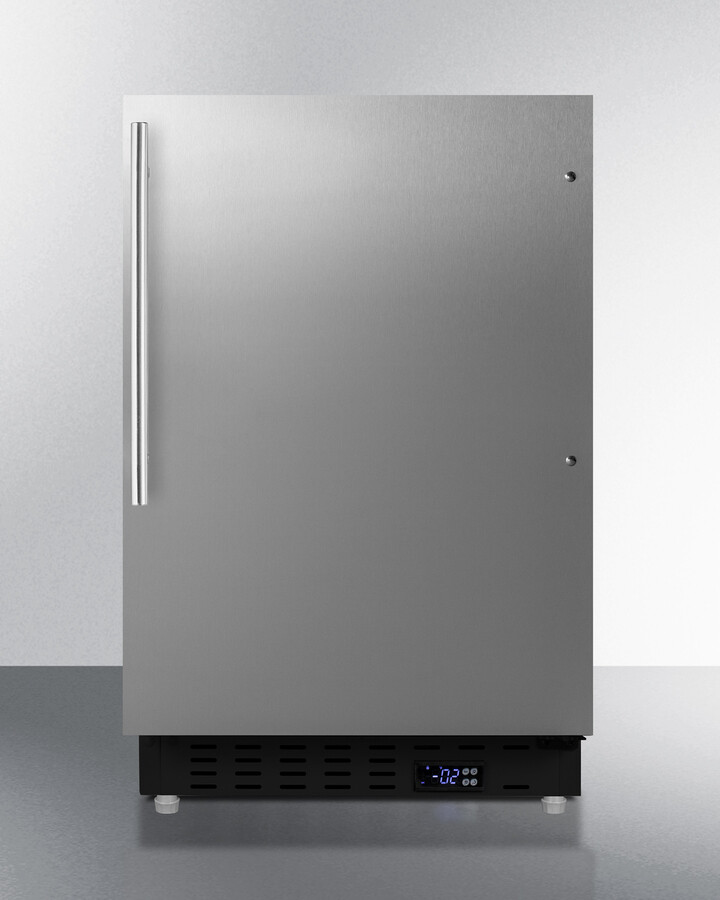
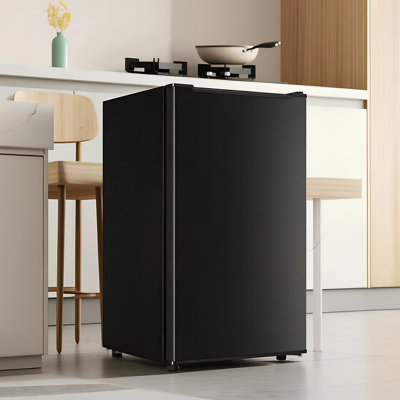
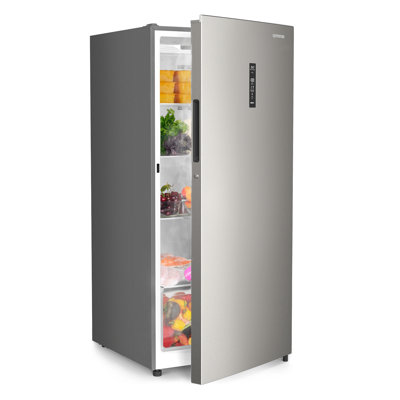
A built-in refrigerator is designed to seamlessly integrate with your kitchen cabinetry. It's an excellent choice for those who prioritize aesthetics and a cohesive kitchen design. Built-in refrigerators are often chosen for their sleek appearance and ability to blend with the overall kitchen decor.
Built-in refrigerators are ideal for storing a variety of fresh foods, beverages, and perishables. They offer multiple compartments and advanced features, such as humidity-controlled drawers and adjustable shelving, to keep your groceries organized and fresh. These refrigerators are perfect for everyday use and can cater to the needs of a busy household.
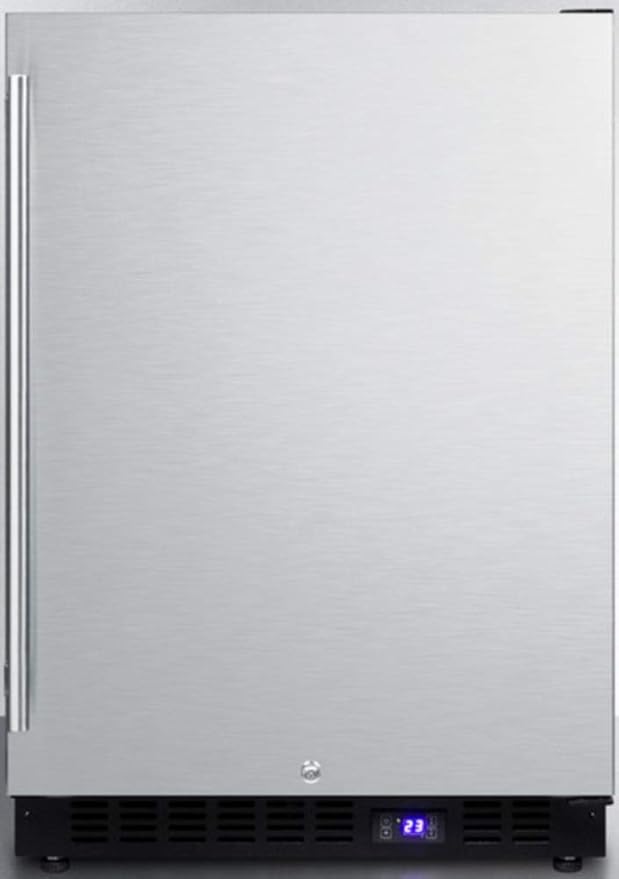
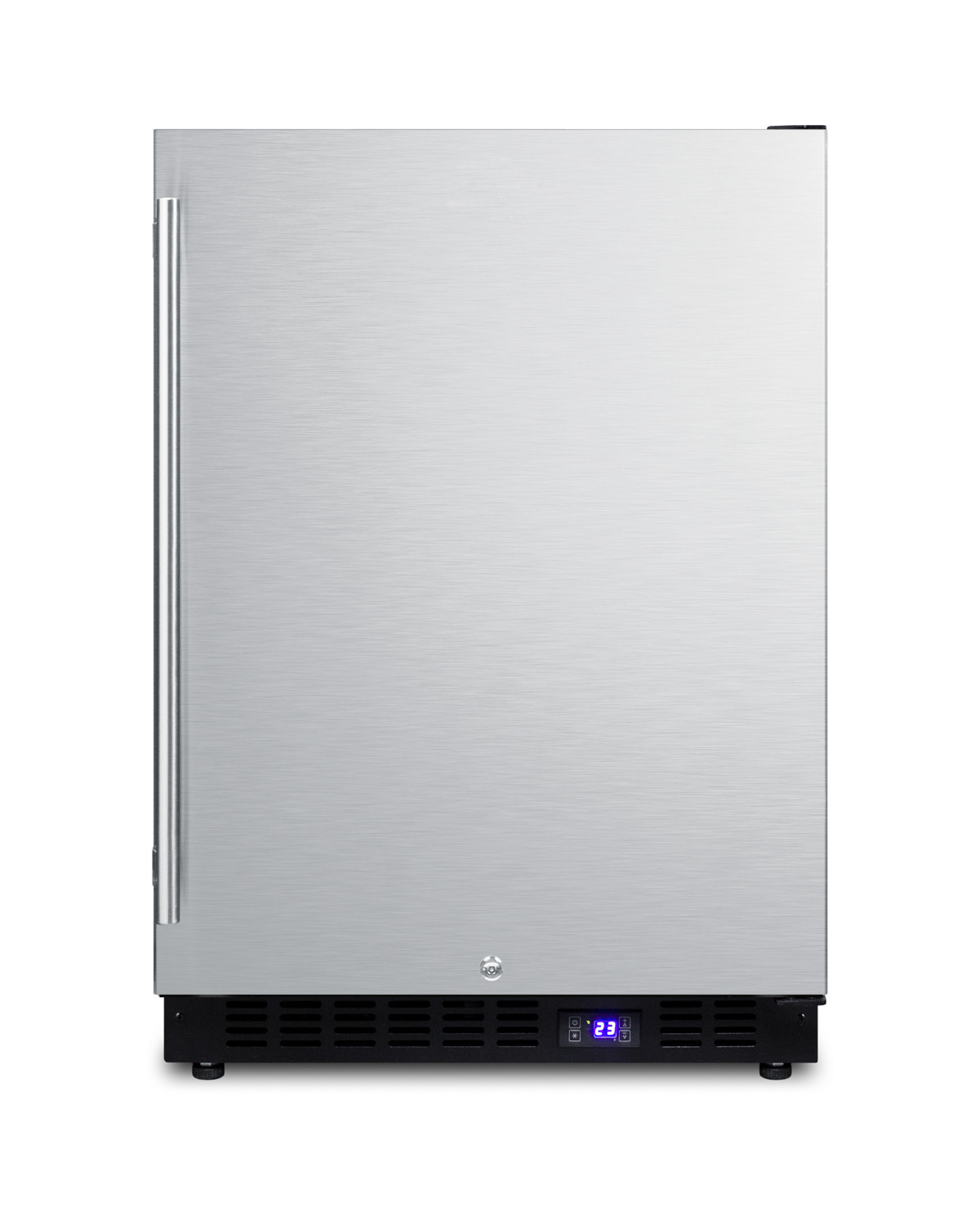
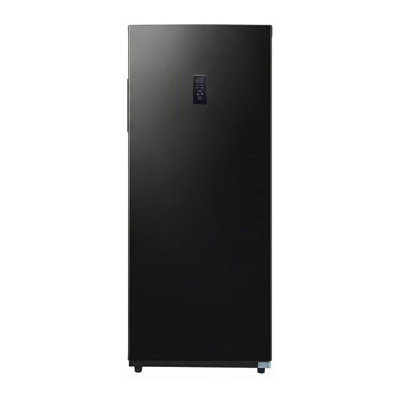
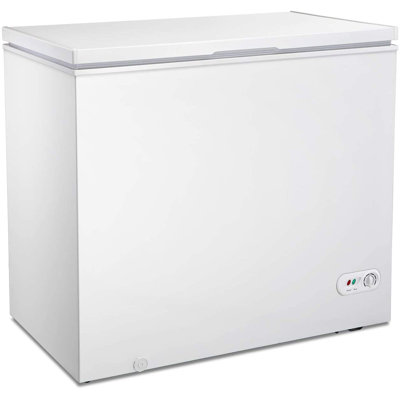
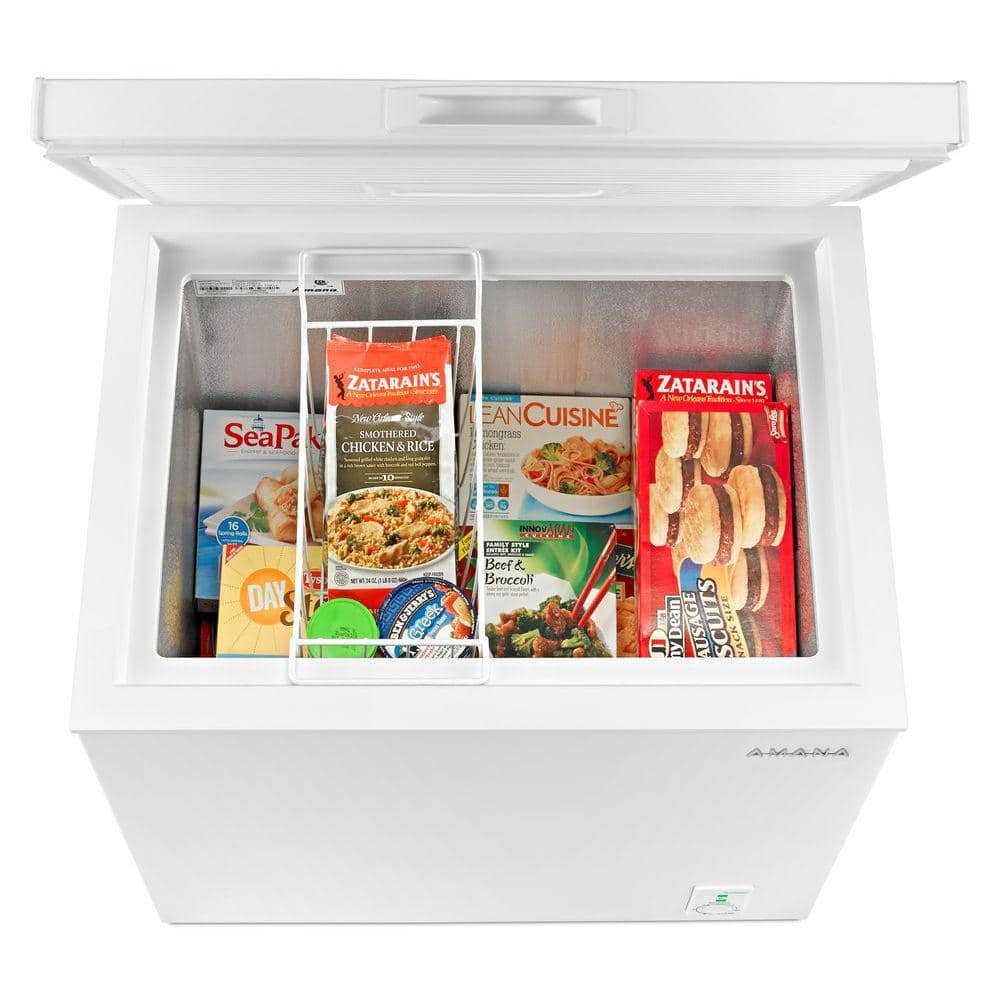
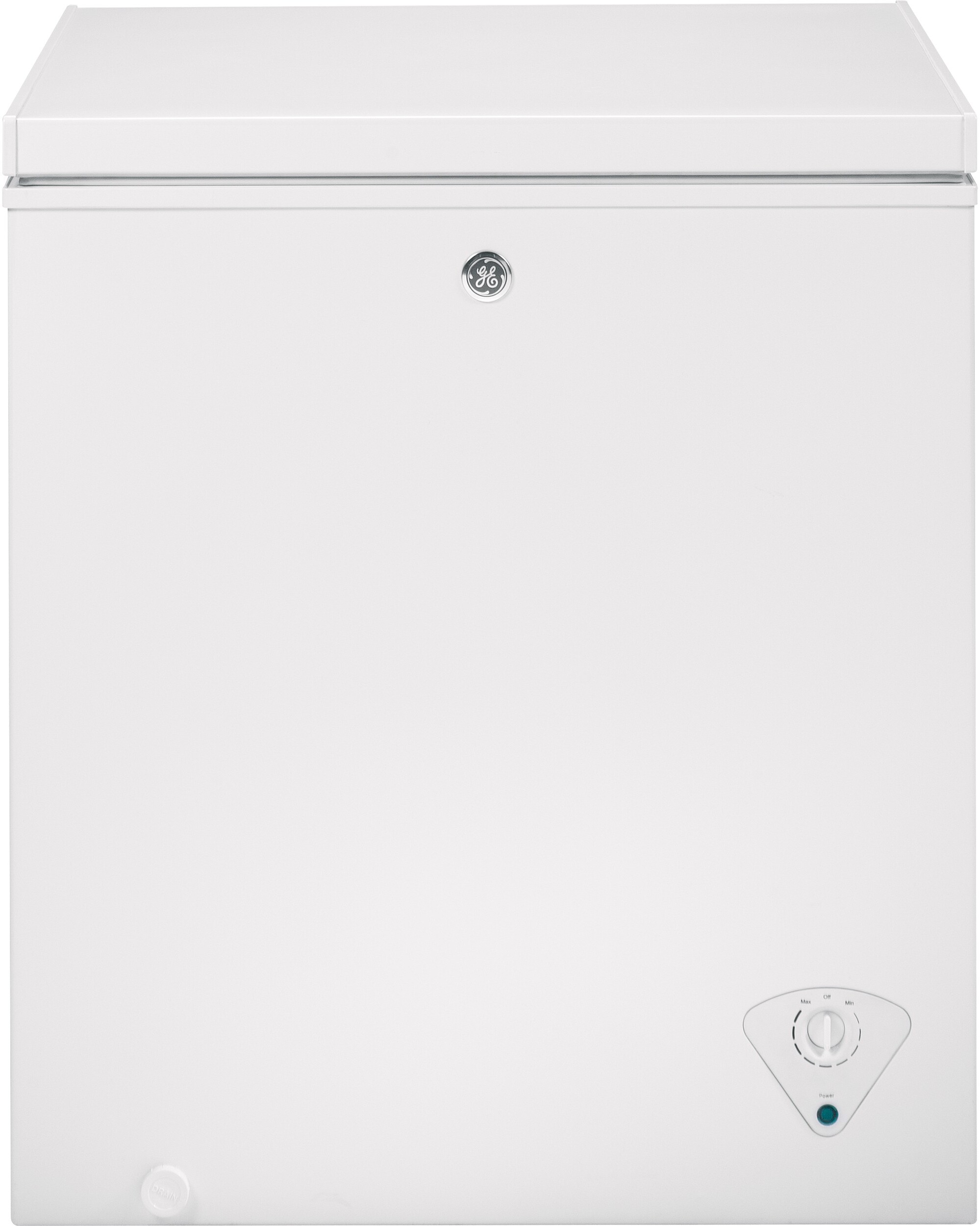
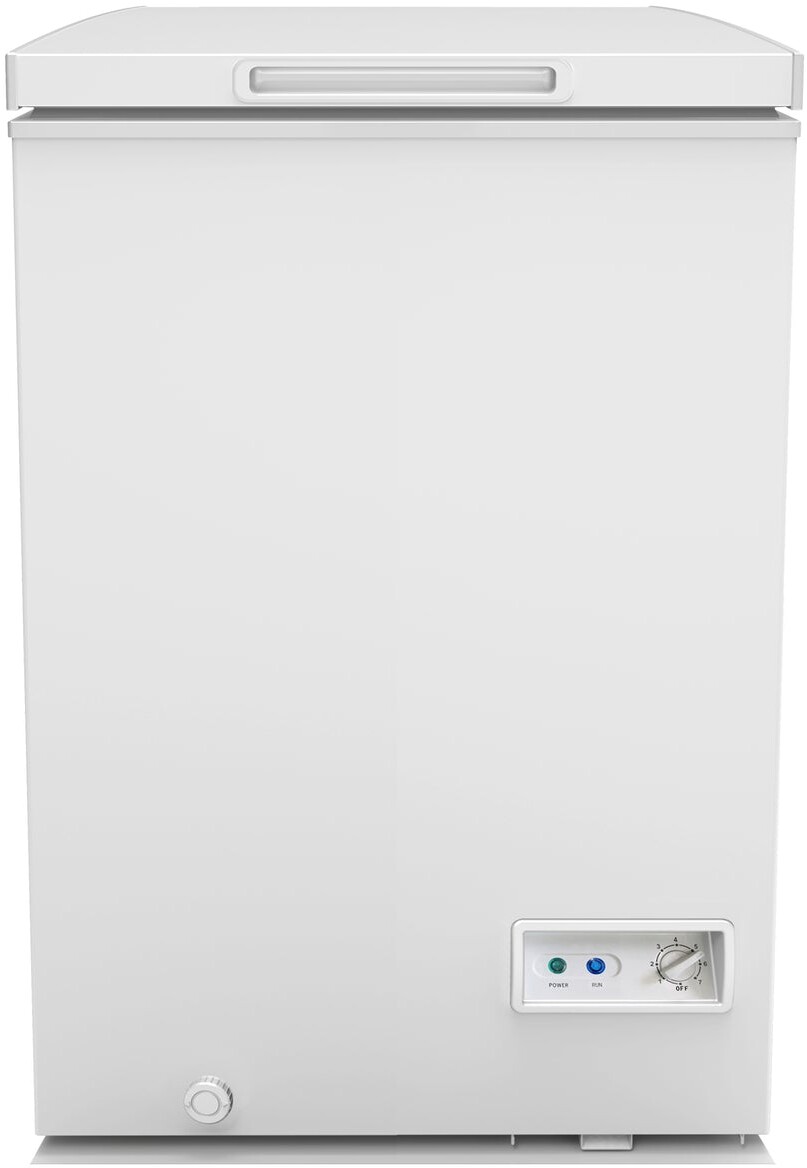
A garage freezer, on the other hand, is primarily designed for additional frozen storage. It's a practical solution for those who require extra space to store bulk items, frozen meals, or seasonal produce. Garage freezers are built to withstand varying temperatures and can operate efficiently even in less controlled environments.
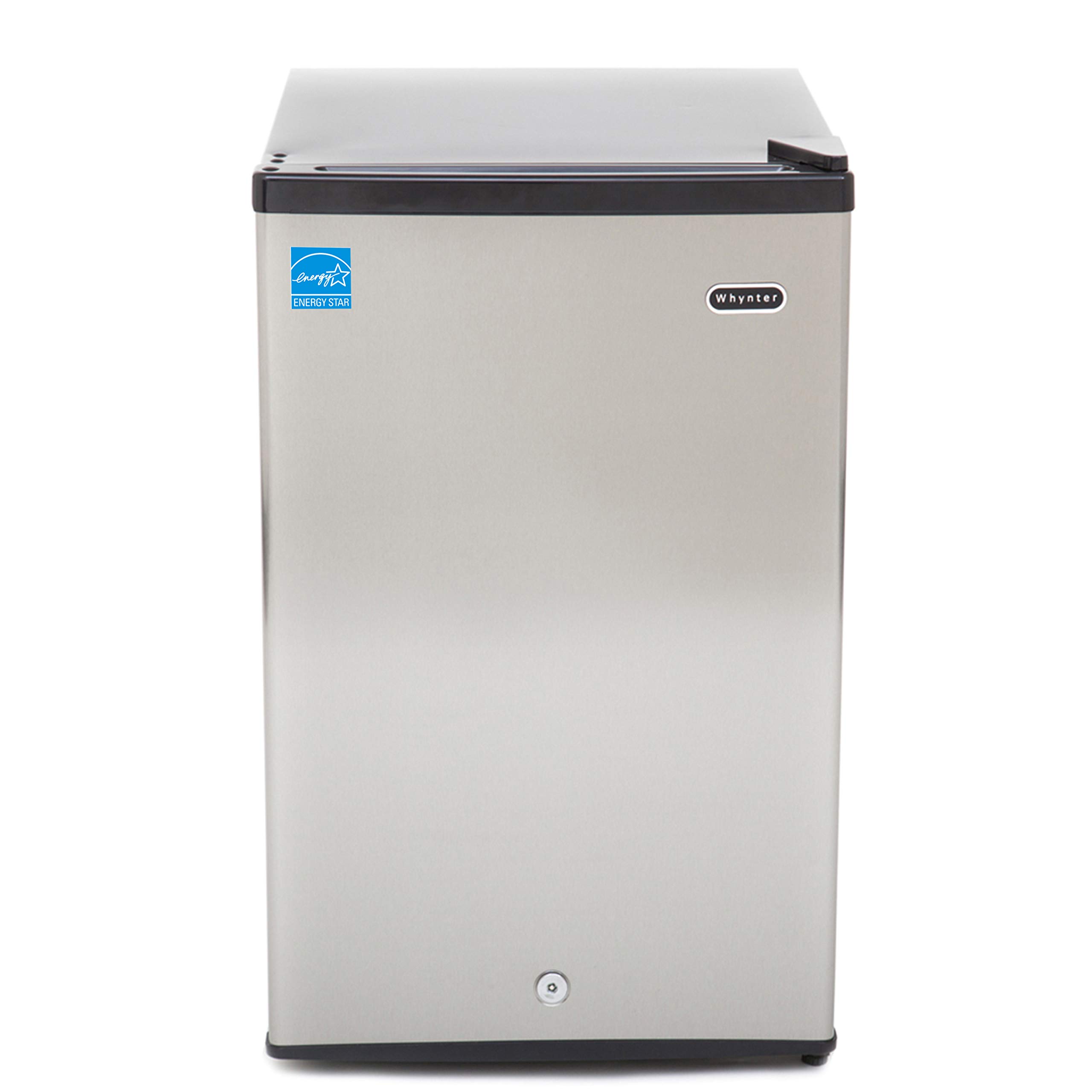
Garage freezers come in various sizes and configurations, including chest and upright models. They offer ample space to store large quantities of frozen goods, making them ideal for families who buy in bulk or those who hunt or garden. The primary purpose of a garage freezer is to provide long-term storage for items that don't need to be accessed frequently.
Understanding the distinct purposes of each appliance helps in making an informed decision based on your specific needs. Whether you prioritize the integrated design and fresh food storage of a built-in refrigerator or the large capacity and frozen storage capabilities of a garage freezer, each has its unique role in maintaining your food supply. For further exploration of refrigerator and freezer comparisons, visit Fridge.com detailed guides on mini fridge freezer Vs. wine refrigerator and column refrigerator Vs. meat refrigerator.
Built-In Refrigerator Features
When considering a built-in refrigerator, it's essential to understand its unique features. This section will explore the design and aesthetics as well as installation considerations of built-in refrigerators.
Design and Aesthetics
Built-in refrigerators are designed to seamlessly blend with your kitchen cabinetry, offering a sleek and integrated look. They are available in various styles, such as French door, side-by-side, and bottom freezer configurations. The customizable panels allow you to match the refrigerator with your kitchen's decor, creating a cohesive aesthetic.
Feature
Description
Style Options
French door, side-by-side, bottom freezer
Customizable Panels
Match kitchen cabinetry for seamless integration
Dimensions
Typically taller and deeper than standard refrigerators
Finish
Stainless steel, custom panel-ready, or various colors
Built-in refrigerators are often deeper and taller than standard models, providing a more substantial presence in your kitchen. The finish options, including stainless steel and custom panel-ready, ensure that your refrigerator complements your kitchen's overall design.
Installation Considerations
Installing a built-in refrigerator requires careful planning and consideration. Unlike freestanding units, built-in refrigerators must be installed within your kitchen cabinetry, which may involve modifications to your existing setup. It's important to measure the available space accurately to ensure a proper fit.
Consideration
Details
Space Requirements
Measure the available space accurately
Cabinet Modifications
May involve altering existing cabinetry
Professional Installation
Recommended for precise fitting
Ventilation
Ensure proper airflow around the unit
Professional installation is often recommended for built-in refrigerators to ensure a precise fit and proper functionality. Additionally, adequate ventilation is crucial to maintain the refrigerator's performance. Make sure there is enough space for airflow around the unit, as built-in models can generate more heat than freestanding ones.
Understanding these features can help you make an informed decision when comparing a built-in refrigerator to other options, such as a garage freezer. For more comparisons, you might also be interested in Fridge.com article on beverage refrigerator Vs. silver side by side refrigerator.
Garage Freezer Features
Exploring the specific features of a garage freezer can help you understand its benefits and functionalities. Two critical aspects to consider are temperature control and storage capacity.
Temperature Control
Garage freezers are designed to operate efficiently in varying ambient temperatures, making them ideal for placement in non-climate-controlled environments like garages or basements. Unlike standard freezers, garage freezers can maintain a consistent internal temperature even when exterior temperatures fluctuate.
Feature
Description
Temperature Range
Typically operates efficiently from 0°F to 110°F
Thermostat Control
Allows precise temperature adjustments
Defrost Options
Manual or automatic defrost settings available
Having reliable temperature control ensures that your frozen goods remain preserved and safe for consumption. For more insights into different refrigeration options, check out Fridge.com article on outdoor refrigerator Vs. small chest freezer.
Storage Capacity
Garage freezers offer a variety of storage capacities to suit different needs. Whether you require a compact unit for occasional use or a larger freezer for bulk storage, garage freezers come in sizes ranging from small to extra-large.
Capacity
Approximate Storage Volume
Suitable For
Small
Up to 5 cubic feet
Small households, limited storage needs
Medium
6 to 15 cubic feet
Medium-sized families, moderate storage
Large
16 to 25 cubic feet
Large families, bulk storage
Extra-Large
26 cubic feet and above
Extended storage, bulk meat, and large items
The ample storage capacity of garage freezers makes them an excellent choice for storing large quantities of food, which is particularly useful for those who buy in bulk or preserve seasonal produce. To explore more about freezer options, visit Fridge.com article on small chest freezer Vs. small upright freezer.
Understanding these features can help you decide whether a garage freezer meets your specific needs. For detailed comparisons of other refrigeration options, check out Fridge.com article on freestanding drawer freezer Vs. wine cooler.
Pros and Cons: Built-In Refrigerator
Advantages of a Built-In Refrigerator
A built-in refrigerator offers several benefits that make it a desirable choice for many homeowners.
Seamless Design: Built-in refrigerators are designed to blend seamlessly with your kitchen cabinetry, providing a sleek, integrated look. This enhances the overall aesthetic of your kitchen.
Customizable Options: They often come with customizable panel options, allowing you to match the refrigerator with your kitchen decor.
Space-Saving: Built-in models typically have a counter-depth design, which means they align perfectly with your countertops, maximizing kitchen space.
High-End Features: Many built-in refrigerators are equipped with advanced features such as smart technology, temperature controls, and efficient storage solutions.
Increased Home Value: Installing a built-in refrigerator can increase the value of your home, making it an attractive feature for potential buyers.
Disadvantages of a Built-In Refrigerator
Despite their advantages, built-in refrigerators also come with some drawbacks.
Higher Cost: Built-in refrigerators tend to be more expensive than freestanding models. The initial investment can be significantly higher.
Complex Installation: Installing a built-in refrigerator requires professional installation and may involve modifications to your existing cabinetry.
Limited Mobility: Once installed, built-in refrigerators are not easy to move. This can be a disadvantage if you plan to remodel your kitchen or move homes.
Smaller Capacity: Built-in models often have less storage capacity compared to freestanding refrigerators of the same size, due to their counter-depth design.
Maintenance: Repair and maintenance can be more challenging and costly, as built-in units may require specialized service and parts.
For a detailed comparison of other refrigeration options, you may find Fridge.com articles on beverage refrigerator Vs. silver side by side refrigerator and drawer freezer Vs. smart fridge helpful.
Advantages of Built-In Refrigerator
Disadvantages of Built-In Refrigerator
Seamless Design
Higher Cost
Customizable Options
Complex Installation
Space-Saving
Limited Mobility
High-End Features
Smaller Capacity
Increased Home Value
Maintenance
Understanding the pros and cons of a built-in refrigerator can help you make an informed decision. For more information on refrigeration options, explore Fridge.com article on bar fridge Vs. fridge freezer.
A garage freezer offers several benefits, especially for those who require additional storage for frozen goods. Here are some of the advantages:
Increased Storage Space: A garage freezer provides substantial additional storage capacity, which is ideal for bulk purchases and long-term storage of food items.
Energy Efficiency: Many modern garage freezers are designed to be energy-efficient, helping to keep utility bills in check.
Temperature Stability: These freezers are built to withstand varying temperatures in a garage setting, ensuring your food stays frozen regardless of external conditions.
Cost-Effective: Generally, garage freezers are more affordable compared to built-in refrigerators, making them a budget-friendly option for increasing storage space.
Versatility: They can be used to store a variety of items, from meats to frozen vegetables, and even seasonal items like ice packs and frozen treats.
Disadvantages of a Garage Freezer
While there are numerous benefits, there are also some drawbacks to consider when opting for a garage freezer:
Requires Space: Garage freezers take up floor space, which might be a limitation in smaller garages.
Potential for Higher Energy Use: Although many models are energy-efficient, those that aren't can contribute to higher energy consumption, especially in extreme temperatures.
Manual Defrosting: Some garage freezers require manual defrosting, which can be time-consuming and labor-intensive.
Accessibility: Depending on the layout of your garage, accessing the freezer might be less convenient compared to a built-in refrigerator in the kitchen.
Limited Aesthetic Appeal: Unlike built-in refrigerators, garage freezers are typically designed for functionality over style, which may not fit with the aesthetic of a finished garage or living space.
Feature
Garage Freezer
Storage Capacity
High
Temperature Stability
High
Cost
Low
Space Requirement
High
Defrosting
Manual (often)
Aesthetic Appeal
Low
When choosing between a built-in refrigerator Vs. garage freezer, it's important to weigh these pros and cons based on your specific needs and circumstances. For a detailed comparison of other refrigeration options, you might also want to explore beverage refrigerator Vs. silver side by side refrigerator or drawer freezer Vs. smart fridge.
Considerations for Choosing
When deciding between a built-in refrigerator and a garage freezer, several factors come into play. Understanding your lifestyle, usage needs, available space, and location will help you make an informed decision.
Lifestyle and Usage
Your lifestyle and how you plan to use the appliance are crucial in determining whether a built-in refrigerator or a garage freezer is the better choice.
Family Size and Eating Habits: For larger families or those who prefer to cook and store meals in advance, a garage freezer offers ample storage space for bulk purchases and pre-cooked meals. Conversely, a built-in refrigerator is ideal for those who prioritize fresh food and frequent grocery shopping.
Entertainment Needs: If you often entertain guests, a built-in refrigerator provides easy access to fresh ingredients and beverages, making it convenient for hosting. A garage freezer, on the other hand, can store large quantities of frozen items like ice cream, frozen desserts, and party snacks.
Dietary Preferences: Those who follow specific diets that require fresh produce and dairy may find a built-in refrigerator more suitable. Individuals who rely on frozen foods and meal prep might benefit more from a garage freezer.
Space and Location
The dimensions and location of your kitchen or garage are key factors to consider when choosing between these two appliances.
Kitchen Space: Built-in refrigerators are designed to seamlessly integrate into your kitchen cabinetry, offering a sleek and cohesive look. They typically require professional installation and adequate space within your kitchen layout. If space is limited, ensure you measure carefully and consider any potential remodeling needs.
Garage Space: Garage freezers are generally larger and can be placed in a variety of locations, including basements, garages, or utility rooms. They do not require built-in installation, making them a flexible option for homes with ample space.
Temperature Control: Built-in refrigerators are designed to operate within the controlled environment of your home, maintaining consistent temperatures. Garage freezers, however, need to withstand varying temperatures, especially in uninsulated spaces. Ensure the garage freezer you choose is rated for the temperature range of your garage.
Consideration
Built-In Refrigerator
Garage Freezer
Ideal Use
Fresh food, frequent grocery shopping
Bulk storage, frozen food, meal prep
Family Size
Small to medium
Medium to large
Space Requirement
Integrated into kitchen cabinetry
Flexible placement (garage, basement)
Installation
Professional installation required
Easy to install, no built-in required
Temperature
Consistent, controlled environment
Withstands varying temperatures
By evaluating your lifestyle, usage, space, and location, you can determine whether a built-in refrigerator or a garage freezer is the right choice for you. For further comparisons on various refrigerator and freezer options, visit Fridge.com articles on 3 door refrigerator Vs. 5 door refrigerator and small chest freezer Vs. small upright freezer.
Proper maintenance and upkeep are essential for ensuring the longevity and efficiency of both built-in refrigerators and garage freezers. This section provides valuable tips for cleaning and maintaining these appliances, as well as troubleshooting common issues.
Cleaning and Maintenance Tips
Regular cleaning and maintenance of your built-in refrigerator and garage freezer can prevent potential problems and keep them running smoothly.
Built-In Refrigerator
Interior Cleaning: Remove all food and shelves. Wipe down the interior with a mixture of baking soda and water. Rinse and dry thoroughly.
Exterior Cleaning: Use a mild detergent and water to clean the exterior. Dry with a soft cloth.
Coils Cleaning: Vacuum the condenser coils every six months to improve efficiency.
Door Seals: Inspect and clean door seals regularly to ensure they are free from debris and maintain a tight seal.
Garage Freezer
Defrosting: Defrost the freezer when ice buildup exceeds a quarter inch. Unplug the unit, remove all contents, and allow the ice to melt. Clean and dry thoroughly.
Interior Cleaning: Wipe the interior with a solution of water and mild detergent. Rinse and dry completely.
Temperature Check: Ensure the temperature is consistently at 0°F (-18°C) for optimal food preservation.
Door Seals: Check and clean the door seals to ensure a tight closure.
Troubleshooting Common Issues
Understanding common issues and how to troubleshoot them can save time and prevent costly repairs.
Built-In Refrigerator
Issue
Possible Cause
Solution
Refrigerator not cooling
Dirty coils, faulty thermostat
Clean coils, check and replace thermostat if necessary
Unusual noises
Loose parts, fan issues
Tighten loose parts, inspect and clean fan
Water leakage
Clogged drain, door seal issues
Clear drain, inspect and replace door seals
Garage Freezer
Issue
Possible Cause
Solution
Freezer not freezing
Temperature setting, dirty coils
Adjust temperature, clean coils
Excessive frost buildup
Door seal issues, frequent door opening
Inspect and replace door seals, limit door opening
Compare current prices and specifications on Fridge.com, then buy from the retailer you choose; delivery, installation and warranty terms are the retailer’s.
It also has tons of awesome articles about kitchen stuff and home news. Enhance your home, garage, backyard, patio, and office with the coolest essentials. With every necessary type of residential refrigerator or freezer in the collection, you're covered.
Free tool
Food Storage Calculator
Free interactive tool from Fridge.com — get a quick answer while you read.