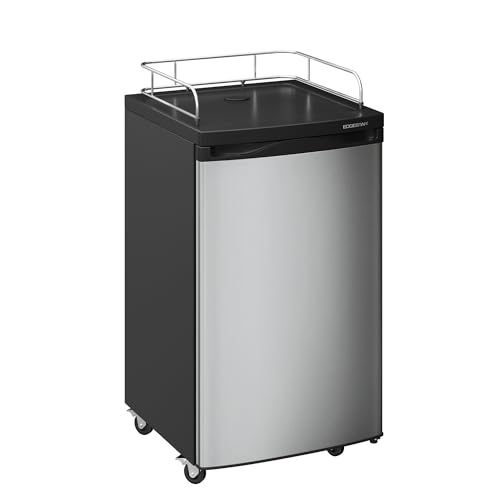
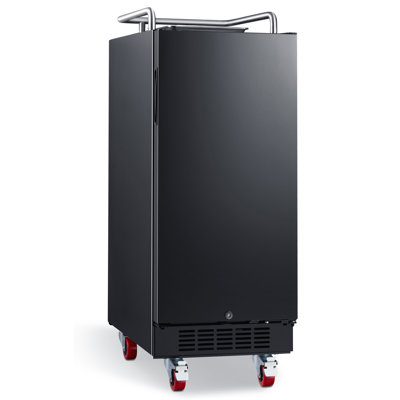
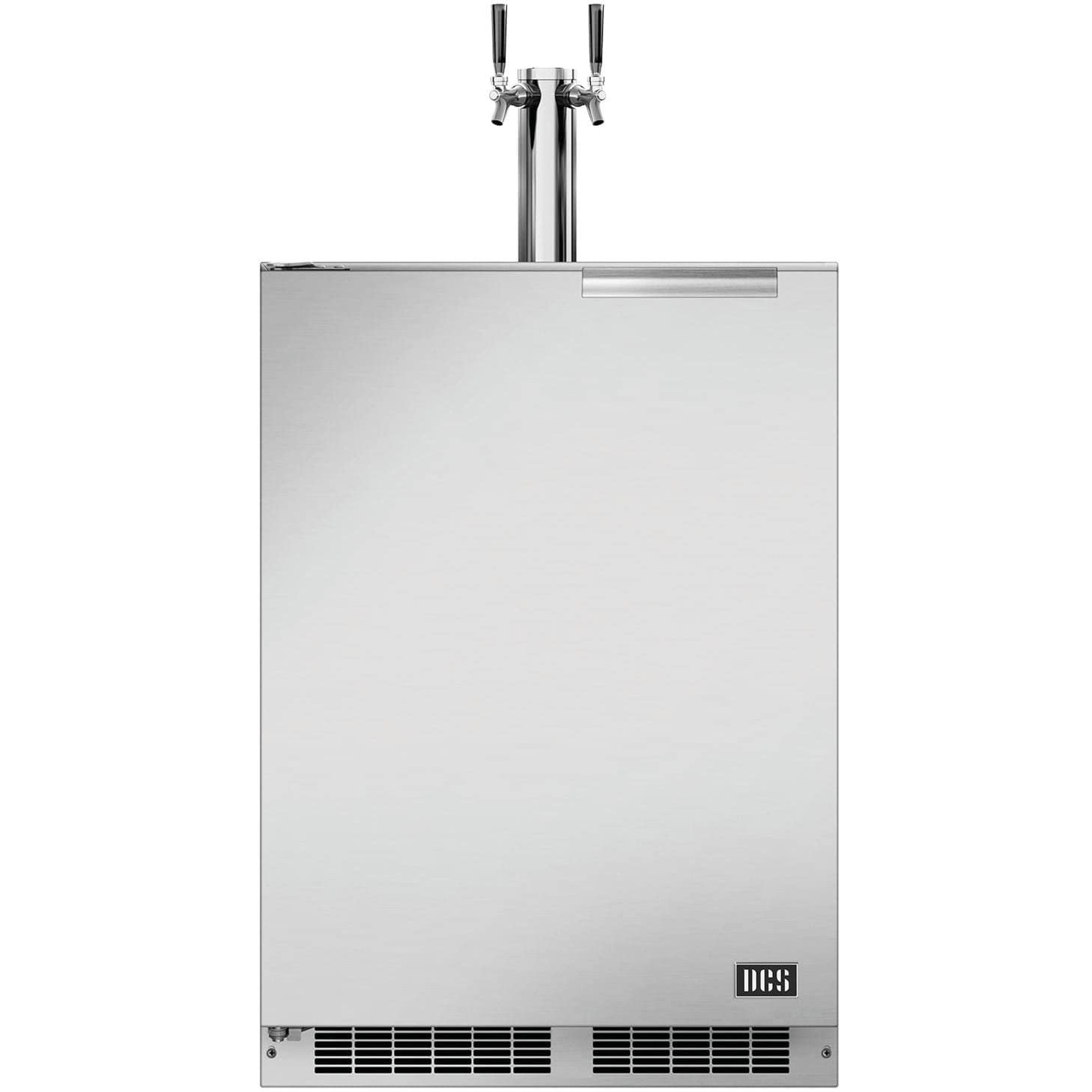
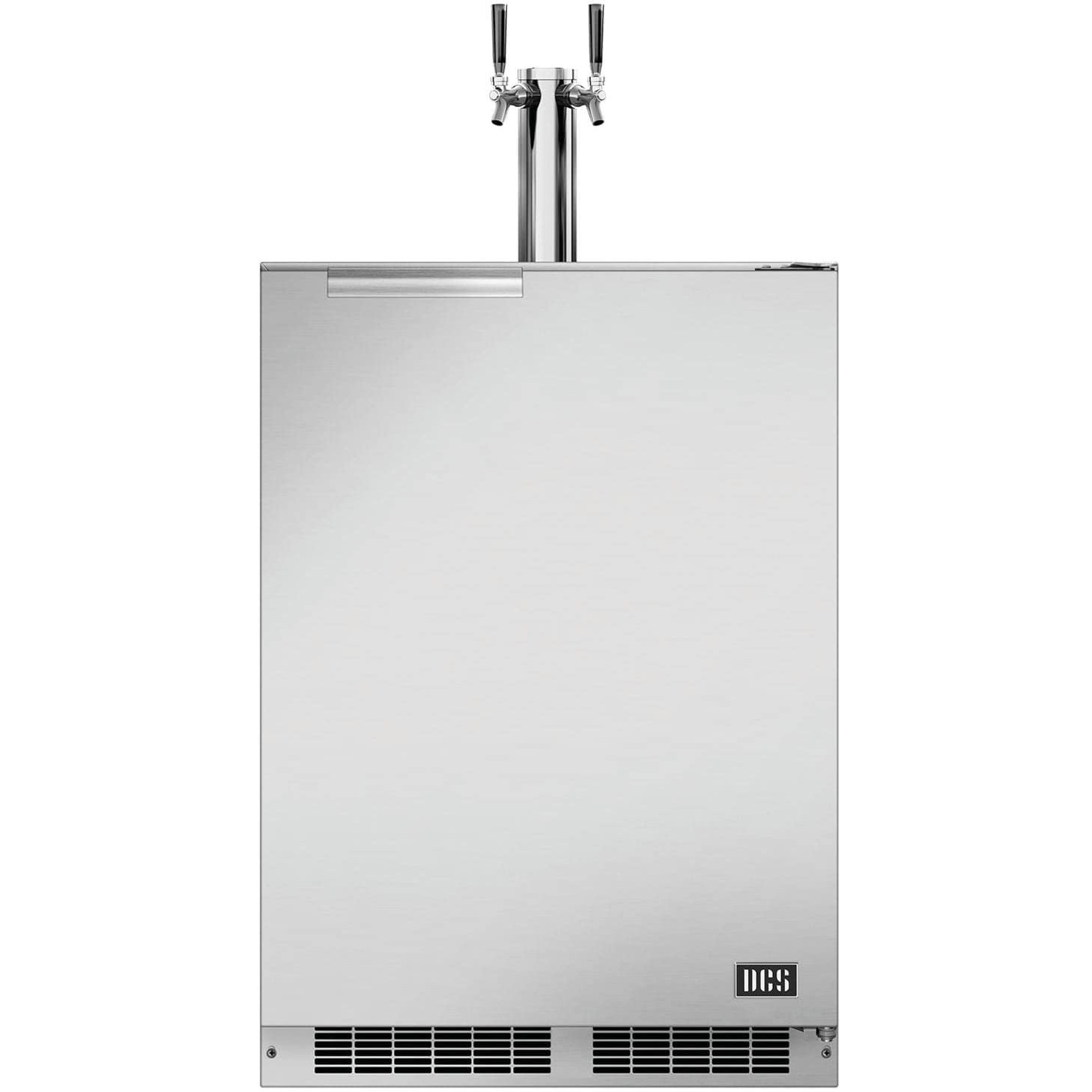
When it comes to selecting the ideal fridge for your needs, understanding the different sizes is crucial. This section will help you grasp the importance of choosing the right size fridge and provide an overview of kegerators and standard fridges.
Importance of Choosing the Right Size Fridge
Choosing the right size fridge is essential for several reasons. First, it ensures you have enough storage capacity for your needs, whether you're storing food, beverages, or other items. Second, it helps optimize the space in your home, ensuring that the fridge fits comfortably in your kitchen, garage, or any other area. Additionally, selecting the right size fridge can impact energy efficiency, as a properly sized fridge will operate more efficiently than one that is too large or too small.
Overview of Kegerators and Standard Fridges
Kegerators and standard fridges each have unique features and are suited for different purposes. Understanding the differences between them can help you make an informed decision.
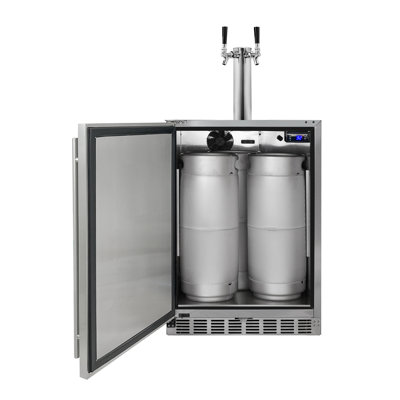
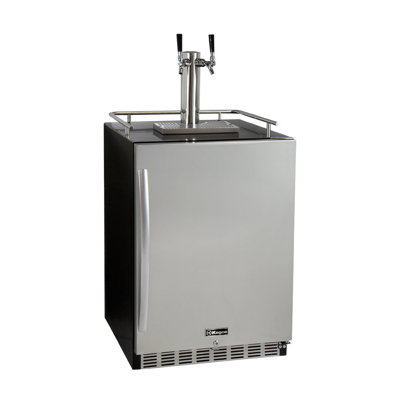
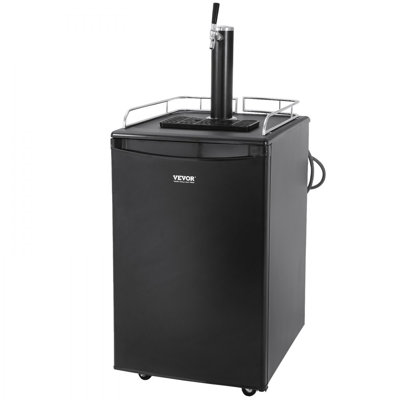
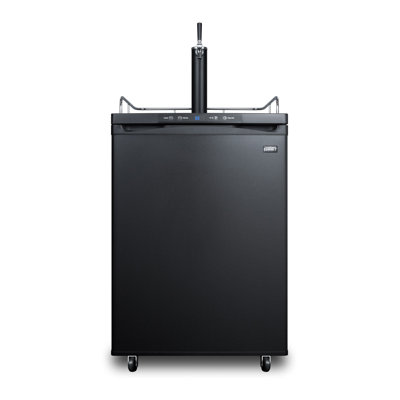
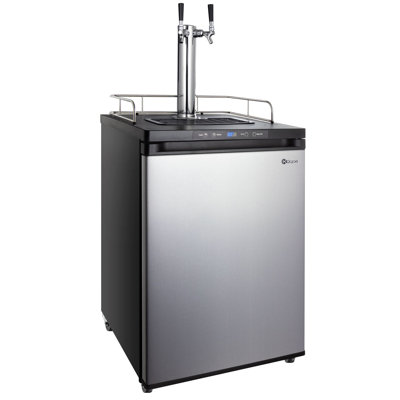
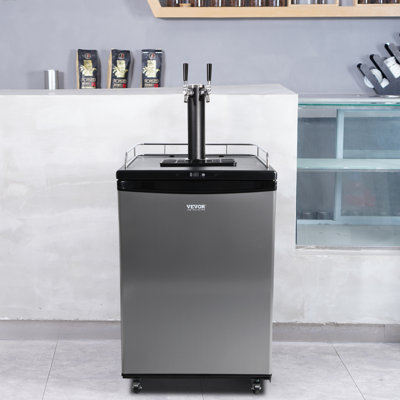
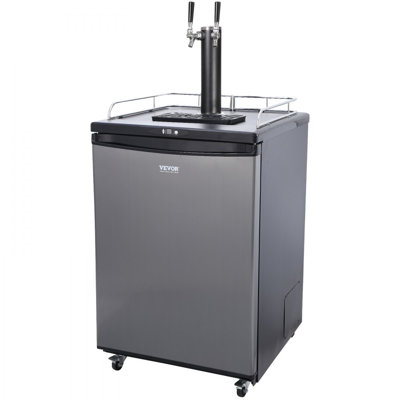
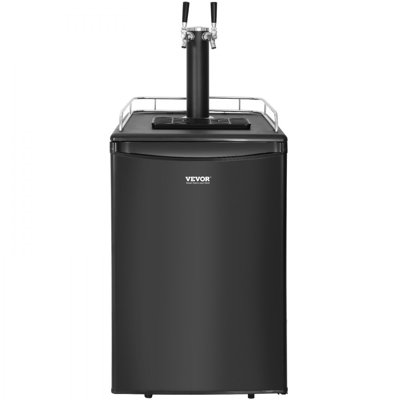
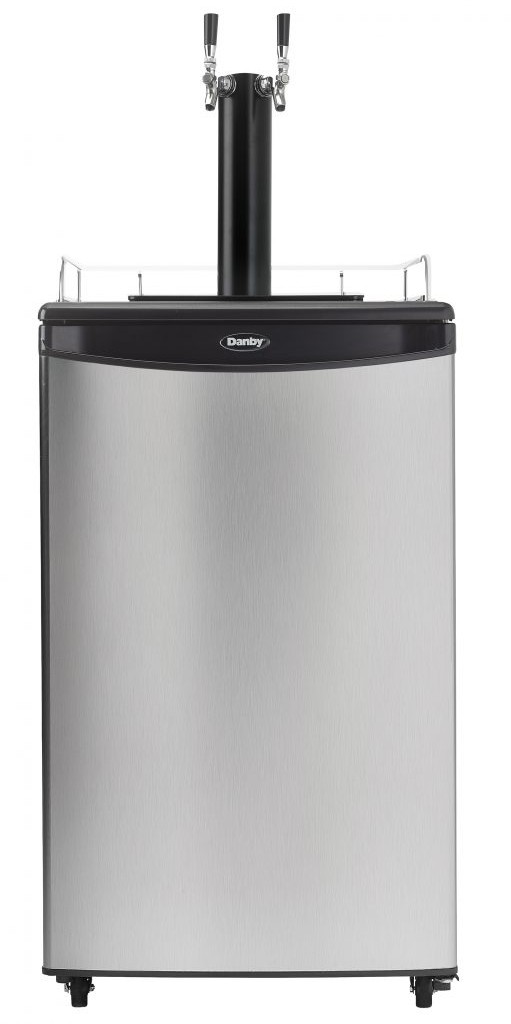
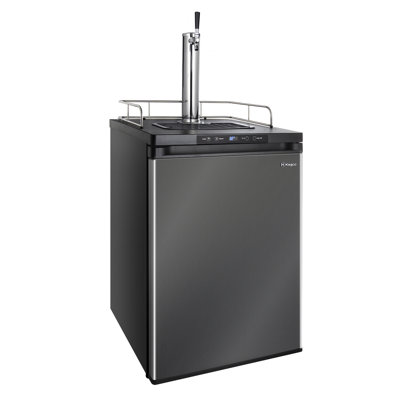
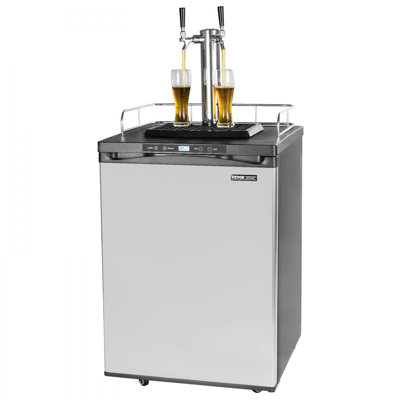
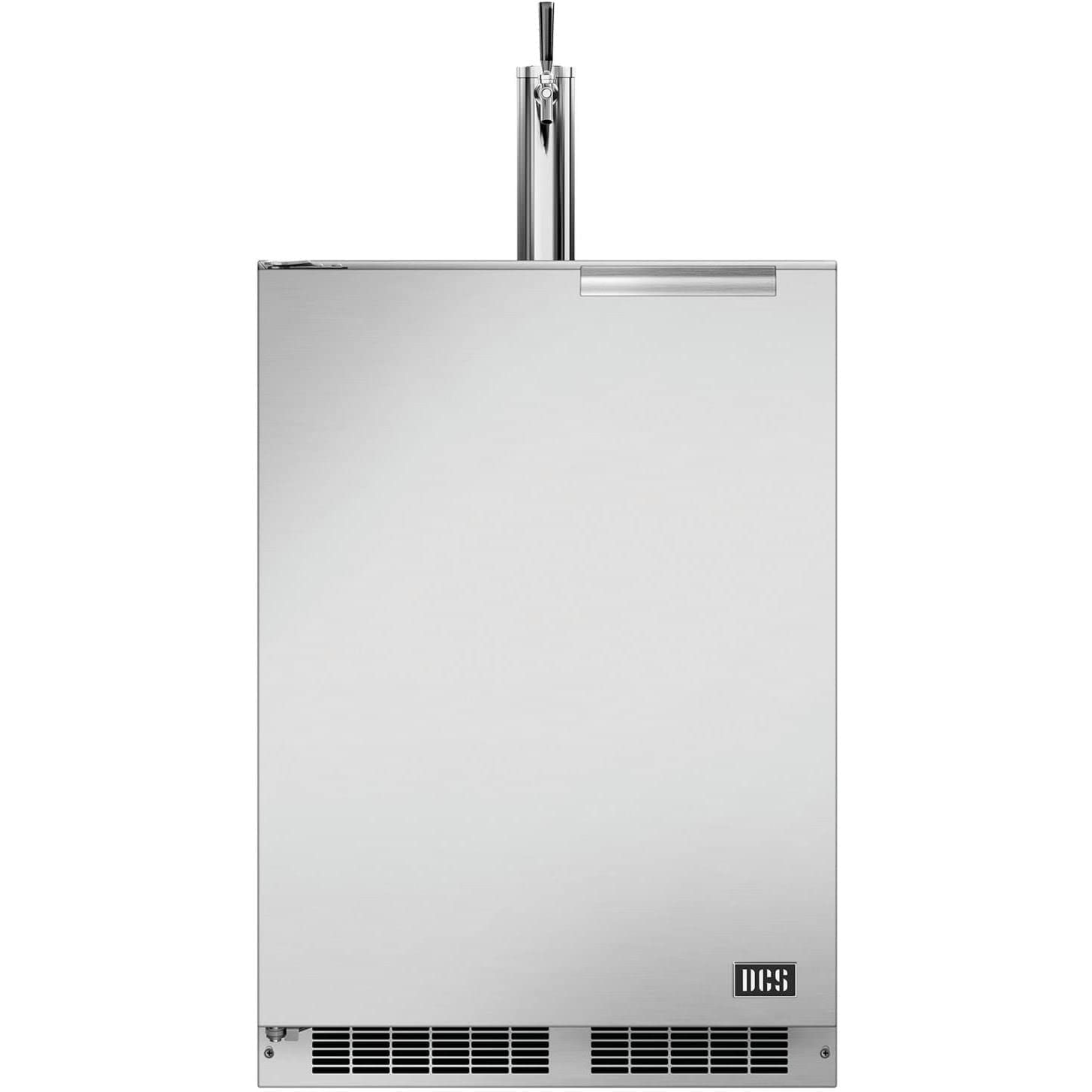
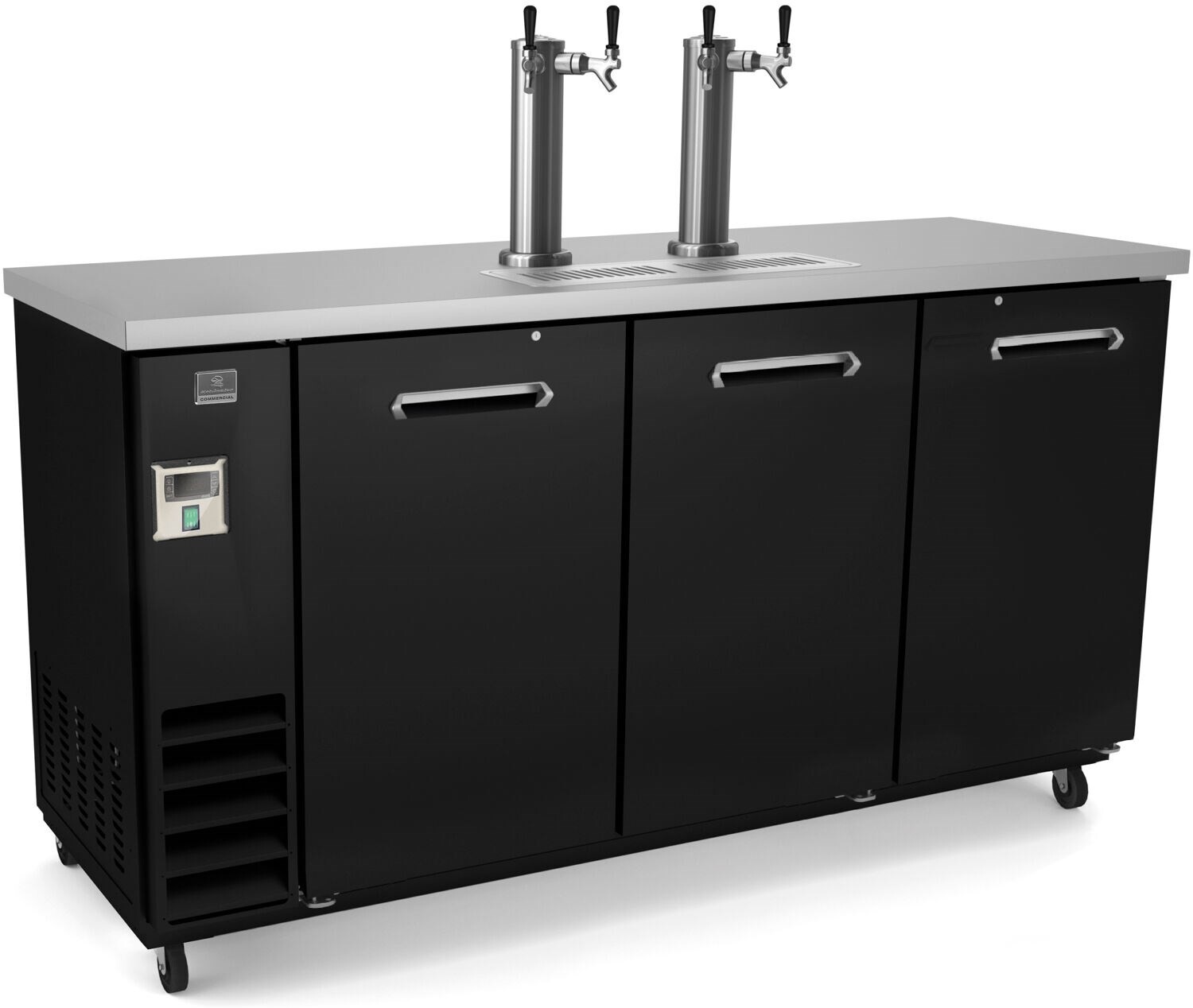
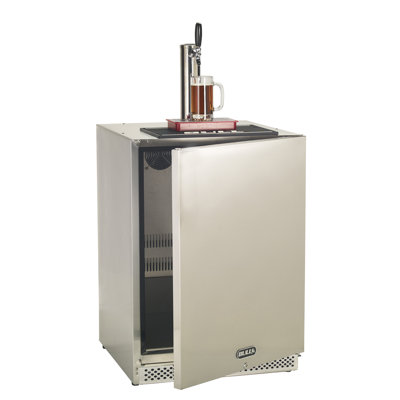
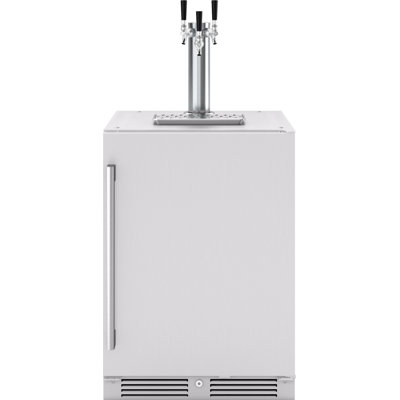
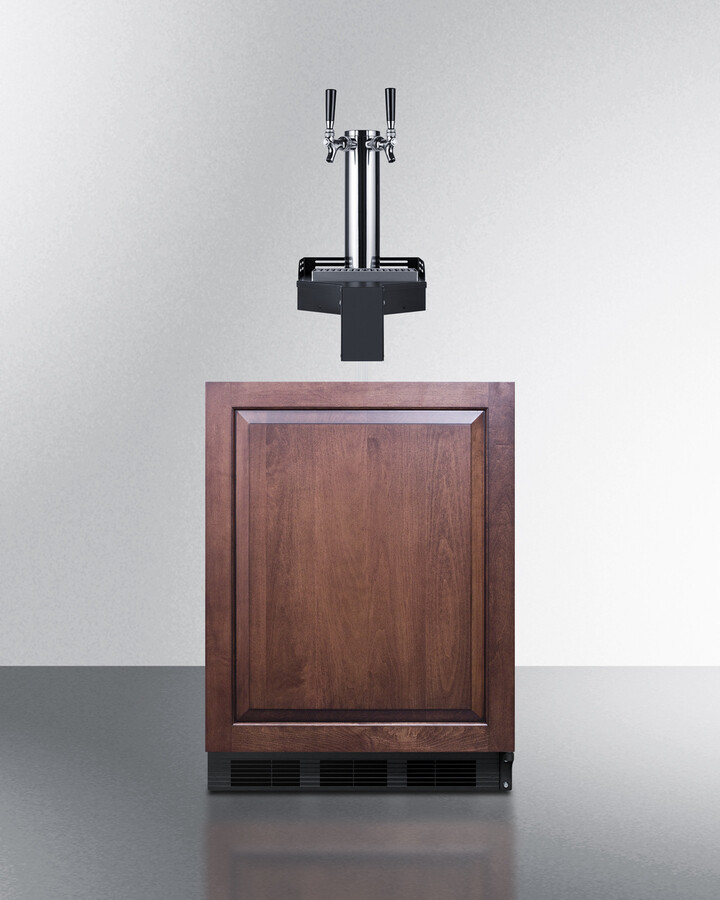
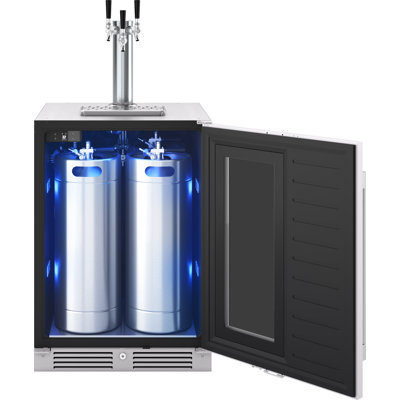
Kegerators are specifically designed to store and dispense kegs of beer. They typically feature a tap system that allows you to pour draft beer directly from the keg. Kegerators are popular for home bars, man caves, and for those who enjoy entertaining guests with fresh draft beer. They come in various sizes, with some models accommodating multiple kegs.
Standard Fridges are the most common type of refrigerator found in homes. They come in various styles and sizes, including top-freezer, bottom-freezer, side-by-side, and French door models. Standard fridges are versatile and can be used to store a wide range of food and beverages. They often include features like adjustable shelves, crisper drawers, and ice makers.
To help you better understand the differences in size, here is a comparison table of the external dimensions and internal capacity of kegerators and standard fridges.
Understanding these key differences can guide you in selecting the perfect fridge for your needs, whether you're considering a kegerator for your home bar or a standard fridge for everyday use.
Kegerators have unique features designed to enhance your beverage experience, especially for those who enjoy draft beer at home. This section explores their design, functionality, and ideal uses.
Design and Functionality
Kegerators are specialized refrigerators designed to store and dispense kegs of beer. They come equipped with a refrigeration unit, a beer tap, and a CO2 tank to keep the beer carbonated and fresh.
Key Features:
Refrigeration Unit: Maintains a consistent temperature to keep the beer cold.
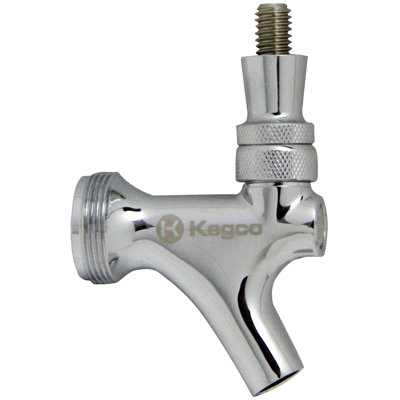
Beer Tap: Allows for easy dispensing of beer, mimicking the experience of a bar or brewery.
CO2 Tank: Ensures the beer remains carbonated, providing a fresh and fizzy pour every time.
Component
Function
Refrigeration Unit
Keeps beer at optimal temperature
Beer Tap
Dispenses beer
CO2 Tank
Maintains carbonation
Kegerators often feature adjustable temperature settings, enabling you to customize the cooling level based on the type of beer. Some models also come with digital temperature displays for precise control.
Ideal Uses for Kegerators
Kegerators are perfect for various settings and occasions, making them a versatile option for beer enthusiasts. Here are some ideal uses:
Home Bars: Perfect for creating a bar-like experience at home.
Parties and Gatherings: Ideal for serving fresh draft beer at social events.
Backyards and Patios: Great for outdoor entertaining, especially during summer.
Man Caves and Game Rooms: Enhances the fun and enjoyment of these dedicated spaces.
For more information on different refrigerator options, you can explore comparisons like beverage refrigerator Vs. silver side by side refrigerator and mini fridge freezer Vs. wine refrigerator.
Kegerators offer a unique and enjoyable way to serve beer, making them a valuable addition to any home that loves to entertain.
Standard Fridge Features
Design and Functionality
Standard fridges are a staple in homes, offering versatile storage solutions for your everyday food and beverage needs. These refrigerators come in various designs, including top-freezer, bottom-freezer, side-by-side, and French door models. Each design caters to different preferences and space requirements.
The primary function of a standard fridge is to keep your food and drinks at a safe temperature, ensuring freshness and preventing spoilage. They typically feature multiple compartments, adjustable shelves, and door bins to maximize storage capacity. Some models also come with additional features like ice makers, water dispensers, and temperature control settings.
Feature
Description
Compartments
Separate sections for fresh food and frozen items
Adjustable Shelves
Customizable storage to accommodate different-sized items
Temperature Control
Allows for precise temperature adjustments
Ice Maker
Provides a convenient source of ice
Water Dispenser
Offers filtered water directly from the fridge
Ideal Uses for Standard Fridges
Standard fridges are perfect for a wide range of applications, making them an essential appliance for most households. They are ideal for:
Home Kitchens: Standard fridges provide ample space for storing groceries, leftovers, and beverages, making them a must-have for family kitchens.
Office Breakrooms: In office settings, these fridges are great for storing employee lunches, snacks, and drinks.
Garages and Basements: For additional storage, a standard fridge can be placed in a garage or basement to hold overflow items, bulk purchases, and beverages.
Entertaining: When hosting gatherings, a standard fridge ensures you have enough space to keep all your party essentials chilled and ready to serve.
By understanding the design and functionality of standard fridges, you can make an informed decision when comparing them to other refrigeration options like kegerators. For more comparisons between different types of fridges, check out Fridge.com articles on beverage refrigerator Vs. silver side by side refrigerator and mini fridge freezer Vs. wine refrigerator.
When comparing the size of kegerators and standard fridges, it's essential to consider both the external dimensions and the internal capacity. This will help you determine which option best fits your needs and available space.
External Dimensions
The external dimensions of a kegerator and a standard fridge vary significantly, which can impact where you place them in your home. Kegerators are generally more compact and designed to fit in smaller spaces, while standard fridges come in a range of sizes, from compact to full-size models.
Appliance Type
Height (inches)
Width (inches)
Depth (inches)
Kegerator
33 - 50
20 - 24
25 - 30
Standard Fridge (Compact)
30 - 50
18 - 24
20 - 24
Standard Fridge (Full-Size)
60 - 70
28 - 36
30 - 36
Internal Capacity
The internal capacity of a kegerator versus a standard fridge is another crucial factor to consider. Kegerators are specifically designed to store and dispense kegs, so their internal space is optimized for this purpose. Standard fridges, on the other hand, are designed to store a wide variety of food and beverages, offering more versatile storage options.
Appliance Type
Capacity (cubic feet)
Number of Kegs (kegerator)
Food Storage (fridge)
Kegerator
4 - 6
1 - 2 full-size kegs
N/A
Standard Fridge (Compact)
3 - 5
N/A
Limited
Standard Fridge (Full-Size)
16 - 28
N/A
Ample
Understanding these differences can help you make an informed decision when choosing between a kegerator and a standard fridge. For additional comparisons, you might find it useful to explore articles like beverage refrigerator Vs. silver side by side refrigerator and mini fridge freezer Vs. wine refrigerator. These resources provide more insights into various types of fridges suited for different needs.
When choosing between a kegerator and a standard fridge, several factors come into play. Understanding these considerations can help you make an informed decision.
Space Availability
The amount of space you have available is a major factor when deciding between a kegerator and a standard fridge. Kegerators generally have a more compact design compared to standard fridges, making them a better fit for smaller spaces like an apartment or a home bar. However, if you have more space, a standard fridge might be more versatile.
Appliance Type
Average Dimensions (H x W x D)
Kegerator
33" x 24" x 24"
Standard Fridge
70" x 36" x 34"
Cooling Requirements
The cooling requirements for kegerators and standard fridges differ based on their primary use. Kegerators are specifically designed to maintain the ideal temperature for draft beer, usually between 34°F and 38°F. On the other hand, standard fridges offer a wider range of temperatures, making them suitable for a variety of food and beverage storage needs.
Appliance Type
Temperature Range
Kegerator
34°F - 38°F
Standard Fridge
32°F - 40°F
Energy Efficiency
Energy efficiency is another important consideration. Kegerators often consume less energy compared to standard fridges due to their smaller size and specialized cooling systems. However, energy efficiency can vary based on the model and usage.
Appliance Type
Average Energy Consumption (kWh/year)
Kegerator
310 kWh/year
Standard Fridge
525 kWh/year
Choosing the right appliance depends on your specific needs and circumstances. For more comparisons, you might find Fridge.com articles on beverage refrigerator Vs. silver side by side refrigerator and bar fridge Vs. fridge freezer helpful.
Installation and Maintenance
Proper installation and maintenance are crucial for ensuring the longevity and optimal performance of both kegerators and standard fridges. This section will guide you through the setup process and provide essential cleaning and maintenance tips.
Setup Process
Kegerator Setup
Setting up a kegerator involves several key steps:
Assemble the Components: Start by assembling the various parts of the kegerator, including the CO2 tank, regulator, and keg coupler.
Install the CO2 Tank: Secure the CO2 tank inside the kegerator, attach the regulator, and connect the CO2 line to the keg coupler.
Insert the Keg: Place the keg inside the kegerator and connect it to the keg coupler.
Adjust Temperature Settings: Set the temperature according to the type of beverage you are storing.
Test the System: Ensure that the CO2 is flowing correctly and that there are no leaks.
Standard Fridge Setup
Setting up a standard fridge is generally more straightforward:
Choose a Location: Select a spot with adequate ventilation and away from direct sunlight.
Level the Fridge: Use a spirit level to ensure the fridge is perfectly level.
Plug in the Fridge: Connect the power cord to an electrical outlet.
Set the Temperature: Adjust the internal thermostat to the desired temperature.
Setup Step
Kegerator
Standard Fridge
Assemble Components
Yes
No
Install CO2 Tank
Yes
No
Insert Keg
Yes
No
Adjust Temperature
Yes
Yes
Test the System
Yes
No
Cleaning and Maintenance Tips
Kegerator Maintenance
Clean the Lines: Regularly clean the beer lines to prevent buildup of mold and bacteria.
Check CO2 Levels: Monitor the CO2 tank and refill it as necessary.
Defrost the Unit: Periodically defrost the kegerator to maintain efficiency.
Inspect Seals: Check the door seals for any signs of wear and tear.
Standard Fridge Maintenance
Clean the Interior: Wipe down the shelves and compartments with a mild detergent.
Defrost the Freezer: If your fridge has a manual defrost freezer, make sure to defrost it regularly.
Check the Temperature: Use a thermometer to ensure the internal temperature is consistent.
Inspect the Door Seals: Look for any cracks or gaps in the door seals.
Maintenance Task
Kegerator
Standard Fridge
Clean the Lines
Yes
No
Check CO2 Levels
Yes
No
Defrost the Unit
Yes
Yes
Inspect Seals
Yes
Yes
Clean the Interior
No
Yes
Check the Temperature
No
Yes
For more detailed comparisons and additional information on various types of fridges and freezers, you can explore other Fridge.com articles on beverage refrigerator Vs. silver side by side refrigerator and drawer freezer Vs. smart fridge.
When comparing a kegerator to a standard fridge, the initial costs can vary significantly. The upfront cost of a kegerator tends to be higher due to its specialized components and design tailored for beverage dispensing. In contrast, a standard refrigerator is generally more affordable and widely available in various sizes and price ranges.
Appliance
Average Initial Cost
Kegerator
$500 - $1,500
Standard Fridge
$300 - $1,200
For those looking to entertain or celebrate with friends and family, the initial investment in a kegerator might be justified by its convenience and functionality. On the other hand, a standard fridge could be more suitable for general household use, such as in kitchens, basements, or garages.
Long-Term Operating Costs
Long-term operating costs include energy consumption, maintenance, and potential repairs. Kegerators, designed for specific cooling needs, can sometimes be more energy-efficient for their intended use. However, they might not be as versatile as standard refrigerators, which can serve multiple purposes in a home.
Appliance
Approximate Annual Energy Cost
Kegerator
$50 - $100
Standard Fridge
$40 - $90
Kegerators generally consume less energy when compared to standard fridges of similar size, but this can vary based on the model and usage. Maintenance for kegerators often involves regular cleaning and replacing parts such as CO2 canisters, which can add to the long-term costs. Standard fridges might require less frequent maintenance but can incur higher repair costs if major components fail.
When considering energy efficiency, it's important to evaluate the cooling requirements and the intended location of the appliance. For instance, a beverage refrigerator Vs. silver side by side refrigerator comparison would show differing energy needs based on their specific functionalities.
Ultimately, the decision between a kegerator and a standard fridge should be based on your specific needs, space availability, and budget. For more detailed comparisons, you might explore other options like drawer freezer Vs. smart fridge or mini fridge freezer Vs. wine refrigerator to find the perfect fit for your home or entertaining space.
Compare prices on Fridge.com
Compare current prices and specifications on Fridge.com, then buy from the retailer you choose; delivery, installation and warranty terms are the retailer’s.
It also has tons of awesome articles about kitchen stuff and home news. Enhance your home, garage, backyard, patio, and office with the coolest essentials. With every necessary type of residential refrigerator or freezer in the collection, you're covered.
Free tool
Kegerator Size Calculator
Free interactive tool from Fridge.com — get a quick answer while you read.