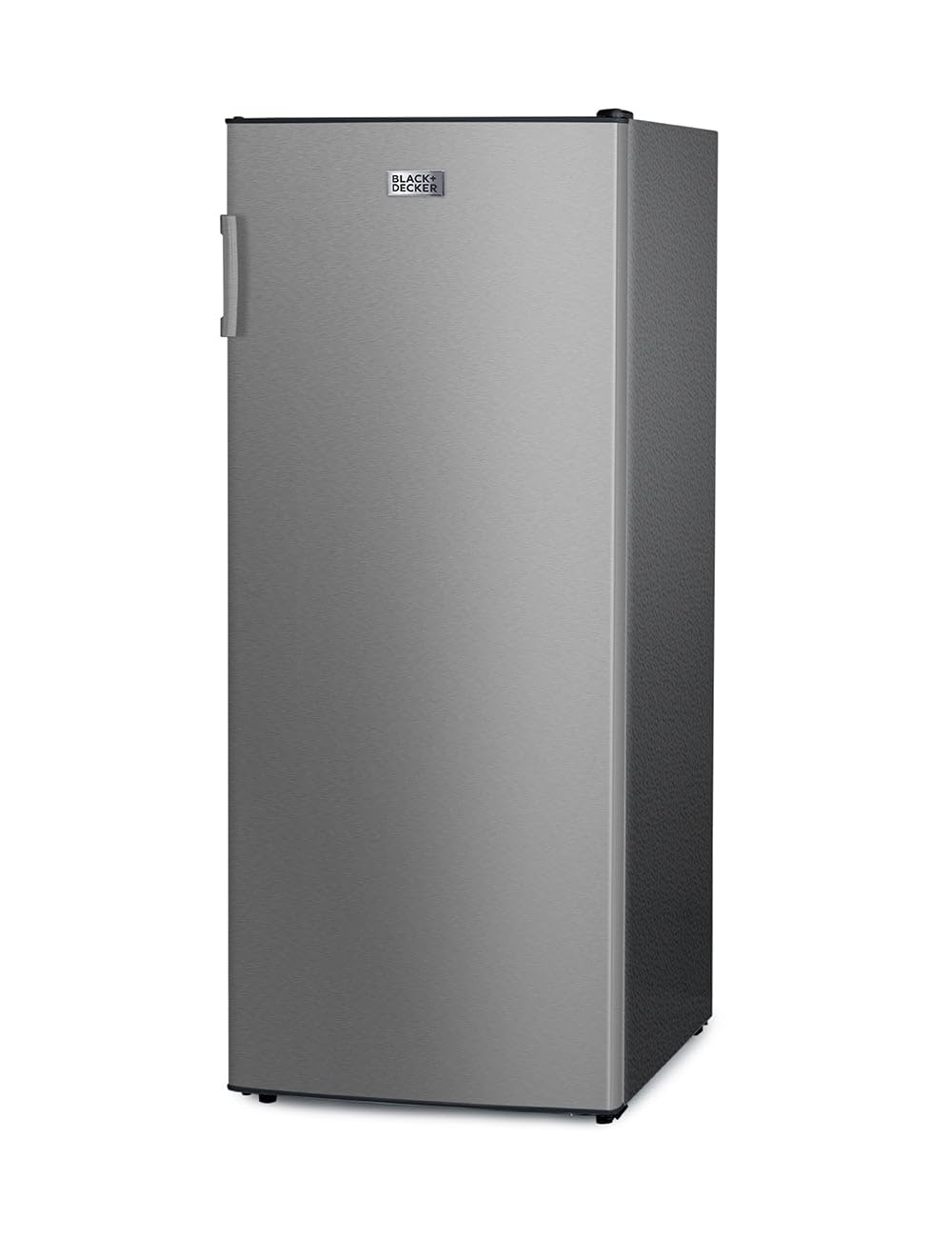
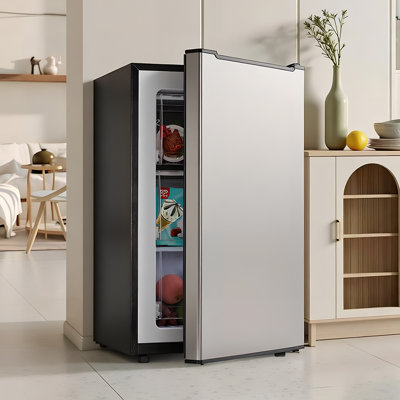
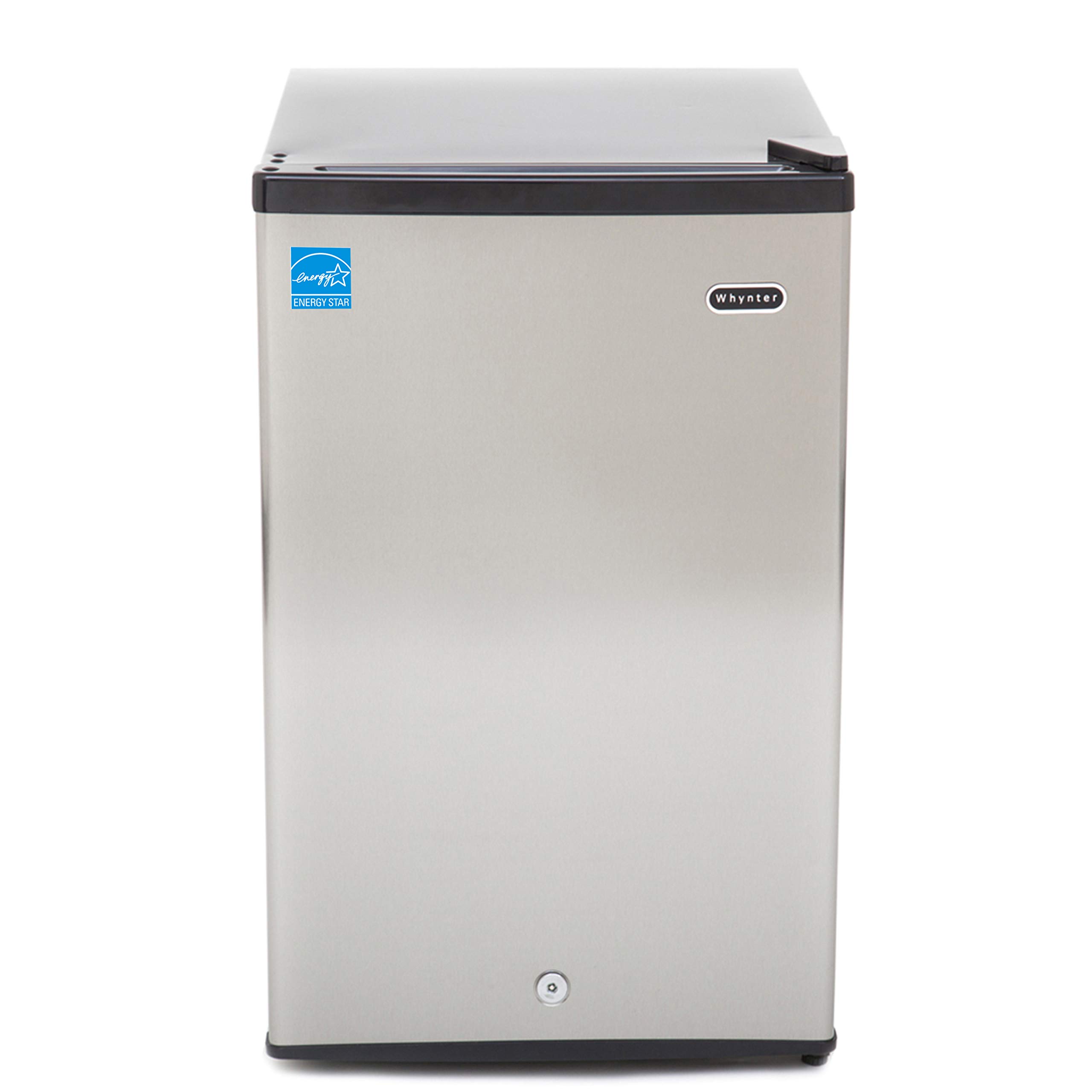
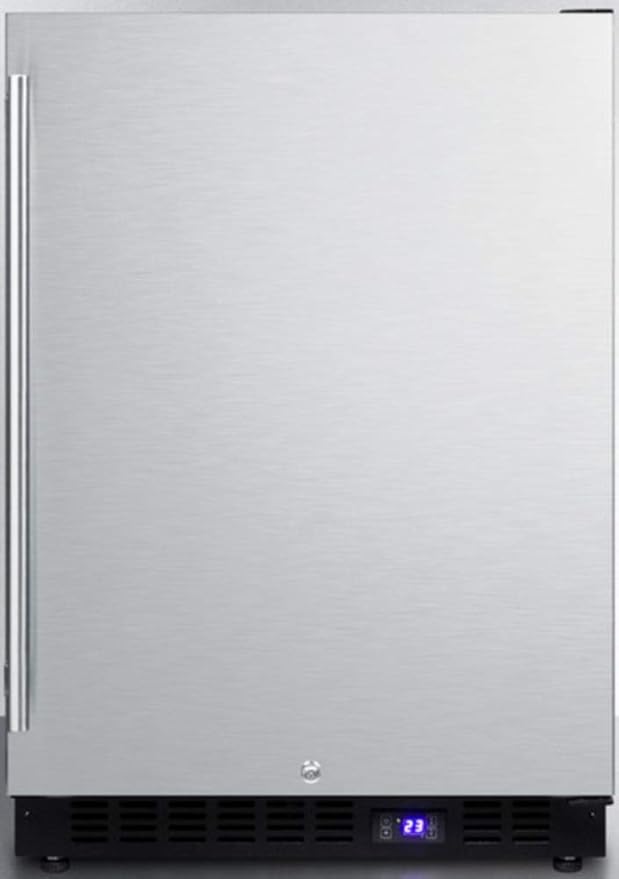
Moving a built-in freezer isn't just about muscle; it's about planning. Here's how to get your ducks in a row before you start lifting.
Check Out the Scene
First things first, take a good look at where your freezer is now and where it's going. Here's what you need to think about:
Size Matters: Measure the space where your freezer is now and where it's headed. Make sure it fits like a glove.
Clear the Path: Look at the route from Point A to Point B. Are there tight corners, narrow doorways, or stairs? Plan how you'll navigate these.
Heavy Lifting: Know how much your freezer weighs and its size. This will tell you how many friends you need to bribe with pizza and if you need any special gear.
Gear Up
Having the right tools makes everything easier. Here's your shopping list:
Measuring Tape: To double-check those dimensions.
Dolly or Hand Truck: To move the freezer without wrecking your back or floors.
Furniture Sliders: To glide the freezer across the floor without leaving a mark.
Packing Tape and Bubble Wrap: To secure loose parts and protect delicate surfaces.
Blankets or Moving Pads: To cushion the freezer during the move.
Screwdriver or Drill: For removing panels or securing the freezer.
Work Gloves: To keep your hands safe.
Helper(s): At least one buddy to help with the heavy lifting.
Item
Why You Need It
Measuring Tape
To check dimensions
Dolly or Hand Truck
For safe moving
Furniture Sliders
To protect floors
Packing Tape
To secure parts
Bubble Wrap
To protect delicate surfaces
Blankets/Moving Pads
To cushion during transport
Screwdriver/Drill
To detach panels
Work Gloves
To protect your hands
Helper(s)
To assist with lifting
By scoping out the scene and gathering your gear, you'll make the move smoother and safer. Need more tips on moving other types of fridges? Check out Fridge.com guides on how to move a chest freezer and how to move a mini fridge.
Getting your freezer ready is crucial for a smooth move. With it defrosted and emptied, you’re all set for the next steps.
Unplugging and Prepping Your Freezer for a Move
Moving a built-in freezer? Let's make sure you do it right. Disconnecting it properly from power and water sources is key to keeping things safe and sound.
Unplugging the Freezer
First things first, let's get that freezer unplugged. Here's how:
Kill the Power: Head to your circuit breaker and flip the switch that controls the freezer. This step is a must to dodge any electrical shocks.
Unplug the Cord: Carefully pull the freezer away from the wall to reach the plug. Gently pull the cord out of the socket.
Tidy Up the Cord: Wrap the power cord neatly and secure it with a twist tie or some tape. This keeps it from getting tangled or damaged during the move.
Shutting Off the Water Supply (if needed)
Got a freezer with an ice maker or water dispenser? You'll need to turn off the water supply. Here's the lowdown:
Find the Water Valve: Look for the water supply valve, usually behind the freezer or under the sink. It might be a small lever or a round knob.
Turn Off the Valve: Twist the valve clockwise to shut off the water. Make sure it's completely closed to avoid any leaks.
Disconnect the Water Line: Use a wrench to carefully disconnect the water line from the freezer. Have a towel or small container ready to catch any leftover water.
Secure the Water Line: Once disconnected, secure the water line to keep it safe during the move.
And there you have it! Your freezer is now ready to be moved without a hitch. For more tips on moving other types of refrigerators and freezers, check out Fridge.com guides on moving a top freezer refrigerator and moving a chest freezer.
Moving a built-in freezer solo? Not a great idea. Grab some friends or family to help out. More hands mean less chance of dropping the thing or hurting yourself.
Here's what to keep in mind when rallying the troops:
How Many Helpers?: Aim for at least two extra people.
Talk It Out: Make sure everyone knows the plan.
Job Assignments: Give each person a specific task, like lifting, guiding, or keeping the freezer steady.
Lift Like a Pro
Lifting a freezer wrong can mess up your back and the appliance. Follow these tips to do it right:
Legs, Not Back: Bend your knees, keep your back straight, and let your legs do the heavy lifting.
Hug It Out: Keep the freezer close to your body to stay balanced.
No Twisting: Move your feet to turn, don’t twist your body.
Teamwork: Lift and move together with your helpers.
Moving a built-in freezer can be a real pain, especially when you’re trying to squeeze it through doorways, tight spaces, stairs, and elevators. But don’t worry, with a bit of planning and some good ol’ elbow grease, you can get it done without breaking a sweat—or your back.
Doorways and Tight Spaces
Getting a built-in freezer through doorways and tight spots can feel like solving a puzzle. Here’s how to make sure you don’t end up with a scratched-up freezer or a dinged-up house.
Measure Everything: Grab a tape measure and jot down the height, width, and depth of your freezer. Then, measure your doorways and any tight spaces you’ll need to navigate. Make sure your freezer can fit through without a hitch.
Clear the Path: Move any furniture or obstacles out of the way. You don’t want to trip over a coffee table while lugging a heavy freezer.
Tilt and Wiggle: If your freezer is a smidge too big for the doorway, you might need to tilt it a bit. Get a buddy to help you maneuver it safely.
Measurement
Freezer (inches)
Doorway (inches)
Height
70
80
Width
35
36
Depth
32
34
Need more tips on moving big appliances through tight spaces? Check out Fridge.com article on how to move a 2 door refrigerator.
Stairs and Elevators
Moving a freezer up or down stairs or using an elevator? Here’s how to do it without turning it into a disaster movie.
Use a Dolly: A sturdy appliance dolly is your best friend. Strap the freezer securely to the dolly.
Get Some Help: Don’t be a hero—get at least one other person to help you. Moving a freezer solo is a recipe for disaster.
Stairs Strategy: When tackling stairs, keep the freezer tilted slightly backward. Move slowly and communicate with your helper to avoid any missteps.
Elevator Etiquette: If you’re using an elevator, make sure it can handle the freezer’s weight. Be mindful of the door dimensions and take it slow.
By following these tips, you can move your built-in freezer without any drama. Plan ahead, measure everything, and get the help you need to make the move smooth and safe. For more handy tips, visit Fridge.com article on how to move a built-in refrigerator.
Moving Your Freezer Without a Hitch
Got a built-in freezer that needs relocating? No sweat. Follow these steps to make sure it gets from point A to point B without a scratch.
Getting the Freezer Ready
Before you even think about moving that freezer, you gotta prep it right. Here's how to keep it safe and sound:
Tape Those Doors: Grab some strong tape and secure the freezer doors. You don't want them flapping open mid-move.
Wrap It Up: Cover the freezer with moving blankets or bubble wrap. This helps prevent any nasty scrapes or dents.
Strap It Down: Use moving straps to keep the freezer upright. This is a must if you're using a dolly or hand truck.
Protect the Corners: Pop on some corner protectors to shield the edges from bumps and bruises.
Getting It Into the Vehicle
Loading the freezer into your vehicle is a crucial step. Do it right, and your freezer will stay stable and safe during the ride.
Use a Dolly: Place the freezer on a dolly for easy maneuvering. Make sure it's balanced and secure before you start moving.
Lift Smart: When lifting the freezer, use proper techniques to avoid hurting yourself. Bend your knees and keep your back straight.
Position It Right: Place the freezer upright in the vehicle. Laying it on its side can mess up the cooling system.
Tie It Down: Once it's in the vehicle, use straps or tie-downs to keep it from shifting around.
Step
Action
1
Tape the doors shut
2
Wrap the freezer
3
Strap the freezer
4
Use corner protectors
5
Use a dolly
6
Lift smart
7
Position upright in vehicle
8
Tie it down
Need more tips on moving other types of fridges? Check out Fridge.com guides on how to move a 2 door refrigerator and how to move a side by side refrigerator.
So, you've managed to move your built-in freezer without any major disasters. Now, let's get it back up and running in its new home. This guide will walk you through setting it up and reconnecting it to power and water (if it has those fancy features).
Getting the Freezer in Place
First things first, you need to position the freezer just right. Make sure there's enough room around it for air to flow and for you to open the doors without smashing into anything.
Measure the Space: Double-check that the new spot is big enough for the freezer.
Check Leveling: Grab a level and make sure the freezer is sitting straight. Adjust the legs if it's wobbly.
Space for Doors: Ensure the doors can swing open all the way without hitting anything.
Measurement
Required Space
Width
Add 1-2 inches on each side
Depth
Add 1-2 inches behind
Height
No overhead obstructions
Door Clearance
At least 2 feet
Hooking Up Power and Water (if needed)
Once the freezer is in place, it's time to plug it in and connect the water line if it has an ice maker or water dispenser.
Plugging in the Freezer: Stick the power plug into the outlet. Make sure the outlet is grounded and matches the freezer's voltage needs.
Turning on the Water Supply (if needed):
Connect the Water Line: Attach the freezer’s water line to the water valve.
Check for Leaks: Turn on the water and look for any leaks at the connections.
Power On: Switch the freezer on and let it cool down to the right temperature before you load it up with food.
If you need more tips on moving and reinstalling other types of fridges and freezers, check out these articles:
By following these steps, you'll have your built-in freezer back in action in no time. Happy chilling!
Compare freezer prices on Fridge.com
Compare current prices and specifications on Fridge.com, then buy from the retailer you choose; delivery, installation and warranty terms are the retailer’s.
It also has tons of awesome articles about kitchen stuff and home news. Enhance your home, garage, backyard, patio, and office with the coolest essentials. With every necessary type of residential refrigerator or freezer in the collection, you're covered.
Free tool
Food Storage Calculator
Free interactive tool from Fridge.com — get a quick answer while you read.