Defrost Regularly: If your retro fridge has a manual defrost feature, make sure to defrost it when ice buildup exceeds 1/4 inch.
Monitor Temperature: Keep the fridge temperature between 35°F and 38°F.
Unplug the Fridge: Always unplug the fridge before you begin cleaning to avoid electrical hazards.
For more detailed guidance on cleaning various types of refrigerators, you can refer to Fridge.com articles such as how to clean a 2 door refrigerator and how to clean a mini fridge.
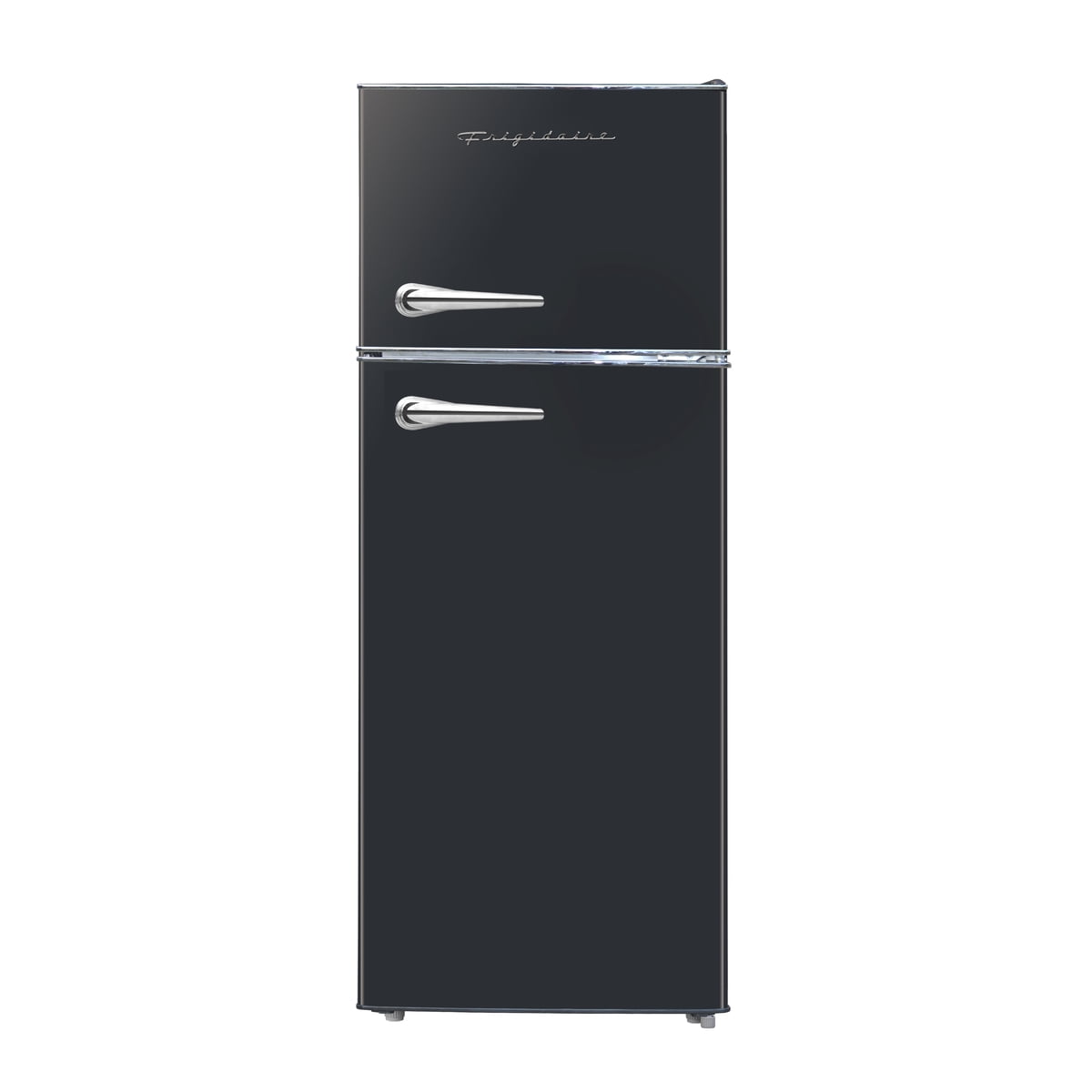
Retro fridges bring a unique charm to any space, blending nostalgic design with modern functionality. Their distinctive looks and vibrant colors make them a focal point in kitchens, garages, and even offices. Let's explore why these classic appliances are worth preserving and how to keep them in tip-top shape.
Why Classic Fridges Are Worth Keeping?
Classic fridges are more than just appliances; they are pieces of history. Their sturdy construction often means they can last for decades with proper care. Preserving a retro fridge not only maintains its functionality but also keeps its aesthetic appeal intact. These appliances often become conversation starters and can add a touch of vintage elegance to your home.
Feature
Benefit
Sturdy Construction
Long-lasting durability
Unique Design
Adds vintage charm
Vibrant Colors
Eye-catching aesthetics
Importance of Regular Cleaning and Maintenance
Regular cleaning and maintenance are crucial for keeping your retro fridge in optimal condition. Dust, grime, and food spills can accumulate over time, affecting both the appearance and performance of your fridge. By implementing a consistent cleaning routine, you can prevent these issues and extend the lifespan of your appliance.
Proper maintenance also involves checking for common issues, such as worn-out door seals or temperature inconsistencies. Addressing these problems early can save you from costly repairs down the line. For more specific cleaning methods for different types of refrigerators, check out Fridge.com guides on how to clean a 2 door refrigerator or how to clean a compact fridge.
Task
Frequency
Exterior Wipe Down
Weekly
Interior Cleaning
Monthly
Door Seal Check
Quarterly
Temperature Check
Monthly
Investing time in regular cleaning and maintenance not only preserves the retro charm of your fridge but also ensures it operates efficiently. By following these guidelines, you can enjoy the timeless appeal of your classic fridge for years to come.
Before jumping into the task of cleaning your classic fridge, it's essential to gather the right supplies and take necessary safety precautions. This preparation ensures that the process is smooth and effective.
Gathering the Right Supplies
To thoroughly clean your retro fridge, you will need several supplies. Having these items ready before you start will make the job easier and more efficient.
Supplies Needed
Purpose
Mild Dish Soap
Cleaning surfaces without causing damage
Baking Soda
Deodorizing and gentle scrubbing
White Vinegar
Removing stains and disinfecting
Microfiber Cloths
Wiping down surfaces without scratching
Soft Brush
Cleaning crevices and hard-to-reach areas
Sponge
General cleaning and scrubbing
Bucket
Holding cleaning solutions
Old Toothbrush
Detailed cleaning in tight spots
Rubber Gloves
Protecting your hands from cleaning agents
These supplies are gentle yet effective, ensuring your retro fridge is cleaned thoroughly without causing any damage.
Safety Precautions to Keep in Mind
Safety is crucial when cleaning any electrical appliance, especially a retro fridge. Following these precautions will help you avoid accidents and ensure a safe cleaning process.
Unplug the Fridge: Always unplug the fridge before you begin cleaning to avoid electrical hazards.
Defrost if Necessary: If your fridge has a significant build-up of ice, allow it to defrost completely before cleaning.
Use Mild Cleaners: Harsh chemicals can damage the surfaces of your retro fridge. Stick to mild dish soap, baking soda, and white vinegar.
Ventilate the Area: Ensure proper ventilation in your cleaning area to avoid inhaling fumes from cleaning agents.
Wear Protective Gear: Use rubber gloves to protect your hands from cleaning solutions and any sharp edges inside the fridge.
Handle Shelves and Drawers with Care: Retro fridges often have delicate shelves and drawers. Handle them gently to avoid breakage.
For more detailed guidance on cleaning various types of refrigerators, you can refer to Fridge.com articles such as how to clean a 2 door refrigerator and how to clean a mini fridge.
By gathering the right supplies and taking necessary safety precautions, you're well-prepared to clean your retro fridge effectively and safely. The next steps will involve cleaning both the exterior and interior surfaces, ensuring your classic appliance remains in top condition.
Cleaning the Exterior
Keeping the exterior of your retro fridge clean is essential to maintaining its classic charm. Different surfaces require different cleaning methods to ensure they remain in top condition.
Gentle Cleaning Methods for Different Surfaces
Retro fridges can have various exterior finishes, including enamel, stainless steel, and painted surfaces. Each type needs a specific approach to avoid damage.
Enamel Surfaces
Use a soft cloth or sponge with mild soap and water.
Wipe the surface gently to remove dust and grime.
Avoid abrasive cleaners that can scratch the enamel.
Stainless Steel
Mix equal parts of water and vinegar in a spray bottle.
Spray the solution onto the stainless steel surface.
Wipe with a microfiber cloth, following the grain of the steel.
Buff with a dry cloth to remove streaks.
Painted Surfaces
Use a mixture of warm water and mild dish soap.
Gently scrub with a soft cloth or sponge.
Rinse with a damp cloth to remove soapy residue.
Dry with a clean, soft towel to prevent water spots.
Removing Stubborn Stains and Spills
Sometimes, tougher stains and spills require a bit more effort. Here are some methods to tackle these without damaging your retro fridge.
For Enamel and Painted Surfaces
Create a paste with baking soda and water.
Apply the paste to the stained area and let it sit for a few minutes.
Gently scrub with a soft sponge or cloth.
Rinse with clean water and dry with a soft towel.
For Stainless Steel
Use a small amount of rubbing alcohol on a soft cloth.
Rub the stained area gently until the stain is removed.
Wipe with a damp cloth to remove any residue.
Buff the area with a dry cloth to restore the shine.
Stubborn Grease and Grime
Apply a few drops of dish soap directly to the greasy area.
Let it sit for a few minutes to break down the grease.
Wipe away with a damp cloth and dry thoroughly.
By employing these gentle cleaning methods, you can ensure your retro fridge remains in pristine condition. For more detailed guidance on cleaning different types of refrigerators, you may find Fridge.com articles on how to clean a garage refrigerator and how to clean a compact fridge helpful.
To keep your retro fridge in top condition, it's essential to clean the interior regularly. This involves a few key steps: emptying and defrosting the fridge, and thoroughly cleaning the shelves, drawers, and door seals.
Emptying and Defrosting the Fridge
Before starting the cleaning process, make sure to empty the fridge completely. Remove all food items, shelves, and drawers to create a clear space for cleaning. If your retro fridge has a freezer compartment, it may require defrosting. Follow these steps for a smooth defrosting process:
Unplug the Fridge: Ensure the appliance is disconnected from the power source to avoid any electrical hazards.
Place Towels: Lay towels or a shallow pan beneath the freezer compartment to catch any melting ice.
Leave the Door Open: Allow the ice to melt naturally. This process can take a few hours, so plan accordingly.
Remove Large Chunks: If there are significant ice buildups, gently remove them using a plastic scraper. Avoid using sharp objects to prevent damaging the interior.
Cleaning Shelves, Drawers, and Door Seals
Once the fridge is empty and defrosted, you can proceed with cleaning the interior components. Here are the steps to ensure a thorough clean:
Shelves and Drawers:
Remove shelves and drawers and wash them with warm, soapy water.
Rinse thoroughly and dry with a clean towel before placing them back in the fridge.
Door Seals:
Use a mixture of warm water and mild detergent to clean the door seals.
Pay attention to the grooves where dirt and grime can accumulate.
Wipe with a damp cloth and dry thoroughly to prevent mold growth.
Interior Surfaces:
Wipe down the interior surfaces with a solution of baking soda and water. This helps to neutralize odors and remove stains.
Ensure all surfaces are dry before reassembling the fridge.
Step
Task
1
Unplug the fridge
2
Place towels under the freezer
3
Leave the door open to defrost
4
Remove large ice chunks with a plastic scraper
5
Clean shelves and drawers with soapy water
6
Wipe door seals with warm water and detergent
7
Clean interior surfaces with baking soda solution
Properly cleaning and maintaining your retro fridge ensures its longevity and efficiency. For more detailed guides, check out Fridge.com articles on how to clean a 2 door refrigerator and how to clean a mini fridge.
Keeping your retro fridge smelling fresh is essential. Here are some natural methods to remove unwanted odors from your classic appliance:
Baking Soda: Place an open box of baking soda inside the fridge. Baking soda absorbs odors effectively.
Activated Charcoal: Use activated charcoal packets. They are excellent odor absorbers.
White Vinegar: Wipe down the interior with a solution of equal parts water and white vinegar. Vinegar neutralizes odors.
Lemon: Place a few slices of lemon in a bowl inside the fridge. Lemon provides a natural fresh scent.
Coffee Grounds: Place dry coffee grounds in a bowl. Coffee grounds absorb and neutralize odors.
Natural Deodorizer
Method
Baking Soda
Place an open box inside
Activated Charcoal
Use packets or loose charcoal
White Vinegar
Wipe down with a 1:1 solution
Lemon
Place slices in a bowl
Coffee Grounds
Place dry grounds in a bowl
Tips for Maintaining a Fresh Smell
To keep your retro fridge smelling fresh, follow these simple tips:
Regular Cleaning: Clean your fridge regularly to prevent buildup of food residues and spills. For specific cleaning methods, refer to Fridge.com guide on how to clean a top freezer refrigerator.
Proper Storage: Store food in sealed containers to minimize odor transfer.
Check Expiration Dates: Regularly check and dispose of expired items.
Use Odor Absorbers: Keep baking soda or activated charcoal in the fridge.
Air Circulation: Allow proper air circulation by not overcrowding the fridge.
Regular Maintenance: Perform routine maintenance to ensure all parts are functioning well. For more details, see Fridge.com article on how to clean a compact fridge.
Maintaining a fresh-smelling retro fridge is not only about cleaning but also about proper storage and regular checks. Implementing these tips will help you enjoy the timeless appeal of your retro fridge without any unpleasant odors.
Keeping the Retro Charm Alive
Maintaining the charm of your retro fridge involves regular upkeep and knowing how to address common issues that may arise. This section covers essential practices and troubleshooting tips to ensure your classic appliance stays in top condition.
Regular Maintenance Practices
Regular maintenance is key to preserving the functionality and appearance of your retro fridge. Here are some practices to incorporate into your routine:
Clean Coils: Dust and dirt can accumulate on the coils, reducing efficiency. Clean them every six months using a vacuum or a coil brush.
Check Door Seals: Ensure the door seals are clean and free from cracks. Replace them if they are worn out to maintain the fridge's efficiency.
Monitor Temperature: Keep the fridge temperature between 35°F and 38°F. Use a refrigerator thermometer to regularly check the internal temperature.
Defrost Regularly: If your retro fridge has a manual defrost feature, make sure to defrost it when ice buildup exceeds 1/4 inch.
Lubricate Hinges: Apply a small amount of lubricant to the door hinges if they start to squeak or feel stiff.
Troubleshooting Common Issues
Even with regular maintenance, issues can occur. Here are some common problems and how to troubleshoot them:
Fridge Not Cooling:
Check Power Supply: Ensure the fridge is plugged in and the outlet is functional.
Inspect Coils: Dirty coils can hinder cooling. Clean them as mentioned above.
Thermostat Settings: Verify that the thermostat is set to the correct temperature.
Excessive Noise:
Level the Fridge: Ensure the fridge is on a level surface to reduce vibrations.
Inspect Fan: A noisy fan could indicate wear. Consider replacing it if necessary.
Water Leaks:
Check Drain Pan: Empty and clean the drain pan if it’s full.
Inspect Door Seals: Ensure seals are intact and not leaking air, causing condensation.
Ice Buildup:
Defrost Regularly: As mentioned, defrost the fridge when ice buildup is excessive.
Check Door Seals: Leaky seals can cause ice to form inside the fridge.
For more detailed cleaning guides on various types of refrigerators, you may find Fridge.com articles on how to clean a top freezer refrigerator and how to clean a side by side refrigerator helpful.
By following these maintenance practices and troubleshooting tips, you can keep your retro fridge running smoothly and maintain its vintage charm for years to come.
Once your retro fridge is clean and fresh, it's time to reorganize and restock it. A well-organized fridge not only looks great but also helps in maintaining the efficiency of the appliance.
Categorize Your Items: Group similar items together. For instance, keep all dairy products in one section, beverages in another, and so on. This makes it easier to find what you need and keeps the fridge tidy.
Use Clear Containers: Store smaller items in clear containers. This helps in keeping things organized and also allows you to see the contents easily.
Label Everything: If you use containers, label them with the contents and date. This helps in keeping track of food items and reducing waste.
FIFO Method: Follow the "First In, First Out" method. Place newer items behind older ones to ensure that older items are used first.
Adjust Shelves: If your retro fridge has adjustable shelves, arrange them according to your storage needs. This maximizes space and keeps everything accessible.
Item Category
Suggested Storage Location
Dairy Products
Top Shelf
Beverages
Door or Bottom Shelf
Condiments
Door
Leftovers
Middle Shelf
Fruits and Vegetables
Crisper Drawers
Meat and Fish
Bottom Shelf (in sealed containers)
For more tips on organizing different types of refrigerators, you can refer to Fridge.com guides on how to clean a 2 door refrigerator and how to clean a 4 door refrigerator.
Enjoying the Refreshed Look of Your Classic Appliance
Now that your retro fridge is clean and organized, take a moment to appreciate its refreshed look. The timeless charm of a classic fridge can add a unique aesthetic to your kitchen or any space where it's placed.
Aesthetic Appeal: The polished exterior and spotless interior make your fridge a focal point of your kitchen. The retro design can evoke a sense of nostalgia and add a vintage flair.
Functionality: With everything organized, you can now find items more easily, which can improve your cooking and meal preparation experience.
Maintenance: Regular cleaning and maintenance will ensure that your retro fridge continues to function efficiently and retains its charm for years to come. If you encounter any issues, refer to Fridge.com article on how to clean a bottom freezer refrigerator for troubleshooting tips.
By following these steps, you can maintain the retro charm of your classic fridge while ensuring it remains a functional and stylish part of your home. Enjoy the blend of vintage appeal and modern organization in your refreshed appliance.
Compare prices on Fridge.com
Compare current prices and specifications on Fridge.com, then buy from the retailer you choose; delivery, installation and warranty terms are the retailer’s.
It also has tons of awesome articles about kitchen stuff and home news. Enhance your home, garage, backyard, patio, and office with the coolest essentials. With every necessary type of residential refrigerator or freezer in the collection, you're covered.
Frequently Asked Questions
Classic fridges are more than just appliances; they are pieces of history. Their sturdy construction often means they can last for decades with proper care. Preserving a retro fridge not only maintains its functionality but also keeps its aesthetic appeal intact. These appliances often become conversation starters and can add a touch of vintage elegance to your home. Feature.
Benefit.
.
Sturdy Construction.
Long-lasting durability.
.
Unique Design.
Adds vintage charm.
.
Vibrant Colors.
Eye-catching aesthetics.
.