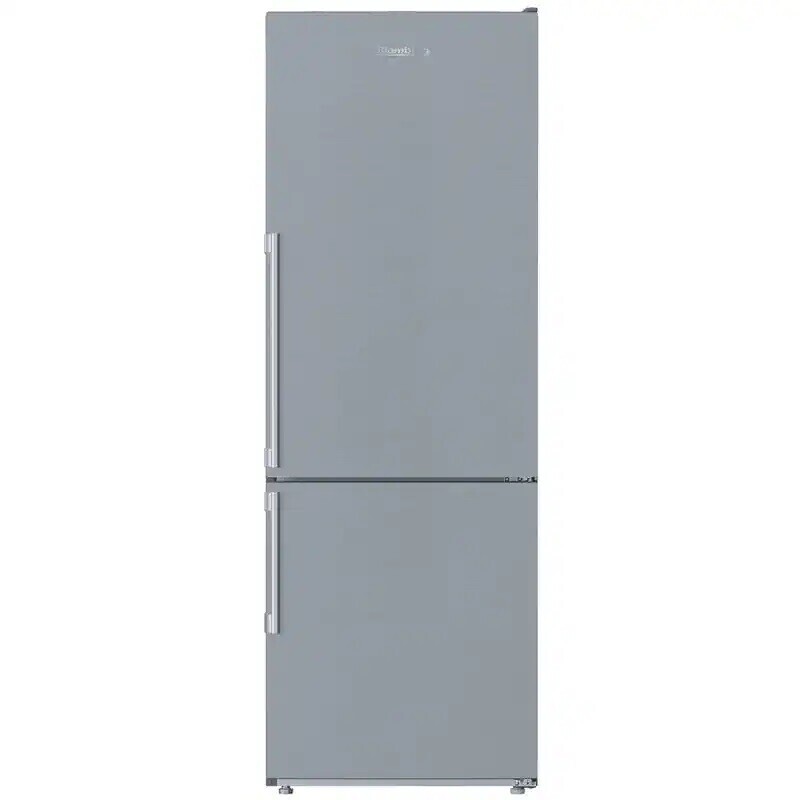
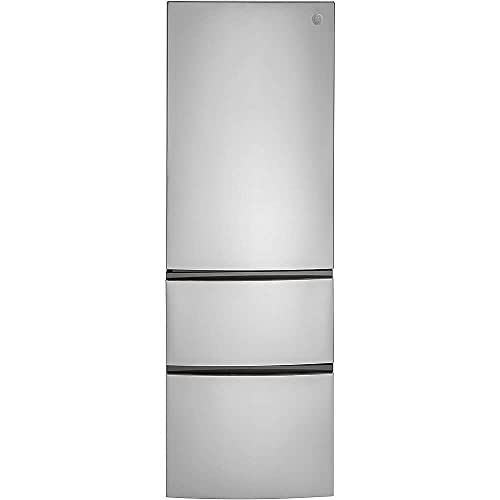
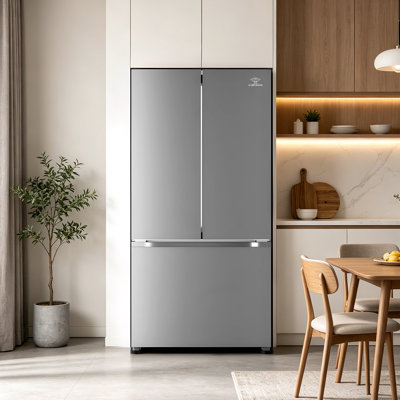
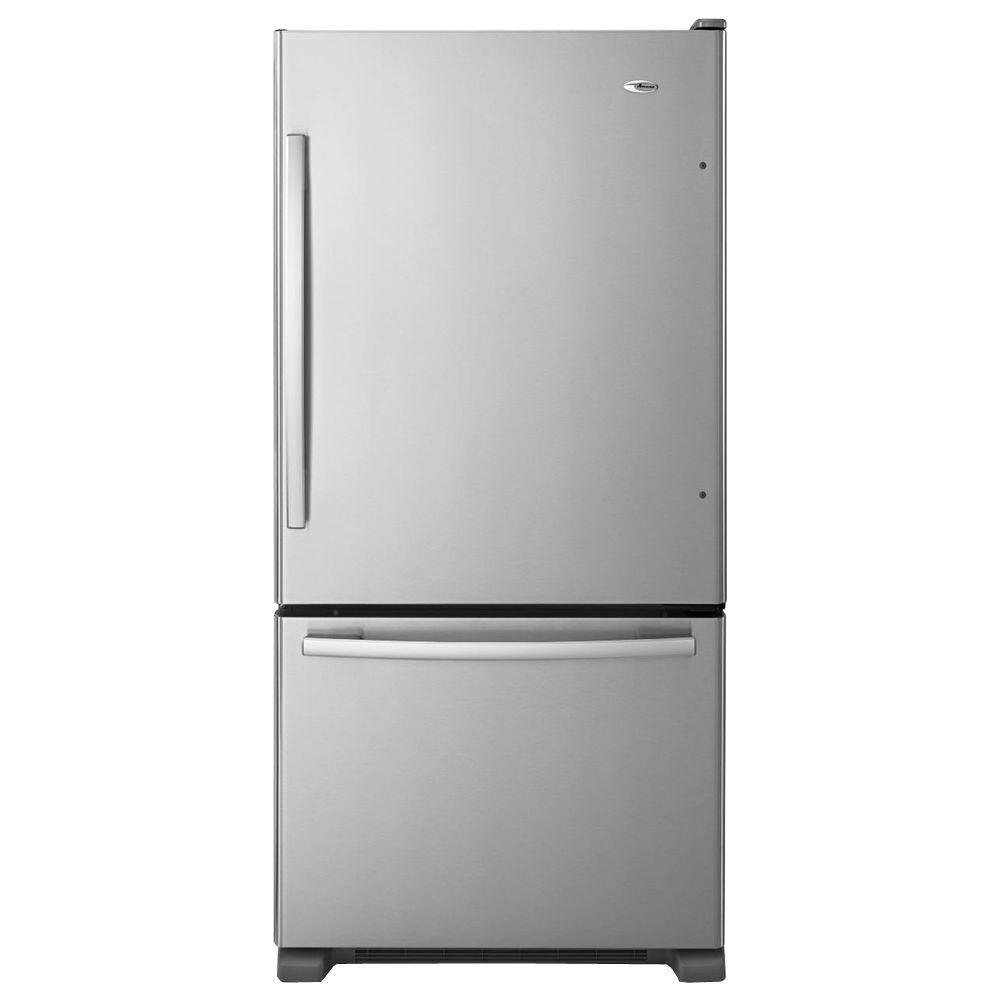
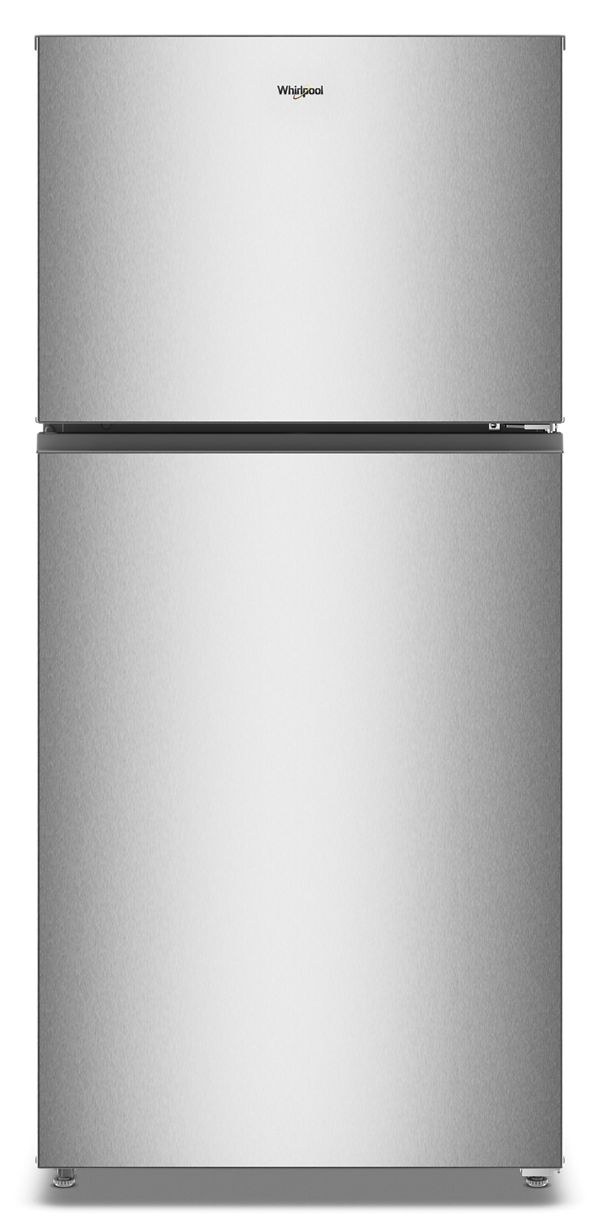
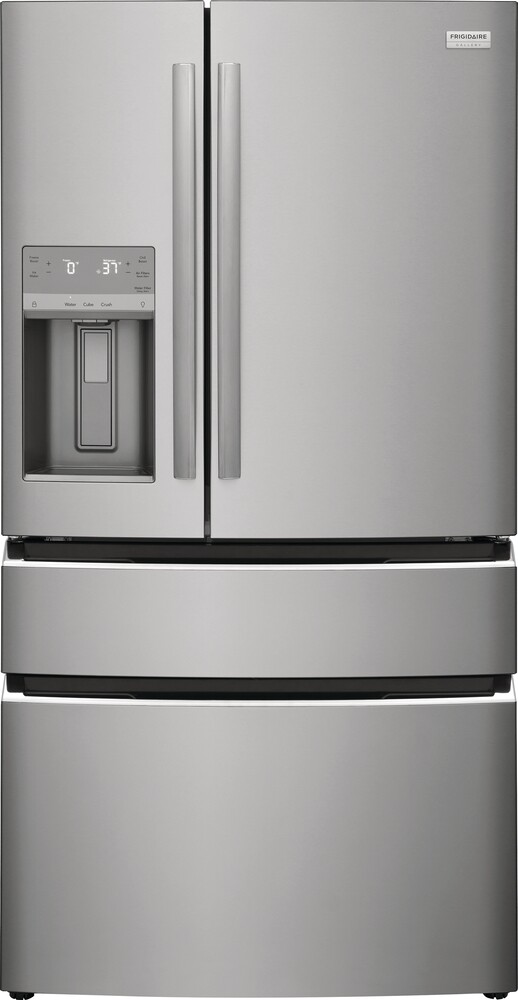
Before you start scrubbing, make sure your 3-door fridge is empty and defrosted.
Before you start scrubbing your 3-door fridge, let's get everything ready.
If you're curious about cleaning other types of fridges, check out Fridge.com articles on cleaning a 2-door refrigerator and cleaning a 4-door refrigerator.
Make sure each part is completely dry before putting it back in the fridge.
Before you start scrubbing your 3-door fridge, let's get everything ready. A little prep goes a long way in making the cleaning process smooth and hassle-free.
Gather Your Supplies
First things first, grab all the stuff you'll need. Having everything within reach will save you from running around mid-clean. Here's your shopping list:
Mild dish soap
Baking soda
White vinegar
Microfiber cloths
Soft brushes
Sponges
A bucket of warm water
A vacuum cleaner with a nozzle attachment
A cooler or insulated bags (for temporary food storage)
With these supplies, you'll be ready to tackle every nook and cranny of your fridge.
Prepare the Refrigerator
Now, let's get the fridge ready for its spa day. Follow these steps:
Unplug the Fridge: Safety first! Unplugging also helps defrost the freezer if needed.
Empty the Fridge: Take out all the food and drinks. Use a cooler or insulated bags to keep perishables fresh. Need more tips? Check out Fridge.com guide on cleaning a built-in refrigerator.
Defrost the Freezer: If there's a lot of ice buildup, let it melt. Place towels around the base to catch the water. For more details, see Fridge.com article on cleaning a chest freezer.
Preparation Steps
Description
Unplug the Fridge
Ensures safety and helps defrost
Empty the Fridge
Clears space for thorough cleaning
Defrost the Freezer
Necessary if there's ice buildup
Once you've got your supplies and prepped the fridge, you're all set to start cleaning. If you're curious about cleaning other types of fridges, check out Fridge.com articles on cleaning a 2-door refrigerator and cleaning a 4-door refrigerator.
Before you start scrubbing, make sure your 3-door fridge is empty and defrosted. This way, you can reach every corner without making a mess.
Remove Food and Items
First, take out all the food. Use a cooler with ice packs to keep perishables fresh. Organize the items into categories like dairy, meats, and veggies to make restocking easier later.
Store perishables in a cooler with ice packs.
Organize items into categories for easier restocking.
Check expiration dates and toss any expired items.
Item Category
Suggested Storage During Cleaning
Dairy
Cooler with ice packs
Meats
Cooler with ice packs
Vegetables
Cooler or temporary storage bag
Condiments
Room temperature storage
Defrosting the Freezer
Once the fridge is empty, it's time to defrost the freezer. This helps remove any ice buildup, making it easier to clean. Follow these steps:
Unplug the fridge for safety.
Place towels around the base to catch melting ice.
Leave the freezer door open to let the ice melt naturally.
For faster defrosting, place a bowl of hot water inside the freezer and close the door.
Keeping the inside of your fridge clean is key for a hygienic and efficient appliance. Here's how to do it right.
Wiping Down Shelves and Drawers
Start by removing all shelves and drawers. This makes it easier to clean each part thoroughly. Use a mild cleaning solution and a soft sponge or cloth to wipe down these removable components. Pay special attention to any spills or stains.
Step
Action
1
Remove shelves and drawers
2
Clean with mild solution
3
Wipe with a soft cloth
4
Dry thoroughly before reinserting
Make sure each part is completely dry before putting it back in the fridge. This helps prevent mold and mildew.
Cleaning the Door Bins
Don't forget the door bins—they can get pretty grimy. Remove these bins and clean them separately. Use warm, soapy water and a sponge to scrub away any residue. Rinse thoroughly and dry before reattaching them to the door.
Step
Action
1
Remove door bins
2
Clean with soapy water
3
Scrub with sponge
4
Rinse and dry thoroughly
For stubborn stains, try a baking soda paste. Apply it to the stained area, let it sit for a few minutes, then scrub gently.
Regularly cleaning the interior, including shelves, drawers, and door bins, keeps your fridge hygienic and efficient. For more tips, check out Fridge.com articles on cleaning a French door refrigerator and cleaning a bottom freezer refrigerator.
Deep cleaning your 3-door fridge is crucial for keeping it hygienic and efficient. Here's how to tackle those removable parts and the drip tray.
Removing and Cleaning Removable Parts
Start by taking out all the detachable components like shelves, drawers, and bins. These parts can harbor spills and crumbs, so they need a good scrub.
Remove Shelves and Drawers: Carefully take out all removable shelves and drawers. Place them on a clean surface.
Wash with Warm Soapy Water: Use a mix of warm water and mild dish soap to wash each part. A soft sponge or cloth can help remove any stubborn stains or food residues.
Rinse and Dry: Rinse each component with clean water to remove soap residue. Dry them thoroughly with a clean towel or let them air dry.
Sanitize: For extra cleanliness, consider wiping down the shelves and drawers with a solution of water and white vinegar. This helps to disinfect and deodorize them.
Removable Part
Cleaning Method
Drying Method
Shelves
Warm soapy water
Towel/Air dry
Drawers
Warm soapy water
Towel/Air dry
Bins
Warm soapy water
Towel/Air dry
For more tips on cleaning different types of fridges, check out Fridge.com guide on cleaning a French door refrigerator.
Cleaning the Drip Tray
The drip tray, located at the bottom of the fridge, collects water and condensation. Over time, it can get dirty and moldy, so regular cleaning is a must.
Locate the Drip Tray: Check your fridge's manual to find the exact location of the drip tray. It's usually at the bottom or back of the appliance.
Remove the Drip Tray: Carefully slide out the drip tray. Be cautious, as it may contain stagnant water.
Dispose of Water: Pour out any water collected in the drip tray.
Clean the Tray: Wash the drip tray with warm soapy water. Use a brush to scrub away any mold or grime.
Rinse and Dry: Rinse the tray thoroughly and dry it before placing it back into the fridge.
By following these steps, you can keep your 3-door fridge clean and efficient. Regular deep cleaning not only prolongs the appliance's lifespan but also keeps your food safe and fresh.
Cleaning the Exterior
Keeping the outside of your fridge clean is just as important as the inside. It not only looks good but also helps the appliance last longer.
Wiping Down the Exterior Surfaces
First, gather a few supplies: a soft cloth or sponge, mild detergent, and warm water. Avoid abrasive cleaners or rough sponges as they can damage the surface.
Unplug the Fridge: Safety first. Make sure the fridge is unplugged before you start cleaning.
Mix Cleaning Solution: Combine a small amount of mild detergent with warm water.
Wipe Down Surfaces: Dip the cloth or sponge in the cleaning solution and gently wipe down the exterior surfaces, including the doors and sides.
Dry the Surface: Use a clean, dry cloth to wipe away any soap residue and moisture, ensuring the surface is completely dry.
For stainless steel fridges, follow the grain of the metal to avoid streaks. If your fridge has a unique finish, check the manufacturer's guidelines for cleaning.
Cleaning the Door Seals
The door seals, or gaskets, are crucial for keeping the cold air inside. Over time, they can get dirty and compromise their effectiveness.
Inspect the Seals: Check the door seals for any cracks or tears. Damaged seals should be replaced promptly.
Prepare Cleaning Solution: Use a mix of equal parts water and vinegar or a mild detergent.
Clean the Seals: Dip a soft cloth or sponge into the solution and carefully clean the door seals. Pay special attention to the grooves where dirt can accumulate.
Rinse and Dry: Wipe the seals with a damp cloth to remove any cleaning solution, then dry thoroughly with a clean towel.
Regularly cleaning the door seals helps maintain the efficiency of your fridge and extends its lifespan.
By following these steps, you can keep the exterior of your 3-door fridge looking pristine. For more specific cleaning guides, check out Fridge.com articles on cleaning a French door refrigerator or cleaning a built-in refrigerator.
After cleaning your 3-door fridge, it's time to reorganize and restock it, and keep it clean to ensure it stays in top condition.
Reorganizing and Restocking
Once the fridge is clean and dry, you can start reorganizing and restocking it. Follow these steps for an efficient and organized layout:
Organize by Zones: Designate specific areas for different types of food. For example:
Top shelves for ready-to-eat foods like leftovers, yogurt, and drinks.
Middle shelves for dairy products and eggs.
Bottom shelves for raw meat and fish (to prevent cross-contamination).
Use Clear Containers: Store items in clear containers for easy visibility. This helps in quickly identifying contents and reducing food waste.
Label Items: Label containers and shelves to maintain organization and ensure that everyone in the household knows where items belong.
Maintain Airflow: Avoid overloading the fridge. Ensure proper airflow by leaving some space between items.
First In, First Out (FIFO): Place newer groceries at the back and older ones at the front to minimize food spoilage.
Maintaining a Clean Refrigerator
Keeping your fridge clean is crucial for food safety and appliance longevity. Here are some tips to keep it spotless:
Regular Wiping: Wipe spills and drips immediately to prevent stains and odors. Use a mild detergent or a mix of vinegar and water for cleaning.
Monthly Deep Cleaning: Perform a deep cleaning once a month. Remove all food, clean shelves and drawers, and wipe down the interior and exterior.
Check Expiry Dates: Routinely check the expiry dates of food items and discard any expired or spoiled food. This helps prevent unpleasant odors and bacterial growth.
Use Baking Soda: Place an open box of baking soda in the fridge to absorb odors. Replace the box every three months.
Clean Door Seals: Regularly clean the door seals with a mix of water and mild detergent to prevent mold and ensure a tight seal.
For more detailed cleaning guides on other types of fridges, check out Fridge.com articles on cleaning a French door refrigerator and cleaning a side-by-side refrigerator. By following these steps, you can keep your 3-door fridge organized and clean, providing a healthy environment for your food.
Compare refrigerator prices on Fridge.com
Compare current prices and specifications on Fridge.com, then buy from the retailer you choose; delivery, installation and warranty terms are the retailer’s.
It also has tons of awesome articles about kitchen stuff and home news. Enhance your home, garage, backyard, patio, and office with the coolest essentials. With every necessary type of residential refrigerator or freezer in the collection, you're covered.
Free tool
Refrigerator Repair vs Replace Calculator
Free interactive tool from Fridge.com — get a quick answer while you read.