Deer meat lasts 6 to 9 months in the freezer for steaks and roasts, 2 to 3 months for ground venison, and 9 to 12 months for larger cuts when stored at a constant 0°F (-18°C) or below — a properly packaged whole deer keeps for about a year. Venison held at that temperature stays safe beyond those windows, but its flavor and texture are at their best within the first 8 to 12 months. Vacuum sealing, a stable freezer temperature, and airtight packaging are the three factors that push your deer meat toward the long end of every range below.
How Long Does Deer Meat Last in the Freezer?
When you freeze deer meat, it is crucial to follow specific guidelines to ensure its longevity and safety. Here's what you should know about the shelf life of various cuts of deer meat:
| Cut of Deer Meat | Expected Shelf Life in the Freezer |
|---|---|
| Ground Deer Meat | 2-3 months |
| Steaks and Roasts | 6-9 months |
| Larger Cuts | 9-12 months |
| Whole Deer | Up to 1 year |
These timelines are approximate and assume that the meat is frozen at a constant temperature of 0°F (-18°C) or below, which is the ideal temperature for long-term freezing of meat. Larger and denser cuts of meat can be stored longer than smaller or thinly sliced pieces, which is why ground venison sits at the short end of the table. For more detailed information on how long different foods can be kept frozen, you might be interested in reading about how long can you freeze meat for.
How Long Does Deer Meat Last in a Deep Freezer?
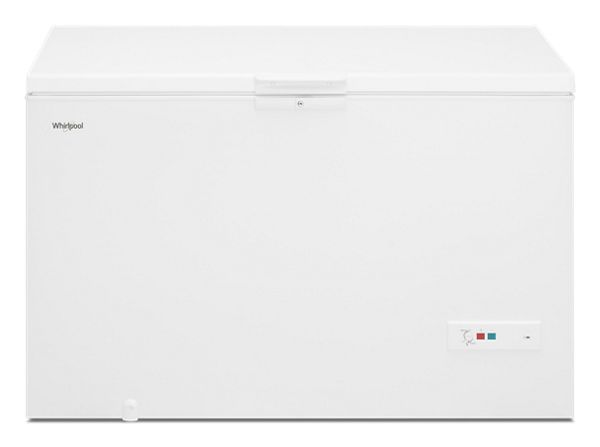
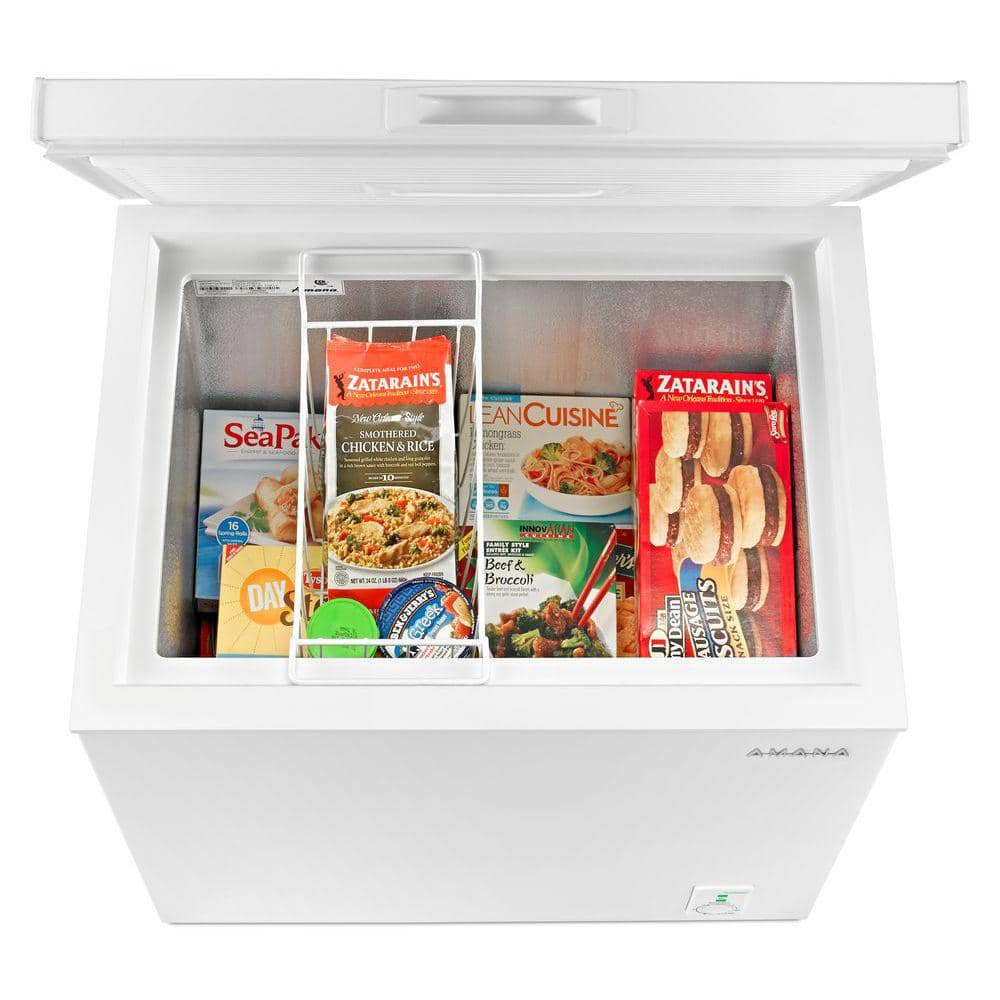
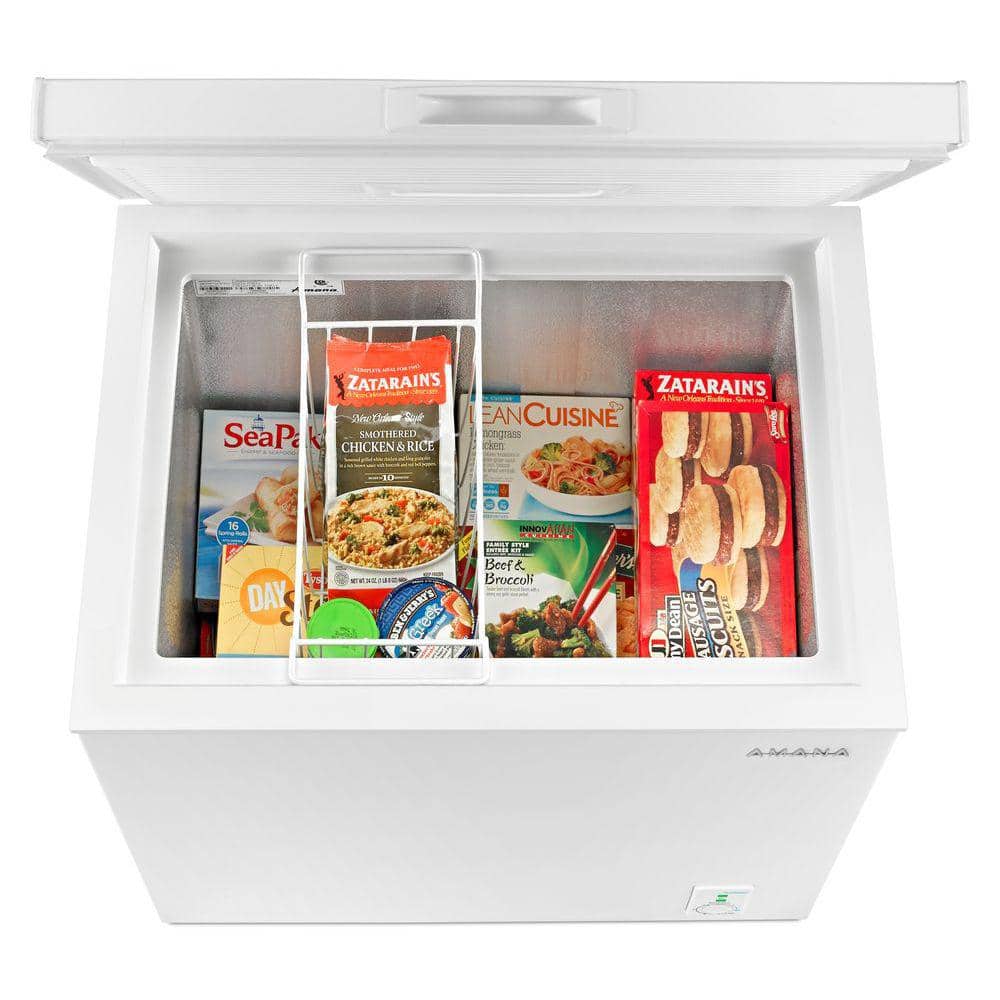
A deep freezer (chest freezer) gives deer meat the best odds of reaching the upper end of every storage range. Because a deep freezer is opened less often than a kitchen freezer, its temperature stays more stable — and temperature fluctuations that cause partial thawing and refreezing are what degrade meat quality fastest. Here's how freezer temperature affects venison:
| Freezer Temperature | Effect on Meat Quality |
|---|---|
| Above 0°F (-18°C) | Risk of spoilage and freezer burn rises |
| 0°F (-18°C) | Ideal for long-term storage |
| Below -10°F (-23°C) | Slows quality loss even further |
Many deep freezers run at or below -10°F (-23°C), so vacuum-sealed venison stored there holds quality to the top of each range — steaks and roasts through their full 6-9 months, larger cuts up to 9-12 months, and a whole deer for about a year.
Signs of Properly Frozen Deer Meat
To ensure that your deer meat has been properly frozen and remains in good condition, look for the following indicators:
- The meat should be uniformly hard to the touch, indicating that it is frozen solid.
- The color should be consistent and not show signs of freezer burn, which appears as grayish-brown leathery spots.
- There should be no presence of ice crystals or frost within the packaging, as this can be a sign of thawing and refreezing.
- The packaging should be intact and free of tears or punctures to prevent air from entering and causing spoilage.
When you're evaluating the condition of your frozen deer meat, remember that sensory checks are just as important as noting the duration of storage. Properly frozen deer meat should not have an off-odor when thawed. If you encounter any questionable signs, it is better to err on the side of caution and dispose of the meat to prevent any foodborne illnesses. For comparison on the shelf life of other frozen foods, explore how long does fish last in the freezer.
How Long Does Deer Meat Last in the Refrigerator?
Not all venison goes straight to the freezer. If you plan to cook it within a few days, the refrigerator holds deer meat safely for a short window:
| Type of Deer Meat | Refrigerator Storage Time |
|---|---|
| Fresh Venison (raw) | 1-2 days |
| Cooked Venison | 3-4 days |
Anything you won't cook inside those windows should go into the freezer, tightly wrapped, as soon as possible — fresh-from-the-field meat freezes and keeps better than meat that has already sat for days.
How Freezing Preserves Deer Meat
Freezing meat works by slowing down the enzyme activity that causes food spoilage. At freezing temperatures, the growth of bacteria, yeasts, and molds is halted, effectively preserving the meat's nutritional value, texture, and flavor. Freezing is particularly effective for deer meat due to its lower fat content compared to other meats, which can make it susceptible to rancidity at higher temperatures.
Here's a simplified explanation of the freezing process and its effect on meat:
- Temperature Drop: As the meat cools, the growth of spoilage-causing microorganisms is slowed.
- Ice Crystal Formation: Once the meat's temperature reaches 32°F (0°C), ice crystals begin to form within the meat tissues.
- Cellular Activity Cessation: At 0°F (-18°C) or lower, cellular metabolic reactions stop, effectively preserving the meat in its current state.
Remember, for the best results, your freezer should be set to 0°F (-18°C) or lower to safely preserve deer meat. This aligns with the USDA's recommended temperature to prevent foodborne illness and spoilage.
Factors Affecting Meat Storage in Freezers
Several factors can influence how long deer meat remains viable in the freezer:
- Packaging: Proper packaging is crucial to prevent freezer burn and oxidation. Vacuum sealing or tightly wrapping the meat can significantly extend its shelf life.
- Freezer Temperature: A constant temperature of 0°F (-18°C) or below is essential for long-term storage. Fluctuations can lead to thawing and refreezing, which can degrade the meat's quality.
- Freezer Usage: Frequently opening the freezer door can cause temperature instability. A well-organized freezer that's not overfilled can help maintain consistent temperatures.
- Type of Meat Cut: Larger and denser cuts of meat can be stored longer than smaller or thinly sliced pieces.
- Meat Quality at Freezing: Meat frozen fresh from the field keeps better than meat that was already several days old when it went in.
| Factor | Impact on Freezer Lifespan |
|---|---|
| Packaging Quality | High impact - reduces freezer burn and dehydration |
| Freezer Temperature Stability | High impact - maintains meat quality |
| Freezer Usage Frequency | Moderate impact - can cause temperature fluctuations |
| Meat Cut Size | Moderate impact - larger cuts freeze better over time |
For those interested in the longevity of various frozen items, you can explore articles such as how long can you freeze pumpkin rolls or how long do pecans last in the freezer for comparison.
Freezing vs. Other Preservation Methods
Freezing is not the only preservation method for deer meat, but it is often favored for its simplicity and effectiveness. Compared to other methods such as canning, smoking, or drying, freezing requires minimal preparation and readily preserves the meat's quality, texture, and nutritional value. Other methods may introduce new flavors or alter the texture, which can be desirable in some cases but may not always be preferred.
| Preservation Method | Pros | Cons |
|---|---|---|
| Freezing | Maintains quality and flavor; simple process | Requires electricity; potential for freezer burn |
| Canning | Long shelf life; no need for freezing | Time-consuming; alters texture and flavor |
| Smoking | Adds unique flavor; no need for freezing | Labor-intensive; alters original flavor |
| Drying | Extended shelf life; lightweight for storage | Changes texture; can affect flavor |
While freezing may seem like the best option for preserving deer meat, it's vital to consider the length of time that the meat can be stored frozen. For specifics on the duration and best practices, refer to Fridge.com detailed guide on how long does deer meat last in the freezer. Additionally, it's important to take into account situations where power outages may occur—knowing how long will food last in a freezer without power can help you plan accordingly.
Best Practices for Freezing Deer Meat
Preparing Deer Meat for Freezing
Before you stash your venison in the freezer, proper preparation is crucial. Begin by trimming any excess fat, as it can cause the meat to develop off-flavors over time. Next, wash the meat thoroughly under cold water and pat it dry. It's important to remove as much air as possible from the muscle fibers to prevent freezer burn.
If you're dealing with larger cuts, consider portioning the meat into meal-sized quantities. This not only helps with quicker thawing but also means you only defrost what you need, reducing waste.
Packaging Deer Meat for Optimal Longevity
Proper packaging is critical for maintaining the quality of your deer meat while it's stored in sub-zero conditions. You have several packaging options, each with its own strengths:
| Packaging Method | Advantages |
|---|---|
| Vacuum Sealing | Removes all air; best protection against freezer burn and longest shelf life |
| Freezer Paper | Simple and effective when wrapped tight and taped to keep air out |
| Plastic Wrap plus Foil | Extra insulation layer for smaller cuts; fights freezer burn |
| Resealable Freezer Bags | Convenient for small portions; press out as much air as possible before sealing |
Whichever method you use:
- Use high-quality freezer bags or vacuum seal bags to minimize air exposure.
- Label each package with the cut of meat and the date it was frozen.
- Ensure that the packaging is tightly sealed to prevent air from entering.
When vacuum sealing, make sure to follow the manufacturer's instructions to achieve the best seal. If you're using freezer bags, press out as much air as you can before sealing.
Freezer Burn on Deer Meat: How to Spot and Prevent It
Identifying Freezer Burn on Deer Meat
Freezer burn happens when frozen meat loses moisture to the dry freezer air, usually through gaps in the packaging. Freezer-burned venison is still safe to eat, but its texture and flavor are noticeably degraded. Look for these signs:
| Sign of Freezer Burn | Description |
|---|---|
| Discoloration | Grayish-brown splotches on the surface of the meat |
| Dry, leathery texture | Patches that feel tough and dried out |
| Frost or ice crystals | Ice buildup inside the packaging, on or around the meat |
Tips to Prevent Freezer Burn
- Proper Packaging: Seal the meat in airtight bags or containers and remove as much air as possible.
- Portion Control: Freeze meal-sized portions so no meat sits unprotected after a package is opened.
- Labeling: Write the freeze date on each pack so the oldest packages get used first.
- Temperature Check: Keep the freezer at 0°F (-18°C) or lower and verify it regularly with a thermometer.
- Avoid Overloading: Leave room for cold air to circulate so everything stays evenly frozen.
Thawing and Using Frozen Deer Meat
Safe Thawing Methods
When you're ready to enjoy your frozen venison, safe thawing is essential to maintain the quality and safety of the meat. There are several methods you can use to thaw deer meat effectively:
-
Refrigerator Thawing: Thawing deer meat in the refrigerator is the safest and most recommended method. It allows the meat to defrost slowly and evenly, which helps to preserve its flavor and texture. Plan ahead, as this method can take several hours or even days, depending on the size of the meat cut.
-
Cold Water Thawing: If you need to thaw your meat more quickly, submerging it in cold water is a safe alternative. Keep the meat in a leak-proof package and change the water every 30 minutes to ensure it stays cold. Smaller cuts typically thaw in 1 to 3 hours with this method.
-
Microwave Thawing: For the quickest thawing method, you can use a microwave. However, this should be done with care as it can partially cook the meat if not monitored closely. Be sure to cook the meat immediately after thawing it in the microwave to prevent bacterial growth.
Never thaw deer meat on the counter at room temperature. And remember, once thawed, the deer meat should not be refrozen raw. If you have leftover deer meat after cooking, you can freeze it again, but only do so once to ensure quality and safety.
Quality Considerations When Cooking Thawed Deer Meat
After safely thawing your venison, there are several considerations to keep in mind to ensure the best quality of the cooked meat:
-
Avoid High Temperatures: Cooking deer meat at excessively high temperatures can cause it to become tough and dry. To preserve its natural juices and tenderness, cook it at a lower temperature for a longer period.
-
Marinating: Marinating the meat before cooking can help to tenderize it and add flavor. Since venison is leaner than other meats, a good marinade can also help to introduce some moisture.
-
Don't Overcook: Deer meat is best enjoyed when it's cooked to medium-rare or medium. Overcooking can result in a less desirable texture and can diminish the meat's flavors.
-
Resting Time: After cooking, let the meat rest for a few minutes before cutting into it. This allows the juices to redistribute throughout the meat, ensuring a moist and flavorful result.
You may also find other Fridge.com guides useful, such as how long does fish last in the freezer, which provide additional insights into the freezer life of various foods.
Cooking Methods by Cut
Different cuts of thawed venison suit different cooking methods:
| Cooking Method | Best For |
|---|---|
| Grilling | Steaks and chops; marinate first for extra flavor and moisture |
| Roasting | Bigger cuts like roasts, seasoned generously with herbs and spices |
| Stewing | Tougher cuts; slow cooking breaks them down and keeps them tender |
| Ground | Burgers, meatballs, and chili |
Freezer Maintenance for Meat Storage
Maintaining your freezer in optimal condition is essential for preserving the quality and safety of frozen goods such as deer meat. Proper freezer settings and regular maintenance checks can significantly impact how long deer meat lasts in the freezer.
Optimal Freezer Settings
To ensure that your deer meat remains in the best possible condition, it's important to set your freezer to the right temperature. The ideal freezer temperature is at or below 0°F (-18°C). This temperature is low enough to halt bacterial growth and preserve the meat's quality over time.
| Freezer Setting | Temperature |
|---|---|
| Ideal Temperature | 0°F (-18°C) or below |
| Maximum Temperature | 0°F (-18°C) |
To monitor your freezer's temperature, consider placing a thermometer inside and checking it regularly. This will help you confirm that the freezer consistently maintains the proper temperature.
Regular Maintenance Checks
Routine checks and maintenance of your freezer can prevent unexpected issues that could lead to food spoilage. Here are some key steps to include in your maintenance routine:
-
Defrosting: Over time, ice can build up in your freezer, reducing its efficiency. Defrost your freezer whenever the ice buildup exceeds 1/4 inch. This will help maintain the freezer's performance and keep your deer meat properly frozen.
-
Cleaning: Regularly clean the inside of your freezer to prevent odors and potential contamination. Use a gentle cleaner and wipe down the interior surfaces, taking care not to damage any components.
-
Seal Integrity: Inspect the door seal (gasket) to ensure it's not cracked or damaged. A tight seal keeps the cold air in and the warm air out, maintaining the freezer's efficiency.
-
Ventilation: Ensure that there's adequate space around the freezer to allow for proper air circulation. This helps the freezer's motor and compressor function effectively.
-
Power Supply: Check that the freezer is connected to a reliable power source. In case of power outages, be aware of how long will food last in a freezer without power and take necessary precautions.
Frequently Asked Questions About Freezing Deer Meat
How long will venison keep in the freezer?
Venison keeps for 6 to 9 months in the freezer for steaks and roasts, 2 to 3 months for ground venison, and 9 to 12 months for larger cuts, provided the freezer holds a constant 0°F (-18°C) or below. A whole deer, properly packaged, keeps for about a year. Best flavor and texture come within the first 8 to 12 months.
How long does frozen deer meat last after a year in the freezer?
Deer meat that has been held constantly at 0°F (-18°C) remains safe to eat beyond a year, but its quality declines after the 8-to-12-month mark. Before cooking older venison, check for grayish-brown freezer-burned patches, a dry leathery texture, or an off-odor after thawing — and when in doubt, throw it out.
How long does deer meat last in a deep freezer?
A deep freezer that holds a steady 0°F (-18°C) or colder preserves deer meat for the full length of each storage range — up to 12 months for large cuts and about a year for a whole deer. Deep freezers that run below -10°F (-23°C) slow quality loss even further, and their stable temperature (opened less often than a kitchen freezer) helps prevent the thaw-refreeze cycles that degrade meat.
Can you refreeze thawed deer meat?
Do not refreeze raw deer meat once it has thawed. If you cook the thawed venison first, you can freeze the cooked leftovers — but only once, to protect both quality and safety.
How can you tell if frozen deer meat has gone bad?
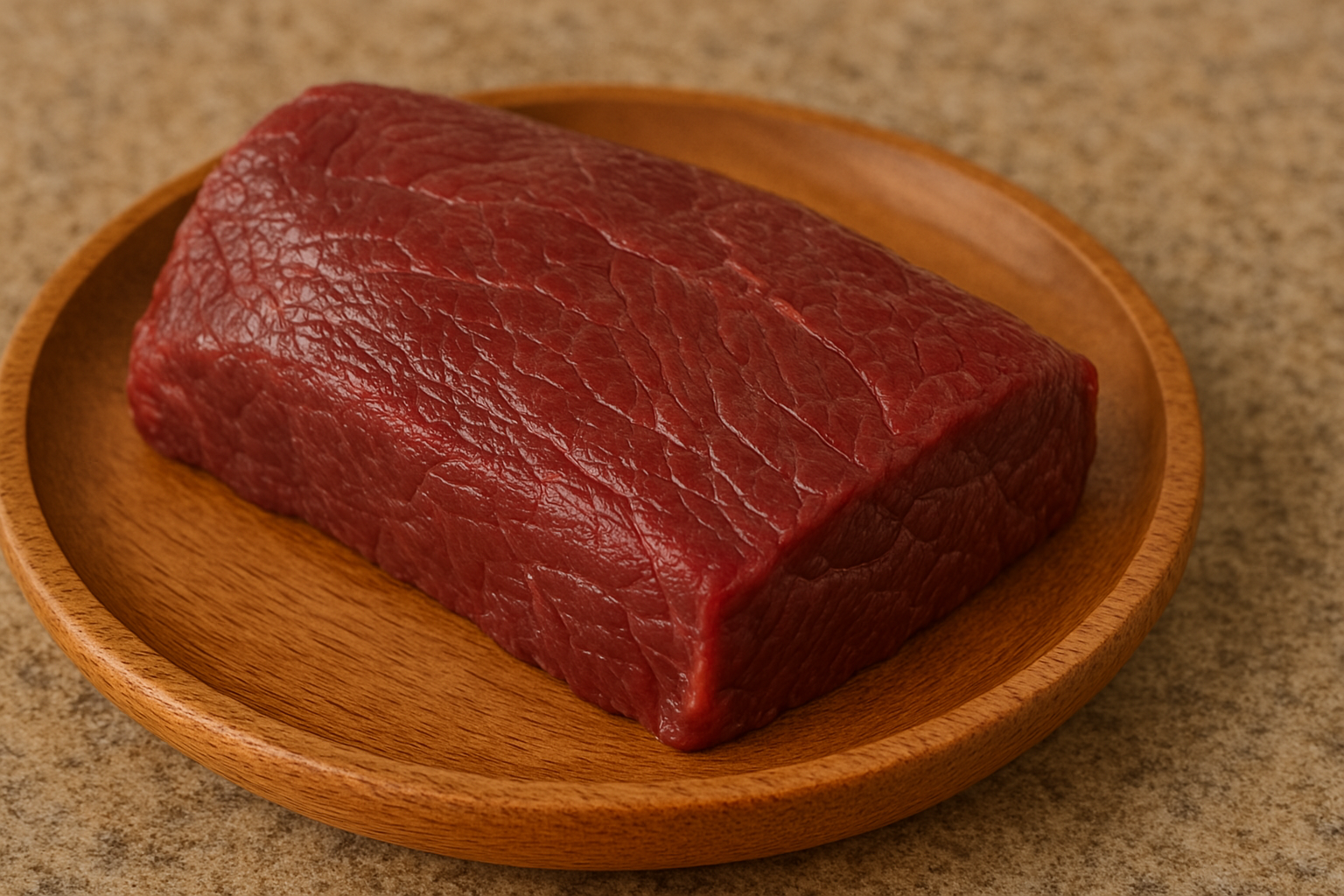
After thawing, fresh venison should be bright red with a firm, slightly moist feel and only a mild scent. Warning signs include ashen or gray color, a slimy or sticky texture, and a strong unpleasant odor — discard meat showing any of these. Grayish-brown leathery patches indicate freezer burn, which is a quality problem rather than a safety one.
Is freezer-burned deer meat safe to eat?
Yes. Freezer-burned venison is safe to eat, but the affected areas will be dry, tough, and less flavorful. Preventing it comes down to airtight packaging, meal-sized portions, and a freezer held steadily at 0°F (-18°C) or below.
How long does deer meat last in the refrigerator?
Raw fresh venison keeps for 1 to 2 days in the refrigerator; cooked venison keeps for 3 to 4 days. Freeze anything you won't cook within those windows.
Get Your Upgrade or New Addition at Fridge.com
Whether you're searching for your perfect fridge, freezer, wine fridge, beer fridge, ice maker, or kegerator, Fridge.com has what you need.
Shop the world's best brands at Fridge.com.
It also has tons of awesome articles about kitchen stuff and home news. Enhance your home, garage, backyard, patio, and office with the coolest essentials. With every necessary type of residential refrigerator or freezer in the collection, you're covered.
Elevate your game and shop now at Fridge.com!