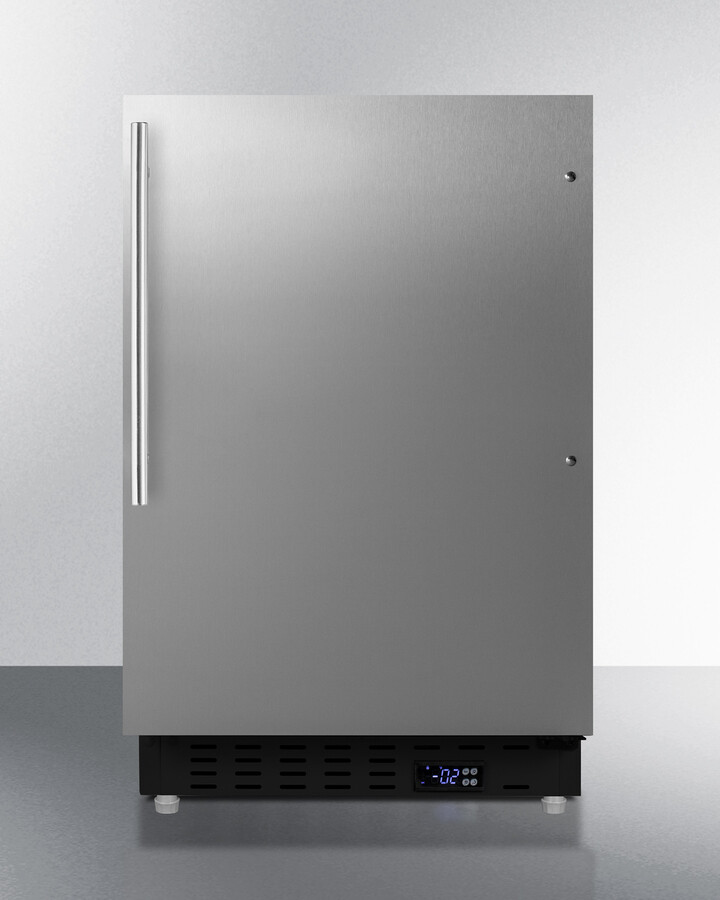
Store fresh fish in the coldest part of the fridge, ideally between 32°F and 38°F (0°C to 3°C), and never let it rise above 40°F (4°C).
Raw fish should never be left out at room temperature — bacteria multiply quickly in the danger zone above 40°F (4°C), so refrigerate or freeze it promptly and discard any fish that has sat out.
Fresh fish should be cleaned, portioned, and frozen as soon as possible at 0°F or colder.
Bacteria multiply quickly above 40°F (4°C), so refrigerate or freeze fish promptly and discard anything that has been left out.
Fish lasts 2 to 8 months in the freezer, depending on the type. Fatty fish such as salmon, trout, and mackerel keep their best quality for 2 to 3 months, while lean white fish such as cod, haddock, and flounder last 6 to 8 months. Shellfish falls in between at 3 to 6 months, and smoked fish holds for about 2 months. Stored constantly at 0°F (-18°C), fish stays safe to eat almost indefinitely, but its texture, flavor, and nutrients degrade over time, so the windows below are about quality rather than safety. In the refrigerator the numbers are much shorter: fresh raw fish keeps just 1 to 2 days and cooked fish 3 to 4 days.
How Long Fish Lasts in the Freezer
The single biggest factor in freezer life is fat content. Oils in fatty fish turn rancid over time even below freezing, which is why salmon and mackerel have a shorter window than lean cod or haddock. Use this table as your reference for best quality at a steady 0°F (-18°C):
Type of Fish
Freezer Life (best quality)
Fatty fish (salmon, trout, mackerel, tuna, sardines)
2–3 months
Lean white fish (cod, haddock, flounder, tilapia, sole)
6–8 months
Shellfish (shrimp, scallops, crab, lobster)
3–6 months
Smoked fish
2 months
Cooked fish
2–3 months
A few forms of fish do not fit neatly into the rows above. Whole gutted fish and fillets follow their own species window — lean fillets keep about 4 to 8 months, while whole lean fish holds up to 6 to 8 months and whole fatty fish only 2 to 3 months. These are quality guidelines, not safety deadlines: fish held at 0°F past these times is generally still safe, just less flavorful and more prone to freezer burn. For related freezer timelines, see Fridge.com guides on how long does deer meat last in the freezer and how long do pecans last in the freezer.
How Long Fish Lasts in the Fridge
Fish spoils fast at refrigerator temperatures because bacteria thrive on it, so the fridge is only a short-term holding spot. Keep raw and cooked fish in the coldest part of the fridge and use it within these windows:
Type of Fish
Refrigerator Life
Fresh (raw) fish
1–2 days
Cooked fish
3–4 days
Smoked fish
up to 14 days
Opened canned fish
up to 5 days
Fat content matters in the fridge too. Oily fish spoils faster than lean fish, so plan to cook it sooner:
Fish
Refrigerator Life
Salmon, mackerel (fatty)
1–2 days
Cod, haddock (lean)
2–3 days
Store fresh fish in the coldest part of the fridge, ideally between 32°F and 38°F (0°C to 3°C), and never let it rise above 40°F (4°C). For the best results, lay fillets on a bed of ice in a shallow dish, cover with plastic wrap, and replace the ice as it melts. Raw fish should never be left out at room temperature — bacteria multiply quickly in the danger zone above 40°F (4°C), so refrigerate or freeze it promptly and discard any fish that has sat out. If you can't cook fresh fish within a day or two, freeze it. For more seafood storage times, see how long sardines last in the fridge and how long crab legs last in the fridge.
Several factors decide how long your fish holds its quality in the freezer. Understanding them helps you get the full window from every fillet:
Type of fish: Fatty fish (salmon, mackerel, trout) has a shorter freezer life than lean fish (cod, haddock, flounder) because its oils oxidize and turn rancid over time.
Freshness before freezing: The fresher the fish when it goes in, the better it comes out. Freeze fish as soon as possible after catching or buying it — fish that has already sat in the fridge for days will not last as long frozen.
Freezing speed: Rapid freezing forms small ice crystals that do less damage to the flesh. Place fish in the coldest part of the freezer so it freezes quickly and keeps its texture.
Temperature: Hold a constant 0°F (-18°C) or below. Temperature swings melt and refreeze ice crystals, which causes freezer burn and speeds quality loss.
Packaging: Air is the enemy. Vacuum sealing or tight wrapping protects fish from the freezer burn and dehydration that degrade flavor and texture.
Good preparation is the difference between fish that tastes fresh after months and fish that comes out dry and off. Clean and portion it first, then wrap it to keep air out.
Cleaning and Prepping Your Fish
Rinse the fish under cold running water to wash away surface bacteria.
For whole fish, scrape off the scales from tail to head, then gut it by cutting from the anus toward the head and removing the entrails and gills.
Rinse the cavity thoroughly to remove blood and residue.
For fillets, check for pin bones and pull any out with tweezers; remove the skin if you prefer.
Pat the fish completely dry with paper towels — excess moisture forms ice crystals and invites freezer burn.
Cut the fish into meal-sized portions so you only thaw what you need and reduce waste.
Packaging Fish for Freezing
Wrap each piece tightly in plastic wrap, heavy-duty aluminum foil, or freezer paper, then slide it into a heavy-duty freezer bag and press out as much air as possible before sealing. Lay the packages flat so they freeze evenly and stack efficiently, and label every package with the type of fish and the date frozen. Different materials protect against freezer burn to very different degrees:
Packaging Method
Protection from Freezer Burn
Plastic wrap
Moderate
Aluminum foil
Good
Freezer bags (air pressed out)
Very good
Vacuum sealing
Excellent
Freezing Fresh vs. Cooked Fish
Fresh fish should be cleaned, portioned, and frozen as soon as possible at 0°F or colder. Cooked fish needs to cool completely first, then go into an airtight container or freezer bag; use frozen cooked fish within about 2 to 3 months for the best taste. For shellfish, cook it before freezing, cool it down, and store it in a sealed container. For other freezer timelines, see how long you can freeze meat for and how long mince can stay in the freezer.
Thawing correctly keeps bacteria at bay and preserves the fish's texture. Never thaw fish on the counter at room temperature. Choose the method that fits your schedule:
Thawing Method
What to Do
Time Required
Refrigerator (best)
Move the fish to the fridge in its wrapping and let it thaw slowly at a safe, steady temperature.
About 8–12 hours per pound, usually overnight (up to 24 hours)
Cold water
Seal the fish in a leak-proof bag and submerge in cold tap water, changing the water every 30 minutes.
1 hour for small portions, 2–3 hours for larger cuts
Microwave
Use the defrost setting and watch closely so the edges don't start cooking; cook immediately after.
A few minutes, depending on wattage
Refrigerator thawing preserves the most quality; cold water is faster but can cost some texture if the bag leaks; the microwave is the harshest and can leave partially cooked, dry edges. Once thawed, cook raw fish within 24 hours, and keep it below 40°F (4°C) until you do. Do not refreeze raw fish that has thawed unless you cook it first.
Previously frozen fish cooks up beautifully with a few adjustments:
Pat it dry: Remove excess moisture with paper towels before cooking, especially for pan-searing, so the fish browns instead of steaming.
Adjust the time: Thawed fish often needs slightly less time than fresh; check for doneness with a fork — it should flake easily.
Cook straight from frozen if needed: You can bake, grill, or broil fish without thawing; just add roughly 50% more cooking time.
Hit the safe temperature: Cook fish to an internal temperature of 145°F (63°C).
Season generously: Herbs, spices, and marinades make up for any subtle flavor lost to freezing. Baking, grilling, and broiling all help retain moisture.
A few easy ways to use it: bake fillets with lemon, garlic, and herbs at 400°F for 20 to 25 minutes; pan-cook white fish until flaky for fish tacos with cabbage and salsa; or simmer fish chunks into a tomato-based stew. Leftover cooked fish also works flaked into a fish salad with mayo and celery, or combined with breadcrumbs and egg into pan-fried fish cakes.
Even properly frozen fish declines over time, and freezer burn or spoilage will show up in look, feel, and smell. Freezer burn itself is not unsafe, but it dries the fish out and dulls the flavor.
Freezer Burn and Frozen-Fish Warning Signs
Discoloration: White, gray, or yellowish patches, or dull color, point to freezer burn or long storage.
Heavy ice crystals: A few crystals are normal; a thick buildup means the fish has been stored too long or exposed to air.
Dry, leathery texture: Surfaces that feel dry, rough, or grainy have lost moisture to freezer burn.
Spoilage Signs After Thawing
Off smell: Fresh fish smells mild and ocean-like. A strong, sour, or ammonia-like odor means it has spoiled — throw it out.
Texture: The flesh should be firm, not mushy, slimy, or falling apart.
Appearance: Dull or discolored flesh is a bad sign. On a whole fish, look for clear, bright eyes; cloudy or sunken eyes mean it is past its prime.
When in doubt, throw it out — it is not worth the risk of foodborne illness. To understand the cause, read Fridge.com guide on how freezer burn happens.
Storing Fish Safely
Avoiding Cross-Contamination
Keep raw fish separate from cooked fish and ready-to-eat foods.
Use one cutting board for fish and a different one for vegetables or other meats.
Wash your hands, knives, and boards in hot, soapy water after handling raw fish.
Store fish on the lowest shelf or in a designated drawer so any drips can't reach other foods, and keep it away from strong-smelling items to prevent flavor transfer.
Freezer Organization and Maintenance
Keep the freezer at a steady 0°F (-18°C) or below and check it with a freezer thermometer.
Defrost the freezer as needed — ice buildup reduces efficiency — and make sure the door seals are airtight.
Don't overload the freezer; leave room for air to circulate so the temperature stays consistent.
Practice first-in, first-out: use the oldest dated packages first so nothing sits past its quality window.
At a constant 0°F (-18°C), fatty fish keeps its best quality for 2 to 3 months, lean white fish for 6 to 8 months, shellfish for 3 to 6 months, smoked fish for about 2 months, and cooked fish for 2 to 3 months.
Can you eat fish that has been frozen for 5 years?
Fish held continuously at 0°F stays safe to eat almost indefinitely, so fish frozen for 5 years is unlikely to make you sick. However, its flavor, texture, and nutritional value will be well past their best and likely freezer-burned. For quality, stick to the windows above.
How long does dried fish last in the freezer?
Because dried fish contains very little moisture — and, for lean varieties, little oil — it resists freezer burn and rancidity longer than fresh fish. Keep it tightly sealed at 0°F, and treat it like lean fish or better for quality. Its low moisture is exactly what makes it store so well.
How long does thawed fish last in the refrigerator?
Cook thawed raw fish within about 24 hours, keeping it below 40°F (4°C) until then. Do not refreeze thawed raw fish unless you cook it first.
Can raw fish stay in the fridge for 4 days?
No. Fresh raw fish keeps only 1 to 2 days in the refrigerator. Four days is too long — freeze the fish instead if you can't use it within a day or two.
Can cooked fish stay in the fridge for 5 days?
Cooked fish, including grilled fish and seafood leftovers, is best used within 3 to 4 days. Five days is past the safe window; when in doubt, throw it out.
How long can fish stay out of the fridge?
Don't leave raw or cooked fish sitting at room temperature. Bacteria multiply quickly above 40°F (4°C), so refrigerate or freeze fish promptly and discard anything that has been left out.
How long do fish sticks last in the freezer?
Commercially frozen breaded fish such as fish sticks follow roughly the same window as fillets. Keep them frozen at 0°F and use them by the best-by date printed on the package for top quality.
Does fish last longer in a deep freezer?
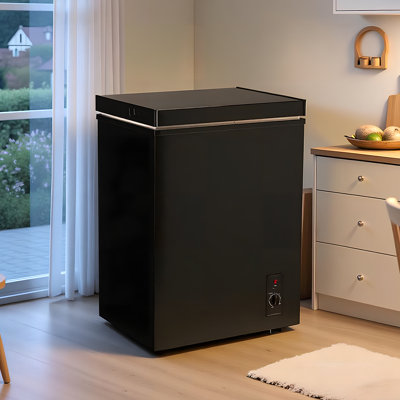
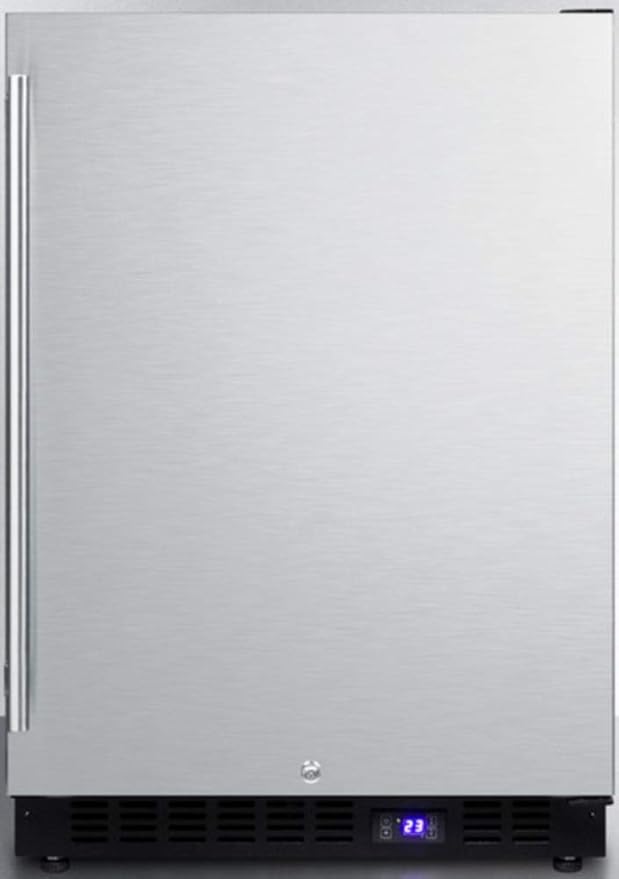
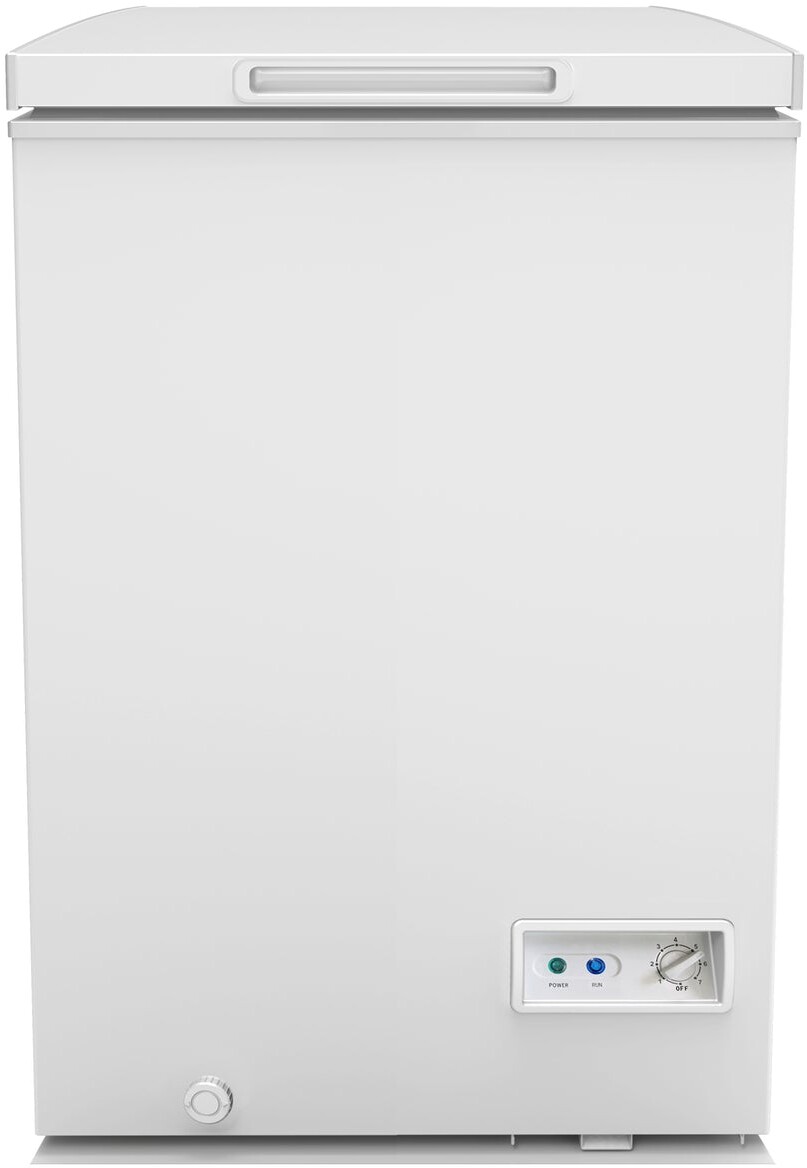
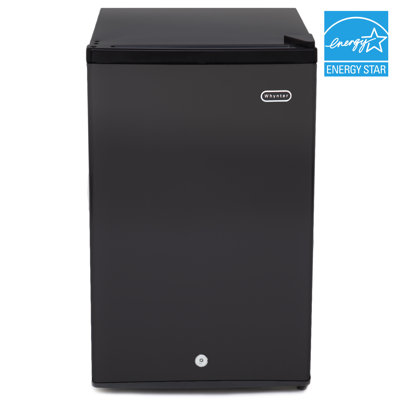
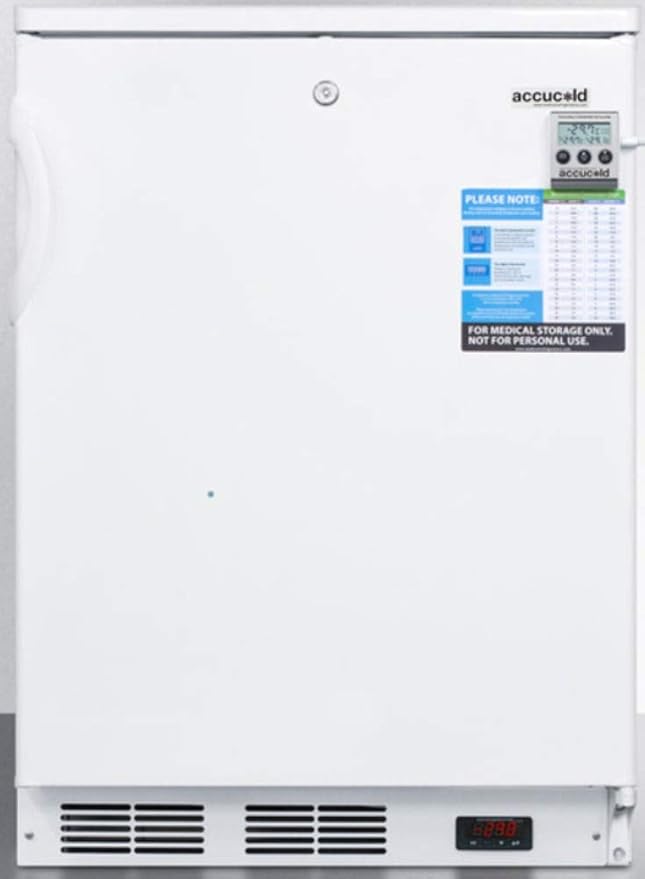
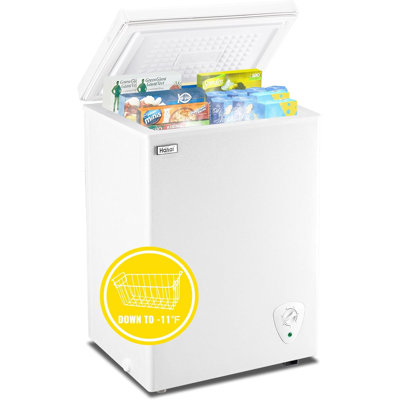
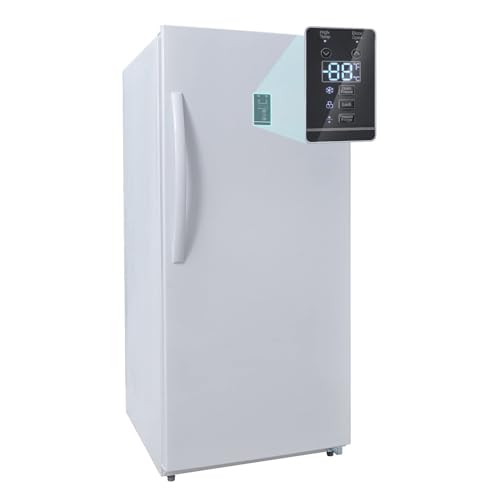
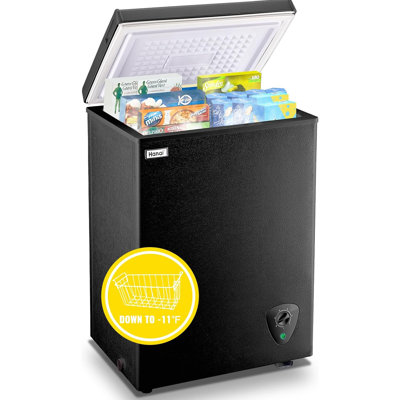
A dedicated deep or chest freezer that holds a steady 0°F with few door openings keeps fish at top quality toward the upper end of each window, since it avoids the temperature swings common in a fridge-freezer.
How do I store fish in the fridge?
Keep fish in the coldest part of the fridge (32°F to 38°F), on a bed of ice or in an airtight container or vacuum-sealed bag. Store raw fish on the lowest shelf, away from cooked and ready-to-eat foods.
Compare prices on Fridge.com
Compare current prices and specifications on Fridge.com, then buy from the retailer you choose; delivery, installation and warranty terms are the retailer’s.
It also has tons of awesome articles about kitchen stuff and home news. Enhance your home, garage, backyard, patio, and office with the coolest essentials. With every necessary type of residential refrigerator or freezer in the collection, you're covered.
Frequently Asked Questions
At a constant 0°F (-18°C), fatty fish keeps its best quality for 2 to 3 months, lean white fish for 6 to 8 months, shellfish for 3 to 6 months, smoked fish for about 2 months, and cooked fish for 2 to 3 months.