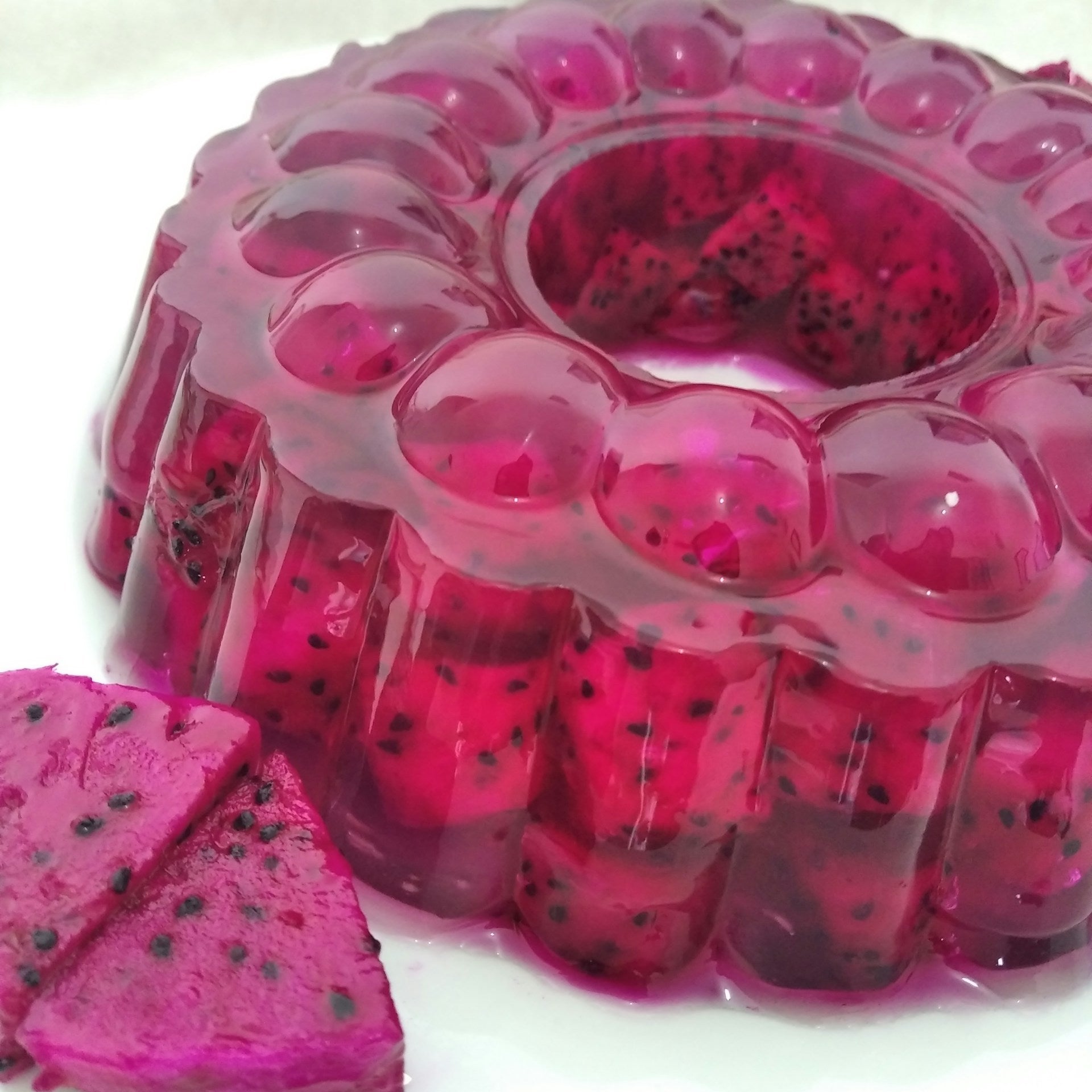
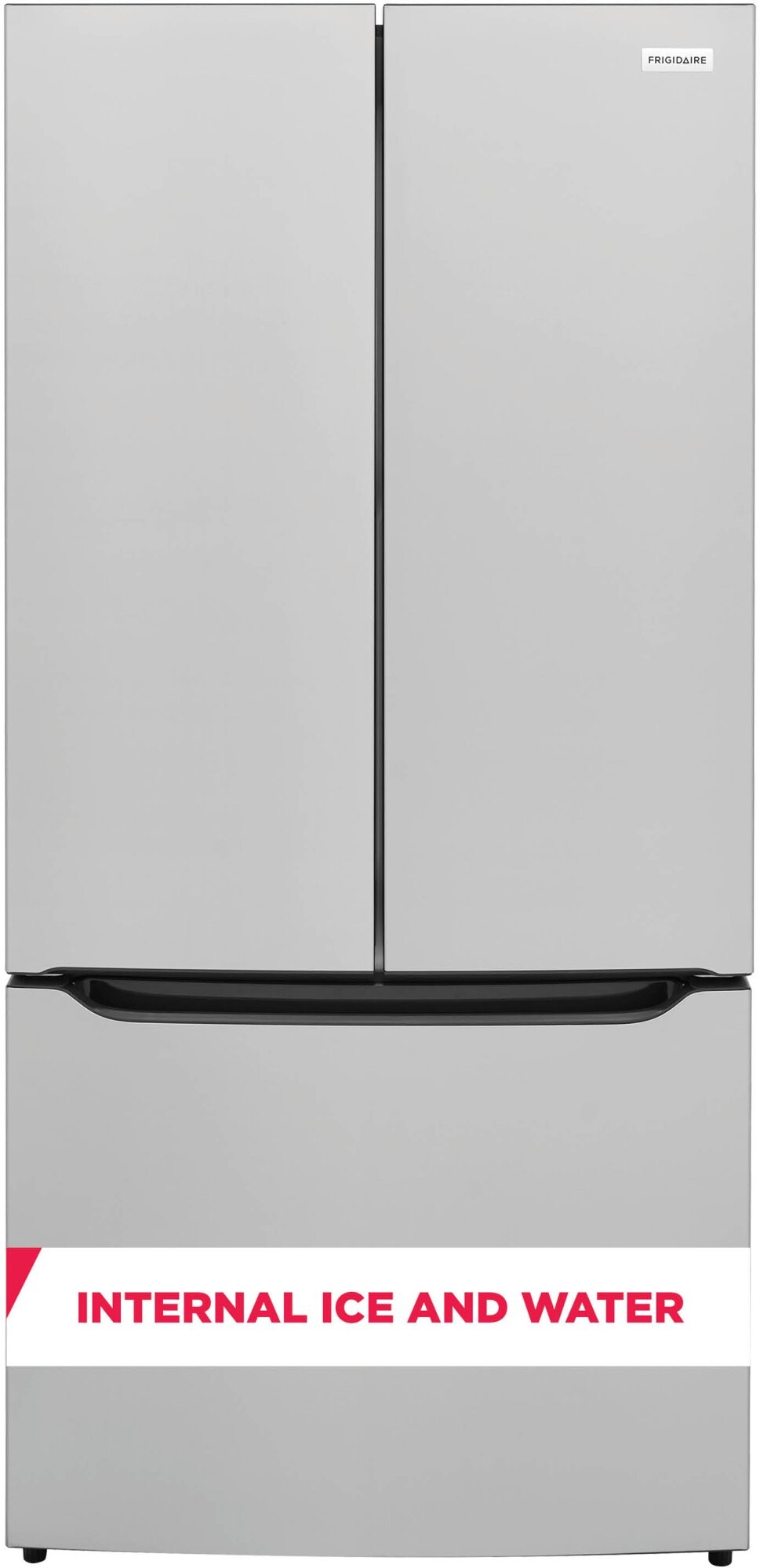
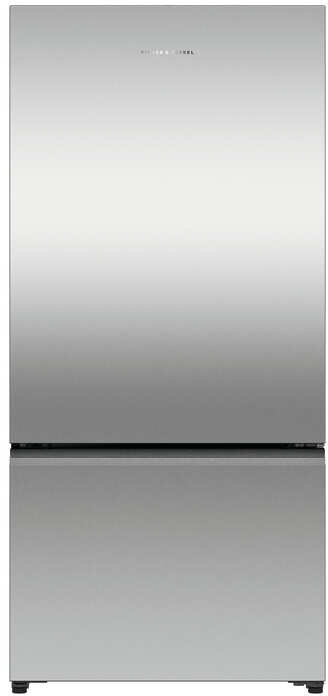
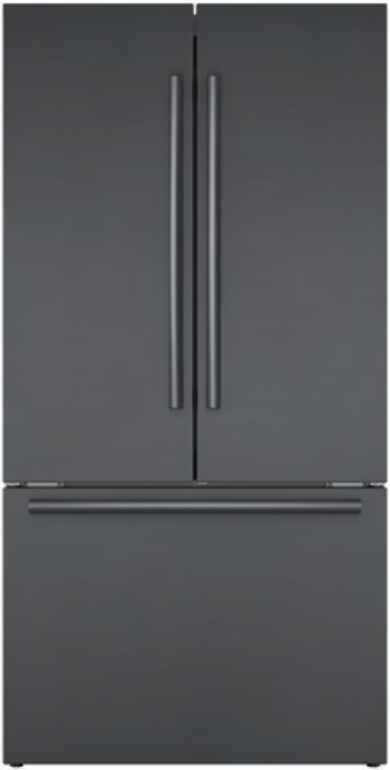
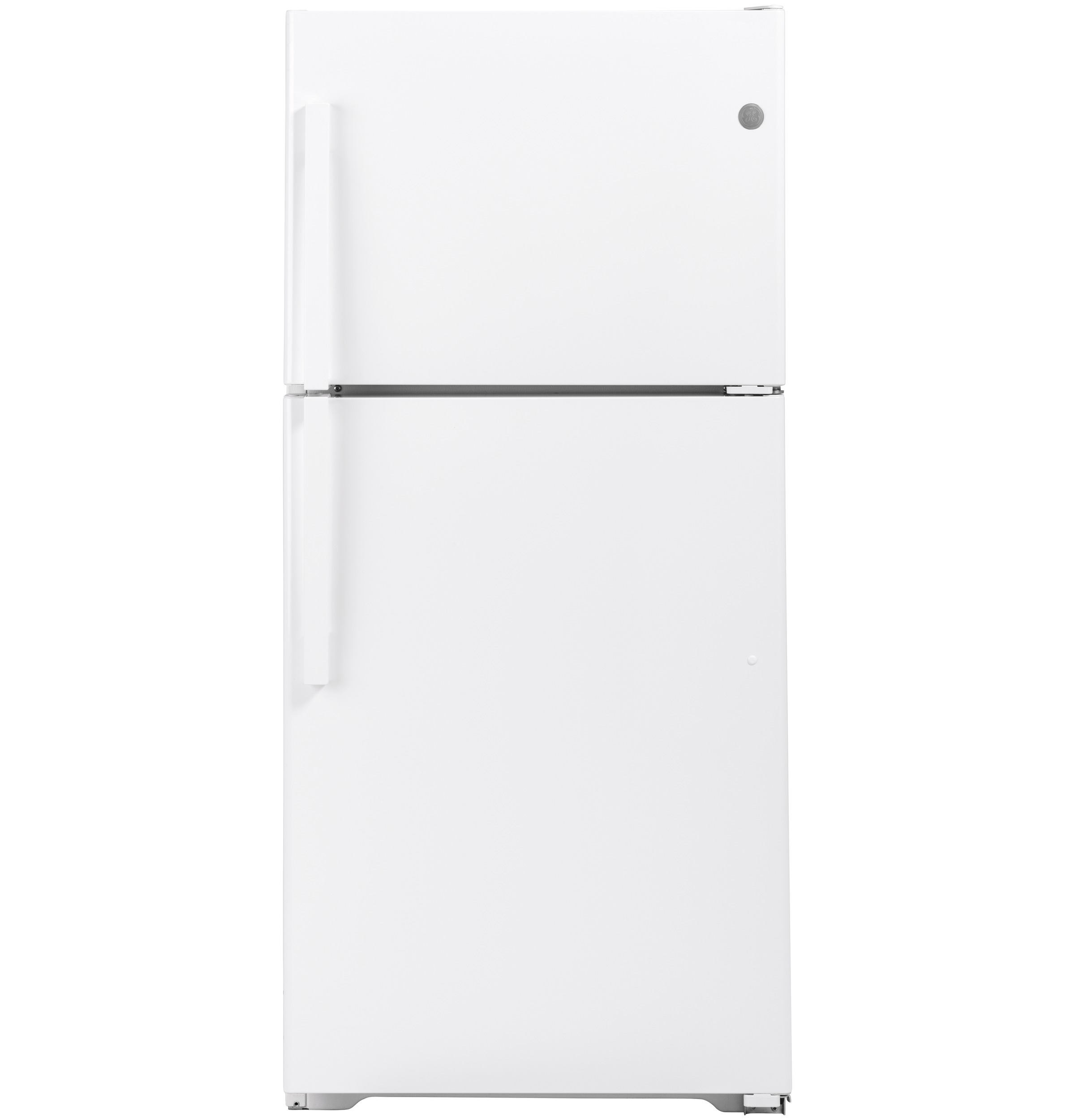
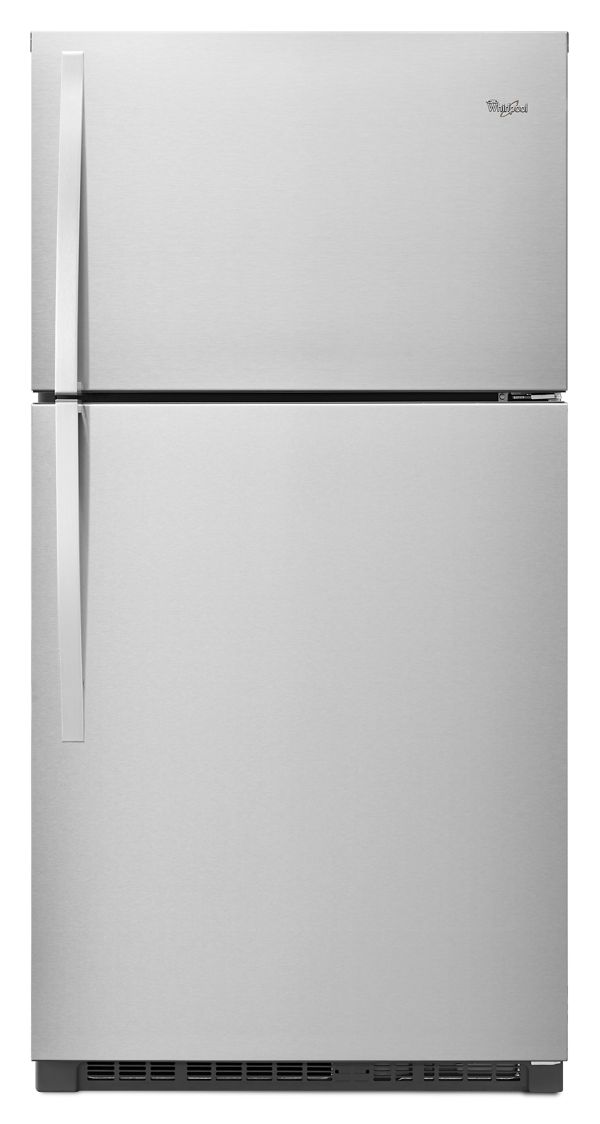
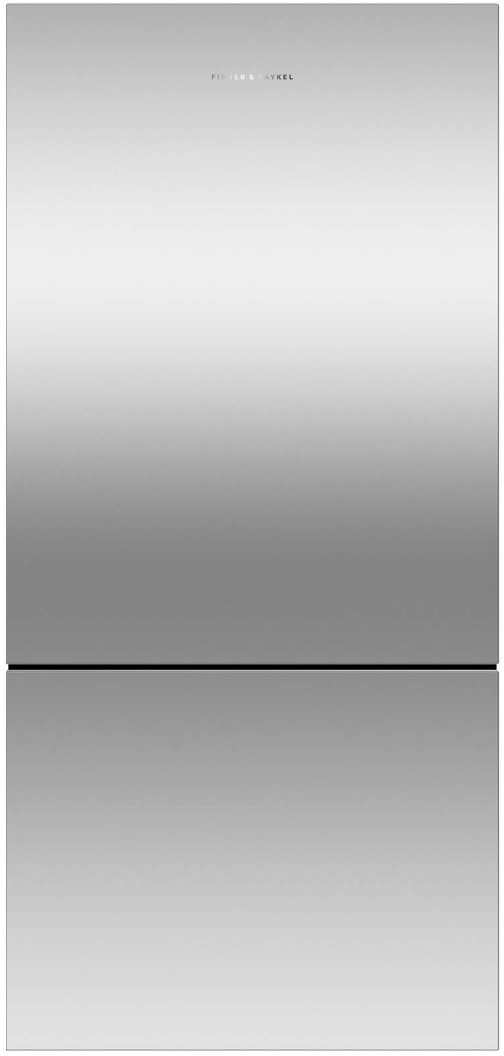
Jelly lasts up to six months in the refrigerator once opened, and an unopened jar keeps for up to two years in a cool, dry pantry. Jelly is a sweet spread made from fruit juice and sugar, usually set with a gelling agent such as pectin, and its high sugar content plus the natural acidity of the fruit are what hold spoilage at bay. Unopened jelly does not have to be refrigerated, but once the seal is broken it should always be stored in the fridge to stay safe and fresh. For a fridge that keeps jars and spreads at a reliable temperature, compare current refrigerators.
Several factors determine how long jelly stays good in the fridge and how quickly it might turn:
Sugar content: Jelly is high in sugar, which acts as a preservative by inhibiting microbial growth. Reduced-sugar jellies spoil faster once opened.
Acidity: The natural acidity of fruit-based jelly helps prevent bacteria and mold, so higher-acid jellies tend to last longer.
Storage temperature: Consistent refrigeration is key. Temperature swings from leaving the jar out promote bacterial growth and shorten shelf life.
Container integrity: After opening, a tightly closed lid protects the jelly from contaminants and keeps it from drying out.
Exposure to contaminants: Double-dipping with an unclean spoon or knife introduces bacteria and crumbs that accelerate spoilage.
Type of jelly: Homemade or reduced-sugar varieties have a shorter shelf life than traditional, store-bought jars.
Shelf Life of Jelly
Understanding how long jelly keeps in the refrigerator lets you enjoy your favorite spread while ensuring it stays safe to eat. Storage guidelines differ for unopened and opened jars.
Unopened Jelly Shelf Life
Unopened jelly has a long shelf life thanks to its high sugar content, which acts as a natural preservative. Stored in a cool, dry pantry or cupboard, an unopened jar can last well beyond the best-before date printed on it, often up to one or two years. Refrigerating an unopened jar is not necessary, but it can extend the life even further by slowing degradation and preventing mold and bacteria.
Storage Location
Expected Shelf Life
Pantry (unopened)
Up to 2 years
Refrigerator (unopened)
2+ years
Opened Jelly Shelf Life
Once opened, jelly should always be stored in the refrigerator to maintain its quality and prevent spoilage. An opened jar of jelly typically lasts up to six months in the fridge, though this can vary with the type of fruit used, the sugar content, and whether preservatives are present. To keep opened jelly fresh for as long as possible, always serve it with a clean utensil to avoid introducing bacteria, and tighten the lid securely after each use.
The longevity of jelly in your fridge is influenced by its sugar content, the type of fruit used, and how well it is sealed. Here is what to look for to determine whether your jelly has gone bad:
Odor: Good jelly has a sweet, fruity smell. Any off, sour, or fermented odor is a clear sign the jelly should be discarded.
Mold growth: Visible mold or yeast, appearing as fuzzy or slimy spots of any color, indicates spoilage. Even if the mold is only on the surface, throw away the entire jar, because the roots can penetrate deep into the jelly.
Texture changes: If the jelly is no longer firm and has become watery or syrupy, it may be starting to spoil.
Taste: If you are unsure, a small taste can be the final judge, but never taste jelly that shows mold or smells bad.
Common Spoilage Indicators
Being aware of these indicators can prevent you from eating spoiled food:
Indicator
Description
Mold
Visible fuzzy or slimy spots of any color
Odor
Sour, yeasty, or fermented smell
Texture
Loss of firmness, liquefaction of the product
Color
Significant darkening or cloudiness
Taste
Off flavor that no longer tastes like the original fruit
Freezing jelly can extend its shelf life even further, especially if you have a large quantity that cannot be used quickly. To freeze jelly properly:
Use a freezer-safe container or bag, and leave some headspace because jelly expands as it freezes.
Divide the jelly into smaller portions so you only thaw what you need.
Label the container with the freezing date to track how long it has been stored.
When you are ready to use frozen jelly, thaw it correctly to preserve its texture and flavor. For guidelines on thawing and using frozen foods, refer to Fridge.com article on how long does plum sauce last in the fridge?, which includes tips that apply to jelly as well.
If you have more jelly than you can use before it spoils, put it to work instead of wasting it:
Marinades and meat glazes: Combine jelly with vinegar and spices to glaze roasted chicken, pork, or mini meatballs; the sugars help tenderize and caramelize the meat.
Pastry filling: Spoon or inject jelly into donuts, tarts, and turnovers before or after baking.
Layered desserts: Add a fruity layer to trifles and parfaits, or use it as a cheesecake topping.
Baked-good glaze: Melt jelly and brush it over pastries or fruit tarts for a glossy finish.
Sweet spreads and sandwiches: Pair jelly with nut butters on toast, bagels, or in wraps for a sweet-savory contrast.
Breakfast stir-ins: Swirl jelly into oatmeal or yogurt for sweetness and a burst of fruit.
Dressings: Whisk jelly with olive oil and balsamic vinegar for a fruity vinaigrette.
Beverages: Stir jelly into sparkling water or cocktails, or add it to homemade bubble tea.
Homemade candies: Use excess jelly as a filling for homemade sweets.
To thaw frozen jelly, transfer it from the freezer to the refrigerator and let it thaw gradually. This slow process preserves the consistency and taste. Thawing at room temperature or in the microwave can cause uneven texture and possible spoilage.
Method
Time
Refrigerator
12-24 hours
Room temperature
Not recommended
Microwave
Not recommended
Best Practices for Frozen Jelly
Once thawed, stir the jelly to even out the consistency; if separation has occurred, a thorough mix helps reintegrate it. Use thawed jelly as soon as possible for the best quality. Additional tips:
Store in airtight containers or resealable freezer bags to prevent freezer burn.
Label containers with the freezing date to track how long the jelly has been stored.
Thaw only the amount you plan to use to avoid waste.
Avoid refreezing jelly after it has thawed, as this can greatly affect its texture and flavor.
Jelly belongs to a family of gel-based fruit spreads that also includes jam and preserves. Jelly is made from strained fruit juice, which gives it a clear, firm, wobbly set, while jam contains crushed fruit and preserves contain fruit pieces. The wobble comes from a gelling agent: pectin in fruit spreads, or gelatin in dessert-style jelly, which forms a network of proteins that traps the liquid. Terminology also varies by region. In the United Kingdom, "jelly" refers to the gelatin dessert that Americans call "jello," whereas in the United States "jelly" usually means the fruit spread. Powdered gelatin, introduced in the 19th century, made the dessert version a household staple. Gelatin-set jelly stays firm when chilled but softens and turns runny at warm temperatures, which is why it is kept in the fridge.
Frequently Asked Questions About Jelly Storage
Does jelly need to be refrigerated?
Unopened jelly does not need refrigeration and can sit in a cool, dry pantry. Once opened, jelly should be refrigerated to prevent mold and keep it fresh for up to six months.
How long is jelly good for after opening?
An opened jar of jelly keeps up to six months in the refrigerator when the lid is sealed tightly and you serve it with clean utensils.
Does jelly go bad or expire in the fridge?
Yes. Even refrigerated, jelly can eventually spoil. Watch for mold, an off or fermented smell, a watery or syrupy texture, or an unusual taste, and discard the whole jar if any appear.
Can you leave jelly out of the fridge?
An unopened jar is fine at room temperature. Opened fruit jelly should go back in the fridge to prevent mold, and gelatin-set jelly (jello-style) softens and turns runny at room temperature, so keep it chilled.
Do you put jelly in the fridge or freezer?
The fridge is the standard place for opened jelly, where it keeps up to six months. Freeze jelly only for long-term storage; in a freezer-safe container with room for expansion it lasts one to two years.
Does jelly expand in the fridge?
Jelly holds its volume in the refrigerator. It expands slightly when frozen, so leave headspace in the container if you plan to freeze it.
How long does set jelly last in the fridge?
Set (gelatin) jelly should be kept refrigerated and is best eaten within the timeframe on its package. Keeping it cold stops it from softening and becoming runny.
How do you know if jelly is bad?
Throw it out if you see mold or fuzzy or slimy spots, smell a sour or fermented odor, notice it has turned watery or syrupy, or taste anything off. When in doubt, throw it out.
Can you put jelly straight in the fridge?
Yes. You can refrigerate jelly right after opening, or after making homemade jelly once it has cooled. Store it in the main body of the fridge at 35-40°F (1.6-4.4°C), away from the door.
Compare prices on Fridge.com
Compare current prices and specifications on Fridge.com, then buy from the retailer you choose; delivery, installation and warranty terms are the retailer’s.
It also has tons of awesome articles about kitchen stuff and home news. Enhance your home, garage, backyard, patio, and office with the coolest essentials. With every necessary type of residential refrigerator or freezer in the collection, you're covered.
Frequently Asked Questions
Jelly lasts up to six months in the refrigerator once opened, and an unopened jar keeps for up to two years in a cool, dry pantry. Jelly is a sweet spread made from fruit juice and sugar, usually set with a gelling agent such as pectin, and its high sugar content plus the natural acidity of the fruit are what hold spoilage at bay. Unopened jelly does not have to be refrigerated, but once the seal is broken it should always be stored in the fridge to stay safe and fresh. For a fridge that keeps jars and spreads at a reliable temperature, compare current refrigerators. To see how the shelf life of jelly compares to other refrigerated items, explore Fridge.com resources on how long mango juice lasts in the fridge and how long shiitake mushrooms last in the fridge.