Aim for it to hang out at 0°F (-18°C) or chillier.
Probably a dumpster dive moment if it tops 40°F (4°C) for more than a couple hours.
Whether you're throwing down at a family cookout or running a killer kitchen, keeping food safe is a solid way to make sure everyone's chowing down happily, even when things don't go as planned.
Once you hit the 24-hour mark without power, you’re in different territory.
Hey, let’s talk about keeping your eats safe in a powerless freezer. You gotta know how long your food can hang in there before it goes sketchy. Figuring out these limits keeps you from gnawing on spoiled grub and dodges those nasty germs that could have you hugging the toilet. Smartly deciding what stays and what goes when the lights go out saves your cash and dodges waste. Whether you're throwing down at a family cookout or running a killer kitchen, keeping food safe is a solid way to make sure everyone's chowing down happily, even when things don't go as planned.
What Messes with Your Freezer's Chill Vibes
There's a handful of stuff that throws down on how well your freezer keeps your goods cool during a power fail. Here's the scoop:
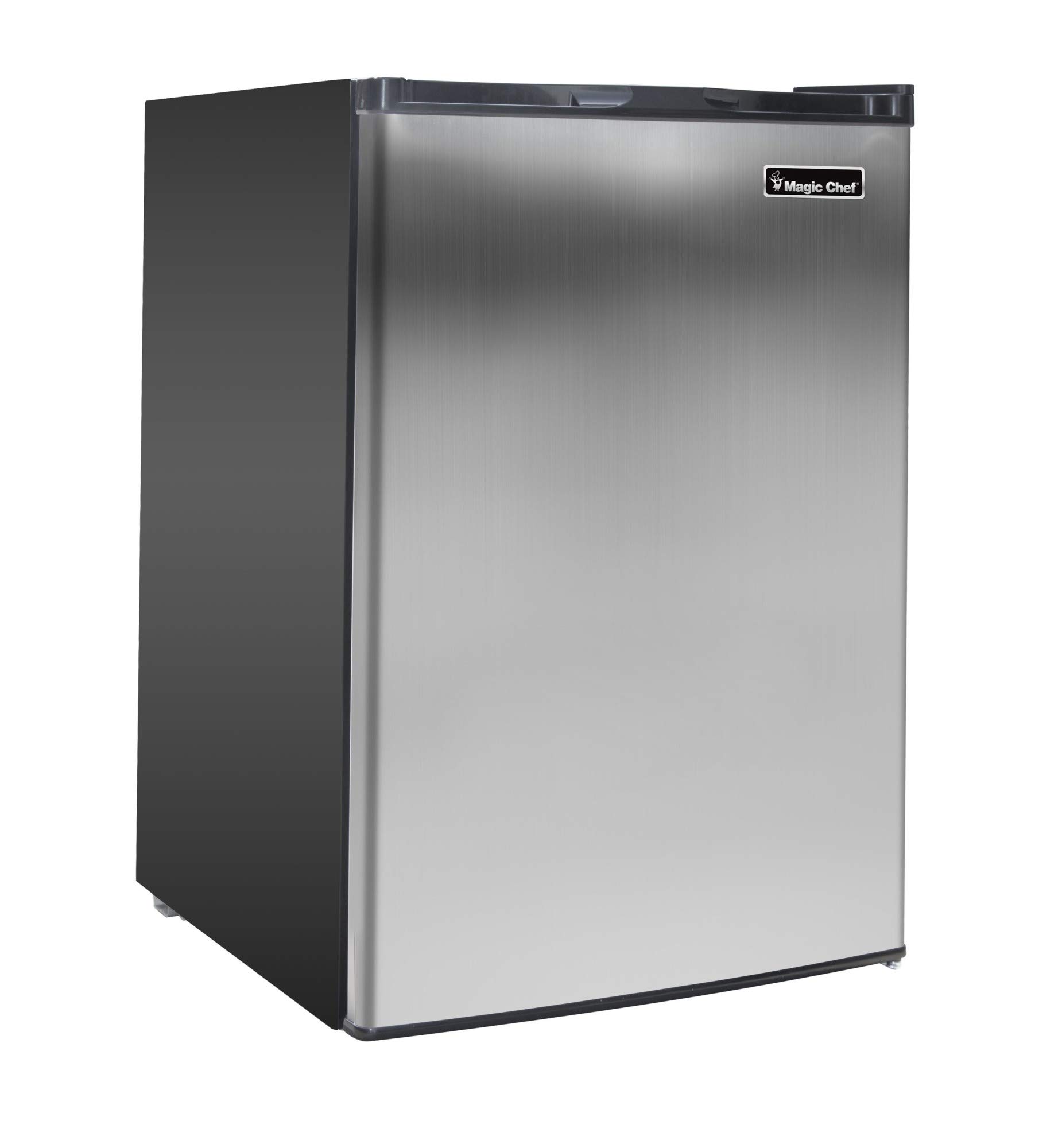
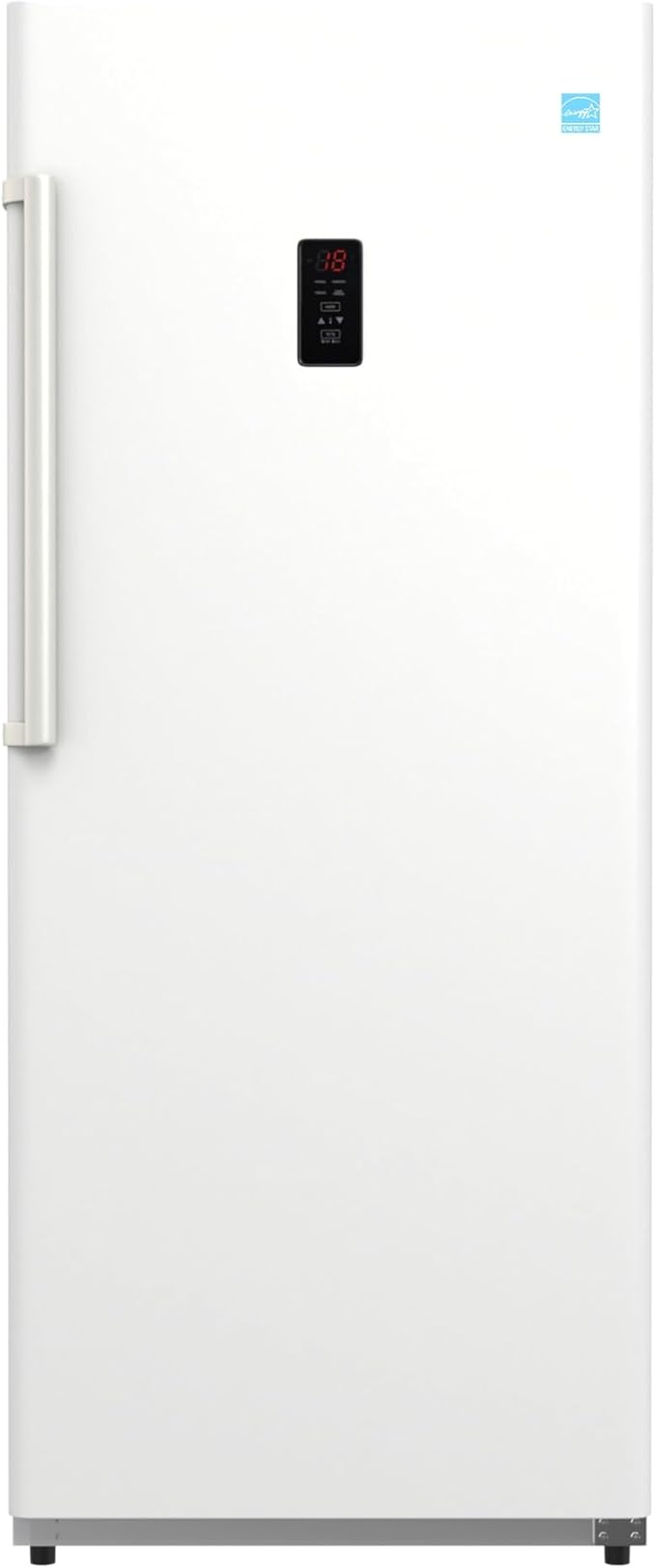
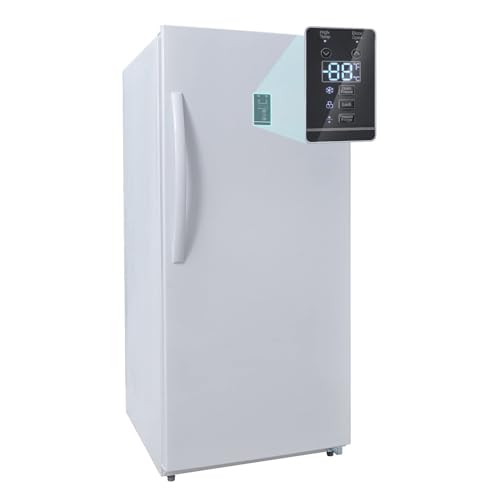
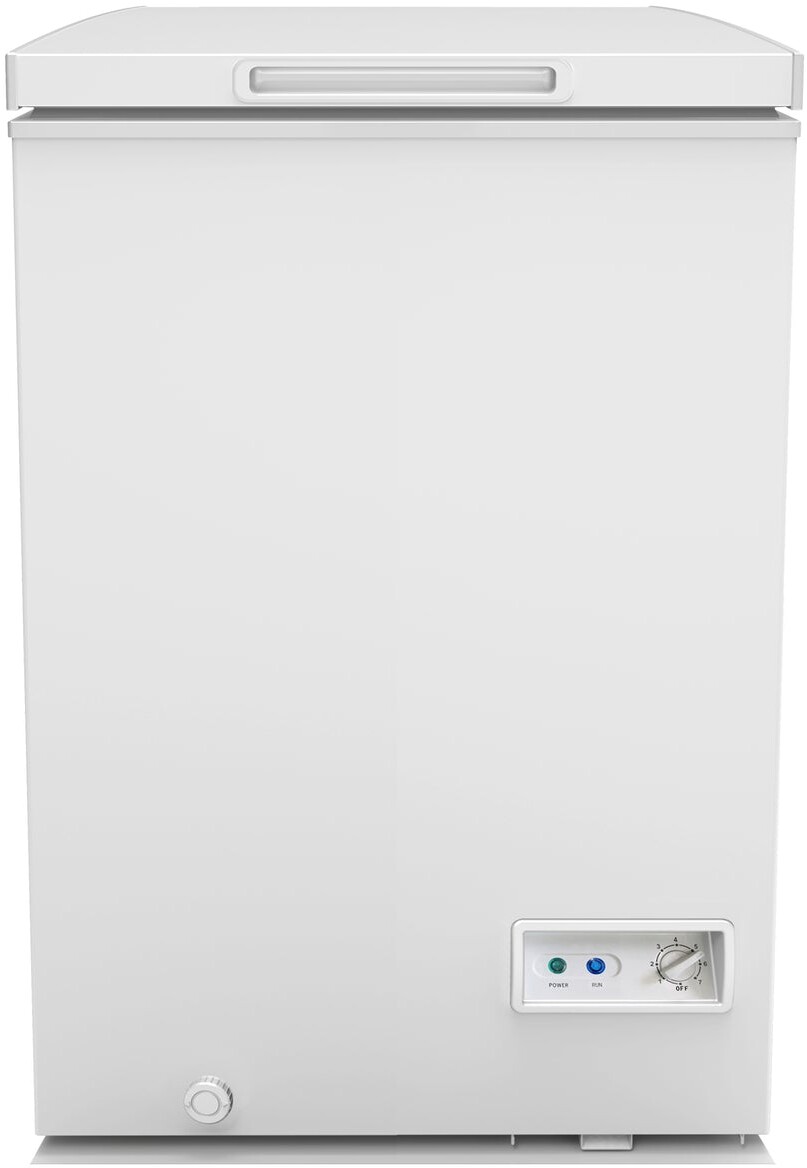
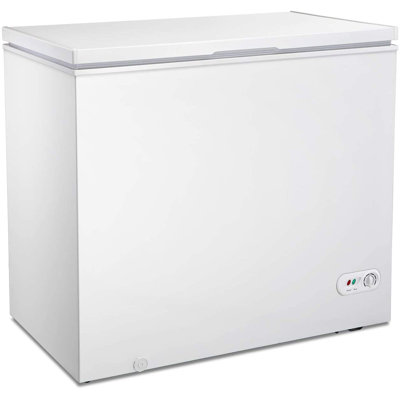
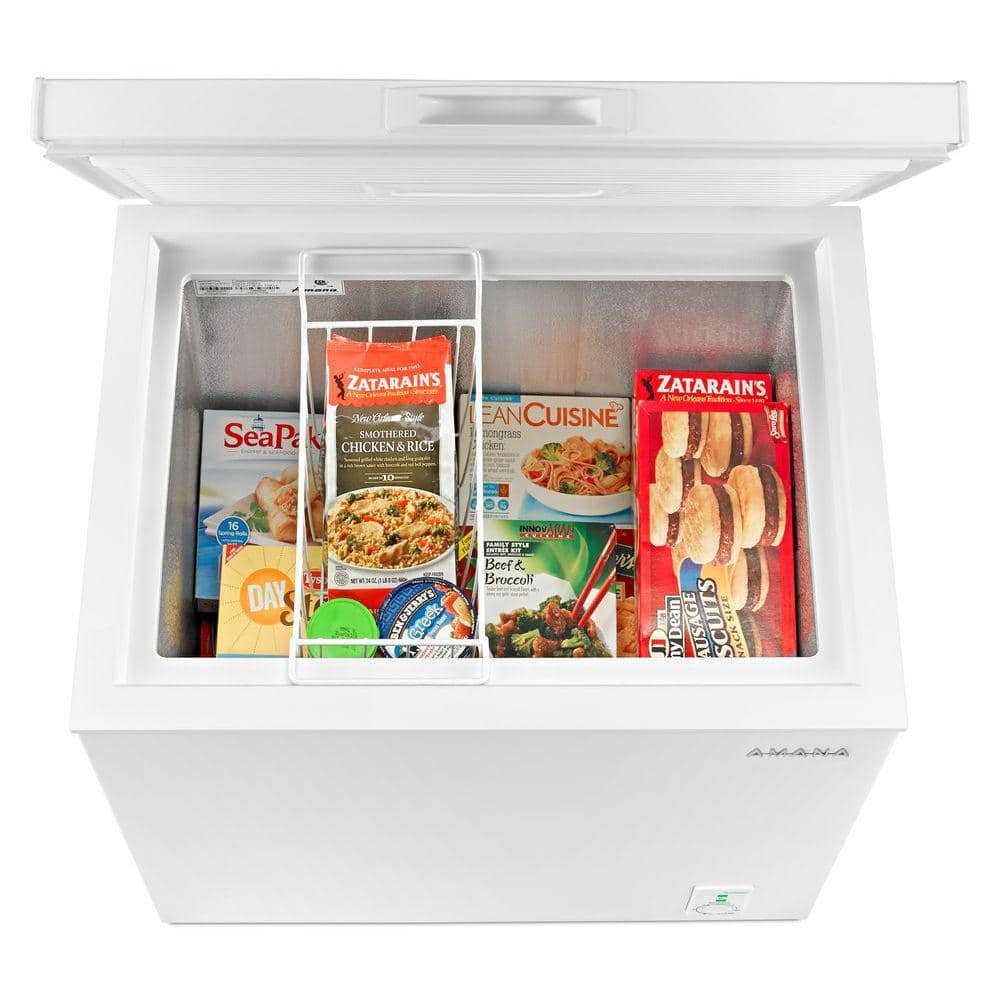
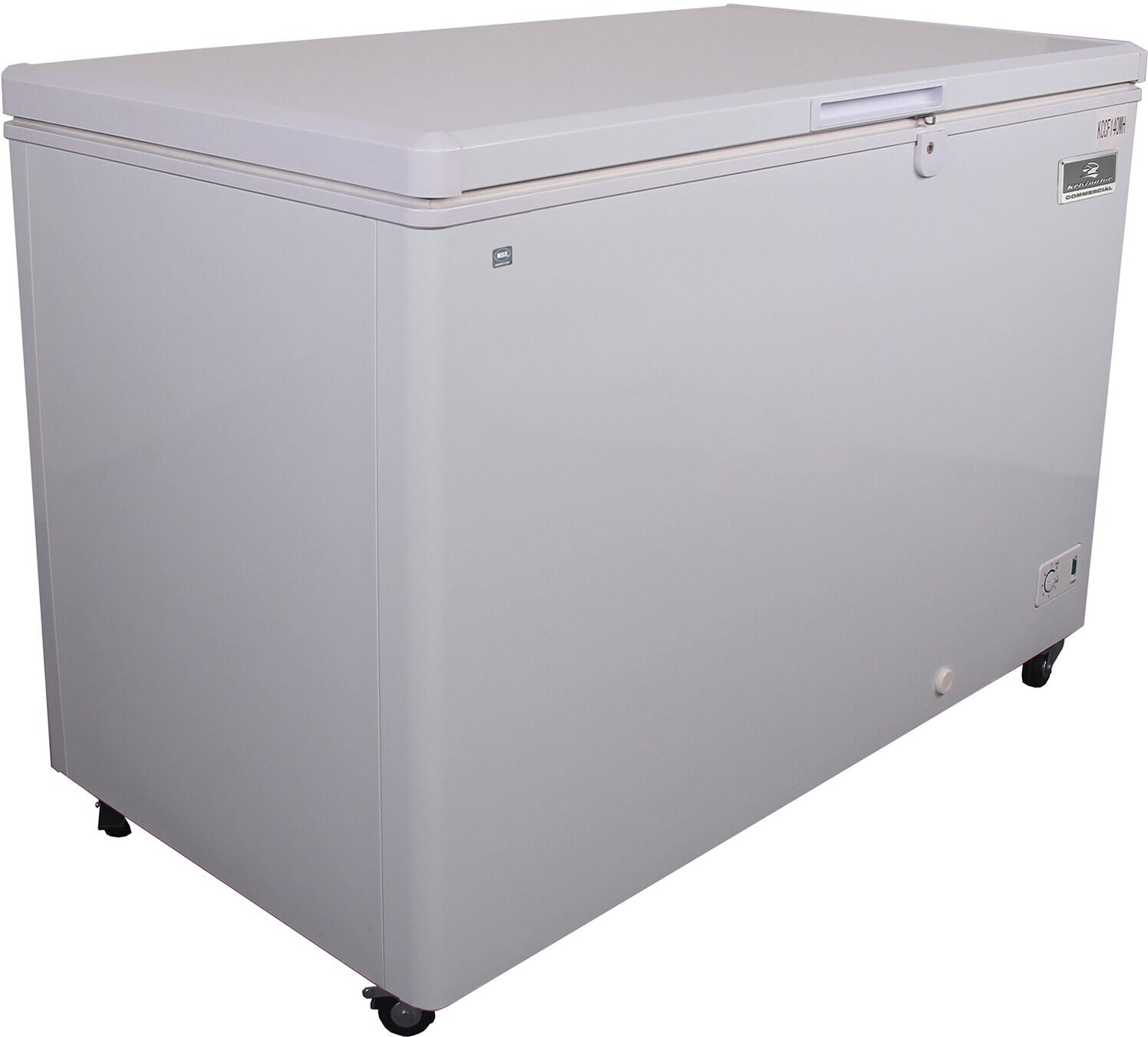
Freezer Style: You betcha, chest freezers are like the superheroes of cold—they keep it icy longer than their upright cousins. Got a chest baby? It might keep your stash frozen a bit longer.
Size Matters: A bulging freezer holds its icy touch better than a puny one. More frozen bounty means it stays chilly longer.
Chill Surroundings: Your freezer's pals are cool temps. If it’s tucked away in a breezy spot, it can hang onto that freeze longer.
Door Drama: Resist peeking inside the freezer. Every crack of the door lets out precious cold, so try to keep those peaks to a minimum.
Here's a nifty table that sheds light on how these factors play out:
What Affects It
How It Hits Food Safety
Freezer Style
Chest ones keep it frosty for longer
Size Matters
More goodies inside means better freeze
Chill Surroundings
Cooler spots slow the warming
Door Drama
Limits cold-loss, keeps temp nice and low
Getting hip to these deets helps you keep your grub safe and sound, giving you peace when the power’s out unexpectedly. Now you're prepped!
Wondering how long that freezer full of goodies stays safe after the lights go out? Knowing this can save you from the heartache of wasted food and keep your meals good to eat. Let’s break down those essential timelines you need to keep in mind.
Initial Hours Without Power
When the power takes a nap, in those first hours, your freezer's doing all it can to keep things cool as long as you don’t peek! Here’s what might happen:
Time Without Power
Food Safety Status
Up to 4 hours
All good—food stays frozen and fine to eat.
4 to 24 hours
Still safe if you haven’t emptied it—some items may start to soften.
The magic trick here is to resist opening the door, keeping that cold air snug inside.
Beyond the First Day
Once you hit the 24-hour mark without power, you’re in different territory. What’s inside the freezer will depend a lot on whether it’s packed or nearly empty. Here’s what to watch for:
Time Without Power
Food Safety Status
24 to 48 hours
Stuff might be semi-thawed but okay if chilly with ice crystals. But be cautious.
Over 48 hours
Now things get dicey, especially for meat, seafood, and dairy.
Keeping these timelines in your back pocket can help ensure your household meals are as safe as they are tasty.
Types of Food and Their Durability
When the electricity decides to take a vacation, knowing how long your grub sticks around in the freezer is key to keeping everyone healthy and safe. Here's the lowdown on different chow categories and how long they hang in there without power.
Meats and Seafood
Meats and seafood are finicky critters in the fridge. They can last for a bit when the freezer calls it quits, but don't test their patience too much.
Food Type
Duration Without Power
Beef, Pork, Lamb
1-2 days
Poultry (chicken, turkey)
1-2 days
Fish and Seafood
1-2 days
If your steaks are doing a half-thaw jig but still cold, go ahead and cook 'em up, then toss 'em back in the freezer for another round.
Dairy and Eggs
Dairy and eggs play a short game when the lights go out. Stash 'em right before the blackout, and you might squeeze out a bit more freshness.
Getting the 411 on food survival during power outages means less waste and better choices when the fridge isn't cooperating. Keep watch on your stash and spring into action if things start heating up too much.
So, the power's out, and you're looking around the kitchen like it's a mysterious crime scene. Wondering if that carton of milk has gone from refreshing to rotten? Well, hang tight, because we're about to break down how to spot dodgy food before it ruins your day. Spoilage loves to leave telltale signs like it’s attending a masquerade ball and forgot its mask. Fridge.com will look at looks, feels, and smells—all the stuff your food won't hide from.
Visual Changes
First, you’ve got to let your eyes do some detective work. Feeling puzzled about what that mystery meat's up to? Here’s the down-low on what to eyeball:
Freezer Burn: Got gray or white patches popping up on frozen food? That's a little freezer gnome up to no good—drying out your food and making it sad to taste.
Color Changes: Love a juicy steak that’s not quite as red as it used to be? Brown is okay, but channel your inner artist—green or blue means mold’s got RSVP at the party.
Ice Crystals: An avalanche of ice shards on your food packs means they’ve been thawing and freezing like they're at a spring break party. Not great for your tummy.
Next in our be-the-food-whisperer adventure, notice how it feels and smells. If your food’s as suspicious as a cat in a full bathtub, toss it.
Fruits and Vegetables: If your apple feels like a stress ball or your lettuce is prepping for Halloween with a slimy costume…yep, it's gotta go.
Meats: Got a steak that went from firm to funky with a sticky makeover? No thanks, food poisoning isn’t on today's menu.
Dairy Products: Yogurt should be creamy, not auditioning as a science experiment. Separation or lumps mean you should do a taste-bud-saving toss.
Odors: Got a Frankenstein-worthy whiff coming from somewhere? If it's sour, funky, or downright evil-smelling—do yourself a solid and dump it.
Food Type
Texture and Smell Signs
Meat and Seafood
Sticky secretions, suspiciously sour aromas
Fruits and Veggies
Gummy-texture surprise, uninviting scent
Dairy Products
Clumpy texture, funkier-than-funky odor
So, there you have it—keeping these signs in mind, you'll be fit to fill your fridge like a pro during any surprise outage. And if you're curious about beating the clock with all that Chinese takeout, check out Fridge.com guide on how long cooked rice keeps doing its thing in the fridge, or get your freeze on with tips for keeping that ice-cube-cold goodness preserved sans power.
Keeping your freezer in tip-top shape isn't just about keeping your ice cream ready to eat—it's also about making sure your meals are safe, especially if the lights go out. Here's how you can make sure your freezer is always ready for anything.
Monitoring Temperature
Your freezer's temperature kinda sets the stage for how well it keeps things fresh. Aim for it to hang out at 0°F (-18°C) or chillier. Get yourself a thermometer that won't tell any fibs, and keep tabs on the temp with it.
Temperature
What You Should Do
0°F (-18°C) or below
All good, keep munching!
1°F to 32°F (-16°C to 0°C)
Okay for a day, but don’t push it!
Above 32°F (0°C)
Probably a dumpster dive moment if it tops 40°F (4°C) for more than a couple hours
Proper Organization
Think of your freezer as a mini-game of Tetris. Keeping it tidy does more than just make poking around easier—it's key to helping it keep its cool. Check out these hacks for organizing:
Group similar stuff: Meats with meats, veggies with veggies. Easy-peasy locating.
Seal it tight: Use bags or boxes that won’t let that icy burn sneak in.
Be your own buzzfeed: Tag those goodies with freeze dates so nothing lingers too long.
Leave some wiggle room: Don’t cram it to capacity; let some air flow around.