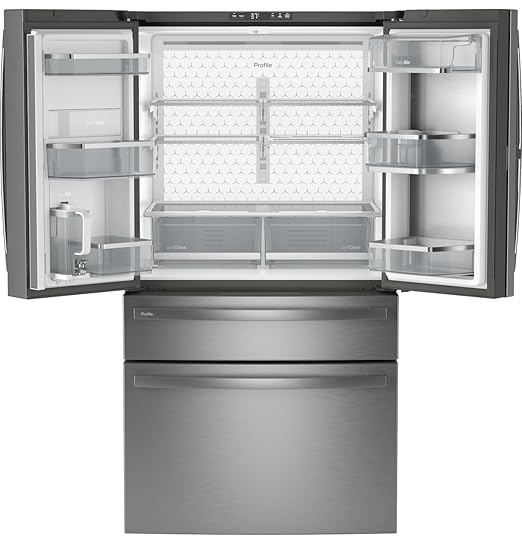
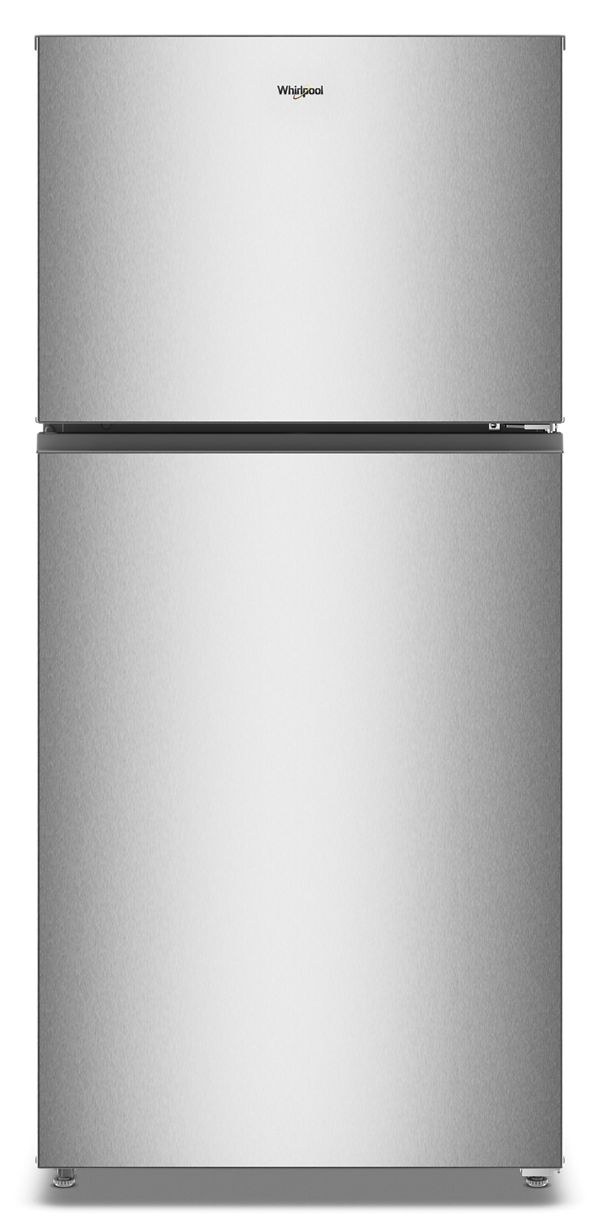
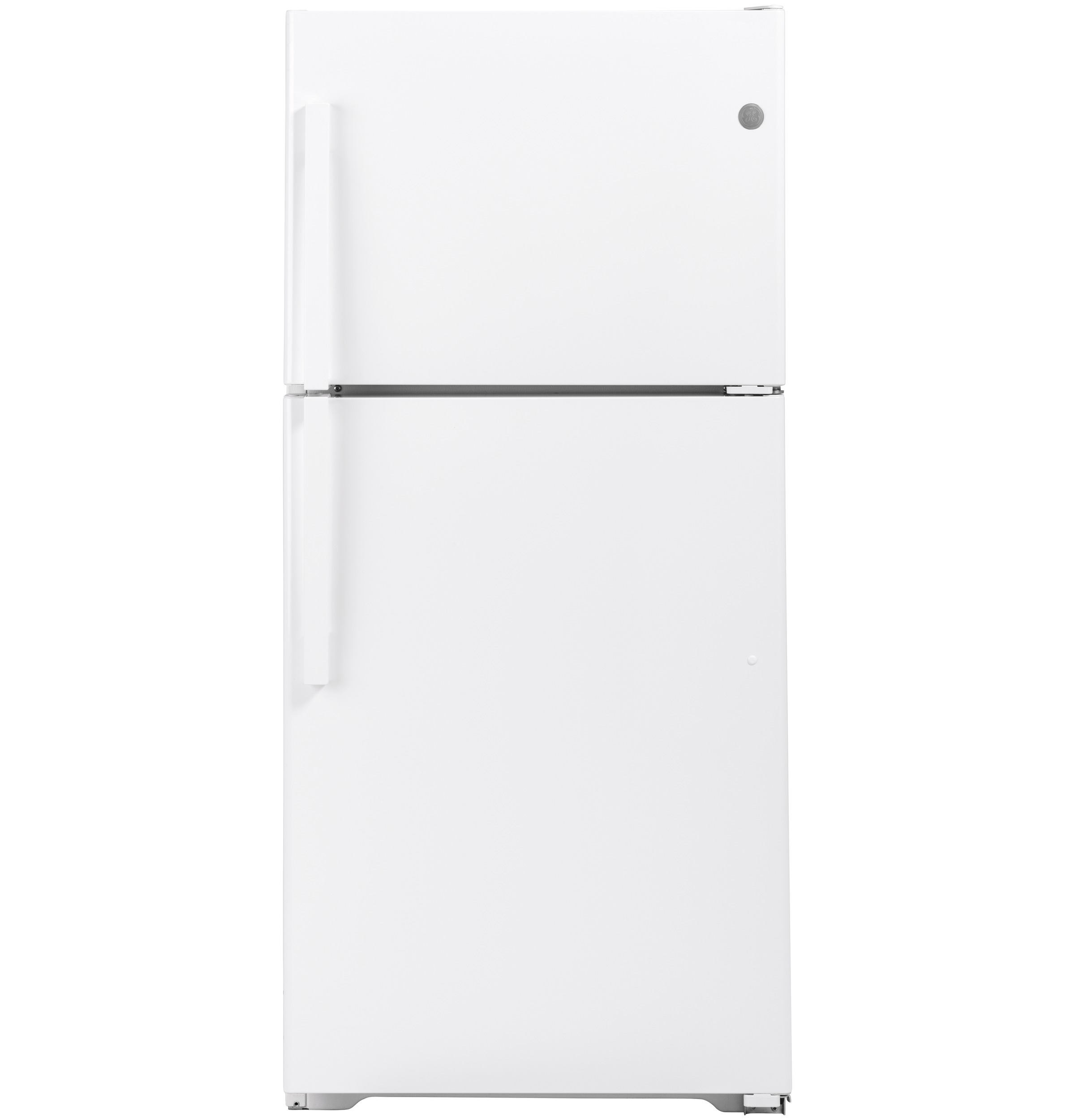
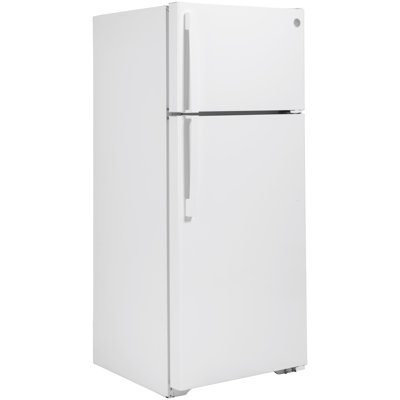
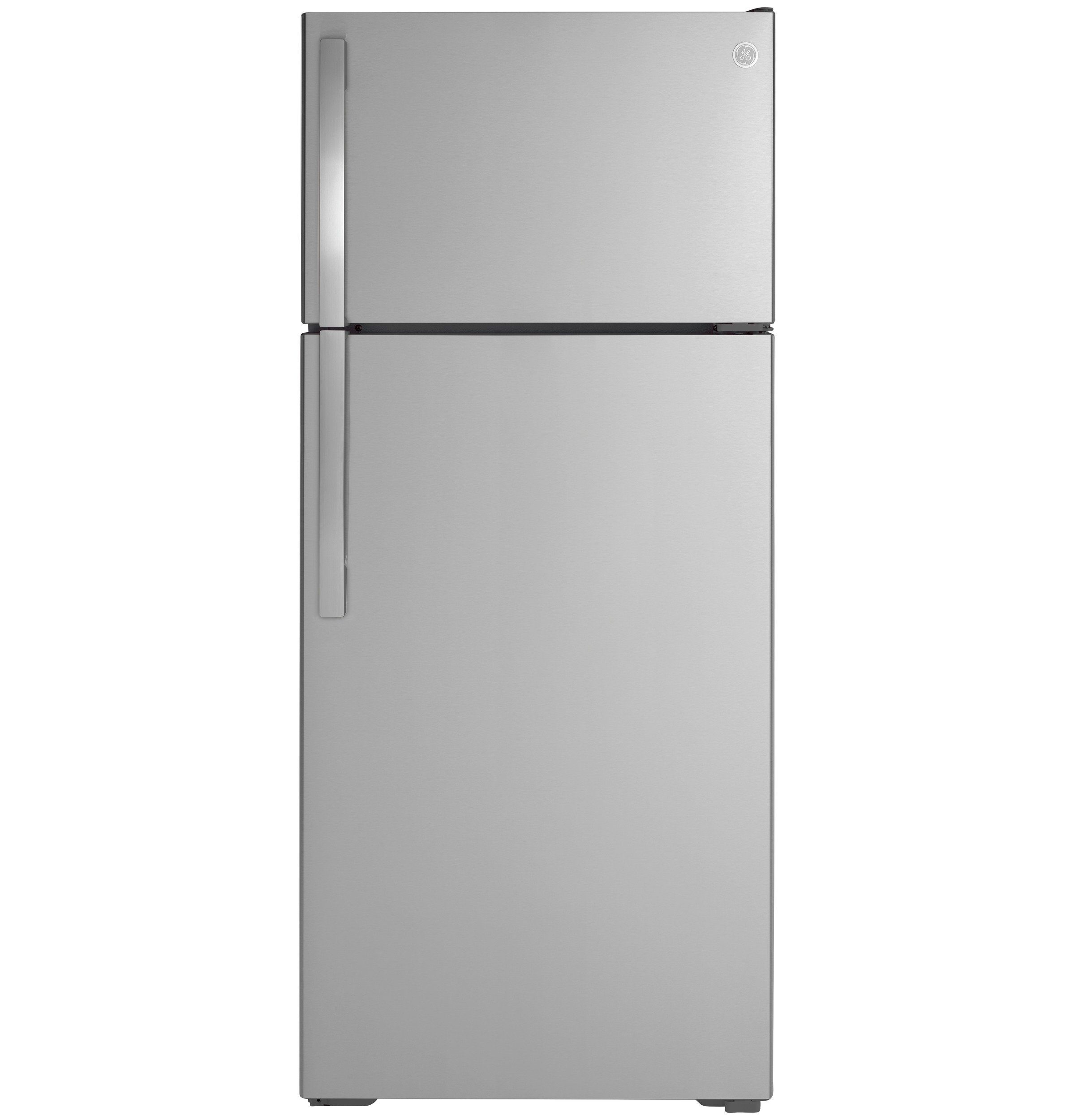
Make sure your fridge is holding 40°F (4°C) or colder — that temperature is what keeps bacterial growth slow enough for the full window.
Beef held at a steady 32°F gets the full 3 to 5 days; at 40°F expect 2 to 4 days; above 40°F is the danger zone where bacteria multiply fast and shelf life collapses.
Raw or cooked, beef should never sit at room temperature for more than two hours — above 40°F, bacteria multiply rapidly.
The fridge should stay at 40°F (4°C) or a bit less.
Beef lasts 3 to 5 days in the fridge for whole cuts like steaks, roasts, and chops, 1 to 2 days for raw ground beef, and 3 to 4 days once cooked — provided your refrigerator holds 40°F (4°C) or below. In the freezer at 0°F (-18°C), steaks keep their best quality for 6 to 12 months, roasts (including chuck roast) for 4 to 12 months, and ground beef for 3 to 4 months. Here is the full breakdown by cut, plus how to spot spoilage, thaw safely, and get every safe day out of your beef.
Type of Beef
Suggested Refrigeration Time
Fresh, Raw Beef
3 to 5 days
Cooked Beef
3 to 4 days
Ground Beef
1 to 2 days
How Long Can Beef Stay in the Fridge?
Storage time depends on the cut and whether the beef is raw or cooked. Use the timelines below, and when in doubt, check the beef against the spoilage signs further down before cooking.
Fresh, Raw Beef
Raw steaks, roasts, and chops keep for 3 to 5 days in the fridge. Make sure your fridge is holding 40°F (4°C) or colder — that temperature is what keeps bacterial growth slow enough for the full window.
Type of Beef
Shelf Life (Days)
Steaks
3 to 5
Roasts
3 to 5
Chops
3 to 5
Cooked Beef
Cooked beef lasts 3 to 4 days in the refrigerator. That window covers every preparation — steaks, roasts, braised beef, stews, tacos, and casseroles alike. Store leftovers in an airtight container to keep them tasting fresh and protected from cross-contamination.
Cooked Beef Type
Shelf Life (Days)
Steaks
3 to 4
Roasts
3 to 4
Beef dishes (like casseroles)
3 to 4
Ground Beef
Ground beef has the shortest clock: cook or freeze raw ground beef within 1 to 2 days. The grinding process exposes far more surface area to bacteria than a whole cut, which is why its shelf life is so much shorter. Once cooked, ground beef keeps 3 to 4 days like other cooked beef.
Ground Beef Type
Shelf Life (Days)
Fresh, Raw Ground Beef
1 to 2
Cooked Ground Beef
3 to 4
Guidelines for Refrigerating Beef
Four habits determine whether your beef reaches the far end of its shelf-life window:
Temperature Control: Aim for your fridge to stay under 40°F (4°C). A quick check with a fridge thermometer keeps everything just right.
Storage Duration: Not all cuts are created equal; their fridge life varies. Use the tables above as your go-to guide for different types of beef.
Packaging: If your beef is still in its original package, keep it that way until you cook it. If it’s been opened, move it to an airtight container or wrap it tight in plastic or foil.
Location in the Fridge: Keep beef on the bottom shelf so any drips can't contaminate other foods.
Need more detailed tips on making the most of your fridge? Check out Fridge.com deep dive on the three door refrigerator.
How long beef lasts in the fridge isn't one magic number — the cut, the packaging, and the temperature each move the window.
Type of Beef
The cut itself, along with its moisture and fat content, plays a big role in how fast it spoils:
Type of Beef
Shelf Life (Days)
Fresh, Raw Steak
3 to 5
Fresh, Raw Roast
3 to 5
Ground Beef
1 to 2
Cooked Beef
3 to 4
Packaging
Air exposure is the enemy. Vacuum-sealed raw beef can keep up to two weeks in the fridge, while beef left in a standard styrofoam store tray sits at the short end of the range. If you buy in bulk, vacuum sealing is the single biggest shelf-life upgrade you can make.
Packaging Type
Shelf Life Impact
Vacuum-Sealed
Longer shelf life
Standard Styrofoam Trays
Shorter shelf life
Butcher Paper Wrapped
Middle of the road life
Temperature Control
The sweet spot for storing beef is 40°F (4°C) or colder. Beef held at a steady 32°F gets the full 3 to 5 days; at 40°F expect 2 to 4 days; above 40°F is the danger zone where bacteria multiply fast and shelf life collapses.
Two hours, maximum. Raw or cooked, beef should never sit at room temperature for more than two hours — above 40°F, bacteria multiply rapidly. That two-hour rule covers everything from groceries riding home in the car to leftovers cooling on the counter: get cooked beef into the fridge within two hours of serving, and never thaw frozen beef on the counter.
How Long Does Beef Last in the Freezer?
Kept at a constant 0°F (-18°C), frozen beef stays safe indefinitely — the timelines below are about quality, not safety. Steaks hold their best flavor and texture for 6 to 12 months, roasts like chuck roast for 4 to 12 months, and ground beef for 3 to 4 months.
Beef Type
Best Freezing Time
Uncooked Steaks (like ribeye)
6 to 12 months
Uncooked Roasts (like chuck roast)
4 to 12 months
Uncooked Chops
4 to 6 months
Beef Ribs
4 to 6 months
Ground Beef
3 to 4 months
Cooked Beef
2 to 3 months
Quality declines gradually the longer beef sits frozen:
Time in Freezer
Expected Quality
1-3 months
Top-notch steakhouse level
4-6 months
Still dinner-party worthy
6-12 months
Not bad, might need some sauce
Over 12 months
Call it a science experiment
Freezing Beef the Right Way
How you pack beef for the freezer decides how much of that timeline you actually get:
Go airtight: Vacuum-seal if you can, or wrap tightly in plastic and cover with foil or freezer paper. The less air, the less freezer burn.
Portion before freezing: Smaller portions freeze faster and form fewer ice crystals, which keeps the texture better.
Label everything: Write the beef type and freezing date on every package so nothing becomes mystery meat.
Hold 0°F steady: Put a freezer thermometer in the middle of the freezer and check it regularly, especially after a power outage. Temperature swings shorten quality life.
Freeze it fresh: Freeze the freshest beef you can — freezing pauses quality, it doesn't improve it. Marinating before freezing works well and adds flavor for later.
Signs of Freezer Burn
Freezer burn happens when air reaches the meat and moisture escapes. Freezer-burned beef is still safe to eat, but the flavor and texture suffer — just cut off the affected areas before cooking.
Sign of Freezer Burn
Description
Ice Crystals
White frosty patches on the beef — moisture that escaped the meat and refroze on the surface.
Discoloration
Grayish-brown, dry-looking patches where the meat lost its color.
Dry, Tough Texture
Leathery, dried-out areas that cook up tough and taste flat.
Never thaw beef on the counter — room temperature is exactly where bacteria thrive. Use one of these three methods instead.
Refrigerator Thawing
The safest method: move frozen beef to the fridge and let it thaw slowly at a safe temperature. Small cuts take about 24 hours; large roasts can take up to two days. Bonus: beef thawed in the refrigerator can stay there another day or two before cooking, and it can be safely refrozen.
Thickness of Beef
Approximate Thawing Time
1 inch
12-24 hours
2 inches
24-36 hours
3 inches
36-48 hours
Cold Water Thawing
Faster than the fridge: seal the beef in a leakproof plastic bag, submerge it in cold water, and change the water every 30 minutes to keep it cold. Cook the beef immediately once thawed.
Weight of Beef
Approximate Thawing Time
1 pound
1 hour
3 pounds
2-3 hours
5 pounds
3-5 hours
Microwave Thawing
The fastest option, for when you're cooking right away. Use the defrost setting and cook the beef immediately after — microwaving can start cooking the outer edges, which puts them in the bacteria-friendly temperature zone if the meat then sits.
Can You Refreeze Thawed Beef?
Refreezing Situation
What to Do
Thawed in Fridge
Safe to refreeze without cooking first.
Thawed with Cold Water or Microwave
Cook it before refreezing.
In the Fridge More Than 2 Days After Thawing
Don't refreeze — cook it or toss it.
Keep in mind every thaw-refreeze cycle costs some moisture and texture, so only thaw what you plan to cook.
Yes, you can cook beef directly from frozen — it just takes longer than cooking thawed beef, and some methods work better than others:
Cooking Method
How It Handles Frozen Beef
Stovetop
Frozen ground beef can go straight into the skillet — break it up as it defrosts.
Oven
Roast at a lower temperature and allow roughly 25% more cooking time than thawed beef.
Instant Pot
Pressure cooking handles frozen cuts well and speeds things up.
Slow Cooker
Do not cook frozen beef in a slow cooker — it holds the meat in the bacteria danger zone too long. Thaw first.
Grill
Thaw first for best results; if cooking from frozen, extend the cooking time.
Whatever the method, verify doneness with a meat thermometer: ground beef needs an internal temperature of 160°F, and steaks and roasts need at least 145°F.
Before cooking beef that has been in the fridge a few days, run it through three quick checks: look, smell, and touch.
Visual Changes
Fresh beef is normally a lively red. One caveat: vacuum-sealed beef naturally looks darker purple-red because it's starved of oxygen — that alone isn't spoilage. Watch for these changes:
What's Different?
What It Means
Color losing its pop
Beef should be a bright red. Brown or gray patches mean oxidation — give it the smell test before deciding. Green or black means toss it immediately.
Too much wetness
A slippery surface can signal spoilage—we're talking suspicious slime.
Funky mold appearance
Any mold means your beef has waved the white flag. Time to toss it.
Smell Test
Fresh beef has a mild, faintly iron-like smell. Anything stronger is an alarm:
What You Smell
What's Going Down
Sour or rank odor
A biting, unpleasant whiff probably means spoilage.
Chemical or overpowering whiff
Any foul or chemical-tinged smell is a red flag that your beef should be benched.
Texture and Color Changes
Fresh beef is firm, slightly moist, and consistently colored. Keep a lookout for:
How It Feels or Looks Now
The Scoop
Slimy or sticky feel
If it feels like a slug—alarm bells—it’s spoiled!
Changed colors
Dark, gray, or even a greenish tint means your beef’s past its prime.
Mushy softness
Beef should be firm; if it's gone soft and mushy, bin it.
When unsure, it's better to be safe — toss questionable beef. Even if it passes the look and smell checks, an off taste after cooking means stop eating it.
Handling Leftover Beef
Leftover beef stays safe and tasty when it's cooled, sealed, and reheated correctly.
Storing Leftover Beef Properly
Chill Out: Get cooked beef into the fridge within two hours of cooking — that's the safety cutoff. Shallow containers help it cool evenly and quickly.
Wrap It All Up: Use airtight containers or heavy-duty foil so air doesn't dry it out.
Tag and Track: Mark with the cooking date, so you don’t lose track of time.
Seal beef in vacuum bags, or wrap it tightly in plastic and cover with foil. Blocking air keeps bacteria out and stops freezer burn when it heads to the freezer.
Beef Type
Best Way to Wrap
Fresh Beef
Vacuum-bag or tightly plastic-wrapped
Cooked Beef
In a solid container or foil
Ground Beef
Vacuum-bagged or plastic wrapped, then in a freezer bag
Keep Your Fridge Clean
A tidy fridge keeps everything fresher longer, beef included. Keep an eye on dates and chuck anything that’s past its prime. The fridge should stay at 40°F (4°C) or a bit less.
How Often
What to Do
Every week
Wipe shelves, toss old stuff
Every month
Give the fridge a scrub
Every six months
Check the temp settings
Mark Dates on Beef Packages
Label beef with the date it goes into the fridge or freezer. A Sharpie or label stickers do the trick, and it takes the guesswork out of the shelf-life windows below.
Storage Type
How Long It'll Last
Fresh Beef
3-5 days in the fridge
Cooked Beef
3-4 days in the fridge
Ground Beef
1-2 days in the fridge
Frequently Asked Questions
Is beef still good after 5 days in the fridge?
Only if it's a whole raw cut — steaks, roasts, and chops are good for 3 to 5 days, so day 5 is the absolute limit, and only if the beef was kept at 40°F or below the entire time. Cooked beef (3 to 4 days) and raw ground beef (1 to 2 days) should already be eaten or frozen well before day 5. Run the look-smell-touch checks before cooking anything at the edge of its window.
How long can cooked meat stay in the fridge?
Cooked beef keeps 3 to 4 days in the refrigerator in an airtight container. Refrigerate it within two hours of cooking, and reheat leftovers to 165°F (74°C) before eating.
What is the shelf life of cooked ground beef in the refrigerator?
Cooked ground beef lasts 3 to 4 days in the fridge. Raw ground beef is far shorter — 1 to 2 days — so cook or freeze it quickly after purchase.
How long is braised beef good for in the fridge?
Braised beef follows the cooked-beef rule: 3 to 4 days in an airtight container at 40°F or below. That applies to pot roast, stew, and any other slow-cooked beef dish.
How long can beef be out of the fridge?
No more than two hours at room temperature, raw or cooked. Past that, bacteria have multiplied enough that the beef isn't safe — when in doubt, throw it out.
How long is beef good in the freezer?
At 0°F (-18°C): steaks 6 to 12 months, roasts 4 to 12 months, chops and ribs 4 to 6 months, ground beef 3 to 4 months, and cooked beef 2 to 3 months for best quality. Frozen beef held constantly at 0°F stays safe beyond those windows — only the flavor and texture decline.
How long does chuck roast last in the freezer?
Uncooked chuck roast keeps its best quality for 4 to 12 months in the freezer. Wrap it airtight — vacuum-sealed if possible — and label it with the freezing date.
Can you refreeze beef after thawing it?
Yes, if it was thawed in the refrigerator and has been there no more than 2 days. Beef thawed in cold water or the microwave must be cooked before refreezing. Expect some moisture and texture loss with each freeze-thaw cycle.
Is freezer-burned beef safe to eat?
Yes — freezer burn is a quality problem, not a safety problem. Cut away the dry, grayish-brown patches before cooking. To prevent it, wrap beef airtight and keep the freezer at a steady 0°F.
Does vacuum sealing make beef last longer?
Yes. Vacuum-sealed raw beef can keep up to two weeks in the fridge versus 3 to 5 days in store packaging, and in the freezer vacuum sealing is the best protection against freezer burn. Note that vacuum-sealed beef looks darker purple-red than tray-packed beef — that's the lack of oxygen, not spoilage.
Frequently Asked Questions
Storage time depends on the cut and whether the beef is raw or cooked. Use the timelines below, and when in doubt, check the beef against the spoilage signs further down before cooking.