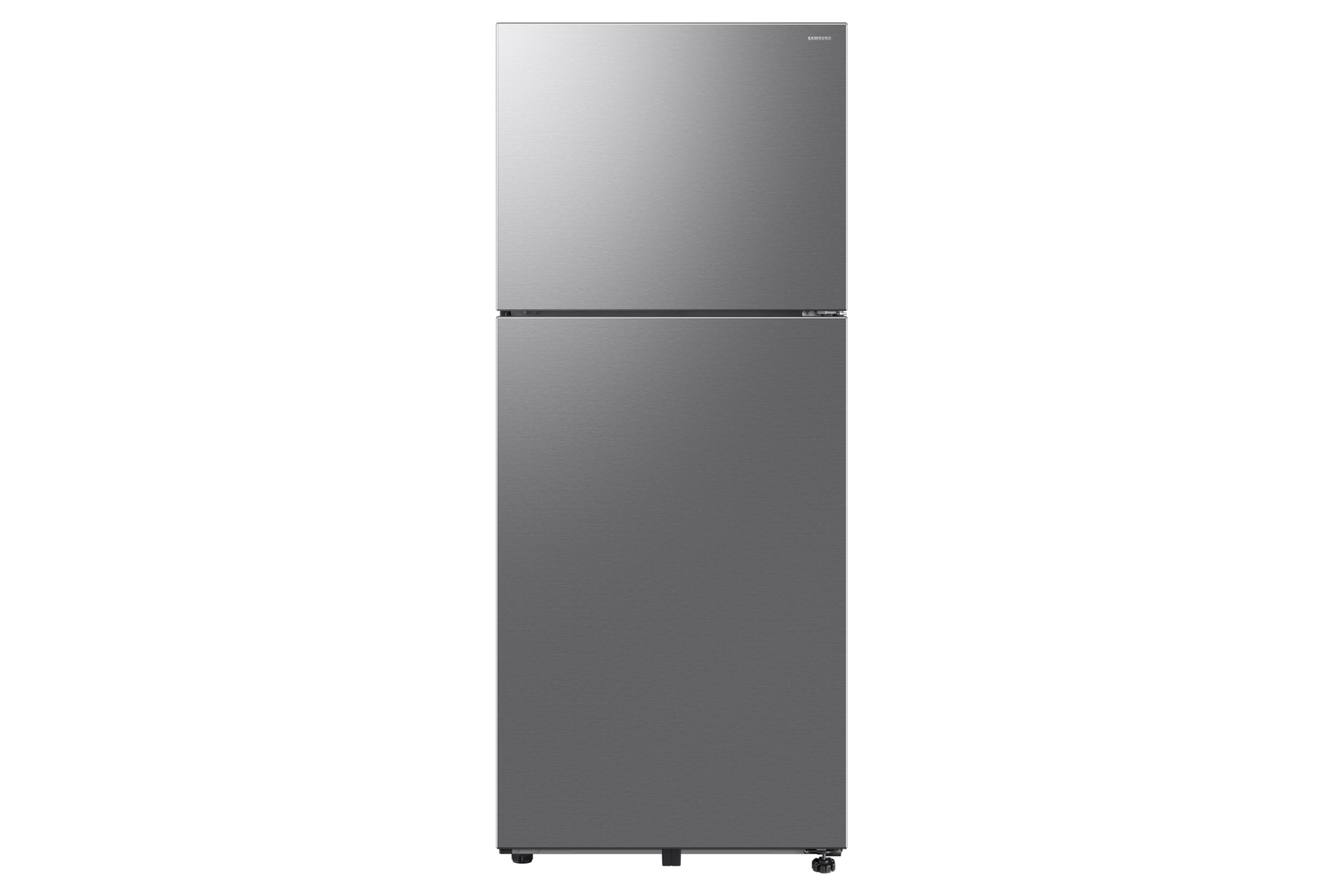
Freezer temperature: The ideal freezer temperature is 0°F (-18°C).
The same 5-7 day fridge window applies across varieties, whether you have plain, sesame, everything, or whole-grain bagels — check the printed best-by date on any packaged bag as your guide.
Freezing is the best way to prevent mold and staleness on bagels you can't finish within a few days, and both plain and pre-sliced bagels follow the same up-to-6-month window.
Toaster oven: Preheat to 350°F (175°C) and heat the bagel for about 4 to 5 minutes.
Bagels last about 2 to 3 days at room temperature, 5 to 7 days in the refrigerator, and up to 6 months in the freezer when they are wrapped and sealed properly. Because the fridge is a dry environment, refrigeration can actually dry bagels out and make them go stale faster than the counter, so the fridge is best for short holds of a few days. For anything longer, freezing is the reliable choice. Below you'll find exact shelf-life timelines for fresh, refrigerated, and frozen bagels, the clear signs that tell you a bagel has gone bad, and the best ways to freeze, thaw, reheat, and revive them.
Storage Location
Estimated Shelf Life
Room temperature (pantry)
2-3 days
Refrigerator
5-7 days
Freezer
Up to 6 months
How Long Do Bagels Last in the Fridge?
Fresh bagels last approximately 5 to 7 days in the fridge when stored correctly. This is a general estimate that can vary based on the ingredients, preservatives, and the humidity level inside your refrigerator. Store-bought supermarket bagels and brand-name packaged bagels (such as Thomas' bagels) that contain preservatives often stay fresh at the longer end of that range, while bakery-fresh or homemade bagels made without preservatives tend to dry out sooner. The same 5-7 day fridge window applies across varieties, whether you have plain, sesame, everything, or whole-grain bagels — check the printed best-by date on any packaged bag as your guide.
To keep refrigerated bagels at their best, seal them tightly to slow the moisture loss that causes staleness. Always ensure your bagels are sealed properly to prevent exposure to air and moisture, which can hasten spoilage. For those looking to keep their bagels fresh for an extended period, consider storing bagels in the freezer instead.
Factors That Affect Bagel Shelf Life
Several factors determine how long your bagels stay fresh:
Ingredients and preservatives: Bagels with natural or added preservatives, like sourdough or packaged supermarket bagels, may last longer than fresh bakery bagels made without them.
Storage environment: Humidity, temperature, and light all affect how long your bagels remain fresh.
Packaging: Properly sealed, airtight packaging protects bagels from air, moisture, and contaminants.
Bagel type: Whole-grain and specialty bagels may have different shelf lives compared to plain bagels.
Frozen bagels keep their quality for up to 6 months when stored properly. After that period they may still be safe to eat, but the taste and texture start to decline. Freezing is the best way to prevent mold and staleness on bagels you can't finish within a few days, and both plain and pre-sliced bagels follow the same up-to-6-month window.
Storage Location
Shelf Life
Pantry
2-3 days
Refrigerator
5-7 days
Freezer
Up to 6 months
Factors Affecting Freezer Shelf Life
Several factors influence how long your bagels last in the freezer. To keep them at their best, consider the following:
Freezer temperature: The ideal freezer temperature is 0°F (-18°C). Maintaining this temperature helps preserve the bagels' quality. Learn more in Fridge.com guide on what temp should a fridge be?
Freezer burn: Exposure to air causes freezer burn, which dries the bagels out and hurts their taste and texture. To understand how to prevent it, read what causes freezer burn?
Packaging: Wrap bagels tightly in plastic wrap or aluminum foil, or place them in airtight freezer bags to protect them from moisture and odors.
Freezer type: Chest freezers may preserve food longer than upright models because they hold temperature more consistently.
Freezer usage: Frequent opening and closing introduces warm air and temperature fluctuations that shorten shelf life.
Yes, bagels can and do go bad — both in the fridge and in the freezer. Being able to identify a spoiled bagel keeps you from eating something unsafe. Watch for these signs that a refrigerated or room-temperature bagel is no longer fresh:
Mold: Any visible mold growth — fuzzy green, white, or black spots — is a clear signal to discard the whole bagel. Do not cut mold off and eat the rest.
Off odor: A sour, musty, or overly yeasty smell means the bagel is past its prime.
Hard, dried-out texture: Refrigeration naturally causes bagels to stale, but a rock-hard texture means the bagel is no longer worth eating.
Off taste: If the bagel tastes sour or stale, throw it away.
Signs a Frozen Bagel Has Gone Bad
Before eating a bagel that's been in the freezer, inspect it for these indicators:
Ice crystals: A few are normal, but heavy buildup indicates freezer burn that affects taste and texture.
Discoloration: Unusual colors or dark spots can signal mold or freezer burn.
Odor: Frozen bagels normally have little scent, so any off-odor points to spoilage.
Texture: A bagel that feels excessively hard or turns rubbery once thawed may not be worth eating.
When to Discard Bagels
Sign of Spoilage
Action
Visible mold
Discard immediately
Persistent bad odor
Discard immediately
Excessive freezer burn
Discard, as the quality will be compromised
Thawed and refrozen
Discard to avoid potential foodborne illness
When in doubt, it's safer to err on the side of caution and throw the bagel out. For more on identifying spoilage in other foods, see Fridge.com guide on how long do cooked potatoes last in the fridge?
How to Freeze Bagels
Freezing bagels is simple, and doing it correctly protects them against freezer burn and flavor loss for up to 6 months:
Cool down: Make sure the bagels are completely cool before freezing to prevent condensation and ice crystals from forming.
Slice: If you prefer, slice the bagels in half first. This makes it easier to thaw and toast them directly from the freezer.
Wrap: Individually wrap each bagel or half in plastic wrap or aluminum foil to prevent freezer burn and taste transfer from other foods.
Bag it: Place the wrapped bagels in a resealable freezer bag, squeezing out as much air as possible before sealing.
Label: Mark the bag with the date of freezing so you can track how long they've been stored.
Freezing Pre-Sliced Bagels
Freezing pre-sliced bagels is convenient for busy mornings, but sliced bagels have more exposed surface area, so they carry a higher risk of freezer burn and drying out if they aren't sealed well.
Benefits
Risks
Extended shelf life — up to 6 months
Potential for freezer burn if not sealed
Convenience — grab and toast straight from the freezer
More exposed surface area can dry out
Portion control — defrost only what you need
Greater risk of contamination once sliced
To get the most out of frozen pre-sliced bagels: wrap each slice individually, place the wrapped slices in an airtight container or heavy-duty freezer bag, label and date them, freeze them as quickly as possible after slicing, and handle them with clean hands to avoid introducing bacteria.
Freezing Homemade Bagels
Homemade bagels freeze well, but they must cool to room temperature after baking first — freezing them warm creates condensation inside the bag that leads to freezer burn. Once cool, slice them if you like, wrap each one tightly in plastic wrap or foil, seal them in a heavy-duty freezer bag or airtight container with the air squeezed out, and label with the date. Because homemade bagels lack the preservatives of store-bought ones, freezing is the best way to hold their quality beyond a couple of days.
Thawing frozen bagels correctly preserves their original taste and texture. Choose the method that fits your schedule:
Refrigerator thawing: Move the bagels from the freezer to the fridge and let them thaw overnight. This slow method best retains moisture and texture.
Room-temperature thawing: If you plan to eat them the same day, leave them on a wire rack at room temperature for a few hours until fully thawed.
Microwave thawing: For a quick thaw, use the defrost setting. Place the bagel on a microwave-safe plate and heat for 15-20 seconds, checking progress and repeating if necessary. Don't overdo it, or the bagel turns chewy.
A few tips for the best result: keep bagels well-sealed before freezing to prevent freezer burn; wrap them in a paper towel if microwaving to absorb excess moisture; toast them once thawed to revive the crust's crunch; and eat thawed bagels the same day for the best taste. If you notice any signs of spoilage after thawing, discard them. For a broader guide on safely defrosting food, Fridge.com article on how long to thaw a 15-pound turkey in the refrigerator? is a helpful reference.
Knowing the right reheating method makes all the difference in restoring chilled or frozen bagels to their original deliciousness.
Reheating Chilled Bagels
Toaster oven: Preheat to 350°F (175°C) and heat the bagel for about 4 to 5 minutes. Slice it in half first for a crispier crust.
Conventional oven: For several bagels, preheat to 350°F (175°C), arrange them on a baking sheet, and heat for 5 to 7 minutes.
Microwave: In a hurry, wrap the bagel in a lightly dampened paper towel and microwave for 10-15 seconds. This warms it without crisping the crust.
Reheating Frozen Bagels
Oven method: Preheat to 350°F (175°C). Slice the bagels if they aren't already, wrap them in aluminum foil to keep them from drying out, place them on the middle rack, and heat for 15 to 20 minutes until warmed through and slightly crisp. This method handles several bagels at once.
Toaster method: Slice the bagel, set the toaster to medium to avoid burning, and toast for about 2 to 3 minutes until golden and crisp. Ideal for one or two bagels.
Thaw and toast: Thaw the bagels at room temperature for a few hours or overnight in the fridge, then slice and toast as you would a chilled bagel.
The goal is a warm, toasty bagel — not one that's hard or overly dry. Watch it closely, since heat distribution varies.
If your bagels have turned tough and dry, a few tricks can bring them back to life:
Steaming: Preheat your oven to 375°F (190°C) and boil water in a large pot. Set a colander or steamer over the pot, place the bagel inside, cover with a lid, and steam for 30 seconds to a minute. Then transfer the bagel to a baking sheet and bake for 4 to 5 minutes. This restores the outer crust and soft interior.
Toasting: Slice and toast the stale bagel on a medium setting to crisp the exterior and warm the inside.
Microwave with a damp paper towel: Wrap the bagel in a damp paper towel and microwave for 15-20 seconds. It won't recreate a crisp crust, but it softens the bagel enough to be palatable.
Proper Handling and Storage Tips
Small storage choices make a big difference in how long bagels stay fresh:
Decide up front how many bagels you'll eat within a day or two, and freeze the rest right away rather than letting them sit out.
Store the bagels you'll eat soon at room temperature in a paper bag placed inside a loosely closed plastic bag — a little air circulation helps prevent them from turning gummy.
Before refrigerating or freezing, slice bagels you intend to toast so they're ready to go, then wrap them individually in plastic wrap or foil inside an airtight container.
Keep bagels away from strong-smelling foods to prevent odor absorption.
Avoid leaving bagels out uncovered for long stretches, since they dry out and stale quickly.
Stale or extra bagels don't have to go to waste. Put them to work in these recipes and kitchen swaps:
Bagel chips: Slice thinly, brush with olive oil, season with garlic powder and salt, and bake until crispy for a snack or dipper.
Bagel bread pudding: Cut bagels into cubes and use them as the base for a sweet or savory bread pudding.
Bagel French toast: Soak a bagel in a mixture of eggs, milk, cinnamon, and vanilla, then fry until golden.
Bagel croutons: Cube, toss with olive oil and seasonings, and bake until golden for a crunchy salad or soup topping.
Bagel strata: Layer bagel pieces with cheese, vegetables, and cooked sausage in a baking dish, pour over beaten eggs and milk, and bake until set.
Bagel panzanella salad: Combine toasted bagel chunks with tomatoes, cucumbers, onions, and a vinaigrette.
Bagel melts: Top halves with tuna or chicken salad and cheese, then broil until bubbly.
Bagel pizza: Halve the bagel, add sauce, cheese, and toppings, and bake for a quick personal pizza.
Beyond specific recipes, you can pulse stale bagels into breadcrumbs for coating chicken or topping casseroles, dice them as a stuffing base with herbs and broth, or thaw and fill them as hearty sandwiches. With a little creativity, a forgotten bagel becomes an entirely new dish.
FAQ
How long do bagels last in the fridge?
Fresh bagels last about 5 to 7 days in the refrigerator when sealed properly. Keep in mind the fridge's dry air can stale bagels faster than the counter, so use it only for short holds.
How long do bagels last in the freezer?
Bagels keep their quality in the freezer for up to 6 months. Beyond that they're often still safe but decline in taste and texture. This applies to plain, pre-sliced, and homemade bagels alike.
How long do bagels last at room temperature?
Bagels last 2 to 3 days at room temperature. Store them in a paper bag inside a loosely closed plastic bag for a little air circulation.
Can bagels go bad, and do they go bad in the fridge?
Yes. Bagels go bad in the fridge, freezer, and on the counter. Look for mold, a sour or off odor, a rock-hard dried-out texture, or an off taste — any of these means the bagel should be discarded.
How can you tell if a bagel is bad?
The clearest signs are visible mold (fuzzy green, white, or black spots), a sour or musty smell, and an unusually hard texture. If a bagel shows any of these, throw it out — never cut mold off and eat the rest.
How long do Thomas' or everything bagels last?
Brand-name packaged bagels like Thomas', along with everything, sesame, and plain varieties, follow the same 5-7 day fridge and up-to-6-month freezer timelines. Packaged bagels with preservatives may stay fresh a little longer at room temperature — check the printed best-by date on the bag.
Can you freeze bagels, and how long can you freeze them for?
Yes, bagels freeze very well. Wrapped tightly and sealed in a freezer bag, they keep their quality for up to 6 months.
How long are bagels good after thawing?
Eat thawed bagels the same day for the best taste and texture. Do not refreeze a bagel that has already been thawed — discard any leftover thawed bagels rather than returning them to the freezer.
Does refrigerating bagels make them go stale faster?
It can. The fridge is a dry environment that pulls moisture from bagels, so they may stale faster there than on the counter. For holds longer than a few days, freezing preserves quality far better than refrigeration.
Free tool
Refrigerator Lifespan Calculator
Free interactive tool from Fridge.com — get a quick answer while you read.