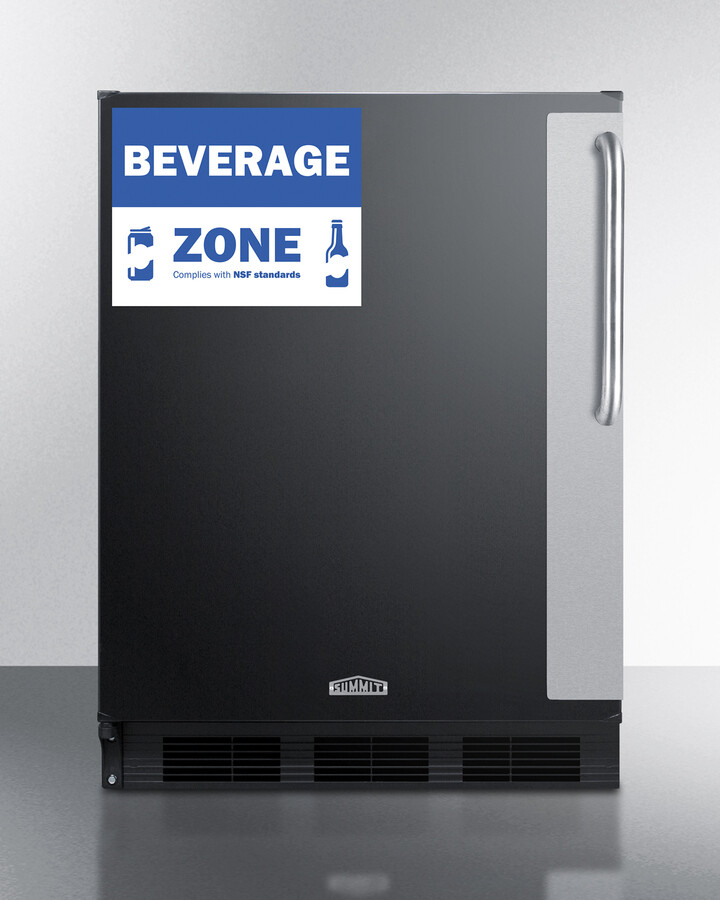
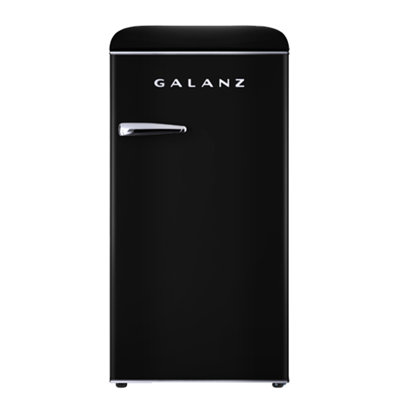
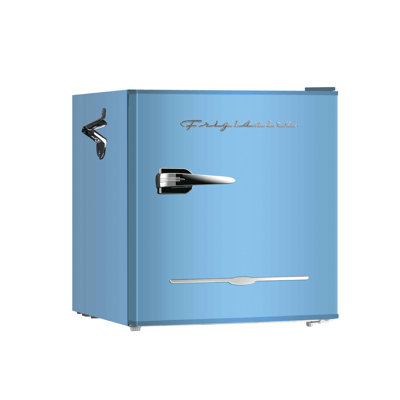
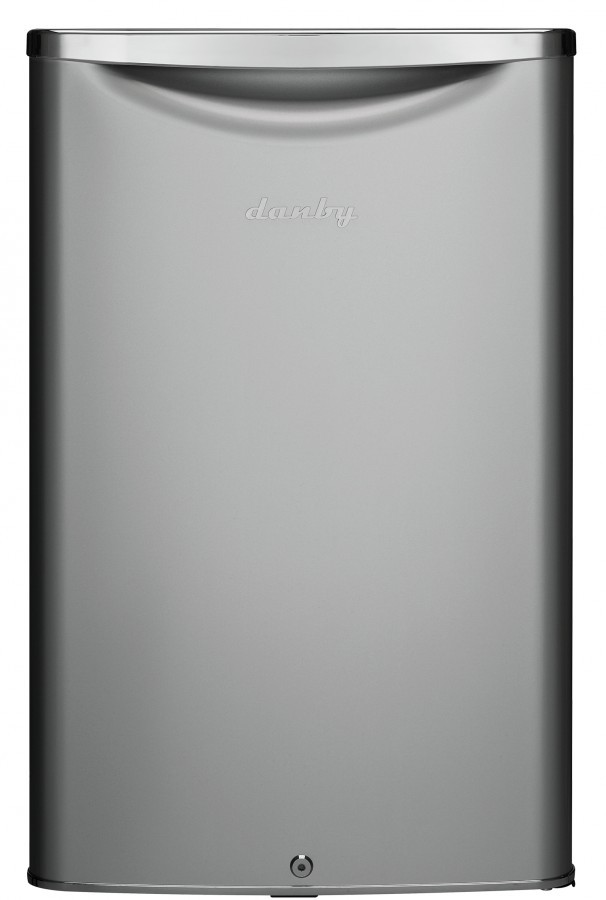
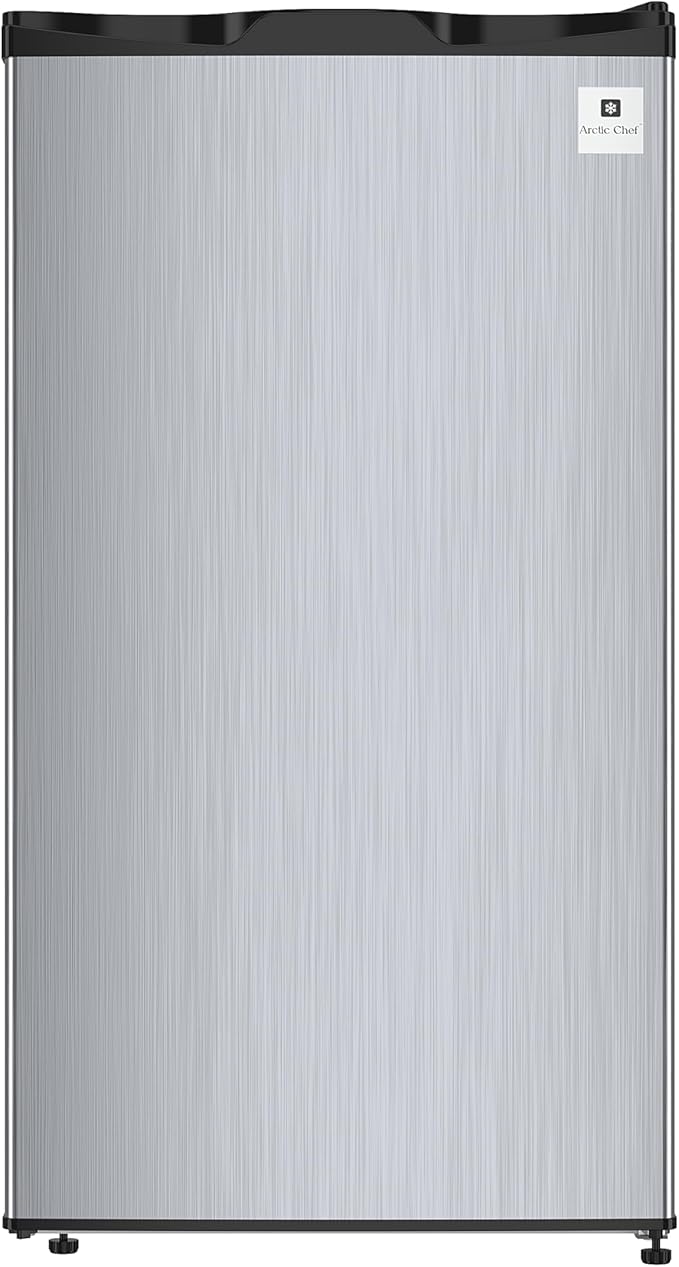
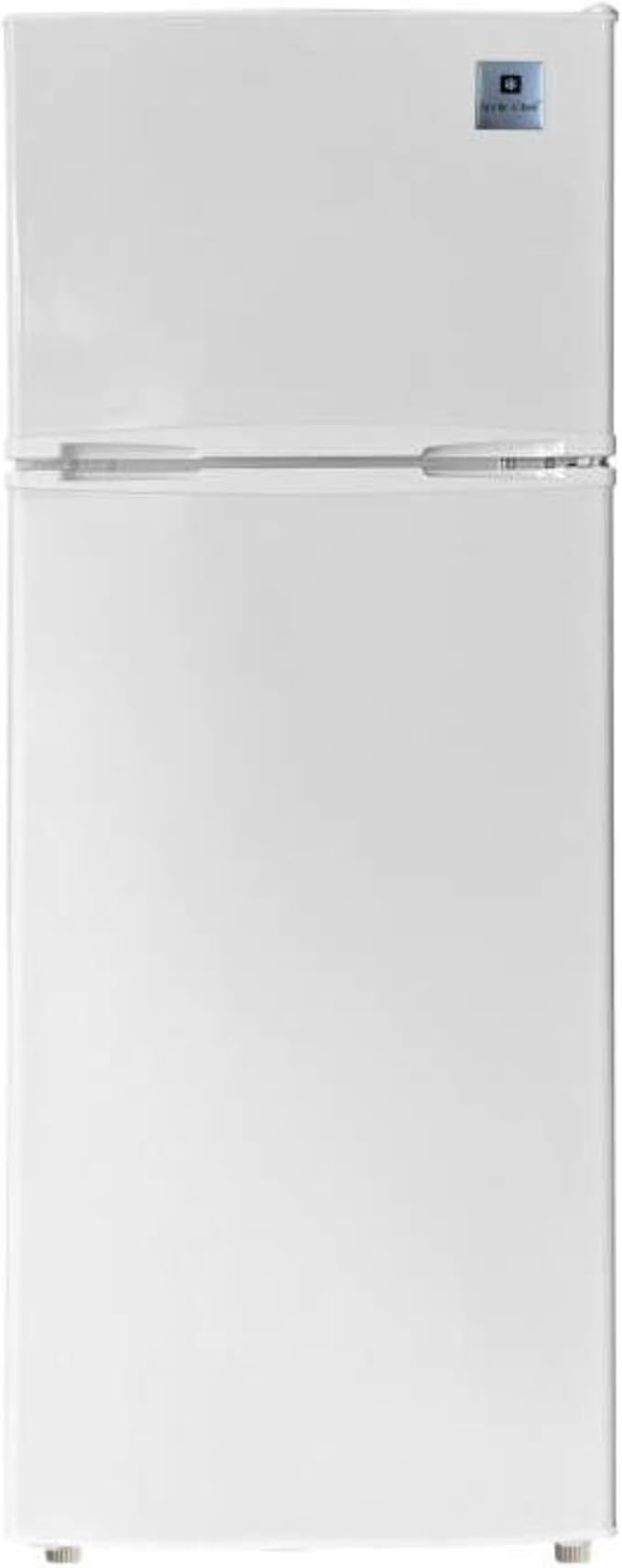
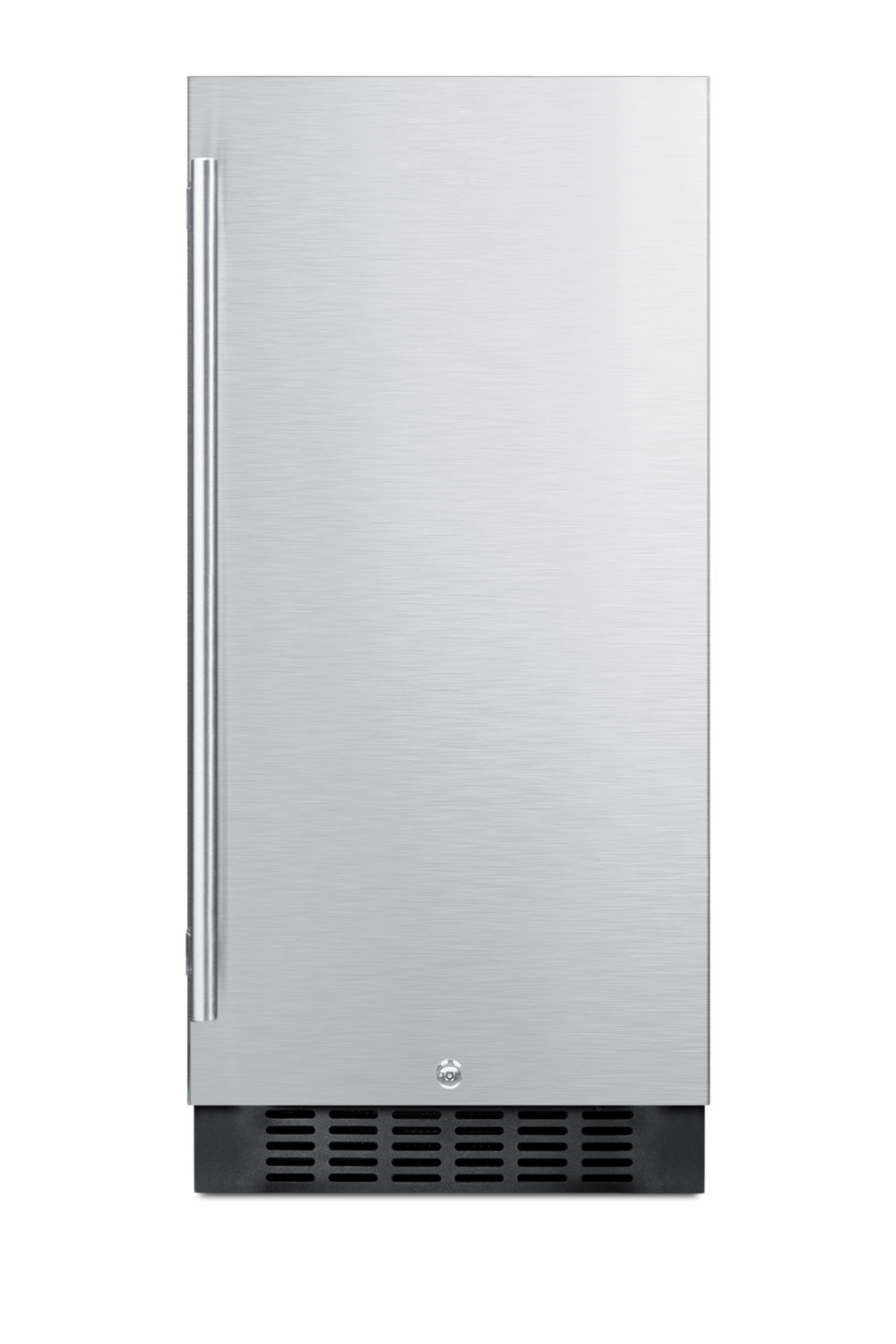
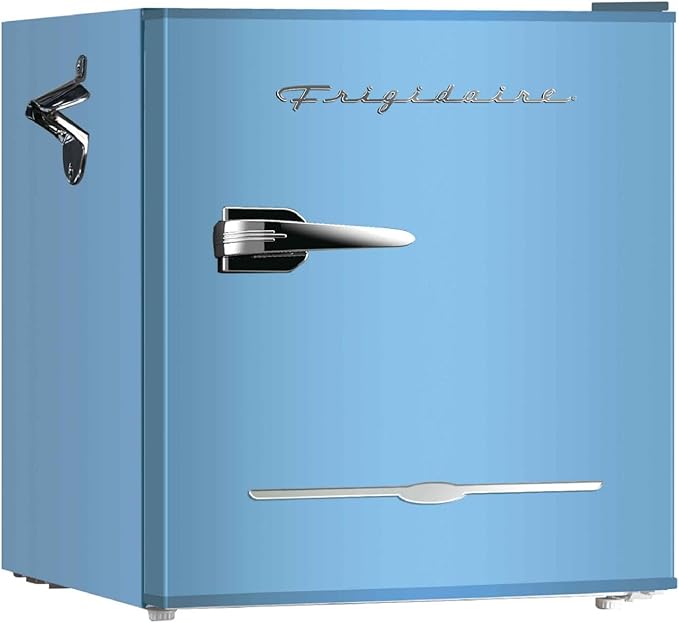
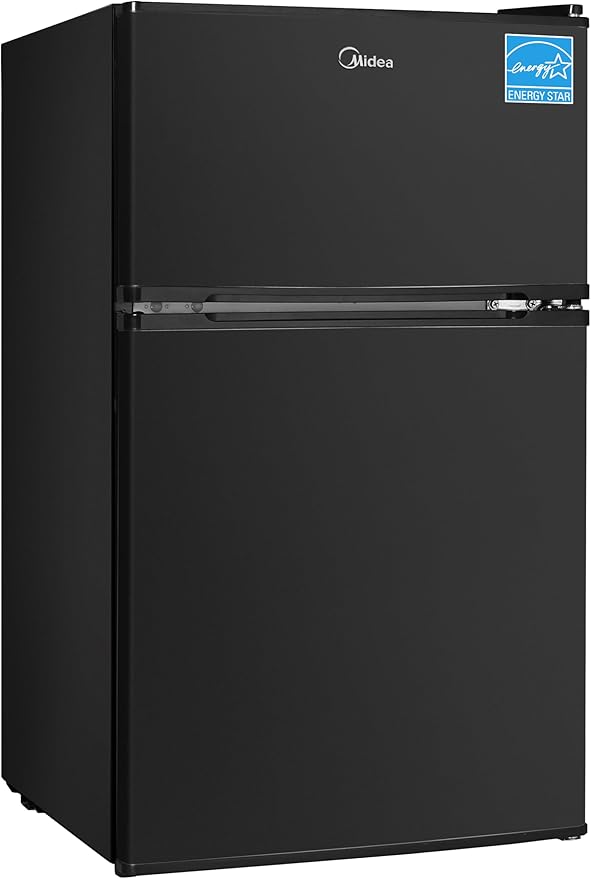
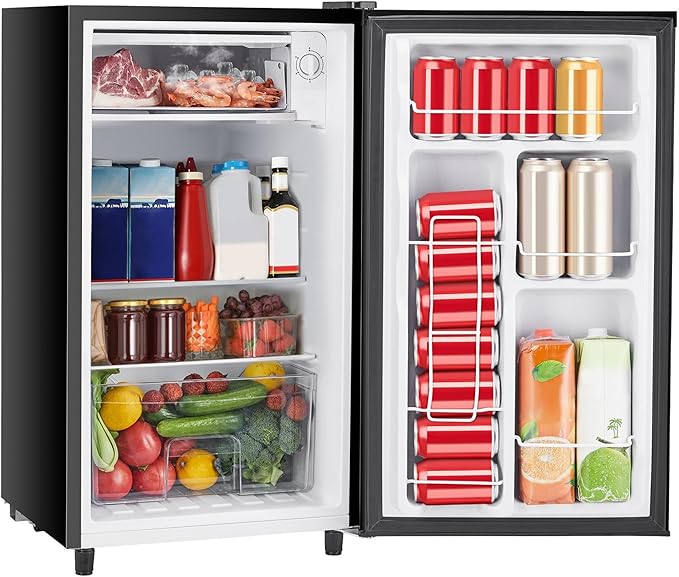
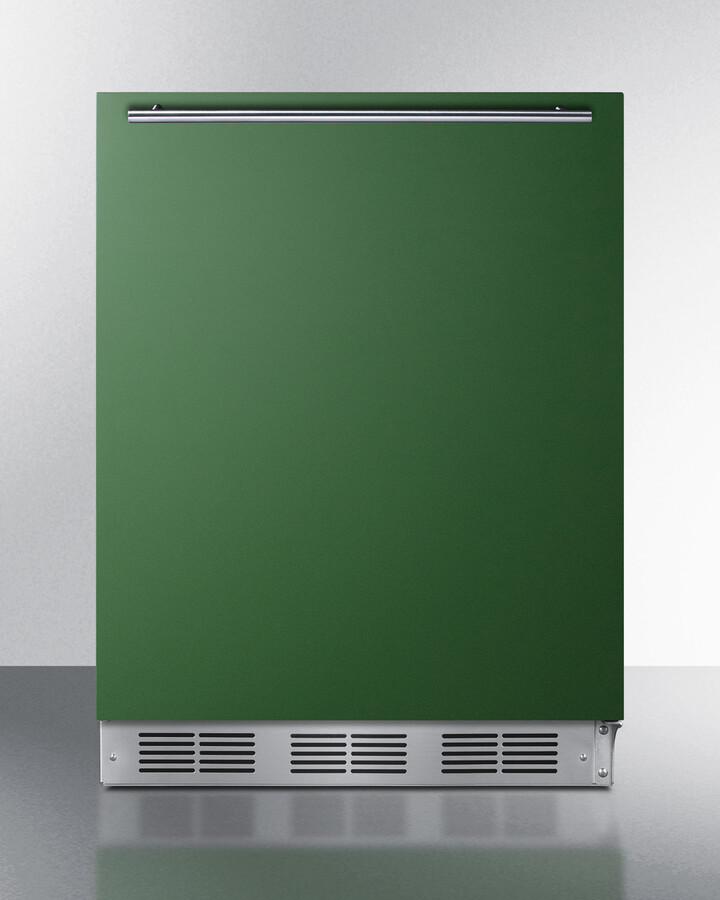
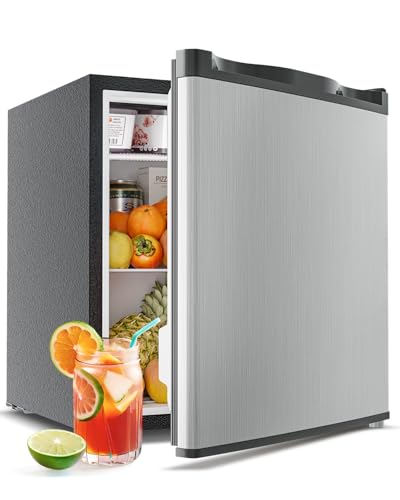
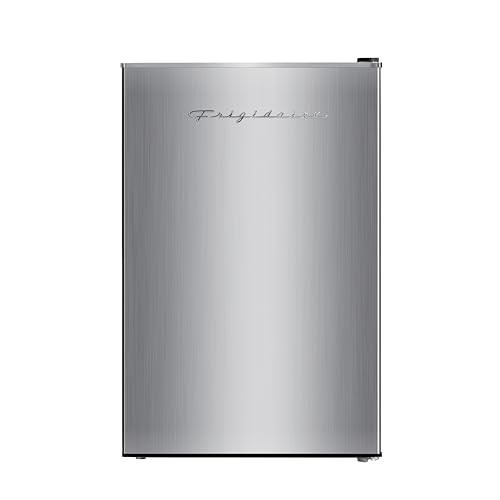
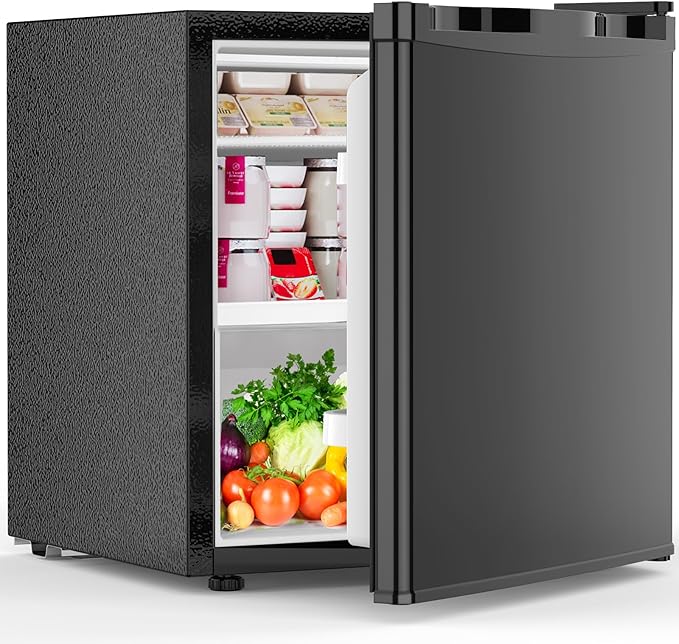
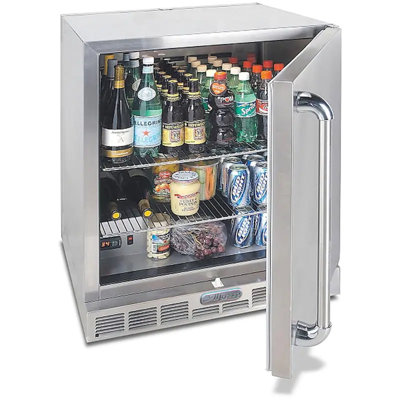
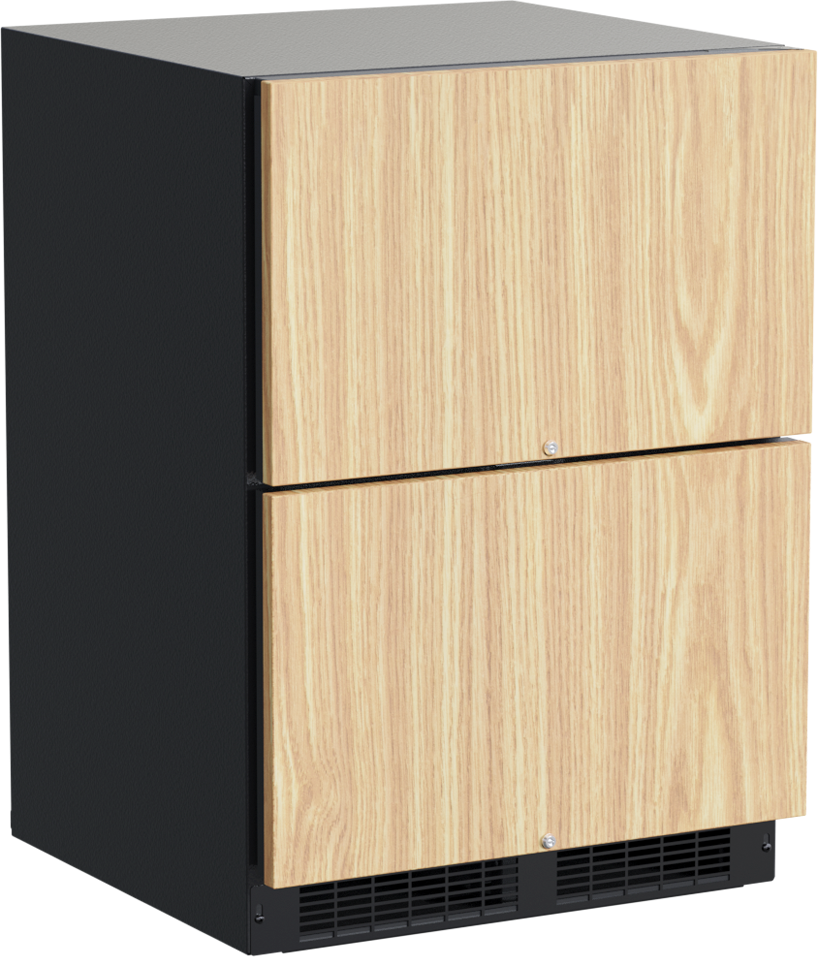
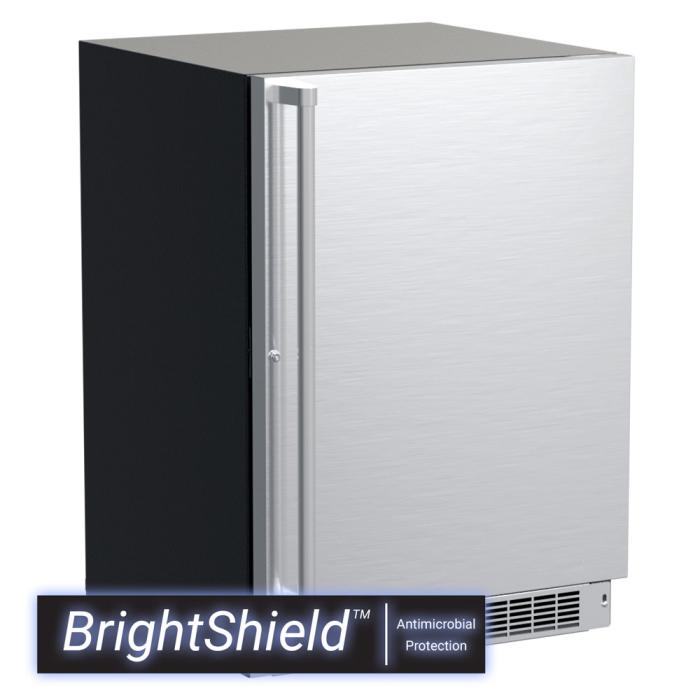
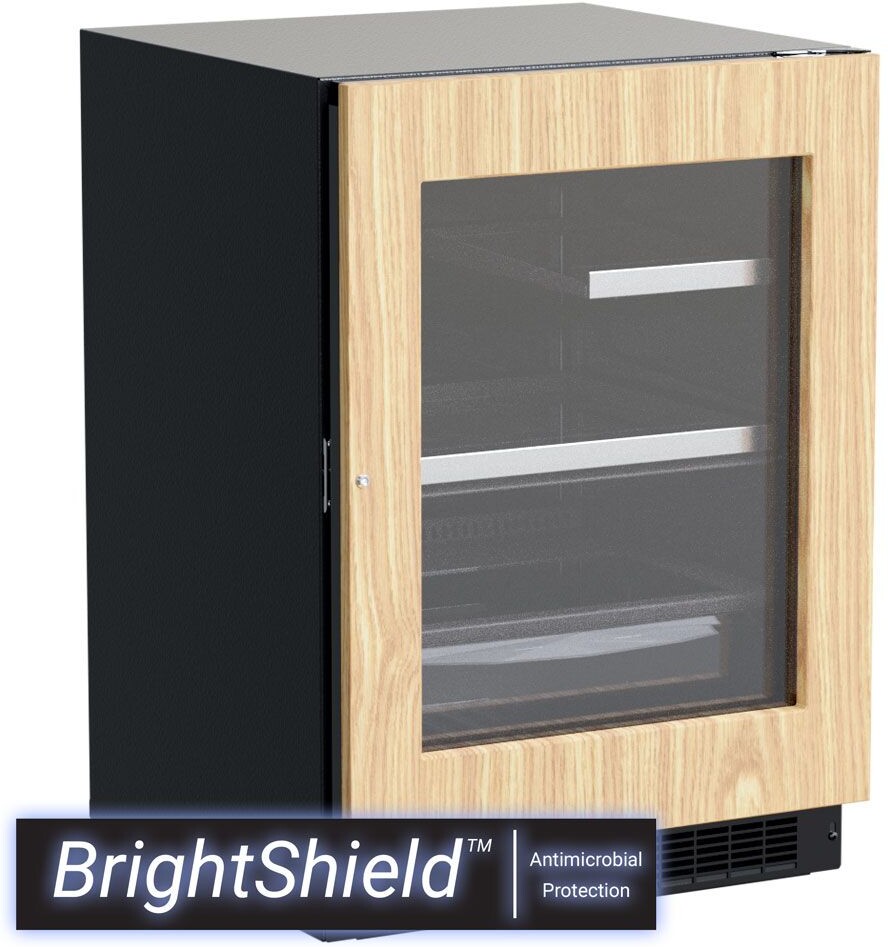
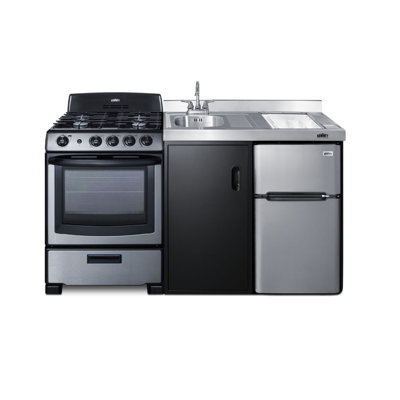
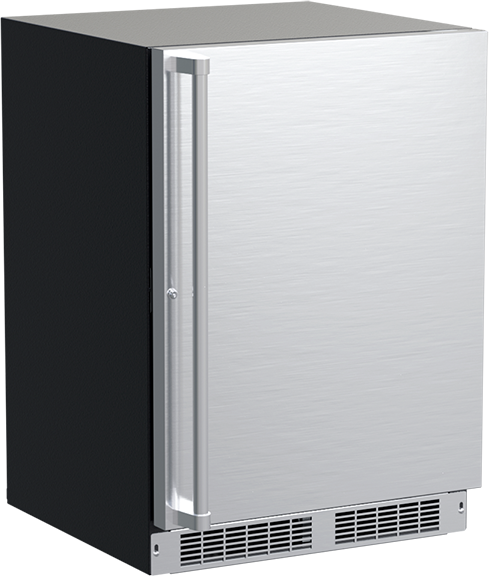
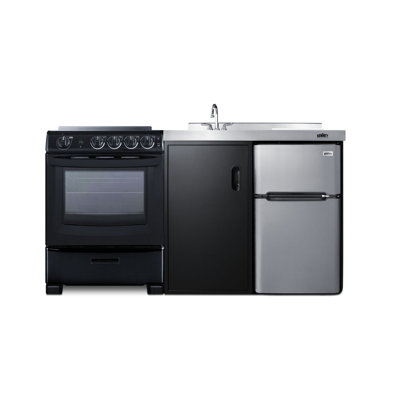
Glass door mini fridges typically maintain temperatures between 35°F and 45°F, while mini freezers can go as low as -10°F to 0°F.
The storage capacity of mini freezers typically ranges from 1.1 to 5 cubic feet, making them suitable for storing frozen meals, ice cream, and other perishables.
Introduction to Glass Door Mini Fridges and Mini Freezers
When considering compact cooling solutions, both glass door mini fridges and mini freezers offer unique benefits. These appliances are ideal for small spaces like apartments, offices, garages, and dorm rooms. They cater to different needs, from keeping beverages cool to storing frozen foods.
Glass door mini fridges are popular for their transparent doors, allowing you to see the contents without opening the door. This feature is particularly useful for quickly grabbing drinks or snacks. On the other hand, mini freezers are designed to store frozen goods, making them perfect for preserving food for longer periods.
Key Differences Between Glass Door Mini Fridges and Mini Freezers
To help you choose between a glass door mini fridge and a mini freezer, it’s important to understand their key differences:
Feature
Glass Door Mini Fridge
Mini Freezer
Primary Use
Cooling beverages and snacks
Storing frozen foods
Temperature Range
35°F - 50°F (1.7°C - 10°C)
-10°F - 0°F (-23°C - -18°C)
Visibility
Transparent door for easy viewing
Opaque door, contents not visible
Storage Options
Adjustable shelves, beverage racks
Fixed shelves, storage baskets
Portability
Lightweight and easy to move
Heavier due to insulation
Primary Use: Glass door mini fridges are designed for short-term cooling, making them ideal for beverages and perishable snacks. Mini freezers, however, are optimized for long-term storage of frozen foods.
Temperature Range: Glass door mini fridges usually maintain temperatures between 35°F and 50°F (1.7°C - 10°C), while mini freezers operate at much lower temperatures, ranging from -10°F to 0°F (-23°C - -18°C).
Visibility: The transparent door of a glass door mini fridge allows you to see inside without opening the door, reducing the loss of cold air. Mini freezers have opaque doors, so you need to open them to check the contents.
Storage Options: Glass door mini fridges often come with adjustable shelves and beverage racks, providing flexible storage solutions. Mini freezers typically have fixed shelves and storage baskets designed to accommodate various frozen items.
Energy Consumption: Due to their lower operating temperatures, mini freezers generally consume more energy compared to glass door mini fridges.
Portability: Glass door mini fridges are usually lighter and easier to move around, making them convenient for different settings. Mini freezers, with their added insulation, are often heavier and less portable.
Understanding these differences can help you decide which appliance best suits your needs. Whether you want to keep your drinks chilled or store frozen foods, each option offers distinct advantages. For further comparisons, check out Fridge.com articles on compact refrigerator Vs. drawer fridge freezer and mini fridge Vs. refrigerator drawer.
When comparing a glass door mini fridge and a mini freezer, understanding their storage capacities and options is essential. Each appliance offers unique benefits tailored to different needs.
Understanding the Storage Capacity of Glass Door Mini Fridges
Glass door mini fridges are designed to provide visibility and easy access to your stored items. They are ideal for beverages, snacks, and small food items. The storage capacity of these fridges can vary, but they generally range from 1.7 to 4.5 cubic feet.
Feature
Glass Door Mini Fridge
Typical Capacity
1.7 - 4.5 cubic feet
Shelves
Adjustable glass or wire shelves
Door Storage
Beverage racks, small item compartments
Visibility
Transparent glass door for easy viewing
Glass door mini fridges often come with adjustable shelves that can be rearranged to fit different sized items. They also typically include door storage options for beverages and smaller items. The transparent door not only adds a stylish touch but also allows you to quickly see what’s inside without opening the door, which can help in maintaining the internal temperature.
For more insights on mini fridges, you can explore Fridge.com comparison on mini fridge Vs. refrigerator drawer.
Exploring the Storage Options in Mini Freezers
Mini freezers are designed to store frozen foods and maintain a consistent low temperature. The storage capacity of mini freezers typically ranges from 1.1 to 5 cubic feet, making them suitable for storing frozen meals, ice cream, and other perishables.
Feature
Mini Freezer
Typical Capacity
1.1 - 5 cubic feet
Shelves
Fixed or adjustable wire shelves
Baskets
Removable baskets for organization
Compartments
Separate compartments for different types of food
Mini freezers often come with wire shelves and removable baskets that help organize different types of frozen items. Some models may also have compartments or bins to keep similar items together, making it easier to find what you need without rummaging through the entire freezer.
Understanding the storage capacity and options of both glass door mini fridges and mini freezers helps in making an informed decision based on your specific needs. Whether you require visibility and easy access of a mini fridge or the organized storage of a mini freezer, choosing the right appliance will depend on your storage requirements and preferences. For further comparisons, visit Fridge.com page on convertible freezer Vs. medium size refrigerator.
Temperature Control Features in Glass Door Mini Fridges
Glass door mini fridges are designed with user-friendly temperature control features to ensure your food and beverages are stored at optimal temperatures. These fridges often come with adjustable thermostats, allowing you to set the desired temperature based on what you are storing. Some models even offer digital temperature displays for precise control.
Feature
Description
Adjustable Thermostat
Allows you to set the temperature based on your needs.
Digital Display
Provides a clear, precise temperature readout.
Cooling Range
Typically ranges from 34°F to 50°F.
The cooling range in glass door mini fridges is generally suited for beverages and perishables. You can easily monitor and adjust the temperature to ensure your items remain fresh. For more information on similar appliances, check out Fridge.com article on mini fridge Vs. refrigerator drawer.
Temperature Regulation in Mini Freezers
Mini freezers are designed to maintain much lower temperatures compared to mini fridges. They are equipped with robust temperature regulation systems to keep items frozen solid. Most mini freezers feature adjustable thermostats, allowing you to set the temperature as low as necessary for freezing.
Feature
Description
Adjustable Thermostat
Allows for precise temperature settings.
Freezing Range
Typically ranges from -10°F to 0°F.
Manual Defrost
Some models require manual defrosting to maintain efficiency.
The freezing range in mini freezers is suitable for storing a variety of frozen goods, from meats to ice cream. The adjustable thermostat ensures that your items remain at the correct temperature, preventing spoilage. For more insights on freezer options, visit Fridge.com article on drawer freezer Vs. garage freezer.
Understanding the temperature control features in both glass door mini fridges and mini freezers can help you make an informed decision based on your storage needs. Whether you're looking to chill beverages or freeze food items, knowing how each appliance manages temperature is crucial. For more comparisons, check out Fridge.com guide on ice machine Vs. retro fridge.
Glass door mini fridges are popular for their aesthetic appeal and convenience, but how do they fare in terms of energy efficiency? These appliances can vary significantly based on their design and the technology used.
Feature
Energy Efficiency
Glass Door
Moderate - Allows visibility but may lead to heat loss
Compressor Type
Varies - Modern compressors are more efficient
Insulation Quality
High - Better insulation improves efficiency
Modern glass door mini fridges often come with improved insulation and efficient compressors, making them more energy-efficient. However, the glass door can lead to increased energy consumption as it allows for heat exchange. Opting for Energy Star-rated models can help you save on electricity bills. For a detailed comparison, you might want to check Fridge.com article on convertible freezer Vs. medium size refrigerator.
Maintenance Tips for Mini Freezers
Maintaining your mini freezer is crucial to ensure its longevity and efficiency. Regular upkeep can prevent common issues and keep your appliance running smoothly.
Defrosting: Manual defrosting is necessary to prevent ice buildup.
Cleaning: Regular cleaning of the interior and exterior, including the coils, keeps the freezer efficient.
Temperature Monitoring: Regularly check the temperature settings to ensure they are optimal.
Door Seals: Inspect door seals to ensure there are no gaps or damage.
Maintenance Task
Frequency
Defrosting
Every 3-6 months
Cleaning Interior
Monthly
Cleaning Coils
Biannually
Inspecting Door Seals
Monthly
Proper maintenance not only prolongs the life of your mini freezer but also ensures it operates efficiently. For more tips on maintaining your freezer, visit Fridge.com article on drawer freezer Vs. garage freezer.
Understanding the energy efficiency and maintenance needs of your glass door mini fridge and mini freezer can help you make an informed decision. Whether you're considering aesthetics, energy consumption, or ease of maintenance, knowing these factors gives you an edge in choosing the right appliance for your needs. For more insights, explore Fridge.com article on mini fridge Vs. refrigerator drawer.
Aesthetics and Placement
Design and Aesthetics of Glass Door Mini Fridges
Glass door mini fridges are visually appealing and offer a sleek, modern look that can enhance the decor of any space. The transparent glass door allows you to easily see the contents inside, making it convenient to locate items without opening the door and letting out cold air. This visibility can be particularly useful in settings where presentation is key, such as in a home bar, office, or even a living room.
The design of glass door mini fridges often includes LED lighting, which not only adds a stylish touch but also illuminates the interior for better visibility. The glass door can come in various tints and finishes, allowing you to choose a style that complements your existing decor. The compact size of these fridges makes them suitable for small spaces, including apartments and dorm rooms.
Placement Considerations for Mini Freezers
When considering the placement of a mini freezer, it's important to think about both functionality and accessibility. Mini freezers can be placed in various locations, such as kitchens, basements, garages, or even outdoor spaces like near a home pool or in a cabin.
Key factors to consider for placement include:
Ventilation: Ensure that the mini freezer has adequate space around it for proper ventilation. This helps to prevent overheating and maintains efficient operation.
Accessibility: Place the freezer in a location where you can easily access it. Consider the frequency of use and the convenience of having it nearby.
Environment: The ambient temperature of the placement area can affect the performance of the mini freezer. Avoid placing it in areas with extreme temperatures, such as directly next to a heat source or in uninsulated spaces.
Flooring: Make sure the surface where you place the mini freezer is level and sturdy. Uneven surfaces can affect the freezer's operation and stability.
For more information on comparing different types of refrigerators and freezers, check out Fridge.com articles on convertible freezer Vs. medium size refrigerator and mini fridge Vs. refrigerator drawer.
By carefully considering the design and placement of your glass door mini fridge or mini freezer, you can ensure that it not only meets your storage needs but also complements your living or working space.
Factors to Consider Before Choosing Between a Glass Door Mini Fridge and a Mini Freezer
When deciding between a glass door mini fridge and a mini freezer, several factors should be considered to ensure the best choice for your needs.
Storage Needs: Identify what you will primarily store. A glass door mini fridge is ideal for beverages and perishable items that need to be kept cool. A mini freezer is better suited for frozen goods and long-term storage.
Space Availability: Evaluate the available space in your setting. Glass door mini fridges often fit well in offices, home bars, and living areas. Mini freezers might require more space and are often placed in basements or garages.
Temperature Requirements: Determine the temperature control needed. Glass door mini fridges typically maintain temperatures between 35°F and 45°F, while mini freezers can go as low as -10°F to 0°F.
Energy Efficiency: Compare the energy consumption. Glass door mini fridges usually consume less power than mini freezers. Look for Energy Star ratings to gauge efficiency.
Aesthetic Appeal: Consider the design and visibility. Glass door mini fridges offer a clear view of the contents, enhancing the aesthetic appeal, which is advantageous for entertaining and displaying beverages.
Maintenance: Assess the maintenance requirements. Glass door mini fridges need regular cleaning of the glass surface and interior, whereas mini freezers may require periodic defrosting and cleaning.
Factor
Glass Door Mini Fridge
Mini Freezer
Storage Needs
Beverages, perishables
Frozen goods, long-term storage
Space Availability
Office, home bar, living area
Basement, garage
Temperature Range
35°F to 45°F
-10°F to 0°F
Aesthetic Appeal
High, clear visibility
Moderate, usually opaque
Maintenance
Regular cleaning
Periodic defrosting and cleaning
Making the Best Choice for Your Needs
To make the best choice, align your decision with your specific needs and preferences.
For frequent access and display: A glass door mini fridge is ideal for areas where you frequently access and display beverages or snacks.
For long-term storage: A mini freezer is perfect for storing bulk items, frozen meals, and other goods that require consistent freezing temperatures.
Explore Fridge.com related comparisons to further refine your choice:
Compare current prices and specifications on Fridge.com, then buy from the retailer you choose; delivery, installation and warranty terms are the retailer’s.
It also has tons of awesome articles about kitchen stuff and home news. Enhance your home, garage, backyard, patio, and office with the coolest essentials. With every necessary type of residential refrigerator or freezer in the collection, you're covered.
From Fridge.com research
Figures below come from data Fridge.com builds and maintains. Each links to the record behind it.
Fridge.com Energy Index, built on U.S. EPA and DOE ENERGY STAR records
Across 1,728 ENERGY STAR certified compact refrigerator models, median use is 246 kWh per year — 11% better than the federal standard.