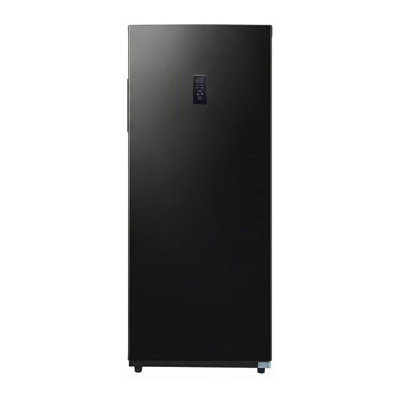
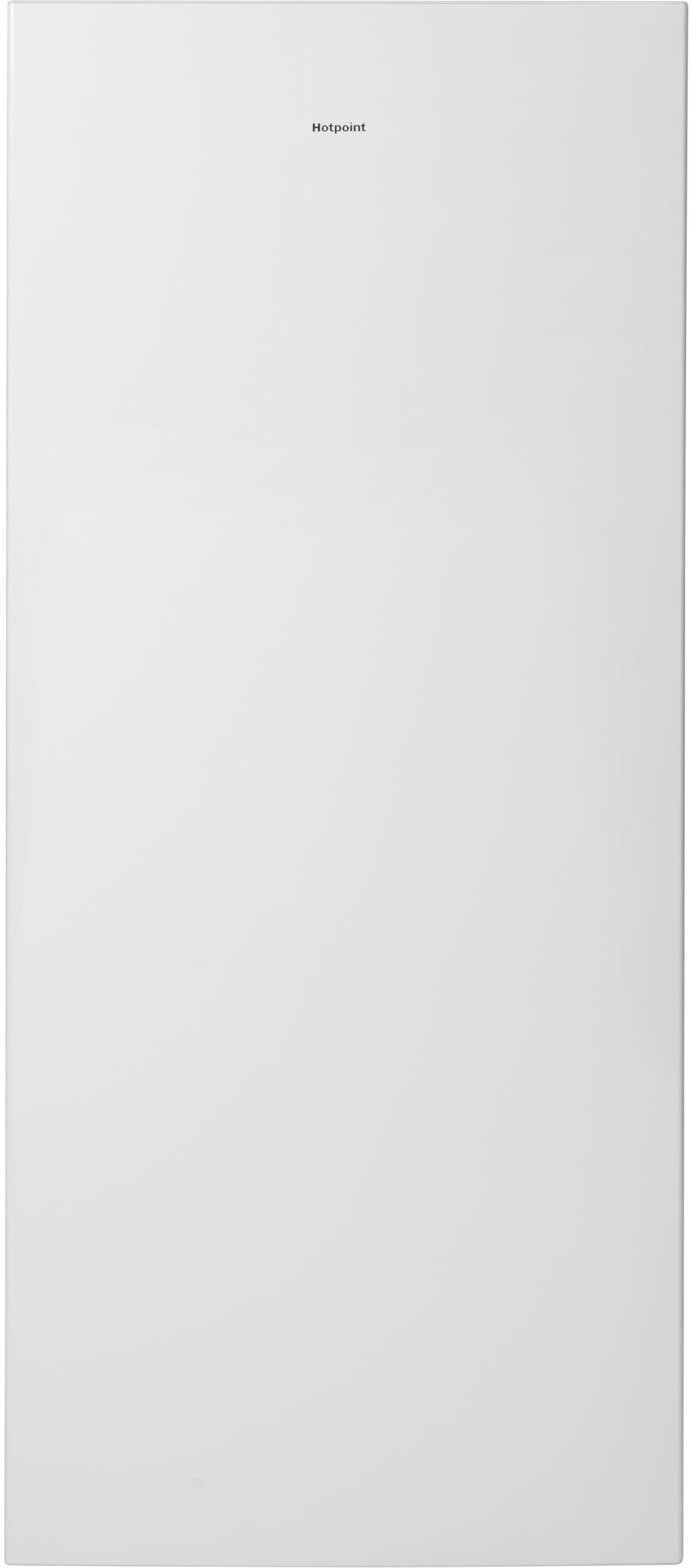
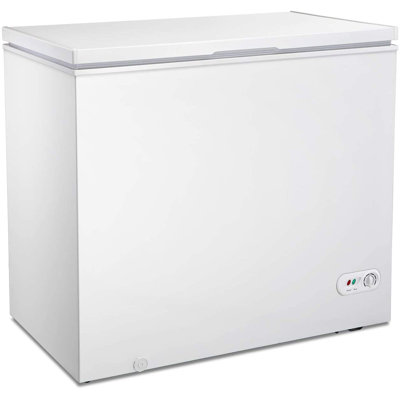
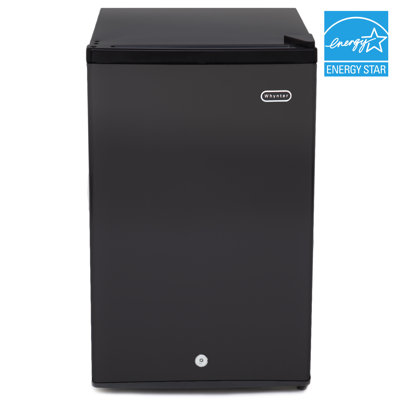
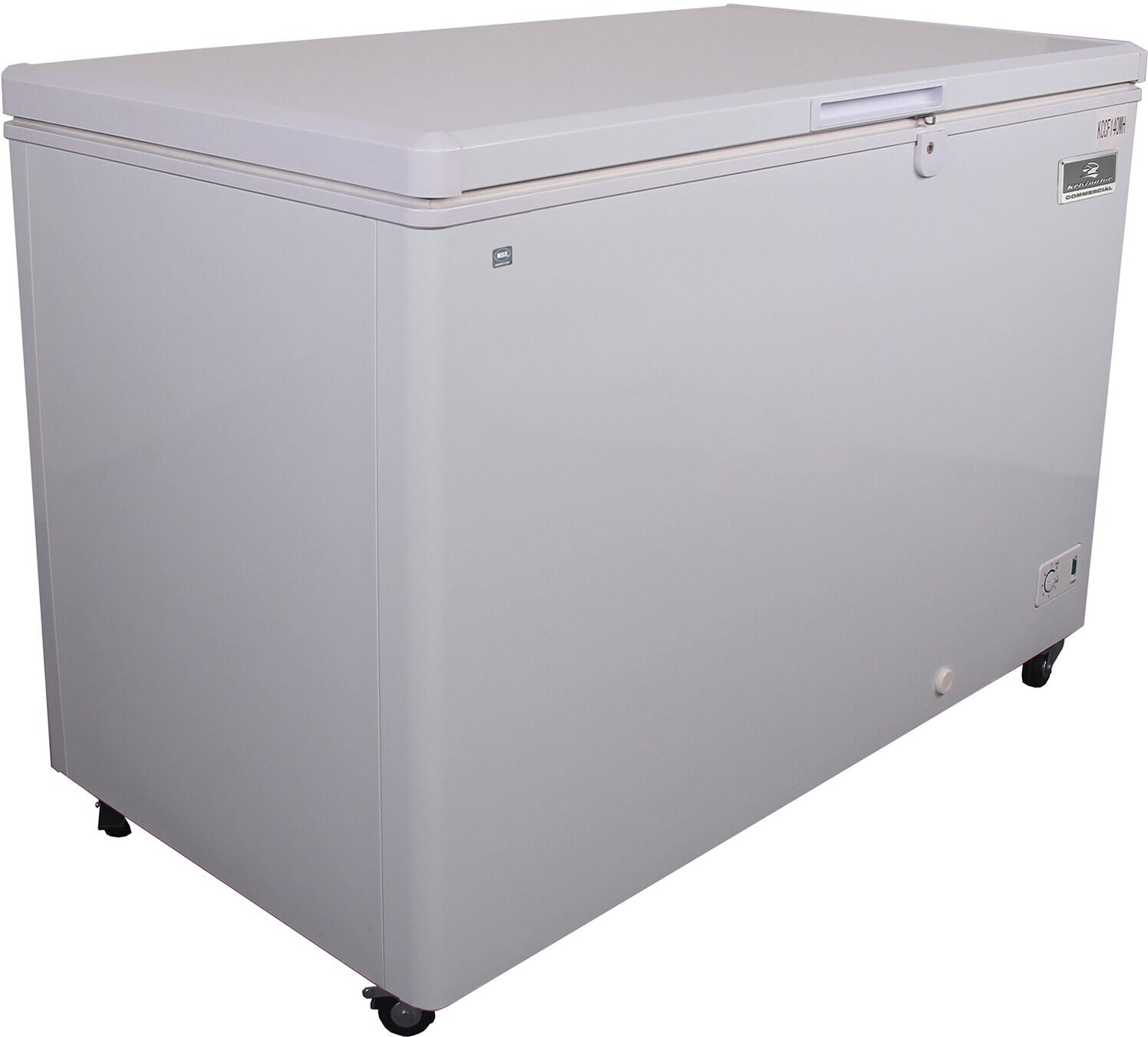
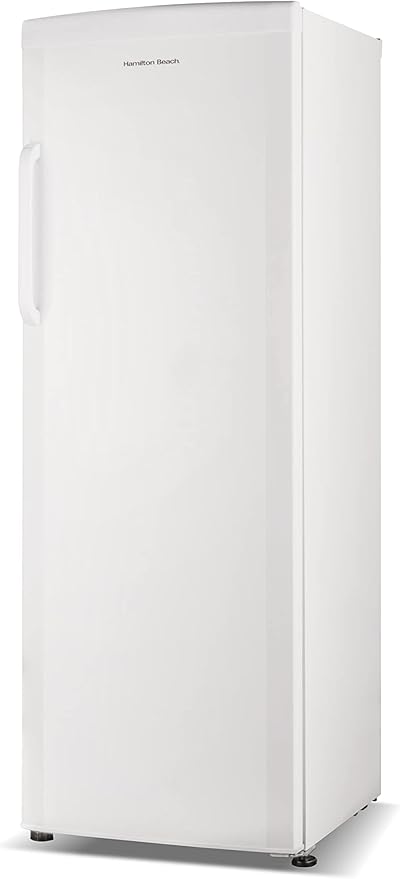
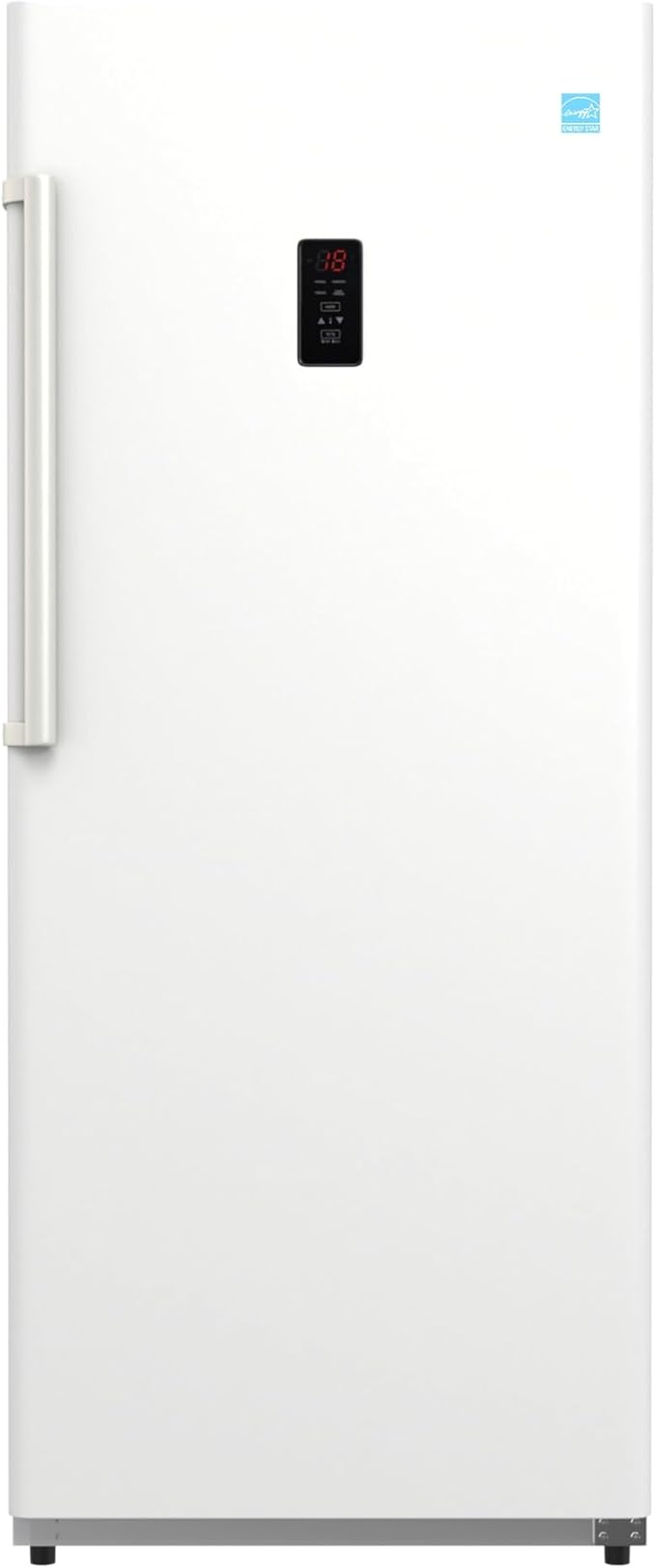
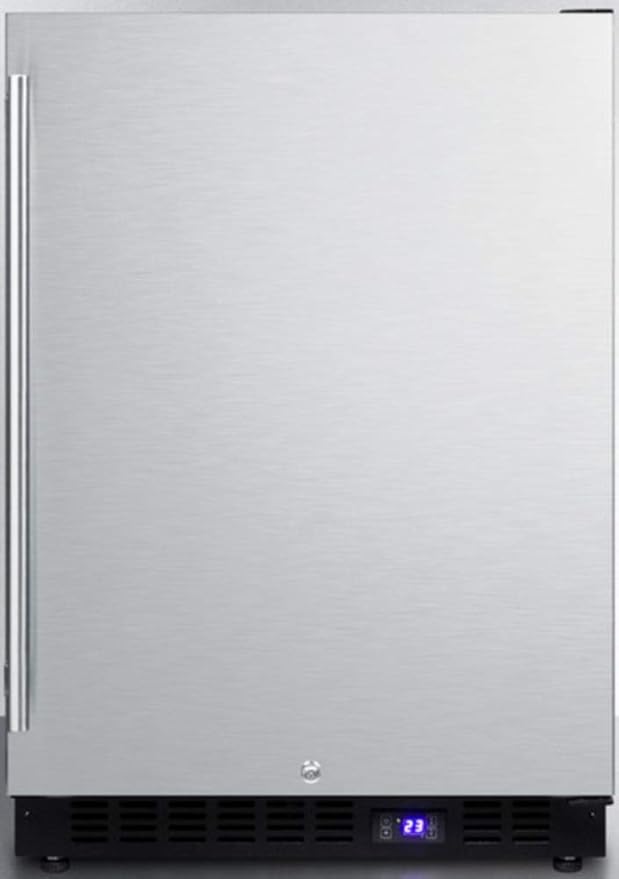
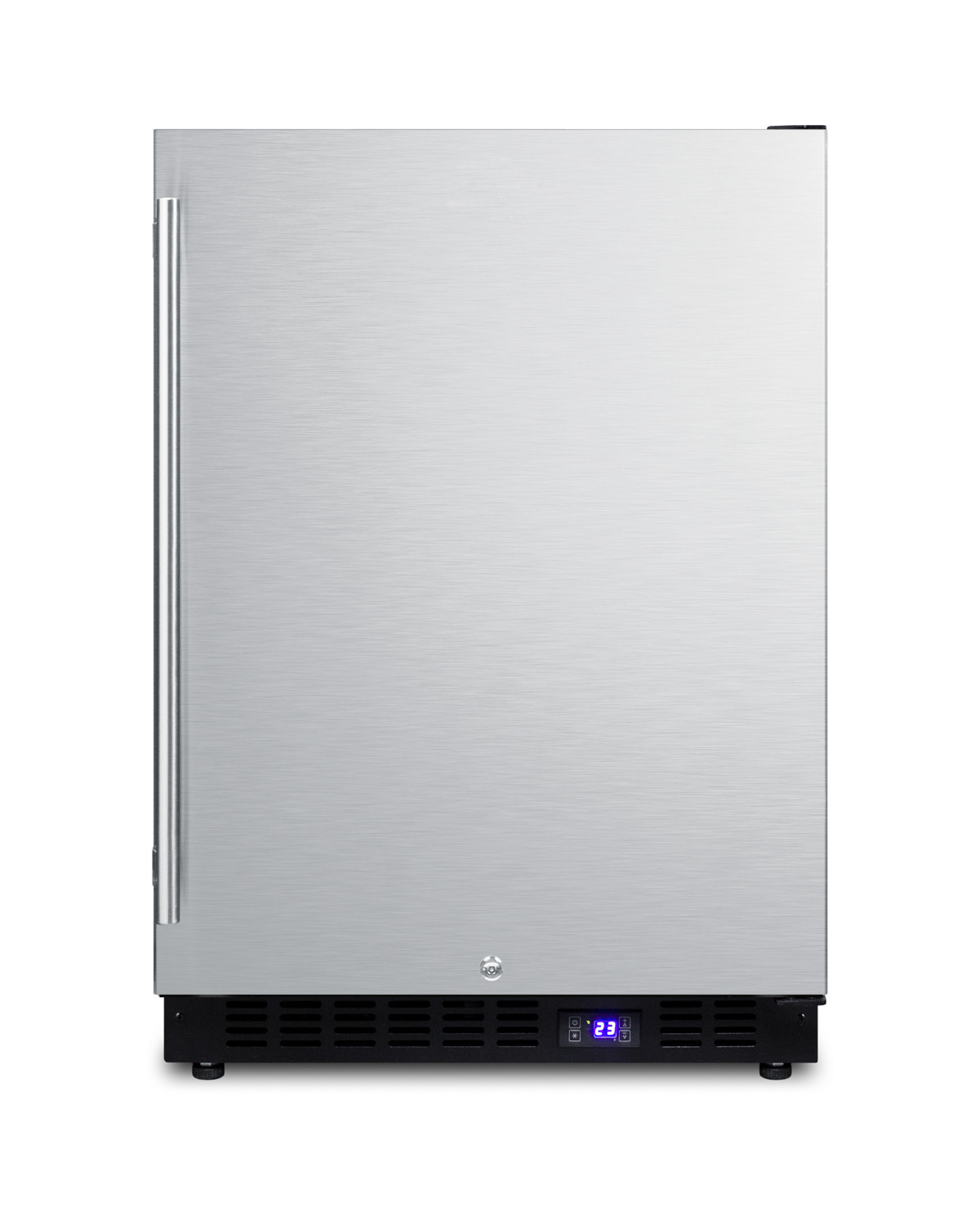
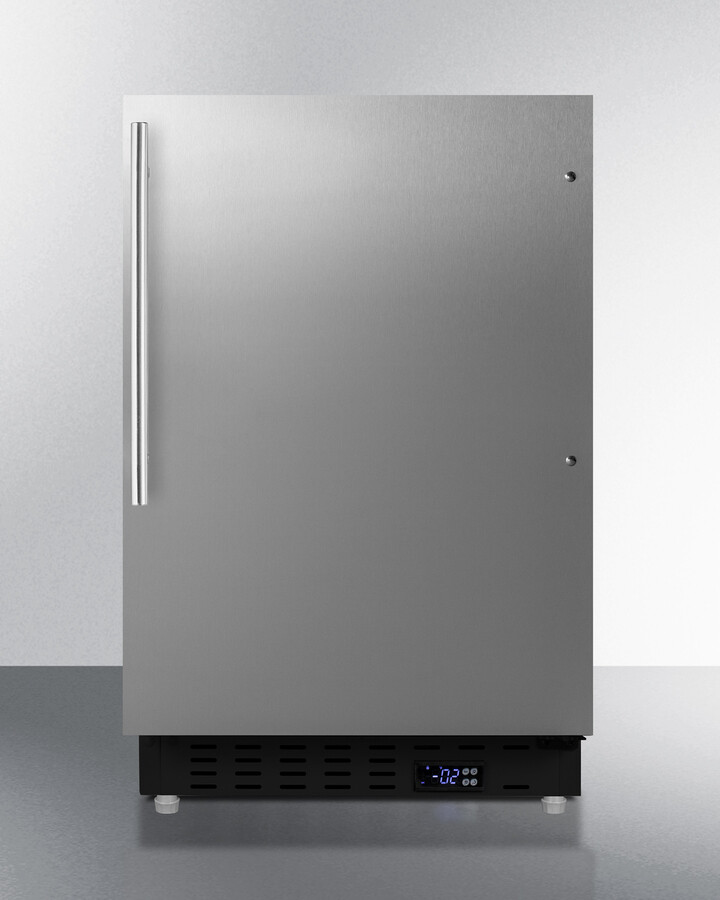
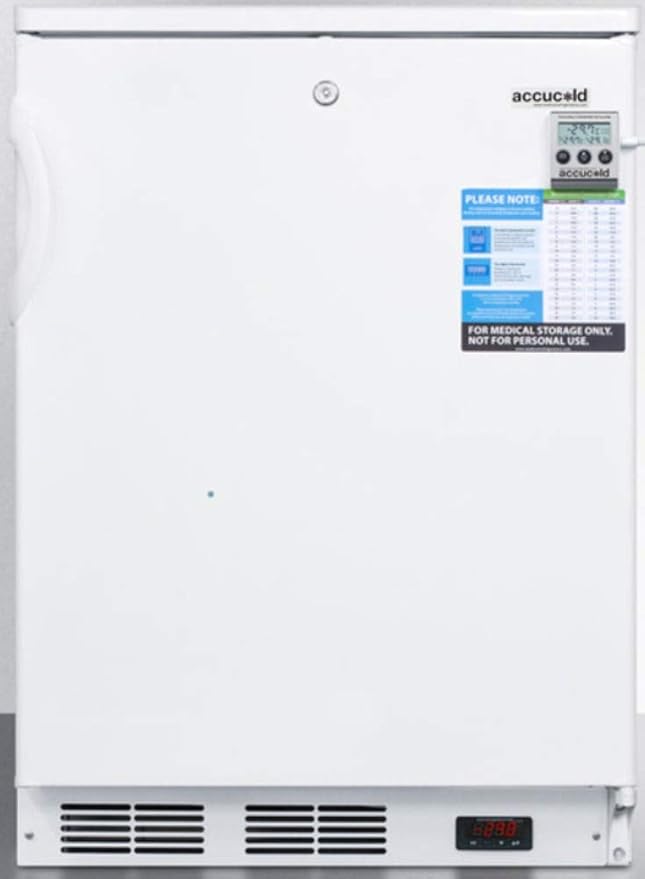
A freezerless refrigerator offers numerous advantages for various living spaces, from homes and apartments to offices and cabins. Here are some key benefits:
Increased Storage Space: Without a freezer compartment, you gain more room for fresh food storage. This can be particularly useful for those who frequently cook or entertain.
Energy Efficiency: Freezerless fridges often consume less energy compared to models with freezers, leading to lower utility bills.
Optimal Organization: With more shelf space and dedicated compartments, organizing your groceries becomes easier.
Ideal for Specific Uses: Perfect for using as a beverage fridge, a secondary fridge in the garage, or for those who have a separate freezer unit.
Ideal Locations for a Freezerless Refrigerator
Choosing the right location for your freezerless refrigerator is essential for maximizing its benefits. Some ideal spots include:
Kitchen: Ideal for those who need extra fresh food storage without the bulk of a freezer.
Garage: Great for storing beverages, extra produce, or overflow from your main refrigerator. Consider checking Fridge.com guide on refrigerator only for garage.
Basement: Useful for large households or those who like to stock up on fresh produce.
Office: Perfect for keeping lunches, snacks, and drinks cool.
Cabin: Provides ample space for perishables during vacations or weekends away.
Factors to Consider Before Buying
Before purchasing a freezerless refrigerator, consider the following factors to ensure it meets your needs:
Factor
Description
Size and Capacity
Ensure the refrigerator fits in the designated space and meets your storage needs. Explore options like full size freezerless refrigerator or small freezerless refrigerator.
Shelving and Organization
Check the layout and adjustability of shelves and compartments.
Temperature Control
Consider models with precise temperature control to keep food fresh longer.
Noise Level
Ensure the refrigerator operates quietly, especially if it will be placed in a living area or office.
Design and Finish
Choose a finish that matches your decor. Stainless steel is a popular choice for its sleek appearance and durability. For more information, see stainless steel freezerless refrigerator.
Additional Features
Look for features like water dispensers or ice makers if needed. See options like freezerless refrigerator with ice maker and freezerless refrigerator with water dispenser.
By considering these factors, you can select the best freezerless refrigerator stainless that fits your lifestyle and storage needs.
Types of Freezerless Refrigerators
When selecting a freezerless refrigerator, you have several options to consider. Each type offers unique features and benefits that cater to different needs and spaces.
Standard Freezerless Refrigerators
Standard freezerless refrigerators are a popular choice for many households. They offer ample storage space and are ideal for those who do not require a freezer. These refrigerators come in various sizes, making them suitable for kitchens, garages, or basements.
Feature
Description
Capacity
Ranges from 14 to 20 cubic feet
Dimensions
Typically around 60-80 inches in height and 28-36 inches in width
Built-in freezerless refrigerators are designed to fit seamlessly into your kitchen cabinetry. They provide a sleek and integrated look, making them a favorite among those seeking a high-end kitchen aesthetic. These refrigerators are often taller and narrower than standard models, offering a more customized fit.
Feature
Description
Capacity
Ranges from 16 to 24 cubic feet
Dimensions
Typically around 80-84 inches in height and 24-36 inches in width
Best For
High-end kitchens, custom cabinetry
Explore more about built-in freezerless refrigerators.
Counter-Depth Freezerless Refrigerators
Counter-depth freezerless refrigerators are designed to align with your kitchen counters, providing a streamlined appearance. They offer a more integrated look without the need for custom cabinetry. These refrigerators are slightly shallower than standard models, making them a great option for smaller kitchens or spaces where depth is a concern.
Feature
Description
Capacity
Ranges from 14 to 18 cubic feet
Dimensions
Typically around 69-72 inches in height and 24-30 inches in width
Each type of freezerless refrigerator has its own set of advantages, depending on your specific needs and the space available. Whether you choose a standard, built-in, or counter-depth model, you can enjoy the benefits of a freezerless fridge tailored to your requirements. For more tips on selecting the right refrigerator, visit Fridge.com article on refrigerator only with no freezer.
When considering a freezerless refrigerator stainless steel, it’s essential to focus on key features to ensure it meets your needs. Here are some important aspects to consider.
Capacity and Size
The capacity and size of a freezerless refrigerator are crucial factors, especially if you have specific storage needs. You should evaluate the interior space to ensure it can accommodate your food and beverages.
Refrigerator Type
Capacity (cubic feet)
Height (inches)
Width (inches)
Depth (inches)
Small Freezerless Refrigerator
10 - 15
60 - 70
24 - 28
24 - 30
Full Size Freezerless Refrigerator
18 - 22
66 - 70
30 - 36
28 - 34
Counter Depth Freezerless Refrigerator
18 - 22
66 - 70
30 - 36
24 - 27
For more information on different sizes, check out Fridge.com articles on small freezerless refrigerator, full size freezerless refrigerator, and counter depth freezerless refrigerator.
Shelving and Organization
The shelving and organization options in a freezerless fridge can greatly impact its usability. Look for adjustable shelves, bins, and drawers that allow you to customize the interior layout to fit your needs. Features such as door bins, crisper drawers, and deli drawers can help keep your food organized and easily accessible.
Feature
Description
Adjustable Shelves
Moveable shelves to accommodate different item sizes
Door Bins
Bins on the door for small items and bottles
Crisper Drawers
Drawers designed to keep fruits and vegetables fresh
Deli Drawers
Low-temperature drawers for meats and cheeses
Energy Efficiency
Energy efficiency is an important consideration for any refrigerator only, as it can impact your electricity bills and the environment. Look for models with an Energy Star rating, which indicates they meet energy efficiency guidelines set by the Environmental Protection Agency (EPA).
Refrigerator Type
Annual Energy Use (kWh)
Energy Star Certified
Small Freezerless Refrigerator
300 - 400
Yes
Full Size Freezerless Refrigerator
400 - 600
Yes
Counter Depth Freezerless Refrigerator
400 - 600
Yes
Choosing an energy-efficient model not only saves you money but also reduces your carbon footprint. For more information, explore Fridge.com article on energy-efficient freezerless refrigerators.
By considering these features, you can find the best freezerless refrigerator stainless to suit your needs and lifestyle. Check out other Fridge.com articles for more insights on refrigerator freezerless and upright refrigerator only.
Stainless Steel Finish
When choosing a freezerless refrigerator, the finish is an important aspect to consider. Stainless steel is a popular choice for its aesthetic appeal and durability.
Benefits of Stainless Steel
Stainless steel offers several advantages, making it a preferred choice for many. Here are some key benefits:
Aesthetic Appeal: Stainless steel provides a sleek, modern look that complements various kitchen designs.
Durability: Known for its strength, stainless steel is resistant to dents and scratches, ensuring a long-lasting appliance.
Hygienic Surface: The non-porous surface of stainless steel resists bacteria and germs, making it easy to clean and maintain.
Heat Resistance: Stainless steel can withstand high temperatures, which is beneficial in a kitchen setting.
Non-Corrosive: It resists rust and stains, ensuring the appliance's longevity.
Maintenance Tips for Stainless Steel
To keep your stainless steel freezerless refrigerator looking its best, regular maintenance is essential. Here are some tips:
Regular Cleaning: Wipe the surface with a soft cloth and mild detergent. Avoid abrasive cleaners that can scratch the finish.
Polishing: Use a stainless steel polish or a mixture of vinegar and water to remove fingerprints and smudges.
Avoid Scratches: Use non-abrasive tools and cleaners to prevent scratching the surface.
Prevent Water Spots: Dry the surface with a clean cloth to prevent water spots after cleaning.
Protective Coating: Consider applying a stainless steel protective coating to enhance its durability and shine.
For more information on choosing and maintaining your freezerless refrigerator, check out Fridge.com articles on freezerless refrigerator and stainless steel freezerless refrigerator.
Maintenance Task
Frequency
Suggested Tools
Regular Cleaning
Weekly
Soft cloth, mild detergent
Polishing
Bi-weekly
Stainless steel polish or vinegar-water mix
Scratch Prevention
As needed
Non-abrasive tools and cleaners
Water Spot Prevention
After cleaning
Clean, dry cloth
Protective Coating
Monthly
Stainless steel protective coating
By following these maintenance tips, you can ensure that your stainless steel freezerless refrigerator remains in excellent condition, providing both functionality and aesthetic appeal for years to come.
Placement and Installation
When installing a freezerless refrigerator stainless model, it's essential to consider both the location and the installation requirements. Proper placement and installation can ensure optimal performance and longevity of your appliance.
Choosing the Right Location
Selecting the ideal spot for your freezerless refrigerator involves several factors. Whether you're placing it in a home, apartment, condo, garage, or any other location, the following considerations are crucial:
Accessibility: Ensure that the refrigerator is easily accessible for daily use. Place it in a convenient spot where you can effortlessly reach all shelves and compartments.
Ventilation: Proper airflow around the refrigerator is necessary to prevent overheating and ensure efficient operation. Leave at least one inch of space on all sides.
Level Surface: The surface should be level to avoid any imbalance, which can affect the refrigerator’s performance. Use a leveling tool to check the surface.
Proximity to Power Source: Choose a location near an electrical outlet to avoid the need for extension cords. Ensure the outlet matches the refrigerator's power requirements.
Away from Heat Sources: Keep the refrigerator away from direct sunlight, ovens, and other heat-emitting appliances to maintain consistent internal temperatures.
Installation Considerations
Proper installation is key to maximizing the functionality and lifespan of your freezerless refrigerator stainless unit. Here are some important installation tips:
Measurement of Space: Measure the dimensions of the space where the refrigerator will be placed, including width, height, and depth. Compare these measurements to the refrigerator’s specifications to ensure a proper fit.
Measurement Type
Required Space (inches)
Width
Refrigerator width + 1
Height
Refrigerator height + 1
Depth
Refrigerator depth + 1
Electrical Requirements: Verify that the electrical outlet meets the refrigerator’s voltage and amperage requirements. Most refrigerators require a standard 110/120V outlet.
Water Line (if applicable): If your freezerless refrigerator includes a water dispenser or ice maker, ensure a water line connection is available. Follow the manufacturer’s instructions for properly connecting the water line.
Door Swing and Clearance: Consider the door swing direction and ensure there is enough clearance for the doors to open fully without obstruction. This is particularly important for tight spaces.
For further tips on organizing and maximizing the use of your freezerless refrigerator, visit Fridge.com article on organizing your refrigerator and tips for efficient use.
By carefully choosing the right location and following proper installation guidelines, you can ensure that your freezerless refrigerator stainless model operates efficiently and serves your needs effectively.
Maximizing Your Freezerless Refrigerator
Making the most out of your freezerless refrigerator involves effective organization and efficient use. Here are some tips to help you keep your freezerless refrigerator running smoothly.
Organizing Your Refrigerator
Proper organization is key to maximizing the space and efficiency of your freezerless fridge. Here are some strategies to consider:
Categorize Items: Group similar items together, such as dairy, beverages, and condiments. This makes it easier to find what you need quickly.
Use Clear Containers: Store food in clear, labeled containers to easily identify contents and keep things neat.
Adjust Shelves: Make use of adjustable shelving to accommodate taller items and maximize vertical space.
Utilize Door Storage: Place frequently used items like condiments and beverages in the door compartments for easy access.
FIFO Method: Implement the First In, First Out method to ensure older items are used before newer ones, reducing waste.
Tips for Efficient Use
To keep your freezerless refrigerator stainless performing at its best, follow these efficiency tips:
Maintain Optimal Temperature: Keep the refrigerator at the recommended temperature setting, typically around 37-40°F (3-4°C). This ensures food stays fresh without overworking the appliance.
Avoid Overloading: Don’t overcrowd the refrigerator, as proper air circulation is necessary for efficient cooling.
Proper Sealing: Ensure that the refrigerator door seals tightly to prevent cold air from escaping.
Regular Cleaning: Clean the interior regularly to prevent odor buildup and keep the appliance running efficiently.
Energy-Saving Modes: Use energy-saving settings if available, especially when the refrigerator is not fully stocked.
Compare current prices and specifications on Fridge.com, then buy from the retailer you choose; delivery, installation and warranty terms are the retailer’s.
It also has tons of awesome articles about kitchen stuff and home news. Enhance your home, garage, backyard, patio, and office with the coolest essentials. With every necessary type of residential refrigerator or freezer in the collection, you're covered.
From Fridge.com research
Figures below come from data Fridge.com builds and maintains. Each links to the record behind it.
Fridge.com Energy Index, built on U.S. EPA and DOE ENERGY STAR records
Across 295 ENERGY STAR certified freezerless and single door models, median use is 286 kWh per year — 11% better than the federal standard.