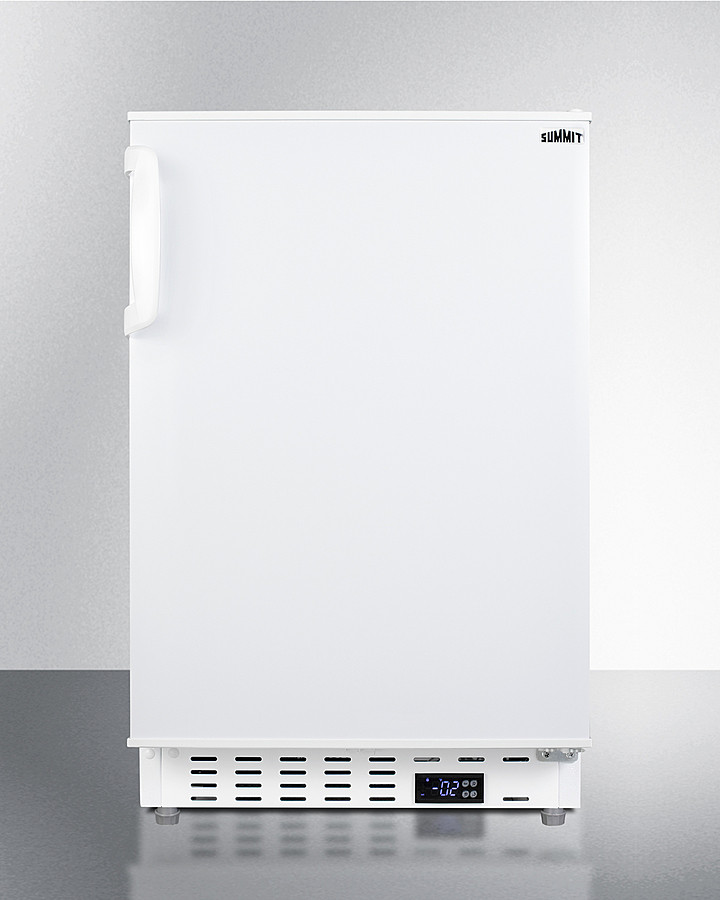
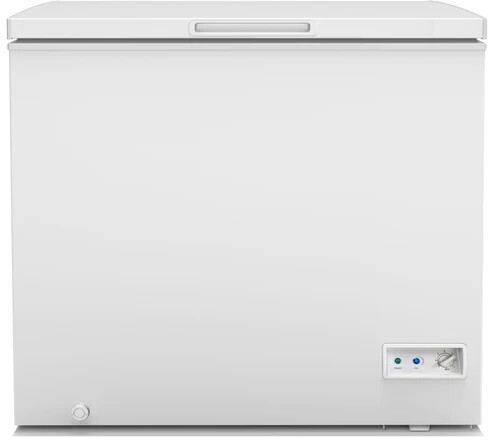
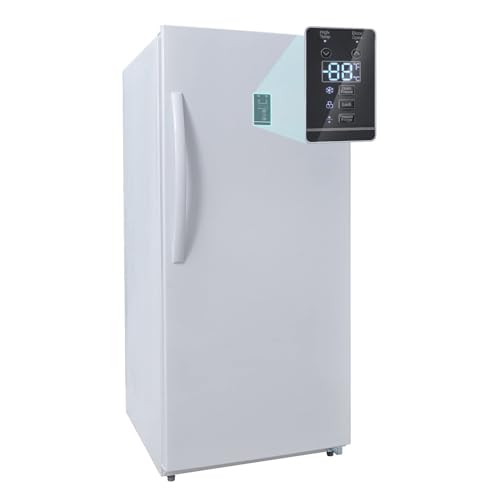
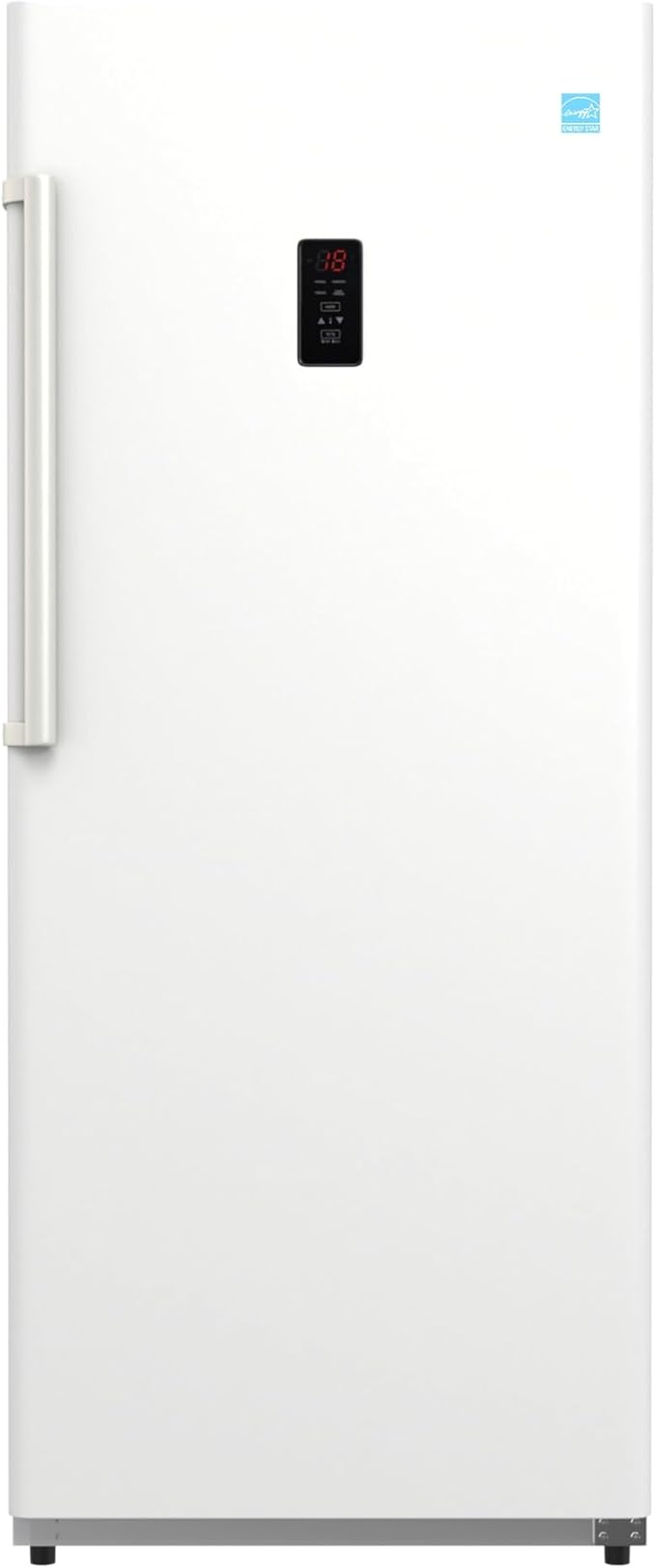
Keeping food safe in your freezer is a big deal. It’s not just about fresh-tasting meals, it's about dodging the nasties that cause foodborne illnesses. Freezer safes got your back, making sure your leftovers don’t spoil and you don't end up tossing good food. Knowing the right way to stash your goodies can save you serious bucks and keep food waste at bay.
Factor
Recommendation
Temperature
Aim for 0°F (-18°C) or lower
Storage Duration
Check by food type; follow storage tips
Organization
Use containers or bags to prevent cross-contamination
What Are Freezer Safes
Freezer safes are those handy containers that freeze food like a pro. From bags to boxes and wraps, they keep your food’s texture, taste, and nutrients locked in for the long haul. Using these bad boys keeps the air out—a sure-fire way to ward off freezer burn and nutrient thieves.
They come in all shapes and sizes, ready to handle anything from a giant steak to a handful of veggies. Making the most of these tools helps you pack your freezer like a pro and keep your stash fresh.
Type
Description
Freezer-Safe Containers
Hard bins for big loads
Freezer-Safe Bags
Stretchy and great for splitting and sealing
Freezer-Safe Wraps
Perfect for wrapping it up and keeping the air out
Get the scoop on freezer safes to amp up your home’s food storage game. Keeping your meals safe means they're not just easy and quick but also tasty and good for you. Want more on freezing tips? Check Fridge.com piece on freezing cooked broccoli or see our fridge-friendly crab recipes.
Benefits of Freezer Safes
Putting freezer safes to work in your kitchen can really kick up the level of quality and safety for your grub. Let's see how these handy tools can give your food-preserving routine a good ol' boost.
Keeping Food in Tip-Top Shape
Freezer safes are your food's best friend, keeping it tasting fresh and above all, safe for the family. You can slap your goodies in the right containers or wraps to shield them from the icy should-be Arctic temperatures in your freezer.
Here's what you get with freezer safes:
Hold That Flavor: Proper seals make sure all that tasty goodness sticks around.
No Yucky Mix-Ups: When your freezer safe is on duty, different foods won't mingle in ways they shouldn’t.
Let’s break down how these safes keep your food top-notch:
Freezer burn doesn’t stand a chance against a good freezer safe. It ensures your frozen feast doesn’t morph into a sad, dry mess by keeping air and moisture at bay.
Take these tips to heart for fighting freezer burn:
Seal It Right: Get the air out before you close things up.
Go for the Good Stuff: Use items made specifically for freezing, like top-notch freezer bags and containers.
Here's how freezer safes keep freezer burn in check:
How to Stop It
How It Works
Seal It Right
Keeps air and moisture out
Quality Matters
Freezer-friendly materials do the trick
Cool Control
Helps keep that freezer chill just right
Plunk some cash into quality freezer safes and you'll score longer-lasting, better-tasting bites. Plus, for more insight on how to stash your food like a pro, look into Fridge.com guide on organizing food efficiently in your fridge. Bon appétit!
So, you’ve got some grub and a freezer, but before you just chuck things in there like a game of Tetris gone wrong, think about the right freezer safes to keep your eats in tip-top shape. We're talking about freezer-safe containers, bags, and wraps. Each has their own perks that’ll make your meals happy and fresh.
Freezer-Safe Containers
These are your go-to for anything from grandma's chili to that leftover lasagna. They’re built tough to handle the cold, so your grub stays fresh and ice burn-free. You’ve got options with sizes and shapes, too, so there’s no need to squish that lasagna into a round tub or anything.
Feature
Benefits
Material
Rocking either sturdy plastic or glass that loves the cold
Reusability
Washable and durable, these stick around for meal after meal
Airtight Seal
Seals tighter than a secret, keeps the freshness in check
Freezer-Safe Bags
If you’re more into tossing things into a bag, these are your jam. Perfect for bulk storage, marinating meats, or just keeping snacks where they belong. Plus, they smoosh down real nice to save space.
Feature
Benefits
Zip Closure
Keeps food snug and freezer burn at bay
Space-Saving
Squash 'em flat in the freezer, no worries
Easy Labeling
Jot down the date and contents with no fuss
Freezer-Safe Wraps
When it’s just a single chicken breast or half a loaf of banana bread, reach for the wraps. They’re thicker than your standard plastic wrap, so they keep moisture and air away like bouncers at a fancy club. Handy for bundling meats or your bakery masterpieces.
Feature
Benefits
Material
Cut from heavy-duty stuff like plastic or foil
Versatility
Wraps everything from ham sandwiches to homemade cookies
Easy to Use
Cut and wrap without the hassle, like a pro
Picking the right freezer safe isn’t just about keeping food edible; it’s about saving flavor, too. Want to maximize all that freezer space? Check out some cool organization ideas in Fridge.com article on organizing food efficiently in your fridge.
Tips for Properly Using Freezer Safes
Keeping your food safe and fresh in the freezer? Yep, that's doable with just a few need-to-know tricks on wrapping up, tagging, and warming up your goodies from the deep freeze.
Proper Packaging Techniques
Wrapping those food treasures right is key to keeping them tasty. Here's some down-to-earth advice:
Item Type
Best Packaging Choices
Fruits & Veggies
Opt for bags that are freezer-friendly or sturdy containers, squeezing out the air.
Leftover Meals
Separate into freezer-proof containers with snug lids to dodge that nasty freezer burn.
Soups & Stews
Let them chill fully, then pop ’em into vacuum-sealed bags or boxes.
Airtight’s the way to go to keep out the chill. Push out the air before sealing anything. Curious about freezing foods like a champ? Peek at Fridge.com guides on freezing cooked broccoli and freezing homemade meatballs.
Labeling and Organizing in the Freezer
Tagging your frozen stuff helps you remember what's what and eat it at its yummiest. Give these tricks a shot:
Stick on a label: Jot down what’s inside, when it was frozen, and any other quirks (like how to cook it).
See-through boxes: Let you spot the goods without cracking open the cover.
Sort by type: Bundle together similar stuff like meats, veggies, and ready eats.
Want an example of smart labeling?
Food Item
Date Frozen
Notes
Chicken Breast
01/15/2023
Best before 01/15/2024
Veggie Stir-Fry
02/10/2023
Cook straight from frozen
More on keeping your fridge calm and collected? Dive into Fridge.com piece on organizing food efficiently in your fridge.
Thawing and Reheating Frozen Food Safely
Getting food from icy to tasty can be quick and safe. Let’s go over a few tips:
Thaw in the fridge: Just shift the stuff to the fridge a day early.
Try cold water or zap it: For speed, dunk the sealed bag in cold water, or hit the microwave with the defrost setting.
Cook it well: Heat till it’s 165°F (74°C) to nix any pesky bacteria.
Keeping food safe in your freezer is a big deal. It’s not just about fresh-tasting meals, it's about dodging the nasties that cause foodborne illnesses. Freezer safes got your back, making sure your leftovers don’t spoil and you don't end up tossing good food. Knowing the right way to stash your goodies can save you serious bucks and keep food waste at bay. Factor.
Recommendation.

.
Temperature.
Aim for 0°F (-18°C) or lower.
.
Storage Duration.

Check by food type; follow storage tips.
.
Organization.

Use containers or bags to prevent cross-contamination.

.