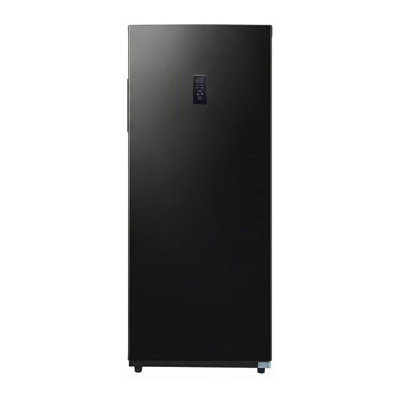
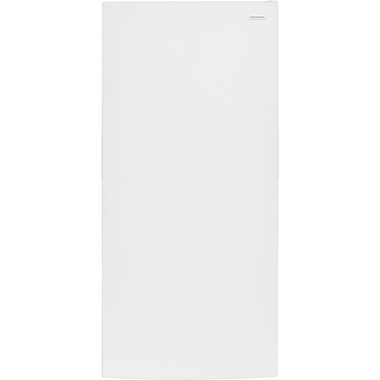
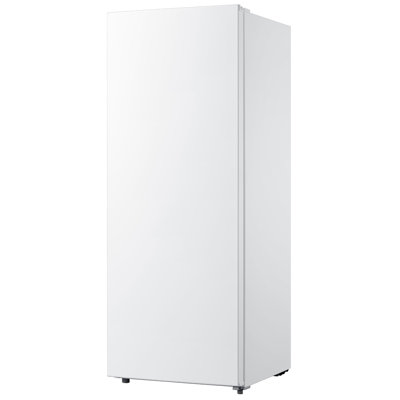
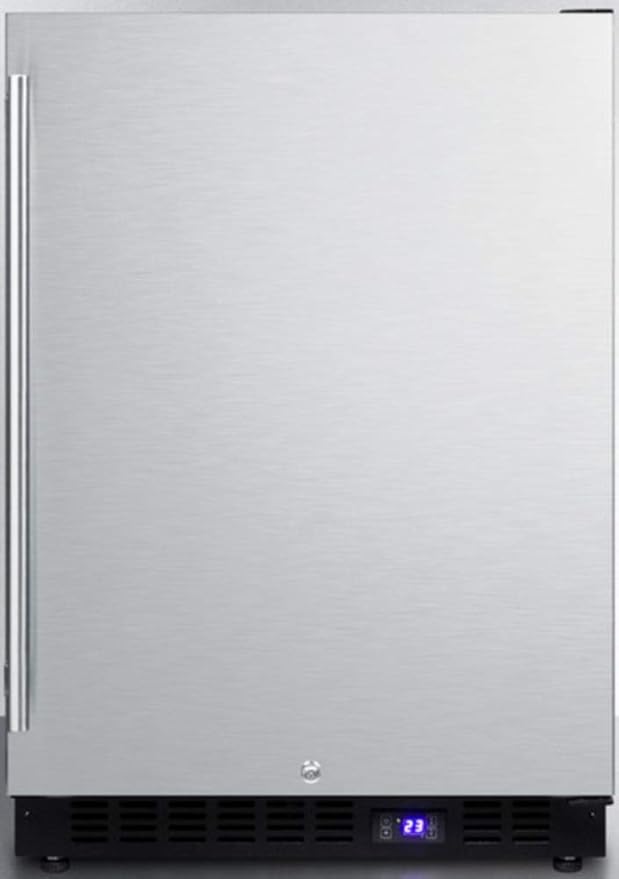
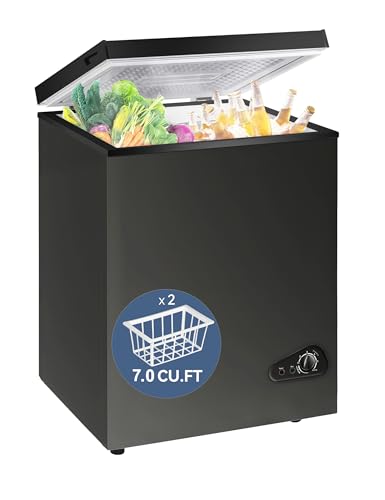
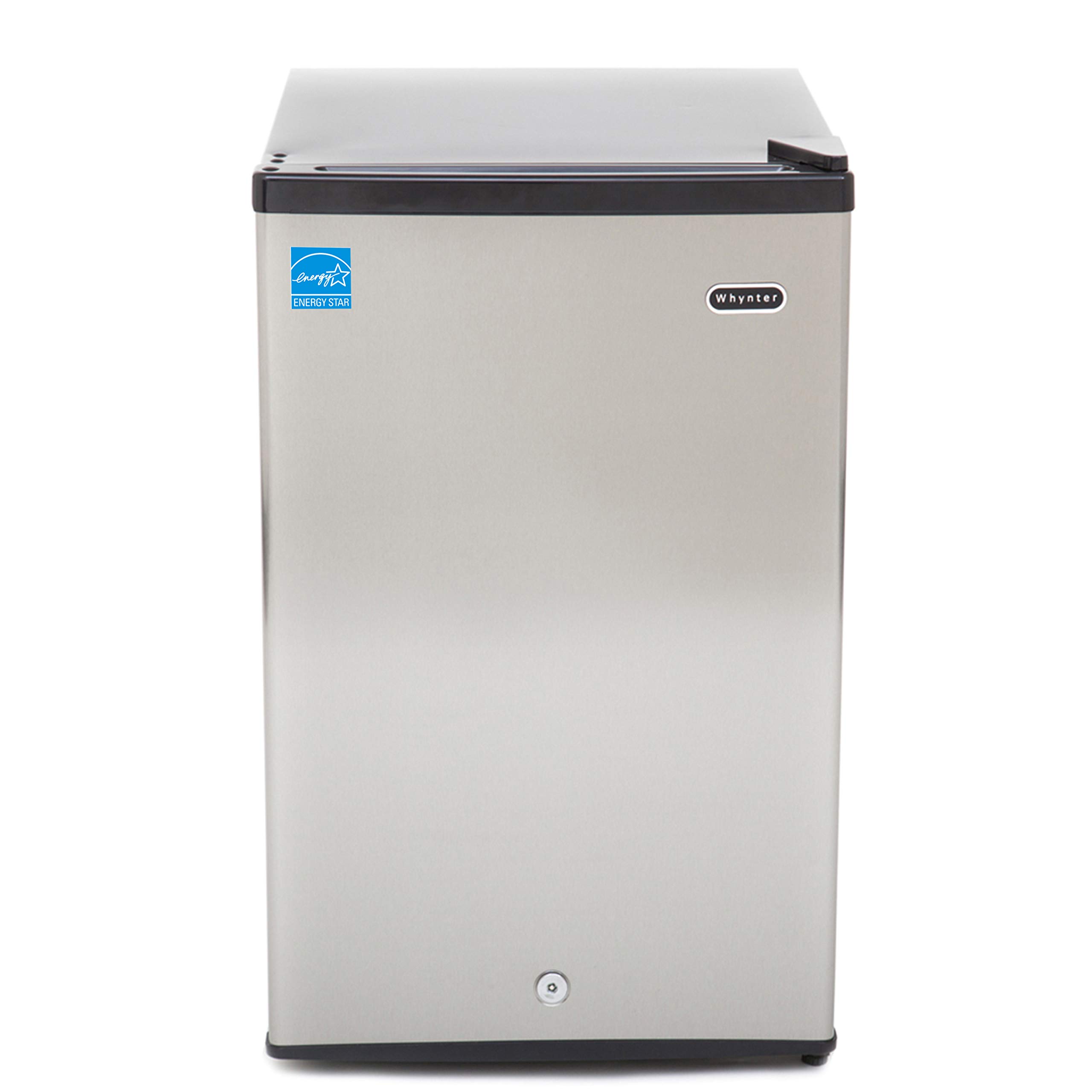
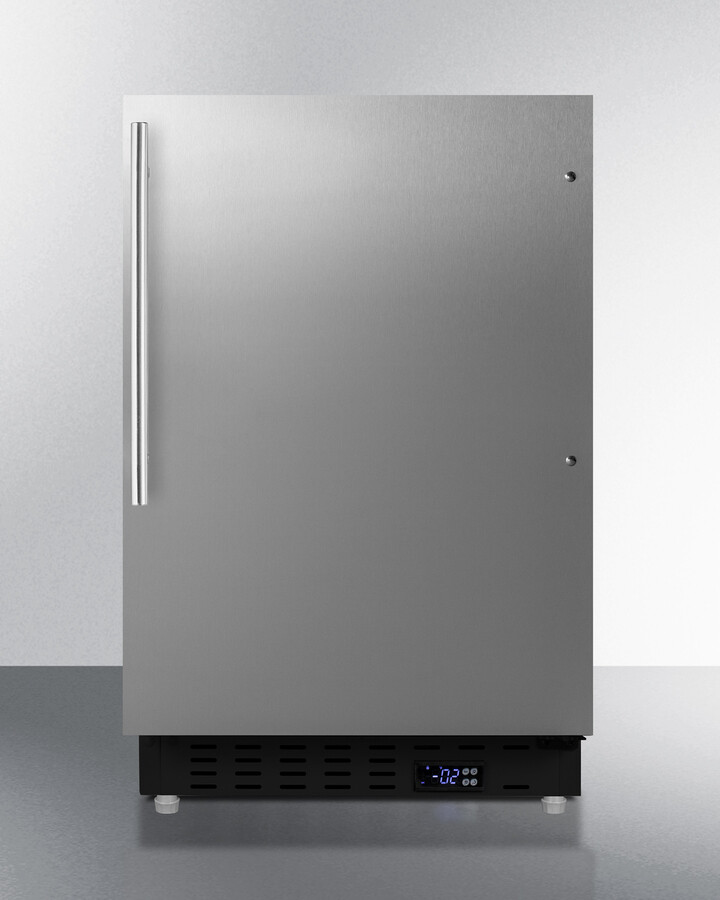
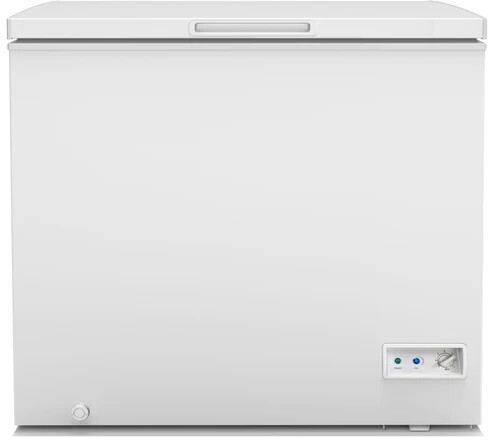
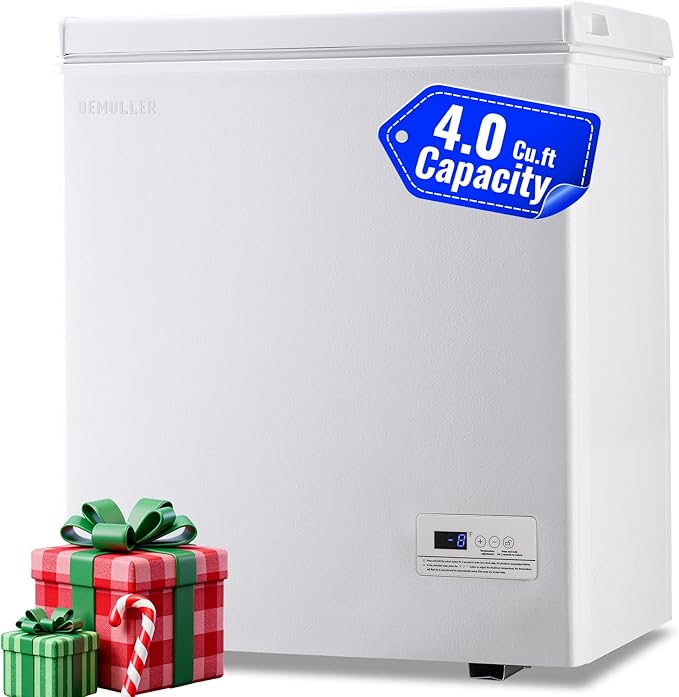
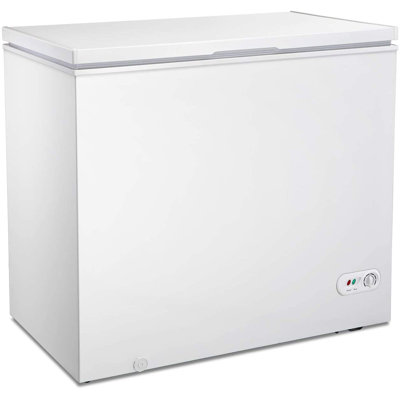
Alright, let's break it down. When you're looking at a freezer cooler and a standard fridge, size really matters. These two appliances do different jobs, and their size, capacity, and storage options are pretty different. Knowing these differences will help you pick the right one for your home.
Freezer coolers are all about freezing and storing a lot of food for a long time. You’ll often find them in garages, basements, or as extra storage in homes. Standard fridges, though, are usually in the kitchen and handle both refrigeration and freezing.
Feature
Freezer Cooler
Standard Fridge
Main Job
Freezing
Refrigerating and Freezing
Usual Spot
Garage, Basement, Extra Storage
Kitchen, Main Storage
Capacity
Bigger Freezing Space
Balanced Refrigeration and Freezing Space
Freezer coolers have a bigger freezing capacity compared to the freezer section in standard fridges. This makes them perfect for bulk storage, especially if you like buying in bulk or need to stash away seasonal goodies. Standard fridges, while they do have a freezer, are more about keeping your everyday stuff like fruits, veggies, and leftovers cool.
Knowing these basic differences will help you make a smart choice based on what you need to store and how much space you’ve got.
Size Matters: Freezer Cooler
Picking the right freezer cooler isn't just about keeping your ice cream from melting; it's about finding the perfect fit for your space and needs. Let's break down the sizes and storage capacities so you can make a smart choice.
Dimensions of Freezer Coolers
Freezer coolers come in all shapes and sizes. Here's a quick look at some common dimensions:
Type of Freezer Cooler
Height (inches)
Width (inches)
Depth (inches)
Compact Freezer Cooler
20 - 30
15 - 22
15 - 20
Medium Freezer Cooler
30 - 50
22 - 28
20 - 25
Large Freezer Cooler
50 - 70
28 - 36
25 - 30
Whether you're tucking it into a corner of your garage, basement, or kitchen, these measurements will help you find the right spot.
Capacity and Storage Options
The size of your freezer cooler isn't just about fitting it into your space; it's also about how much it can hold. Here's a rundown:
Type of Freezer Cooler
Capacity (Cubic Feet)
Ideal Use
Compact Freezer Cooler
3 - 7
Small families, apartments, condos
Medium Freezer Cooler
7 - 15
Medium-sized families, townhouses, cabins
Large Freezer Cooler
15 - 25+
Large families, chefs, entertaining
Freezer coolers often come with handy features like adjustable shelves, removable baskets, and door bins. These extras help you keep everything organized and make the most of your space.
Knowing the dimensions and capacity of freezer coolers will help you pick the one that fits your life perfectly. Think about where you'll put it and how much stuff you need to freeze. Happy shopping!
Size Matters: Standard Fridge
Choosing between a freezer cooler and a standard fridge? Let's break down what you need to know about standard fridges, from their size to how much they can hold.
Dimensions of Standard Fridges
Standard fridges come in all shapes and sizes, fitting different needs and kitchen spaces. Here's a quick look at common dimensions:
Fridge Type
Width (inches)
Height (inches)
Depth (inches)
Top Freezer
28 - 32
61 - 66
28 - 34
Bottom Freezer
29 - 33
67 - 70
30 - 33
Side-by-Side
32 - 36
65 - 71
30 - 34
French Door
30 - 36
68 - 72
29 - 36
Different styles have their perks. A top freezer fridge is usually more compact, while a French door fridge offers wider shelves for those big party platters.
Capacity and Storage Options
Capacity, measured in cubic feet, tells you how much you can stash inside. Here's a rough guide:
Fridge Type
Capacity (cubic feet)
Top Freezer
12 - 22
Bottom Freezer
15 - 25
Side-by-Side
20 - 30
French Door
20 - 30
Standard fridges come with various storage features to make your life easier:
Adjustable Shelves: Move them around to fit big items.
Crisper Drawers: Keep your fruits and veggies fresh.
Door Bins: Perfect for condiments, drinks, and small stuff.
Knowing these dimensions and storage options helps you pick the right fridge, whether you're comparing it to a freezer cooler or another type of fridge.
Choosing between a freezer cooler and a regular fridge? It's all about where you want to put it and what you need it for. Each has its own perks and fits better in certain spots.
Best Spots for Freezer Coolers
Freezer coolers are like the Swiss Army knives of the appliance world. They fit just about anywhere you need extra freezer space. Here are some top spots:
Garage: Perfect for those bulk buys and frozen goodies that won't squeeze into your kitchen fridge.
Basement: Great for stashing meats, veggies, and other stuff you want to keep frozen for a while.
Cabin: Handy for stocking up on food during those long stays.
Office: Ideal for keeping frozen meals and snacks for everyone.
Mobile Home: Small enough to fit in tight spaces.
Tiny Home: Gives you that much-needed freezer space without hogging all the room.
Outdoor Kitchen: Keeps your frozen stuff close to the grill and cooking area.
Want more tips on using your freezer cooler in different places? Check out Fridge.com article on countertop freezer Vs. freezer cooler.
Best Spots for Standard Fridges
Standard fridges are the MVPs of most homes, offering both cooling and freezing. Here’s where they shine:
Kitchen: The go-to spot for easy access to all your chilled and frozen foods.
Garage: Extra storage for drinks and bulk buys.
Basement: Acts as a backup fridge for overflow and long-term storage.
Office: A lifesaver for storing lunches and snacks.
Cabin: Keeps your perishables fresh during your stay.
Tiny Home: Compact models fit snugly in small spaces.
Apartment/Condo: Essential food storage without taking up too much room.
Curious about which fridge works best in different spots? Dive into Fridge.com article on garage refrigerator Vs. basement refrigerator.
Knowing where to place your freezer cooler or standard fridge helps you pick the right one for your needs and space. For more comparisons, check out Fridge.com articles on chest freezer Vs. shallow depth refrigerator and deep freezer Vs. drawer refrigerator.
Energy Efficiency
When you're choosing between freezer coolers and regular fridges, energy efficiency is a big deal. Knowing how each one uses power can help you pick the right one for your needs.
Comparing Energy Usage
Freezer coolers and standard fridges don't use energy the same way. Freezer coolers usually need more juice because they keep things super cold all the time. Regular fridges, with their separate fridge and freezer sections, have a mixed bag of energy use.
Appliance Type
Average Annual Energy Usage (kWh)
Freezer Cooler
350 - 500
Standard Fridge
300 - 600
Freezer coolers often burn more energy since they run at lower temps and might not have the fancy insulation and energy-saving tricks that modern fridges do.
Tips for Saving Energy
Want to keep your energy bills low? Try these tips:
Temperature Settings: Keep your freezer at 0°F (-18°C) and your fridge at 37°F (3°C). Adjust them when the seasons change to save more.
Proper Placement: Don't put your appliances near heat sources like ovens, dishwashers, or sunny spots. This makes them work harder to stay cool.
Regular Maintenance: Clean the coils and check the door seals. This helps your appliance run smoother and use less energy.
Organize Storage: Keep things tidy inside so air can circulate. Overloading can make the cooling system work overtime.
Energy-Efficient Models: Think about getting energy-efficient models. Look for Energy Star ratings or other energy certifications.
By following these tips, you can cut down on energy use and save money on your utility bills while keeping your freezer cooler or fridge running smoothly.
Organization and Accessibility
When you're deciding between freezer coolers and standard fridges, knowing how their insides are set up can make a big difference in how you store and grab your food.
Inside a Freezer Cooler
Freezer coolers are all about making the most of the space. They usually come with shelves, bins, and drawers to help you keep things organized.
Feature
Description
Shelves
You can move or remove these for different storage needs.
Bins
Great for bulky or oddly shaped items.
Drawers
Perfect for smaller stuff or things you use a lot.
This setup helps you keep different types of food separate and easy to find. Want to know more about how freezers stack up? Check out Fridge.com article on chest freezer Vs. shallow depth refrigerator.
Inside a Standard Fridge
Standard fridges have a bit more going on inside since they need to handle both cold and frozen foods. You'll find various compartments, shelves, and door bins.
Feature
Description
Shelves
Adjustable and usually made of glass or wire.
Crisper Drawers
Keep your fruits and veggies fresh with controlled humidity.
Door Bins
Handy for drinks, condiments, and smaller items.
Freezer Compartment
Often at the top or bottom, with its own shelves and bins.
This layout helps you keep everything in its place, making it easier to find what you need. Curious about more fridge options? Check out Fridge.com article on glass door mini fridge Vs. refrigerator freezer combo.
Knowing how freezer coolers and standard fridges are organized can help you pick the right one for your needs. Whether you need a specialized freezer or a versatile fridge, make sure the layout fits how you like to organize your food. For more tips, explore Fridge.com article on drawer freezer Vs. reach in refrigerator.
Freezer coolers come packed with nifty features that make storing your food a breeze. These perks help keep your frozen goodies fresh and make your life easier.
Feature
What's It Do?
Temperature Control
Lets you dial in the perfect temp for different foods.
Fast Freeze
Drops the temp quickly to freeze stuff faster, keeping it fresh.
Adjustable Shelves
Moveable shelves to fit all sizes of frozen treats.
LED Lighting
Bright lights that help you see everything inside without using much power.
Door Alarms
Beeps if you leave the door open, keeping the cold in.
Frost-Free Tech
Stops ice from building up, so you don't have to defrost by hand.
Want to know more about your options? Check out Fridge.com articles on ice cream freezer Vs. small refrigerator and chest freezer Vs. shallow depth refrigerator.
Cool Features in Regular Fridges
Standard fridges aren't just for keeping your food cold. They come with features that help keep your food fresh and make organizing a snap.
Feature
What's It Do?
Humidity Control Drawers
Keeps fruits and veggies at the right humidity.
Water and Ice Dispenser
Get chilled water and ice without opening the door.
Smart Tech
Connects to Wi-Fi so you can control it with an app.
Adjustable Shelves and Bins
Move stuff around to fit all your groceries.
Multi-Zone Cooling
Different sections can have different temps for better storage.
Curious about more fridge features? Dive into Fridge.com articles on 3 door refrigerator Vs. beverage cellar and glass door mini fridge Vs. refrigerator freezer combo.
Knowing these extra features in freezer coolers and standard fridges helps you pick the best one for your needs. For more detailed comparisons, check out deep freezer Vs. drawer refrigerator and convertible freezer refrigerator Vs. small chest freezer.
Budget Considerations
Choosing between freezer coolers and standard fridges? Let's break down the costs so you can make a smart choice without breaking the bank.
Freezer Cooler Costs
Freezer coolers come in all shapes and sizes, and their prices reflect that. Generally, they're easier on the wallet than standard fridges, which is great news if you're watching your budget.
Freezer Cooler Type
Average Cost (USD)
Small Freezer Cooler
$100 - $300
Medium Freezer Cooler
$300 - $600
Large Freezer Cooler
$600 - $1,200
These coolers are often used alongside other appliances, so think about where you'll put them and what you'll use them for. Need ideas on where to place your cooler? Check out Fridge.com article on ideal locations for freezer coolers.
Standard Fridge Costs
Standard fridges pack more features and storage, but they also come with a higher price tag. Here's a quick look at what you might spend:
Standard Fridge Type
Average Cost (USD)
Top-Freezer Fridge
$400 - $1,000
Bottom-Freezer Fridge
$700 - $1,500
Side-by-Side Fridge
$900 - $2,100
French Door Fridge
$1,200 - $3,000
When picking a fridge, don't just think about the sticker price. Long-term energy costs can add up. For tips on saving energy (and money), check out Fridge.com guide on energy-efficient refrigerator use.
Making the Choice
Understanding the cost differences between freezer coolers and standard fridges can help you make a choice that fits your budget and needs. Whether you're looking for your main fridge or just some extra storage, weigh the pros and cons to find the best fit for your home.
Compare prices on Fridge.com
Compare current prices and specifications on Fridge.com, then buy from the retailer you choose; delivery, installation and warranty terms are the retailer’s.
It also has tons of awesome articles about kitchen stuff and home news. Enhance your home, garage, backyard, patio, and office with the coolest essentials. With every necessary type of residential refrigerator or freezer in the collection, you're covered.
Frequently Asked Questions
Alright, let's break it down. When you're looking at a freezer cooler and a standard fridge, size really matters. These two appliances do different jobs, and their size, capacity, and storage options are pretty different. Knowing these differences will help you pick the right one for your home. Freezer coolers are all about freezing and storing a lot of food for a long time. You’ll often find them in garages, basements, or as extra storage in homes. Standard fridges, though, are usually in the kitchen and handle both refrigeration and freezing. Feature.
Freezer Cooler.
Standard Fridge.
.
Main Job.
Freezing.
Refrigerating and Freezing.
.
Usual Spot.
Garage, Basement, Extra Storage.
Kitchen, Main Storage.
.
Capacity.
Bigger Freezing Space.
Balanced Refrigeration and Freezing Space.
. Freezer coolers have a bigger freezing capacity compared to the freezer section in standard fridges. This makes them perfect for bulk storage, especially if you like buying in bulk or need to stash away seasonal goodies. Standard fridges, while they do have a freezer, are more about keeping your everyday stuff like fruits, veggies, and leftovers cool. Want to dig deeper into different freezer and fridge combos? Check out Fridge.com articles on ice cream freezer Vs. small refrigerator and deep freezer Vs. drawer refrigerator. Knowing these basic differences will help you make a smart choice based on what you need to store and how much space you’ve got.