Countertop Refrigerator Vs. French Door Refrigerator: A Comparative Analysis
Introduction to Refrigerator Types
Picking the right fridge can feel like a big deal. Two popular choices are the countertop refrigerator and the French door refrigerator. Each has its own perks and quirks, fitting different needs and lifestyles.
A countertop refrigerator is a small, handy appliance perfect for tight spaces like apartments, offices, and dorm rooms. It's great for keeping drinks and snacks cool and often serves as a backup fridge.
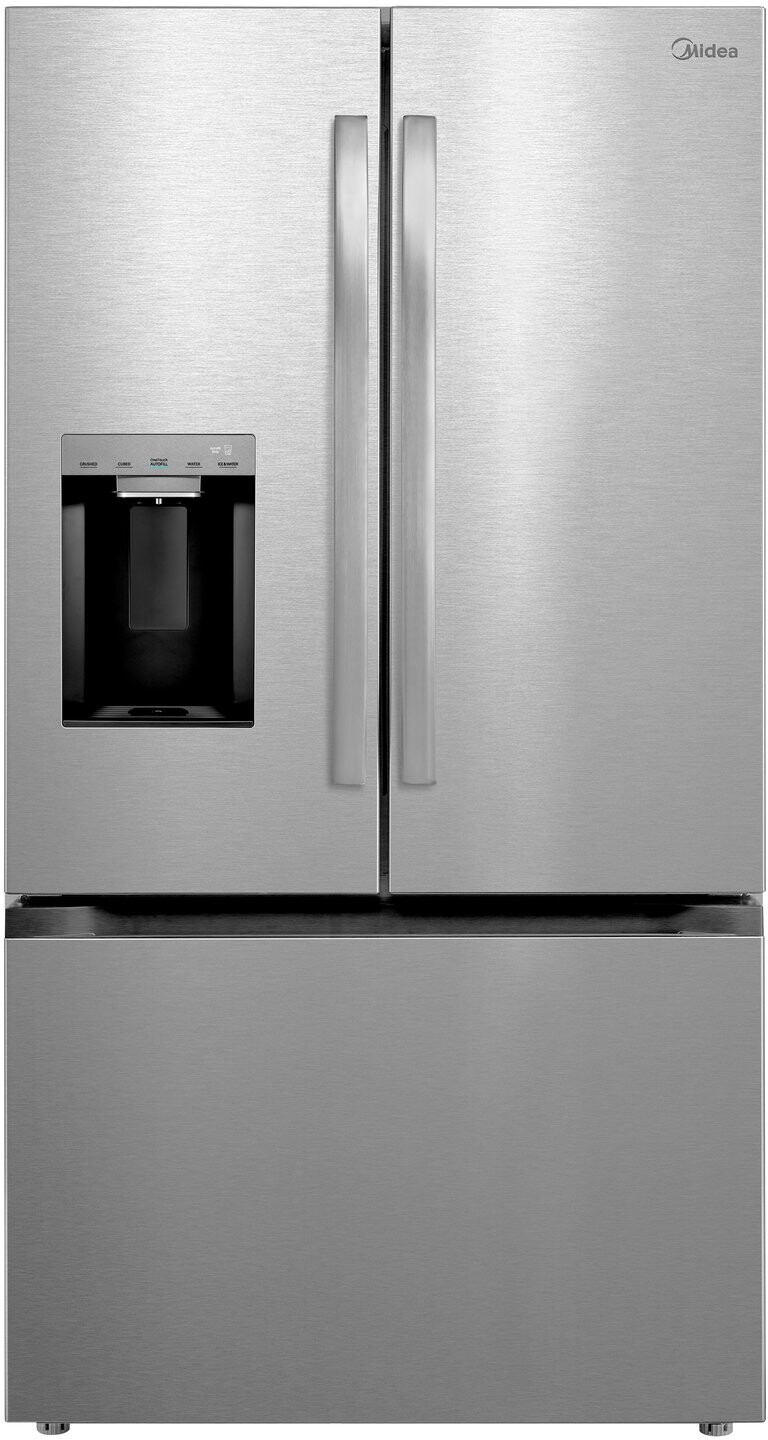
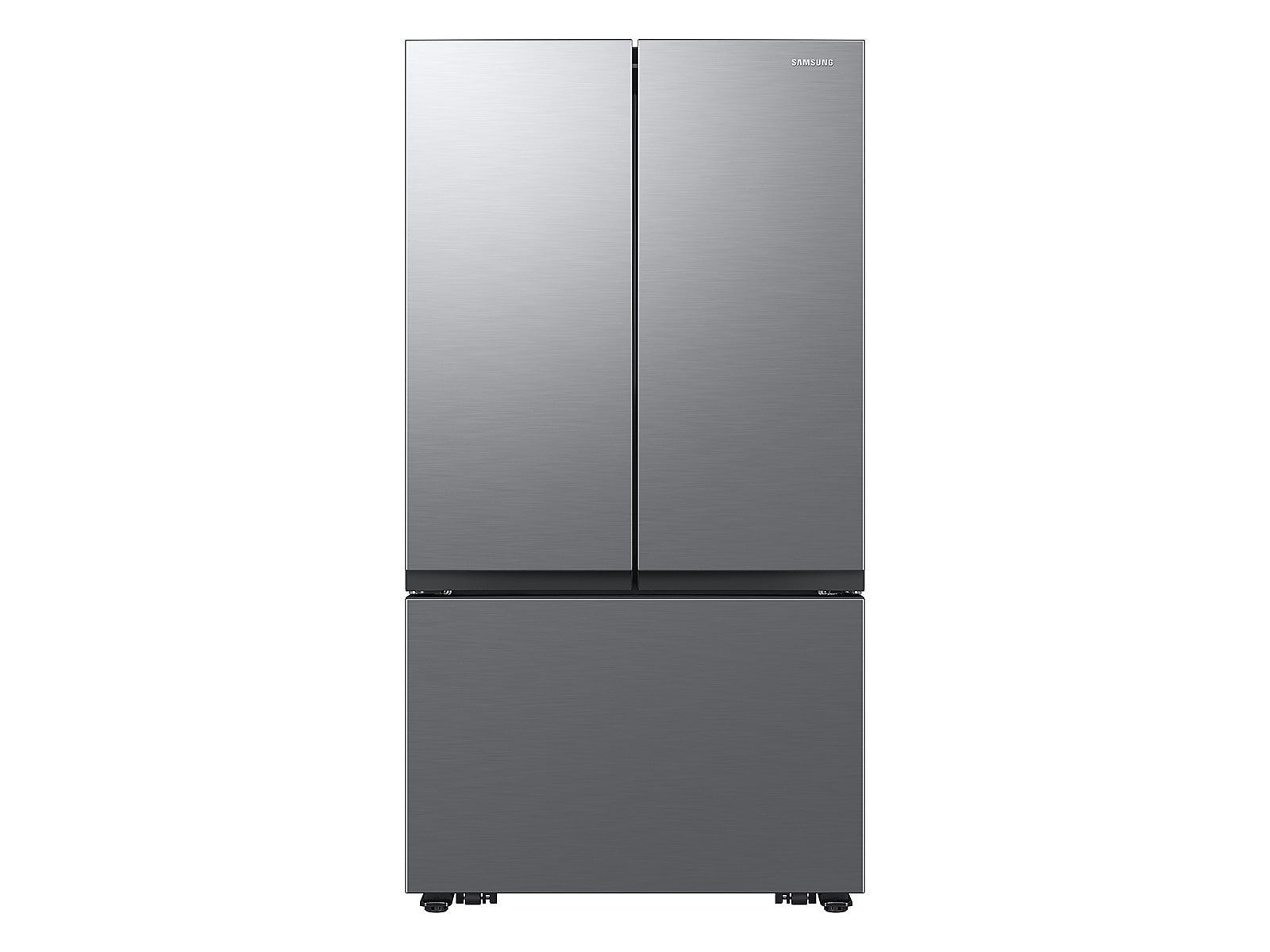
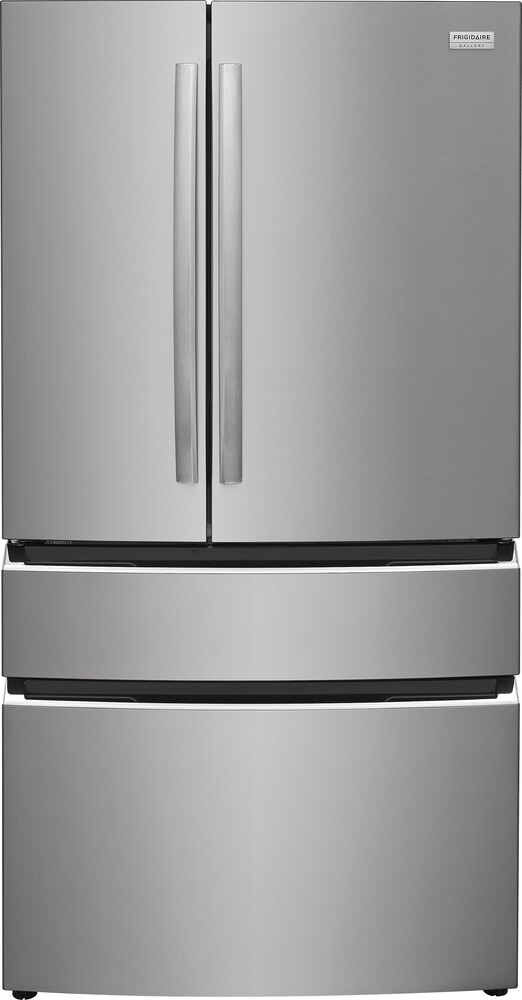
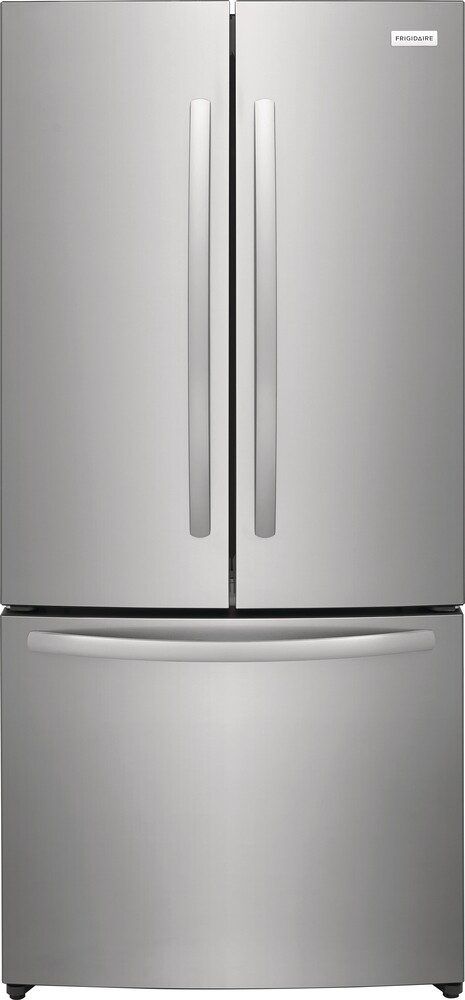
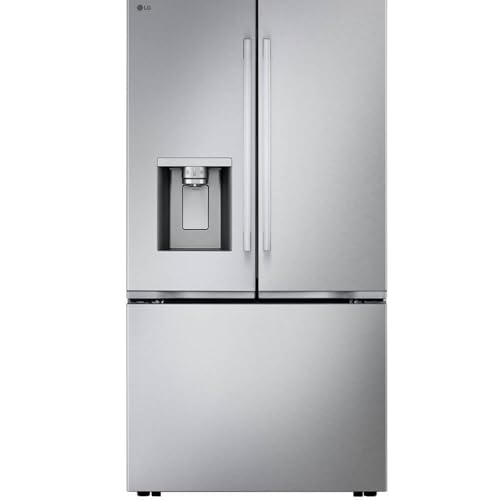
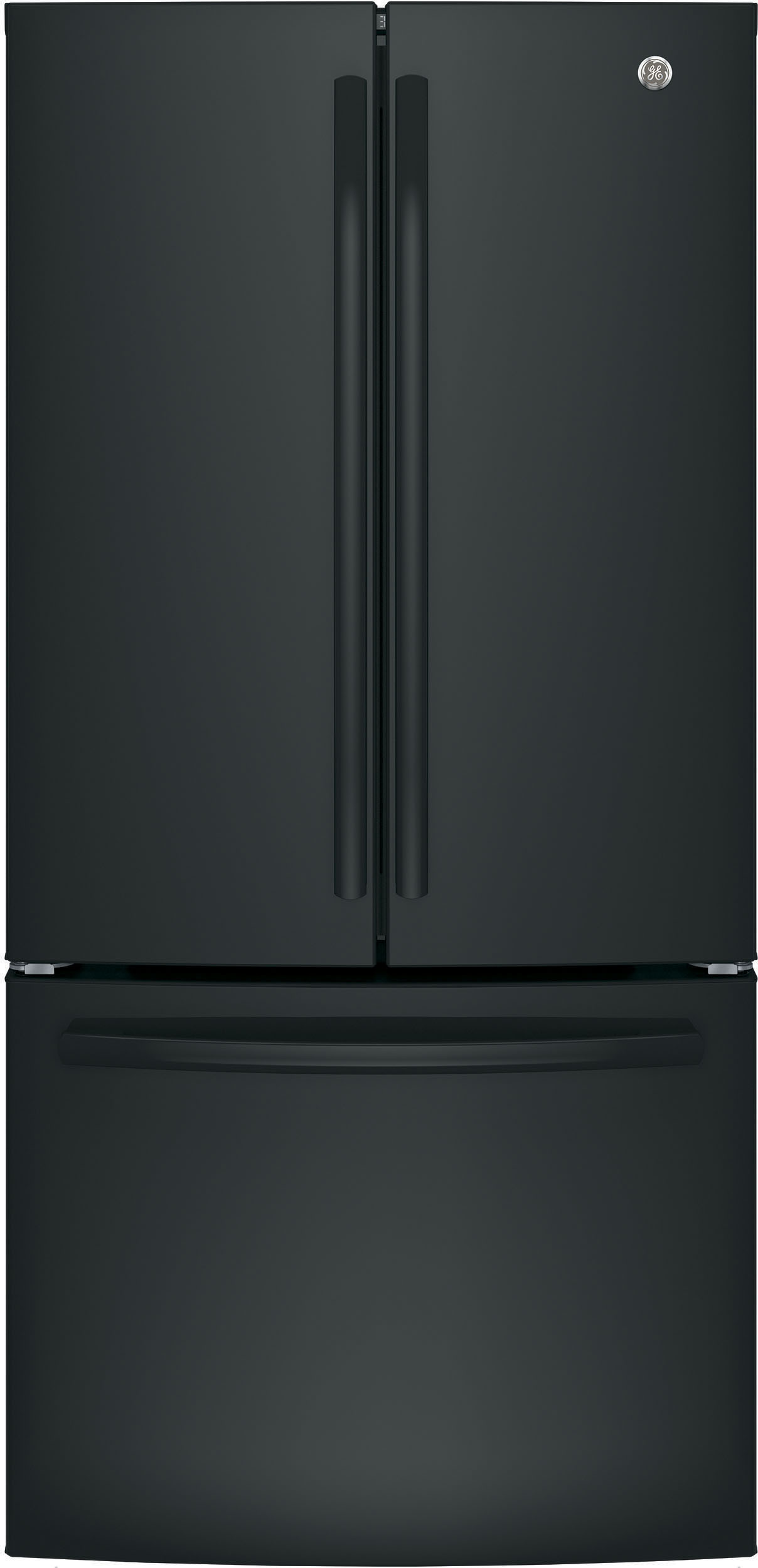
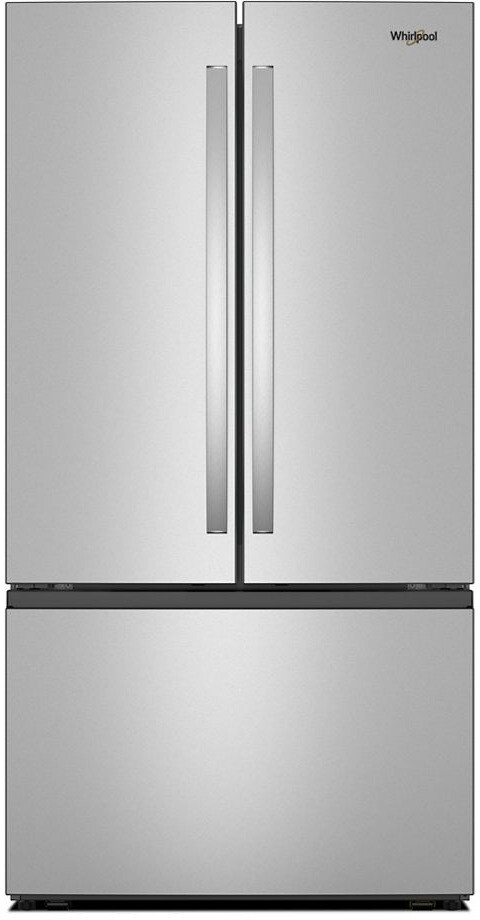
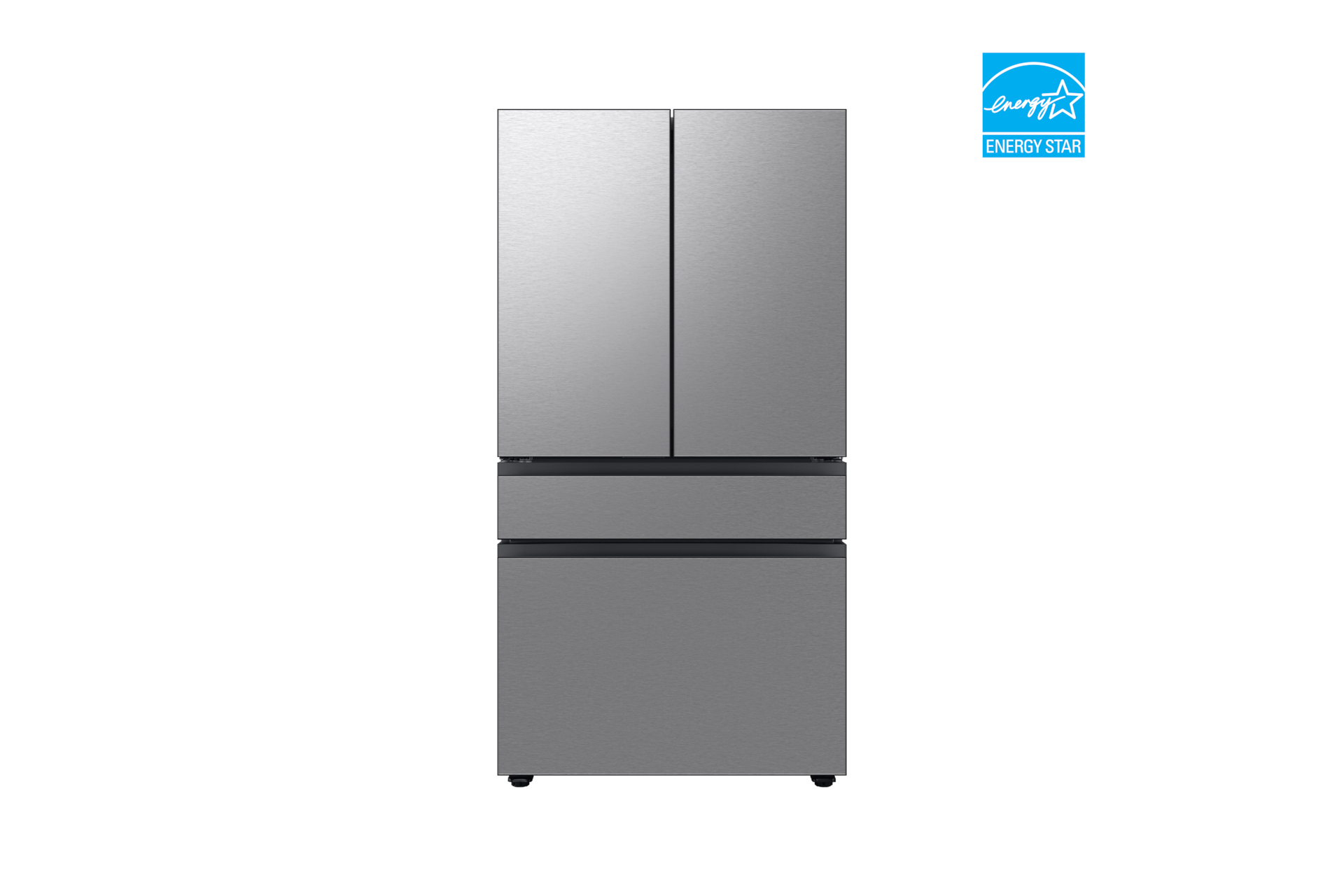
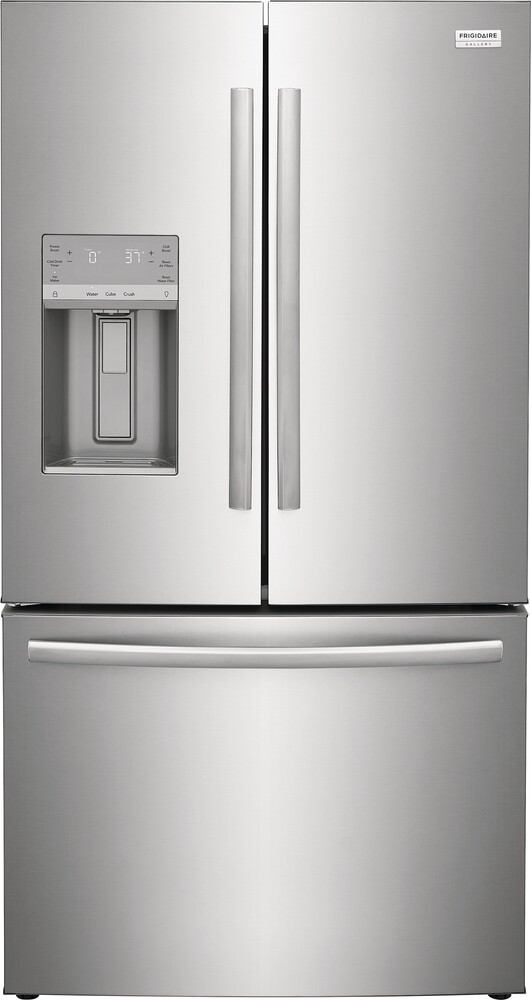
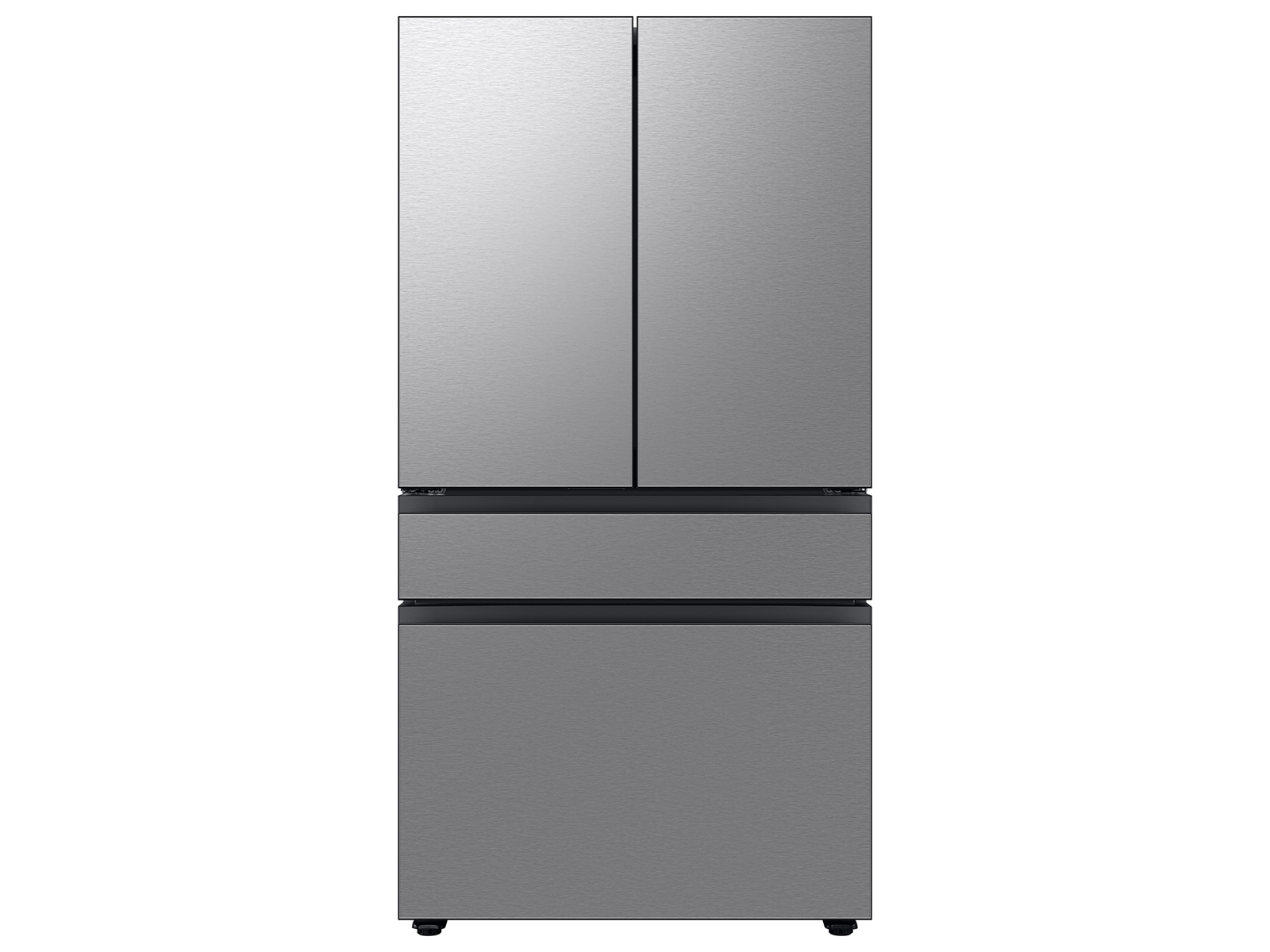
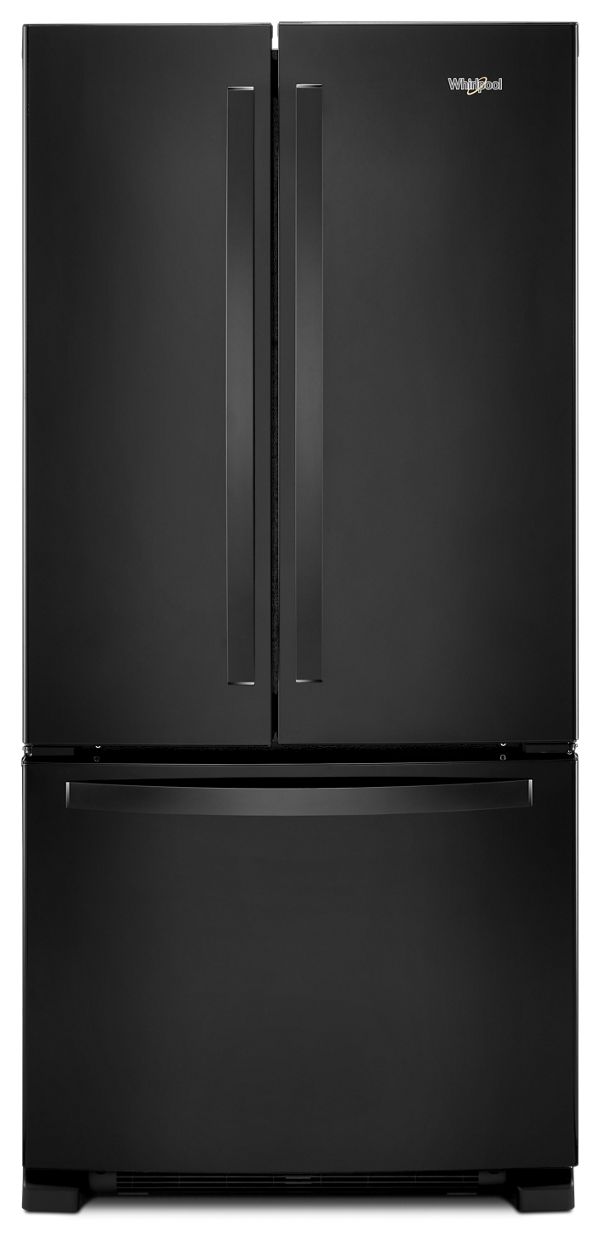
A French door refrigerator is a full-sized beast with two side-by-side doors for the fridge part and a freezer drawer at the bottom. It's spacious and stylish, making it a hit in bigger households.
Key Differences Between Countertop and French Door Refrigerators
Knowing what sets these two apart can help you pick the right one. Here’s a quick rundown:
Feature
Countertop Refrigerator
French Door Refrigerator
Size
Small and compact
Big and roomy
Design
One door, tiny freezer
Two doors for the fridge, bottom freezer drawer
Capacity
Limited space
Lots of room
Installation
Easy and portable
Needs more space and might require professional setup
These points show how each fridge fits different needs and spaces. If you want to see more comparisons, like chest freezer Vs. shallow depth refrigerator, other Fridge.com articles have got you covered.
Countertop Refrigerator
Thinking about getting a countertop fridge? Let's break down what you need to know, without the fluff.
Features and Design
Countertop fridges are small and perfect for tight spots like kitchen counters, offices, or dorm rooms. Here's what you get:
Size and Capacity: These little guys fit anywhere, with storage from 1.7 to 4.5 cubic feet.
Interior Layout: Adjustable shelves and door bins help you cram in more stuff. Some even have a tiny freezer.
Cooling Tech: Most use a compressor, but some go for thermoelectric cooling—quieter and saves energy.
Temperature Control: Simple settings let you tweak the coolness.
Design: Sleek and modern, often with stainless steel or glass doors.
Pros and Cons of Countertop Refrigerators
Before you buy, weigh the good and the bad:
Pros:
Space-Saving: Perfect for small kitchens, offices, or dorms.
Portable: Easy to move around.
Energy Efficient: Uses less power than big fridges, saving you money.
Affordable: Cheaper than full-sized fridges, great for tight budgets.
Cons:
Limited Capacity: Not great for big families or lots of food.
Basic Features: No fancy stuff like ice makers or water dispensers.
Temperature Variability: Some models might not cool evenly, especially in the freezer.
Tiny Freezer: If it has one, it's usually pretty small.
Feature
Countertop Refrigerator
Size (cubic feet)
1.7 - 4.5
Cooling Technology
Compressor or Thermoelectric
Portability
High
Freezer Space
Limited
Want to know more about different fridge types? Check out Fridge.com articles on ice cream freezer Vs. small refrigerator and chest freezer Vs. shallow depth refrigerator.
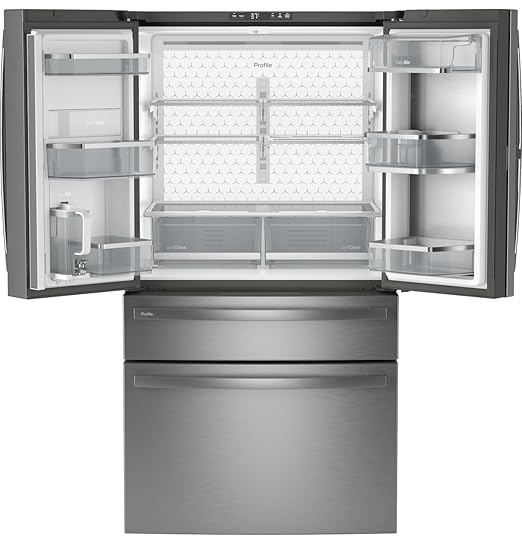
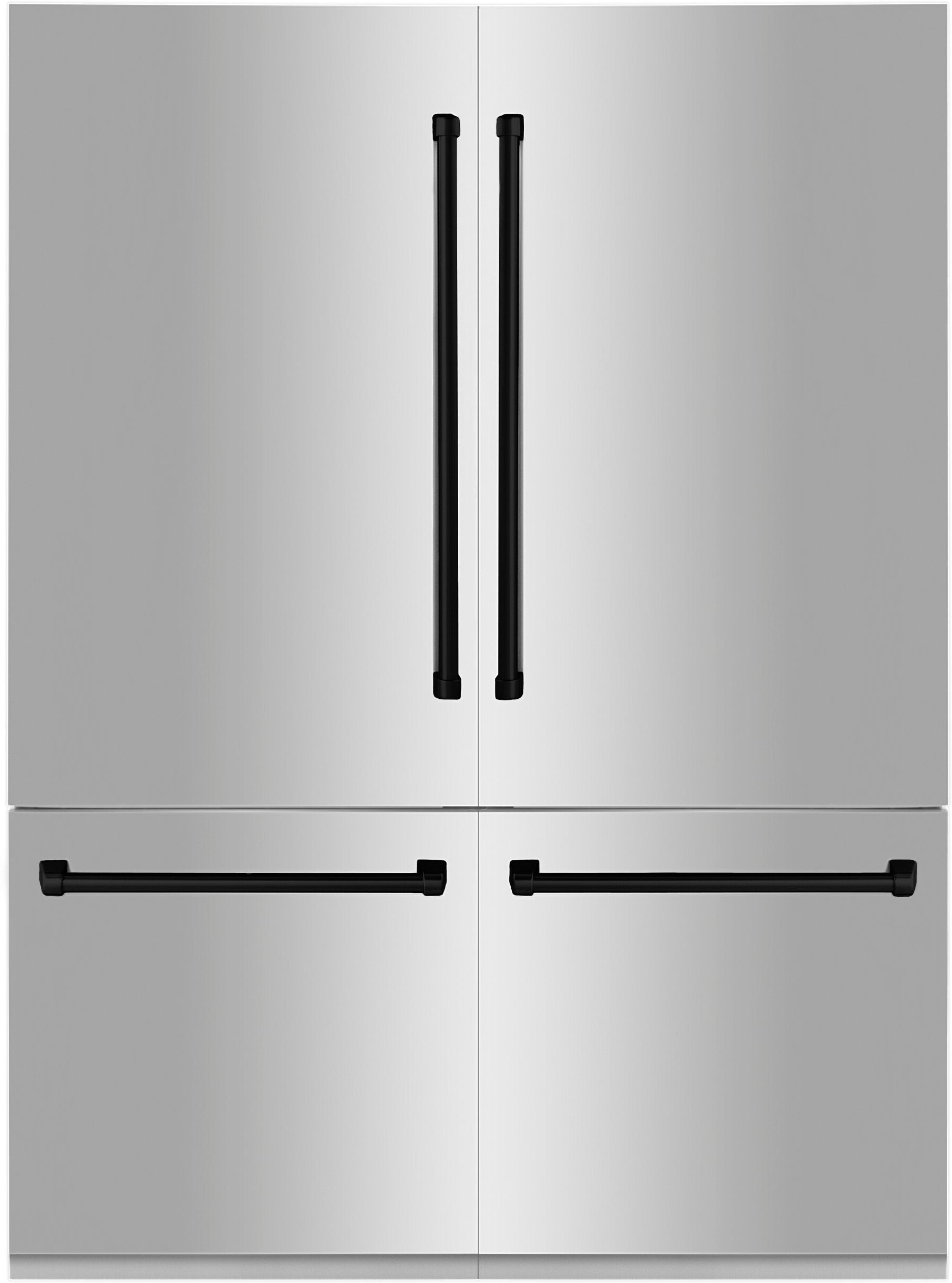
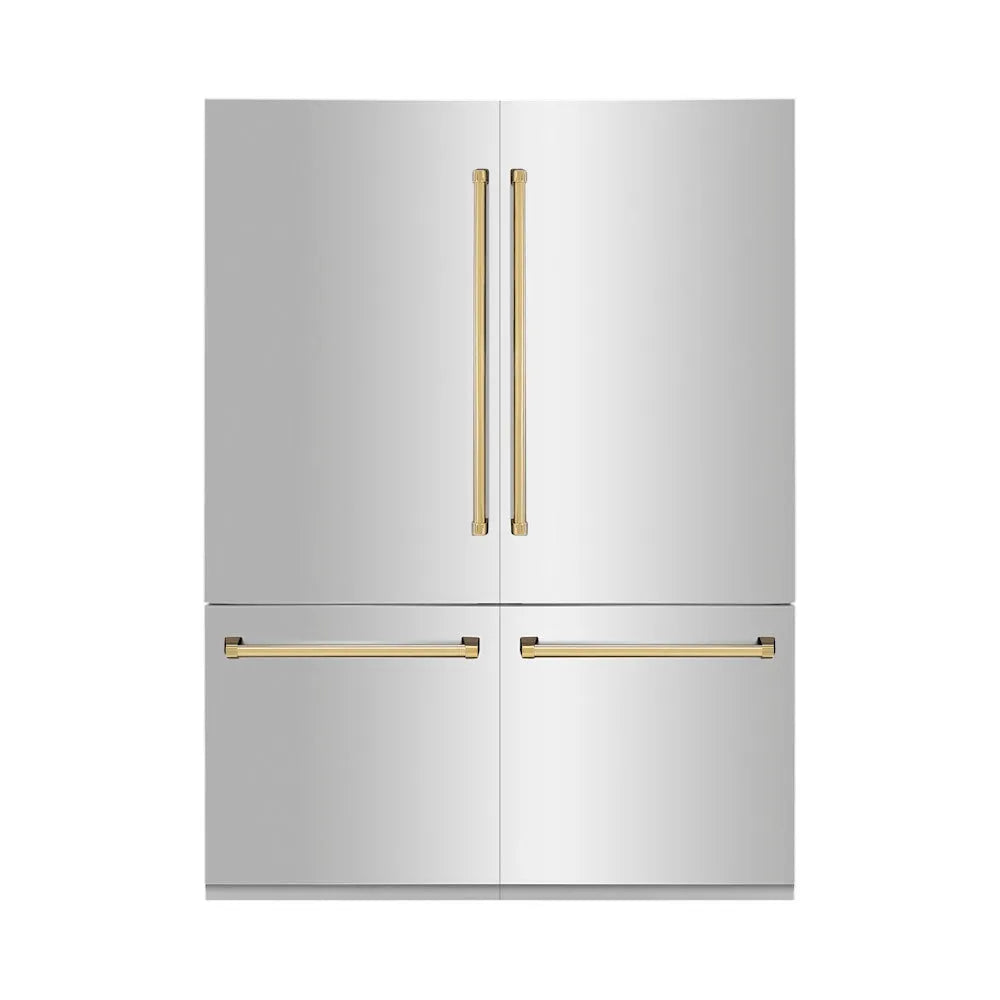
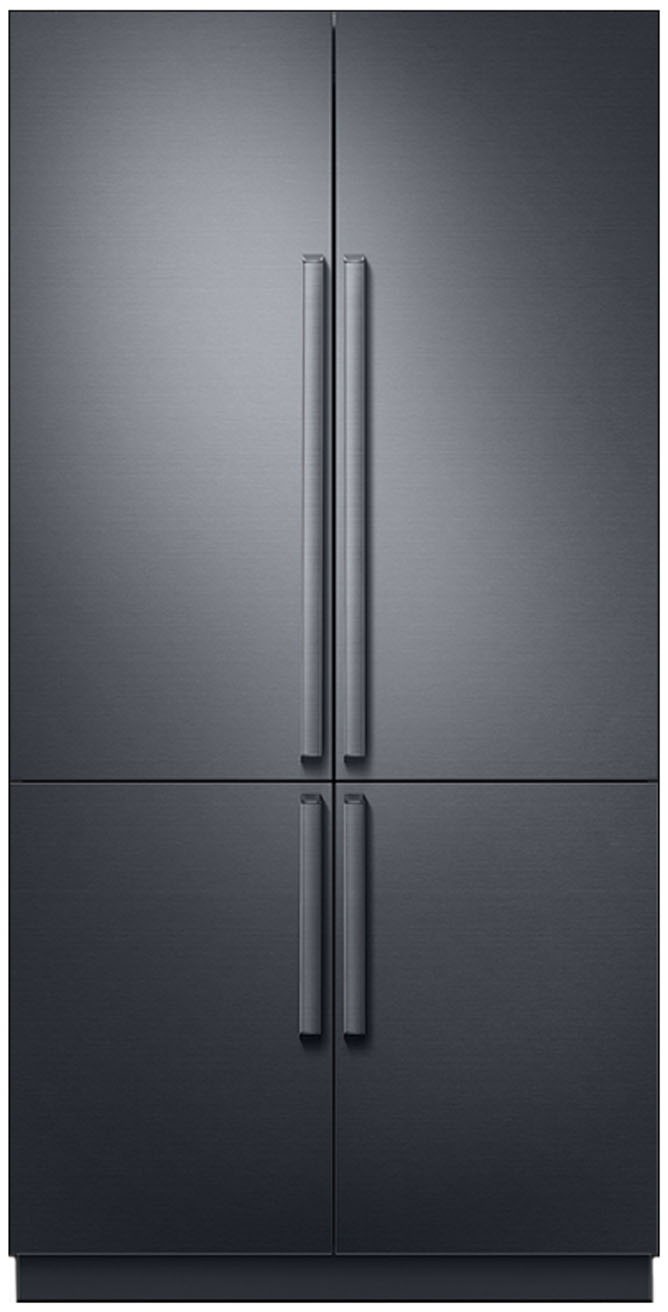
French door refrigerators are the cool kids on the block, blending style with practicality. They usually sport two side-by-side doors for the fridge part and a bottom drawer for the freezer. This setup makes grabbing your fresh and frozen goodies a breeze.
Here’s what makes them stand out:
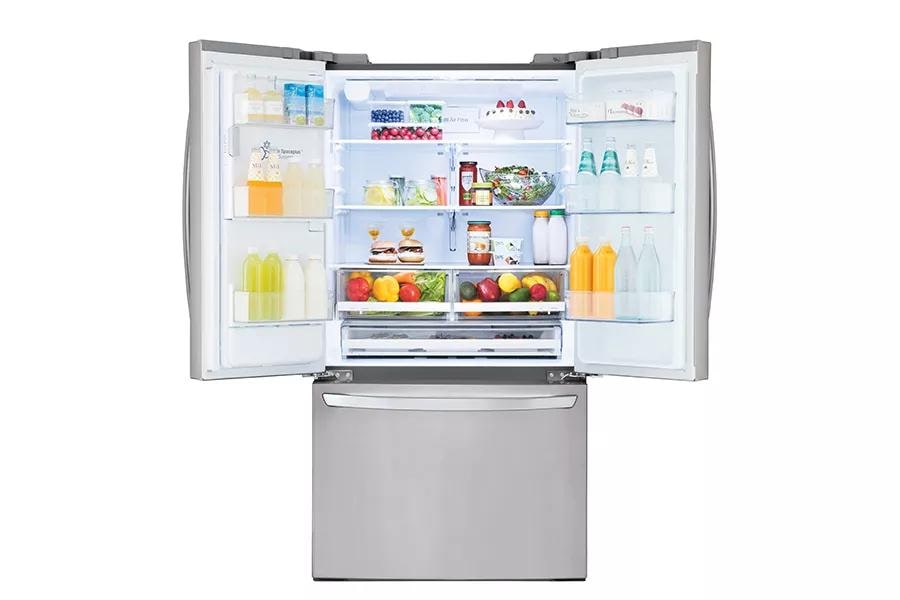
Wide Shelves and Drawers: The double-door setup means more room for those big party platters and trays.
Adjustable Shelving: Move the shelves around to fit your groceries just right.
Temperature Control: Keep your veggies crisp and your ice cream frozen with advanced temperature settings.
Energy Efficiency: Save some bucks on your electric bill with energy-saving tech.
Ice and Water Dispenser: Some models come with built-in dispensers for ice and water, adding a touch of convenience.
Pros and Cons of French Door Refrigerators
Thinking about getting a French door fridge? Let’s break down the good and the not-so-good.
Pros
Enhanced Storage: Wide shelves and big compartments make organizing your food a cinch.
Convenient Access: Easy to reach fresh food with the side-by-side doors, and the bottom drawer makes frozen items a snap to grab.
Energy Efficiency: Many models are designed to save energy, which means lower electricity bills.
Modern Aesthetic: They look sleek and can give your kitchen a stylish upgrade.
Cons
Higher Cost: These fridges can be pricier than other types.
Space Requirements: They need more room, so they might not fit in smaller kitchens.
Maintenance: Extra features like ice and water dispensers can mean more upkeep.
Feature/Aspect
French Door Refrigerator
Design
Modern, sleek with two side-by-side doors and a bottom freezer drawer
Storage Space
Wide shelves, adjustable shelving, large compartments
Temperature Control
Advanced options available
Additional Features
Ice and water dispenser, customizable storage
Want to see how French door fridges stack up against other types like 3 door refrigerators Vs. beverage cellars? Check out Fridge.com detailed guides for more info.
Picking the right fridge isn't just about looks; it's about finding the one that fits your life. Let's break down the storage options of countertop and French door refrigerators so you can see which one clicks with your needs.
Countertop Refrigerators: Small but Mighty
Countertop refrigerators, also called compact or mini fridges, are perfect for tight spaces like apartments, offices, and dorms. They might be small, but they pack a punch when it comes to storing your essentials.
Feature
Countertop Refrigerator
Average Capacity
1.7 to 4.5 cubic feet
Shelving
Adjustable shelves, small door bins
Freezer Compartment
Tiny freezer section
Specialty Storage
Can dispensers, small crisper drawers
These little guys usually have adjustable shelves, so you can move things around to fit your stuff. The door bins are great for smaller items like condiments and drinks. And while the freezer section is pretty small, it's perfect for a few frozen snacks.
French Door Refrigerators: Room for Everything
French door refrigerators are the big guns, ideal for families or anyone who needs a lot of storage. They have double doors that open up to a wide fridge section and a big freezer drawer at the bottom.
Feature
French Door Refrigerator
Average Capacity
20 to 30 cubic feet
Shelving
Adjustable shelves, full-width shelves
Freezer Compartment
Large bottom freezer drawer
Specialty Storage
Door-in-door storage, deli drawers, gallon door storage
These fridges come with adjustable and full-width shelves, so you can fit in those awkwardly large items. The door bins can hold gallon-sized containers, making it easy to store big bottles of milk or juice. Plus, many models have special storage options like deli drawers for meats and cheeses and door-in-door storage for quick access to your go-to items.
Which One's for You?
So, which fridge fits your life? If you’re tight on space, a countertop fridge is your best bet. But if you’ve got a big family or just need more room, a French door fridge is the way to go. Understanding these differences will help you make the right choice.
When you're shopping for a new fridge, energy efficiency is a big deal. Both countertop and French door refrigerators have their own energy quirks, which can affect your power bills and the planet.
Countertop Refrigerators: Small but Mighty
Countertop fridges are usually smaller and sip less energy compared to their bigger cousins. Their compact size means they don't need as much juice to stay cool. You'll often find these little guys in offices, dorms, or as extra storage in kitchens.
On average, a countertop fridge uses between 100 to 300 kWh per year. Check out this handy table for a quick look:
French Door Refrigerators: Bigger and Feature-Packed
French door fridges are larger and usually guzzle more energy because of their size and extras like ice makers and water dispensers. But don't worry, many newer models come with energy-saving tech to help keep their power use in check.
These fridges typically use between 500 to 800 kWh per year. Here's a quick breakdown:
Refrigerator Type
Annual Energy Use (kWh)
Yearly Cost ($)
Small French Door
500 - 600
$60 - $72
Medium French Door
600 - 700
$72 - $84
Large French Door
700 - 800
$84 - $96
For more tips on keeping your French door fridge energy efficient, check out Fridge.com article on energy efficient refrigerator Vs. shallow depth refrigerator.
Knowing how much energy these fridges use can help you pick the right one for your needs and the environment. While countertop fridges usually use less energy, French door models often come with cool features that might make the extra energy worth it. For more comparisons, take a look at Fridge.com guide on beer fridge Vs. chest refrigerator.
Installation and Space Considerations
Choosing between a countertop fridge and a French door fridge? Let's break down what you need to know about installing and fitting each type into your space.
Countertop Refrigerators: Small but Mighty
Countertop fridges are perfect for tight spots like apartments, offices, dorms, and tiny homes. They’re compact and easy to place on countertops, tables, or other elevated surfaces.
Space Requirements:
Height: 17 to 20 inches
Width: 18 to 24 inches
Depth: Around 20 inches
Dimension
Typical Range (inches)
Height
17 - 20
Width
18 - 24
Depth
20
Installation Tips:
Make sure there's enough ventilation around the unit.
Check for a nearby electrical outlet.
Place it on a sturdy, level surface.
Keep it away from heat sources like stoves or direct sunlight.
French door fridges are the big guns, ideal for homes with large kitchens. They offer ample storage and fancy features but need more space and a bit more effort to install.
Space Requirements:
Height: 68 to 70 inches
Width: 29 to 36 inches
Depth: 29 to 34 inches
Dimension
Typical Range (inches)
Height
68 - 70
Width
29 - 36
Depth
29 - 34
Installation Tips:
Ensure there's enough clearance for the doors to open fully.
Leave space for ventilation at the back and sides.
Check for a water line connection if it has a water and ice dispenser.
Level the fridge using adjustable feet to avoid door misalignment.
Make sure it can fit through doorways and hallways to the installation spot.
Need more help with big fridge setups? See Fridge.com article on standard fridge size.
Knowing the installation and space needs for both countertop and French door fridges helps you pick the right one for your space. For more fridge comparisons, check out 3 door refrigerator Vs. beverage cellar and panel ready refrigerator Vs. undercounter refrigerator.
Choosing between a countertop fridge and a French door fridge? Let's talk dollars and cents. Knowing the price differences can help you pick the one that fits your wallet and your kitchen.
Cost Comparison: Countertop Vs. French Door Refrigerators
Countertop fridges are usually cheaper than French door ones. These small units are perfect for tight spaces and come with fewer bells and whistles, which keeps the cost down. French door fridges, on the other hand, are bigger and packed with features, making them pricier.
Refrigerator Type
Average Cost
Countertop Refrigerator
$150 - $400
French Door Refrigerator
$1,500 - $3,000
Why the Price Gap?
Several things make French door fridges more expensive than countertop ones:
Size and Capacity: French door fridges have more room for your groceries, which bumps up the price. Countertop fridges are smaller, so they're easier on your budget.
Features and Technology: French door fridges come loaded with extras like water dispensers, ice makers, and smart tech. These add-ons hike up the cost. Countertop fridges stick to the basics, keeping prices low.
Material and Build Quality: French door fridges are built with high-quality, durable materials, which makes them cost more. Countertop fridges use simpler materials, so they're cheaper.
Energy Efficiency: French door fridges with energy-saving tech might cost more upfront but can save you money on your electric bill. Countertop fridges might not be as energy-efficient but are cheaper to buy. For more on this, check out Fridge.com section on energy efficient refrigerator Vs. shallow depth refrigerator.
Brand and Warranty: Well-known brands with longer warranties usually charge more. You get what you pay for in terms of reliability and service.
Understanding these factors can help you see why French door fridges cost more. Think about what you need and what you can afford, and you'll find the fridge that's right for you. For more comparisons, take a look at Fridge.com article on 3 door refrigerator Vs. beverage cellar.
Maintenance and Cleaning
Keeping Your Countertop Refrigerator in Tip-Top Shape
Want your countertop fridge to last longer and work better? Here’s how to keep it running smoothly:
Regular Cleaning: Wipe down the inside and outside often to avoid dirt and food gunk. A mild detergent and a soft cloth do the trick.
Defrosting: If your fridge isn’t frost-free, you’ll need to defrost it now and then to keep ice from taking over.
Check Gaskets: Look at the door gaskets for any wear and tear. Clean them so they seal tight.
Temperature Settings: Keep the temp between 35°F and 38°F for the best performance.
Ventilation: Make sure there’s good airflow around the fridge to prevent it from overheating.
French Door Refrigerator Care Tips
French door fridges need a bit of special attention to keep them running smoothly:
Cleaning: Regularly clean the shelves, drawers, and door bins inside. Wipe the outside with a damp cloth.
Air Filters: Swap out the air filters as the manufacturer suggests to keep the air inside fresh.
Water Filters: If your fridge has an ice maker or water dispenser, change the water filter every six months.
Condensers: Vacuum the condenser coils at the back or bottom to keep dust from building up.
Door Seals: Check and clean the door seals to make sure they’re in good shape and sealing properly.
For more tips and comparisons, check out Fridge.com articles on ice cream freezer Vs. small refrigerator and chest freezer Vs. shallow depth refrigerator.
By sticking to these tips, your countertop and French door fridges will stay efficient and last longer. For more info on different types of fridges and how to take care of them, visit our related topics like drawer freezer Vs. reach-in refrigerator and panel ready refrigerator Vs. undercounter refrigerator.
Compare prices on Fridge.com
Compare current prices and specifications on Fridge.com, then buy from the retailer you choose; delivery, installation and warranty terms are the retailer’s.
It also has tons of awesome articles about kitchen stuff and home news. Enhance your home, garage, backyard, patio, and office with the coolest essentials. With every necessary type of residential refrigerator or freezer in the collection, you're covered.
Frequently Asked Questions
So, which fridge fits your life? If you’re tight on space, a countertop fridge is your best bet. But if you’ve got a big family or just need more room, a French door fridge is the way to go. Understanding these differences will help you make the right choice. Want to dive deeper into fridge comparisons? Check out Fridge.com articles on ice cream freezer Vs. small refrigerator and medium size refrigerator Vs. silver side by side refrigerator.