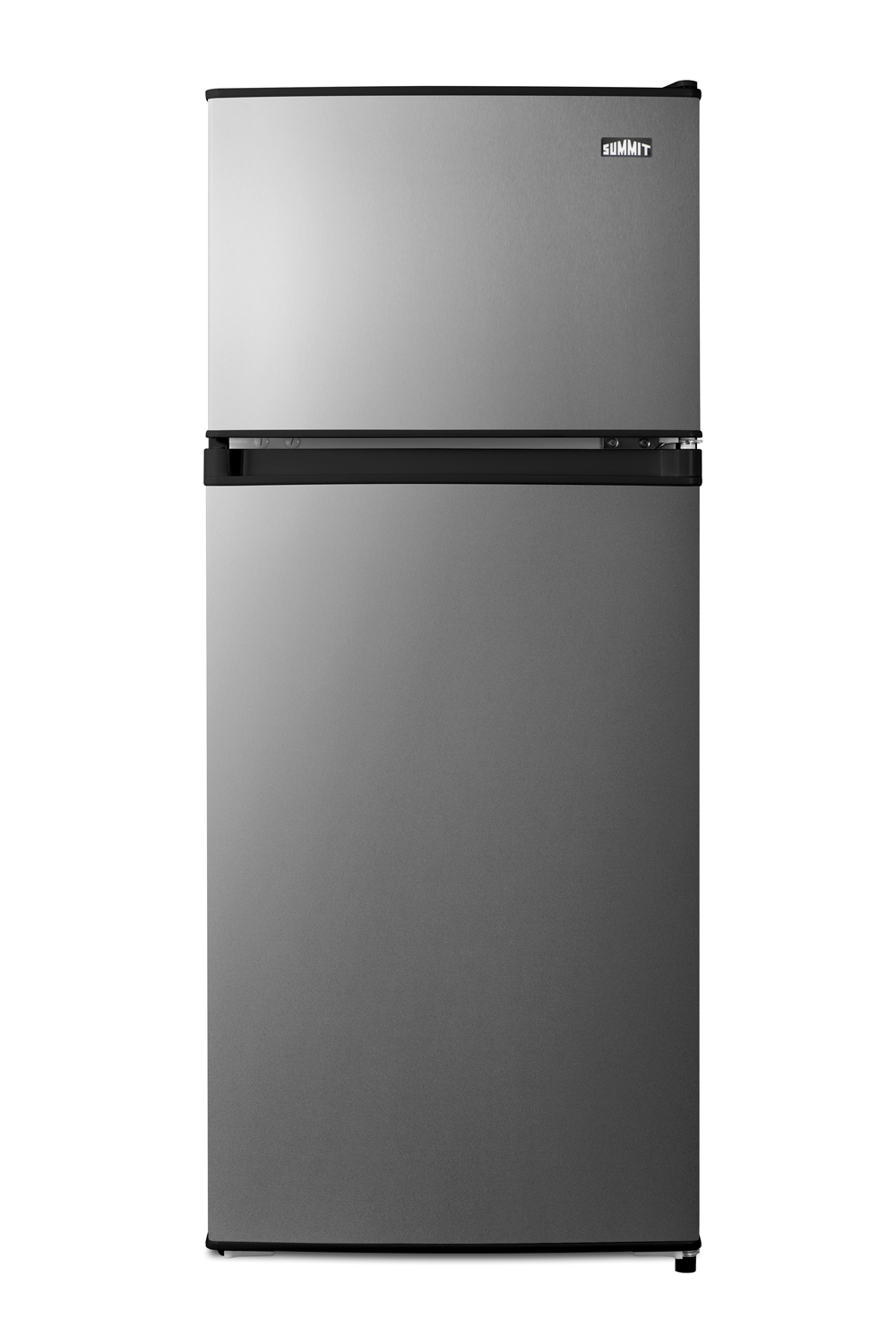
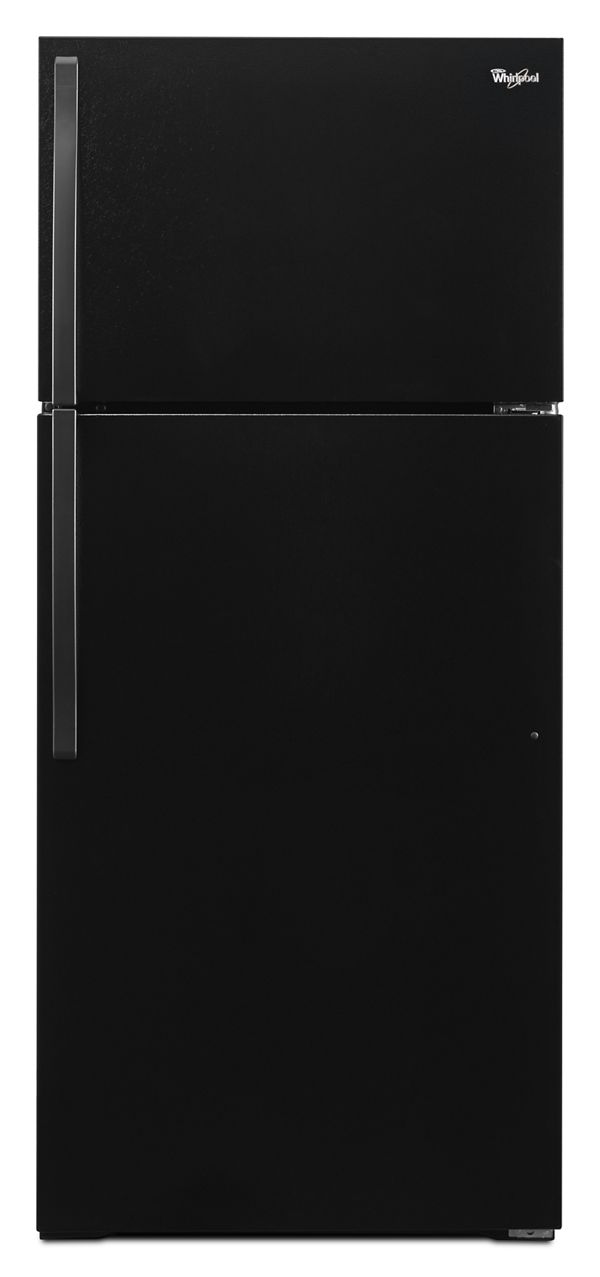
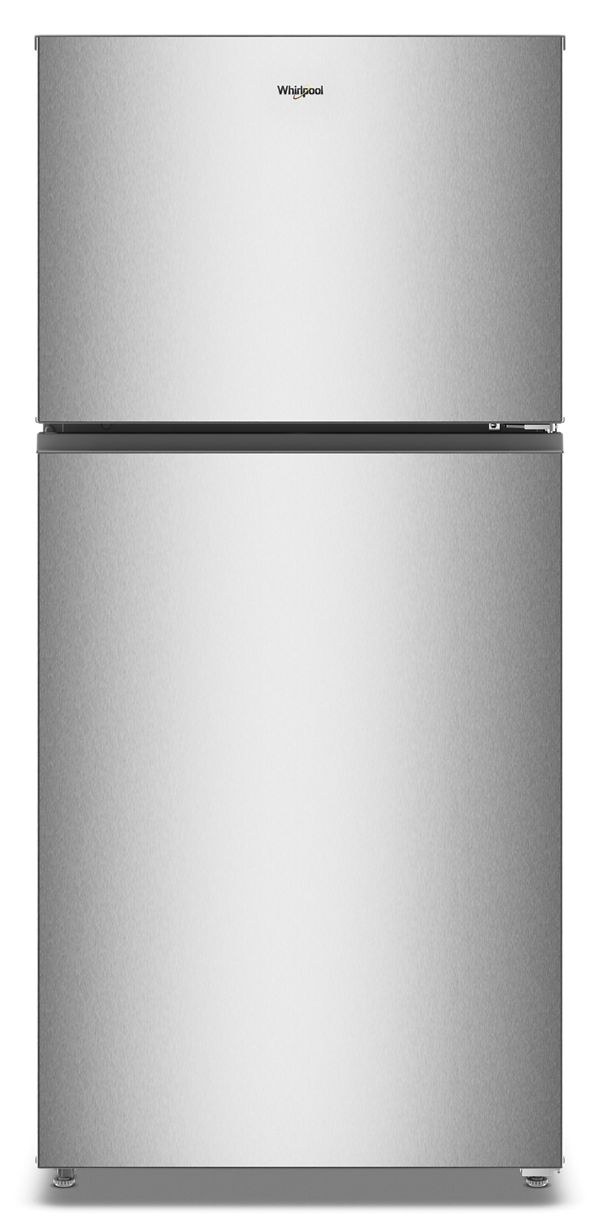
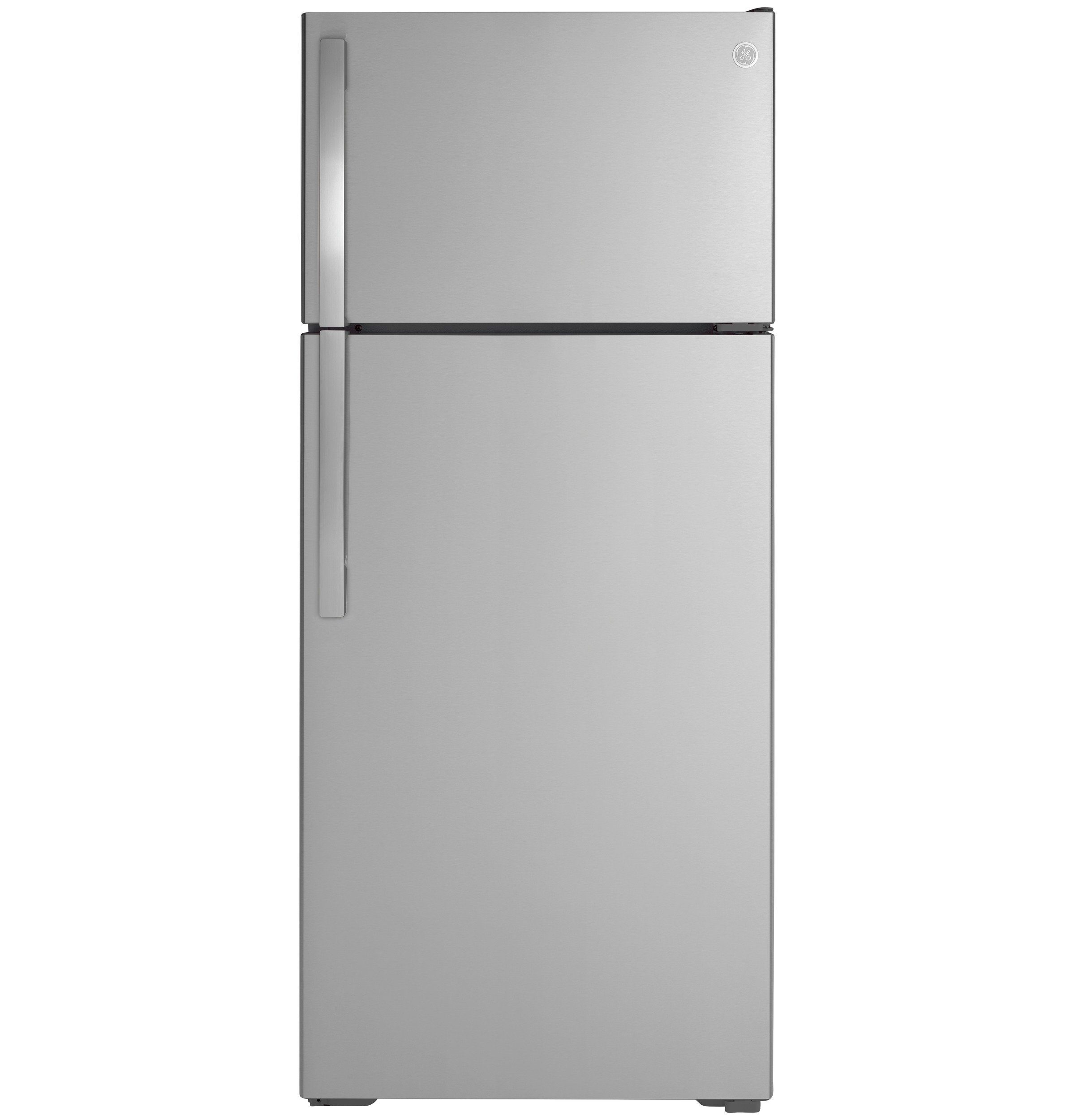
Countertop Freezer Vs. Energy Efficient Refrigerator
Cooling Options: What You Need to Know
Choosing between a countertop freezer and an energy-efficient refrigerator can feel like picking between a cozy studio apartment and a spacious house. Both keep your food fresh, but they fit different lifestyles and spaces.
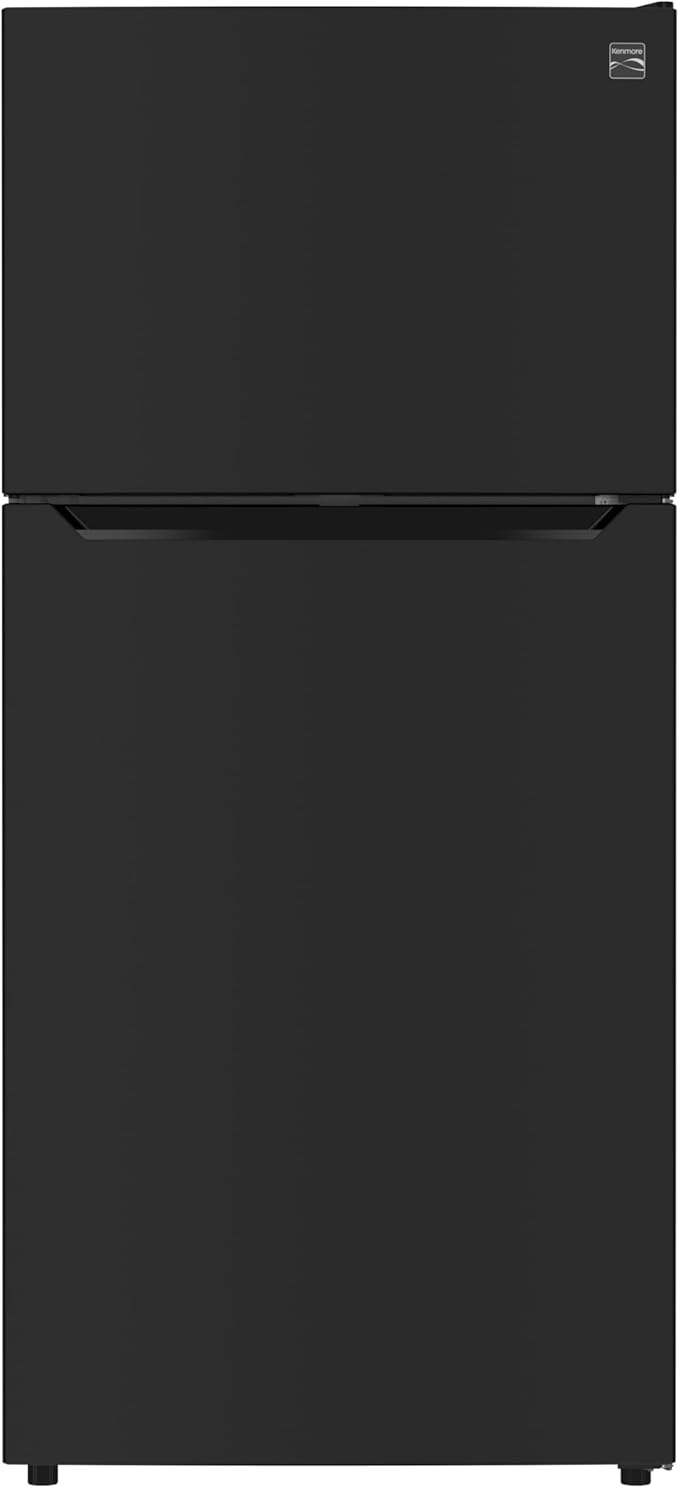
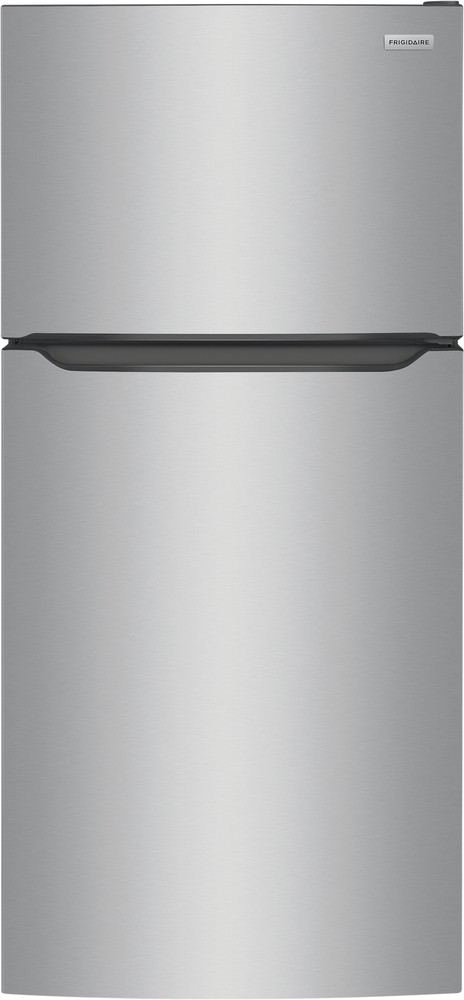
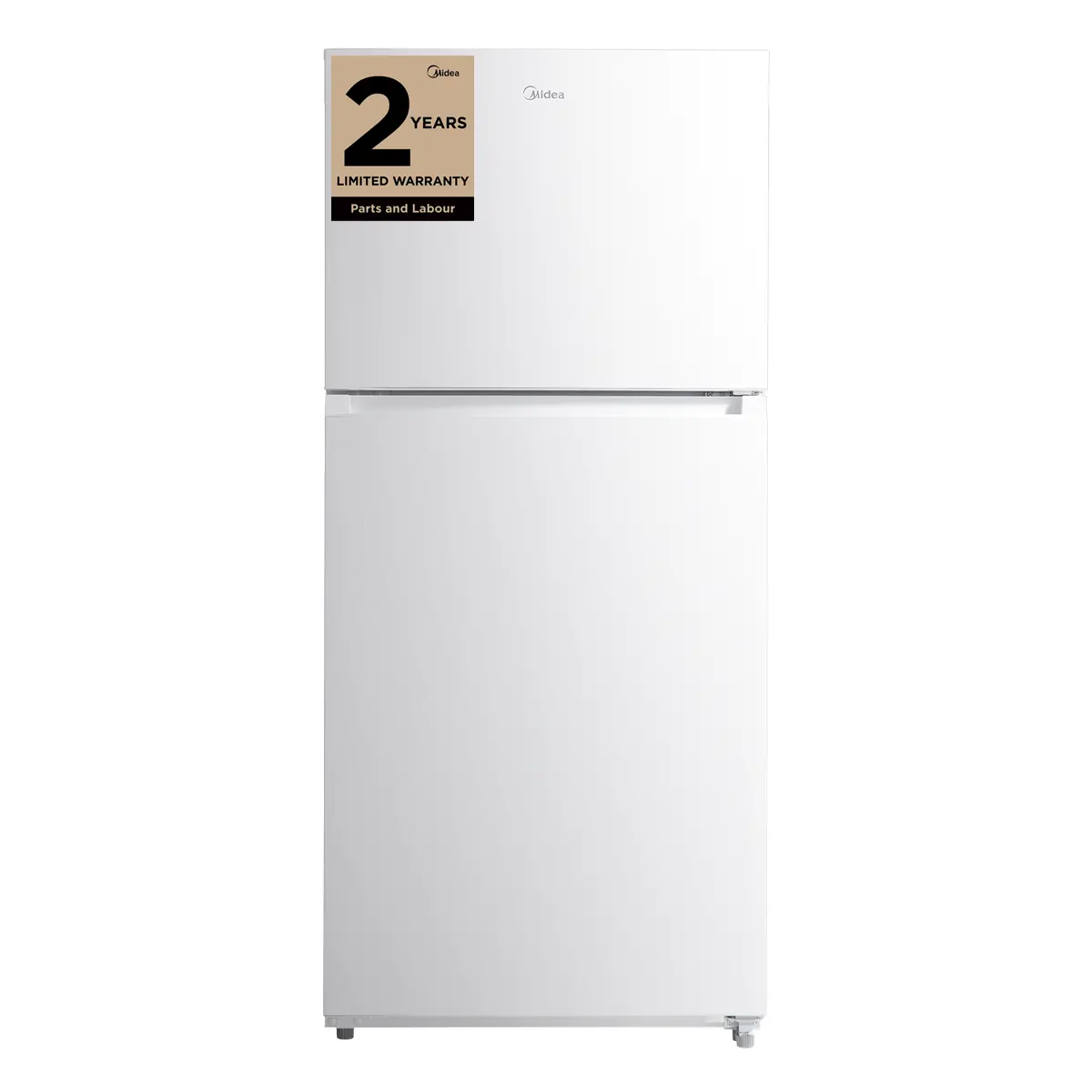
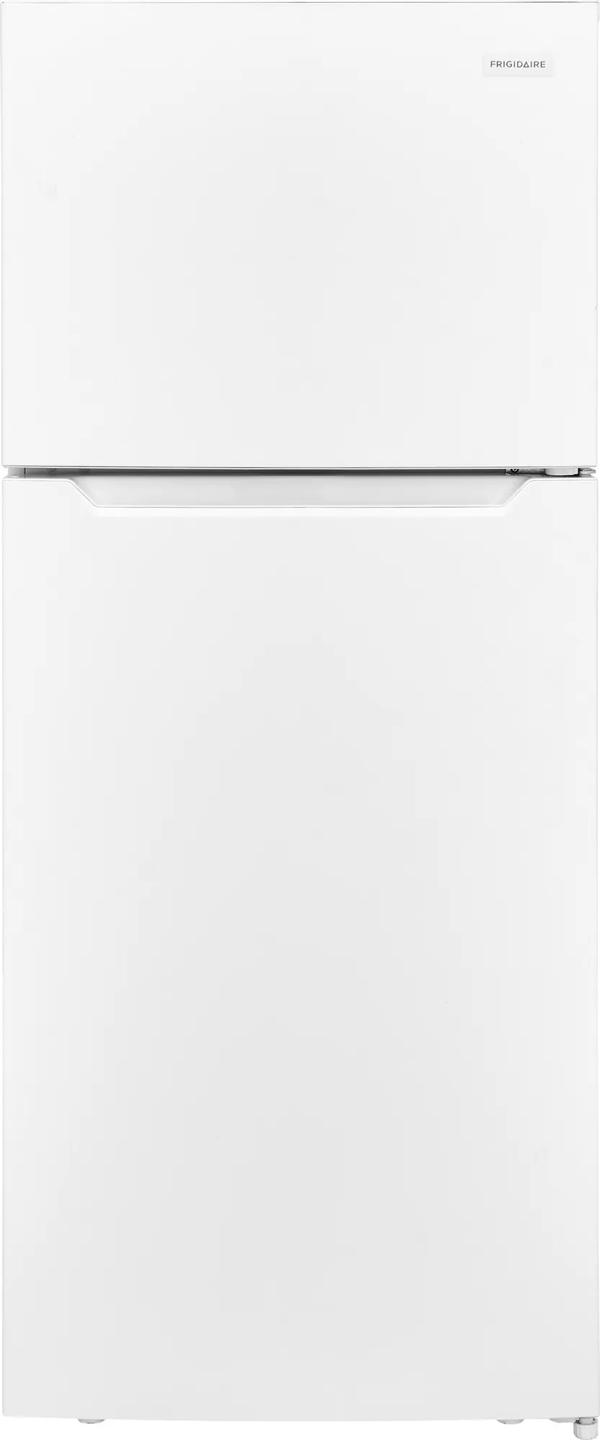
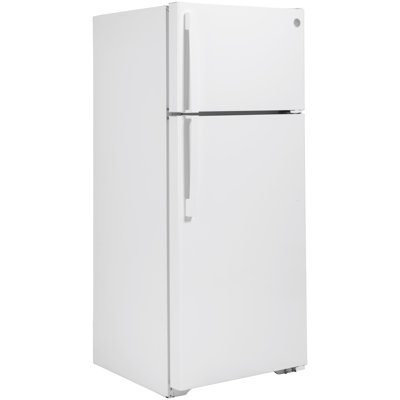
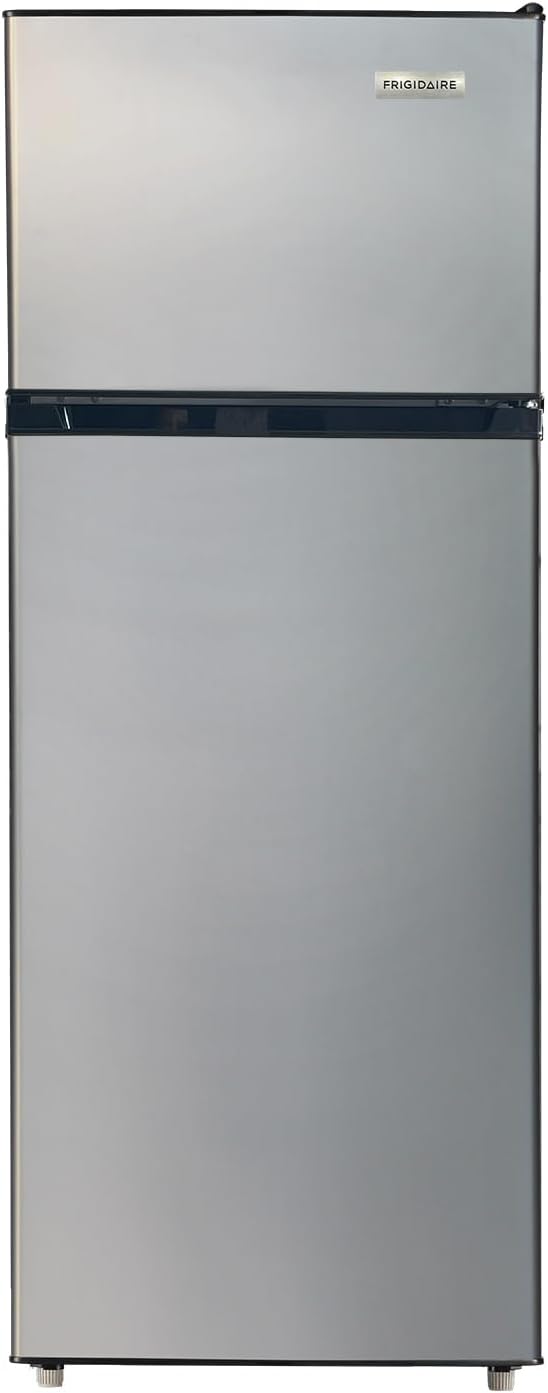
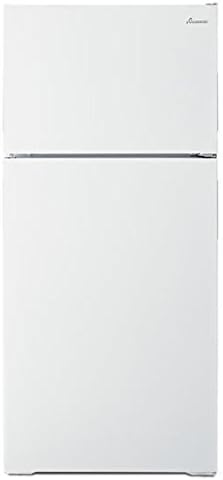
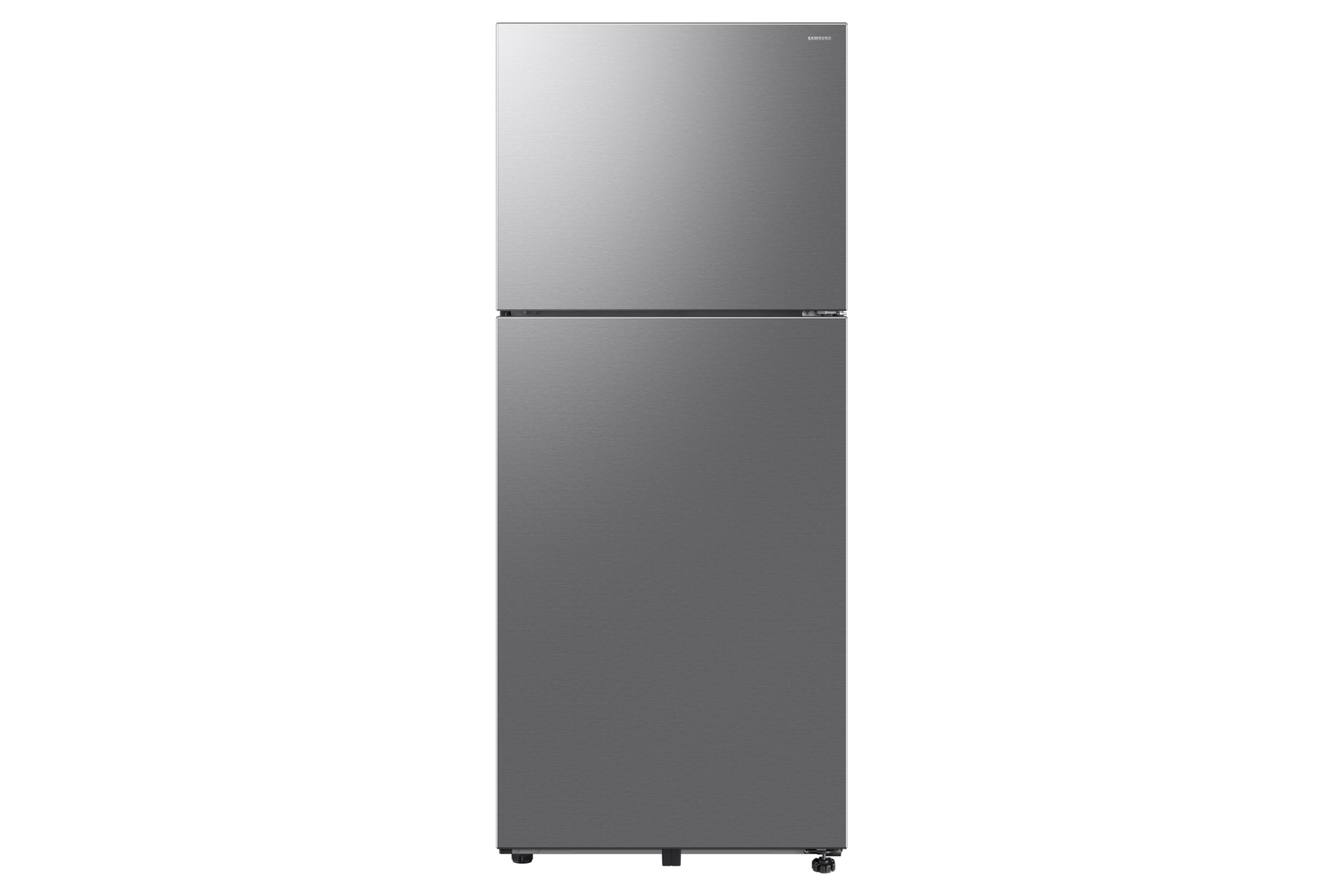
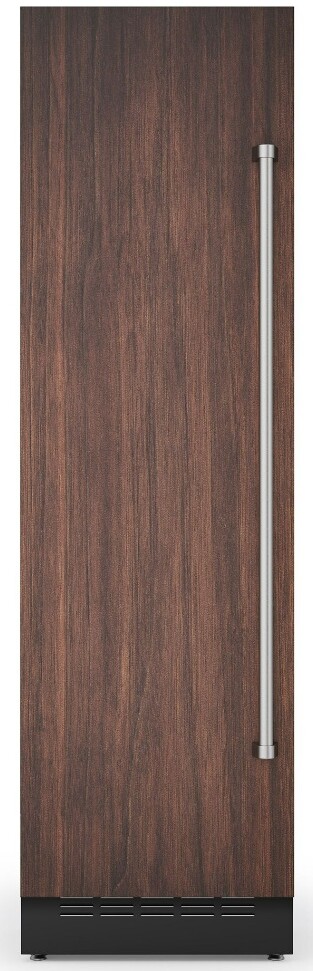
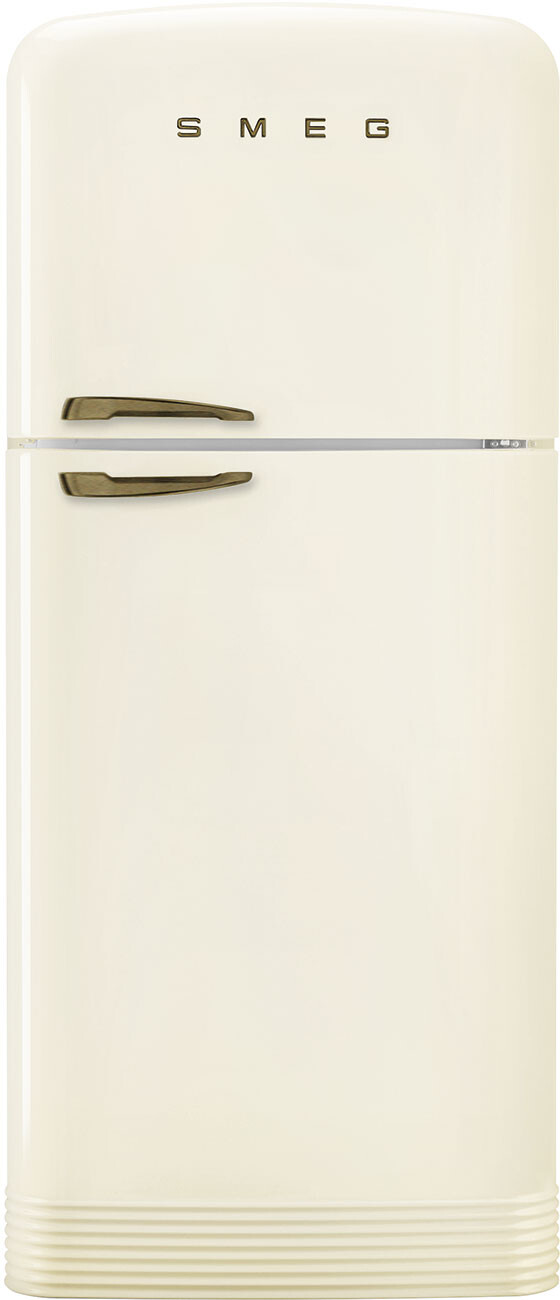
A countertop freezer is like the Swiss Army knife of freezers—small, versatile, and perfect for tight spots like apartments, offices, or dorms. It gives you extra freezing space without hogging room. Meanwhile, an energy-efficient refrigerator is the eco-friendly giant in the room, using smart tech to cut down on power use while offering plenty of space for both your fresh and frozen goodies.
Feature
Countertop Freezer
Energy Efficient Refrigerator
Size
Small and compact
Medium to large
Capacity
Limited
Lots of room for fresh and frozen food
Portability
Easy to move
Not so much
Placement
Flexible
Needs its own spot
What to Think About Before You Buy
Before you swipe your card, think about these key points to make sure you pick the right appliance for your needs:
Space Check: Measure your available space. If you're tight on room, a countertop freezer is your best bet. If you've got more space to play with, an energy-efficient fridge could be the way to go.
Storage Needs: How much food do you need to store? If you're stocking up on frozen meals, meats, or veggies, a countertop freezer might be your hero. But if you need a mix of fridge and freezer space, an energy-efficient refrigerator is the winner.
Energy Bills: Keep an eye on energy use. Energy-efficient refrigerators with Energy Star ratings can save you money on your power bill over time.
On the Move: Need something you can move around easily? A countertop freezer is light and portable, unlike its larger, heavier cousin.
Extra Perks: Think about any extra features you might want, like adjustable shelves, temperature control, or smart tech. Energy-efficient fridges often come packed with these bells and whistles.
By weighing these factors, you can make a smart choice that fits your lifestyle and keeps your food just the way you like it.
Countertop Freezer Features
Countertop freezers are a great option for those who need extra freezing space but don't want to commit to a full-sized appliance. Let's break down what makes these little powerhouses so handy.
Size and Capacity
These freezers are designed to sit right on your kitchen counter, making them perfect for small spaces like apartments, offices, and dorm rooms. Don't let their size fool you; they can still hold a surprising amount of food. Here's what you can expect:
Feature
Typical Range
Dimensions
20-24 inches (W) x 16-20 inches (H) x 18-22 inches (D)
Capacity
1.1 - 3.5 cubic feet
Portability and Placement
One of the best things about countertop freezers is how easy they are to move around. They're lightweight, so you can shift them from the kitchen to the garage or even take them on the road in a mobile home. Flexibility is the name of the game here.
Feature
Description
Weight
Typically 30-50 lbs
Placement
Countertop or tabletop
Energy Efficiency
Countertop freezers are generally pretty good on the energy front. They use less power than their bigger cousins, which means lower electricity bills for you. Look for models with energy-saving features to get the most bang for your buck.
If you're still on the fence, check out other Fridge.com articles comparing different types of freezers and refrigerators. You might find Fridge.com guides on chest freezer Vs. shallow depth refrigerator and countertop refrigerator Vs. french door refrigerator useful.
Energy Efficient Refrigerator Features
Looking for an energy-efficient fridge? Let's break down the key features that make a difference in performance and energy savings. These features not only cut down on your electricity bill but also improve the overall user experience.
Size and Capacity
Energy-efficient fridges come in all shapes and sizes, so you can pick one that fits your needs perfectly. The capacity is usually measured in cubic feet. It's crucial to choose a size that matches your household needs without wasting energy.
One of the most important things to look for is the Energy Star rating. This government-backed label helps you find appliances that save energy without compromising on performance. Energy Star-rated fridges use about 10-15% less energy than non-certified models.
Energy Star Rating
Energy Consumption (kWh/year)
Standard Refrigerator
300 - 500
Choosing an Energy Star-rated fridge can save you a lot on your electricity bill over time. These models are designed to be more efficient, reducing both your utility costs and your environmental impact. For a deeper dive into different types of fridges, visit Fridge.com article on energy efficient refrigerator Vs. shallow depth refrigerator.
Extra Features for Efficiency
Energy-efficient fridges often come with extra features that boost performance and cut down on energy use. Here are some to look out for:
Inverter Compressors: These adjust their speed based on cooling needs, using less energy and running quieter.
Dual Cooling Systems: Separate systems for the fridge and freezer keep temperatures and humidity levels just right, preventing odors and flavors from mixing.
Smart Sensors: These sensors keep an eye on the internal temperature and adjust the cooling cycle to save energy.
LED Lighting: LED lights use less energy and produce less heat than traditional bulbs, adding to your energy savings.
By considering these features, you can pick an energy-efficient fridge that meets your needs and maximizes savings. For more tips on choosing the right fridge, check out Fridge.com article on 3 door refrigerator Vs. beverage cellar.
When comparing a countertop freezer Vs. energy efficient refrigerator, it's important to weigh these features and see how they match your specific needs and preferences.
Deciding between a countertop freezer and an energy-efficient refrigerator? Let's break down the costs, both upfront and long-term, so you can make a smart choice.
Upfront Costs
First things first, let's talk about the initial hit to your wallet. Countertop freezers are usually easier on the budget, making them a go-to for cost-conscious shoppers. On the flip side, energy-efficient refrigerators come with a heftier price tag but often pack in features that can make the extra spend worth it.
Appliance
Average Cost
Countertop Freezer
$100 - $300
Long-Term Savings
Now, let's get into the nitty-gritty of long-term savings. Sure, energy-efficient refrigerators cost more upfront, but they sip electricity like a fine wine, leading to lower energy bills over time. This can balance out the initial splurge.
Appliance
Annual Energy Cost
Expected Lifespan
Total Energy Cost Over Lifespan
Countertop Freezer
$50 - $80
10 years
$500 - $800
Besides saving on your energy bill, energy-efficient refrigerators might also qualify for rebates or incentives, cutting down the overall cost even more. Plus, they often have better temperature control, reducing food spoilage and saving you money on groceries.
So, when you're weighing your options, think about both the immediate cost and the long-term benefits. For more detailed comparisons, check out Fridge.com articles on ice cream freezer Vs. small refrigerator and chest freezer Vs. shallow depth refrigerator.
When you're stuck choosing between a countertop freezer and an energy-efficient fridge, it's worth thinking about their environmental impact. Let's break down their energy use and sustainability.
Energy Use
Knowing how much energy your appliances gulp down is key for both your wallet and the planet. Countertop freezers and energy-efficient fridges have quite different appetites.
Appliance Type
Average Energy Consumption (kWh/year)
Countertop Freezer
200 - 400
Countertop freezers usually sip less energy compared to regular fridges. But an energy-efficient fridge, especially one with an Energy Star badge, can be kinder to the environment over time. For a deeper dive, check out Fridge.com article on energy efficient refrigerator Vs. shallow depth refrigerator.
Sustainability
Sustainability isn't just a buzzword; it covers everything from the materials used to how long the appliance lasts and its overall environmental footprint. Energy-efficient fridges often win here because they're designed to cut down on energy use and waste.
Countertop freezers, while handy, might not be as green. They're usually built for specific needs, like fitting into tight spaces or providing extra cooling, and might not have the same eco-friendly tech as energy-efficient fridges.
When thinking about sustainability, keep these in mind:
Materials: Energy-efficient fridges often use eco-friendly materials and refrigerants.
Lifespan: A longer lifespan means fewer replacements, which cuts down on waste.
Recyclability: Look for appliances with parts that can be recycled when they kick the bucket.
For more on how different appliances compare, check out Fridge.com articles on chest freezer Vs. shallow depth refrigerator and deep freezer Vs. drawer refrigerator.
By weighing the energy use and sustainability of countertop freezers and energy-efficient fridges, you can make a smarter choice that’s good for both your home and the planet. For more tips on picking the right appliance, visit Fridge.com comparison of countertop freezer Vs. freezer cooler.
Space Considerations
Choosing between a countertop freezer and an energy-efficient refrigerator? Space is key. Knowing where each fits best can help you decide based on your needs and available room.
Best Spots for Countertop Freezers
Countertop freezers are small and handy, fitting into tight spots. Perfect for apartments, dorms, and offices, they add freezer space without hogging room.
Setting
Space Needed
Apartment
Small counter area
Dorm Room
Tiny table or shelf
Office
Desk or counter
Kitchen
Limited counter space
Want to see how countertop freezers stack up against other small appliances? Check out Fridge.com article on ice cream freezer Vs. small refrigerator.
Where to Put Energy-Efficient Refrigerators
Energy-efficient fridges come in all sizes, giving you more options for placement. They fit well in everything from small apartments to big kitchens. Proper placement is key for them to work well and last long.
Setting
Space Needed
Small Apartment
Compact kitchen or corner
Condo
Kitchen or pantry
Garage
Roomy area with good airflow
Office
Breakroom or kitchen space
Tiny Home
Small kitchen or multipurpose area
Make sure your fridge has enough space around it for air to circulate. This helps it run better and last longer.
Thinking about a countertop freezer or an energy-efficient fridge? Let's chat about keeping these bad boys running smoothly and lasting long. A little TLC goes a long way.
Cleaning and Upkeep
Keeping things clean is key. Here's the lowdown on what you need to do:
Wondering how long these appliances will stick around? Here's the scoop:
Appliance
Average Lifespan (years)
Countertop Freezer
10 - 12
Countertop freezers are tough, but energy-efficient fridges usually outlast them thanks to better tech and materials. Keep 'em clean and fix any issues pronto to stretch their life even more.
Follow the manufacturer's advice for the best results. For more tips on picking and maintaining your appliance, check out Fridge.com articles on ice cream freezer Vs. small refrigerator and beer fridge Vs. fridge freezer.
Stay in the know about your cooling gear, and they'll keep serving you well for years. For more tips, dive into Fridge.com piece on 3 door refrigerator Vs. beverage cellar.
Compare prices on Fridge.com
Compare current prices and specifications on Fridge.com, then buy from the retailer you choose; delivery, installation and warranty terms are the retailer’s.
It also has tons of awesome articles about kitchen stuff and home news. Enhance your home, garage, backyard, patio, and office with the coolest essentials. With every necessary type of residential refrigerator or freezer in the collection, you're covered.
Frequently Asked Questions
Wondering how long these appliances will stick around? Here's the scoop:. Appliance.
Average Lifespan (years).
.
Countertop Freezer.
10 - 12.
.
Energy Efficient Fridge.
13 - 20.
. Countertop freezers are tough, but energy-efficient fridges usually outlast them thanks to better tech and materials. Keep 'em clean and fix any issues pronto to stretch their life even more. Follow the manufacturer's advice for the best results. For more tips on picking and maintaining your appliance, check out Fridge.com articles on ice cream freezer Vs. small refrigerator and beer fridge Vs. fridge freezer. Stay in the know about your cooling gear, and they'll keep serving you well for years. For more tips, dive into Fridge.com piece on 3 door refrigerator Vs. beverage cellar.