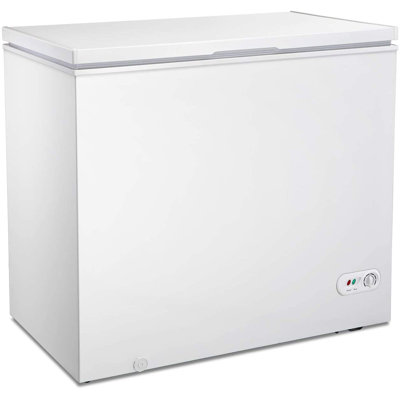
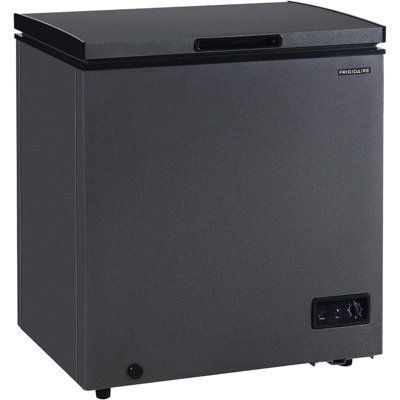
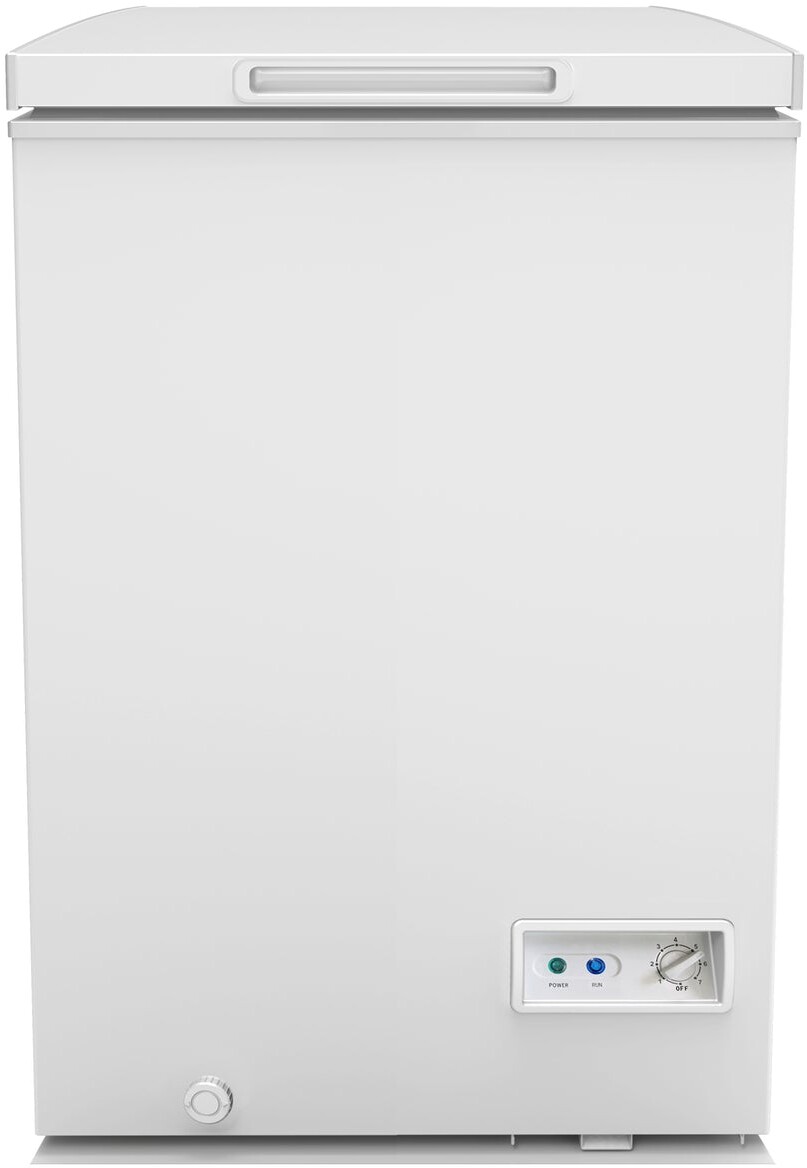
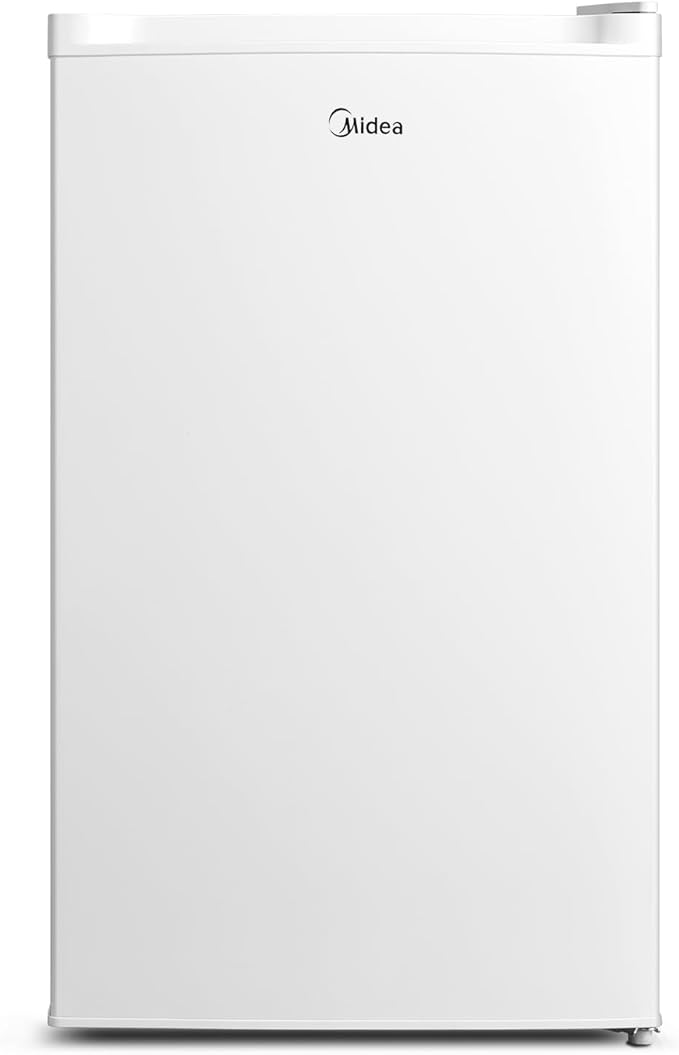
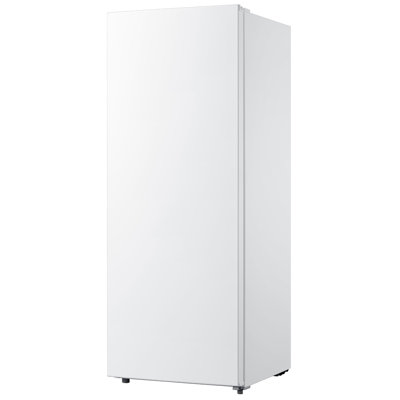
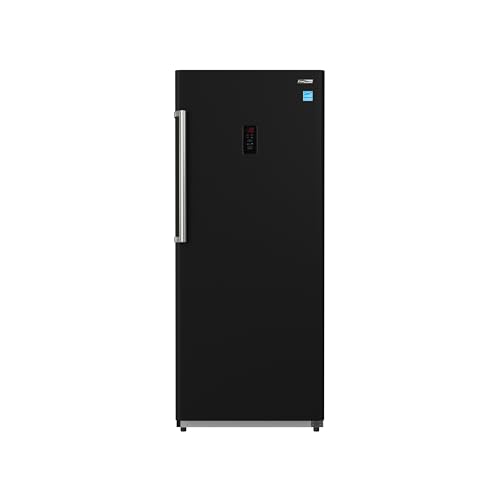
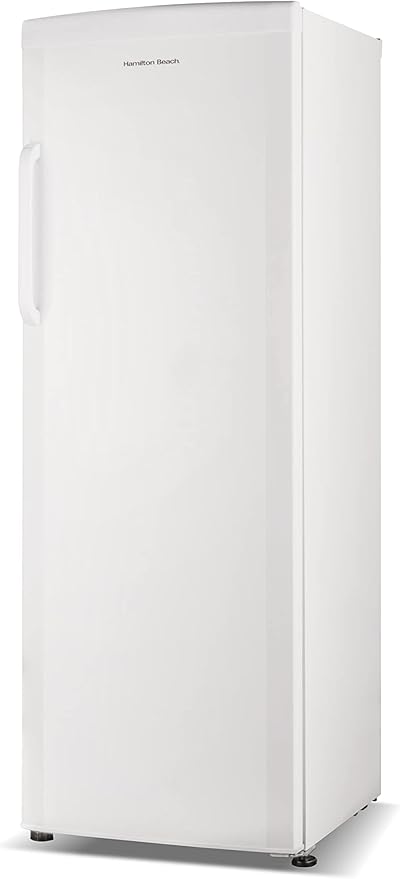
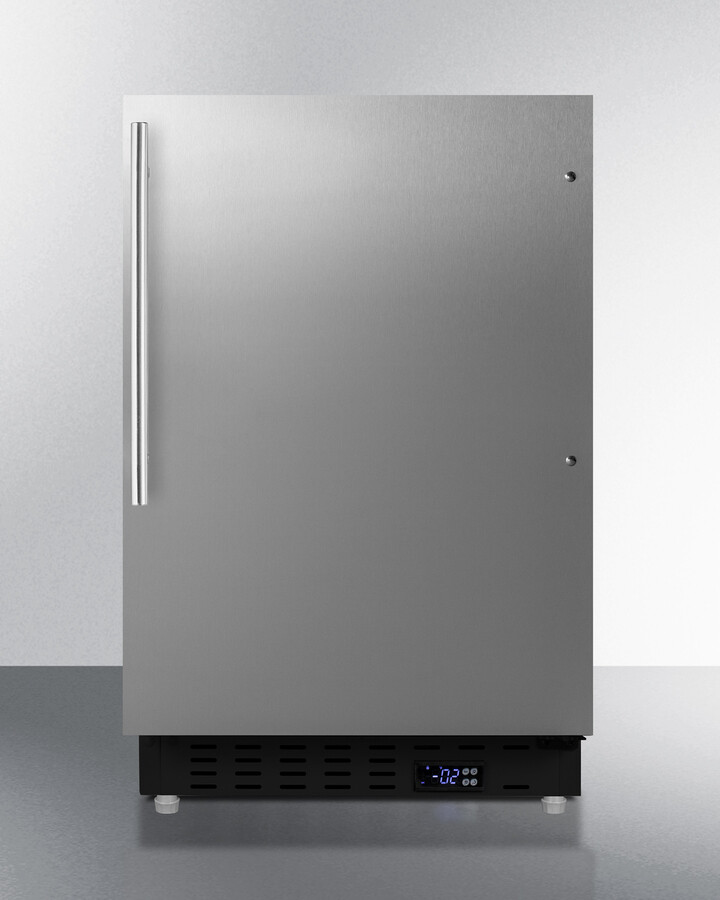
When comparing a freezer cooler and a small refrigerator, it's essential to understand their fundamental differences and ideal uses. This knowledge can help you make the best choice for your needs, whether you are a homeowner, living in an apartment, or need a cooling solution for your office or garage.
Feature
Freezer Cooler
Small Refrigerator
Primary Function
Freezing and cooling
Cooling and limited freezing
Temperature Range
Typically 0°F to 32°F (-18°C to 0°C)
Typically 34°F to 40°F (1°C to 4°C)
Storage Flexibility
Suitable for frozen foods and ice packs
Suitable for perishables, beverages, and limited frozen
Portability
Often portable and compact
Generally stationary, some portable models available
Freezer Cooler:
Features and Functions: A freezer cooler is designed to keep items frozen, making it ideal for long-term storage of frozen foods and ice packs. The temperature typically ranges from 0°F to 32°F (-18°C to 0°C).
Ideal Uses: Freezer coolers are perfect for camping trips, picnics, or as an additional freezer for home use. They are also useful in settings where you need to keep items frozen for extended periods, such as in a garage or basement. For more on how a freezer cooler can fit into your home setup, check out Fridge.com comparison on basement refrigerator Vs. small deep freezer.
Small Refrigerator:
Features and Functions: A small refrigerator is primarily used for cooling perishable items and beverages. It usually includes a small freezer compartment. The temperature range is typically between 34°F and 40°F (1°C to 4°C).
Ideal Uses: Small refrigerators are ideal for dorm rooms, offices, or as an additional fridge in your home. They are great for storing snacks, drinks, and limited frozen items. For a detailed comparison of different small refrigeration options, see compact refrigerator Vs. slate refrigerator.
A freezer cooler offers unique features and functions that can be especially useful for specific needs. Understanding these aspects can help you decide if a freezer cooler is the right choice for your space.
Features and Functions
Freezer coolers are designed to maintain very low temperatures, making them ideal for storing perishable items for extended periods. Here are some key features and functions of freezer coolers:
Temperature Range: Freezer coolers typically maintain temperatures between -10°F and 0°F, preserving food and preventing bacterial growth.
Portability: Many freezer coolers are designed to be portable, making them suitable for outdoor activities, camping, or traveling.
Insulation: High-quality insulation ensures that the internal temperature remains consistent, even in varying external conditions.
Power Options: Some models offer dual power options, including AC and DC, allowing you to use them in your home, car, or even off-grid locations.
Storage Compartments: Freezer coolers often come with multiple compartments or dividers, making it easier to organize different types of food and beverages.
Ideal Uses
Freezer coolers are versatile and can be used in various settings. Here are some ideal uses for freezer coolers:
Camping and Outdoor Activities: Perfect for keeping food and drinks cold during camping trips, picnics, or other outdoor adventures.
Emergency Backup: Useful for storing food during power outages or other emergencies.
Travel: Ideal for long road trips or vacations where you need to keep food and beverages cold.
Small Spaces: Suitable for use in small living spaces like dorm rooms, offices, or apartments where a full-sized freezer may not be practical.
For more information on how freezer coolers compare to other appliances, you may find Fridge.com article on pink fridge Vs. undercounter freezer helpful.
Feature
Description
Temperature Range
-10°F to 0°F
Portability
Designed for easy transport
Insulation
High-quality insulation for consistent temperature
Power Options
AC/DC dual power options
Storage Compartments
Multiple compartments or dividers for organization
A small refrigerator offers numerous features and functions tailored to meet specific needs. These compact appliances are designed to provide efficient cooling and storage solutions in limited spaces.
Compact Size: Small refrigerators are perfect for tight spaces such as dorm rooms, offices, and small apartments. They typically range from 1.7 to 4.5 cubic feet in capacity.
Temperature Control: Many small refrigerators come with adjustable thermostats, allowing you to set the desired cooling level for different types of food and beverages.
Energy Efficiency: These appliances often consume less power compared to their larger counterparts, making them a cost-effective option for energy-conscious users.
Storage Options: Small refrigerators usually feature adjustable shelves, door bins, and sometimes a small freezer compartment. This flexibility allows you to customize the interior layout to suit your storage needs.
Portability: Due to their lightweight and compact design, small refrigerators are easy to move and relocate as needed.
Feature
Description
Compact Size
Typically 1.7 to 4.5 cubic feet
Temperature Control
Adjustable thermostats for custom cooling
Storage Options
Adjustable shelves, door bins, and small freezer compartments
Portability
Lightweight and easy to move
Ideal Uses
Small refrigerators are versatile appliances that can be used in a variety of settings. Here are some common ideal uses:
Dorm Rooms: Perfect for college students who need to store snacks, beverages, and small meals.
Offices: Convenient for keeping lunch, drinks, and perishable items fresh during the workday.
Garages and Basements: Ideal for homeowners who need extra storage for drinks and overflow groceries.
Tiny Homes and Cabins: Essential for saving space while still maintaining essential refrigeration needs.
Entertainment Areas: Great for home bars or game rooms where you need to keep drinks and snacks easily accessible.
For a detailed comparison between various refrigerator types and their uses, check out Fridge.com articles on pink fridge Vs. undercounter freezer and beverage cellar Vs. stainless look refrigerator.
By understanding the features and functions of a small refrigerator, you can make an informed decision on whether this appliance meets your specific needs. Whether it's for a dorm room, office, or entertainment area, a small refrigerator offers a compact and efficient solution for your refrigeration requirements.
Capacity and Size
When comparing a freezer cooler to a small refrigerator, understanding their capacity and size is crucial for making an informed decision. This section will help you determine which option is best suited for your needs.
Comparing Storage Space
Freezer coolers and small refrigerators vary significantly in terms of storage space. Freezer coolers primarily focus on providing ample space for frozen items, while small refrigerators offer both refrigeration and freezing compartments.
Appliance Type
Storage Capacity (Cubic Feet)
Freezer Cooler
1.1 - 5.0
Small Refrigerator
1.7 - 4.5
Freezer coolers generally have a larger freezer compartment, making them ideal for storing frozen goods. In contrast, small refrigerators come with a mixed storage approach, featuring a smaller freezer section and a more extensive refrigeration area.
Suitability for Different Needs
Choosing between a freezer cooler and a small refrigerator depends on your specific needs and the intended use of the appliance.
Freezer Cooler:
Ideal for individuals or families who require more space for frozen items.
Suitable for use in garages, basements, or as an additional freezing unit.
Great for storing bulk purchases or pre-prepared meals.
Small Refrigerator:
Perfect for apartments, dorm rooms, offices, or small living spaces.
Provides a balance between refrigeration and freezing needs.
Suitable for storing a variety of items, such as beverages, snacks, and small amounts of frozen goods.
For more insights on similar comparisons, you might find Fridge.com articles on pink fridge Vs. undercounter freezer and basement refrigerator Vs. small deep freezer helpful.
By understanding the differences in capacity and size, you can make an informed decision that best suits your storage needs, whether you are considering a freezer cooler or a small refrigerator.
Energy Efficiency
When comparing a freezer cooler and a small refrigerator, understanding their energy efficiency is essential. This section will help you evaluate power consumption and environmental impact.
Understanding Power Consumption
The power consumption of a freezer cooler and a small refrigerator can vary significantly based on their size, design, and usage patterns. Typically, smaller appliances consume less power than their larger counterparts. The energy usage is measured in kilowatt-hours (kWh) per year.
Appliance
Average Power Consumption (kWh/year)
Freezer Cooler
200 - 400
Small Refrigerator
100 - 300
Freezer coolers generally have higher power consumption compared to small refrigerators. This is due to the need for maintaining lower temperatures consistently. To optimize energy use, ensure that both appliances are placed in a cool, well-ventilated area and avoid opening the doors frequently.
Environmental Impact
The environmental impact of these appliances is closely linked to their energy efficiency. Lower energy consumption translates to a smaller carbon footprint. When choosing between a freezer cooler and a small refrigerator, consider their energy ratings and the potential impact on the environment.
Energy-efficient models often come with eco-friendly features such as better insulation and energy-saving modes. These features not only reduce power consumption but also contribute to less greenhouse gas emissions.
By considering power consumption and environmental impact, you can make an informed decision that aligns with your energy efficiency goals and environmental values. For further reading on different types of refrigerators and their energy efficiency, visit articles like beverage cooler Vs. drawer fridge freezer and freestanding wine cooler Vs. fridge freezer.
Effective temperature control is essential for both freezer coolers and small refrigerators. This section will explore how to manage cooling levels and preserve food freshness.
Managing Cooling Levels
Freezer coolers and small refrigerators come with varying capabilities for temperature control. Understanding how to manage these levels is key to maintaining the quality of stored items.
Freezer Coolers:
Freezer coolers are designed to maintain significantly lower temperatures compared to small refrigerators. They typically offer adjustable settings to allow you to choose the appropriate freezing level for different types of food.
Temperature Range
Typical Use
-10°F to 0°F
Long-term storage of meats and frozen goods
0°F to 10°F
Short-term storage of ice cream and frozen desserts
Small Refrigerators:
Small refrigerators provide a broader range of cooling settings, suitable for a variety of perishable items. They generally include adjustable thermostats to help you maintain the ideal temperature for different food categories.
Temperature Range
Typical Use
32°F to 40°F
Fresh fruits and vegetables
40°F to 50°F
Dairy products, beverages, and leftovers
For detailed comparisons and recommendations, you might find Fridge.com articles on pink fridge Vs. undercounter freezer and reach in refrigerator Vs. tall refrigerator helpful.
Preserving Food Freshness
Preserving the freshness of your food involves more than just setting the right temperature. Both freezer coolers and small refrigerators have features designed to help maintain optimal conditions for food storage.
Freezer Coolers:
Maintaining a consistent low temperature is crucial for preserving the quality and safety of frozen foods. Freezer coolers often come with features such as fast-freeze settings, which rapidly lower the temperature to quickly freeze fresh items. This helps to lock in nutrients and prevent the formation of large ice crystals that can damage food texture.
Small Refrigerators:
Small refrigerators are designed with features to help maintain the freshness of different food types. Adjustable shelves, humidity control drawers, and door seals all play a role in keeping your food fresh.
Feature
Benefit
Humidity Control Drawers
Keeps produce crisp and fresh
Adjustable Shelves
Accommodates different sizes and shapes of food containers
Door Seals
Prevents warm air from entering and cold air from escaping
Understanding the specific features and functions of your appliance can help you maximize food freshness. For further reading, explore Fridge.com comparisons like freestanding drawer refrigerator Vs. wine refrigerator and basement refrigerator Vs. small deep freezer.
By effectively managing cooling levels and utilizing features designed to preserve freshness, you can ensure that your food stays in the best possible condition, whether stored in a freezer cooler or a small refrigerator.
Cost Considerations
Initial Investment
When comparing a freezer cooler to a small refrigerator, the initial investment is a significant factor to consider. The cost varies based on the size, brand, and features of the appliance. Here is a general comparison of the price ranges:
Appliance Type
Price Range
Freezer Cooler
$100 - $300
Small Refrigerator
$150 - $500
Freezer coolers typically have a lower initial cost compared to small refrigerators. This makes them a more affordable option for those on a budget. However, small refrigerators offer more versatility and can be used for both cooling and freezing, which might justify the higher initial cost for some users.
Operating Costs
Operating costs are another crucial aspect to consider when choosing between a freezer cooler and a small refrigerator. These costs include electricity consumption and potential maintenance expenses.
Appliance Type
Average Annual Energy Consumption (kWh)
Average Annual Cost*
Freezer Cooler
100 - 200
$12 - $24
Small Refrigerator
200 - 400
$24 - $48
*Based on an average electricity rate of $0.12 per kWh.
Freezer coolers generally consume less energy compared to small refrigerators, resulting in lower annual operating costs. This makes them a more energy-efficient option for those looking to save on electricity bills. However, small refrigerators offer more comprehensive cooling solutions and may be worth the additional cost for users needing a more versatile appliance.
When considering the overall cost, it's important to balance both the initial investment and the ongoing operating expenses. For more in-depth comparisons, you can explore Fridge.com articles on pink fridge Vs. undercounter freezer and built in beverage center Vs. convertible refrigerator.
Installation and Placement
When deciding between a freezer cooler and a small refrigerator, understanding the installation and placement requirements is crucial. Let's delve into the space requirements and installation options for both appliances.
Space Requirements
Assessing the space available in your home or office is the first step in determining which appliance is more suitable. Both freezer coolers and small refrigerators come in various sizes, but their dimensions and space requirements can differ significantly.
Appliance
Typical Dimensions (H x W x D)
Space Requirements
Freezer Cooler
28-35 inches x 18-24 inches x 18-24 inches
Requires extra clearance for ventilation
Small Refrigerator
30-38 inches x 18-24 inches x 18-24 inches
Requires a flat, stable surface and adequate ventilation
Freezer coolers often need additional clearance around them to ensure proper airflow and avoid overheating. On the other hand, small refrigerators generally require a flat, stable surface and sufficient ventilation space at the back.
Installation Options
The installation options for freezer coolers and small refrigerators can vary based on your specific needs and the layout of your space.
Freezer Coolers:
Freestanding: Can be placed in garages, basements, or any suitable area with adequate ventilation.
Portable: Some models are designed for mobility, allowing easy relocation within the home or for outdoor use.
Small Refrigerators:
Freestanding: Ideal for kitchens, dorm rooms, offices, or any area with access to a power outlet and adequate ventilation.
Built-In: Some models can be integrated into cabinetry, providing a seamless look in kitchens or entertainment areas. For more on built-in options, check out Fridge.com comparison of built-in beverage center Vs. convertible refrigerator.
Countertop: Compact models that fit on countertops, suitable for small kitchens or office spaces.
When choosing between a freezer cooler and a small refrigerator, consider the installation options that best suit your lifestyle and space. For further insights on different types of fridges and freezers, explore Fridge.com articles on pink fridge Vs. undercounter freezer and freestanding drawer refrigerator Vs. wine refrigerator.
Proper maintenance and care are essential for ensuring the longevity and efficiency of both freezer coolers and small refrigerators. This section covers cleaning and upkeep, as well as troubleshooting common issues.
Cleaning and Upkeep
Regular cleaning is crucial to maintain the performance and hygiene of your freezer cooler or small refrigerator. Here are some steps to follow:
1. Unplug the Appliance: Before cleaning, always unplug the unit to ensure safety.
2. Empty the Contents: Remove all items from the freezer or refrigerator.
3. Remove Shelves and Drawers: Take out removable parts such as shelves and drawers for separate cleaning.
4. Clean the Interior: Use a mild detergent and warm water to clean the interior surfaces. Avoid abrasive cleaners that can damage the surfaces.
5. Clean Removable Parts: Wash shelves and drawers with soapy water and rinse thoroughly.
6. Wipe the Exterior: Clean the exterior with a damp cloth and mild detergent. Pay special attention to handles and seals.
7. Dry Thoroughly: Ensure all parts are completely dry before reassembling and plugging the unit back in.
8. Defrost if Necessary: If your appliance has a manual defrost option, follow the manufacturer's instructions for defrosting.
Regular maintenance and prompt troubleshooting can extend the life of your freezer cooler or small refrigerator, ensuring they function efficiently for years to come. For further information on comparing different types of refrigeration appliances, visit french door refrigerator Vs. reach in refrigerator.
Compare prices on Fridge.com
Compare current prices and specifications on Fridge.com, then buy from the retailer you choose; delivery, installation and warranty terms are the retailer’s.
It also has tons of awesome articles about kitchen stuff and home news. Enhance your home, garage, backyard, patio, and office with the coolest essentials. With every necessary type of residential refrigerator or freezer in the collection, you're covered.
Free tool
Food Storage Calculator
Free interactive tool from Fridge.com — get a quick answer while you read.