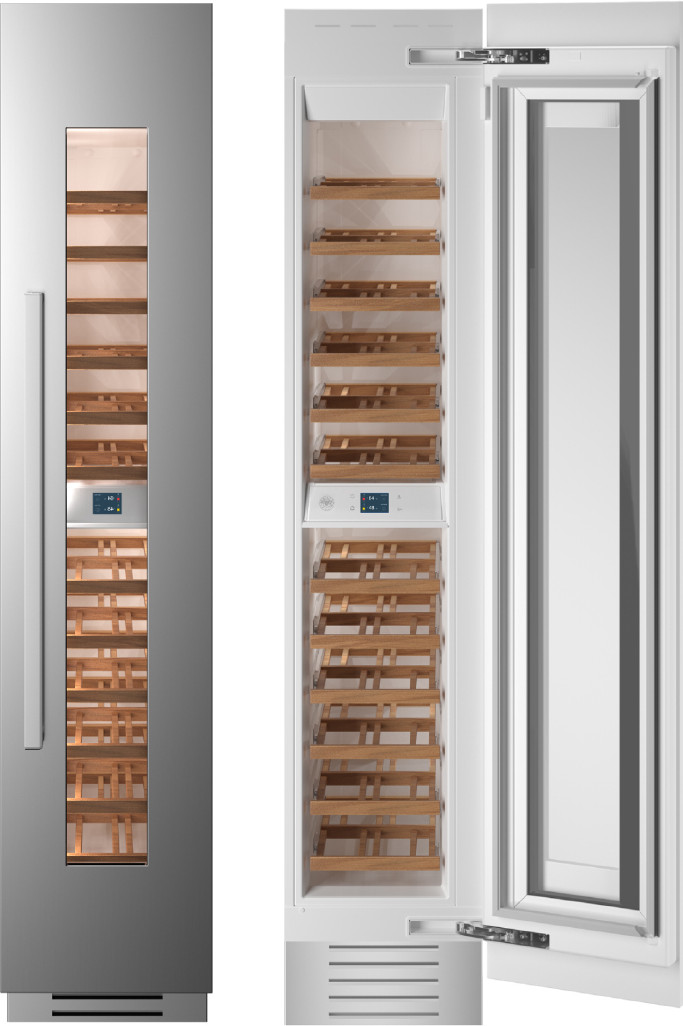
Factors to Consider Before Choosing Between Freestanding Wine Cooler and Skincare Fridge
When deciding between a freestanding wine cooler and a skincare fridge, understanding your cooling needs is essential. Here are some key factors to consider:
Purpose: Determine what you intend to store. Freestanding wine coolers are designed for keeping wine at optimal temperatures, whereas skincare fridges are meant for storing beauty products to extend their shelf life and enhance their effectiveness.
Temperature Range: Different items require different temperature ranges. Wine coolers typically maintain temperatures between 45°F to 65°F, ideal for wine preservation. Skincare fridges generally operate at lower temperatures, around 35°F to 45°F, suitable for cosmetics and skincare products.
Feature
Freestanding Wine Cooler
Skincare Fridge
Temperature Range
45°F - 65°F
35°F - 45°F
Purpose
Wine storage
Skincare product storage
Storage Capacity: Assess the amount of space you need. Wine coolers come in various sizes, accommodating from a few bottles to several dozen. Skincare fridges are usually smaller, fitting on countertops or vanities.
Humidity Control: Wine coolers often have humidity control features to keep corks moist and prevent wine oxidation. Skincare fridges typically focus on keeping a stable, cool environment without specific humidity controls.
Feature
Freestanding Wine Cooler
Skincare Fridge
Storage Capacity
Varies widely
Generally smaller
Humidity Control
Yes
No
Space and Location: Consider where you will place the appliance. Wine coolers are often placed in kitchens, dining rooms, or basements, while skincare fridges can fit in bathrooms, bedrooms, or even offices.
Features and Technology: Look for additional features that might be important to you. Some wine coolers come with dual-zone cooling for different types of wine. Skincare fridges might include LED lighting, removable shelves, or USB charging ports.
Purpose and Functionality of a Freestanding Wine Cooler
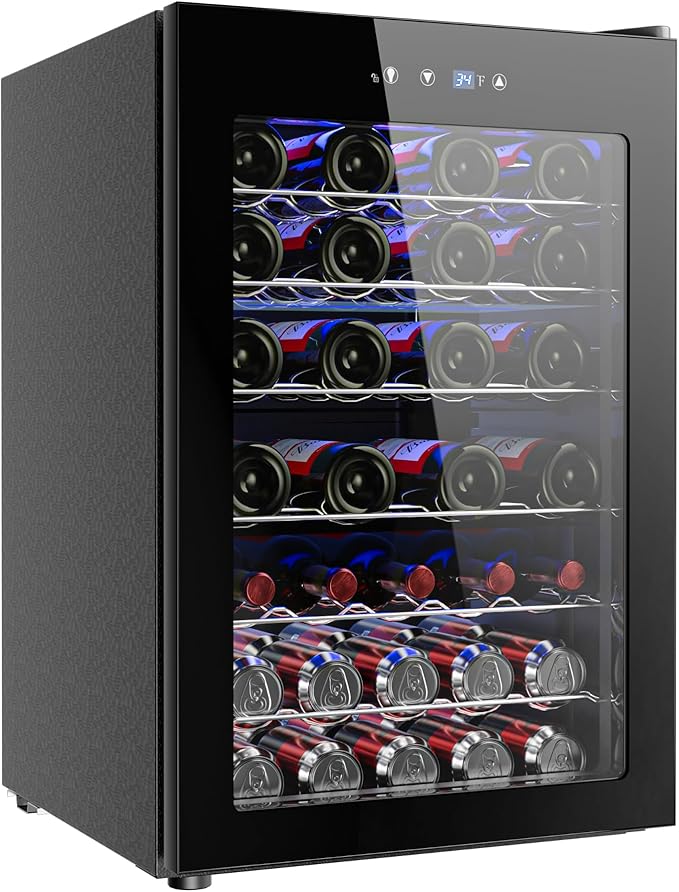
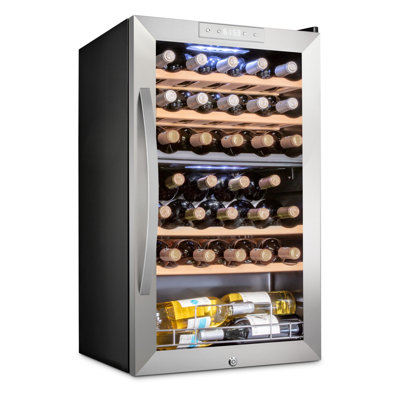
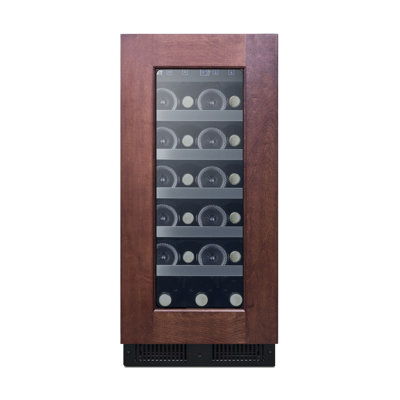
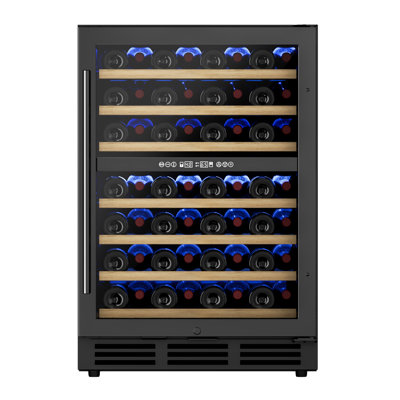
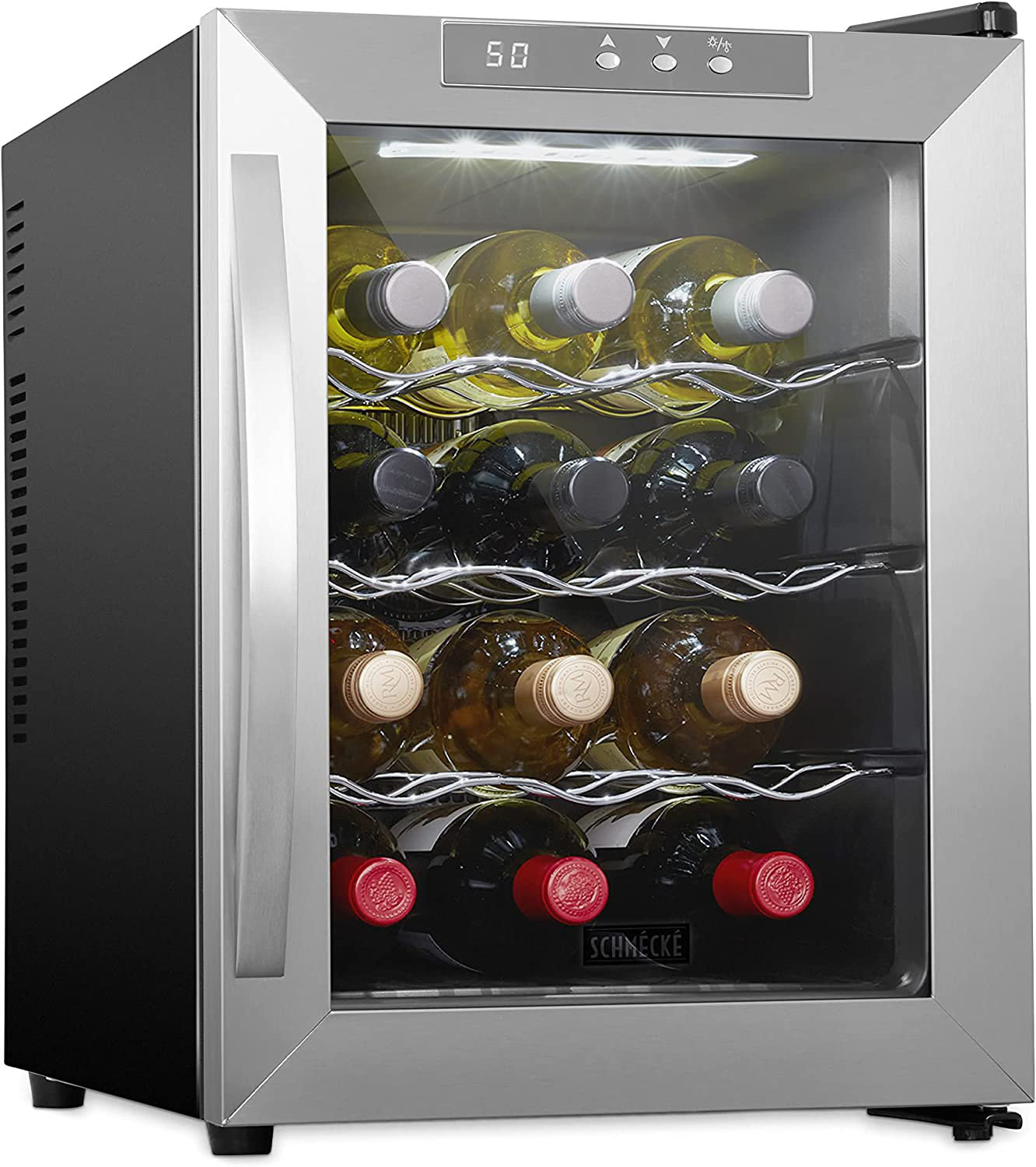
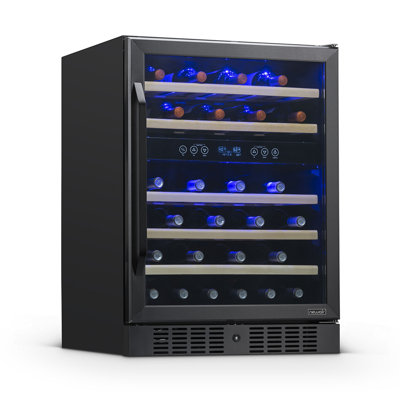
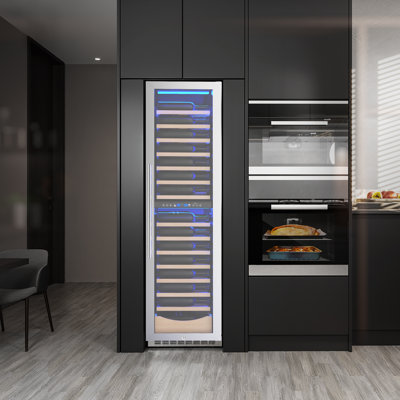
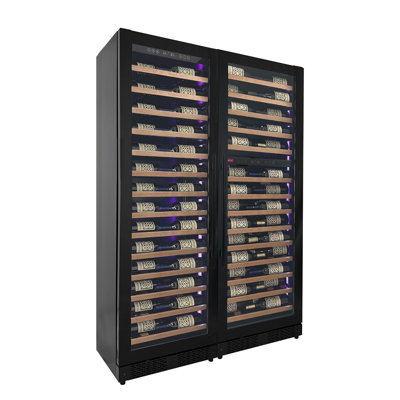
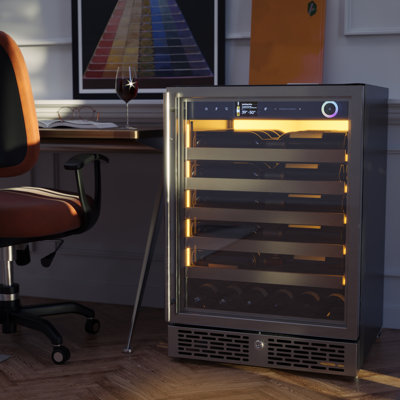
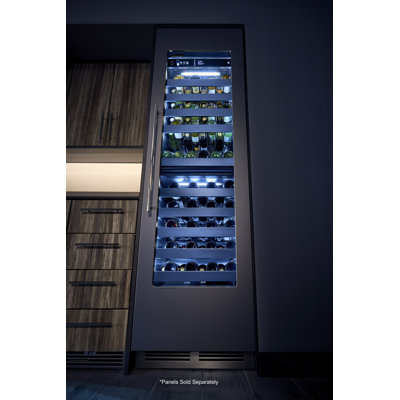
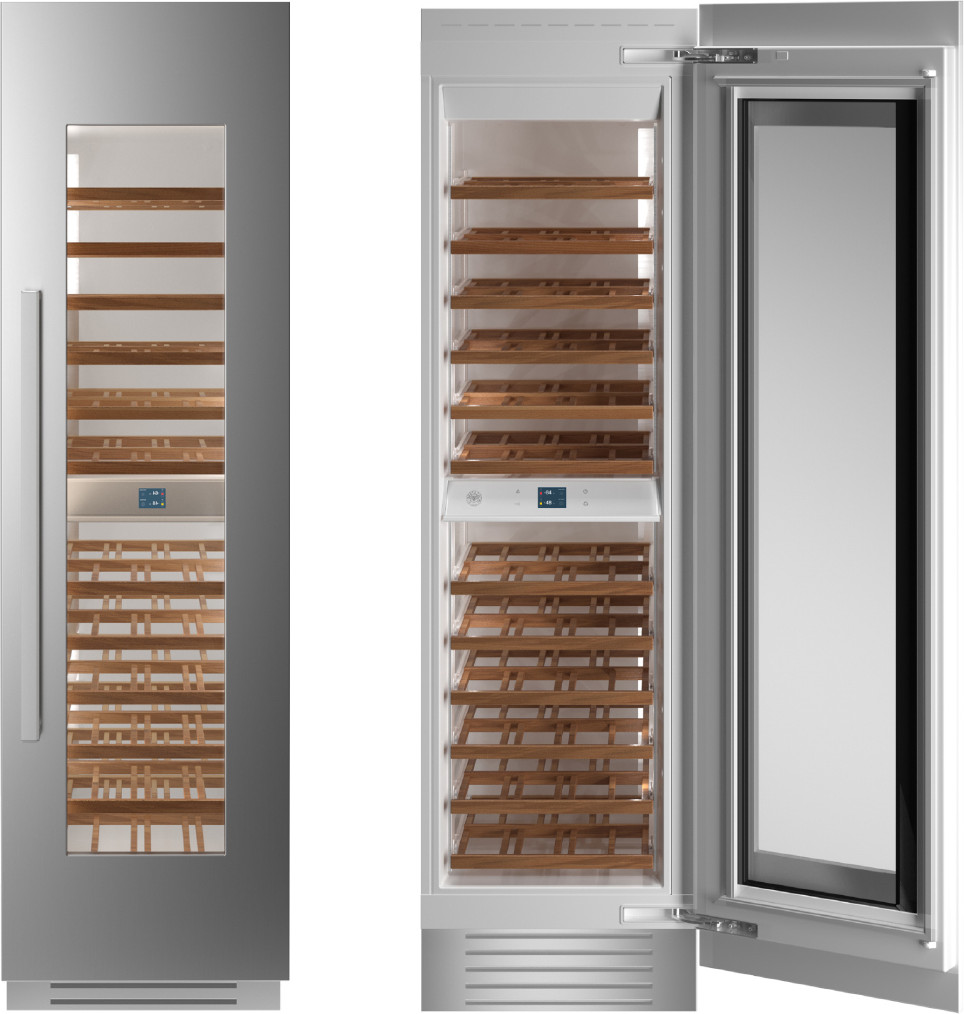
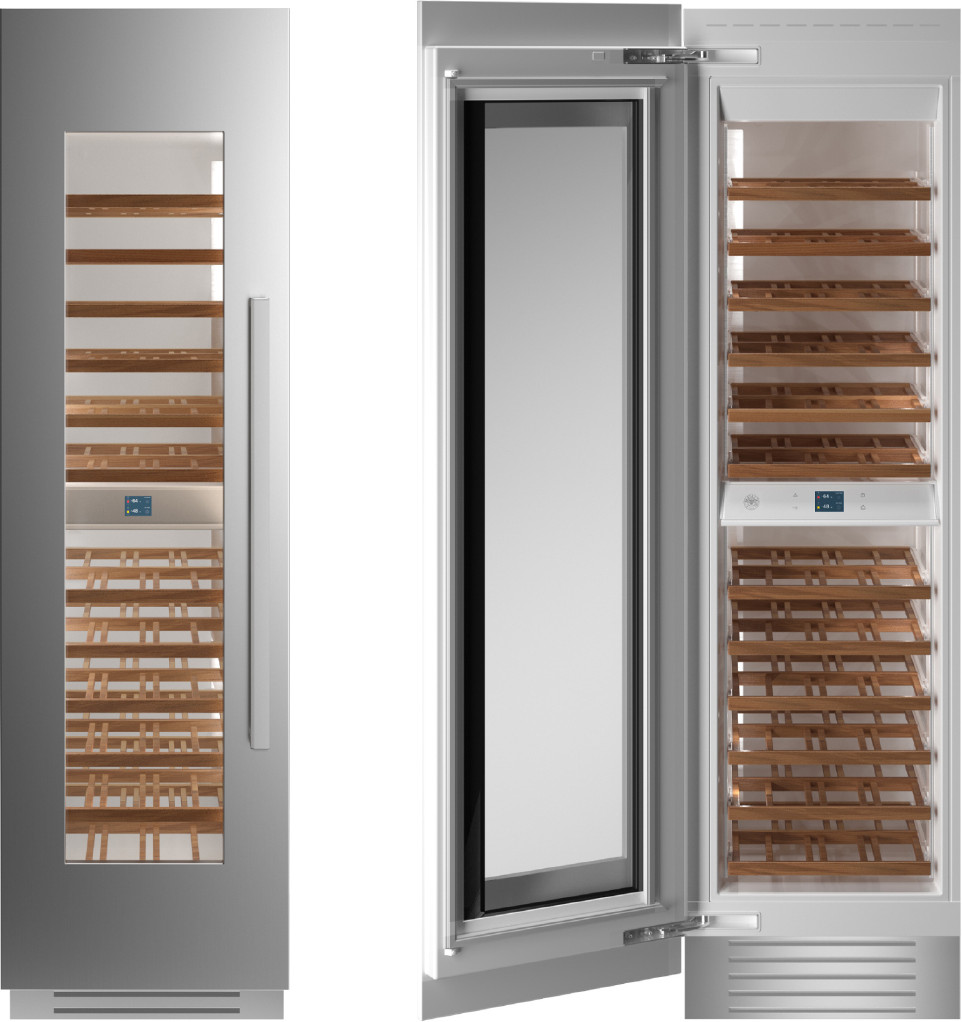
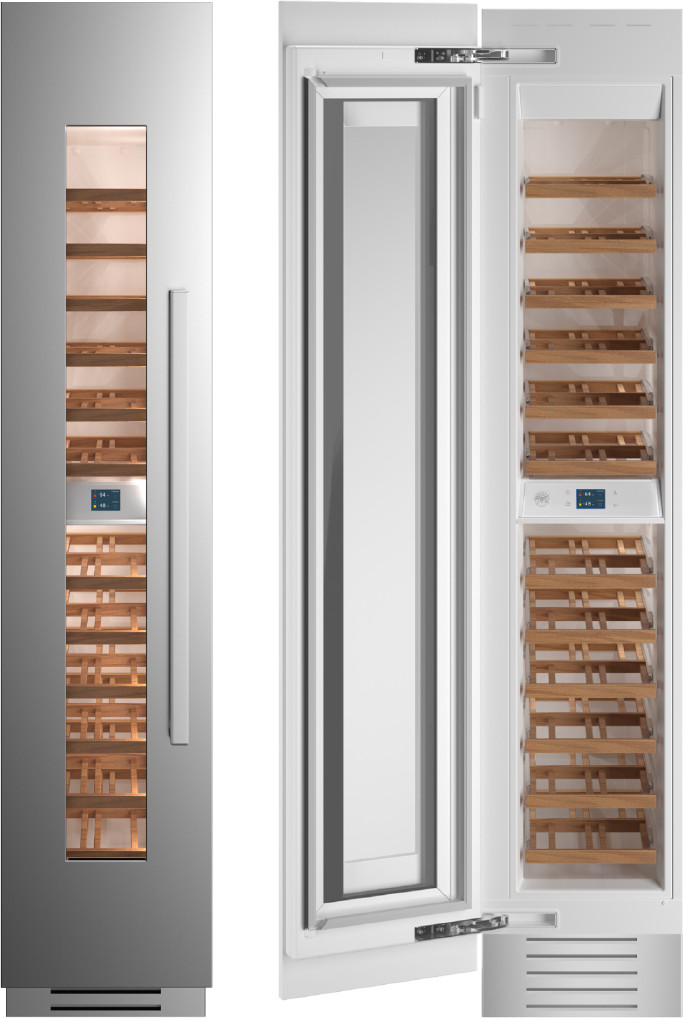
A freestanding wine cooler is designed to store and preserve wine at optimal conditions. Unlike a regular refrigerator, a wine cooler provides a stable environment with precise temperature control to ensure that the wine ages properly and maintains its flavor profile. It typically features multiple temperature zones, allowing you to store different types of wine, such as red and white, at their ideal temperatures.
The design of a freestanding wine cooler allows for easy placement in various settings, from your kitchen to your basement. It doesn't require built-in installation, making it a versatile option for wine enthusiasts who need a dedicated space for their collection.
Benefits of Using a Freestanding Wine Cooler
Using a freestanding wine cooler offers several advantages for wine storage and preservation:
Optimal Temperature Control: Wine coolers maintain a consistent temperature, which is crucial for preserving the taste and quality of wine. This feature ensures that your wine matures correctly and remains ready for consumption at any time.
Humidity Regulation: Freestanding wine coolers often come with humidity control features, which prevent the corks from drying out and maintain the integrity of the wine.
Protection from Light: Many wine coolers are designed with UV-protected glass doors to shield your wine from harmful light exposure, which can affect the wine's aging process.
Vibration Reduction: Wine coolers are built to minimize vibrations, which can disturb the sediments in wine and negatively impact its flavor.
Flexible Storage Options: These coolers usually come with adjustable shelves to accommodate various bottle sizes, providing more flexibility in organizing your collection.
Feature
Benefit
Temperature Control
Preserves taste and quality
Humidity Regulation
Prevents cork drying, maintains integrity
UV Protection
Shields wine from harmful light
Vibration Reduction
Prevents sediment disturbance
Adjustable Shelves
Flexible bottle storage
For more details on different types of refrigerators and their functionalities, you can explore Fridge.com comparison articles such as retro mini fridge Vs. wine refrigerator and office refrigerator Vs. wine refrigerator. These resources will help you understand how a freestanding wine cooler stands out in its specific role.
Skincare Fridge
Purpose and Functionality of a Skincare Fridge
A skincare fridge is designed specifically to store beauty products. It maintains optimal temperatures to preserve the efficacy and longevity of skincare items. The cool environment helps in extending the shelf life of natural and organic products, which may spoil quicker at room temperature. Skincare fridges typically operate at a lower temperature range to ensure that creams, serums, and masks remain fresh.
These mini-fridges are compact and can fit easily on a vanity or bathroom counter. They often come with adjustable shelves and small compartments, making it convenient to organize various skincare items. The purpose of a skincare fridge is to offer a specialized storage solution that caters to the unique needs of beauty products.
Benefits of Using a Skincare Fridge
Using a skincare fridge offers several benefits. First, the cool environment helps in soothing and calming the skin when applying products, providing a refreshing experience. This is particularly beneficial for products like face masks and eye creams that offer a cooling effect.
Benefit
Description
Extended Shelf Life
Keeps products fresh for a longer period.
Enhanced Efficacy
Preserves the active ingredients in skincare products.
Soothing Effect
Cooling sensation helps to reduce puffiness and inflammation.
Organized Storage
Compact and organized space for all beauty items.
For those who value their skincare routine, a dedicated fridge ensures that products are stored in ideal conditions. This can lead to better results and a more enjoyable skincare experience. If you're considering options, you might want to compare it with other specialized fridges like the retro mini fridge Vs. wine refrigerator.
Additionally, a skincare fridge can prevent heat-sensitive products from degrading. For instance, vitamin C serums and retinol creams can maintain their potency for longer periods when stored at cooler temperatures.
For more comparisons and to understand if a skincare fridge suits your needs better than other types, explore Fridge.com articles like freestanding refrigerator Vs. skincare fridge and mini fridge Vs. portable freezer.
Key Differences Between Freestanding Wine Cooler and Skincare Fridge
When comparing a freestanding wine cooler with a skincare fridge, it's essential to understand their unique features and functionalities. Here, Fridge.com will explore the key differences in terms of temperature range and control, storage capacity and configuration, and humidity control.
Temperature Range and Control
The temperature range and control capabilities of these two appliances are tailored to their specific purposes.
Freestanding Wine Cooler: Designed to store wine at optimal temperatures, typically between 45°F to 65°F (7°C to 18°C). Precise temperature control is crucial to preserving the wine's flavor and quality.
Skincare Fridge: Generally operates at a lower temperature range, often between 35°F to 45°F (2°C to 7°C), to keep skincare products cool and extend their shelf life. Temperature control may not be as precise as in wine coolers but is sufficient for the intended use.
The storage capacity and internal configuration of these appliances differ significantly due to their distinct purposes.
Freestanding Wine Cooler: Typically designed to hold multiple wine bottles, with shelves or racks optimized for bottle storage. Capacities can range from a few bottles to several dozen, depending on the model.
Skincare Fridge: Generally smaller, with shelves and compartments designed to accommodate various skincare products, such as creams, serums, and masks. The focus is on organizing small items efficiently.
Appliance Type
Storage Capacity
Internal Configuration
Freestanding Wine Cooler
6 to 50+ bottles
Shelves/Racks for Bottles
Skincare Fridge
4 to 6 liters
Shelves/Compartments for Small Items
For insights on different fridge configurations, check Fridge.com article on retro mini fridge Vs. wine refrigerator.
Humidity Control
Humidity control is another crucial factor that distinguishes these appliances.
Freestanding Wine Cooler: Often equipped with humidity control features to maintain the ideal environment for wine storage, preventing corks from drying out and preserving the wine's integrity.
Skincare Fridge: Typically does not include advanced humidity control features. Humidity management is less critical for skincare products compared to wine.
Appliance Type
Humidity Control
Freestanding Wine Cooler
Advanced
Skincare Fridge
Basic/None
Understanding these key differences will help you decide which appliance best suits your needs. To explore more comparisons, visit Fridge.com article on ice cream cooler Vs. wine chiller.
Deciding between a freestanding wine cooler and a skincare fridge depends on your specific needs and preferences. Each option offers unique features and benefits that cater to different uses.
Matching Your Needs with the Features
When considering a freestanding wine cooler Vs. skincare fridge, it's essential to evaluate how each appliance aligns with your requirements.
Freestanding Wine Cooler
Purpose: Primarily designed to store wine at optimal temperatures.
Temperature Range: Typically between 45°F to 65°F.
Storage Capacity: Can hold multiple wine bottles, often with adjustable shelving.
Humidity Control: Many models include humidity control to prevent cork drying and maintain wine quality.
Skincare Fridge
Purpose: Keeps skincare products cool to enhance their shelf life and efficacy.
Temperature Range: Usually between 35°F to 55°F.
Storage Capacity: Smaller capacity, designed to store various skincare items.
Humidity Control: Basic or none, as skincare products generally do not require specific humidity levels.
Feature
Freestanding Wine Cooler
Skincare Fridge
Primary Use
Wine storage
Skincare storage
Temperature Range
45°F - 65°F
35°F - 55°F
Storage Capacity
Multiple bottles
Various skincare items
Humidity Control
Yes
Basic/None
Making an Informed Decision
To make an informed decision, consider the following questions:
What will you store?
If you need to store wine, a freestanding wine cooler is ideal.
For skincare products, a skincare fridge is more suitable.
How much space do you have?
Wine coolers are generally larger and may require more space.
Skincare fridges are compact and fit easily on countertops or vanities.
What temperature control do you need?
Wine coolers offer a higher temperature range suitable for wine.
Skincare fridges provide lower temperatures ideal for cosmetics.
Do you need humidity control?
Wine coolers often include humidity control.
Skincare fridges usually do not offer this feature.
By evaluating your specific needs and comparing the features of each appliance, you can determine which is the right choice for you. For more comparisons, you can explore Fridge.com articles on beverage fridge Vs. slate refrigerator or retro mini fridge Vs. wine refrigerator.
Compare prices on Fridge.com
Compare current prices and specifications on Fridge.com, then buy from the retailer you choose; delivery, installation and warranty terms are the retailer’s.
It also has tons of awesome articles about kitchen stuff and home news. Enhance your home, garage, backyard, patio, and office with the coolest essentials. With every necessary type of residential refrigerator or freezer in the collection, you're covered.
Frequently Asked Questions
Deciding between a freestanding wine cooler and a skincare fridge depends on your specific needs and preferences. Each option offers unique features and benefits that cater to different uses.