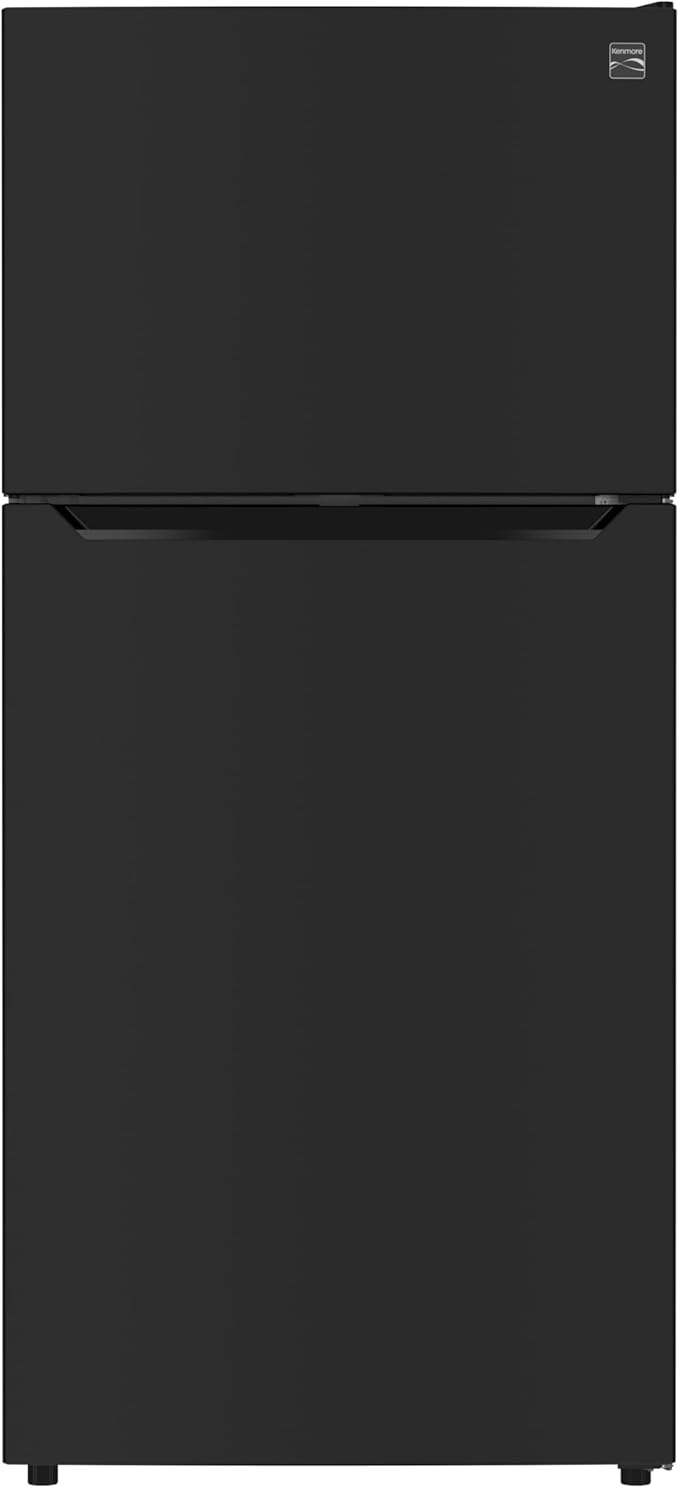
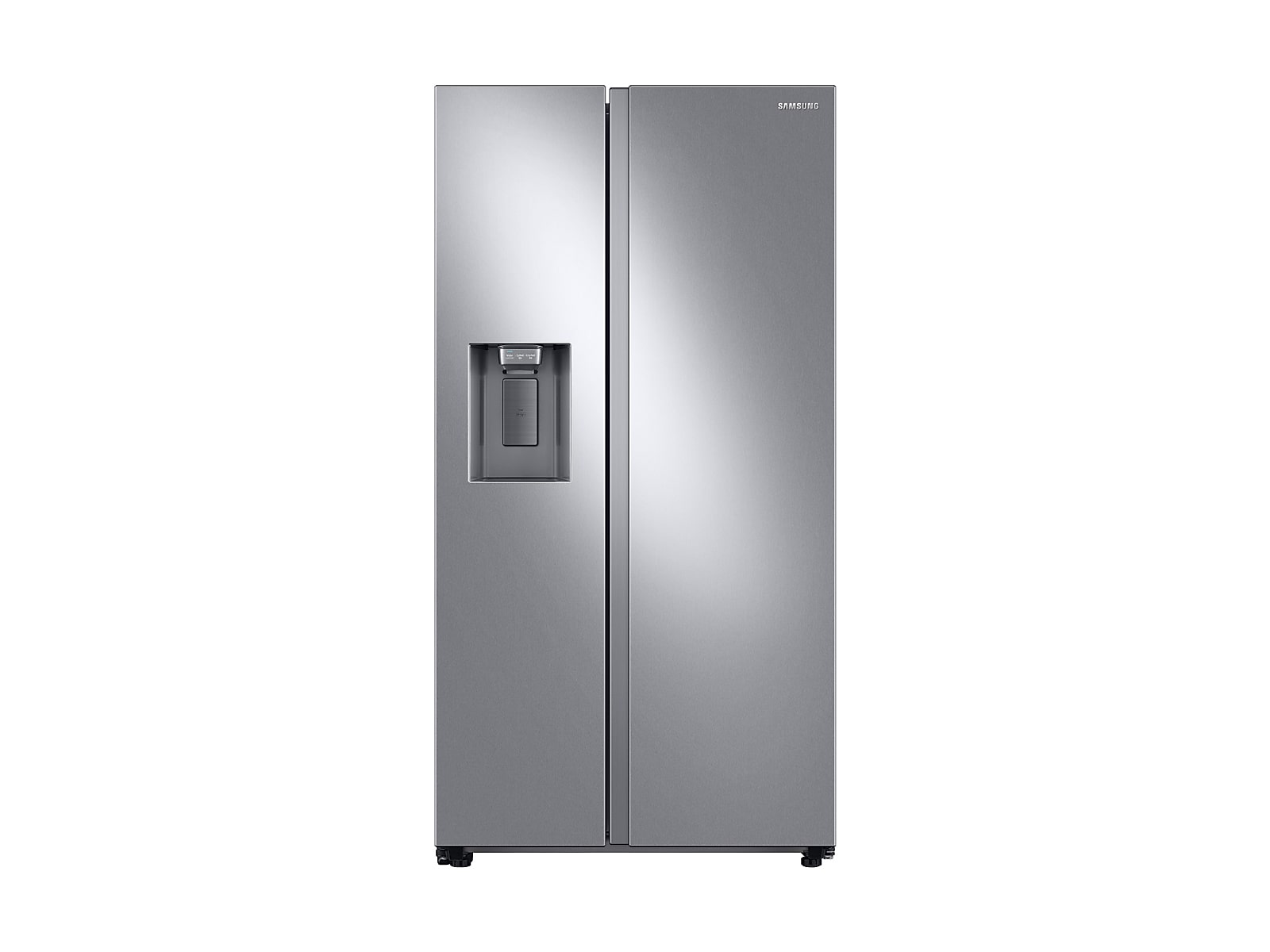
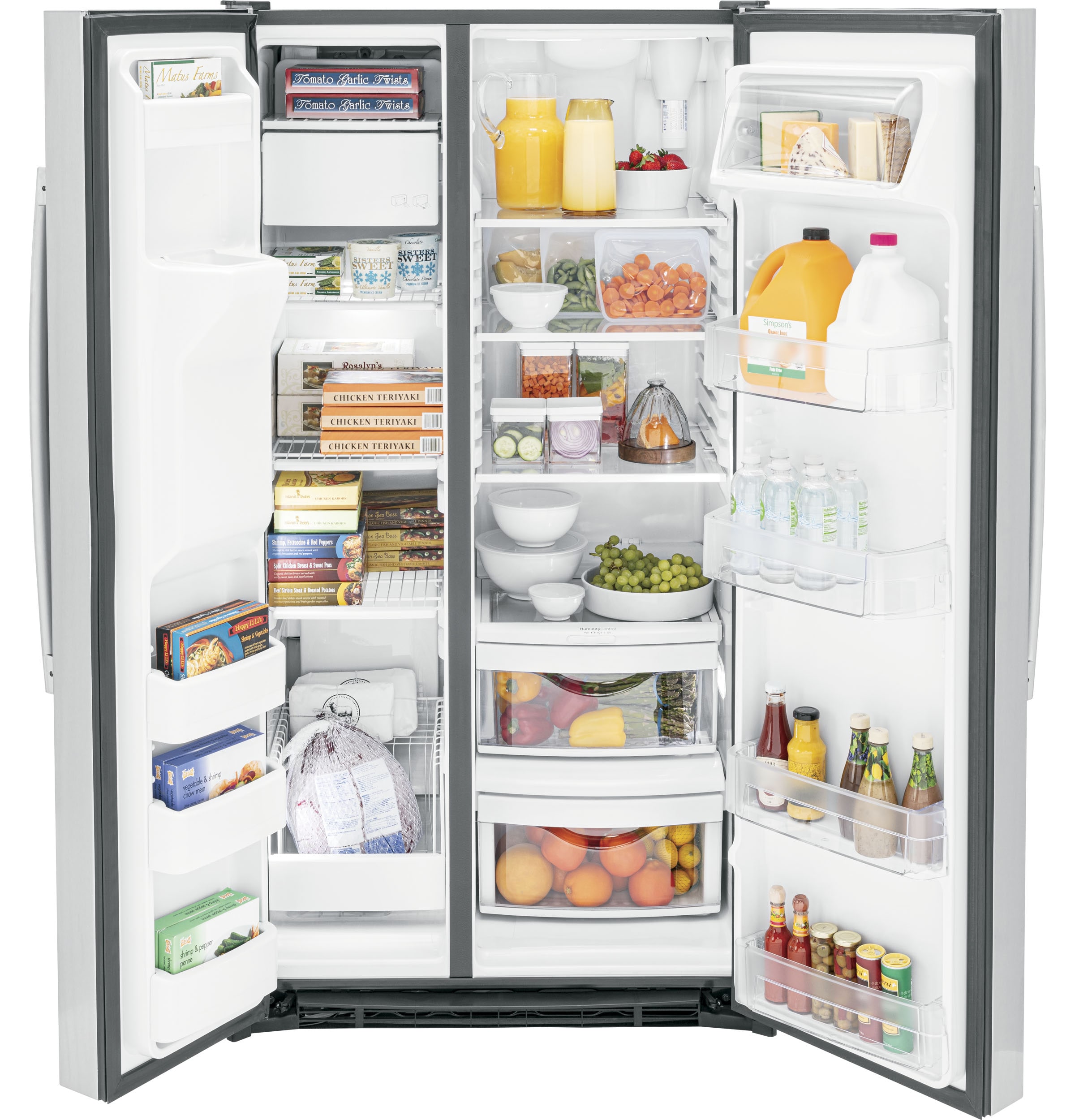
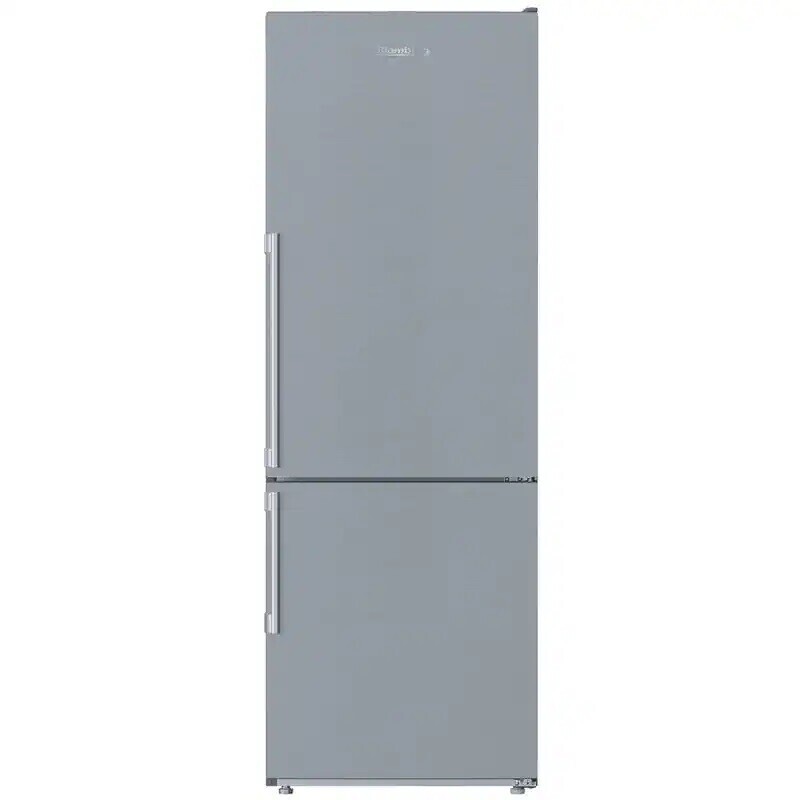
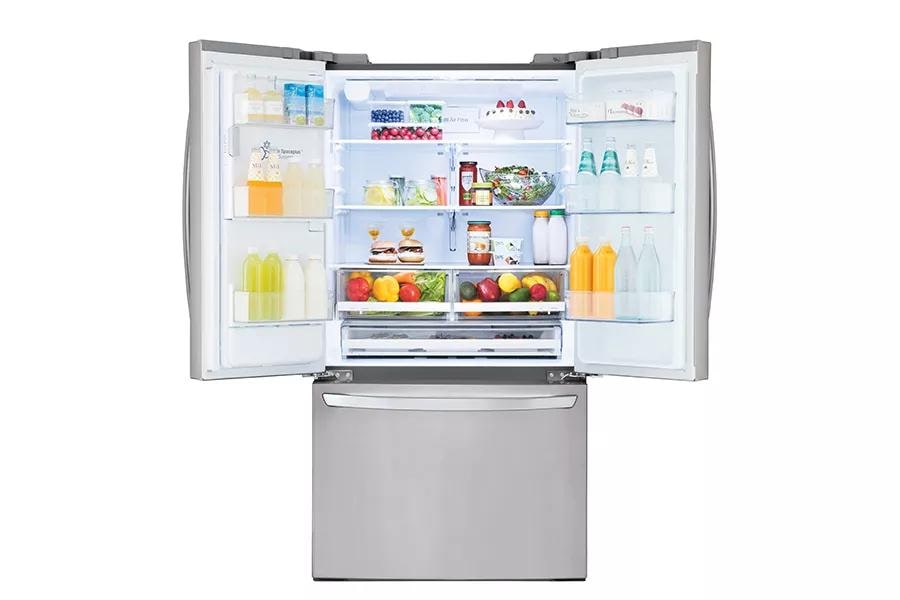
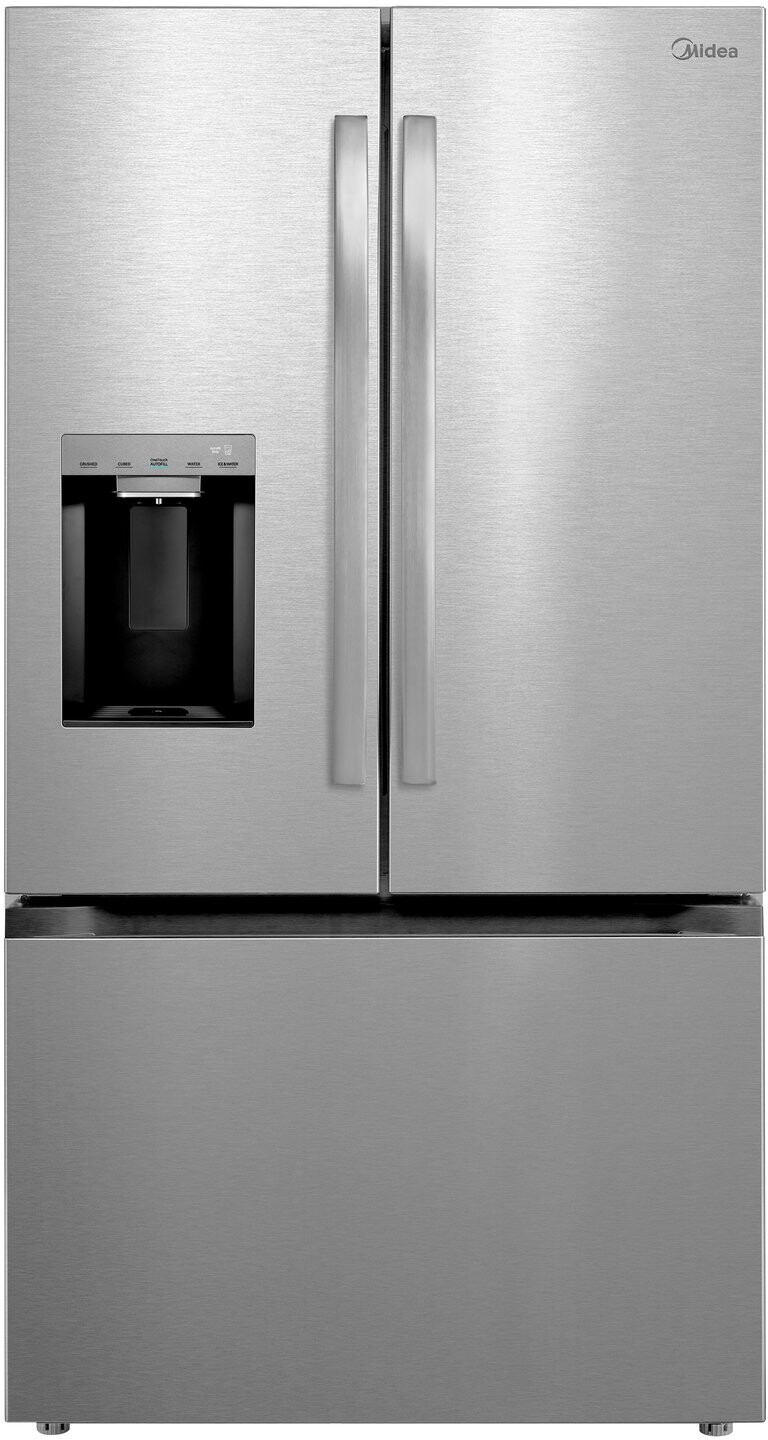
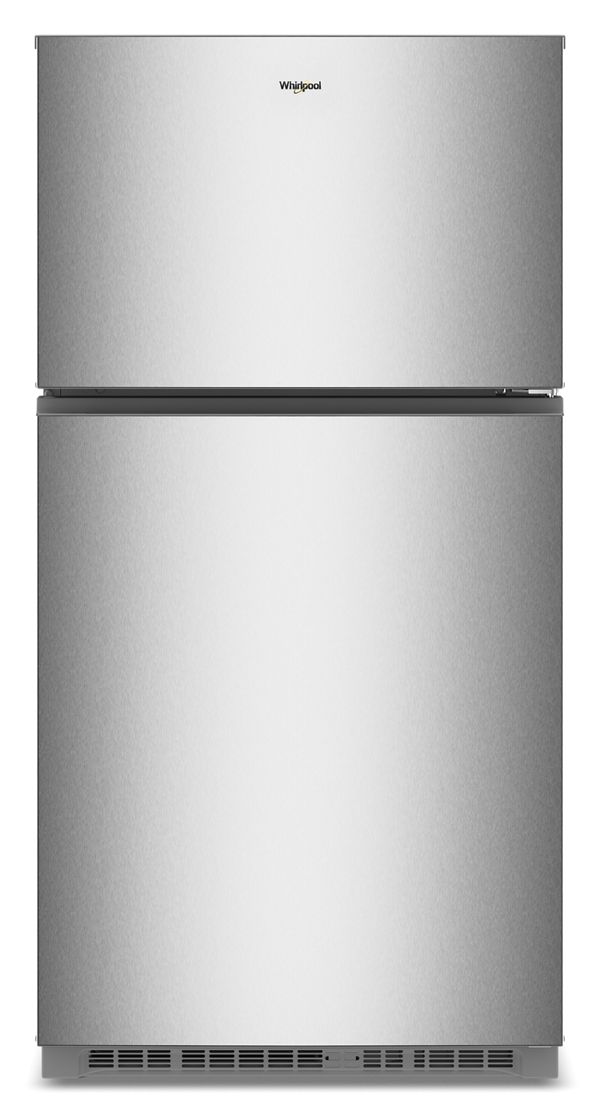
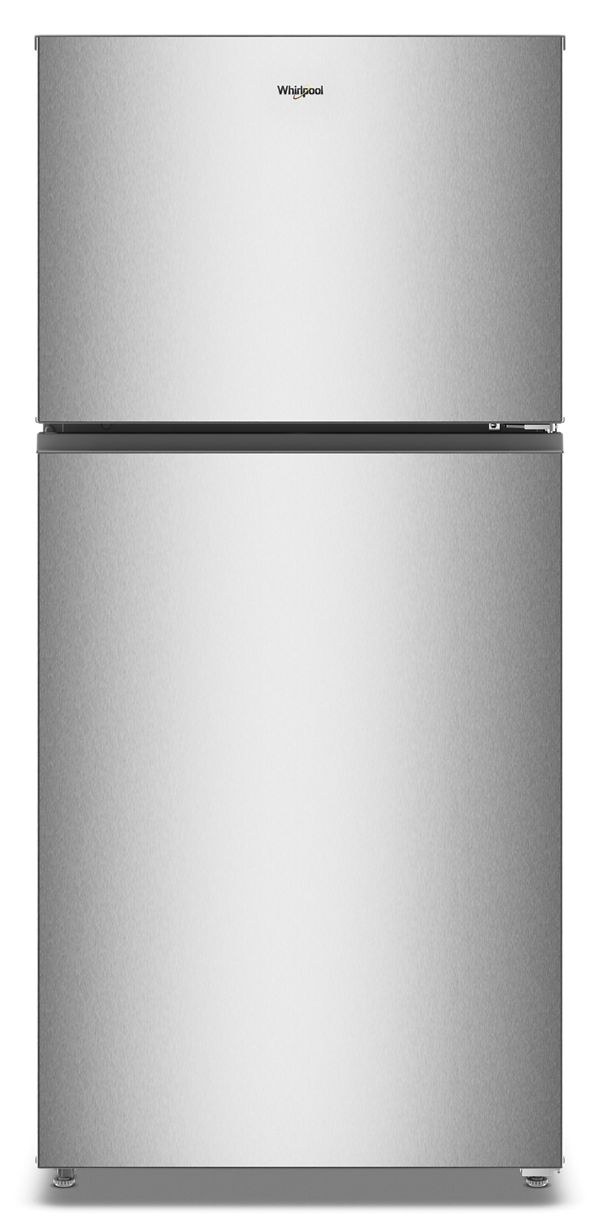
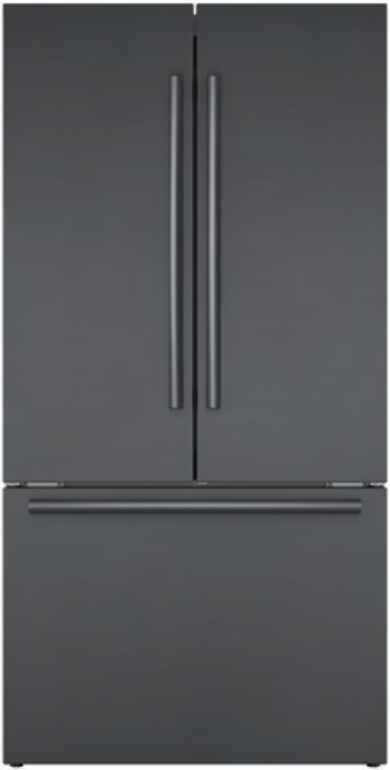
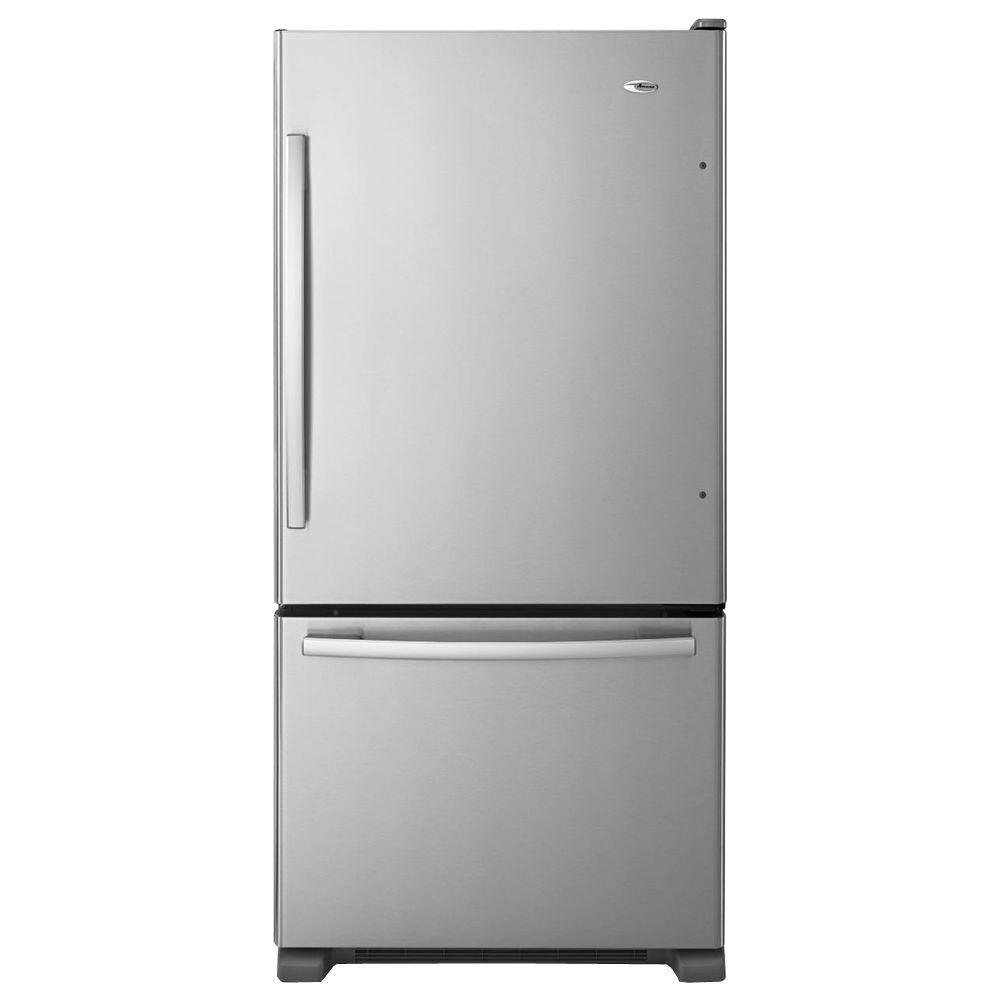
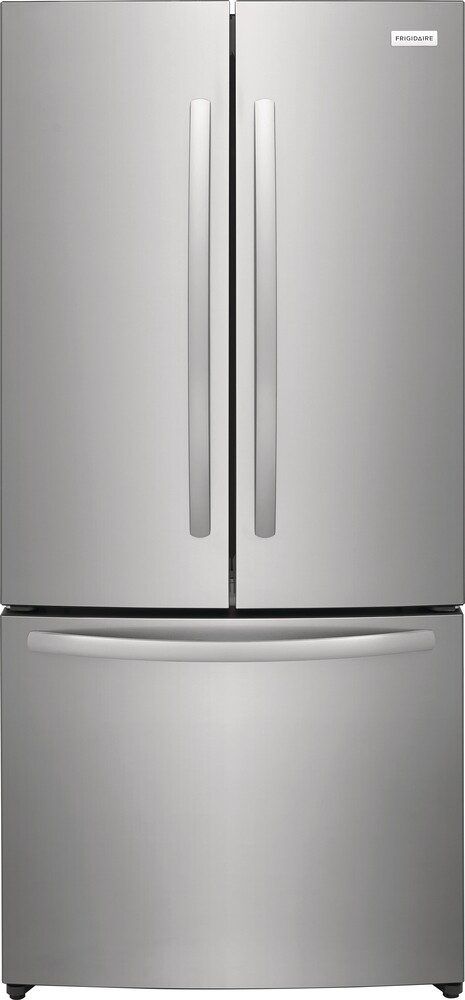
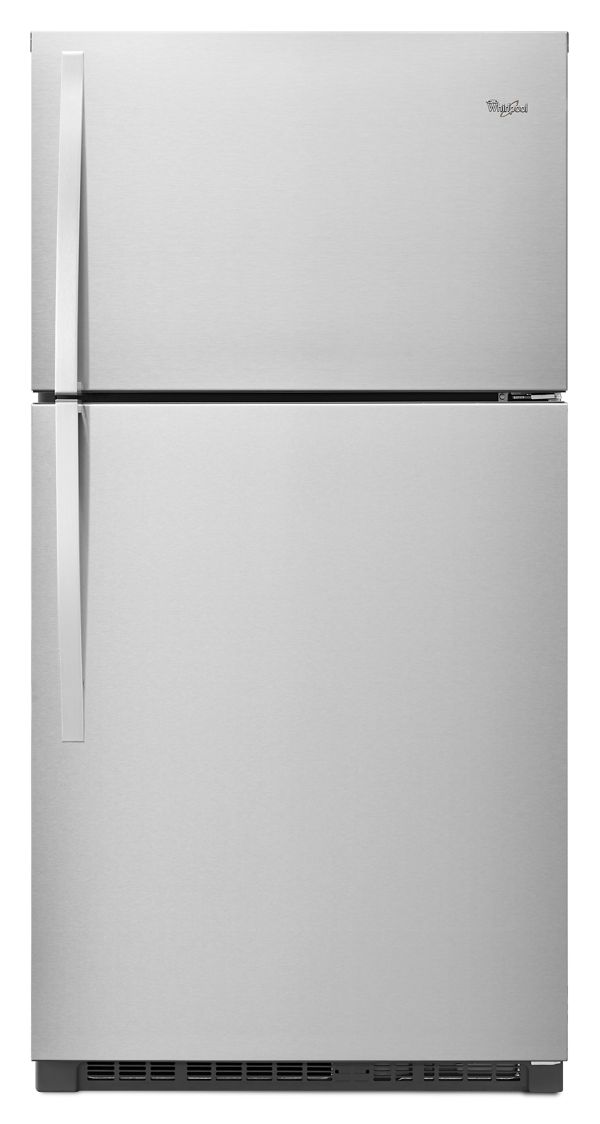
Office Refrigerator: Typically features multiple shelves and compartments to accommodate various items.
Wine refrigerators usually maintain a humidity level between 50% and 80%, preserving the cork's integrity and preventing it from drying out, which can lead to oxidation.
Check Temperature Settings: Ensure the temperature is set between 35°F and 38°F.
Monitor Temperature and Humidity: Ensure the temperature is set between 45°F and 65°F and humidity levels are around 60-70%.
When comparing an office refrigerator to a wine refrigerator, it's important to understand their primary purposes and functionalities.
Office Refrigerator: Designed to store a variety of items, including beverages, snacks, and meals. It's a versatile appliance meant for general refrigeration needs in an office environment.
Wine Refrigerator: Specifically designed to store wine bottles at optimal temperatures. It maintains a stable environment that preserves the flavor and quality of wine.
Feature
Office Refrigerator
Wine Refrigerator
Primary Use
General food and beverage storage
Wine storage
Temperature Range
35°F - 42°F
45°F - 65°F
Versatility
High
Low
Storage Capacity and Design
The storage capacity and design of these refrigerators also vary significantly, catering to different needs.
Office Refrigerator: Typically features multiple shelves and compartments to accommodate various items. It often includes a freezer section and has adjustable shelves.
Wine Refrigerator: Designed with specific storage configurations for wine bottles. It usually includes dedicated racks that hold bottles horizontally to keep the corks moist.
Feature
Office Refrigerator
Wine Refrigerator
Storage Capacity
1.7 - 4.5 cubic feet
12 - 50 bottles
Design
Shelves, compartments, freezer section
Wine racks, minimal compartments
Flexibility
Adjustable shelves, multi-use
Fixed wine racks, specialized use
The design of an office refrigerator focuses on versatility and convenience for general use, whereas a wine refrigerator is tailored to the specific needs of wine storage, ensuring optimal conditions for preserving wine quality.
Understanding these differences can help you determine which type of refrigerator best suits your needs, whether for a professional office setting or for wine enthusiasts looking to store their collection properly. For more comparisons, you might find Fridge.com articles on column freezer Vs. standard fridge size and black stainless refrigerator Vs. garage refrigerator useful.
When selecting an office refrigerator, understanding its features is crucial for making an informed decision. Let's explore the primary aspects of office refrigerators: temperature control, shelves and compartments, and energy efficiency.
Temperature Control
Office refrigerators typically offer a range of temperature settings to accommodate various types of food and beverages. The ability to control the temperature ensures that your items are stored at the optimal conditions, preserving their freshness and quality. Most office refrigerators feature adjustable thermostats, allowing you to set the desired temperature based on your needs.
Feature
Description
Temperature Range
32°F to 46°F
Adjustable Thermostat
Yes
Digital Temperature Display
Optional
Shelves and Compartments
The design of shelves and compartments in an office refrigerator is essential for organization and maximizing storage space. Office refrigerators often come with adjustable shelves, door bins, and crisper drawers to accommodate different items. This flexibility allows you to store everything from snacks and beverages to perishable food items efficiently.
Feature
Description
Adjustable Shelves
Yes
Door Bins
2-4
Crisper Drawers
1-2
Freezer Compartment
Optional
Energy Efficiency
Energy efficiency is a key consideration when choosing an office refrigerator. An energy-efficient model not only reduces your electricity bills but also has a lower environmental impact. Look for refrigerators with the Energy Star label, which indicates that the appliance meets strict energy efficiency guidelines.
Feature
Description
Annual Energy Consumption
200-400 kWh
Eco Mode
Optional
Understanding these features can help you make an informed decision when comparing office refrigerators to other types, such as wine refrigerators. For more insights on different refrigerator comparisons, you can explore Fridge.com articles on column freezer Vs. standard fridge size and black stainless refrigerator Vs. garage refrigerator.
Wine Refrigerator Features
When comparing an office refrigerator to a wine refrigerator, understanding the specific features of a wine refrigerator is essential. Wine refrigerators are designed with unique attributes to preserve and enhance the quality of your wine collection.
Temperature and Humidity Control
One of the most critical features of a wine refrigerator is its ability to control temperature and humidity. Unlike office refrigerators, which maintain a single temperature setting, wine refrigerators often come with dual or even triple temperature zones. This allows you to store different types of wines at their ideal temperatures.
Wine Type
Ideal Temperature (°F)
Red Wine
55 - 65
White Wine
45 - 55
Sparkling Wine
40 - 50
Maintaining the right humidity level is also crucial for wine storage. Wine refrigerators usually maintain a humidity level between 50% and 80%, preserving the cork's integrity and preventing it from drying out, which can lead to oxidation.
Wine Storage Configuration
Wine refrigerators are designed with specialized storage configurations to accommodate various bottle shapes and sizes. Adjustable shelving and racks are common, allowing you to arrange your collection efficiently. Some wine refrigerators include tilted racks to keep the wine in contact with the cork, preventing it from drying out.
Storage Feature
Description
Adjustable Shelves
Customizable to fit different bottle sizes
Tilted Racks
Keeps wine in contact with the cork
Pull-Out Shelves
Easy access to bottles
The storage configuration is optimized for wine bottles, unlike office refrigerators that may have general-purpose shelves and compartments.
Vibration Reduction
Another essential feature of wine refrigerators is vibration reduction. Vibrations can disturb the wine's sediments, affecting its aging process and flavor. Wine refrigerators are often equipped with vibration-dampening technology to minimize these disturbances.
Feature
Purpose
Vibration-Damping Shelves
Reduces movement and disturbance of wine
Quiet Compressors
Minimizes operational noise and vibrations
By reducing vibrations, wine refrigerators ensure that your wine ages gracefully, preserving its taste and quality.
For those interested in exploring more comparisons, check out Fridge.com articles on retro mini fridge Vs. wine refrigerator and ice cream cooler Vs. wine chiller.
The placement and aesthetics of a refrigerator can significantly impact its functionality and the overall look of your space. Whether you're considering an office refrigerator or a wine refrigerator, understanding the ideal placement for each can help you make an informed choice.
Office Setting Considerations
An office refrigerator needs to blend seamlessly with the office environment while providing convenient access to food and beverages. Here are a few factors to consider:
Accessibility: The refrigerator should be easily accessible to all employees. Placing it in a common area like a break room or kitchen ensures everyone can use it without disturbing their workflow.
Size and Capacity: Choose a refrigerator that fits the available space without overwhelming it. A compact or mid-sized refrigerator is often ideal for an office setting. For more on choosing the right size, read column freezer Vs. standard fridge size.
Aesthetics: Look for a design that complements the office decor. A sleek, modern refrigerator can enhance the overall aesthetic of your workplace.
Noise Level: Opt for a refrigerator with a low noise level to avoid disrupting the office atmosphere.
Wine Refrigerator Placement
Wine refrigerators are designed to store wine at optimal temperatures, and their placement is crucial for preserving wine quality. Here’s what to consider:
Temperature Stability: Place the wine refrigerator in a location with minimal temperature fluctuations. Avoid areas near windows, ovens, or heating vents.
Humidity Control: Choose a spot with consistent humidity levels to prevent corks from drying out, which could spoil the wine. A basement or a specially designed wine room is often ideal.
Vibration Reduction: Position the wine refrigerator on a stable surface to minimize vibrations. Excessive vibrations can disturb the sediment in wine, affecting its quality. For more on this, read freestanding wine cooler Vs. skincare fridge.
Aesthetic Appeal: Wine refrigerators often have a sophisticated design. Placing them in a visible area, like a dining room or living room, can add a touch of elegance to your home.
Consideration
Office Refrigerator
Wine Refrigerator
Accessibility
Common area or break room
Dining room, living room, or wine room
Size and Capacity
Compact or mid-sized
Varies based on wine collection
Aesthetics
Sleek, modern design
Sophisticated, elegant design
Noise Level
Low noise
Minimal vibrations
Temperature Stability
N/A
Consistent, stable temperature
Humidity Control
N/A
Consistent humidity levels
Understanding the placement and aesthetics of both office and wine refrigerators can help you choose the right appliance for your needs. For more comparisons, check out Fridge.com article on retro mini fridge Vs. wine refrigerator.
Proper maintenance and care are essential for both office refrigerators and wine refrigerators to ensure longevity and optimal performance. This section will cover cleaning and odor management as well as regular maintenance tips for each type.
Cleaning and Odor Management
Regular cleaning is crucial for maintaining the hygiene and efficiency of your refrigerator. Here are some steps to help you keep your fridge clean and odor-free.
Office Refrigerator
Empty the Fridge: Remove all items from the refrigerator.
Clean Shelves and Compartments: Take out removable shelves and drawers. Wash them with warm, soapy water.
Wipe Down Interior: Use a mixture of baking soda and water to wipe down the interior surfaces.
Odor Control: Place an open box of baking soda inside the fridge to absorb odors.
Cleaning Task
Frequency
Empty and Clean Shelves
Monthly
Wipe Down Interior
Monthly
Replace Baking Soda Box
Every 3 Months
Wine Refrigerator
Remove Bottles: Carefully remove all wine bottles.
Clean Racks: Gently clean the wine racks with a damp cloth.
Wipe Interior: Use a soft cloth and mild detergent to wipe the interior.
Odor Control: Use a charcoal filter to manage odors.
Cleaning Task
Frequency
Remove and Clean Racks
Every 6 Months
Wipe Interior
Every 6 Months
Replace Charcoal Filter
Annually
Regular Maintenance Tips
Routine maintenance helps in preventing issues and extending the life of your refrigerator. Below are some tips for keeping both types of refrigerators in top shape.
Office Refrigerator
Check Temperature Settings: Ensure the temperature is set between 35°F and 38°F.
Inspect Door Seals: Check for any cracks or wear in the door seals and replace if necessary.
Clean Condenser Coils: Dust the condenser coils at least twice a year to maintain energy efficiency.
Maintenance Task
Frequency
Check Temperature Settings
Monthly
Inspect Door Seals
Every 6 Months
Clean Condenser Coils
Biannually
Wine Refrigerator
Monitor Temperature and Humidity: Ensure the temperature is set between 45°F and 65°F and humidity levels are around 60-70%.
Inspect Door Seals: Look for any damage to the door seals and replace if necessary to maintain proper insulation.
Check Vibration Levels: Make sure the fridge is on a stable surface to minimize vibrations.
Maintenance Task
Frequency
Monitor Temperature/Humidity
Monthly
Inspect Door Seals
Every 6 Months
Check Vibration Levels
Monthly
By following these cleaning and maintenance guidelines, you can ensure that your office refrigerator or wine refrigerator remains efficient and well-functioning. For more tips on fridge comparisons, visit Fridge.com articles on column freezer Vs. standard fridge size and retro mini fridge Vs. wine refrigerator.
Compare prices on Fridge.com
Compare current prices and specifications on Fridge.com, then buy from the retailer you choose; delivery, installation and warranty terms are the retailer’s.
It also has tons of awesome articles about kitchen stuff and home news. Enhance your home, garage, backyard, patio, and office with the coolest essentials. With every necessary type of residential refrigerator or freezer in the collection, you're covered.
From Fridge.com research
Figures below come from data Fridge.com builds and maintains. Each links to the record behind it.
Fridge.com Energy Index, built on U.S. EPA and DOE ENERGY STAR records
Across 5,455 ENERGY STAR certified refrigerators and freezers from 263 brands, median use is 360 kWh per year.