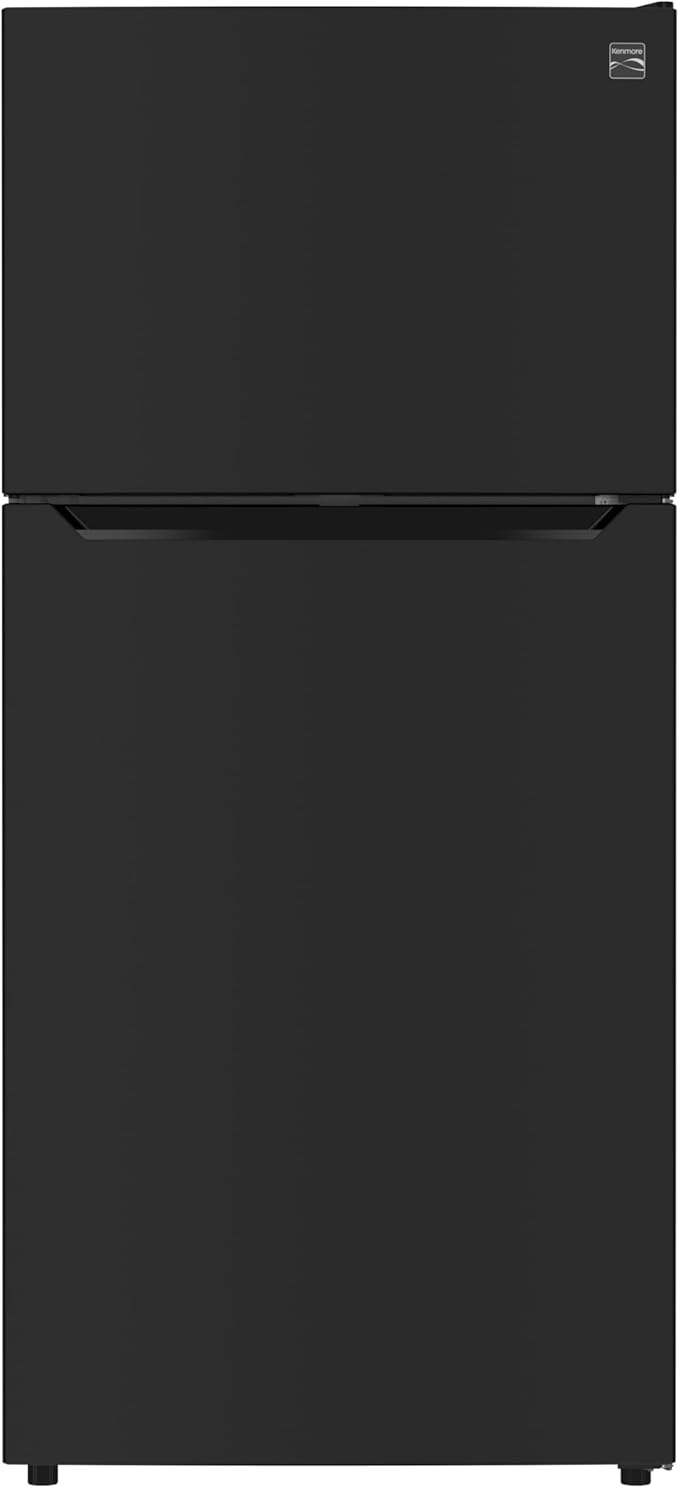
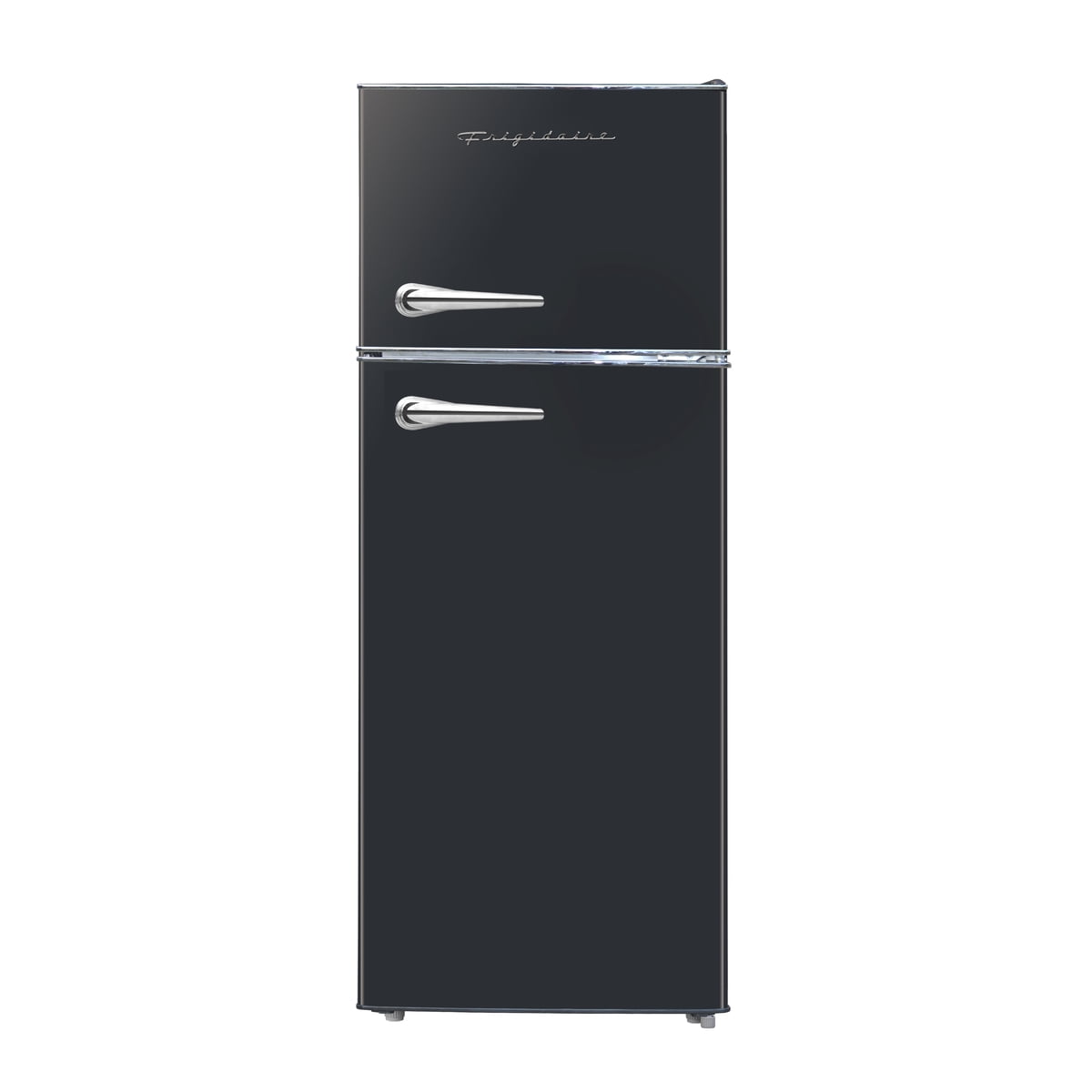
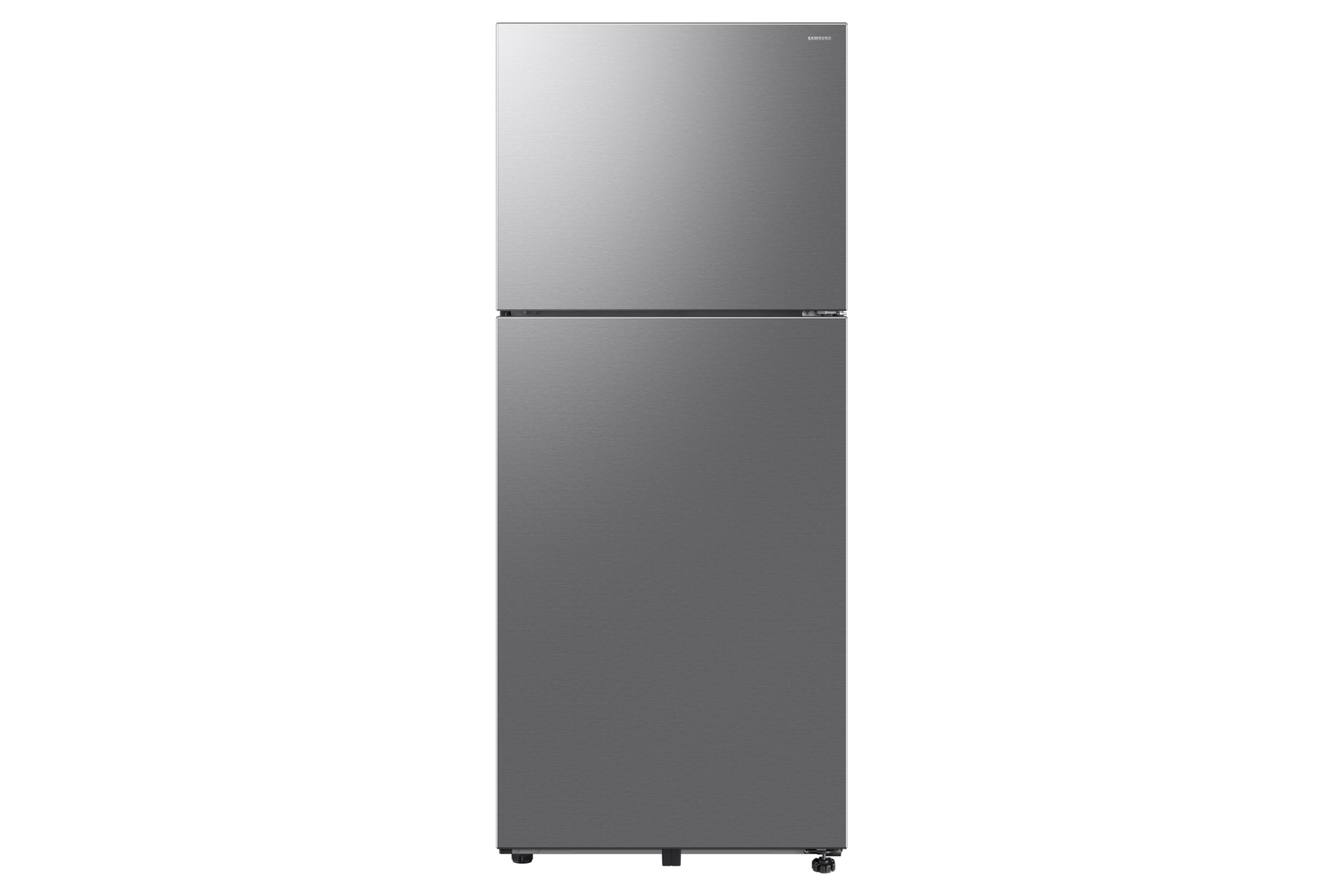
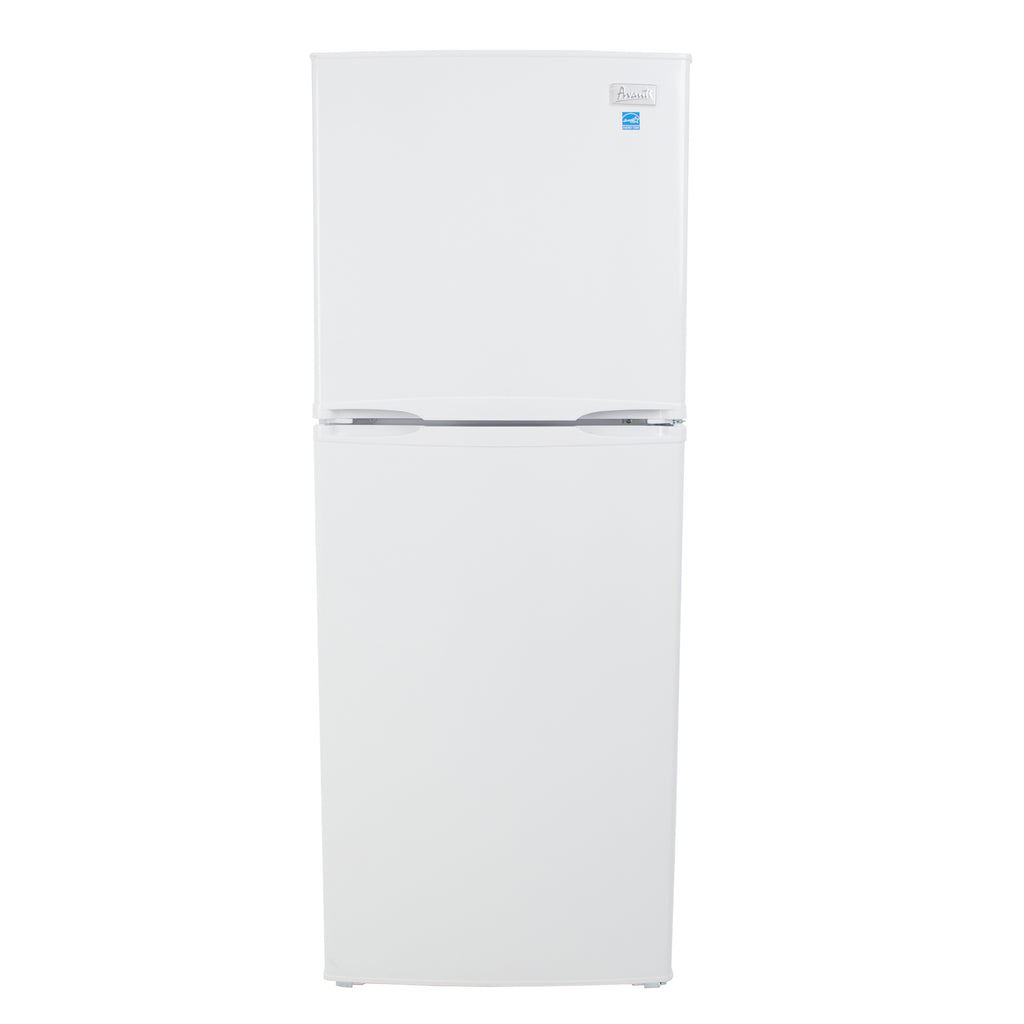
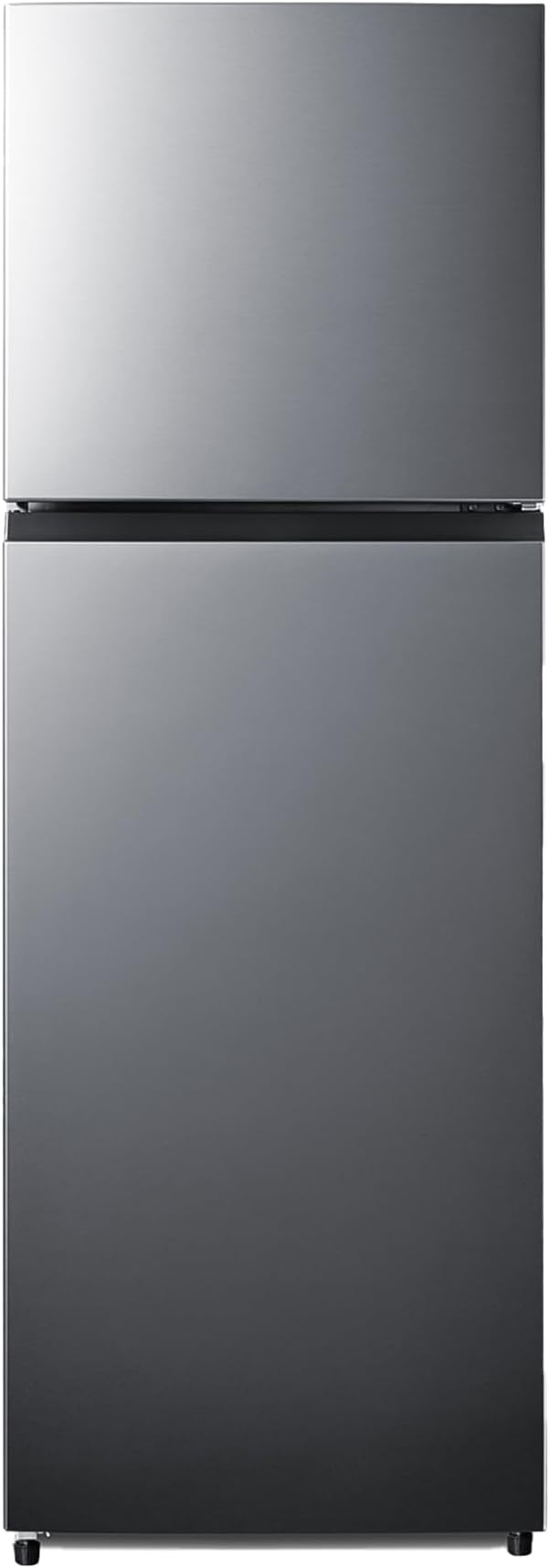
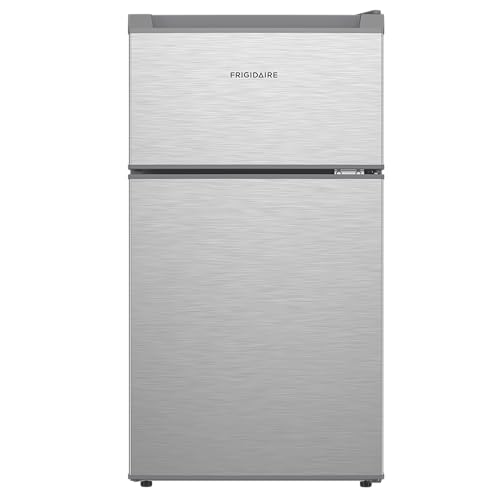
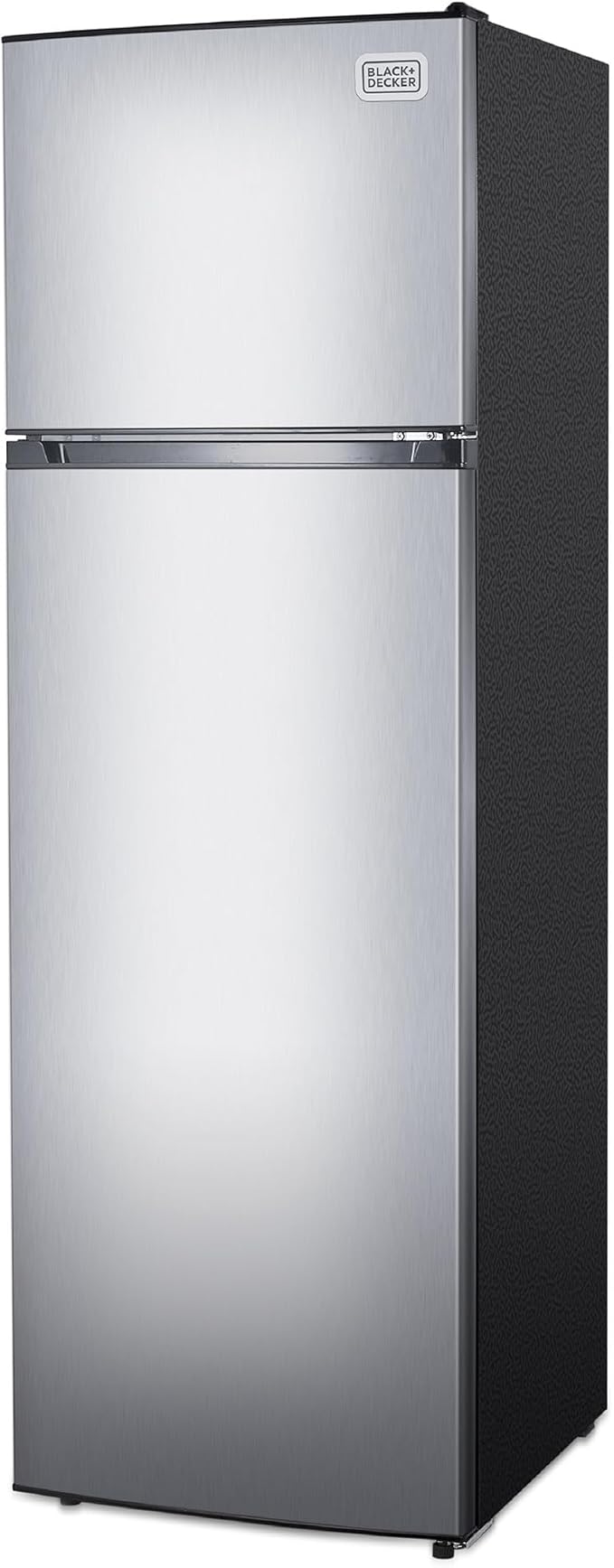
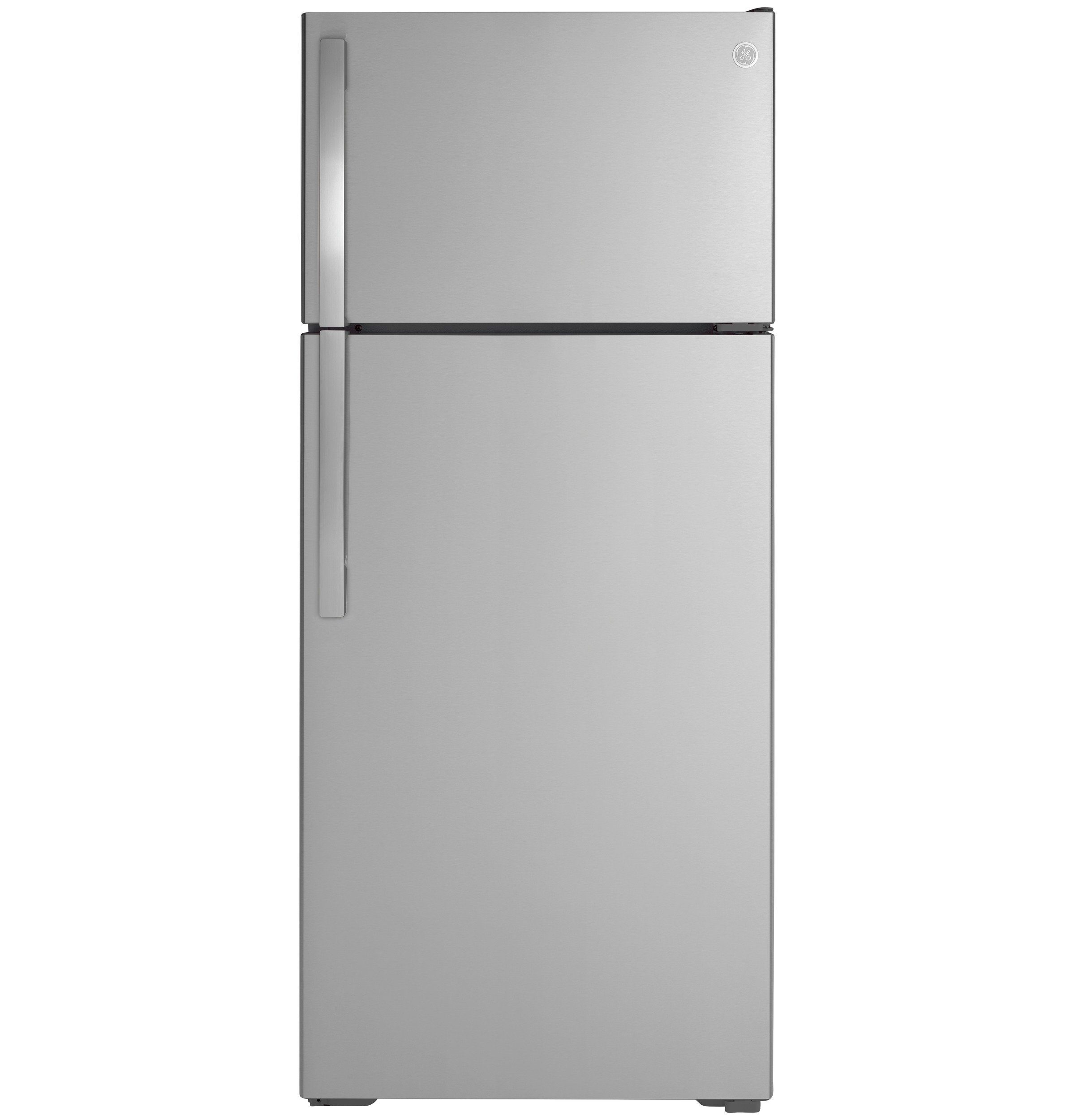
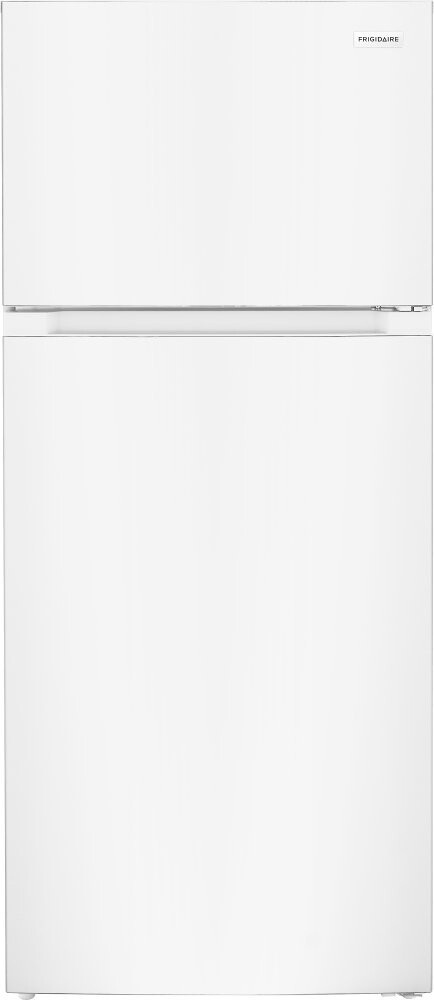
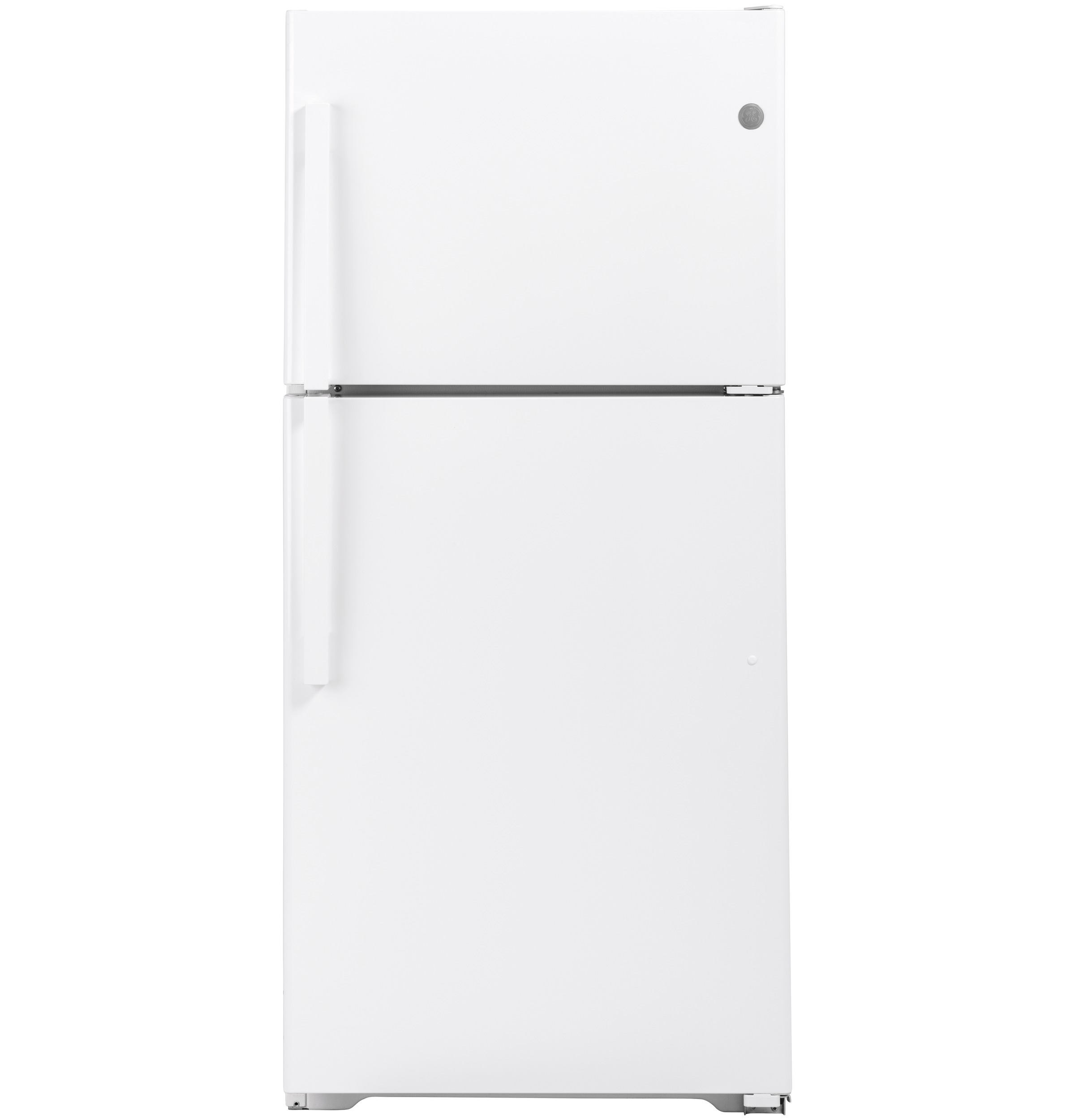
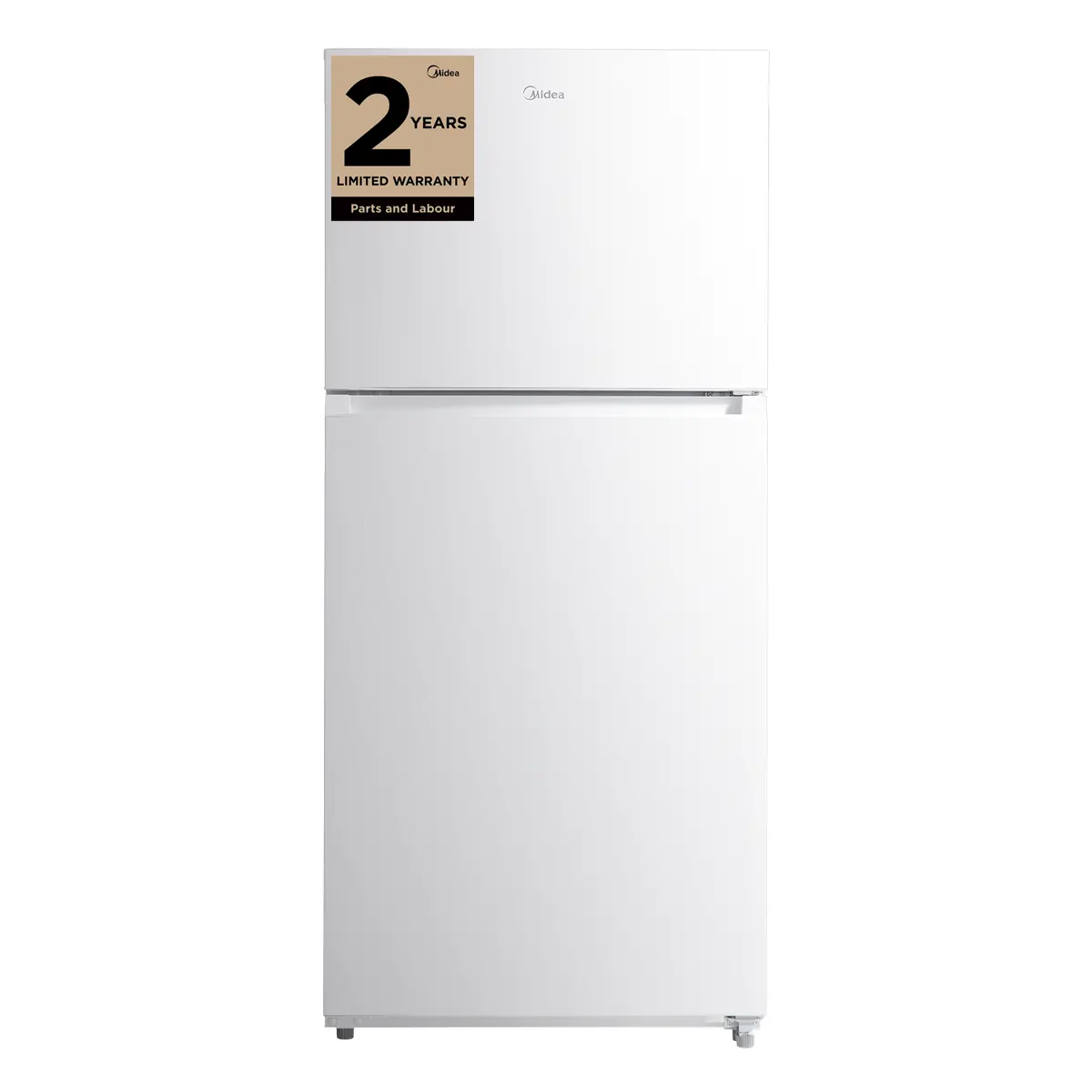
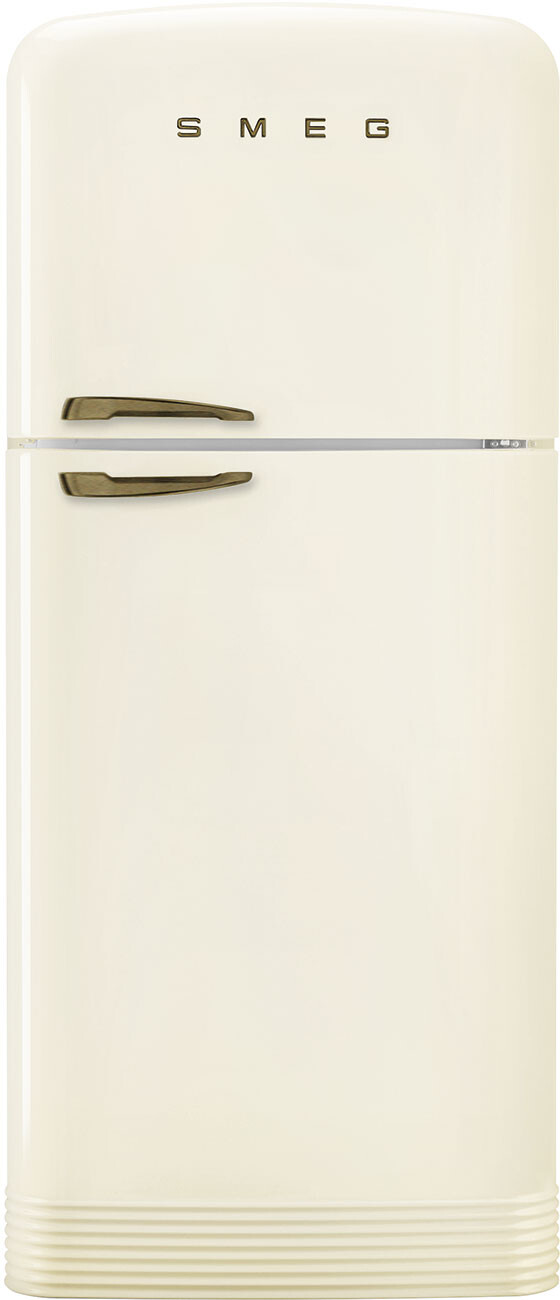
Check the Temperature: Ensure the refrigerator is set to the recommended temperature (usually around 37°F or 3°C) for optimal performance.
When deciding between a countertop freezer and a freezerless refrigerator, there are several factors you should consider to make the best choice for your needs:.
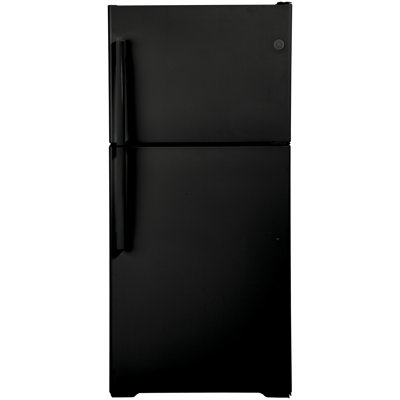
Freezerless refrigerators are ideal for families or anyone who loves cooking with fresh ingredients.
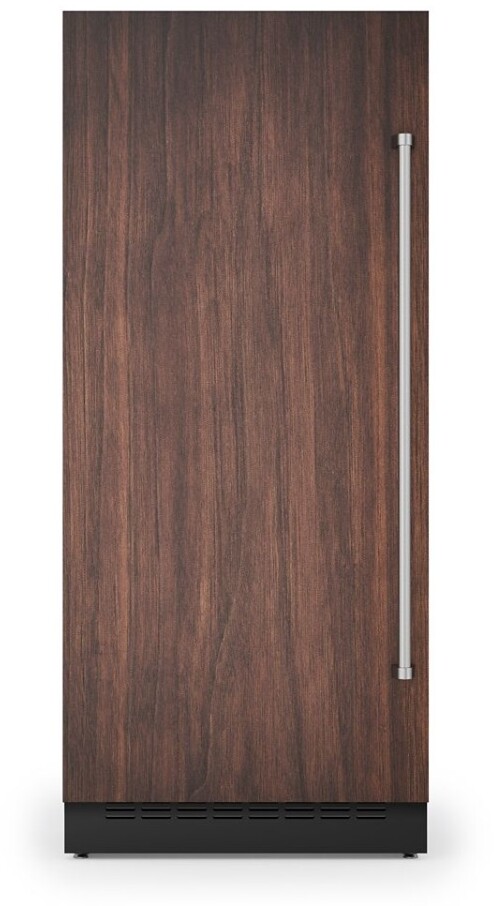
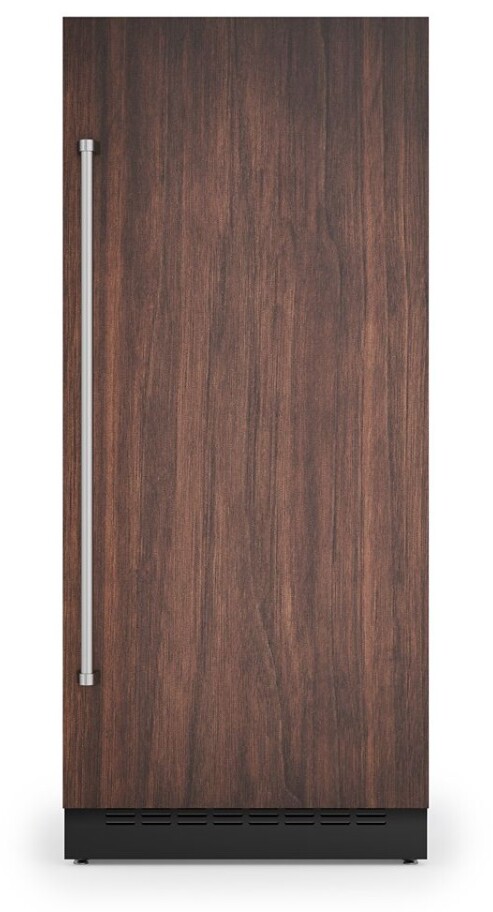
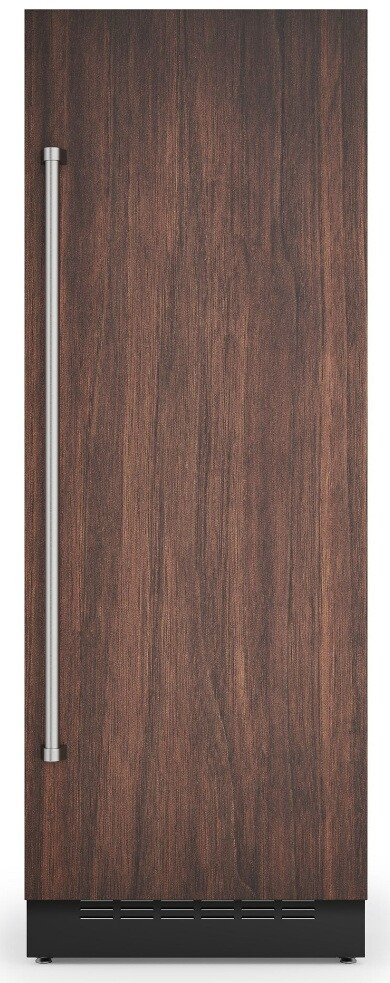
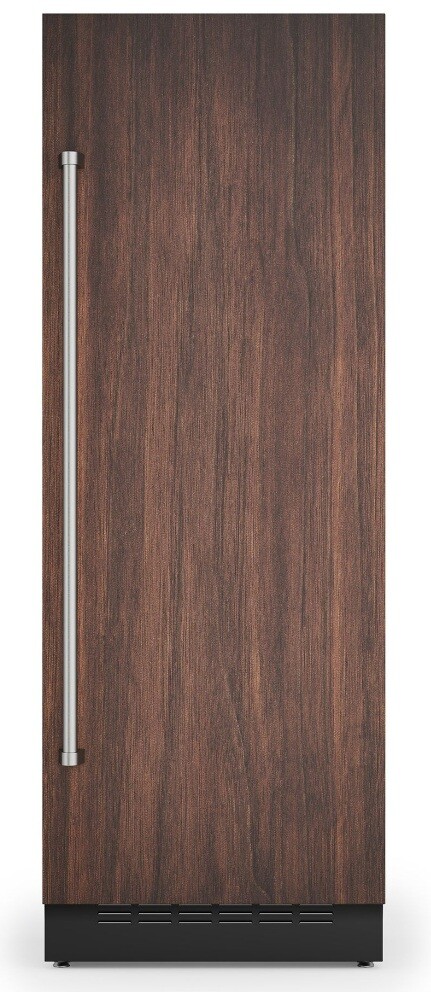
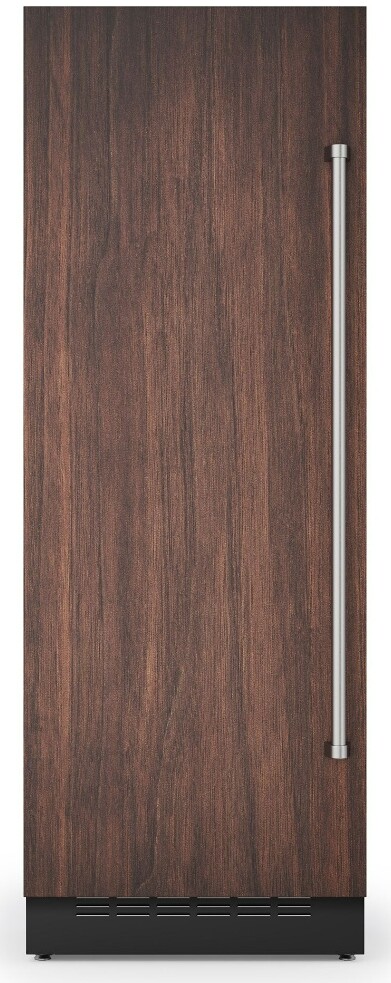
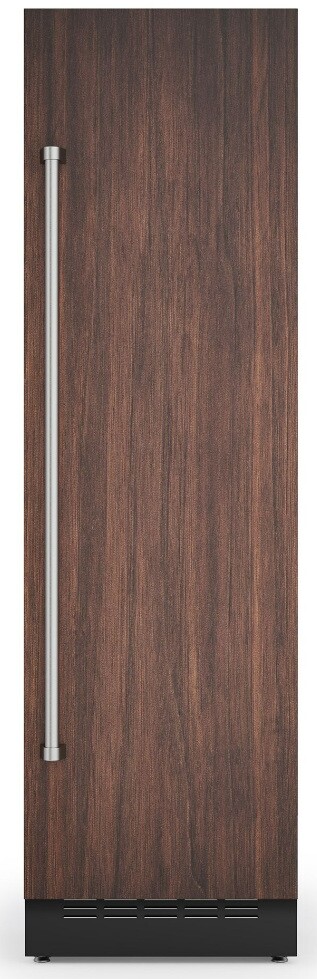
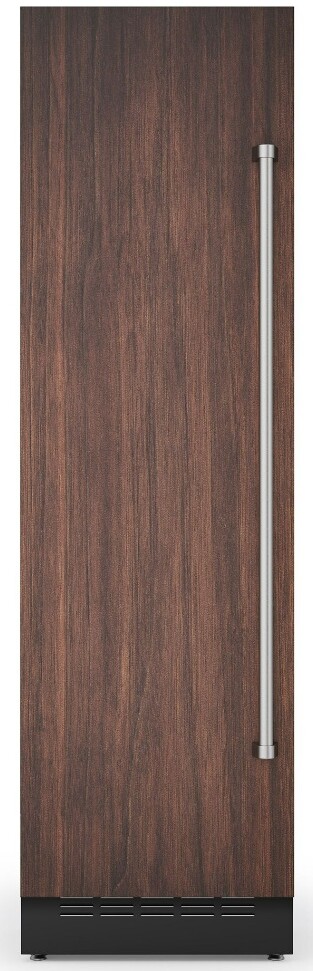
Freezerless refrigerators offer more storage for fresh foods and beverages, making them ideal for families, chefs, or those who entertain frequently.
Deciding between a countertop freezer and a freezerless refrigerator can be a bit of a head-scratcher. Let's break it down so you can make the best choice for your needs.
Countertop Freezer: The Tiny Titan
A countertop freezer is your go-to if you need extra freezing space without sacrificing much room. Perfect for small apartments, offices, or anywhere space is tight.
Why You'll Love It:
Compact: Fits snugly on your kitchen counter.
Quick Freeze: Keeps your ice cream rock-solid.
Energy-Saver: Won't spike your electric bill.
Variety: Comes in different sizes to suit your needs.
Countertop freezers are great for stashing ice cream, frozen meals, and other goodies that need to stay chilly. Their small size makes them a lifesaver when you need extra freezer space but can't fit a full-sized unit.
Freezerless Refrigerator: The Fresh Food Fanatic
A freezerless refrigerator is all about keeping your fresh food fresh. If you already have a separate freezer or just don't need one, this is your best bet.
Why You'll Love It:
More Space: Tons of room for fresh food.
Flexible Storage: Adjustable shelves for all your groceries.
Special Compartments: Dedicated spots for fruits, veggies, and dairy.
Energy-Efficient: Keeps your energy use in check.
Freezerless refrigerators are ideal for families or anyone who loves cooking with fresh ingredients. By ditching the freezer, you get more room for your fresh food, making it a practical choice if you already have a separate freezer.
When comparing a countertop freezer and a freezerless refrigerator, size and capacity are key. Both have their perks depending on your needs and space.
Countertop Freezer: Small but Mighty
These little guys are perfect for tight spaces like apartments, offices, or dorm rooms. They give you extra freezer space without hogging all your room.
Feature
Measurement
Height
20 - 24 inches
Width
18 - 22 inches
Depth
16 - 20 inches
Capacity
0.5 - 3 cubic feet
Countertop freezers are designed to fit on countertops or other small surfaces, offering flexibility in placement. They are perfect for those who need additional freezer space but lack the room for a larger unit. For more insights on compact cooling solutions, visit Fridge.com article on portable freezer Vs. undercounter refrigerator.
Freezerless Refrigerator: Room to Breathe
These are bigger and give you loads of space for fresh food. Perfect if you already have a separate freezer or don't need one.
Feature
Measurement
Height
60 - 72 inches
Width
24 - 36 inches
Depth
28 - 36 inches
Capacity
10 - 20 cubic feet
Freezerless refrigerators offer more storage for fresh foods and beverages, making them ideal for families, chefs, or those who entertain frequently. They are available in various sizes, allowing you to choose one that fits your kitchen or designated area perfectly. For a detailed comparison of refrigerators, check out Fridge.com article on 2 door refrigerator Vs. red refrigerator.
Knowing the size and capacity of both options helps you pick the right one for your needs and space. Whether you need a compact freezer or a spacious fridge, there's something for everyone.
These are designed to fit on your kitchen counter or any flat surface. Perfect for small spaces like apartments, dorm rooms, or offices.
Placement: Find a flat, stable surface.
Ventilation: Leave a few inches around it for air circulation.
Power Source: Plug it into a nearby outlet.
Requirement
Details
Surface
Flat, stable
Ventilation Space
A few inches around
Power
Standard electrical outlet
Freezerless Refrigerator: Room to Roam
These need more space and are often used in larger kitchens, garages, or as secondary fridges.
Placement: Usually freestanding, but some can be built-in or undercounter.
Ventilation: Make sure there's space around it for airflow.
Power Source: Plug it into a nearby outlet, might need a dedicated circuit.
Requirement
Details
Placement
Freestanding, built-in, or undercounter
Ventilation Space
Adequate space around
Power
Standard or dedicated electrical outlet
For more detailed comparisons between different types of refrigerators and freezers, check out Fridge.com articles on 2 door refrigerator Vs. red refrigerator and garage freezer Vs. see through refrigerator.
These are designed to be placed on a countertop, making them accessible and easy to use. Here are some key features you might find in a countertop freezer:
Compact Size: Fits easily on countertops.
Adjustable Thermostat: Control the temperature settings.
Quick Freeze: Rapidly freezes items.
Energy Efficiency: Reduces power consumption.
Storage Compartments: Shelves or baskets to organize food.
Defrost Function: Automatic or manual defrost options.
Feature
Description
Size
Compact, fits on countertops
Thermostat
Adjustable temperature control
Quick Freeze
Rapid freezing capability
Storage
Shelves or baskets for organization
Defrost
Automatic or manual defrost options
Freezerless Refrigerator: Fresh and Fabulous
These are perfect for those who need more refrigeration space without the inconvenience of a freezer compartment. Here are some functionalities of a freezerless refrigerator:
Ample Refrigeration Space: Maximizes the available space for fresh food storage.
Adjustable Shelving: Customizable shelves to accommodate different sizes of food items.
Temperature Control: Precise temperature settings to keep your food fresh.
Crisper Drawers: Designed to keep fruits and vegetables fresh longer.
Door Storage: Additional space for bottles, condiments, and other small items.
Energy Efficiency: Many models are designed to be energy-efficient, reducing power consumption.
Functionality
Description
Space
Maximizes refrigeration space
Shelving
Adjustable shelves for customization
Temperature
Precise temperature control
Crisper Drawers
Keeps produce fresh longer
Door Storage
Additional storage for small items
Understanding these features and functionalities can help you decide which appliance suits your needs best. Whether you opt for a countertop freezer or a freezerless refrigerator, each option has unique benefits designed to cater to specific storage needs. For more comparisons, you can explore articles like all freezer refrigerator Vs. compact freezer or beverage refrigerator Vs. mini freezer.
These are compact and designed for smaller spaces, which often makes them more energy-efficient compared to larger freezers. However, the energy consumption can vary based on the model and its features.
Countertop Freezer
Average Energy Consumption (kWh/year)
Small (1-2 cubic feet)
150 - 200
Medium (2-3 cubic feet)
200 - 300
Large (3-5 cubic feet)
300 - 400
When considering a countertop freezer, look for models with energy-saving features like adjustable thermostats and efficient insulation. These can significantly reduce energy usage, making your appliance more cost-effective in the long run.
Freezerless Refrigerator: Fresh and Frugal
Designed without a freezer compartment, these typically consume less energy than traditional refrigerator-freezer combos. This makes them an attractive option for those looking to reduce their energy usage.
Freezerless Refrigerator
Average Energy Consumption (kWh/year)
Small (4-6 cubic feet)
100 - 200
Medium (7-10 cubic feet)
200 - 300
Large (11-18 cubic feet)
300 - 450
Freezerless refrigerators often come with energy-efficient features like LED lighting, digital temperature controls, and high-quality insulation. These features can help you save on energy costs while maintaining optimal cooling performance.
Understanding the energy efficiency of both options can help you make an informed decision. Consider your specific needs and energy consumption preferences to choose the best option for your space. For more comparisons, visit Fridge.com articles on energy efficient refrigerator Vs. upright freezer and all freezer refrigerator Vs. compact freezer.
Pros and Cons: The Good and the Bad
Countertop Freezer: The Tiny Titan
Pros:
Compact Size: Fits easily on countertops, ideal for small spaces.
Extra Freezer Space: Provides additional storage for frozen goods.
Portability: Can be moved easily if needed.
Quick Freezing: Efficient freezing capabilities for small quantities.
Cons:
Limited Capacity: Smaller storage space compared to full-sized freezers.
Energy Consumption: May consume more energy relative to its size.
No Refrigeration: Only provides freezing capabilities, not refrigeration.
Feature
Countertop Freezer
Size
Compact
Capacity
Limited
Portability
High
Functionality
Freezing only
Freezerless Refrigerator: The Fresh Food Fanatic
Pros:
Larger Refrigeration Space: More storage for fresh food items.
Energy Efficient: Often more energy-efficient as they lack a freezer component.
Variety of Sizes: Available in different sizes to suit various needs.
Better Organization: More shelving and compartments for organized storage.
Cons:
No Freezer Space: Lacks the ability to store frozen items.
Placement Considerations: Typically requires more space than countertop freezers.
Less Versatile: Limited to refrigeration, which might not meet all needs.
Regular maintenance of your countertop freezer ensures it operates effectively and efficiently. Follow these tips to keep it in top condition:
Defrost Regularly: Manual defrosting prevents ice buildup, which can impair the freezer’s efficiency. Most models require defrosting every few months.
Clean the Interior: Wipe down the interior with a mild detergent and water. Avoid using abrasive cleaners that can damage the surface.
Inspect the Seals: Check door seals for cracks or wear. A tight seal ensures the freezer maintains the correct temperature.
Ventilation: Ensure there is adequate space around the freezer for ventilation to prevent overheating.
Organize Contents: Keep items organized to ensure proper airflow and avoid overloading, which can strain the appliance.
Task
Frequency
Defrosting
Every 3-6 months
Interior Cleaning
Monthly
Seal Inspection
Quarterly
Ventilation Check
Biannually
Contents Organization
Ongoing
For more information on maintaining various types of freezers, you may find Fridge.com article on all freezer refrigerator Vs. compact freezer helpful.
Freezerless Refrigerator: Fresh and Clean
Maintaining a freezerless refrigerator involves different steps since it lacks a freezer compartment. Here are some essential maintenance tips:
Clean the Coils: Dust and debris can accumulate on the coils, reducing efficiency. Clean the coils at least twice a year using a vacuum or brush.
Check the Temperature: Ensure the refrigerator is set to the recommended temperature (usually around 37°F or 3°C) for optimal performance.
Clean the Interior: Regularly wipe down shelves, drawers, and walls with a mild cleaning solution. Remove expired items to prevent odors.
Inspect the Door Seals: Ensure the seals are intact to maintain energy efficiency. Replace if necessary.
Water Filter Replacement: If your model has a water dispenser or ice maker, replace the filter as recommended by the manufacturer.
Task
Frequency
Coil Cleaning
Twice a year
Temperature Check
Monthly
Interior Cleaning
Monthly
Seal Inspection
Quarterly
Water Filter Replacement
As per manufacturer
For additional tips on refrigerator maintenance, you might find Fridge.com article on energy efficient refrigerator Vs. upright freezer useful.
By following these maintenance and cleaning tips, you can ensure that both your countertop freezer and freezerless refrigerator remain in optimal working condition.
Making the Right Choice: What's Best for You?
Factors to Consider
When deciding between a countertop freezer and a freezerless refrigerator, there are several factors you should consider to make the best choice for your needs:
Space Availability: Measure the space where you plan to place the appliance. Countertop freezers are compact and fit well in small spaces, while freezerless refrigerators require more room.
Storage Needs: Assess how much storage you need. Countertop freezers are ideal for storing frozen goods, while freezerless refrigerators provide more space for fresh items.
Usage Frequency: Consider how often you need to access frozen Vs. fresh items. A countertop freezer is convenient for frequent access to frozen foods, whereas a freezerless refrigerator is better for those who prioritize fresh food storage.
Energy Efficiency: Evaluate the energy consumption of each option. Countertop freezers and freezerless refrigerators have different energy requirements, which can impact your utility bills. For more details, visit Fridge.com article on energy efficient refrigerator Vs. upright freezer.
Budget: Determine your budget for purchasing and maintaining the appliance. Factor in both the initial cost and long-term operational expenses.
Additional Features: Look for features that enhance convenience and functionality, such as adjustable shelves, temperature control, and defrost settings.
Which Option Suits Your Needs Best
Choosing between a countertop freezer and a freezerless refrigerator depends on your specific requirements and lifestyle. Here's a comparison to help you decide:
Feature
Countertop Freezer
Freezerless Refrigerator
Size
Compact, fits on countertops
Larger, requires more floor space
Storage
Limited to frozen goods
More space for fresh items
Convenience
Easy access to frozen foods
Better for fresh food storage
Cost
Typically less expensive
Can be more expensive
For those with limited space and a need for frozen storage, a countertop freezer is a great option. It's compact, energy-efficient, and easy to install. On the other hand, if you prioritize fresh food storage and have enough space, a freezerless refrigerator offers more capacity and features to keep your food fresh.
Consider your lifestyle, kitchen space, and storage needs to make an informed decision. For more insights on choosing the right appliance, visit Fridge.com article on 2 door refrigerator Vs. ice cream cooler or explore other comparisons like all freezer refrigerator Vs. compact freezer and beverage refrigerator Vs. mini freezer.
Compare prices on Fridge.com
Compare current prices and specifications on Fridge.com, then buy from the retailer you choose; delivery, installation and warranty terms are the retailer’s.
It also has tons of awesome articles about kitchen stuff and home news. Enhance your home, garage, backyard, patio, and office with the coolest essentials. With every necessary type of residential refrigerator or freezer in the collection, you're covered.
Free tool
Food Storage Calculator
Free interactive tool from Fridge.com — get a quick answer while you read.