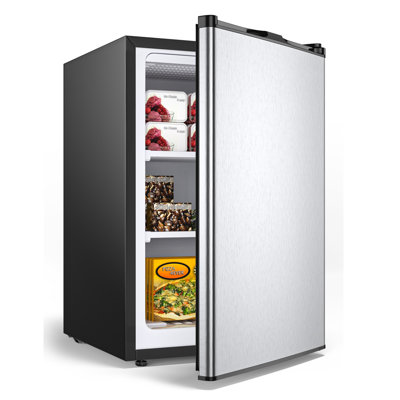
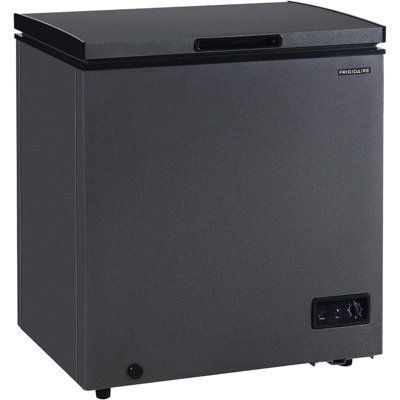
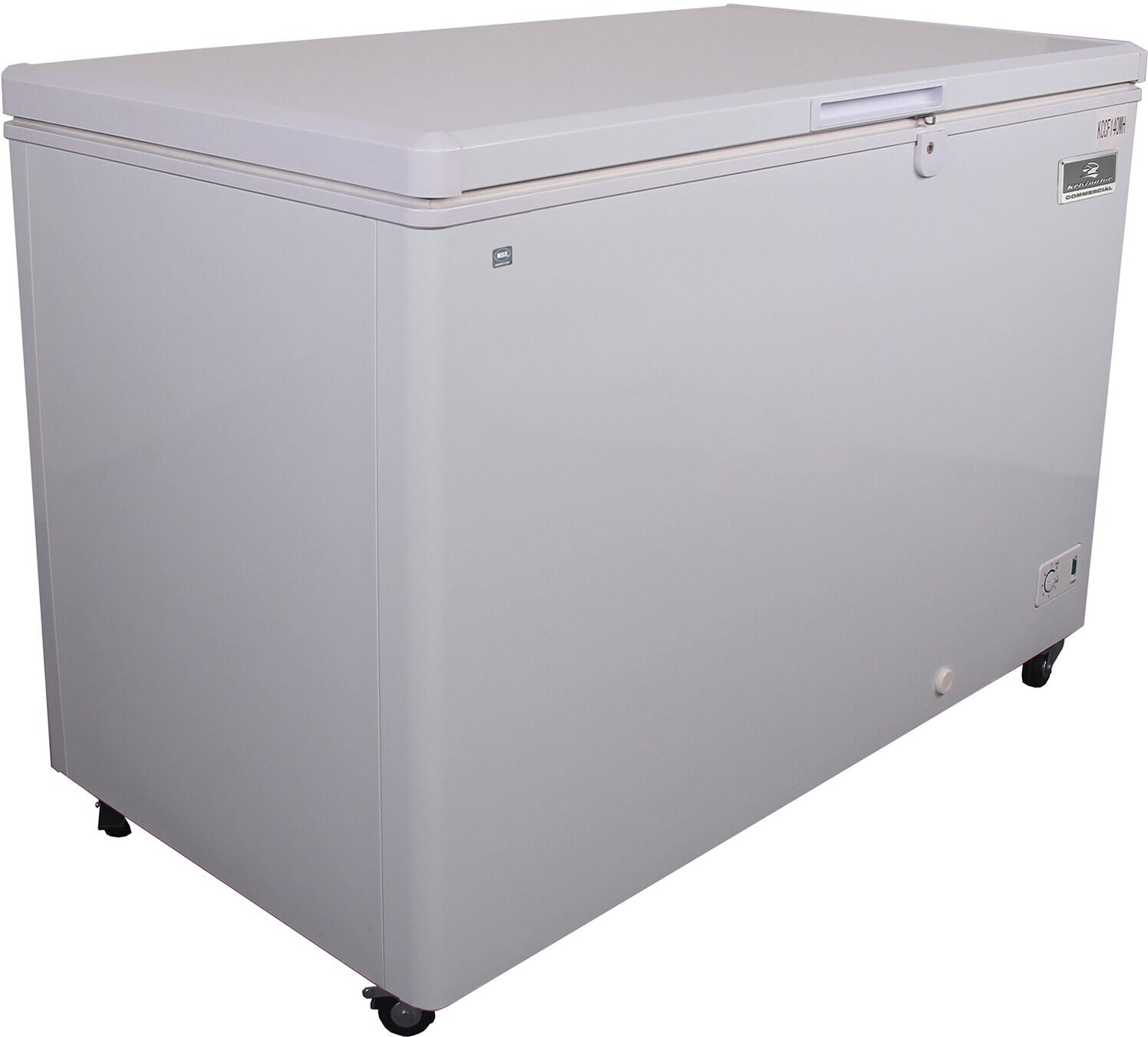
When considering a freezer, it's important to reflect on the history of these appliances and how the latest designs can accommodate your needs.
They often come in standard sizes to fit specific cabinet dimensions, making them ideal for a streamlined kitchen design.
It's important to weigh the pros and cons of each type, such as the installation process, storage capacity, energy efficiency, and overall user experience.
Space Efficiency: They can be a space-saving solution as they take up no additional floor space, making them ideal for smaller kitchens or for those who prefer a minimalist design.
Freezers are an essential appliance in any home, providing the convenience of food preservation and access to frozen goods. The market offers a variety of freezer designs to cater to different needs and preferences. Understanding the options available is the first step in making an informed decision that best suits your lifestyle.
The Evolution of Freezer Design
The design of freezers has evolved significantly over the years, moving from simple iceboxes to sophisticated appliances with advanced technology. Initially, freezers were separate units from refrigerators, often bulky and not very energy efficient. As technology progressed, freezers became more integrated with refrigerators, leading to the development of combination units that offer both refrigeration and freezing capabilities.
Modern freezers now come with a multitude of features, including frost-free operation, adjustable temperature controls, and smart technology that connects to home automation systems. When considering a freezer, it's important to reflect on the history of these appliances and how the latest designs can accommodate your needs. For more on the progression of freezer design, you might want to explore the differences between ice cream coolers and small deep freezers or basement refrigerators and convertible freezers.
Choosing Between Built-In and Drawer Fridge Freezers
When selecting a freezer, the main decision often comes down to choosing between a built-in freezer and a drawer fridge freezer. Both have their unique advantages and are designed to cater to specific space requirements and user preferences.
Built-in freezers are designed to blend seamlessly with your kitchen cabinetry, offering a sleek and cohesive look. They often come in standard sizes to fit specific cabinet dimensions, making them ideal for a streamlined kitchen design. On the other hand, drawer fridge freezers provide the convenience of drawer-style access, making it easier to organize and retrieve items without having to bend down.
Choosing between a built-in freezer vs. drawer fridge freezer will depend on various factors, including the layout of your kitchen, your storage needs, and your personal style. It's important to weigh the pros and cons of each type, such as the installation process, storage capacity, energy efficiency, and overall user experience. You may also want to consider how these options compare to alternatives such as freestanding drawer freezers vs. standard refrigerator sizes or compact freezers vs. undercounter freezers.
To make an informed decision, assess your space, evaluate your food preservation habits, and consider the long-term implications of your choice, including maintenance and energy costs. Whatever your decision, ensure that it aligns with your lifestyle and enhances the functionality of your living space.
Built-In Freezers
What is a Built-In Freezer?
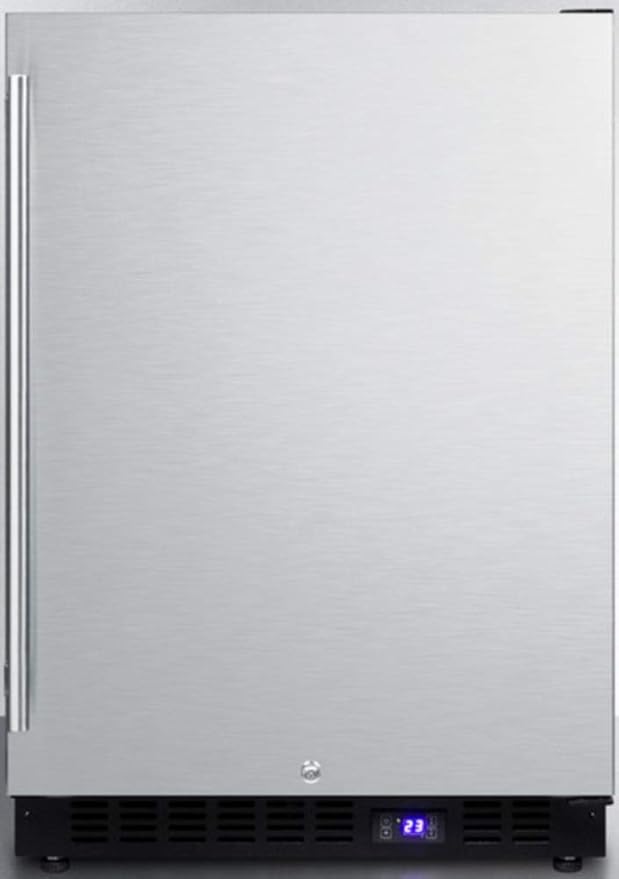
A built-in freezer is a type of freezer that is designed to be integrated into the kitchen cabinetry seamlessly. Unlike freestanding units, these freezers offer a custom fit that aligns with the surrounding decor and cabinetry, providing a sleek and uniform appearance. They are installed directly into the cabinetry and are typically concealed behind cabinet doors to match the rest of the kitchen.
Pros of Built-In Freezers
Built-in freezers come with a range of advantages that make them a desirable choice for many homeowners:
Aesthetic Appeal: Built-in freezers blend in with kitchen cabinetry, offering a high-end, custom look that enhances the overall design of your space.
Space Efficiency: They can be a space-saving solution as they take up no additional floor space, making them ideal for smaller kitchens or for those who prefer a minimalist design.
Customization: Options for customization are vast, allowing you to choose the size, style, and features that best fit your kitchen layout and personal preferences.
Advantages
Description
Aesthetic Integration
Complements kitchen design with a built-in appearance
Space Saving
Optimizes kitchen space without protruding into the room
Customizable Options
Offers flexibility in design, size, and functionality
Cons of Built-In Freezers
Despite their benefits, built-in freezers also have some drawbacks to consider:
Cost: They are typically more expensive than freestanding models due to the customization required for installation.
Installation: The installation process can be complex and usually requires professional assistance, adding to the overall cost.
Capacity: Some built-in models may offer less storage capacity compared to their freestanding counterparts due to the constraints of integrating into existing cabinetry.
Disadvantages
Description
Higher Cost
Generally, more expensive due to custom installation
Complex Installation
Requires professional services for proper integration
Limited Capacity
May have less space due to design constraints
When weighing the pros and cons of built-in freezers, it's important to consider how they align with your lifestyle and kitchen design. If integrating appliances into your cabinetry for a seamless look is important to you, and you are prepared for the potential higher costs and complexity of installation, a built-in freezer might be the right choice for your home. To explore other refrigeration options that might better suit your needs, check out comparisons like ice cream cooler vs. small deep freezer and basement refrigerator vs. convertible freezer.
As you consider the refrigerator and freezer options for your home, understanding the nuances of each type is vital for making an informed decision. Drawer fridge freezers offer a unique configuration that may align with your lifestyle and space requirements.
What is a Drawer Fridge Freezer?
A drawer fridge freezer is a modern variation of the traditional refrigeration appliance, designed to provide convenience and accessibility. These units are typically installed under the countertop and feature pull-out drawers that allow easy access to your frozen goods.
Pros of Drawer Fridge Freezers
Drawer fridge freezers come with several benefits that can make them a suitable option for various living spaces and needs. Here’s a list of advantages:
Accessibility: With a simple pull, you can reach all contents without having to bend over or move items around, making it ideal for ergonomic access.
Space Efficiency: Their compact design is perfect for smaller homes or as an additional cooling space in areas like an office or entertainment room.
Organization: Separate drawers allow for better categorization and management of food items.
Custom Temperature Settings: Some models offer different temperature controls for each drawer, providing flexibility for preserving different types of food.
Cons of Drawer Fridge Freezers
Despite their advantages, there are also downsides to consider when looking at drawer fridge freezers:
Limited Capacity: They may not offer as much storage space as traditional models, which can be a concern for larger households.
Higher Cost: Drawer fridge freezers can be more expensive than their upright counterparts.
Installation: They may require more involved installation, especially if you’re retrofitting an existing kitchen space.
When weighing the options between a built in freezer vs. drawer fridge freezer, consider how these pros and cons align with your lifestyle, space, and usage preferences. For those with unique space constraints or specific organizational needs, other comparisons such as compact freezer vs. undercounter freezer or freestanding drawer freezer vs. standard refrigerator size might also offer valuable insights. Whether you're outfitting a tiny home, a bustling family kitchen, or an entertainment area, the right choice will blend functionality with your personal space requirements.
Key Considerations for Your Space
When selecting a freezer, whether a built-in model or a drawer fridge freezer, there are several factors that you should consider regarding the space it will occupy and how it will function within your home.
Space and Capacity
The size and capacity of the freezer are critical to ensuring it fits your space and meets your storage needs. Built-in freezers are often larger and can be seamlessly integrated into kitchen cabinetry, while drawer fridge freezers are more compact, making them suitable for smaller spaces.
Freezer Type
Approximate Capacity (cubic feet)
Approximate Dimensions (inches)
Built-In Freezer
15 - 25
Varies by model
Drawer Fridge Freezer
3 - 5
Varies by model
Before making a decision, measure the available space in your kitchen or designated area to ensure a proper fit. Additionally, consider the storage capacity you require based on your household size and usage habits. For those needing to store large or bulky items, a built-in freezer may be more practical. In contrast, drawer fridge freezers are ideal for easy access to frequently used items.
Installation and Integration
Installation requirements differ between built-in freezers and drawer fridge freezers. Built-in models often require professional installation to ensure they are properly fitted into existing cabinetry and connected to the power supply. Drawer fridge freezers can be more versatile in terms of placement and typically require less effort to install.
It's essential to factor in the integration of your new appliance with the rest of your kitchen or home. Built-in freezers can offer a more streamlined look, while drawer fridge freezers provide flexibility in kitchen layout and can even be installed in other areas of the home, such as a home bar or entertainment space.
Energy Efficiency
Energy efficiency is an important consideration for both environmental impact and cost savings over time. Modern freezers often come with energy ratings that provide insight into their efficiency.
Freezer Type
Energy Star Rating
Estimated Yearly Energy Consumption (kWh)
Built-In Freezer
Yes/No
500 - 700
Drawer Fridge Freezer
Yes/No
200 - 400
Choose a model with a high energy rating to ensure lower energy consumption. Built-in freezers may consume more energy due to their larger size, while drawer fridge freezers tend to be more energy-efficient due to their compact size and less demanding cooling requirements.
When considering a new freezer, it is crucial to assess the space it will occupy, the installation process, and its energy efficiency. These factors will significantly influence your user experience and the overall practicality of the appliance in your home. For comparisons of different types of refrigeration solutions, you can explore articles like ice cream cooler vs. small deep freezer or drawer refrigerator vs. wine chiller to help inform your decision.
User Experience
Considering the user experience is paramount when deciding between a built-in freezer and a drawer fridge freezer. Your interaction with these appliances will affect your daily routine, ease of use, and satisfaction with your kitchen setup.
Accessibility
Accessibility is a crucial factor in the user experience. With a built-in freezer, the items are typically at eye level or slightly below, reducing the need to bend over to reach your frozen goods. On the other hand, drawer fridge freezers often require you to bend down to access the contents, which might be less convenient for some users.
Built-in Freezer: Generally more accessible due to eye-level placement.
Drawer Fridge Freezer: May require bending, less ideal for those with mobility issues.
For more insights on freezer placement and ergonomic design, explore Fridge.com comparison between ice cream cooler vs. small deep freezer and freestanding drawer freezer vs. standard refrigerator size.
Organization and Storage
An organized freezer saves time and prevents food wastage. Built-in freezers typically offer shelving systems that can be adjusted to fit various item sizes. Drawer fridge freezers may have separate compartments, providing an excellent solution for categorizing and segmenting different types of frozen goods.
Built-in Freezer: Adjustable shelving for flexible storage.
Drawer Fridge Freezer: Compartments for organized segmenting.
Maintenance and cleaning should be straightforward to ensure longevity and hygiene. Built-in freezers are often easier to clean due to their static design and less complex structure. Drawer fridge freezers may require more effort to clean due to their sliding mechanisms and additional crevices where debris can accumulate.
Built-in Freezer: Typically easier to clean with less moving parts.
Drawer Fridge Freezer: Might need more thorough cleaning around sliding mechanisms.
For guidance on keeping your freezing units in top shape, consider looking at Fridge.com articles on maintenance and cleaning for different freezer types.
In conclusion, when you're considering a built-in freezer vs. a drawer fridge freezer, it is important to assess how these factors will affect your daily use. Think about the ease of accessing your frozen items, how you prefer to organize your food, and the effort required for maintenance. These considerations will help ensure that your chosen appliance complements your lifestyle and kitchen workflow.
When it comes to choosing between a built-in freezer and a drawer fridge freezer, several factors come into play. Your lifestyle, the design of your space, and your budget are all critical components that will guide your decision-making process.
Lifestyle and Usage
Your lifestyle and how you intend to use your freezer are paramount when deciding between a built-in freezer and a drawer fridge freezer. Consider your cooking habits, shopping frequency, and the size of your household.
Do you entertain often, requiring more space to store frozen appetizers and desserts?
Are you a meal-prepper who needs room for bulk storage?
Or are you more inclined towards fresh produce and require less freezer space?
Reflect on these questions to understand your needs better. Additionally, think about ease of access; if bending down to reach into a drawer freezer is inconvenient for you, a built-in option might be more suitable.
Aesthetics and Design
The design and aesthetics of your kitchen play a significant role in your choice. Built-in freezers offer a seamless look, blending with your cabinetry and contributing to a sleek, minimalist kitchen design. On the other hand, drawer fridge freezers can add a modern and sophisticated touch, often becoming a focal point in the kitchen.
Consider the following design elements:
Kitchen layout: Will a built-in or drawer model complement your kitchen's flow?
Cabinet space: How will each option integrate with your existing cabinetry?
Style: Do you prefer a hidden, streamlined appliance or a statement piece?
Weighing these design factors against articles like beverage center vs. meat refrigerator and drawer refrigerator vs. wine chiller can offer additional insights into the aesthetics of different freezer types.
Budget and Cost-effectiveness
The financial aspect is always an important consideration. Generally, built-in freezers can be more expensive due to installation costs and the custom cabinetry required to house them. Drawer fridge freezers may offer a more cost-effective solution with potentially lower upfront costs and easier installation.
Here's a simple cost comparison to consider:
Freezer Type
Average Cost Range (without installation)
Built-In Freezer
$2,000 - $7,500
Drawer Fridge Freezer
$1,500 - $3,000
Remember, the long-term energy consumption of the freezer will also impact cost-effectiveness. Energy-efficient models may have a higher initial price but can save you money on utility bills over time. Explore energy ratings and compare models like the compact freezer vs. undercounter freezer to find an appliance that balances upfront costs with long-term savings.
When making your decision, consider how the freezer will serve you in your daily life, how it fits into the design of your home, and whether it aligns with your budget. By taking these factors into account, you can choose the best option that meets your specific needs and preferences.
Compare prices on Fridge.com
Compare current prices and specifications on Fridge.com, then buy from the retailer you choose; delivery, installation and warranty terms are the retailer’s.
It also has tons of awesome articles about kitchen stuff and home news. Enhance your home, garage, backyard, patio, and office with the coolest essentials. With every necessary type of residential refrigerator or freezer in the collection, you're covered.
Frequently Asked Questions
A built-in freezer is a type of freezer that is designed to be integrated into the kitchen cabinetry seamlessly. Unlike freestanding units, these freezers offer a custom fit that aligns with the surrounding decor and cabinetry, providing a sleek and uniform appearance. They are installed directly into the cabinetry and are typically concealed behind cabinet doors to match the rest of the kitchen.