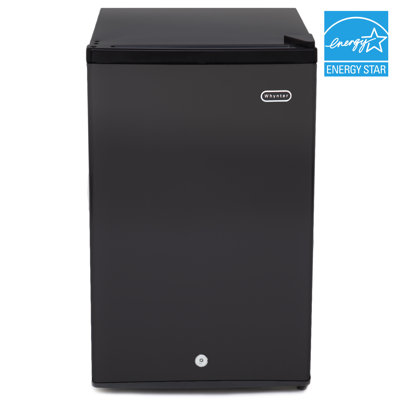
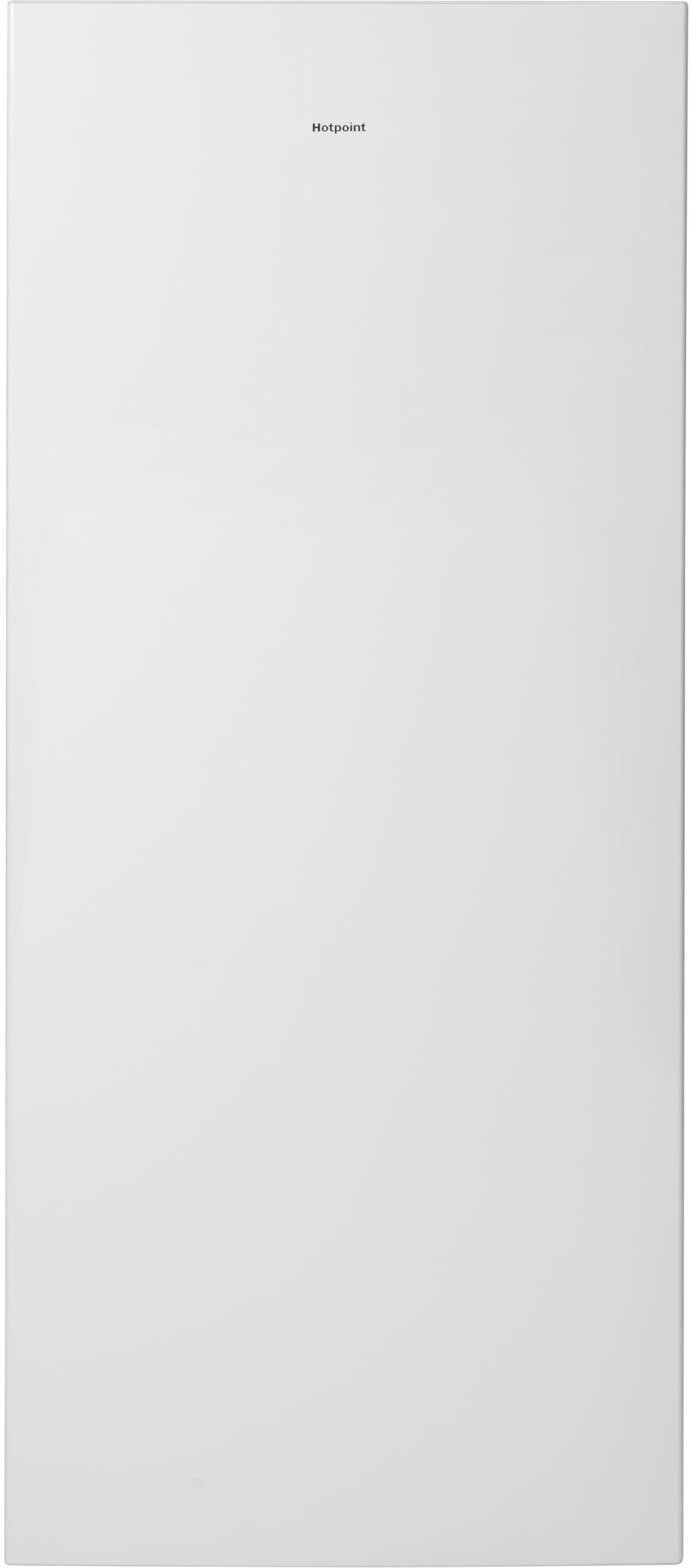
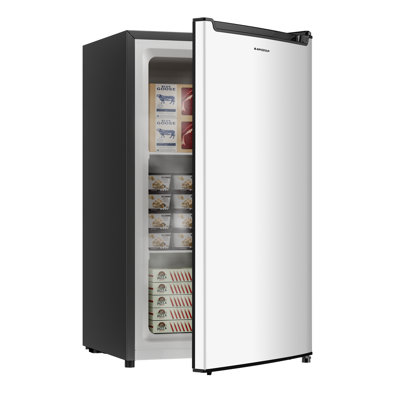
Appliances with this label typically use 10-50% less energy than required by federal standards.
Check the Thermostat: Ensure the thermostat is working and keep it set to the recommended temperature to keep your frozen goods preserved and the appliance running efficiently.
Bottle refrigerators are ideal if your focus is on keeping beverages at the perfect temperature.
These units are also ideal for office environments, adding a touch of sophistication while serving a practical need.
Bottle Refrigerator vs. Small Freezer: An Overview
When it comes to refrigeration, whether you're a homeowner or living in a compact space like an apartment or mobile home, understanding the differences between a bottle refrigerator and a small freezer can help you make an informed decision that suits your lifestyle. A bottle refrigerator, designed primarily for cooling beverages, is a convenient option for those who love to entertain or enjoy a chilled drink. On the other hand, a small freezer offers versatility for long-term storage of frozen goods, making it a practical choice for varied food preservation needs.
Factors to Consider When Choosing Between a Bottle Refrigerator and a Small Freezer
Several factors come into play when deciding between a bottle refrigerator and a small freezer. Here are some considerations to help you determine which refrigeration option aligns with your needs:
Intended Use:
Bottle refrigerators are ideal if your focus is on keeping beverages at the perfect temperature.
Small freezers are suited for those needing extra space to store frozen foods and ingredients.
Space Constraints:
Assess the available space in your desired installation area. Bottle refrigerators often have a smaller footprint, while small freezers might require more room.
Storage Capacity:
Evaluate how much you typically need to store. If you often entertain or have a large family, a small freezer may provide the extra space necessary.
Energy Efficiency:
Consider the energy consumption of each appliance and how it will impact your utility bills. Look for energy efficiency ratings to compare models.
Budget:
Your budget can significantly influence your choice. Balance the initial cost with the long-term benefits of each option.
Maintenance:
Think about the upkeep required for each type of appliance. While both require regular cleaning, freezers may demand more frequent defrosting.
Aesthetics:
Choose an appliance that complements your interior design. Bottle refrigerators often come with stylish finishes, while small freezers are more utilitarian.
Features:
Look for features that enhance convenience, such as adjustable shelves, temperature control, and frost-free options.
Future Needs:
Anticipate any changes in your living situation or habits that might affect your refrigeration needs down the line.
By considering these factors, you can select the best refrigeration solution—be it a bottle refrigerator for your collection of beverages or a small freezer for additional food storage. Explore related comparisons such as built in ice maker vs. double drawer refrigerator or bar fridge vs. mini fridge with freezer to further refine your choice and find the appliance that best fits your requirements.
Bottle Refrigerator Explained
When considering options for keeping beverages at the optimal temperature, a bottle refrigerator emerges as a specialized choice. Tailored for individuals and settings that prioritize the convenience and presentation of chilled drinks, this section breaks down the purpose and advantages, as well as the limitations, of utilizing a bottle refrigerator.
Purpose and Functionality of a Bottle Refrigerator
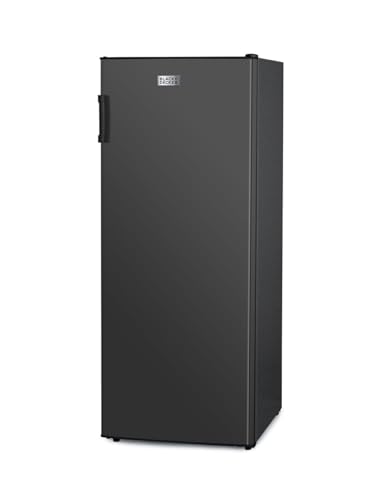
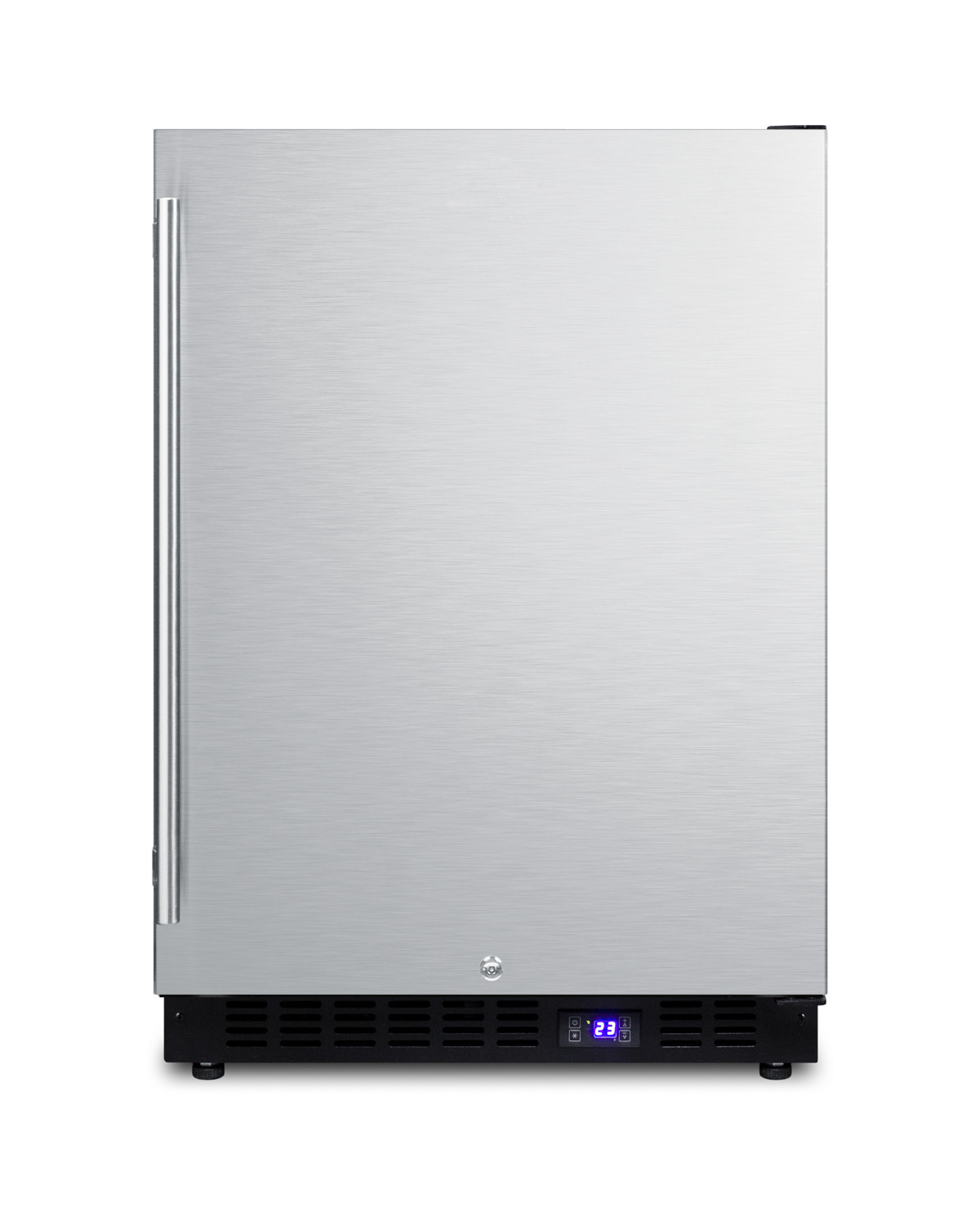
A bottle refrigerator, designed specifically for the storage and cooling of beverages, ensures that your drinks are maintained at the perfect temperature for immediate enjoyment. The functionality of a bottle refrigerator centers on its ability to cool beverages faster than a standard refrigerator, and often provides features like precise temperature control, customized shelving for different bottle sizes, and sometimes even dual temperature zones for different types of beverages.
Whether you are a homeowner looking to entertain guests, or you need an efficient way to store drinks in a compact space such as an apartment or condo, a bottle refrigerator can be an excellent fit. These units are also ideal for office environments, adding a touch of sophistication while serving a practical need.
Pros and Cons of Using a Bottle Refrigerator
The benefits of a bottle refrigerator are numerous:
Pros
Description
Temperature Precision
Offers specific temperature control for optimal drink storage conditions.
Space Efficiency
Compact design is perfect for small spaces.
Aesthetic Appeal
Often features a stylish design with glass doors for display purposes.
However, there are some considerations to keep in mind:
Cons
Description
Limited Use
Primarily for beverages, not versatile for other storage needs.
Cost
Can be more expensive than a mini fridge with similar storage capacity.
While a bottle refrigerator excels in its specific role, it's important to assess your needs thoroughly. If your priority is to chill a variety of drinks precisely and stylishly, this may be the ideal choice for you. On the other hand, if you're looking for more versatile cold storage solutions, or need to freeze products, you may want to consider a small freezer or explore other refrigeration options like a small freezer chest or a mini fridge freezer.
By understanding the pros and cons of a bottle refrigerator, you can make an informed decision that aligns with your lifestyle and storage requirements. For further comparisons that might influence your decision, delve into the differences between a built in beverage center vs. wine cooler or compare the advantages of a bar fridge vs. mini fridge with freezer.
Small Freezer Explained
When you're looking for efficient ways to preserve your food, a small freezer can be an ideal solution. It's designed to fit into more compact spaces while still offering significant storage for frozen goods.
Purpose and Functionality of a Small Freezer
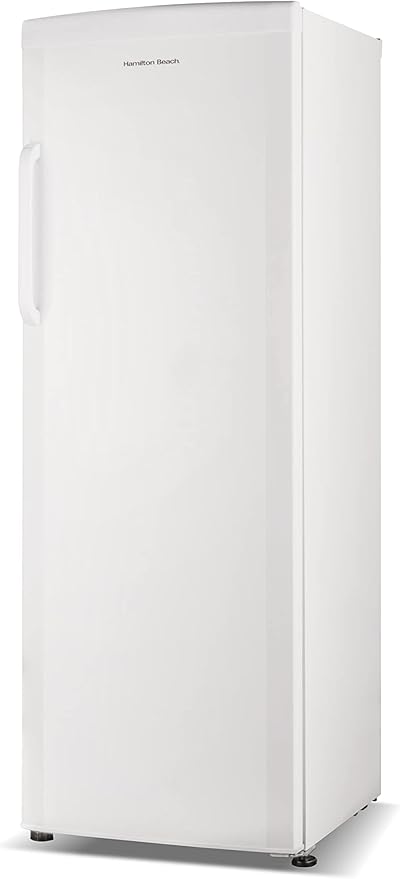
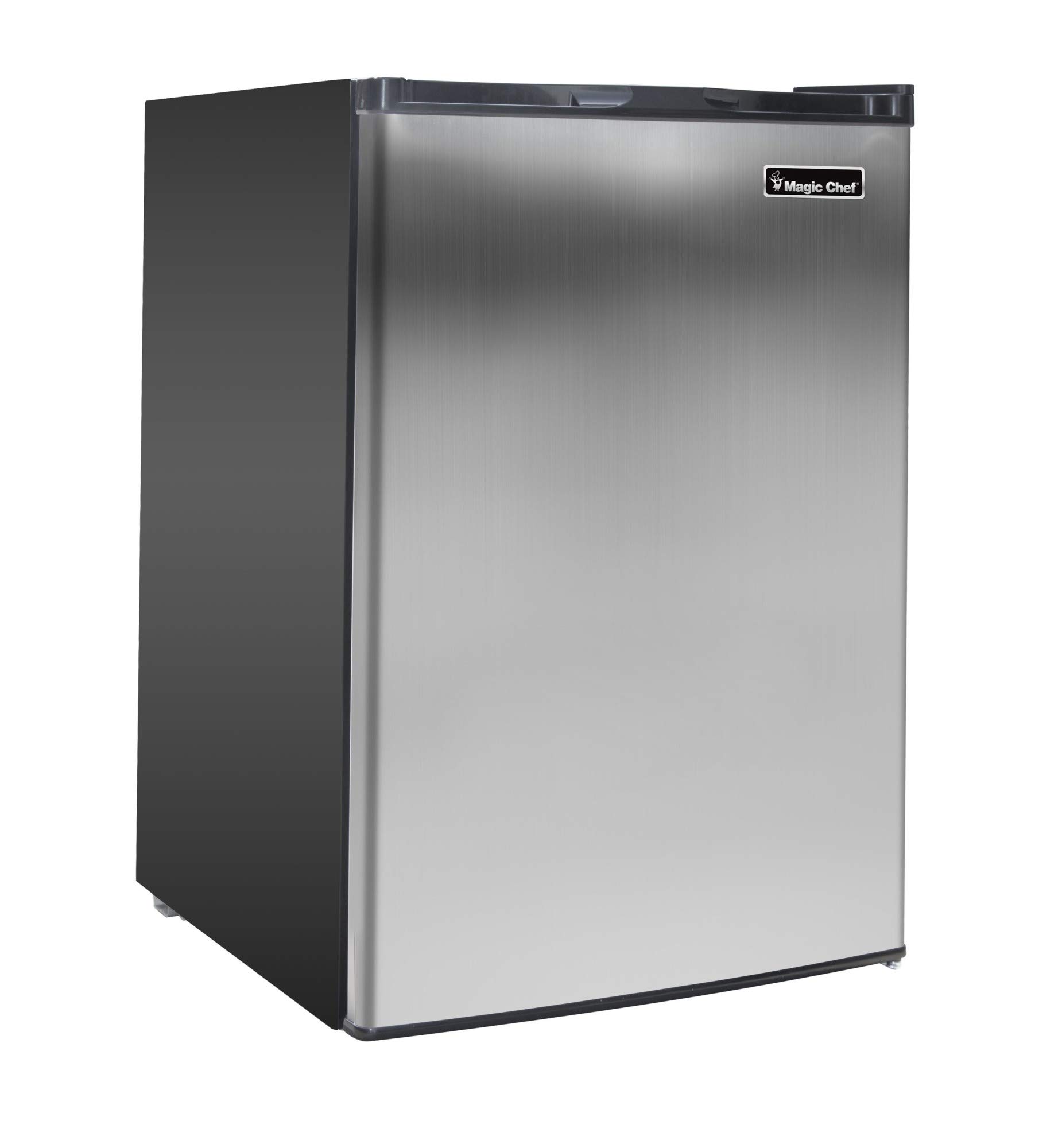
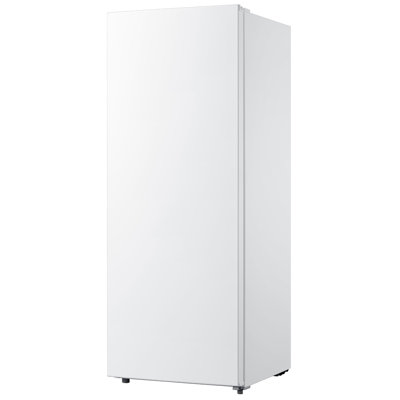
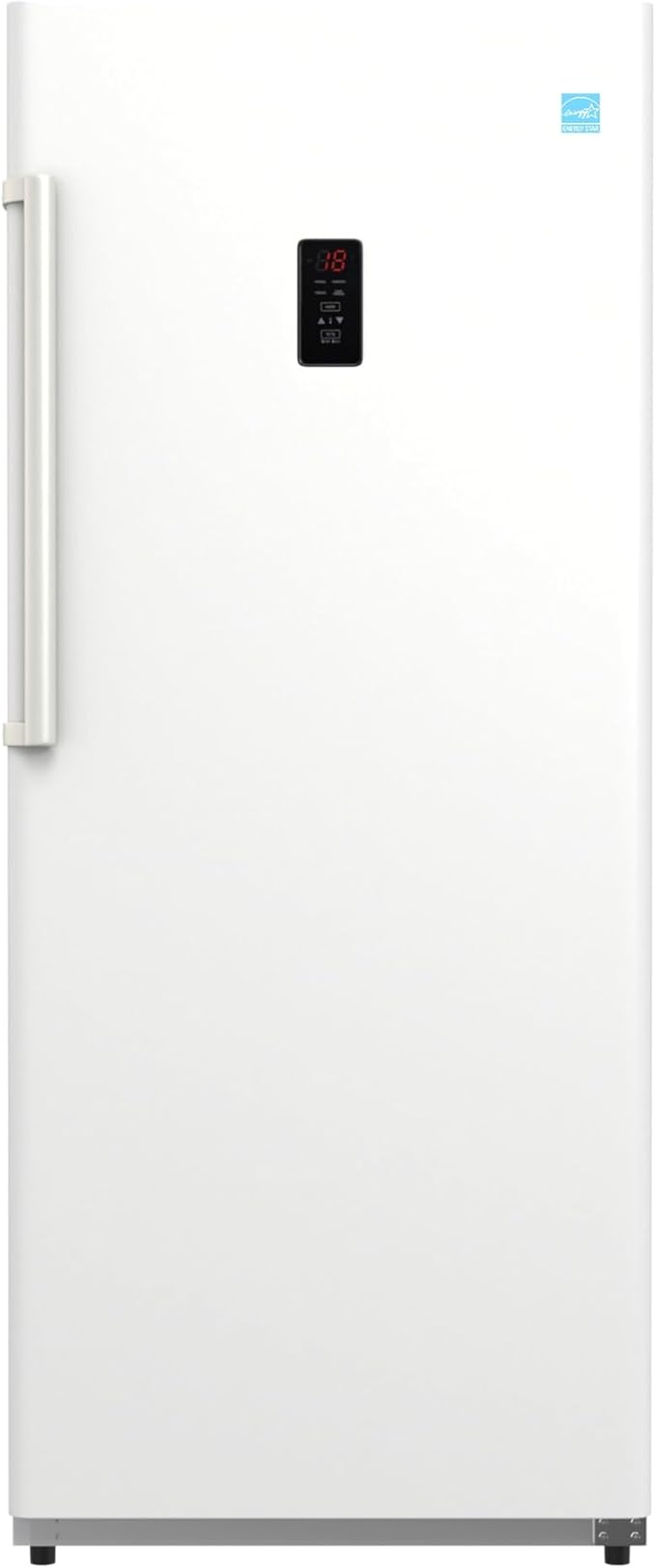
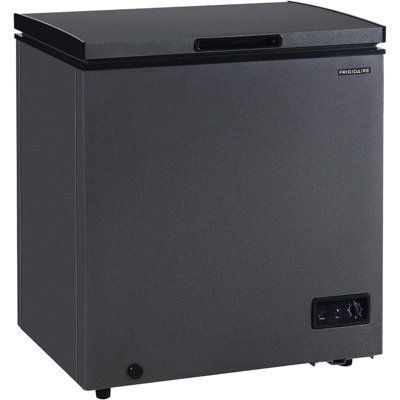
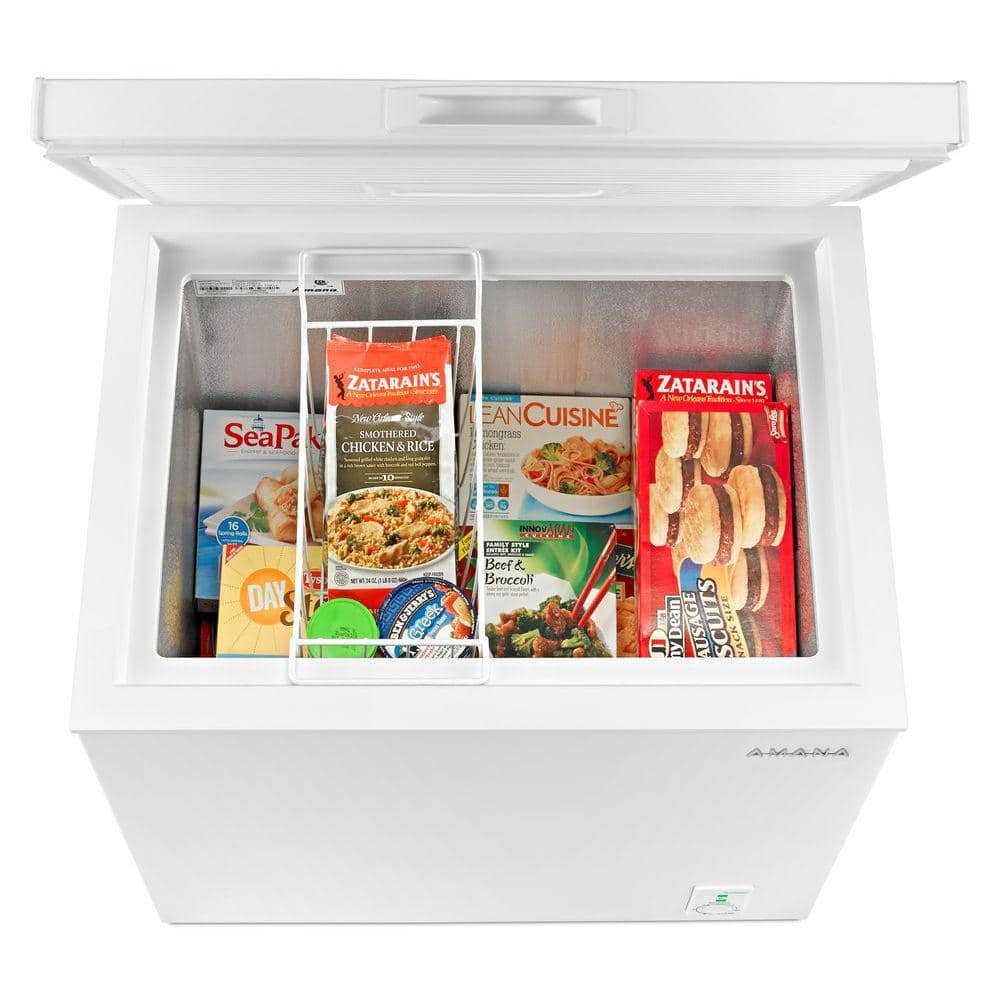
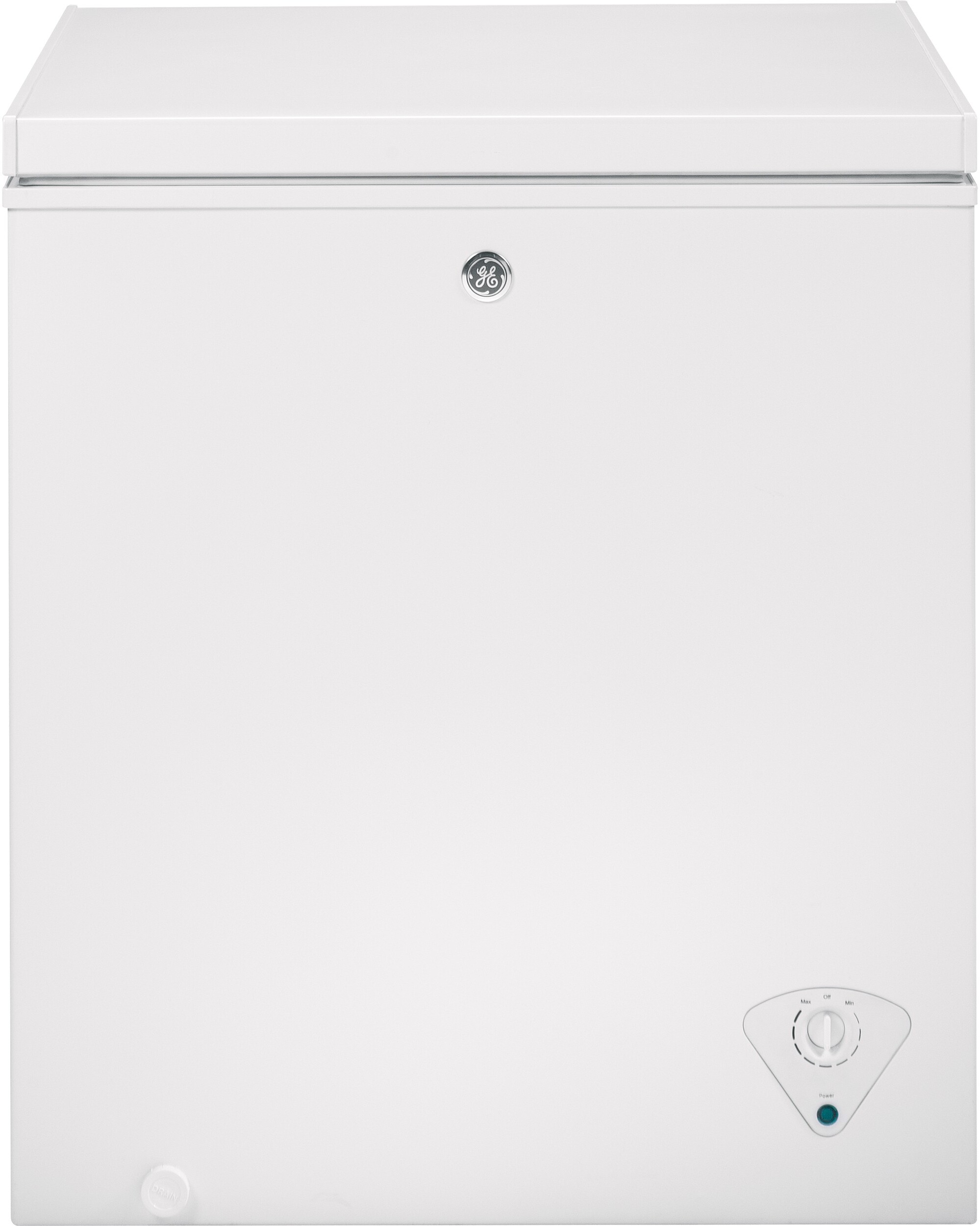
A small freezer is tailored for long-term storage of frozen foods, protecting them from spoilage and maintaining their nutritional value. Unlike a bottle refrigerator, which is optimized for cooling beverages, a small freezer operates at temperatures low enough to keep food safely frozen. Your small freezer can be a standalone unit or part of a fridge-freezer combo, which can offer more versatility in food preservation.
Pros and Cons of Using a Small Freezer
Pros:
Space Efficiency: Small freezers are perfect for areas with limited space, such as apartments, offices, or dorm rooms.
Cost-Effective: Generally, these freezers are more affordable than larger units and cost less to operate.
Convenience: They provide additional freezing capacity without the need to purchase a full-size refrigerator or freezer.
Cons:
Limited Storage: While designed for space-saving, the capacity is naturally less than that of a full-size freezer, which may not be suitable for large families or bulk storage needs.
Fewer Features: Small freezers may lack some of the advanced features found in larger models, such as frost-free technology or multiple storage compartments.
By understanding the purpose and weighing the advantages against the disadvantages, you can decide if a small freezer is the appropriate choice for your needs. Consider how a small freezer might complement other cooling appliances you may have, such as a bar fridge vs. mini fridge with freezer or a wine cooler vs. wine refrigerator. If you require more specialized storage, you might also explore options like a beer keg cooler vs. small freezer or a small freezer chest vs. undercounter freezer. For those with more extensive needs, comparing a double drawer refrigerator vs. small upright freezer might prove insightful.
When choosing between a bottle refrigerator and a small freezer, storage capacity is a key factor that can influence your decision. Understanding how much each option can hold will help you determine which appliance meets your specific needs.
Comparing Storage Capacities of Bottle Refrigerators and Small Freezers
Bottle refrigerators and small freezers vary significantly in terms of the volume they can accommodate. Below is a comparison table that outlines typical storage capacities for both appliances:
Appliance Type
Average Capacity (Cubic Feet)
Approximate Bottle or Item Count
Bottle Refrigerator
2.5 to 4.5
20 to 50 bottles
Small Freezer
5 to 9
Varies by item size
Bottle refrigerators are generally designed for specific storage purposes, such as chilling wine or other beverages, and often come with specialized shelving to maximize bottle storage in a compact space. For more information, you might want to explore wine cooler vs. wine refrigerator.
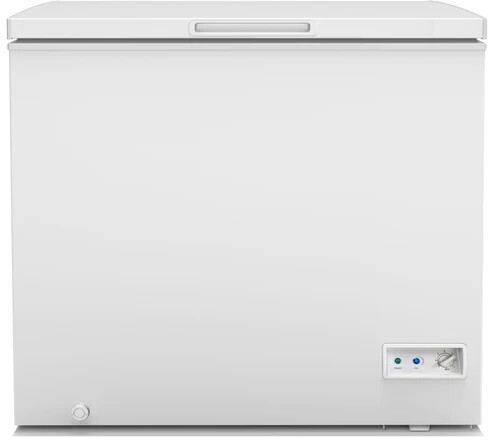
On the other hand, small freezers offer greater versatility when it comes to storing a variety of items. They can accommodate bulkier items like frozen foods, making them a practical choice for long-term storage. If you're looking to compare other types of freezers, consider reading about chest freezer vs. drink fridge.
Determining Your Storage Needs
Before making a decision, you should assess your storage requirements. Consider the following questions to help you evaluate your needs:
What is the primary purpose of the appliance? (e.g., storing beverages, freezing food)
How much space do you have available for the appliance?
How often do you entertain, and how many guests do you usually have?
Do you purchase items in bulk that require freezing?
Your responses will guide you in selecting an appliance with the appropriate storage capacity. For instance, if you frequently host gatherings and serve a variety of chilled beverages, a bottle refrigerator may be more suited to your lifestyle. Alternatively, if you're looking to store large quantities of frozen goods, a small freezer might be the better choice.
Take into account not only the current but also the potential future uses of the appliance. If you envision your needs changing over time, choosing a more versatile option could provide greater benefits in the long run.
When you're deciding between a bottle refrigerator and a small freezer, energy efficiency is an important factor to consider. This decision not only affects the freshness and longevity of your beverages or food but also has an impact on your utility bills and environmental footprint.
Energy Consumption of Bottle Refrigerators vs. Small Freezers
Bottle refrigerators and small freezers both consume electricity to keep their contents cold, but their energy usage can differ significantly based on their size, insulation, and technology.
Appliance Type
Average Energy Consumption
Bottle Refrigerator
100 - 200 kWh/year
Small Freezer
200 - 400 kWh/year
The above table provides a general comparison; however, actual energy consumption will depend on factors like usage patterns, ambient temperature, and how well the appliance is maintained. Bottle refrigerators typically use less energy than small freezers because they are often smaller in size and designed to maintain a temperature that's above freezing.
For more detailed comparisons between different types of refrigeration, you might explore articles such as bar fridge vs. mini fridge with freezer or wine cooler vs. wine refrigerator.
Understanding Energy Efficiency Ratings
To make informed decisions, understanding energy efficiency ratings is crucial. These ratings, often found on an Energy Guide label, indicate how much electricity an appliance uses and how it compares to similar models.
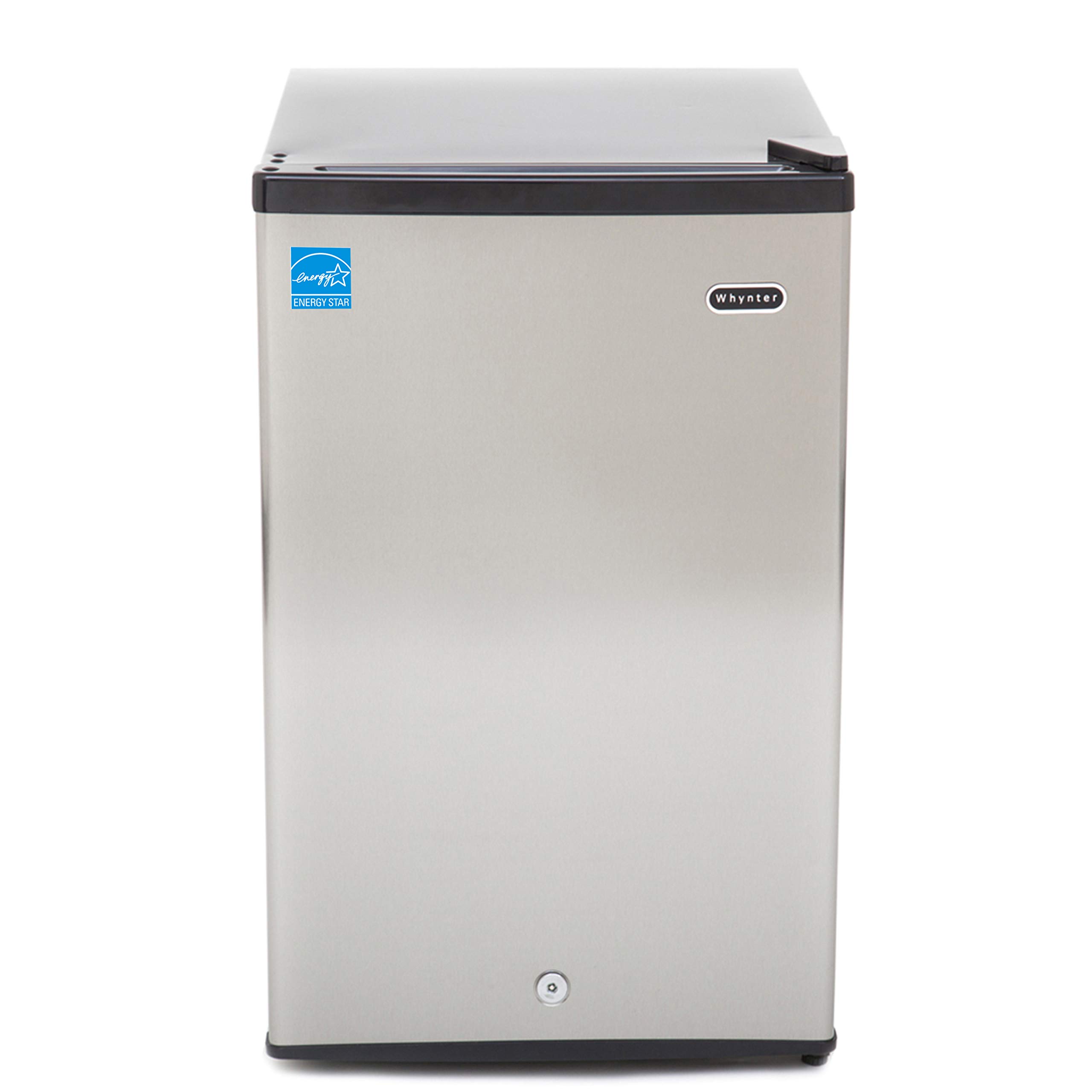
Energy Star ratings, for example, signify appliances that meet or exceed the Environmental Protection Agency's standards for energy efficiency. Appliances with this label typically use 10-50% less energy than required by federal standards.
Look for the following when examining energy efficiency ratings:
Energy Star Label: A clear indication of high energy efficiency.
Annual Energy Consumption: The estimated amount of energy the appliance uses in a year.
Cost of Operation: An estimate of the annual operating cost based on the national average cost of electricity.
Remember, the initial cost of purchasing an appliance is only part of the overall expense. Selecting an energy-efficient model can save you money in the long run through reduced utility bills. For additional insights on energy-efficient appliances, check out comparisons like convertible freezer refrigerator vs. wine refrigerator or chest freezer vs. drink fridge.
By taking the time to understand energy consumption and efficiency ratings, you can make a choice that not only serves your refrigeration needs but also aligns with your values of saving energy and reducing environmental impact.
Installation and Placement
Whether you're setting up a bottle refrigerator or a small freezer, the installation and placement of these appliances can have a significant impact on their performance and accessibility. Here are some considerations to guide you through the process.
Considerations for Installing a Bottle Refrigerator
When installing a bottle refrigerator, you should think about the following:
Location: Choose a spot away from direct sunlight and heat sources to prevent fluctuations in temperature. Your bottle refrigerator should be in a convenient location for entertaining, such as a kitchen or home bar.
Ventilation: Ensure there is adequate space around the refrigerator for proper air circulation. This helps to maintain consistent cooling and prolongs the appliance's lifespan.
Flooring: The surface should be level to prevent any undue strain on the appliance's components. Adjustable feet can help stabilize the unit.
Power Source: Confirm that there is an easily accessible power outlet, and avoid using extension cords as they can be a safety hazard.
Capacity Needs: Consider how many bottles you intend to store and select a size that accommodates your collection without overcrowding. Overfilling can impede airflow.
Integration with Decor: A bottle refrigerator can be a freestanding addition to your space or built into cabinetry. The design should complement your room's aesthetic.
For further insights on making the most of your space, explore articles like built in beverage center vs. wine cooler and bar fridge vs. mini fridge with freezer.
Considerations for Installing a Small Freezer
When setting up a small freezer, consider the following:
Location: Find a cool, dry area to prevent the unit from working too hard. Basements and garages are common choices, but ensure the environment is suitable.
Clearance: Maintain sufficient space around the freezer to allow for heat to dissipate and for easy access to the door.
Level Surface: Position the freezer on a flat, stable surface to ensure proper door function and prevent operational noise.
Electrical Requirements: Check that the electrical supply matches the freezer's requirements. A dedicated circuit is often recommended to avoid overloading.
Storage Layout: Think about how you'll organize your frozen goods for efficient use. You may want a unit with shelves or baskets for easy access.
Ease of Access: Consider the ease with which you can reach and retrieve items. If bending or reaching into deep spaces is a concern, a chest freezer might not be the best choice.
For more details on freezer options and how they compare to other refrigeration solutions, consider reading articles like chest freezer vs. drink fridge and small freezer chest vs. undercounter freezer.
By taking these factors into account for both bottle refrigerators and small freezers, you can ensure a smooth installation and optimal functionality. Remember to review the manufacturer's guidelines for specific instructions related to your model.
Ensuring the longevity and optimal performance of your refrigeration appliances requires regular maintenance and upkeep. Whether you own a bottle refrigerator or a small freezer, both demand specific care and attention. Here are some maintenance tips that can help you keep your appliances in top shape.
Maintenance Tips for Bottle Refrigerators
A bottle refrigerator, designed primarily for storing beverages, needs routine attention to function efficiently. Here are some maintenance steps you can take:
Clean Regularly: Keep the interior and exterior surfaces clean by wiping them down with a soft cloth and a mild cleaning solution. Avoid harsh chemicals that could damage the finish or interior lining.
Check the Door Seal: Ensure the door seal is intact and clean. A tight seal prevents air leaks which can cause temperature fluctuations and increased energy consumption.
Defrost Manually: If your bottle refrigerator is not frost-free, defrost it manually whenever frost build-up occurs to maintain cooling efficiency.
Adjust Temperature: Monitor and adjust the temperature settings according to the season or the quantity of contents stored to save energy and preserve your beverages optimally.
Ventilation: Ensure there's adequate space around the bottle refrigerator for proper ventilation, which helps prevent overheating and promotes energy efficiency.
Replace Filters: If your model has a water filter for an ice maker or water dispenser, replace it regularly as recommended by the manufacturer.
For more tips on optimizing your refrigeration appliances, explore Fridge.com comparison on built in beverage center vs. wine cooler.
Maintenance Tips for Small Freezers
Small freezers, whether chest or upright models, require their own set of maintenance practices:
Defrost as Needed: Accumulated frost can reduce the efficiency of your small freezer. Defrost it as soon as you notice a quarter-inch of ice build-up.
Clean the Interior: Empty the freezer periodically and clean the interior with a baking soda solution to eliminate odors and prevent the build-up of bacteria.
Inspect the Seal: Just like with bottle refrigerators, check the door seal of your small freezer and clean it to ensure it’s free of debris and functioning correctly.
Organize Contents: Use baskets or dividers to organize the contents of your freezer. This not only makes it easier to find items but also helps maintain consistent temperature distribution.
Check the Thermostat: Ensure the thermostat is working and keep it set to the recommended temperature to keep your frozen goods preserved and the appliance running efficiently.
Service the Unit: Have a professional service the appliance if you notice any irregularities in performance or noise, which could indicate an issue with the compressor or coolant system.
For insights into the versatility and function of different freezers, consider reading about the chest freezer vs. drink fridge comparison.
Proper maintenance of your refrigeration appliances is a simple yet effective way to extend their lifespan and ensure they operate at their best. Regular care will not only save you money on repairs and energy bills but also keep your food and beverages preserved under ideal conditions.
Compare prices on Fridge.com
Compare current prices and specifications on Fridge.com, then buy from the retailer you choose; delivery, installation and warranty terms are the retailer’s.
It also has tons of awesome articles about kitchen stuff and home news. Enhance your home, garage, backyard, patio, and office with the coolest essentials. With every necessary type of residential refrigerator or freezer in the collection, you're covered.
From Fridge.com research
Figures below come from data Fridge.com builds and maintains. Each links to the record behind it.
Fridge.com Energy Index, built on U.S. EPA and DOE ENERGY STAR records
Across 5,455 ENERGY STAR certified refrigerators and freezers from 263 brands, median use is 360 kWh per year.