The temperature range for most beer keg coolers falls between 34°F to 55°F (1°C to 13°C), which caters to various beer styles from lagers to ales.
Check temperature regularly: Use a thermometer to check that the cooler is operating at the correct temperature for storing kegs, typically around 38°F (3°C).
It should comfortably fit the keg size you typically purchase while also considering the space you have available.
The typical temperature range for a small freezer is around -18°C to -15°C (0°F to 5°F).
Beer Keg Cooler Vs. Small Freezer: A Comparative Guide
Understanding Your Refrigeration Needs
When considering a beer keg cooler versus a small freezer, it's essential to assess your specific refrigeration needs. If you enjoy hosting gatherings where a fresh pint is appreciated, a beer keg cooler might be a fitting addition to your entertainment space. These coolers are designed to keep your kegs at the optimal temperature for serving beer. Conversely, if you find yourself needing more space to store frozen goods, whether for meal prep or extra ice cream, a small freezer could be more aligned with your lifestyle. Identifying the primary use will guide your decision-making process.
Factors to Consider Before Choosing
Before settling on either a beer keg cooler or a small freezer, you should weigh several factors:
Space: How much room do you have in your home, apartment, or office for the appliance? Will it be a built-in fixture or a freestanding unit?
Capacity: How much do you intend to store? Would you be kegging multiple types of beer or stocking up on frozen items?
Temperature Requirements: Different beverages and frozen goods require different storage temperatures. What is your ideal temperature range?
Energy Consumption: Consider the energy efficiency of the appliance. How will it impact your utility bills?
Maintenance: How much time and effort are you willing to invest in cleaning and maintaining the unit?
Budget: What is your price range for the initial purchase and ongoing costs?
When weighing the options between a beer keg cooler and a small freezer, one of the primary considerations you'll encounter is size and capacity. This choice will significantly influence how you utilize your space and meet your refrigeration requirements.
Beer Keg Cooler Size and Capacity
Beer keg coolers are specifically designed to house kegs of beer, providing an ideal environment for keeping your brews chilled and ready for dispensing. They come in various sizes to accommodate different keg dimensions, from mini kegs to full-sized barrels.
Keg Type
Capacity
Cooler Size (H x W x D)
Mini Keg
5 liters
17" x 9" x 16.75"
Cornelius Keg
18.9 liters
28" x 18" x 24"
Sixth Barrel
19.8 liters
28" x 18" x 24"
Quarter Barrel
29.3 liters
33" x 18" x 24"
Half Barrel
58.7 liters
34" x 24" x 25"
Selecting the right size for your beer keg cooler is crucial. It should comfortably fit the keg size you typically purchase while also considering the space you have available. For those with limited space or who enjoy the occasional draft beer, a smaller unit may suffice. Conversely, avid beer enthusiasts or those who entertain frequently may opt for a larger capacity cooler. You might also want to consider a beer keg cooler with additional storage for beer glasses or cans, enhancing your entertaining experience.
Small Freezer Size and Capacity
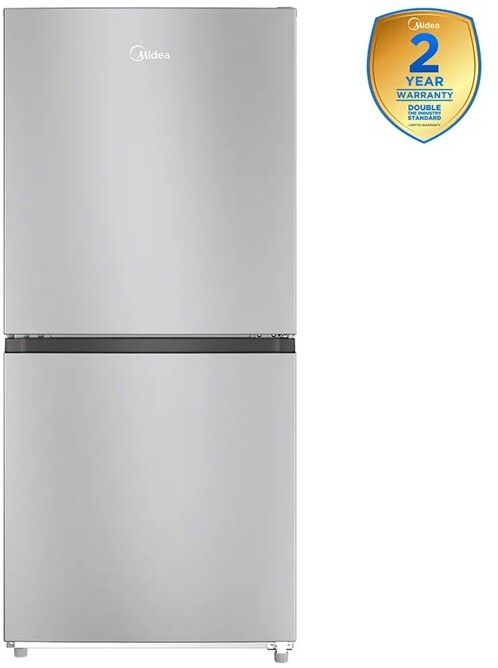
On the other hand, small freezers are versatile appliances that can store a wide range of frozen goods. Whether you need extra space for food overflow or you're stocking up on frozen treats, a small freezer can be a practical addition to your home.
Freezer Type
Capacity (cubic feet)
Dimensions (H x W x D)
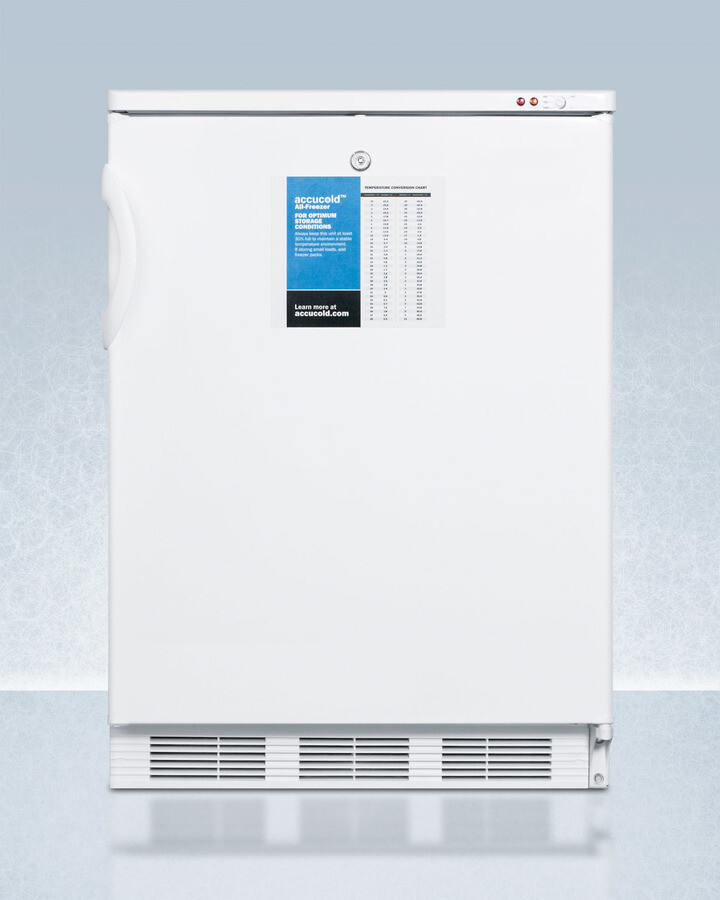
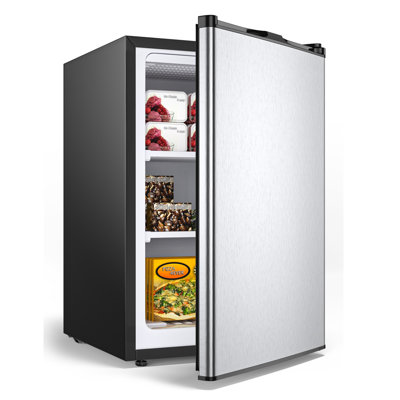
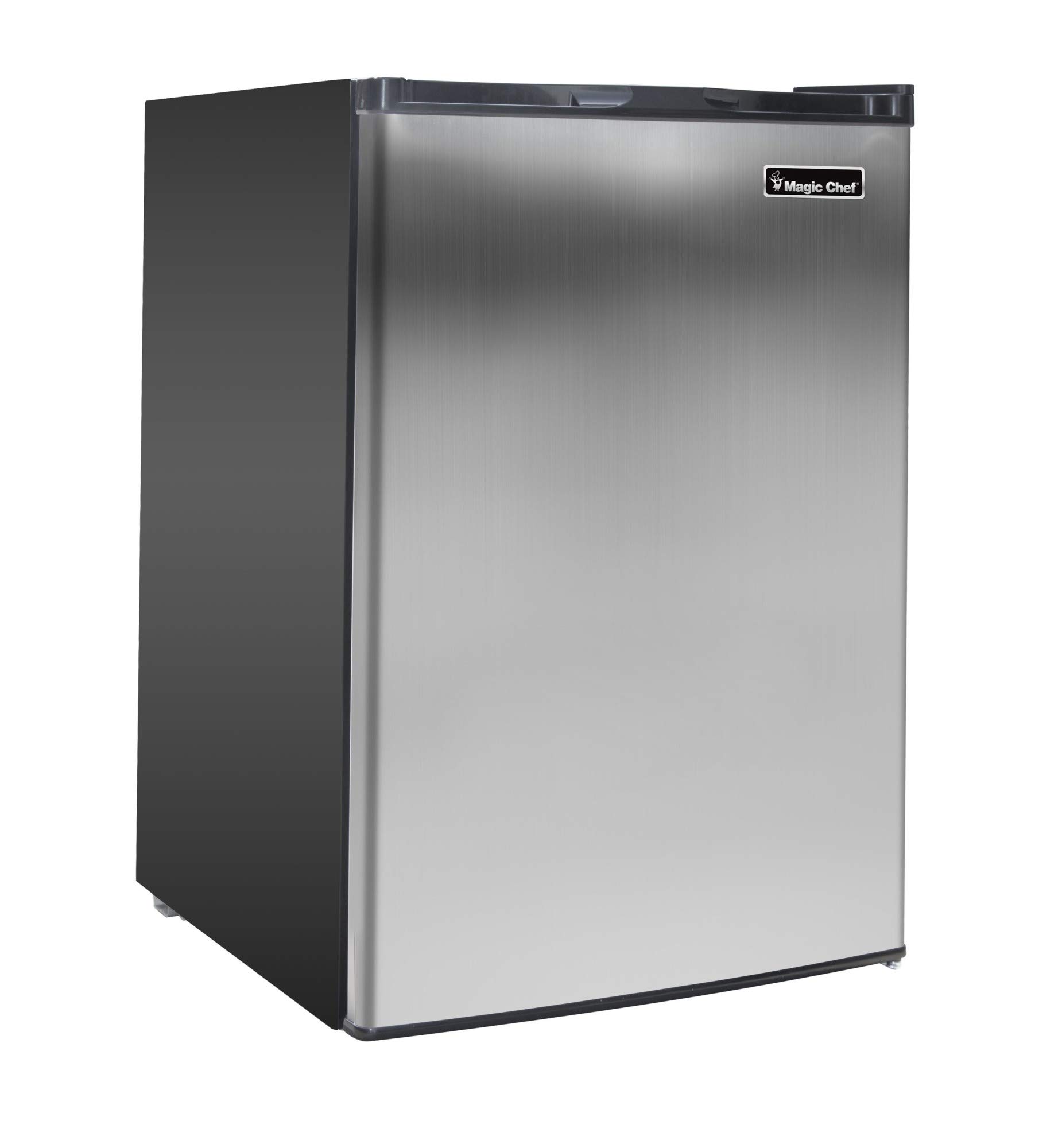
Compact Freezer
1.1 - 3.0
19" x 19" x 20" - 34" x 24" x 24"
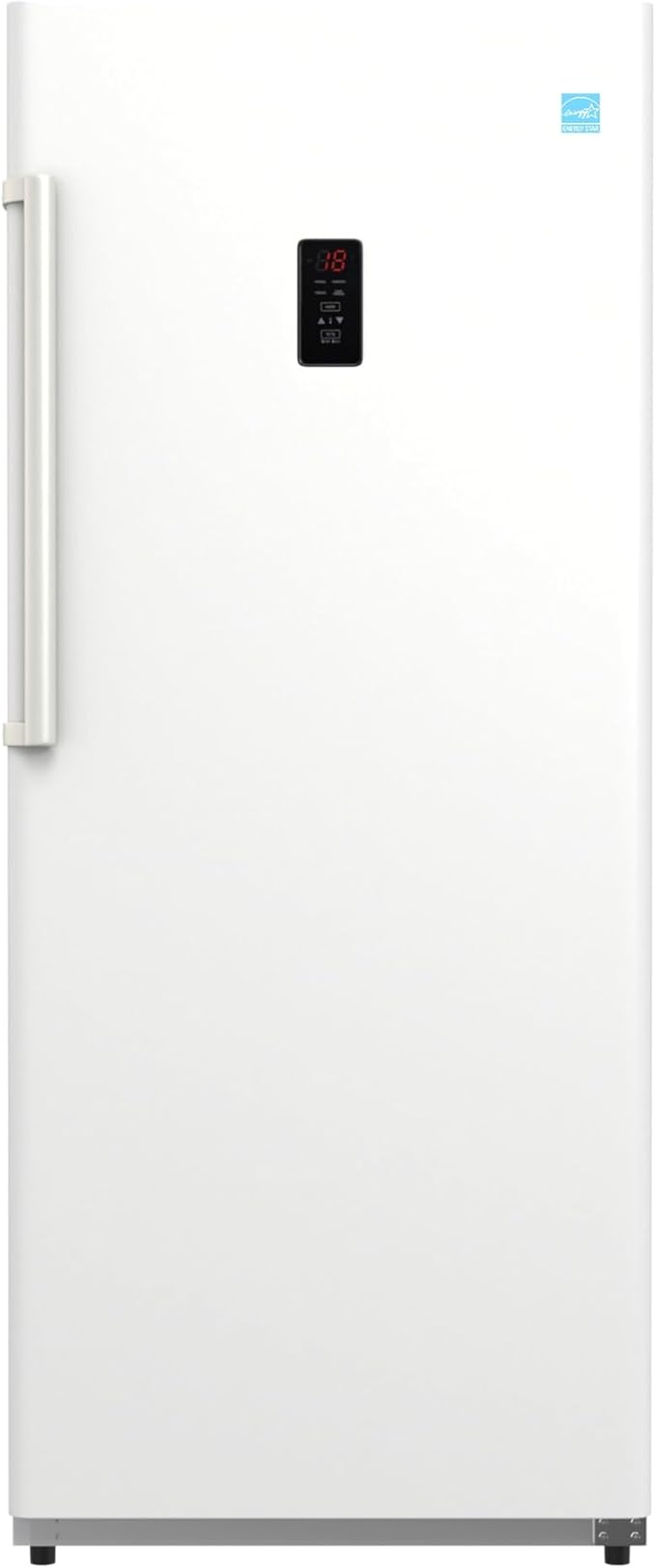
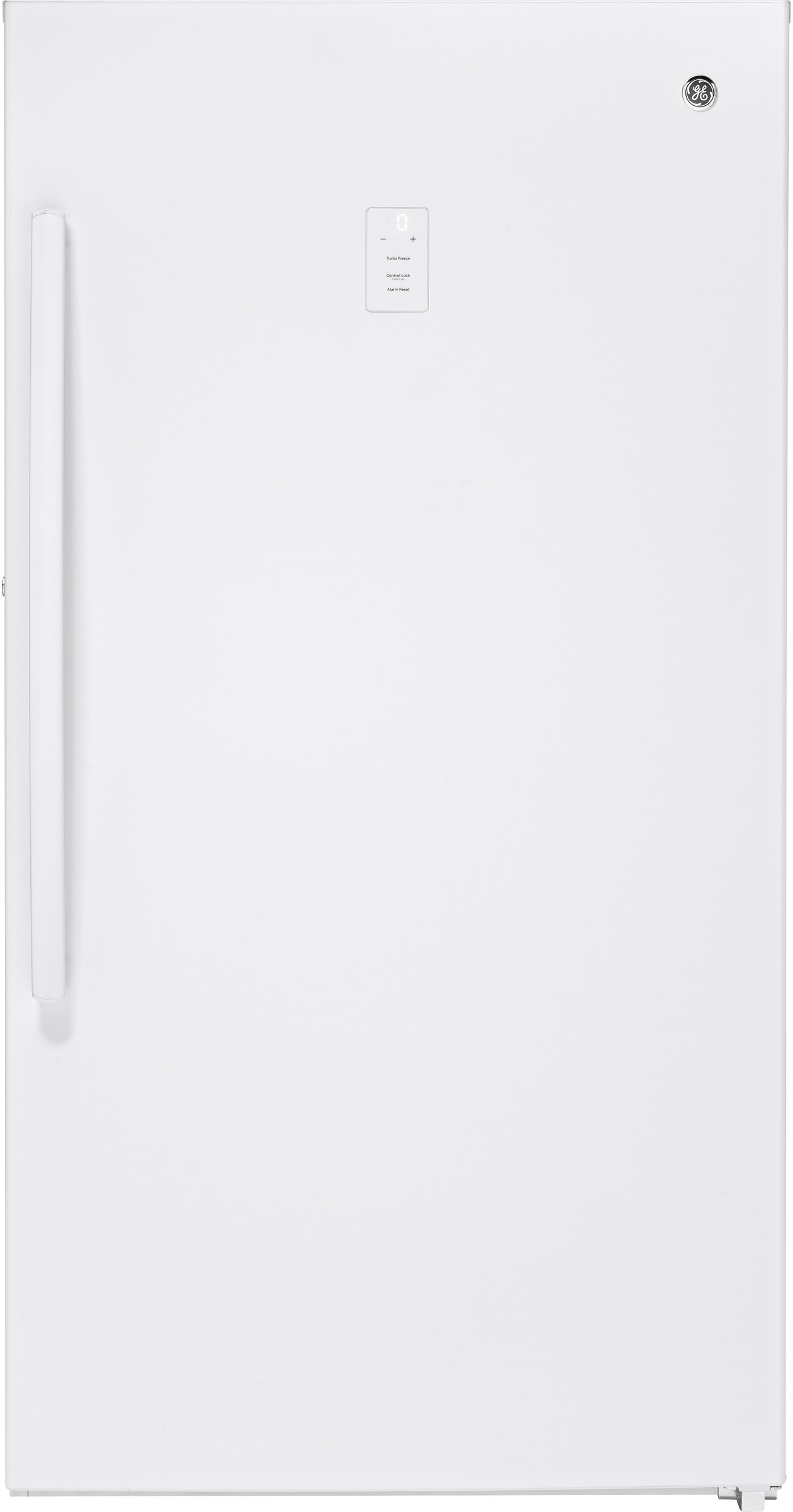
Upright Freezer
3.1 - 8.5
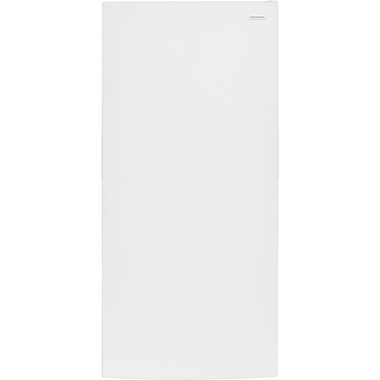
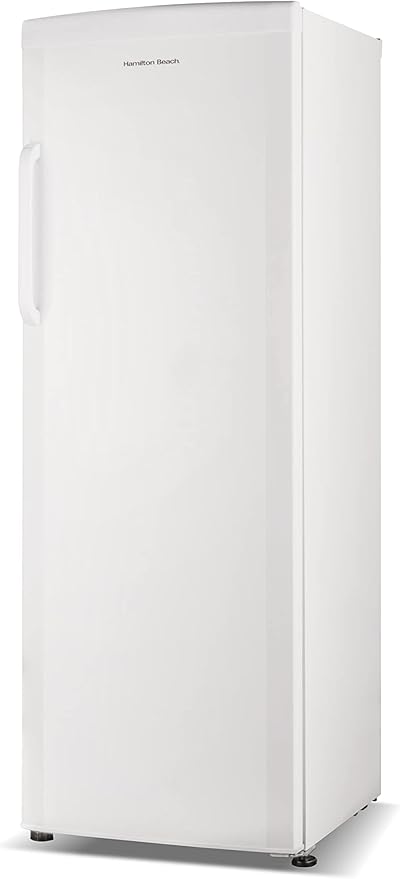
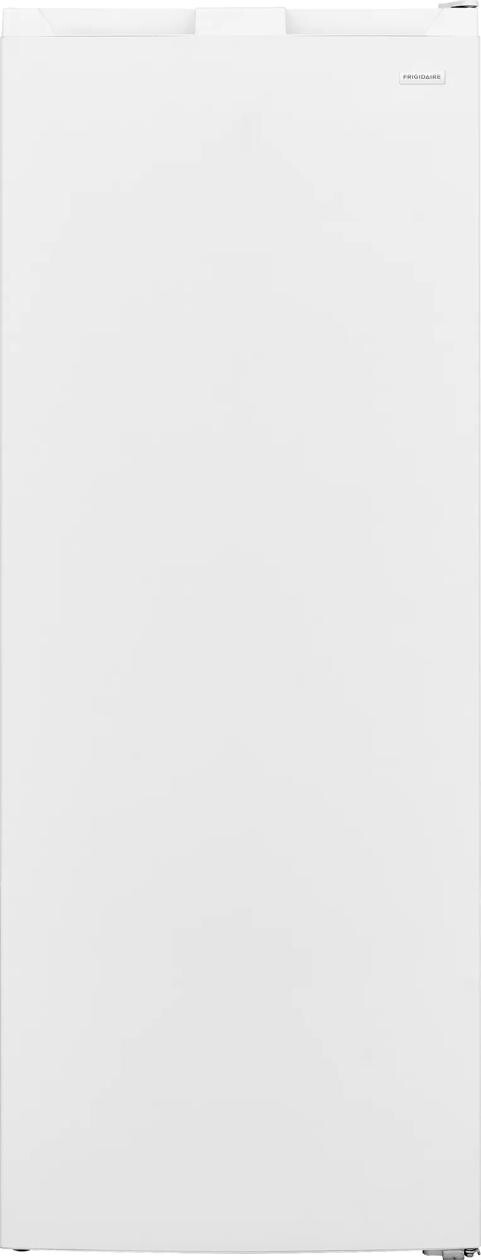
33" x 19" x 22" - 60" x 21" x 22"
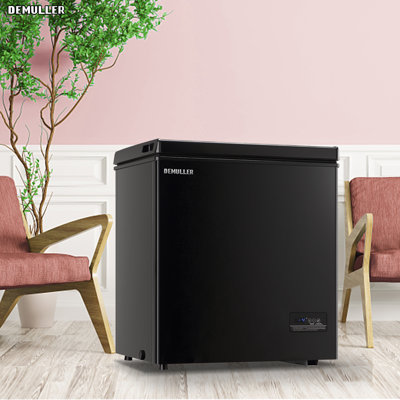
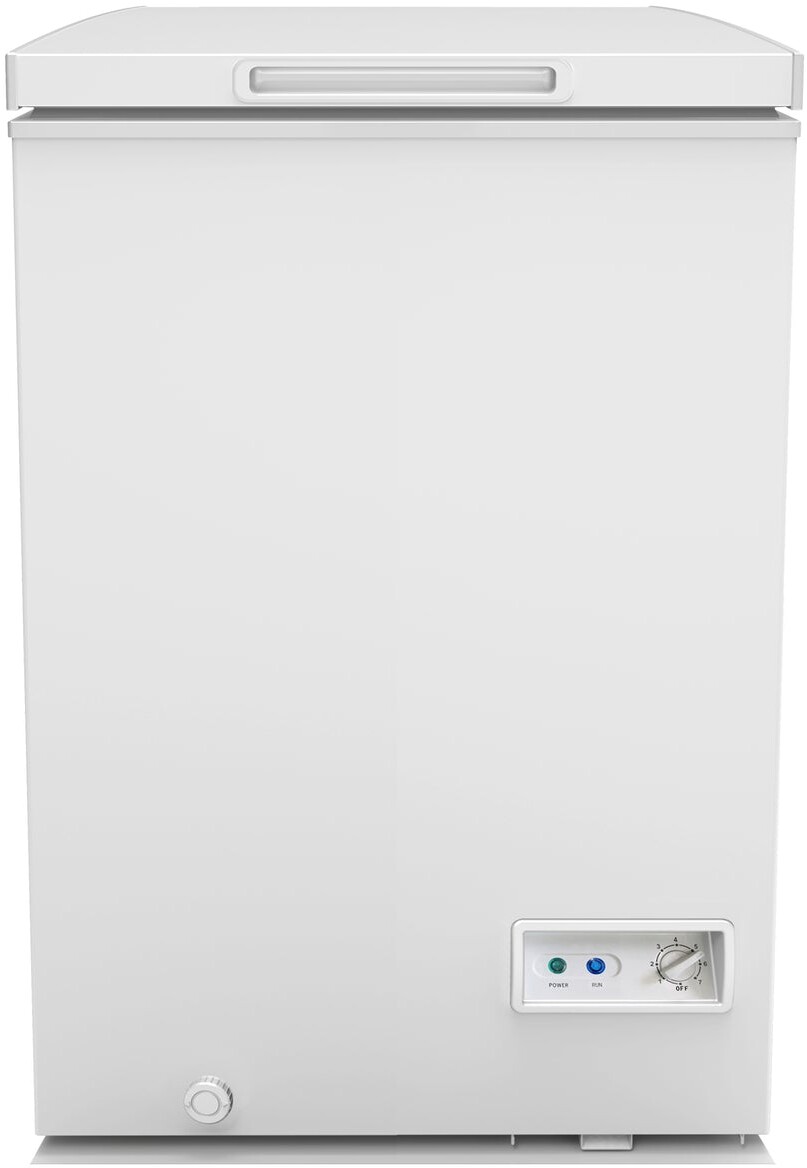
Chest Freezer
5.0 - 9.0
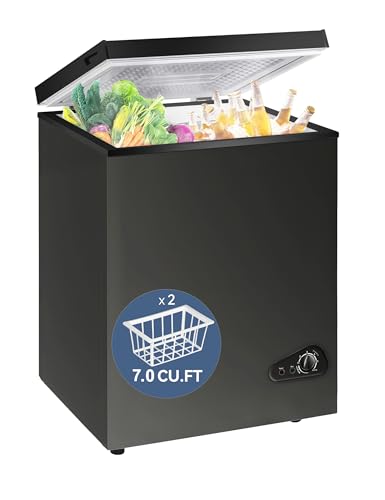
33" x 30" x 22" - 33" x 43" x 24"
Small freezers come in various forms, including compact, upright, and chest models, each offering different storage capacities. Compact freezers are ideal for tight spaces or as secondary freezers, while upright models provide easier access to organized food items. Chest freezers typically offer more storage space and can maintain their cold temperatures longer during power outages.
When choosing a small freezer, consider how much space you have in your home and what you intend to store. If you're looking to freeze bulk items or have a large family, a larger capacity freezer may be necessary. For those living in smaller spaces or looking for supplemental freezer storage, a compact model may be the perfect fit. Moreover, if you're interested in comparing other cooling and storage options, Fridge.com article on apartment size refrigerator vs. ice maker offers some valuable insights.
In conclusion, when deciding between a beer keg cooler and a small freezer, consider the amount of space you have, your specific storage needs, and how frequently you'll be accessing the contents. Both options offer unique benefits, and the right choice will depend on your individual lifestyle and refrigeration demands.
Temperature Control
When debating between a beer keg cooler and a small freezer, temperature control is a critical factor in your decision-making process. Each appliance serves a unique purpose, and understanding their temperature ranges will help you choose the right option for your refrigeration needs.
Beer Keg Cooler Temperature Range
Beer keg coolers, also known as kegerators, are designed specifically for storing and dispensing beer. They provide a consistent temperature that is ideal for keeping beer at its optimal serving condition. The temperature range for most beer keg coolers falls between 34°F to 55°F (1°C to 13°C), which caters to various beer styles from lagers to ales.
Temperature (°F)
Beer Style
34 - 38
Light Lagers
39 - 45
Wheat Beers
46 - 55
Stouts & Dark Ales
Maintaining the correct temperature is essential for preserving the flavor and quality of your beer. If you're also interested in other cooling solutions for beverages, consider exploring built in beverage center vs. wine cooler.
Small Freezer Temperature Range
On the other hand, a small freezer is designed for long-term storage of frozen foods and items at much lower temperatures. The typical temperature range for a small freezer is around -18°C to -15°C (0°F to 5°F). This range ensures that the items inside are kept well below the freezing point, preserving them for extended periods.
Temperature (°F)
Purpose
0
Standard Freezing
5
Quick Access Items
It's important to note that while a small freezer is excellent for storage, it is not suitable for chilling beverages to their ideal serving temperatures. If you require a solution that accommodates both freezing and refrigeration, you might want to look into convertible freezer refrigerator vs. wine refrigerator.
In summary, if your main goal is to enjoy perfectly chilled beer, a beer keg cooler will meet your needs. Should you need to store food or other items at freezing temperatures, a small freezer is the better option. Assess your primary requirements and choose the appliance that aligns with your lifestyle and preferences for refrigeration.
Proper installation and placement are critical for the performance and longevity of any refrigeration appliance. Whether you're deciding between a beer keg cooler or a small freezer, it's important to understand the unique considerations that come with each.
Beer Keg Cooler Installation Considerations
When installing a beer keg cooler, you'll need to consider both ventilation and accessibility. Most beer keg coolers are front-vented, making them suitable for built-in installations under counters. However, if you're placing it in a free-standing position, ensure there's adequate air circulation around the unit to prevent overheating.
Here are some key points to keep in mind for your beer keg cooler:
Ensure the location is near a power source.
Provide sufficient space for the door to open fully.
Check for proper ventilation, especially if built into cabinetry.
Consider the proximity to the area where you will be enjoying your beverages.
Keep in mind the need for occasional maintenance access.
For further insights on refrigeration for drinks and entertaining, explore Fridge.com articles on built in beverage center vs. wine cooler and bar fridge vs. mini fridge with freezer.
Small Freezer Placement Options
Small freezers offer more flexibility in placement compared to beer keg coolers. They can be installed as stand-alone units or under counters, depending on the design. The most important factors for a small freezer are the environment and space.
Considerations for small freezer placement include:
Selecting a dry, cool area to ensure efficiency and longevity.
Leaving space around the unit for air to circulate, which is crucial for proper operation.
Keeping it away from heat sources and direct sunlight to prevent overworking the compressor.
Ensuring the floor is level for optimal performance.
Checking that the location supports the weight of the freezer when it's fully stocked.
To understand how a small freezer fits into various living spaces and refrigeration needs, you might want to compare it with other refrigeration options such as apartment size refrigerator vs. ice maker or small freezer chest vs. undercounter freezer.
By carefully considering the installation and placement of your beer keg cooler or small freezer, you can optimize performance, enhance accessibility, and ensure that your appliance fits seamlessly into your home or entertainment space.
Energy Efficiency
In today's eco-conscious world, the energy efficiency of appliances is a significant factor for many homeowners. When deciding between a beer keg cooler and a small freezer, understanding their energy consumption can help you make an informed decision that aligns with your environmental values and budget.
Beer Keg Cooler Energy Efficiency
Beer keg coolers are designed to keep your kegs at a constant, chilled temperature, ensuring your beer remains fresh and ready to serve. The energy efficiency of these units can vary based on size, design, insulation, and technology. Modern beer keg coolers often come with energy-saving features, such as auto-defrost, which can help reduce energy consumption.
Small freezers provide a compact solution for frozen food storage, and their energy efficiency can be a deciding factor in your purchase. Factors such as how often the freezer is opened, the type of coolant used, and the presence of an energy-efficient compressor all play a role in how much electricity your small freezer will use.
Feature
Energy Savings
Manual Defrost
Can be more energy-efficient than auto defrost
Thermostat Control
Precise temperature control saves energy
Coolant Type
Some coolants are more efficient than others
For homeowners looking to compare other refrigeration options, Fridge.com article on bar fridge vs. mini fridge with freezer may provide valuable insights.
When deciding between a beer keg cooler and a small freezer, consider not only the upfront cost but also the long-term operating expenses. Energy-efficient models may come with a higher price tag, but they can lead to substantial savings on your utility bills over time. Always look for the Energy Star label or similar certifications to ensure you are investing in an appliance that meets industry standards for energy efficiency.
Maintenance and Cleaning
Proper maintenance and cleaning are paramount for the longevity and performance of any appliance. This is especially true when comparing the care required for beer keg coolers and small freezers. Each presents unique challenges and demands specific attention to ensure that they operate efficiently and hygienically.
Beer Keg Cooler Maintenance Tips
Beer keg coolers require routine maintenance to keep them functioning correctly and to maintain the quality of the beer. Here are several maintenance tips to help you keep your beer keg cooler in top condition:
Regularly check and clean the lines: Beer lines should be cleaned after each keg or at least every two weeks to prevent the buildup of yeast, bacteria, and beer stone, which can affect the taste and quality of the beer.
Inspect CO2 tanks and regulators: Ensure that CO2 tanks are properly filled and that regulators are working correctly to maintain the right pressure.
Clean the exterior and interior: Wipe down the exterior with a soft cloth and gentle cleaner. For the interior, use a mild soap and warm water to clean the surfaces, including the inside of the door and the rubber seal.
Defrosting: If your beer keg cooler has a manual defrost feature, defrost it regularly to prevent ice buildup, which can affect the temperature and operation.
Check temperature regularly: Use a thermometer to check that the cooler is operating at the correct temperature for storing kegs, typically around 38°F (3°C).
For more detailed maintenance advice, particularly on preserving the freshness of your beer, consider reading about beer keg cooler maintenance.
Small Freezer Cleaning Guidelines
Small freezers, while less complex than beer keg coolers, still require regular cleaning to prevent frost buildup and to ensure they remain sanitary for food storage. Here are some guidelines:
Defrosting: Small freezers should be defrosted whenever the ice buildup is about a quarter-inch thick. Turn off or unplug the freezer, remove all items, and allow the ice to melt. Speed up the process with a bowl of hot water placed inside the freezer.
Cleaning interior surfaces: After defrosting, clean the interior with a solution of warm water and baking soda to neutralize odors and remove stains. Thoroughly dry all surfaces before turning the freezer back on.
Inspecting the seal: Check the door seal regularly for cracks or debris that could prevent the door from sealing properly, leading to inefficient cooling and energy waste.
Organizing contents: Keep the freezer well-organized to ensure good airflow and to prevent overloading, which can strain the compressor and lead to higher energy consumption.
External cleaning: Wipe down the exterior with a damp cloth and mild detergent. Dust off the condenser coils if they are accessible to maintain energy efficiency.
Regular maintenance of your small freezer not only prolongs its lifespan but also helps in preserving food quality. For additional cleaning tips and guidelines, explore small freezer cleaning tips.
Whether you opt for a beer keg cooler or a small freezer, remember that routine maintenance and cleaning are crucial for optimal performance. By following these tips, you can enjoy chilled beverages or frozen goods without the hassle of unexpected breakdowns or compromised quality.
When deciding between a beer keg cooler and a small freezer for your home, office, or entertainment space, cost is a significant factor. It's not just the initial price tag you need to think about; operating costs over time can also have an impact on your budget.
Upfront Cost Comparison
The upfront cost of both a beer keg cooler and a small freezer can vary widely depending on capacity, features, and brand. On average, you may find that beer keg coolers come with a higher initial cost due to their specialized function and features designed specifically for beer storage and dispensation.
Refrigeration Option
Average Cost Range
Beer Keg Cooler
$400 - $1,500
Small Freezer
$150 - $600
These are estimated ranges and can differ based on where you purchase the appliance and any additional features it may include. Before making a purchase, it's recommended to review different models to find one that fits your requirements and budget. You may also want to consider related comparisons such as beverage cellar vs. smart fridge or bar fridge vs. mini fridge with freezer to explore other refrigeration options.
Operating Cost Analysis
The operating cost is another critical factor in your decision-making process. This includes the energy consumption of the appliance over time. Beer keg coolers are typically designed to maintain a consistent temperature for optimal beer storage, which can lead to higher energy use. Small freezers, on the other hand, are generally used less frequently and may have lower energy requirements.
To compare operating costs, you should look at the energy efficiency rating of each appliance. Models with an ENERGY STAR certification, for example, generally consume less electricity, leading to long-term savings.
Refrigeration Option
Estimated Annual Operating Cost
Beer Keg Cooler
$35 - $80
Small Freezer
$20 - $50
These costs are approximations and will vary based on the specific model, your usage habits, and local energy prices. Energy-efficient models may have a higher upfront cost but can save you money on your utility bills in the long run. Additionally, consider exploring articles like wine cooler vs. wine refrigerator or drawer fridge freezer vs. kegerator to understand how different refrigeration solutions stack up in terms of energy consumption.
In conclusion, when weighing the costs of a beer keg cooler against a small freezer, factor in both the initial investment and the ongoing operating expenses. By taking a comprehensive view of the costs, you'll be better equipped to choose the appliance that provides the best value for your needs and lifestyle.
Additional Features
When deciding between a beer keg cooler and a small freezer, considering the distinctive features each appliance offers can guide you in making a choice that suits your lifestyle and refrigeration requirements. Both come with a variety of additional features that enhance their functionality and convenience.
Special Features of Beer Keg Coolers
Beer keg coolers, also known as kegerators, are specialized refrigeration units designed to store and dispense beer. They come with unique features aimed at preserving the quality and taste of draft beer:
Tap System: Includes a tap on the top of the unit for easy dispensing, which can often accommodate various types of kegs.
CO2 Tank and Regulator: Regulates pressure to ensure the beer remains carbonated and fresh.
Drip Tray: Catches any spills or drips for a clean dispensing area.
Temperature Control: Specific to beer storage, allowing you to chill your beer to the perfect drinking temperature.
Mobility: Some models come with casters for easy relocation.
Lock Feature: To secure the contents, especially useful in shared spaces.
Here is a simple comparison of the features:
Feature
Benefit
Tap System
Convenient dispensing
CO2 Tank and Regulator
Keeps beer fresh
Drip Tray
Maintains cleanliness
Temperature Control
Optimal beer temperature
Mobility
Easy to move
Lock Feature
Security
For those who enjoy entertaining or are connoisseurs of draft beer, investing in a beer keg cooler with these features might enhance your experience. To compare with other refrigeration solutions for beverages, you might find Fridge.com article on built in beverage center vs. wine cooler insightful.
Extra Features in Small Freezers
Small freezers are versatile appliances that cater to a variety of storage needs. While they may not dispense beer, they do offer features that make them useful for different purposes:
Adjustable Shelves: Allow you to customize the storage space to fit various items.
Reversible Door: Can be installed to open from the left or right for convenience.
Manual or Auto Defrost: Helps maintain efficiency and prevent frost buildup.
Energy Star Rating: Indicates the freezer's energy efficiency, potentially lowering utility bills.
Temperature Alarm: Alerts you if the temperature rises above the desired setting.
Compact Design: Fits in small spaces, making it suitable for various living arrangements.
Here is a brief overview of these features:
Feature
Benefit
Adjustable Shelves
Customizable storage
Reversible Door
Flexible installation
Manual/Auto Defrost
Maintenance ease
Temperature Alarm
Safety and preservation
Compact Design
Space-saving
If your primary concern is the preservation of a wide range of frozen goods in a space-efficient manner, a small freezer with these features might be the right choice for you. For further comparisons on various refrigeration needs, you may want to explore the differences between a drawer fridge freezer vs. kegerator.
In summary, when you're contemplating the 'beer keg cooler vs. small freezer' debate, consider the special features each appliance offers and how these align with your refrigeration needs and lifestyle. Whether you're a beer aficionado or in need of additional frozen storage, there's an option that will cater to your specific requirements.
Compare prices on Fridge.com
Compare current prices and specifications on Fridge.com, then buy from the retailer you choose; delivery, installation and warranty terms are the retailer’s.
It also has tons of awesome articles about kitchen stuff and home news. Enhance your home, garage, backyard, patio, and office with the coolest essentials. With every necessary type of residential refrigerator or freezer in the collection, you're covered.
From Fridge.com research
Figures below come from data Fridge.com builds and maintains. Each links to the record behind it.
Fridge.com Energy Index, built on U.S. EPA and DOE ENERGY STAR records
Across 5,455 ENERGY STAR certified refrigerators and freezers from 263 brands, median use is 360 kWh per year.