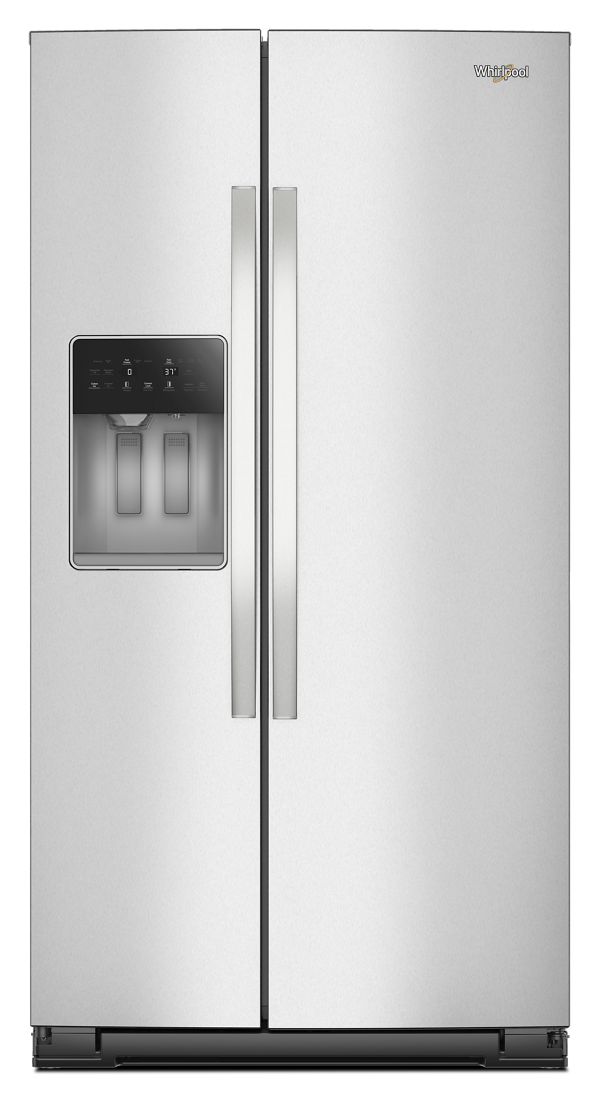
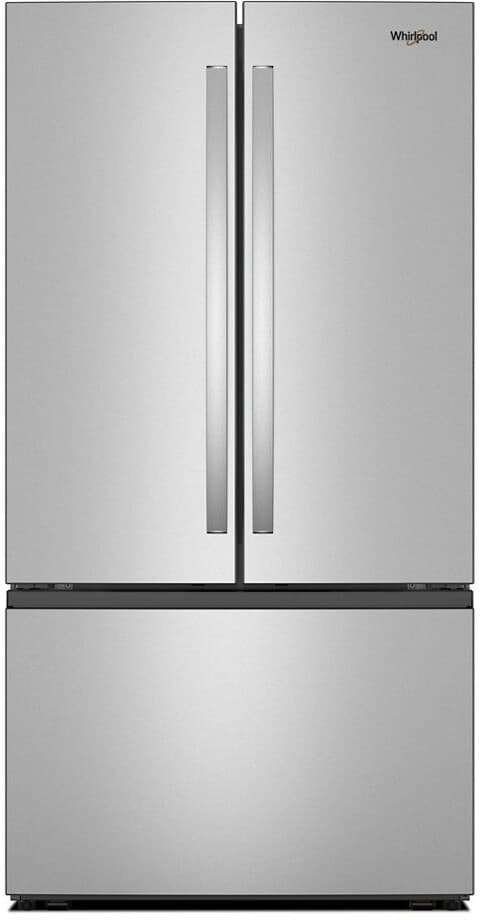
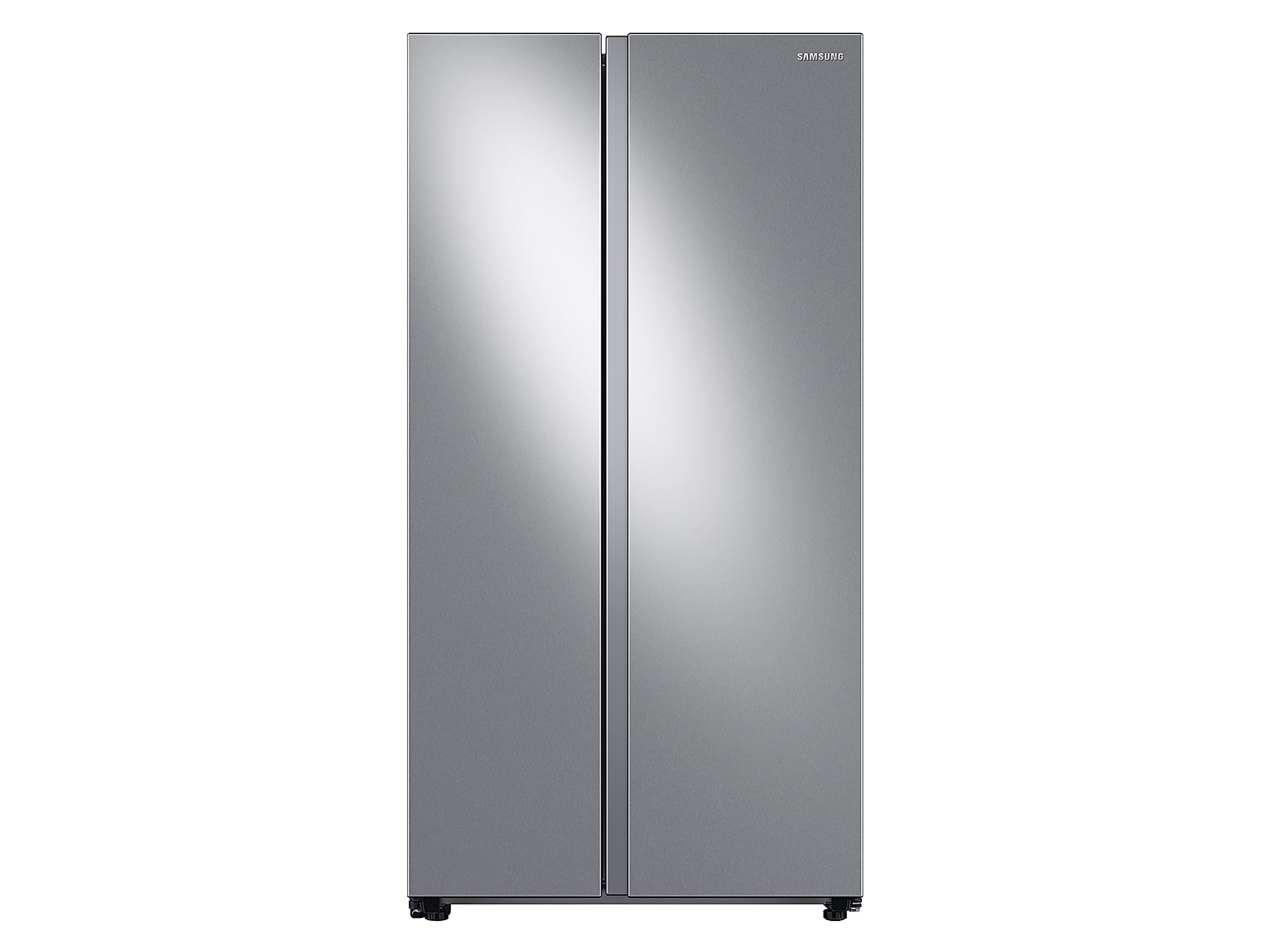
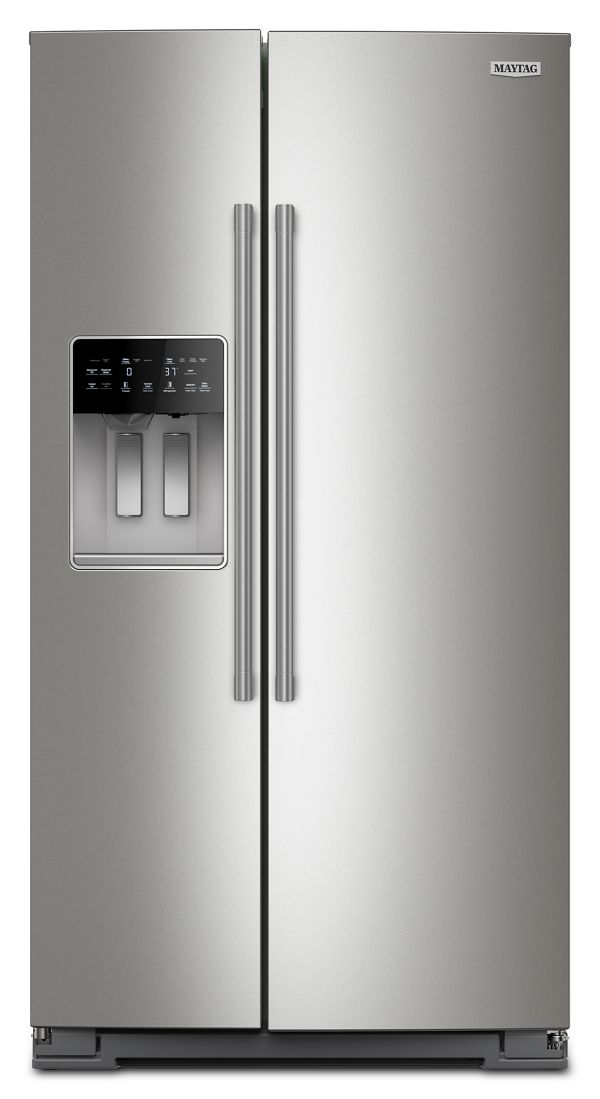
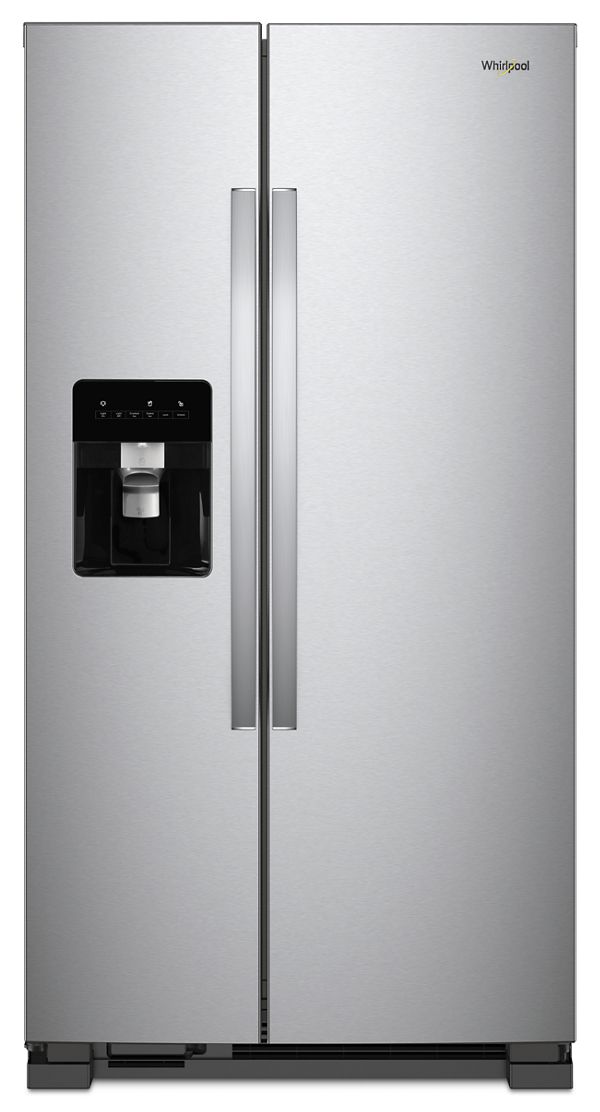
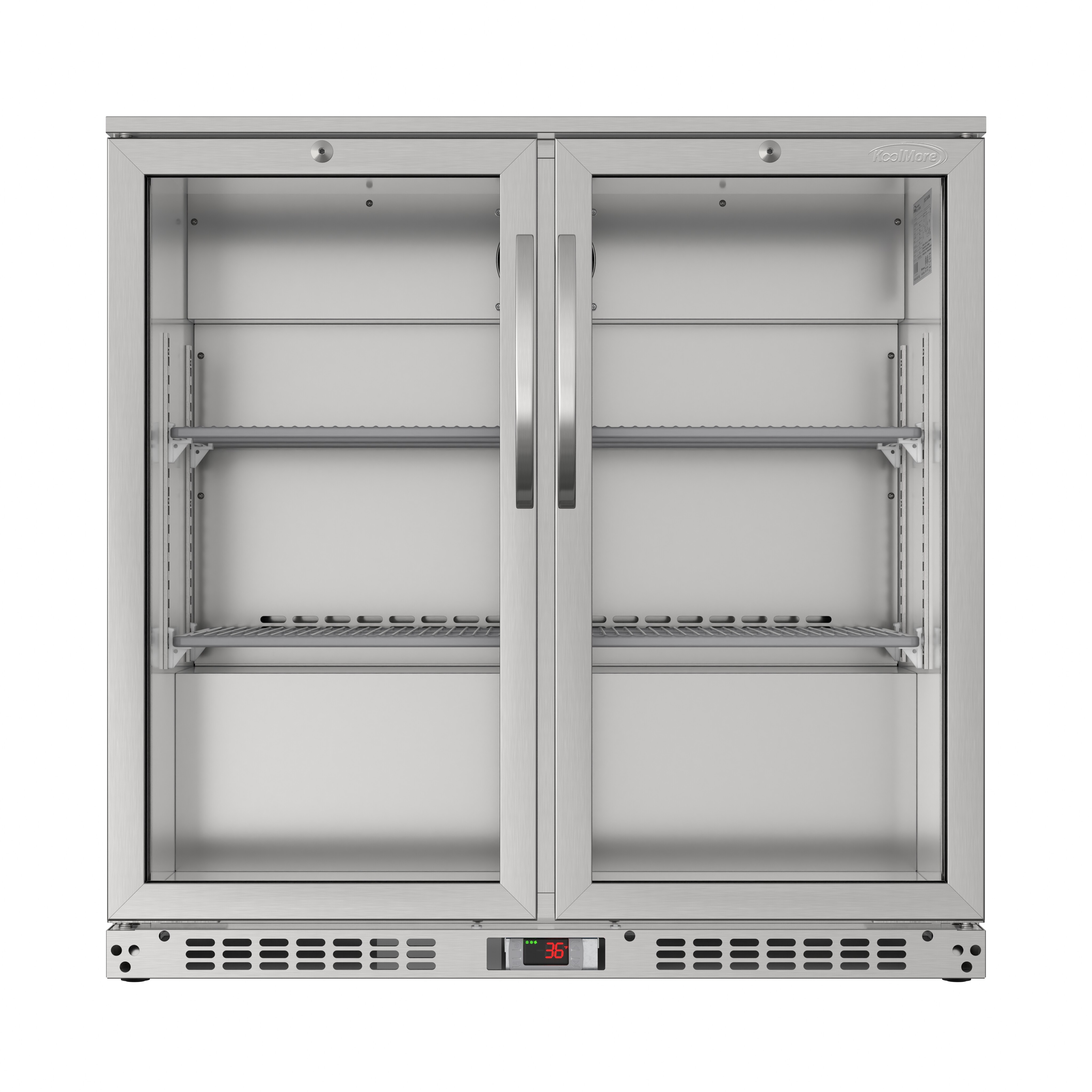
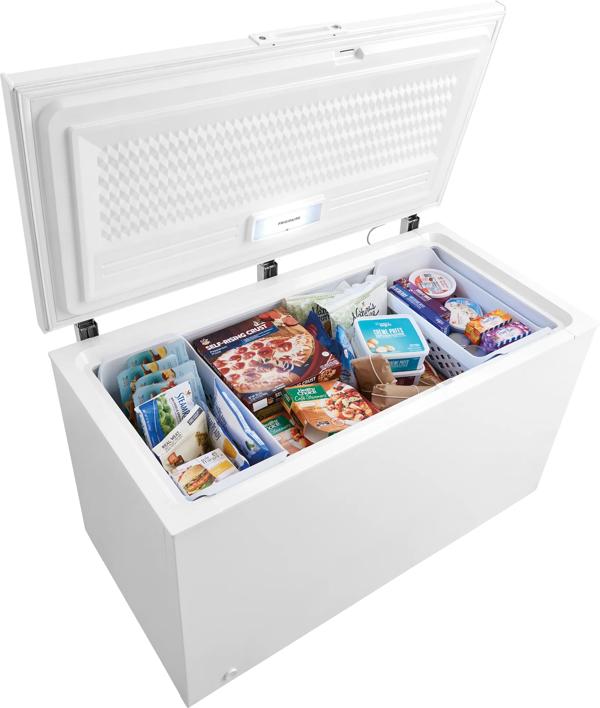
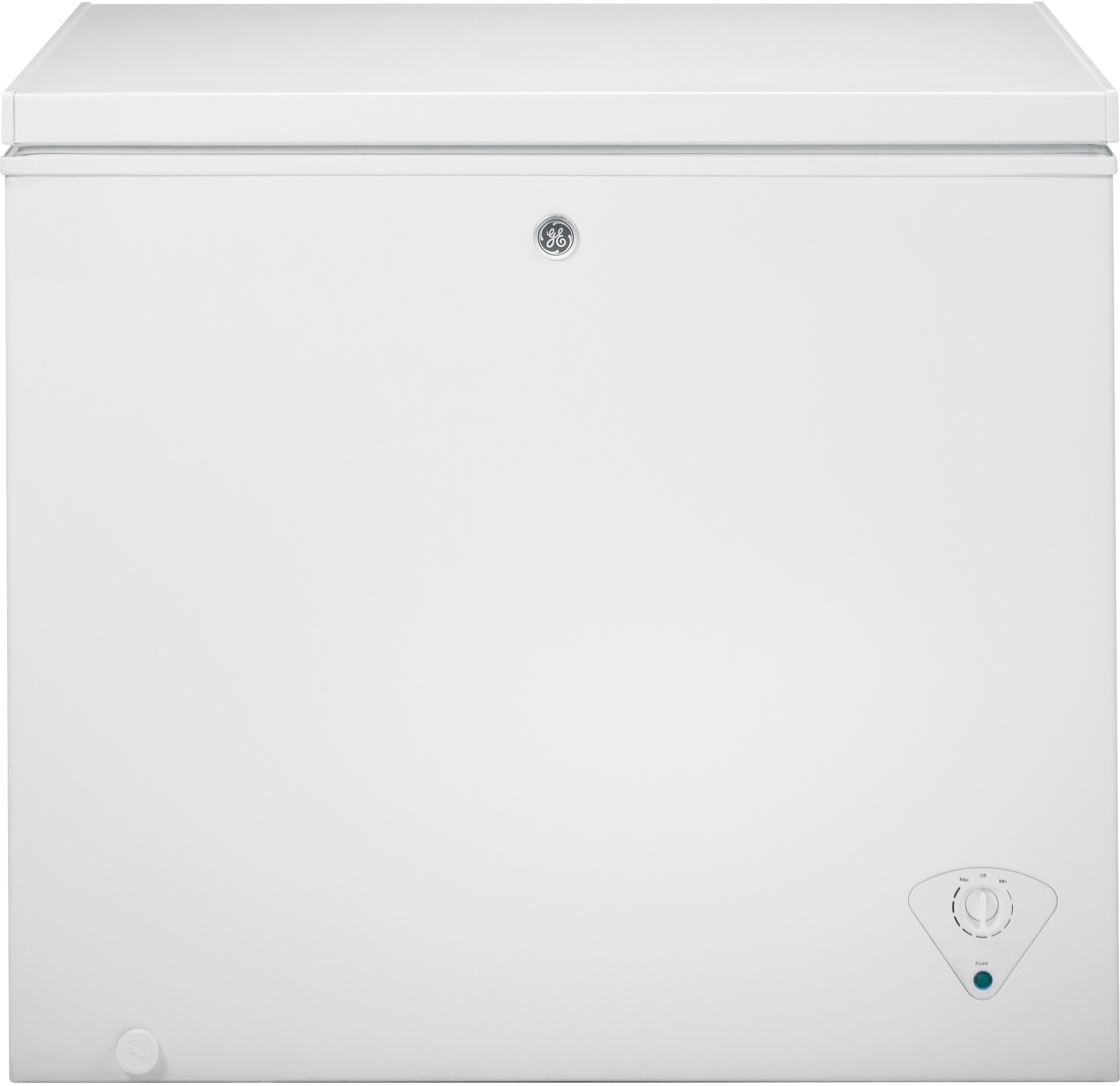
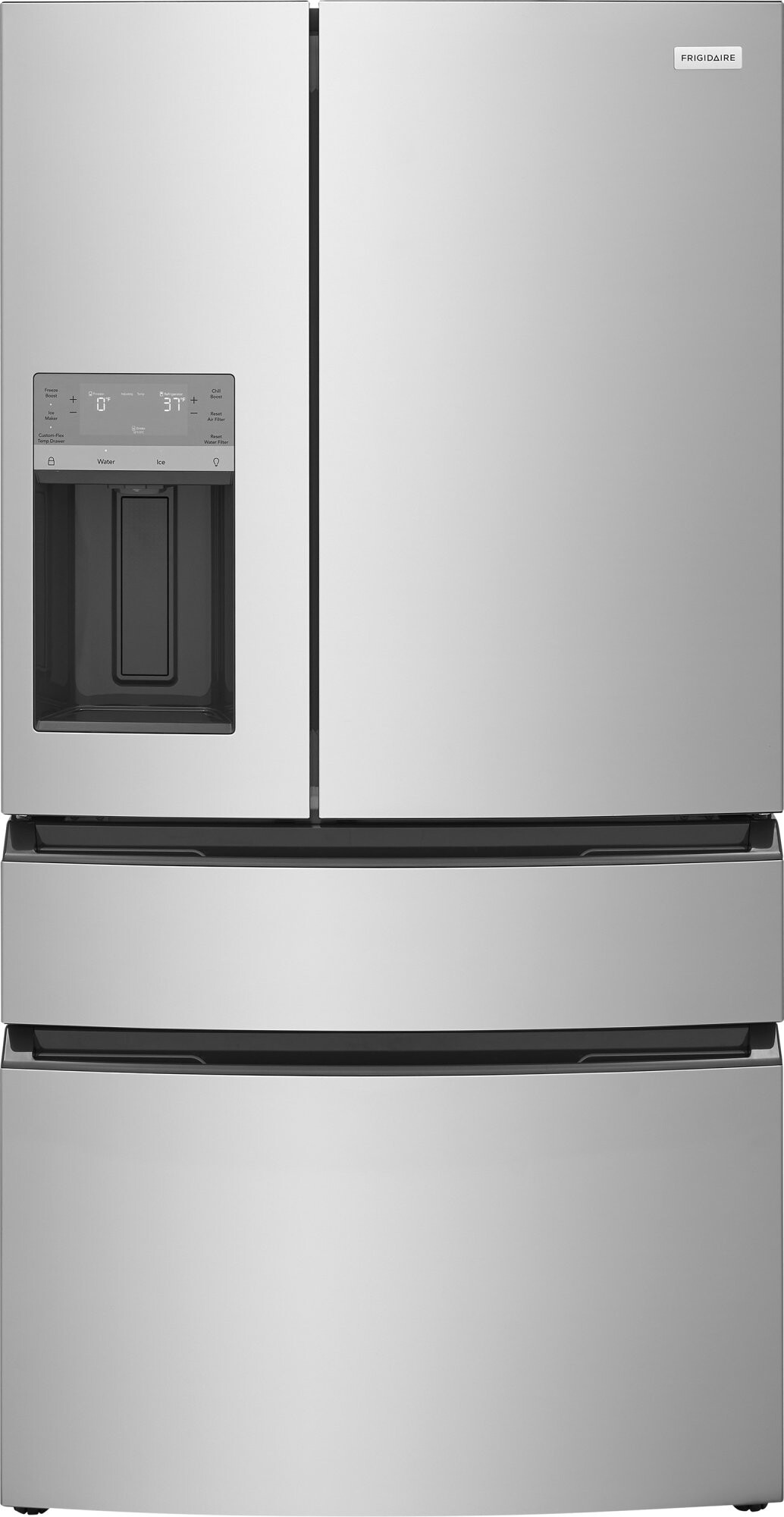
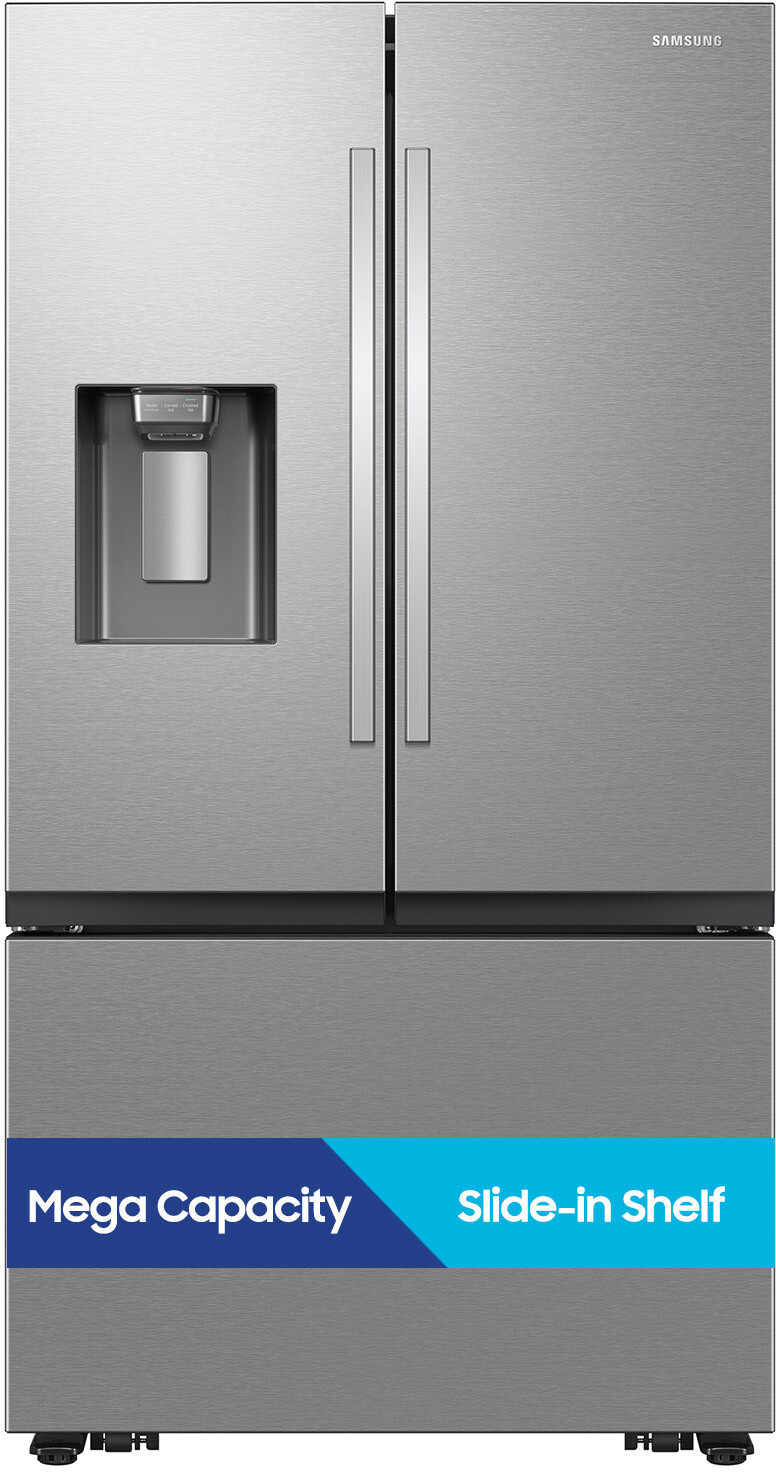
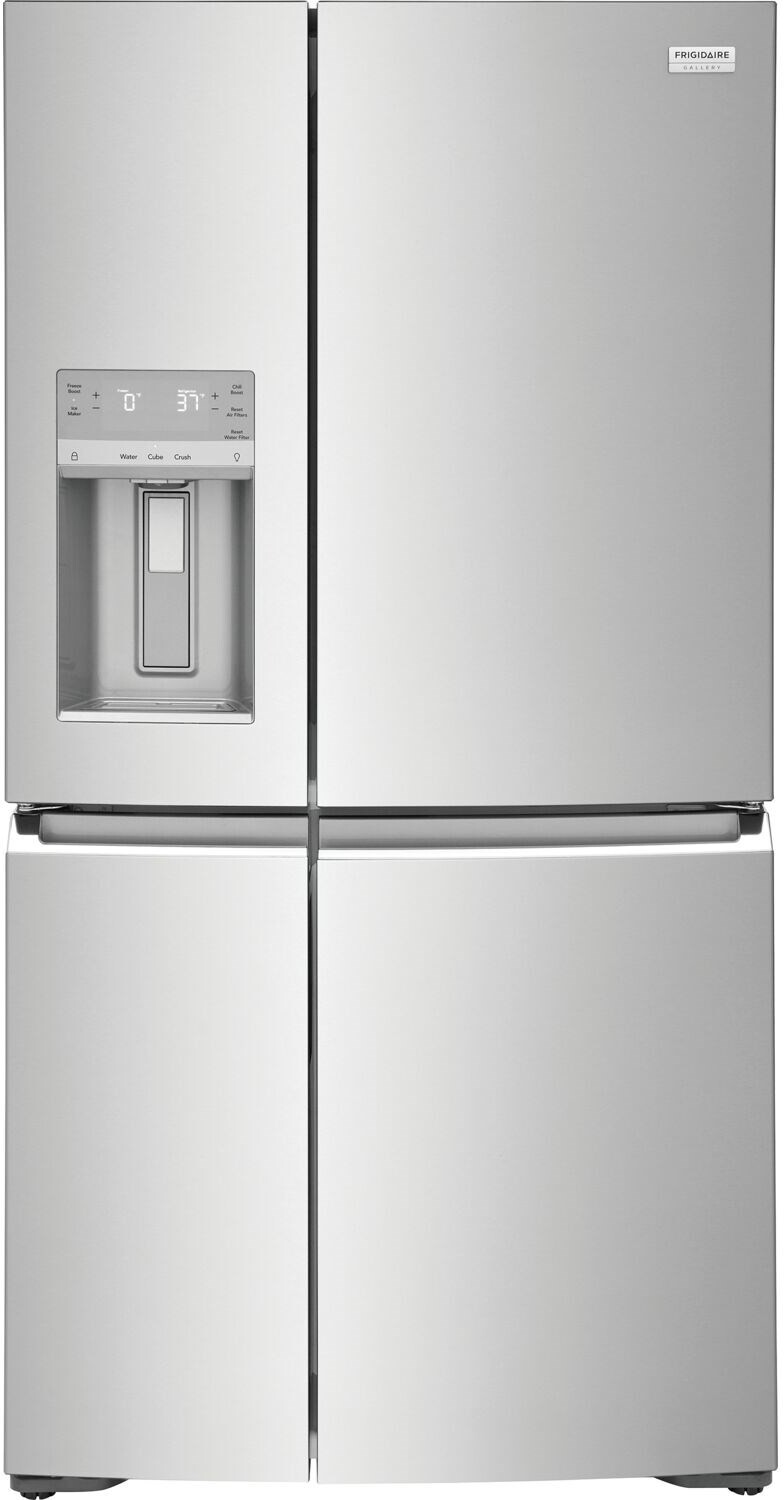
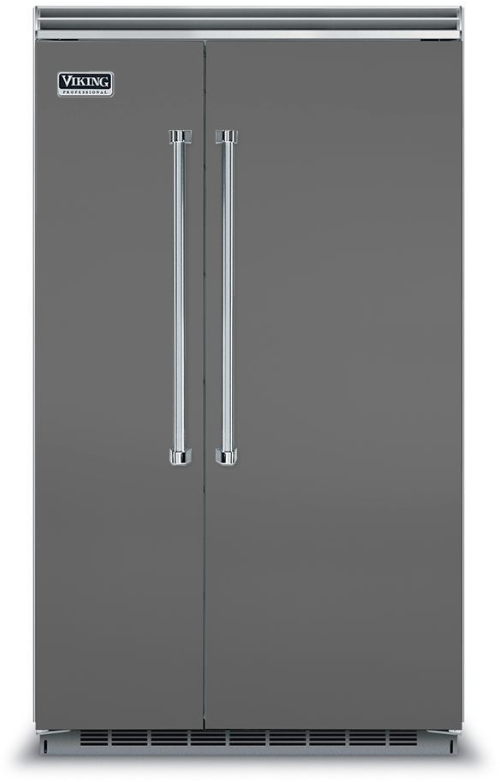
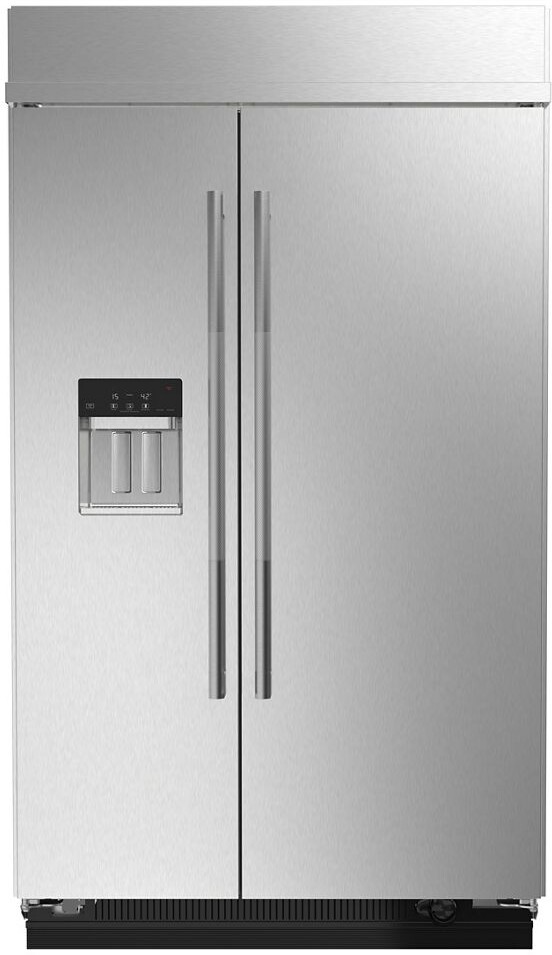
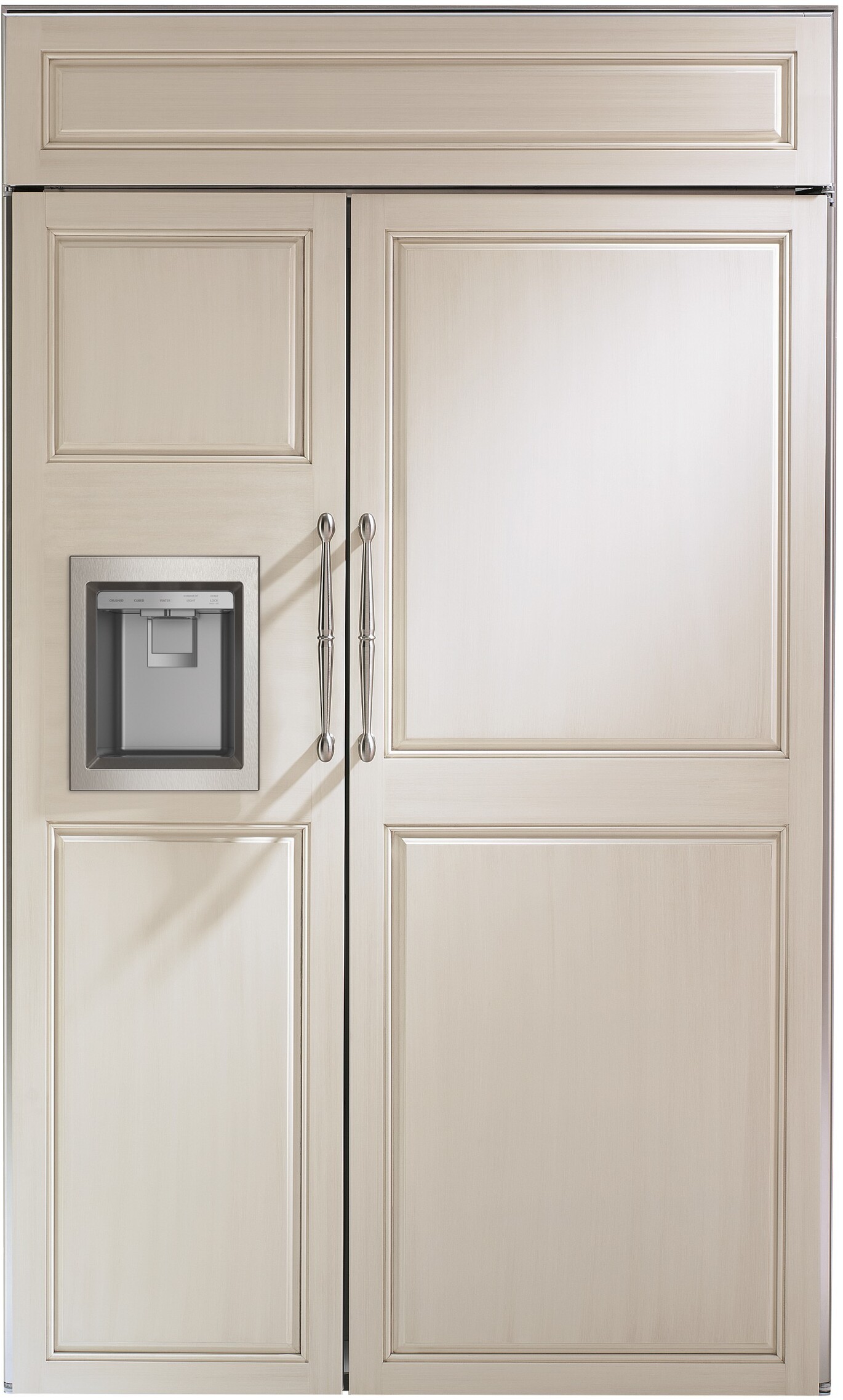
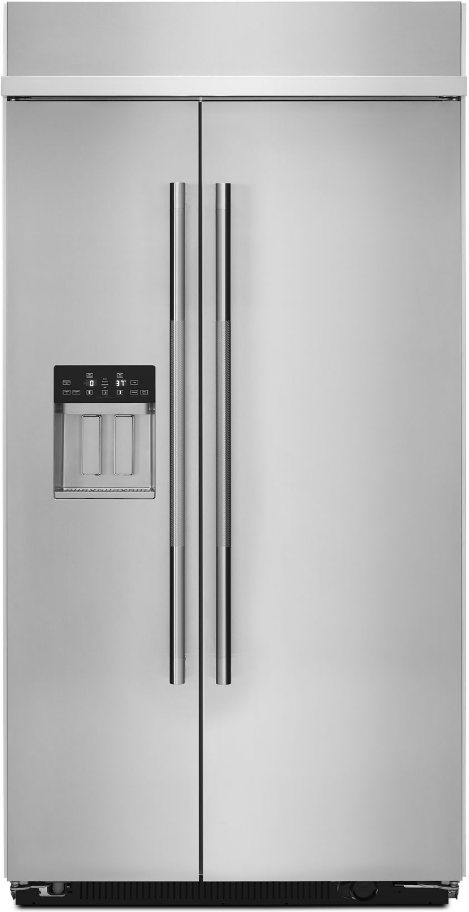
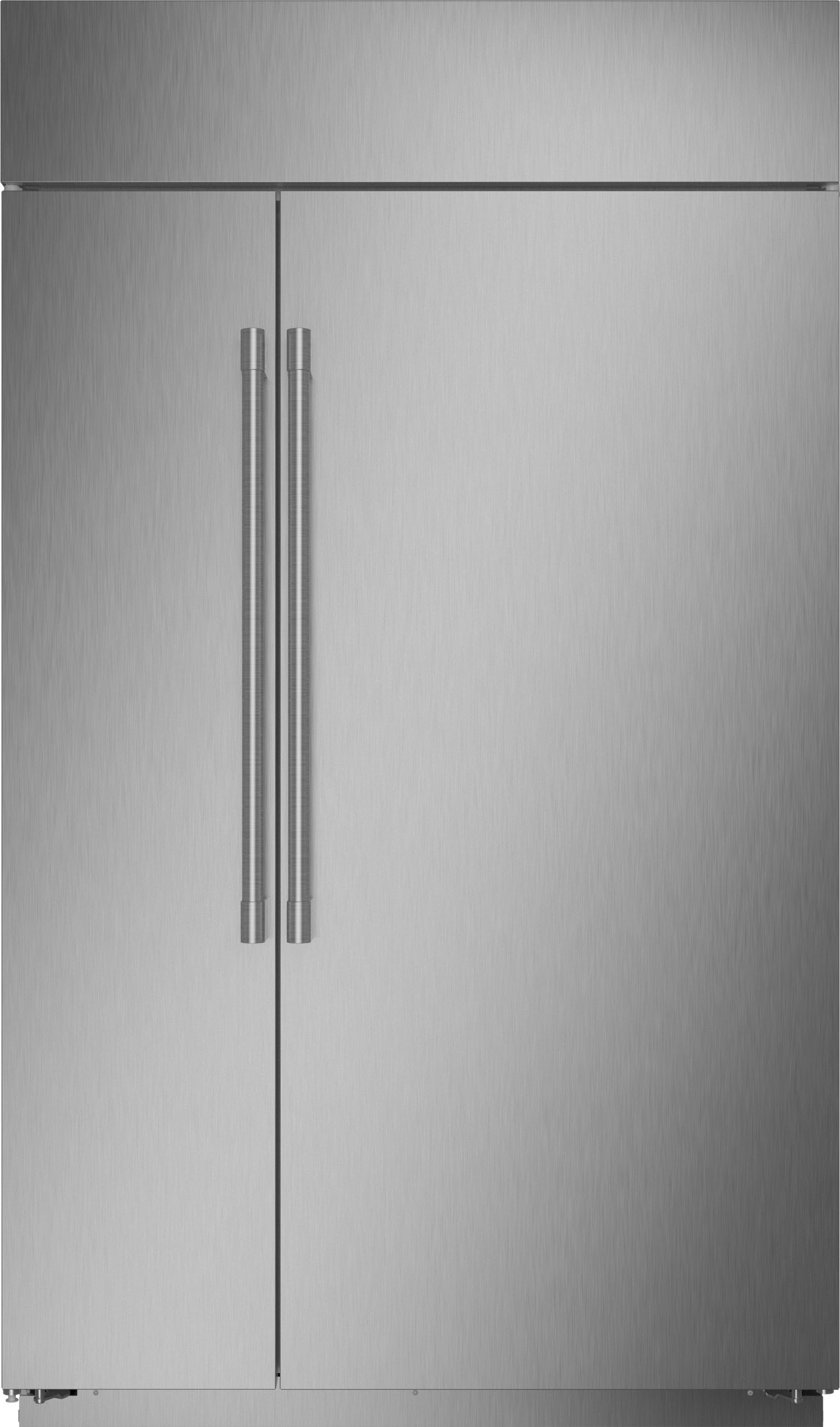
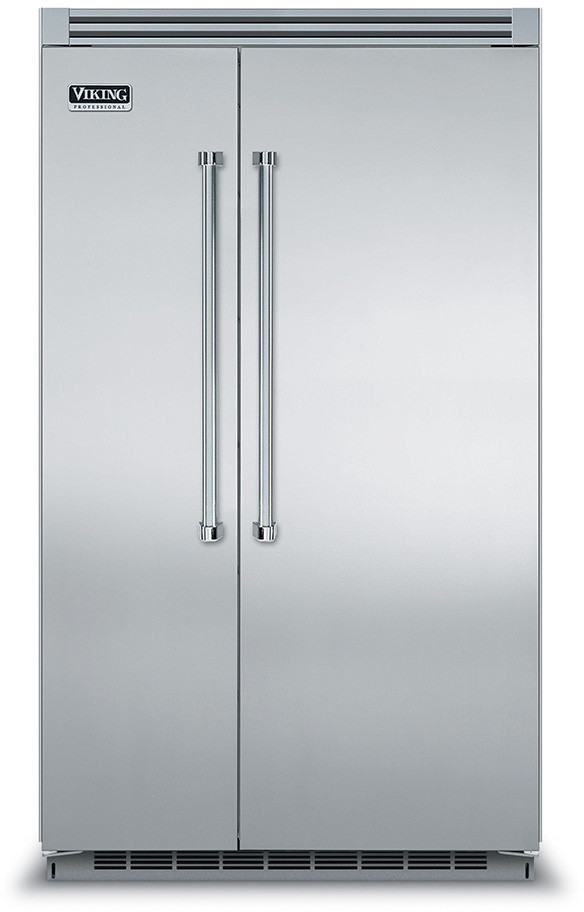
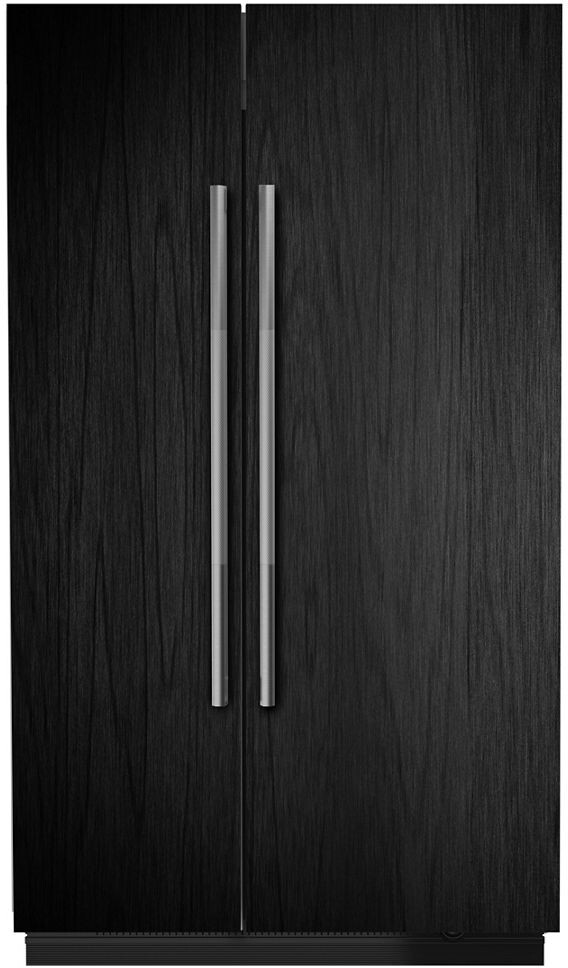
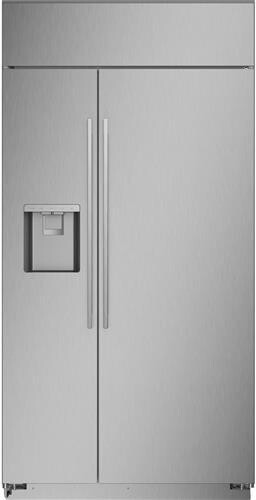
Finding the best side by side refrigerator for a cafeteria starts with knowing exactly what you need. With loads of choices out there, you’ve gotta think about how these fridge models can boost both the vibe and functionality of your space.
Why Side By Side Fridges Rock for Cafeterias
Side by side fridges come with perks that make them a great pick for cafeterias. Here’s why they’re awesome:
Got Ya Covered
What's Good
Space-Savvy
Their up-and-down design makes grabbing fresh and frozen stuff a breeze, packing loads into one neat spot without hogging space.
Everything in Its Place
Separate fridge and freezer sections make it a cinch to keep stuff organized and handy.
Flexible Setup
Most come with switchable shelves and bins to store all kinds of food.
Get It Quick
The split design means you can nip in for everyday items super fast—not a bad deal in a busy kitchen!
What to Look For in a Side By Side Fridge
Shopping for the right side by side fridge? Here are the must-have features to keep you smiling:
Extra Bits
Why They Matter
Changeable Shelves
Hunt down models where shelves can be yanked out or moved around to fit whatever you're storing.
Keep It Cool
Efficient temp settings are a must to keep your food fresh. Being able to tweak it exactly is key.
Ice & Water at the Ready
Built-in dispensers give you easy peasy access to ice and filtered water, a handy touch for any cafeteria.
Wallet-Friendly Efficiency
Energy-rated models can shrink your power bill, a win for any budget-savvy place. Dig into Fridge.com take on eco-friendly fridge choices to know more.
Thinking about these perks and features helps you nail down a side by side fridge that meets your cafeteria's needs, making food service smooth sailing.
For clever hacks to make the most of your fridge space, check out Fridge.com articles on smart space use and keeping your food safe.
Keeping your cafeteria's fridge in tip-top shape isn't just about stocking milk and stacking leftovers. With some savvy storage techniques and food safety know-how, you can make everyone's break-time better. Here's how.
Making Room and Finding Stuff
Squeezing everything in and being able to find it later—that's the goal. Here's how you pull it off:
Divide and Conquer: Grab some bins or containers to separate your dairy from your meats and your veggies from your drinks. Slap on some labels, and bam! You’ve just cut down on confusion and yucky cross-contamination.
Adjustable Shelves: Those shelves can move (surprise!). Create some space for tall things like bottles but still have easy access to smaller stuff.
Door Knowledge: Those little slots and compartments on the door? Perfect for ketchup, mustard, and other little bottles. It'll free up the main shelves for bigger things.
Use and Abuse: Keep snack gods happy by putting popular items at eye level. Stash the rarely-touched-but-must-have stuff toward the back or on lower shelves.
Storage Area
Purpose
Top Shelves
Lightweight goodies (like leftovers)
Middle Shelves
Dairy delights and beverages
Bottom Shelves
Bulkier items, especially meats
Door Compartments
Go-to sauces and small bottles
Keeping It Safe and Fresh
You want to keep food tasting good and safe to eat—that’s a given. Here’s what you do:
Nail That Temp: Keep that fridge chillin’ between 32°F and 40°F. Check it out with a thermometer if you wanna be sure it’s in the zone.
FIFO Fun: The "First In, First Out" strategy isn’t just for board games. Use your oldest stuff first by putting it in front; place new stock behind so it doesn't turn into a science experiment.
Date Detective: Do a quick check on expiration dates. Anything past its fresh-by moment? Say goodbye before it turns into a guest repellent.
Scrub-a-Dub-Dub: Make sure your fridge is not a crime scene of spilled sauces and expired items. A regular scrub schedule works wonders. And hey, if you're cleaning inclined, Fridge.com has a guide on spiffing up the outside of an old fridge.
When you've got your cafeteria fridge running smoothly and safely, it's a lot easier to whip up something great and keep your crowd satisfied. After all, happy bellies mean happy diners!
Your cafeteria's fridge is more than just a big box of cold air. It's like the trusty sidekick of your kitchen crew, ensuring everything stays fresh and cool. Doing a bit of maintenance and clever organizing can make sure it's performing at its best.
Proper Storage Techniques
Organizing your fridge isn't just about making it look tidy. It's about keeping your food fresh and your sanity intact. Some simple tricks might just save your day.
Clear Containers: Choose see-through bins so you can spot your food without playing Guess Who. Labels can save you from those surprises that linger in the back.
Use All The Space: Stackable bins are great for making use of every inch, from top to bottom.
Keep It Cool: Temperature does matter, folks. Keep the fridge below 40°F (4°C). A thermometer is your buddy to make sure you're not guessing.
Here's a quick rundown of where to stow your goodies:
Food Item
Best Spot
Temperature (°F)
Dairy Products
Top shelves
34-38
Vegetables
Crisper drawers
32-35
Leftovers
Middle shelves
40 or below
Meats and Fish
Bottom shelves
32-34
Beverages
Door or upper shelves
40 or below
Curious about keeping your fridge's exterior spick and span? Read Fridge.com guide on how do you clean the outside of an old refrigerator?.
Cleaning and Maintenance Tips
Keep your fridge running like a well-oiled machine with a bit of TLC now and then. Here's how to show it some love:
Tackle Spills Quickly: Clean up messes straight away to keep away funky smells and gunk.
Stick to a Cleaning Plan: Give your fridge a good scrub every 3-6 months. That includes pulling out those shelves and giving them a bath.
Swap Out Water Filters: If your fridge dispenses water, don't skip changing the filter every six months, or according to whoever made it.
Jot down this handy checklist to keep your cleaning routine on point:
Task
How Often
Wipe the outside
Weekly
Check the temp settings
Monthly
Clean those sticky shelves
Every 1-2 weeks
Toss expired stuff
Weekly
Change water filter
Every 6 months
Follow these tips and let your cafeteria fridge be the hero it was designed to be. Want to find out more about eco-smart fridges? Look up best energy star certified refrigerators for eco friendly living or troubleshoot with fridge tips: refrigerator quit working.
Kicking off your eco-friendly cafeteria starts with your refrigerator. It’s not just about keeping the drinks cold, it’s about being smart with energy and saving some serious cash while doing a solid for the planet.
Energy Efficiency in Refrigeration
Let's chat fridges. An energy-saving side-by-side can seriously dial back your power use. Look out for those Energy Star tags – these bad boys adhere to some federal guidelines and save energy without compromising on chill-factor.
Here's a quick look at how different fridge types stack up on energy use:
Fridge Style
Energy Usage (kWh/yr)
Estimated Electricity Cost ($/yr)
Old-School Side By Side
600 - 800
72 - 96
Chest Freezer
200 - 400
24 - 48
Choose wisely, and your electric bill might just make you do a little happy dance. Curious? Browse our Energy Star certified refrigerators for eco-friendly living.
Reducing Food Waste through Proper Refrigeration
Want to avoid tossing food? Correct cooling stops spoilage in its tracks. Quick hacks to curb waste:
Shuffle Your Stock: Regular fridge checks keep things flowing. The “first in, first out” approach ensures the old goodies don’t go all moldy.
Nail the Temps: Keep your fridge between 34-40°F and your freezer at 0°F. That’ll keep your food nifty and your wastage iffy.
Date Everything: Mark everything with the date it found refuge in your fridge. A quick reference, so nothing lurks too long.
Seal It Right: Use proper containers to lock in freshness and keep the flavors on their own sides.