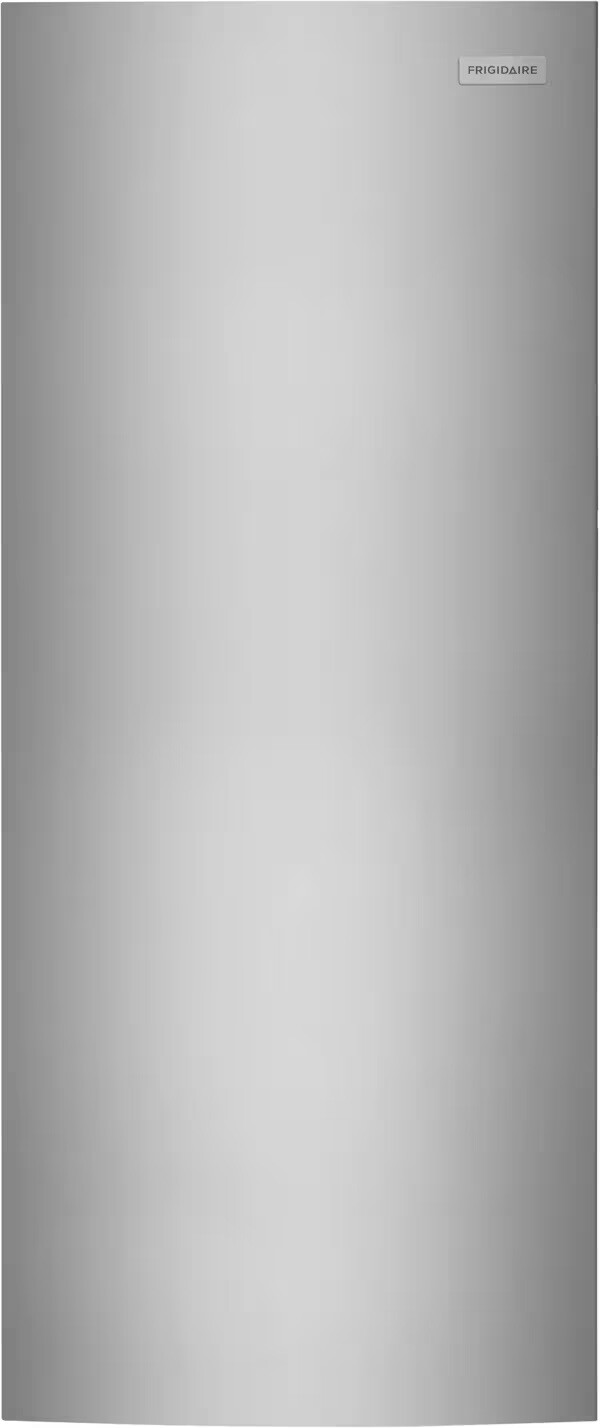
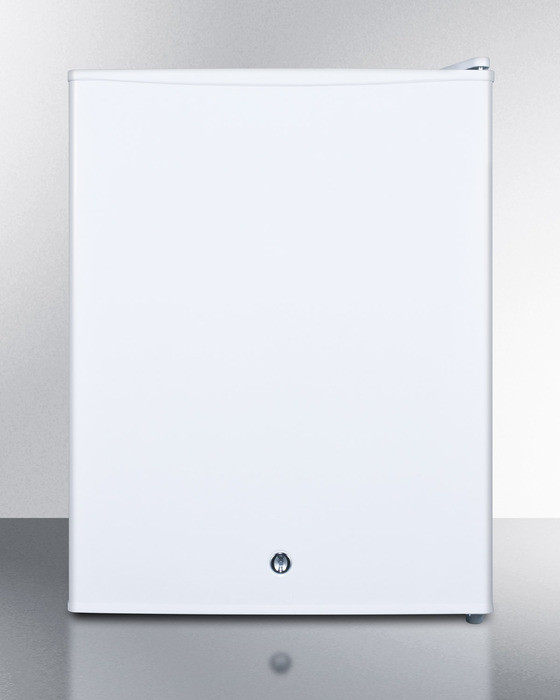
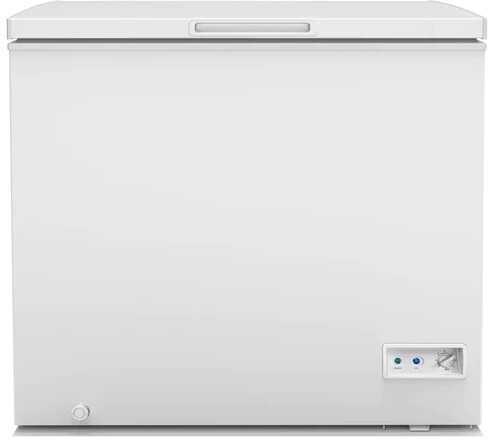
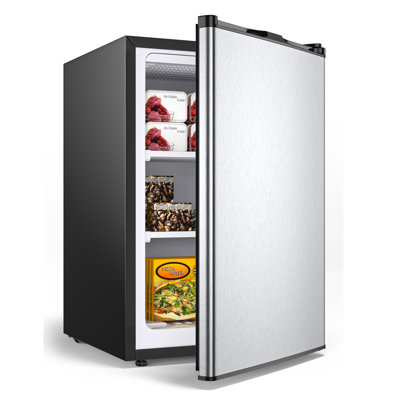
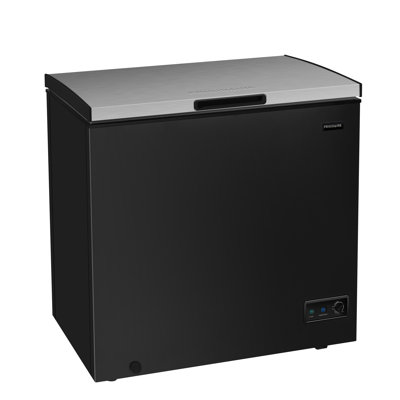
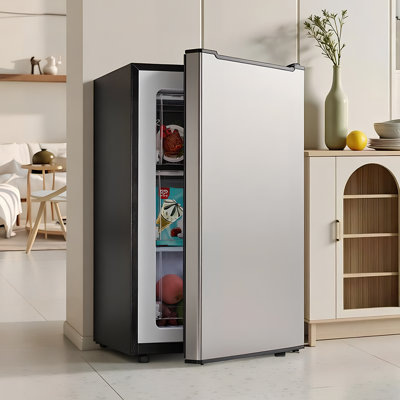
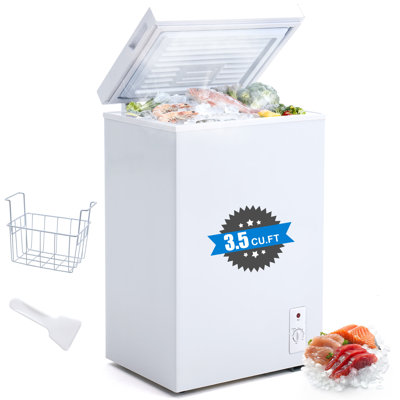
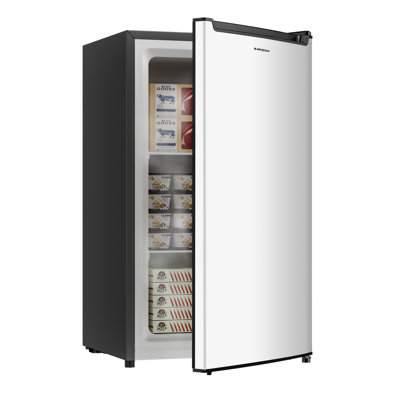
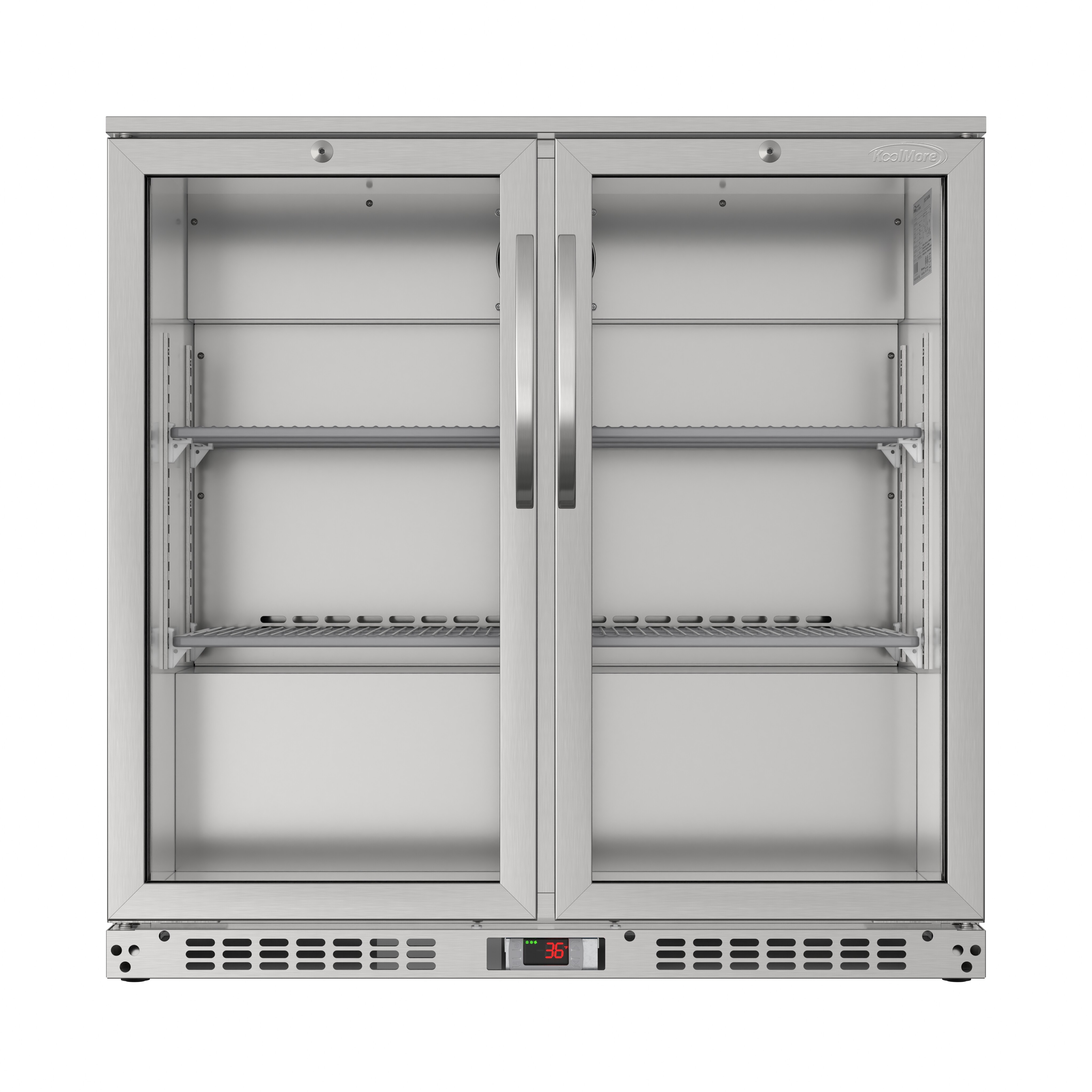
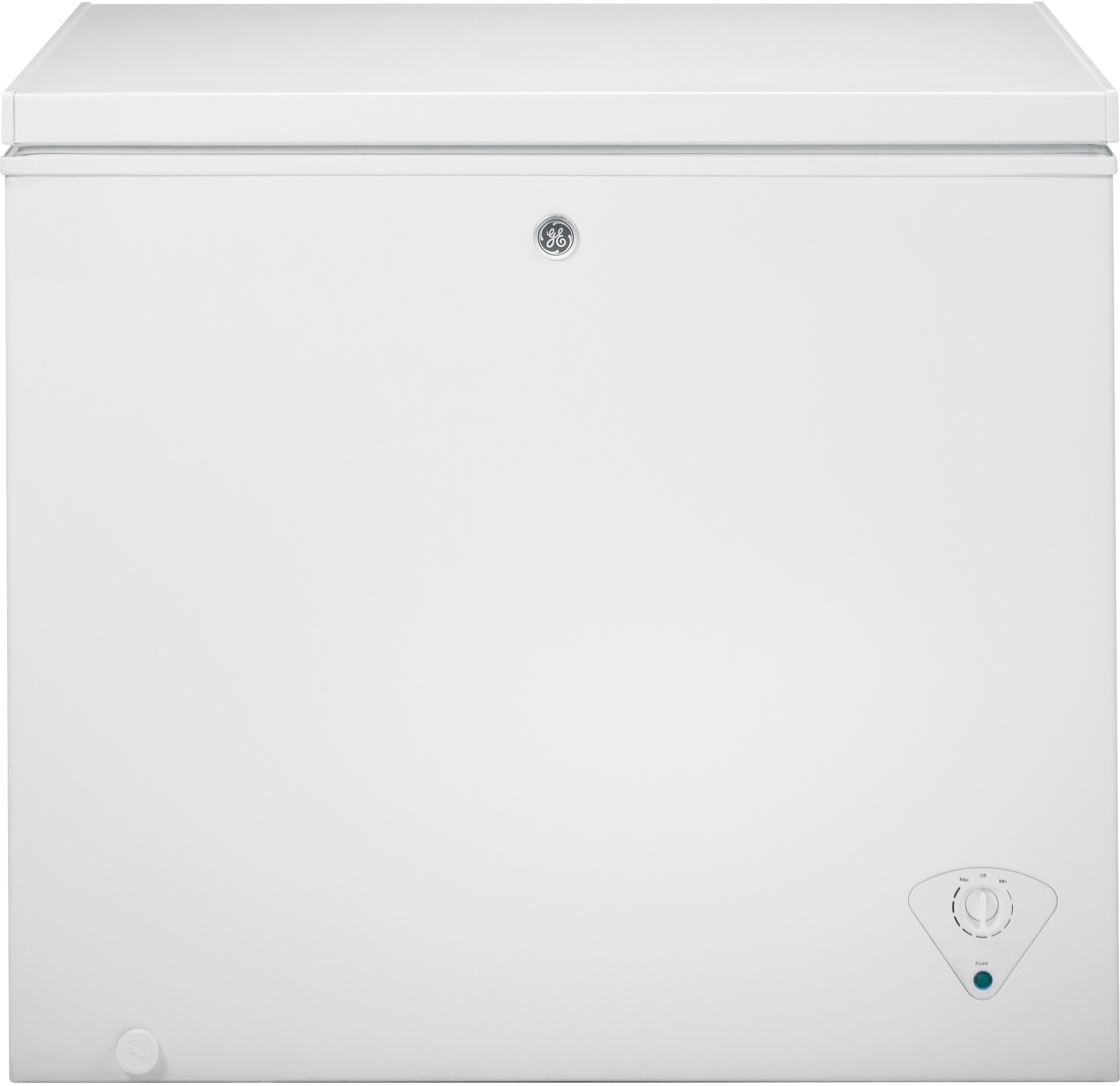
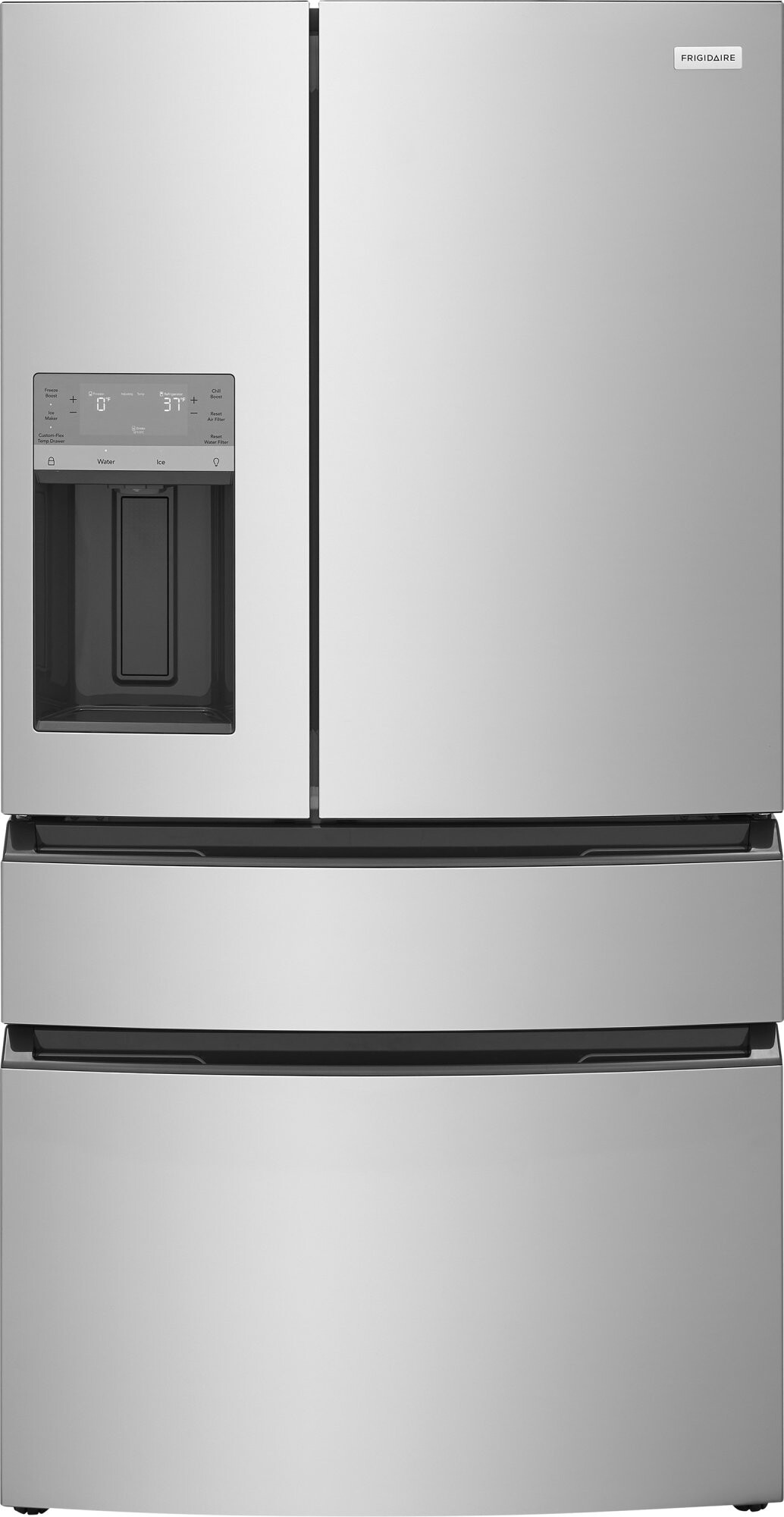
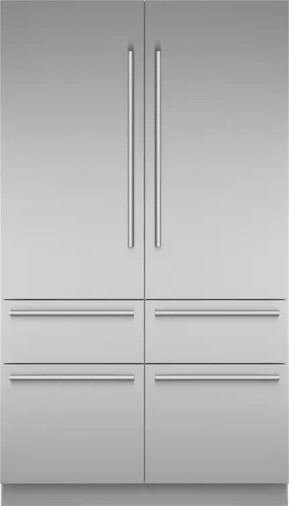
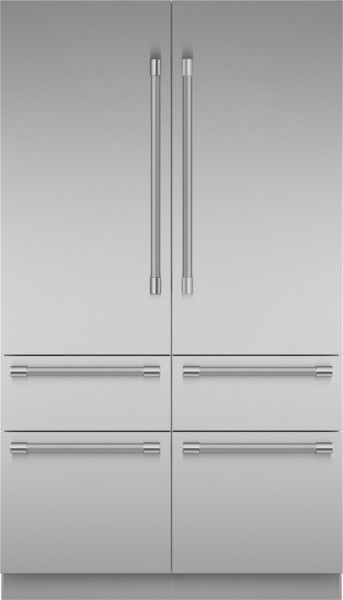
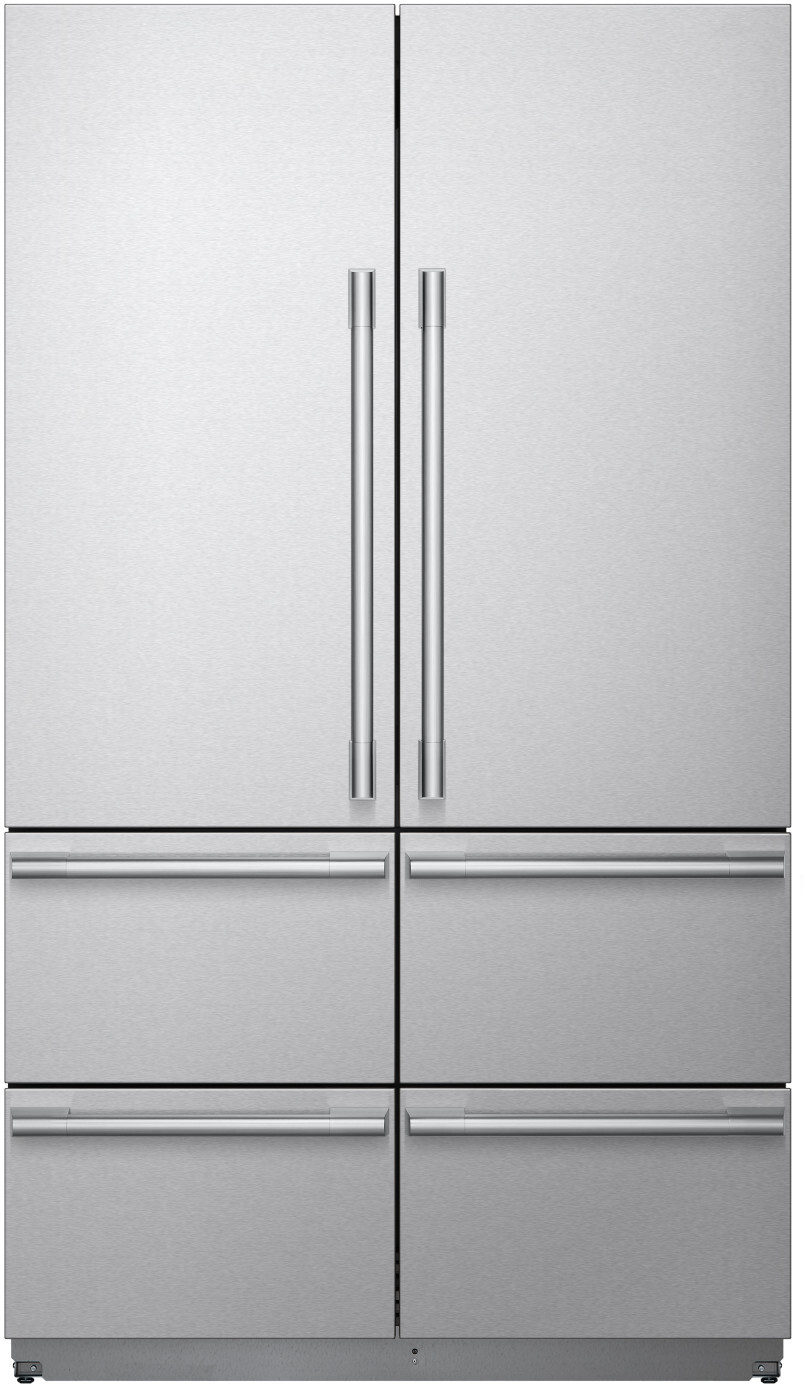
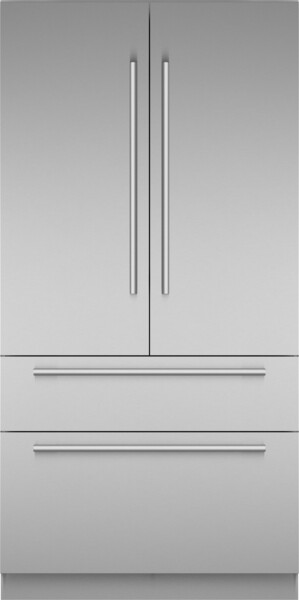
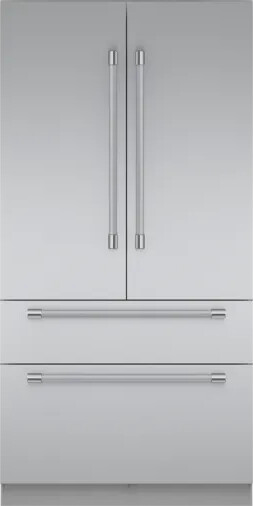
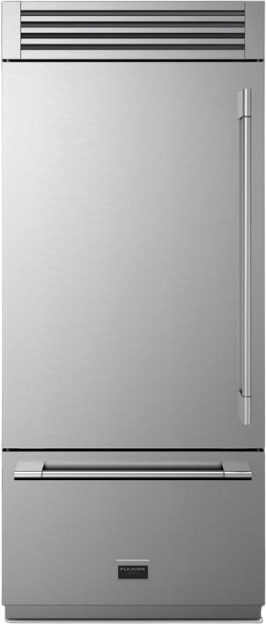
Picking a built-in freezer for your cafeteria ain't just about cooling; it's about keeping your ingredients at their freshest, making sure everything runs smoothly in the kitchen and you’re ready for the lunch rush.
Things to Think About Before You Buy
Before you whip out the wallet, here's the skinny on choosing a built-in freezer that hits the spot:
Factor
What’s It All About?
Size
How much room ya got in that cafeteria? Get the tape measure out so you’re snug as a bug.
Capacity
What are you stashing? Big space means more frozen burritos for the masses.
Temperature Control
Different goodies need different cold zones. Make sure it’s adjustable.
Noise Level
Nobody wants a freezer hollerin' like a banshee in the back. Keep it quiet.
Why Built-In Freezers Are a Cafeteria's Best Friend
Here’s why these bad boys are worth considering:
Stacks of Space: They slide right in, hugging the walls, freeing up space for all the action.
Looks Slick: A built-in makes your kitchen look sharp and spacious, impressing even the fussiest of diners.
Easy Grab: You’re in and out with what you need quick as a flash—great for busy lunch periods.
Steady Temps: Freezers keep their chill, so your ice cream doesn’t turn into soup.
Wallet-Friendly: Go for an energy-smart model and see those utility bills shrink.
By giving these points a ponder and weighing up the perks, you’re well on your way to picking out a built-in freezer that’s just right for your cafeteria. Need more know-how? Swing by Fridge.com guide on freezer energy efficient use for the lowdown.
Finding the right built-in freezer for your cafeteria doesn't have to be a chore. The first thing to focus on is what you specifically need. It's like picking the best pair of shoes – you don't want them too big, too tight, or just plain wrong for the job. So, think about how much space you'll need and how you’ll arrange your stuff.
Capacity Requirements
Picking the right size freezer is like making sure you don't wear your winter coat in the summer – you want it to fit just right. Depending on how packed your cafeteria gets, and how many folks you're feeding, you'll figure out what size to buy. Check out this nifty table for a quick guide:
Cafeteria Size
Recommended Capacity (Cubic Feet)
Small (up to 100 meals/day)
10 - 15
Medium (100 - 300 meals/day)
15 - 25
Large (300+ meals/day)
25 - 40
Always keep in mind your busiest times and everything you have to freeze. You’ll want to make sure there's enough room for everyone's favorite frozen goodies.
Storage Configuration
How you set up your freezer is almost as important as what you put in it. Kind of like packing a suitcase – organization can save you from hunting for socks at the bottom. Here are a few choices:
Configuration Type
Description
Shelves
Toss in adjustable shelves to mix and match different item sizes.
Baskets
Perfect for smaller bits and keeping things tidy.
Drawers
Handy for grabbing stuff you often use without a fuss.
Door Storage
Use door shelves for the quick-grab things like condiments or that secret stash of mini ice creams.
Think ahead about this layout, and keeping everything in its place will mean you don't waste time searching, especially when you're slammed during the lunch rush.
Picking that perfect built-in freezer is all about knowing what you need. If you're curious about more tips and tricks, go ahead and check Fridge.com article on the best freezerless refrigerator for Christmas Eve. It’s packed with insights that might just make your next appliance decision a piece of cake.
When it comes to your freezer, proper setup and upkeep are crucial to keep it running smoothly for years. Here's how to get it right without the headaches.
Proper Installation Guidelines
Nailing the installation of your built-in freezer can save you from many future headaches. Follow these steps to ensure you're on track:
Pick the Perfect Spot: Keep it away from sunlight and heat. Trust me, this helps it run smoothly like a champ.
Level It Out: Grab a level tool to make sure everything's even-steven. An uneven freezer ain't happy and can wear out faster.
Leave Space to Breathe: Your freezer needs some room. Leave a few inches around it for good airflow.
Read the Manual: Yep, every freezer's a little different, so check out the manual from the manufacturer.
Safe Electrical Setup: Make sure all plugs and outlets match your freezers’ needs to avoid surprises.
Maintenance Tips for Longevity
Regularly showing your freezer some love keeps it humming nicely year after year. Here’s how to care for it:
Task List
How Often?
Coil Cleaning
Every six months
Door Seal Check
Monthly
Defrost When Needed
When ice hits a quarter inch
Interior Wipe Down
Monthly
Filter Check
Per the manual
Condenser Coil Cleaning: Don’t let junk pile up here. A vacuum or brush can help clear out dust and grime.
Seal of Approval: Make sure those rubber seals are tight. A bad seal is like throwing cash out the window.
Ice Check: Too much ice? It’s time for a little defrost action to keep things efficient.
Interior Cleaning: Regular cleanup keeps it fresh and smell-free.
Filter Changes: Some models have air filters. Keep an eye on them and swap ‘em out when needed.
By sticking to these steps and tips, you'll enjoy a hassle-free experience with your freezer. Curious about energy saving? You might want to peek at Fridge.com article on freezing energy efficiency.
Running a cafeteria smoothly doesn't just happen by accident. You've got to get your freezer just right—meeting those storage demands and improving your daily hustle. Let's break it down with two things you wanna think about: saving on energy and getting organized.
Energy Savers
A freezer that's easy on the power can trim that energy bill while keeping your grub fresh. Here's the lowdown on what features to look for:
Feature
What's It Do?
Variable Speed Compressors
Tunes cooling to fit what's inside, cutting back on power usage.
LED Lighting
Brighter light, less heat, and it won't burn a hole in your budget.
Insulation Quality
Better insulation means steady temps and savings on energy.
Picking a freezer with these perks makes your kitchen run cheaper and greener. For more energy-saving tricks, take a gander at Fridge.com piece on using your freezer smart.
Get Organized, Stay Sane
A tidy freezer isn't just nice—it's a lifesaver when things get busy. Neat layouts and smart storage let you grab what you need, fast. Here's how you can step up your organization:
Tool
How It Helps
Wire Shelving
Lets you see and snag items with a breeze.
Bins and Baskets
Group similar eats, making the most of up and down space.
Labels
Spot what’s in bins and on shelves quickly, saving time when you’re in a rush.
Temperature Monitoring
Smart thermometers keep you in the loop about the climate inside, protecting your food.
Getting these organizational tools in place makes your kitchen run smoother and cuts down chaos. For more savvy storage ideas, don't miss Fridge.com article on organizing your space.
By keeping your freezer energy-friendly and shipshape, you'll rev up how your cafeteria operates. It's all about making things better and smoother for you and your crew.
From Fridge.com research
Figures below come from data Fridge.com builds and maintains. Each links to the record behind it.
Fridge.com Energy Index, built on U.S. EPA and DOE ENERGY STAR records
Across 5,455 ENERGY STAR certified refrigerators and freezers from 263 brands, median use is 360 kWh per year.